
MCB 317 Genetics and Genomics MCB 317 Topic
MCB 317 Genetics and Genomics MCB 317 Topic 10, part 1 A Story of Transcription
Eukaryotic Transcription How We “Know” What we Know Abbreviation for Transcription = Txn
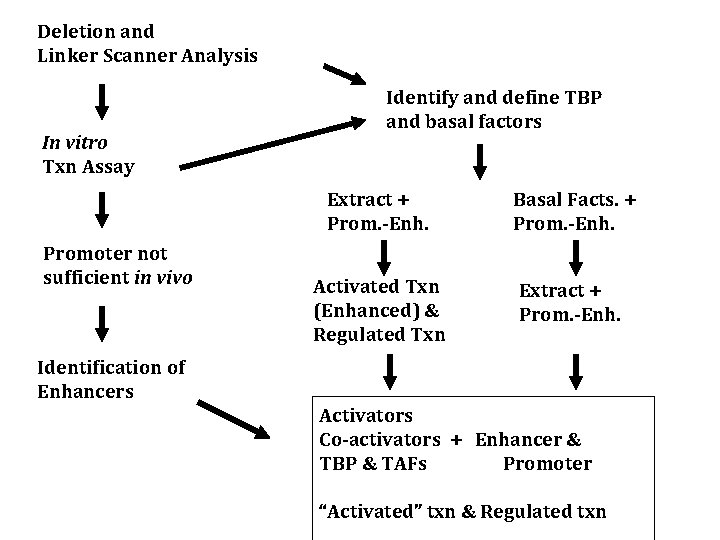
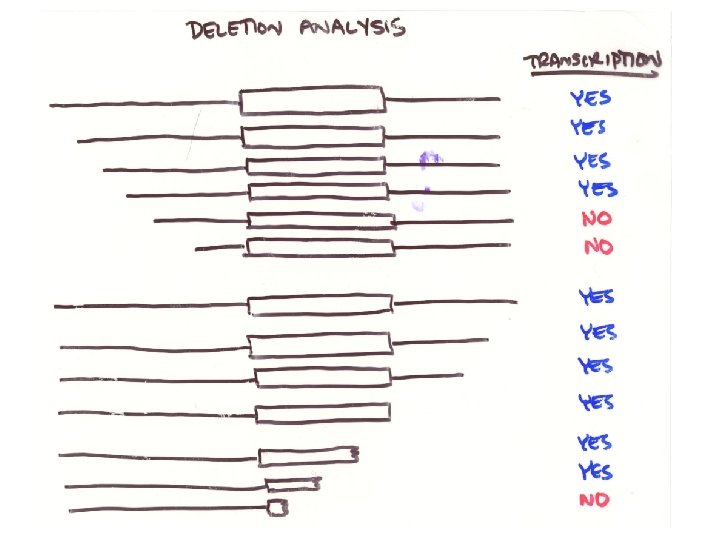
Deletion and Linker Scanner Analysis In vitro Txn Assay Promoter not sufficient in vivo Identify and define TBP and basal factors Extract + Prom. -Enh. Basal Facts. + Prom. -Enh. Activated Txn (Enhanced) & Regulated Txn Extract + Prom. -Enh. Identification of Enhancers Activators Co-activators + Enhancer & TBP & TAFs Promoter “Activated” txn & Regulated txn
What is “True” Will Change as We Go Through the Story of Txn Our “Knowledge” of Subjects Undergoing Active Research Evolves “Knowledge” -> A Series of Models
Discovery and Identification of Eukaryotic Promoters
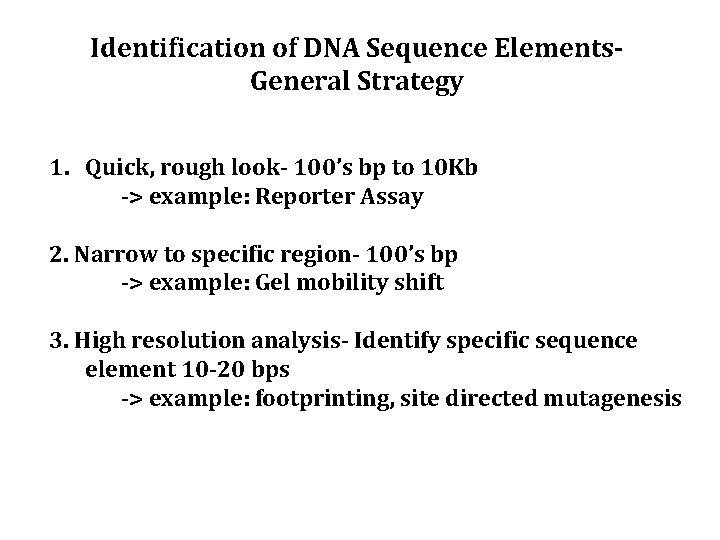
Identification of DNA Sequence Elements. General Strategy 1. Quick, rough look- 100’s bp to 10 Kb -> example: Reporter Assay 2. Narrow to specific region- 100’s bp -> example: Gel mobility shift 3. High resolution analysis- Identify specific sequence element 10 -20 bps -> example: footprinting, site directed mutagenesis
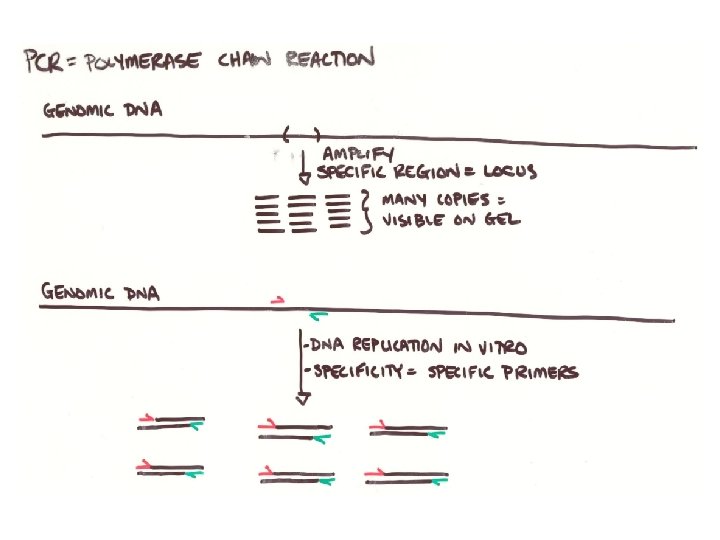
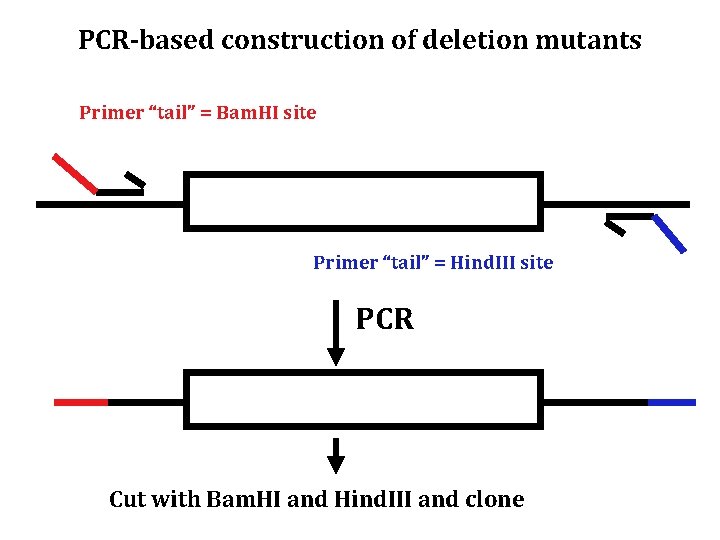
PCR-based construction of deletion mutants Primer “tail” = Bam. HI site Primer “tail” = Hind. III site PCR Cut with Bam. HI and Hind. III and clone
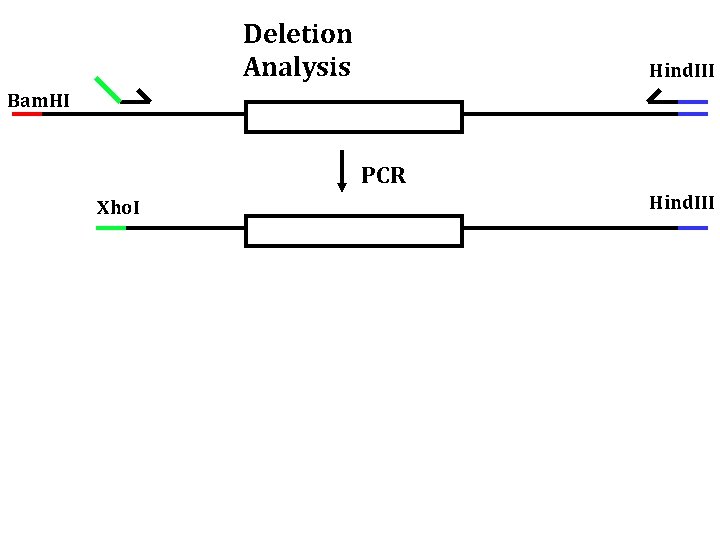
Deletion Analysis Hind. III Bam. HI PCR Xho. I Hind. III
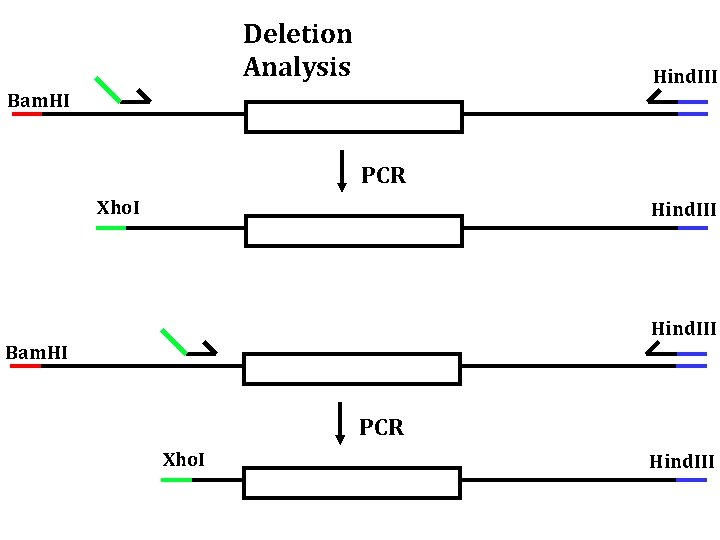
Deletion Analysis Hind. III Bam. HI PCR Xho. I Hind. III
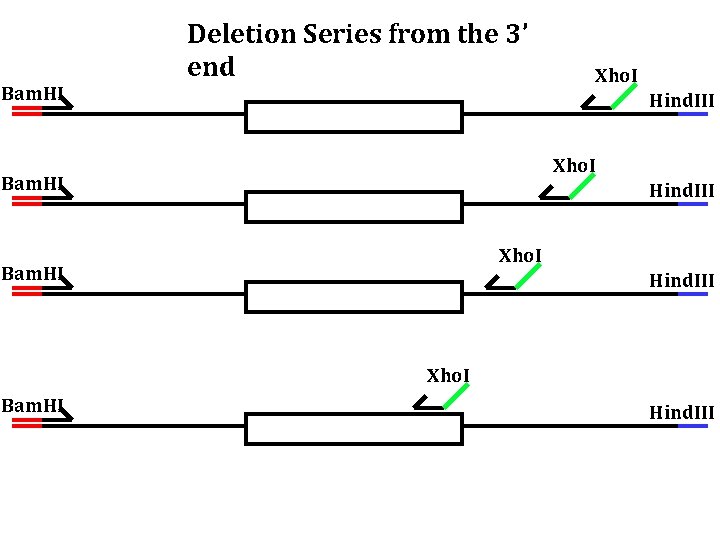
Bam. HI Deletion Series from the 3’ end Xho. I Hind. III Xho. I Bam. HI Hind. III
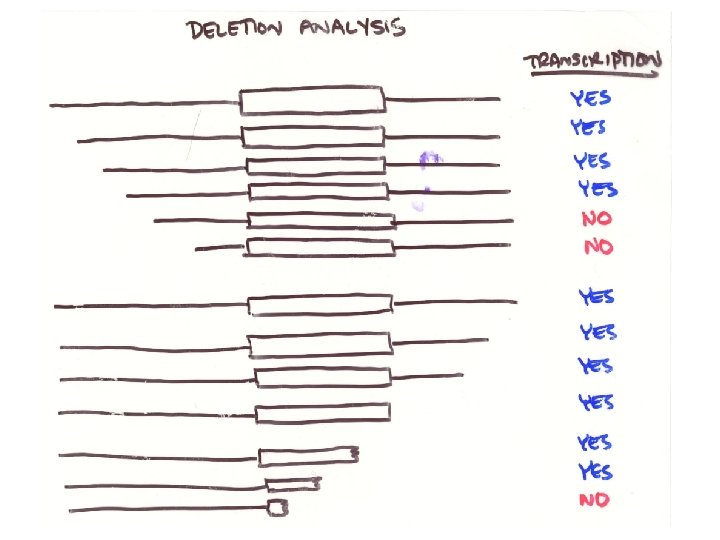
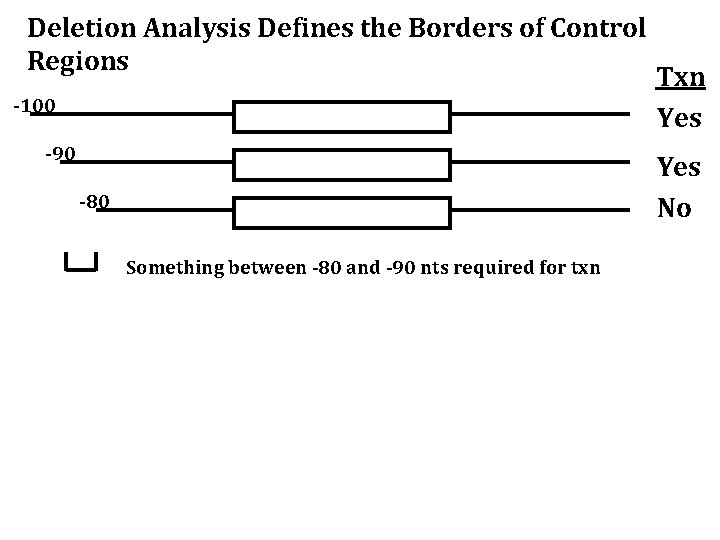
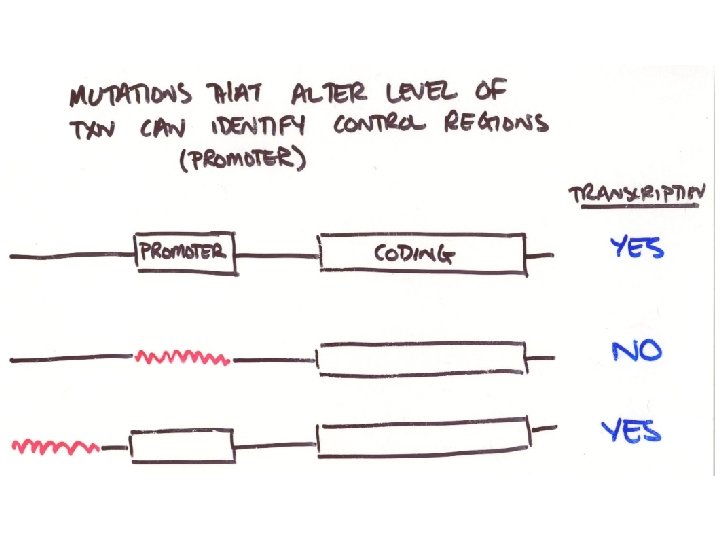
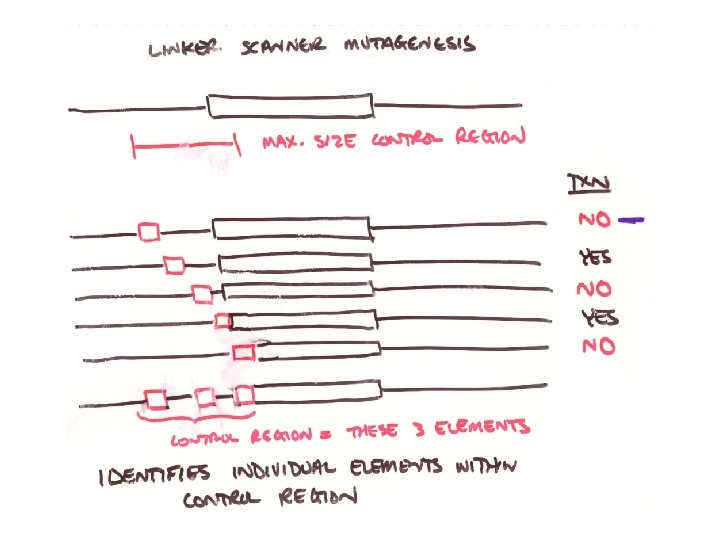
Deletion Analysis Defines the Borders of Control Regions -100 -90 Txn Yes No -80 Something between -80 and -90 nts required for txn
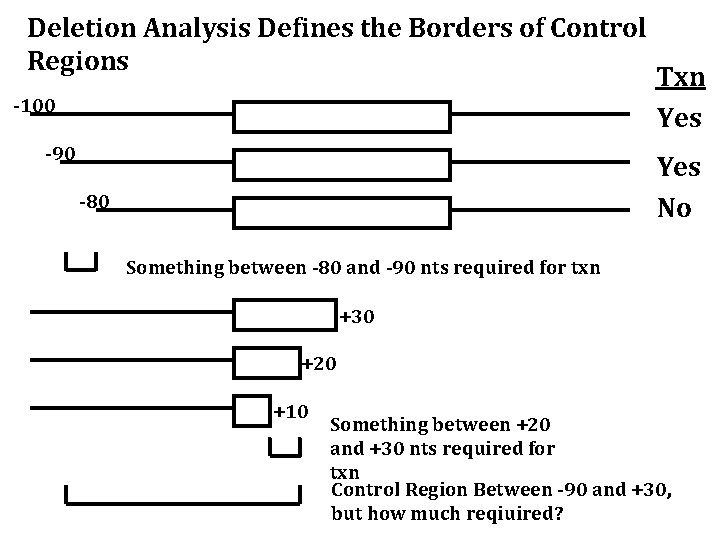
Deletion Analysis Defines the Borders of Control Regions -100 -90 Txn Yes No -80 Something between -80 and -90 nts required for txn +30 +20 +10 Something between +20 and +30 nts required for txn Control Region Between -90 and +30, but how much reqiuired?
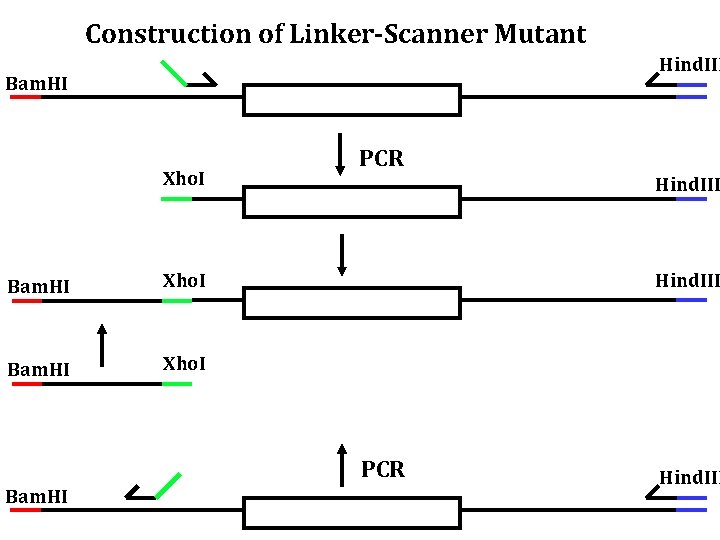
Construction of Linker-Scanner Mutant Hind. III Bam. HI Xho. I PCR Hind. III PCR Bam. HI Hind. III
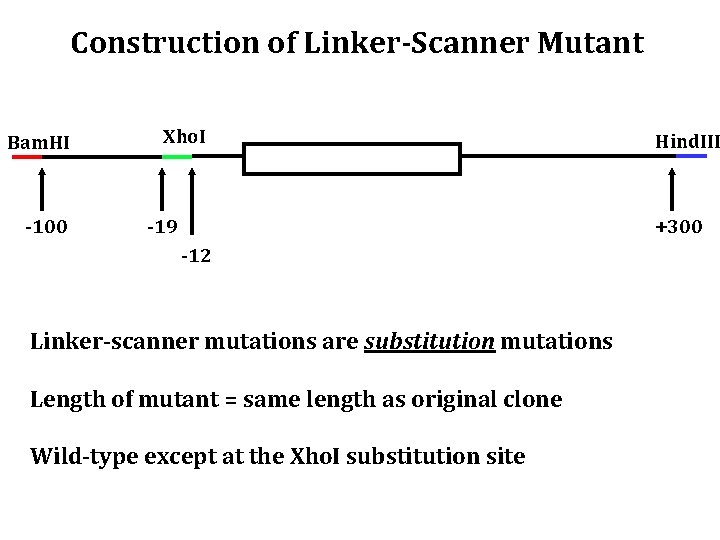
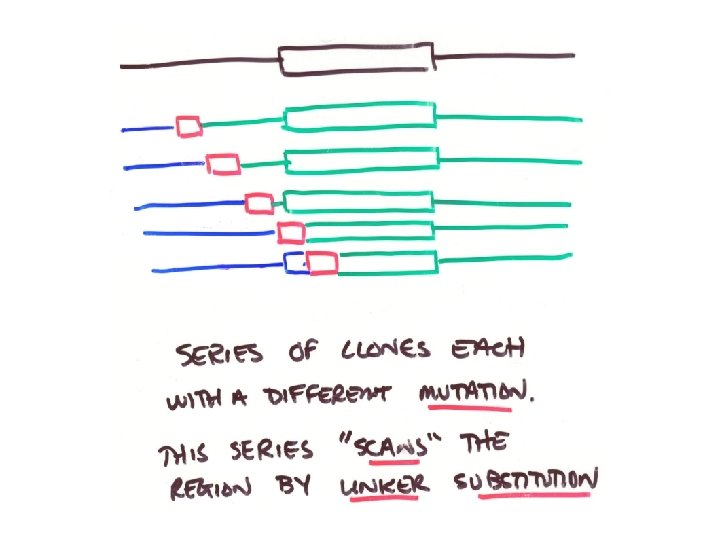
Construction of Linker-Scanner Mutant Bam. HI -100 Xho. I -19 Hind. III +300 -12 Linker-scanner mutations are substitution mutations Length of mutant = same length as original clone Wild-type except at the Xho. I substitution site
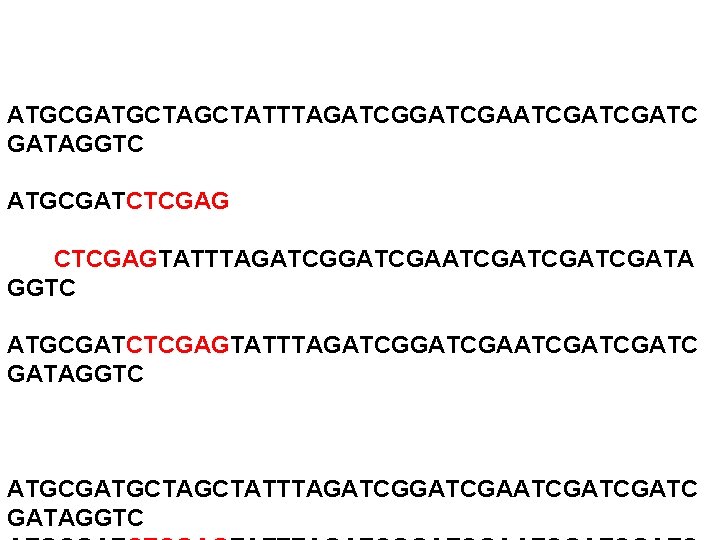
ATGCGATGCTATTTAGATCGAATCGATC GATAGGTC ATGCGATCTCGAGTATTTAGATCGAATCGATCGATA GGTC ATGCGATCTCGAGTATTTAGATCGAATCGATC GATAGGTC ATGCGATGCTATTTAGATCGAATCGATC GATAGGTC
Site-directed Mutagenesis
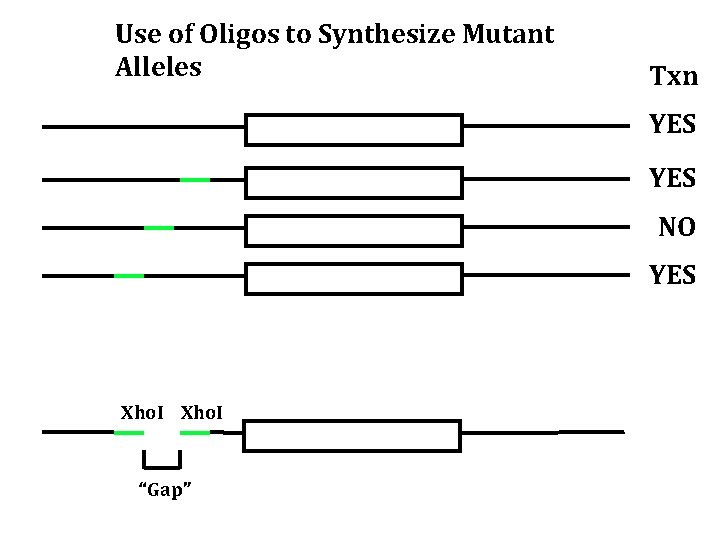
Use of Oligos to Synthesize Mutant Alleles Txn YES NO YES Xho. I “Gap”
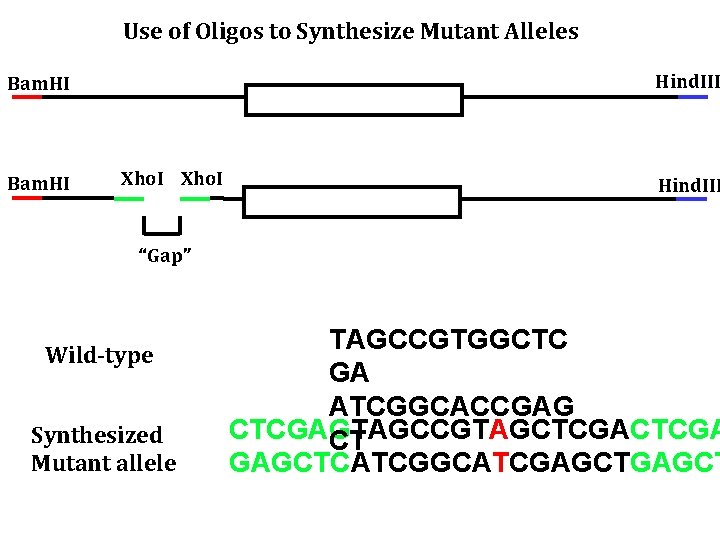
Use of Oligos to Synthesize Mutant Alleles Hind. III Bam. HI Xho. I Hind. III “Gap” Wild-type Synthesized Mutant allele TAGCCGTGGCTC GA ATCGGCACCGAG CTCGAGTAGCCGTAGCTCGA CT GAGCTCATCGGCATCGAGCT
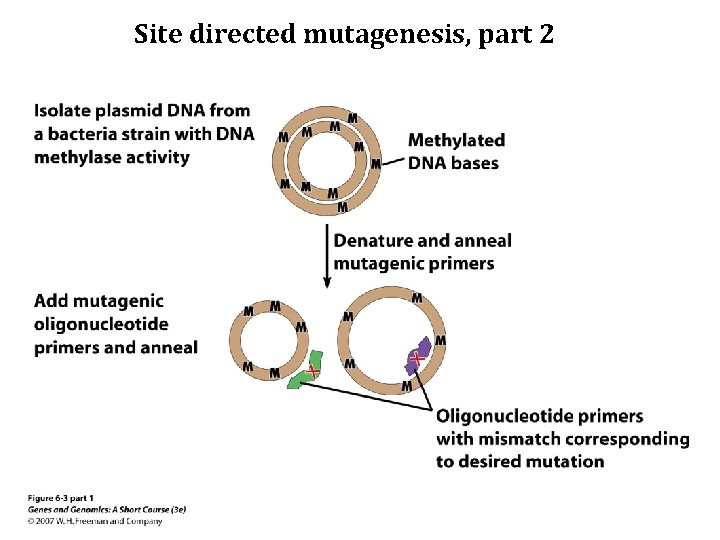
Site directed mutagenesis, part 2
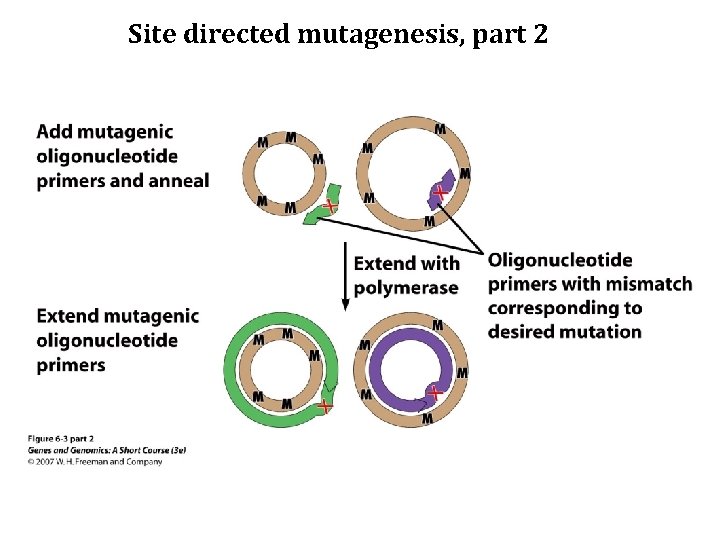
Site directed mutagenesis, part 2
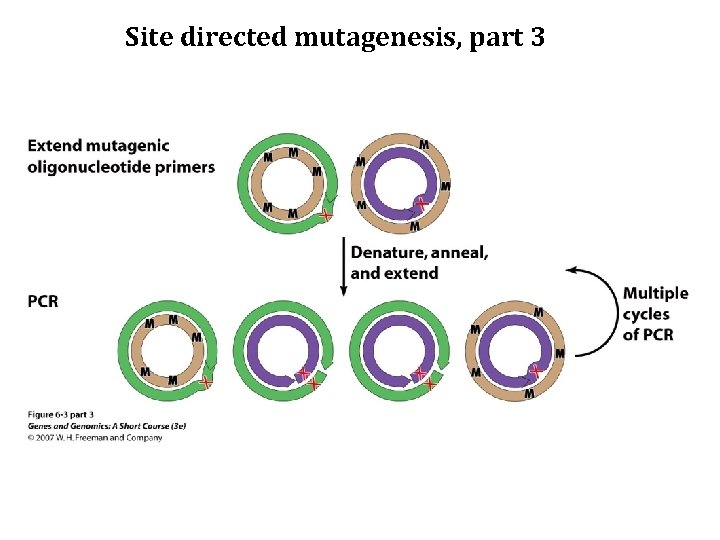
Site directed mutagenesis, part 3
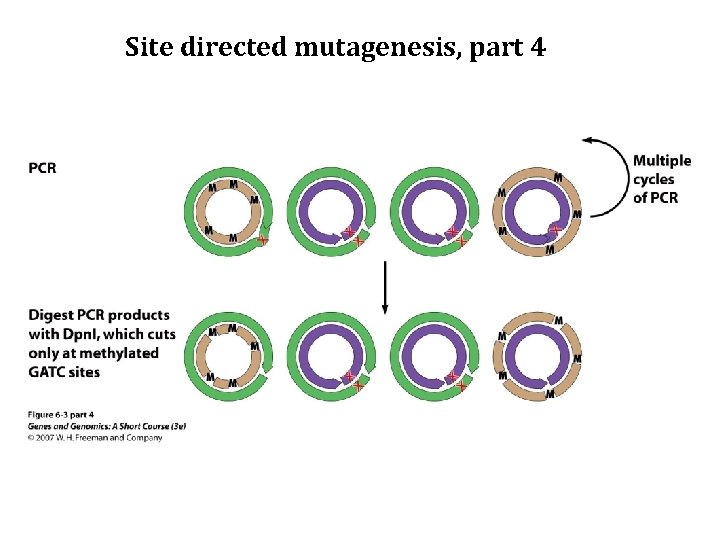
Site directed mutagenesis, part 4
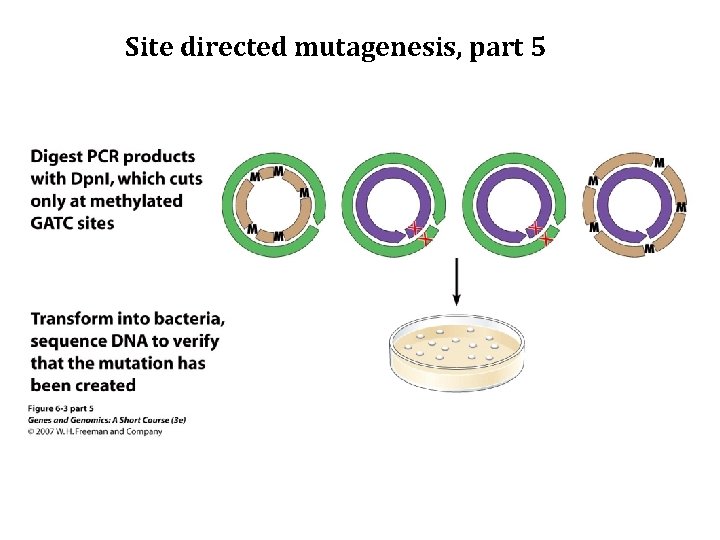
Site directed mutagenesis, part 5
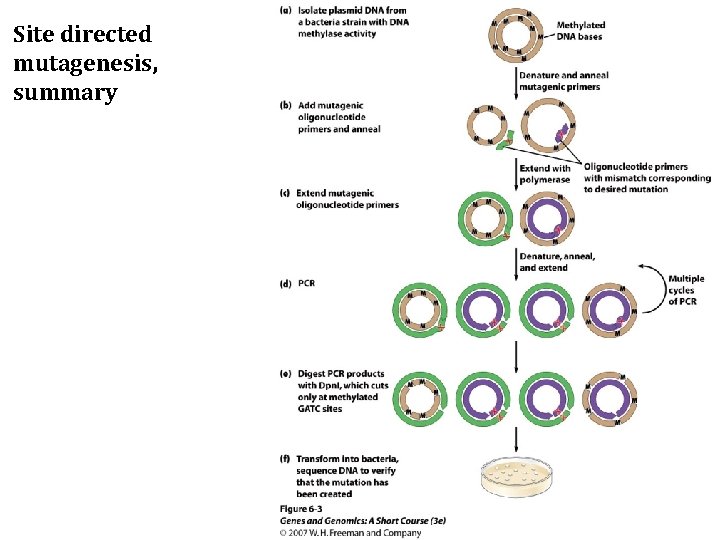
Site directed mutagenesis, summary
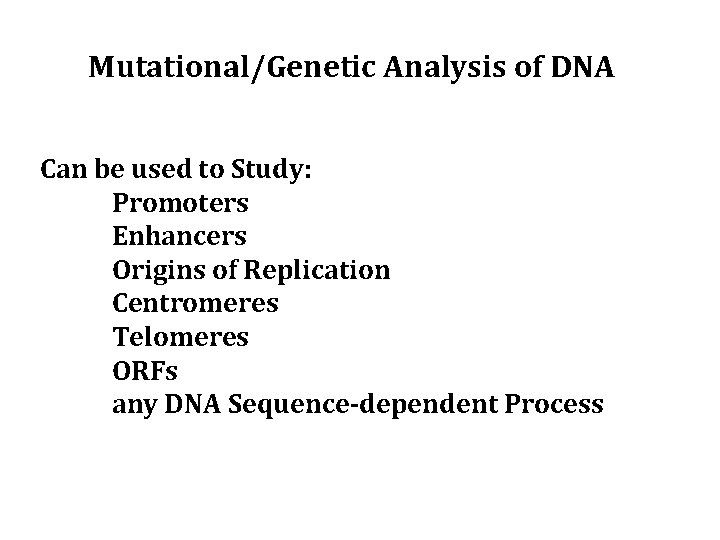
Mutational/Genetic Analysis of DNA Can be used to Study: Promoters Enhancers Origins of Replication Centromeres Telomeres ORFs any DNA Sequence-dependent Process
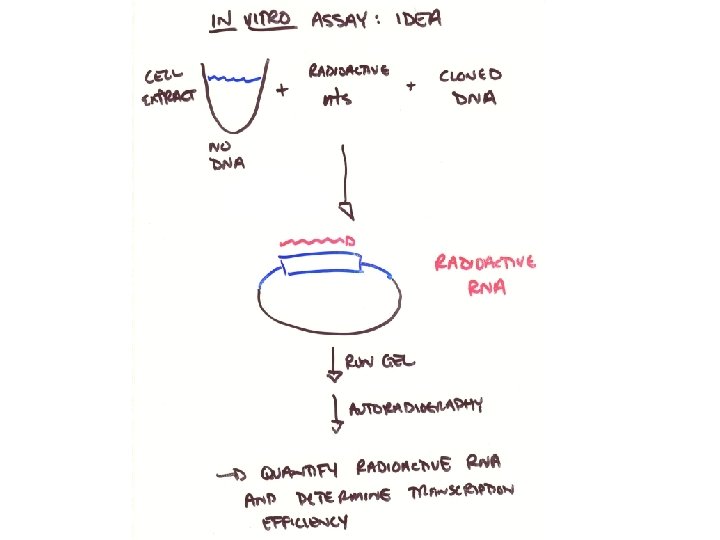
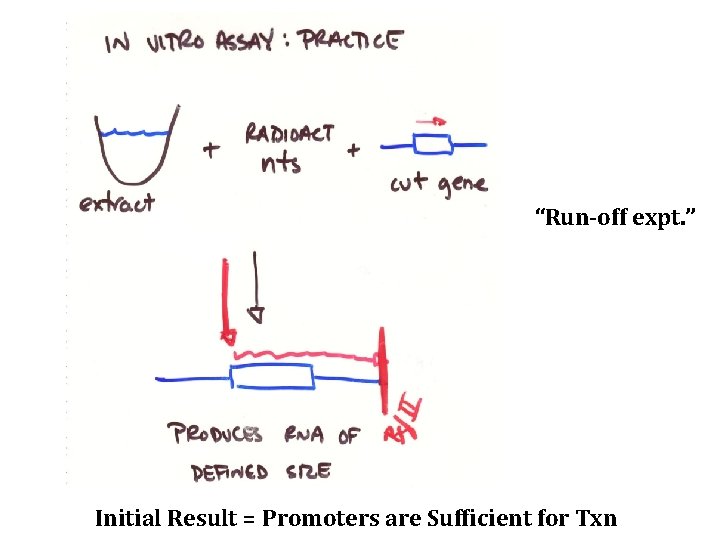
“Run-off expt. ” Initial Result = Promoters are Sufficient for Txn
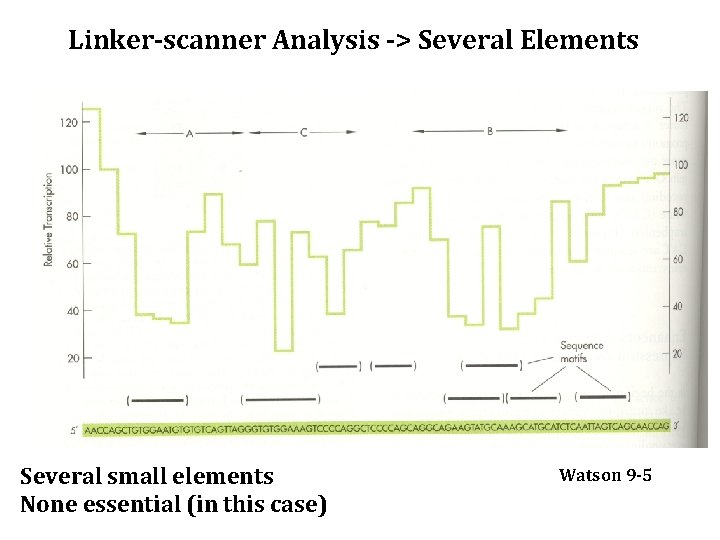
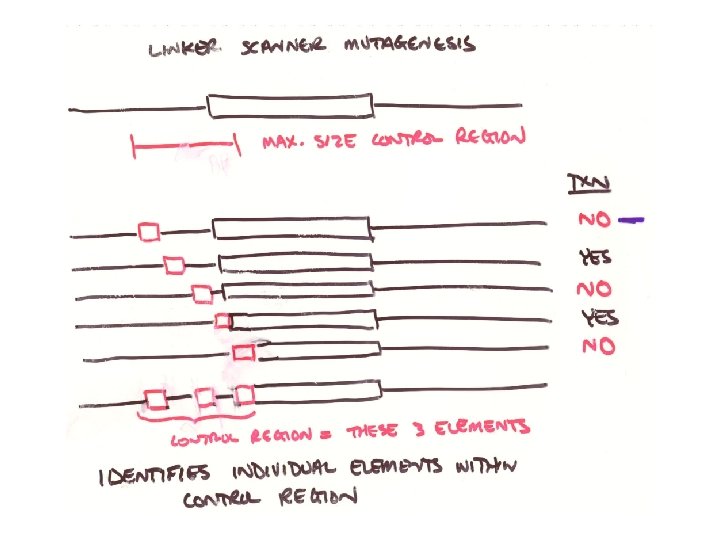
Linker-scanner Analysis -> Several Elements Several small elements None essential (in this case) Watson 9 -5
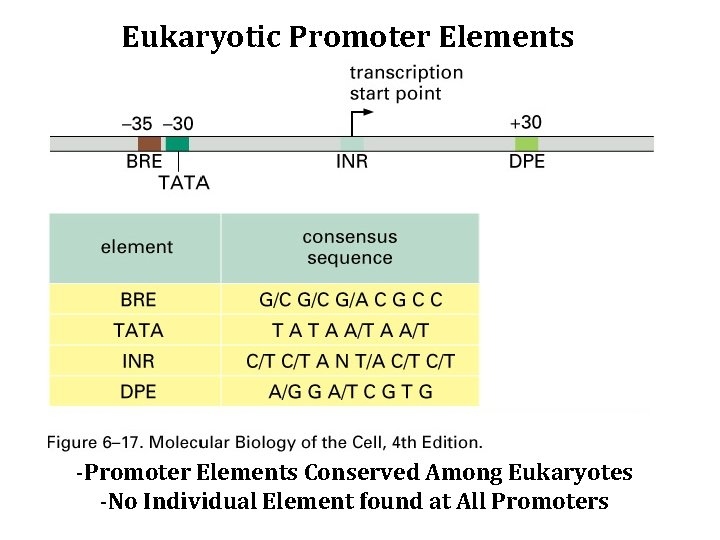
Eukaryotic Promoter Elements -Promoter Elements Conserved Among Eukaryotes -No Individual Element found at All Promoters
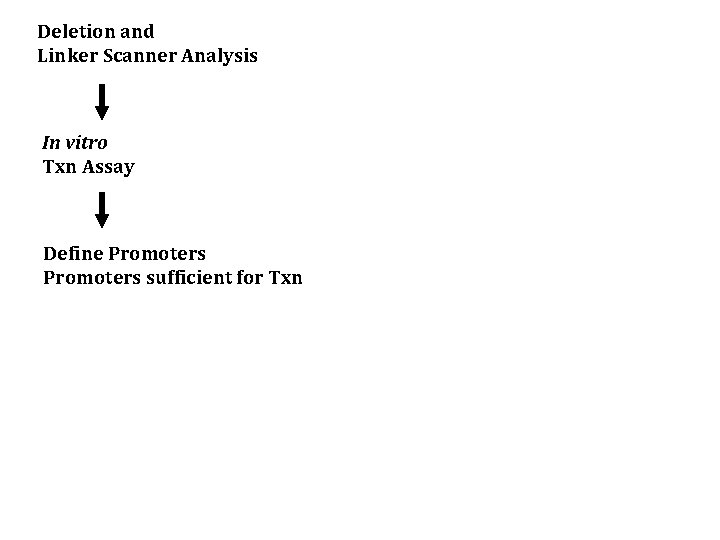
Deletion and Linker Scanner Analysis In vitro Txn Assay Define Promoters sufficient for Txn
Do Promoter Elements function in vivo similarly to the way the function in vitro?
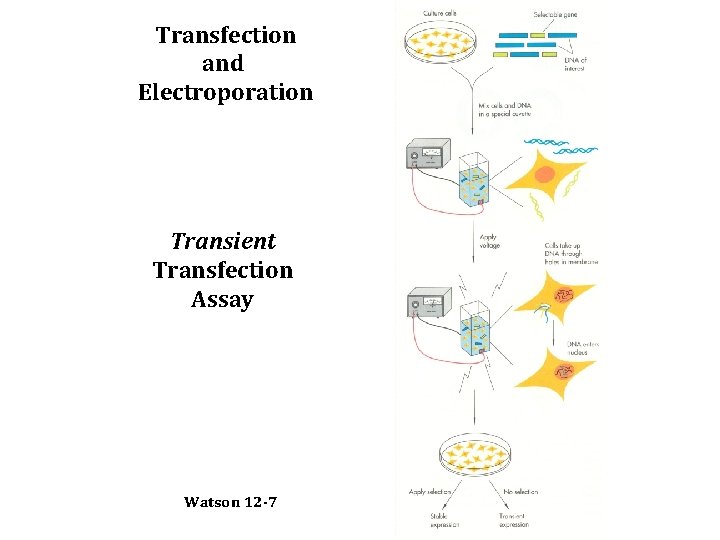
Transfection and Electroporation Transient Transfection Assay Watson 12 -7
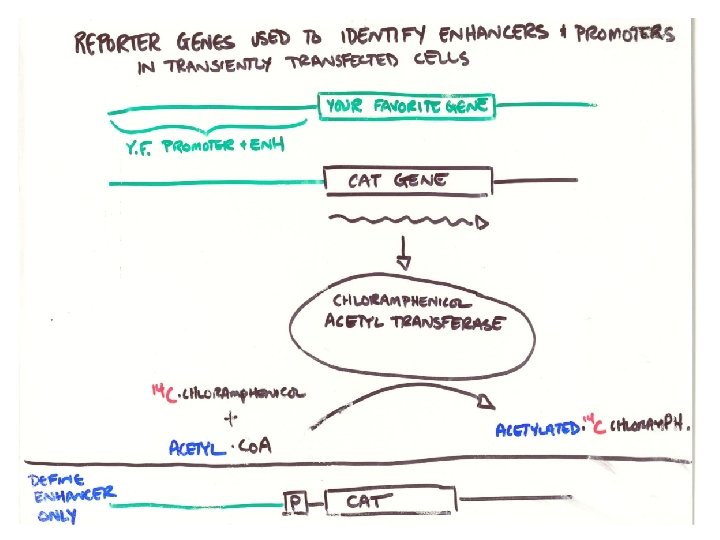
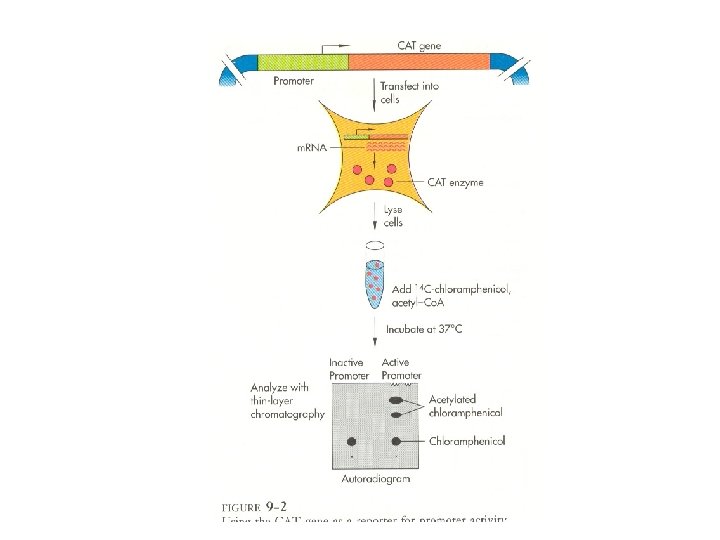
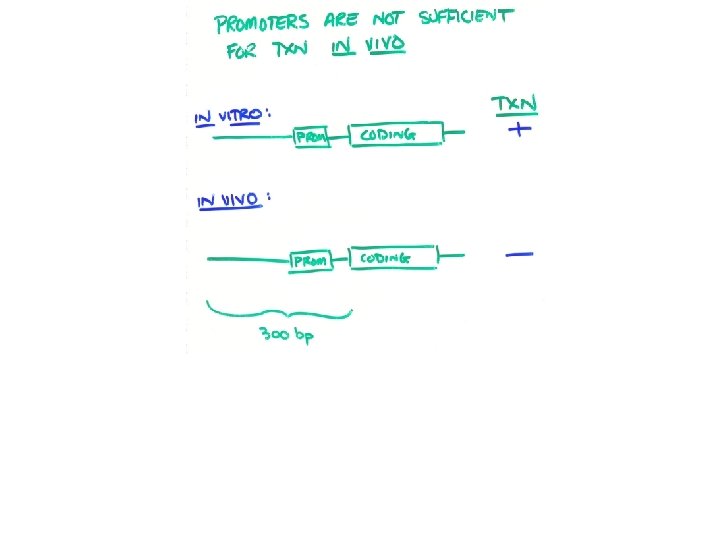
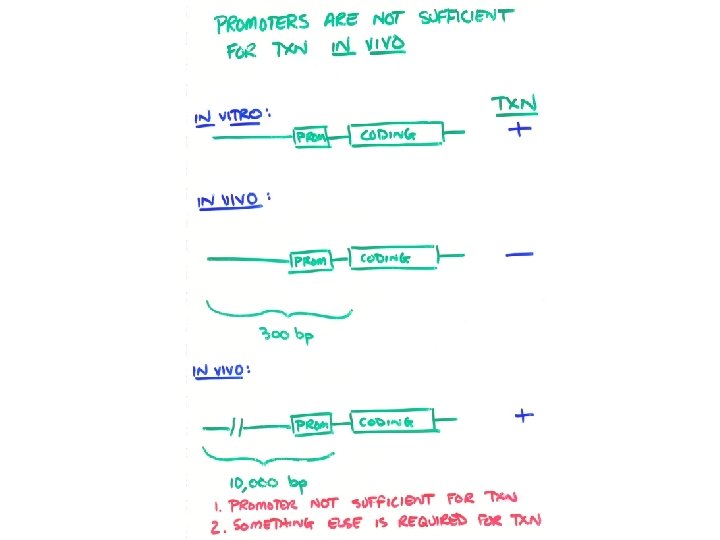
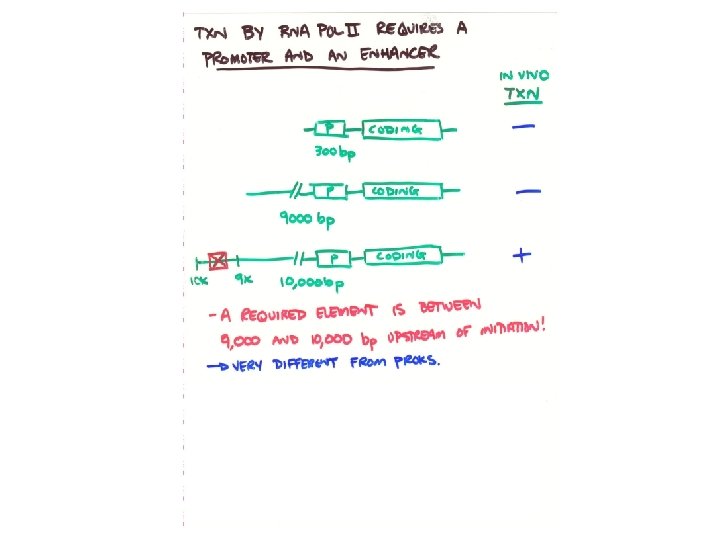
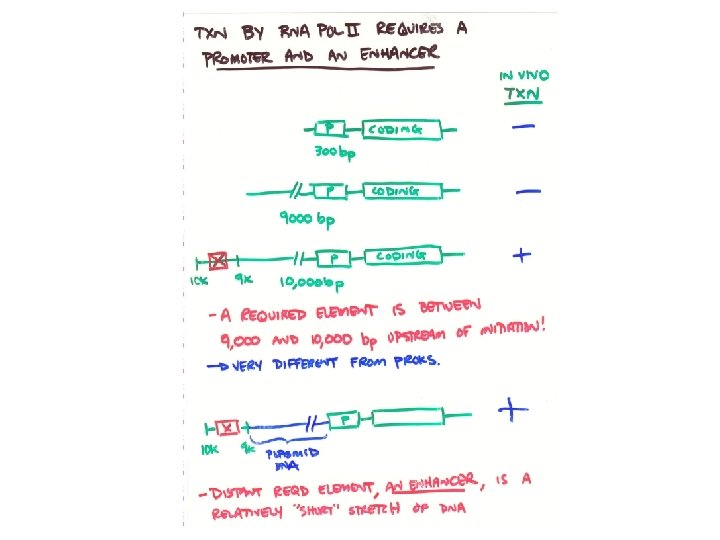
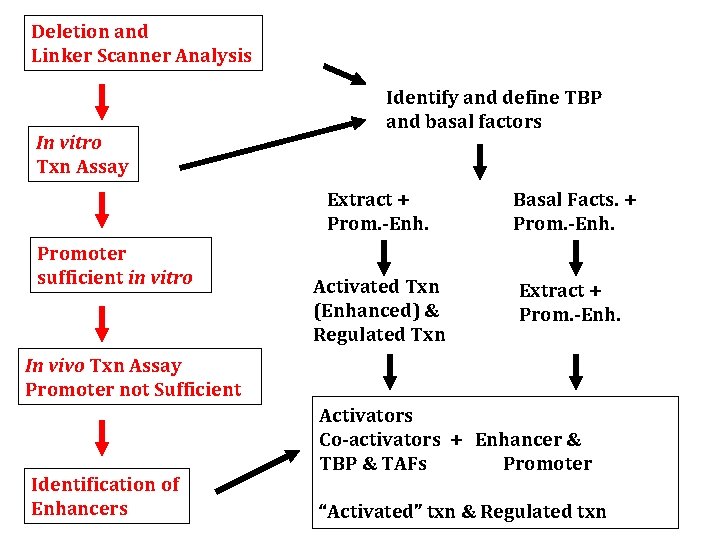
Deletion and Linker Scanner Analysis In vitro Txn Assay Promoter sufficient in vitro Identify and define TBP and basal factors Extract + Prom. -Enh. Basal Facts. + Prom. -Enh. Activated Txn (Enhanced) & Regulated Txn Extract + Prom. -Enh. In vivo Txn Assay Promoter not Sufficient Identification of Enhancers Activators Co-activators + Enhancer & TBP & TAFs Promoter “Activated” txn & Regulated txn
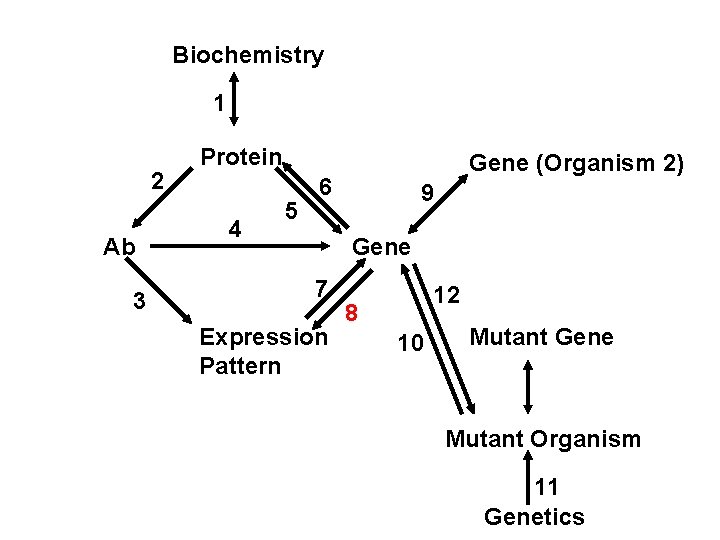
Biochemistry 1 2 Ab 3 Protein 4 5 Gene (Organism 2) 6 9 Gene 7 Expression Pattern 12 8 10 Mutant Gene Mutant Organism 11 Genetics
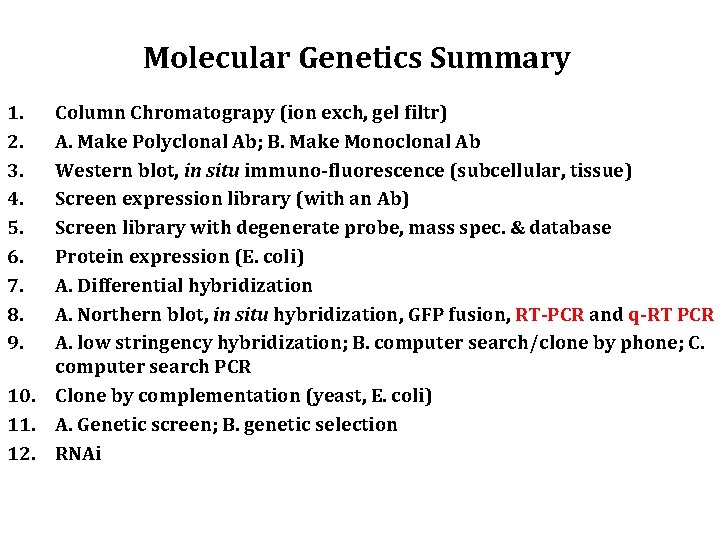
Molecular Genetics Summary 1. 2. 3. 4. 5. 6. 7. 8. 9. Column Chromatograpy (ion exch, gel filtr) A. Make Polyclonal Ab; B. Make Monoclonal Ab Western blot, in situ immuno-fluorescence (subcellular, tissue) Screen expression library (with an Ab) Screen library with degenerate probe, mass spec. & database Protein expression (E. coli) A. Differential hybridization A. Northern blot, in situ hybridization, GFP fusion, RT-PCR and q-RT PCR A. low stringency hybridization; B. computer search/clone by phone; C. computer search PCR 10. Clone by complementation (yeast, E. coli) 11. A. Genetic screen; B. genetic selection 12. RNAi
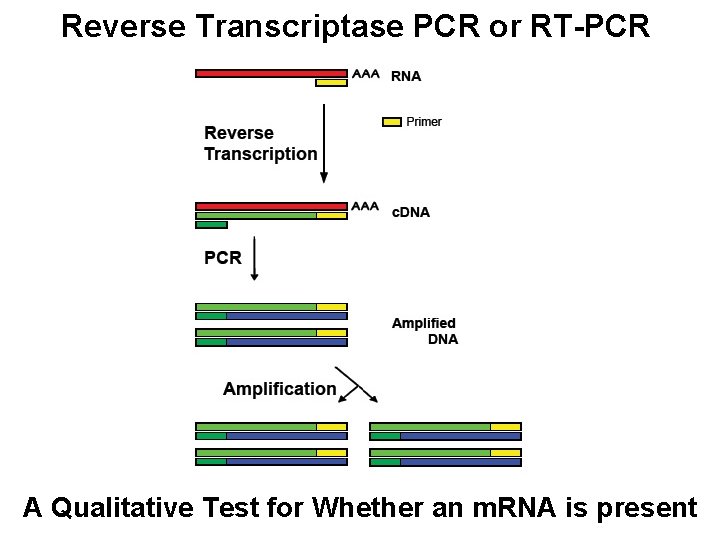
Reverse Transcriptase PCR or RT-PCR A Qualitative Test for Whether an m. RNA is present
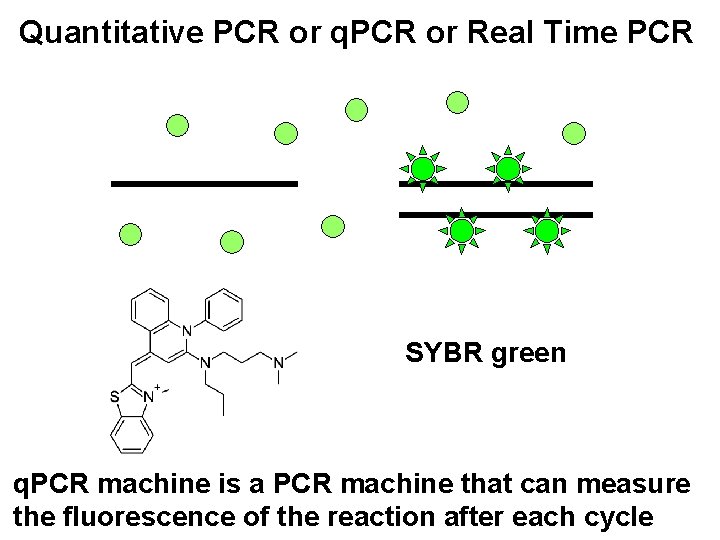
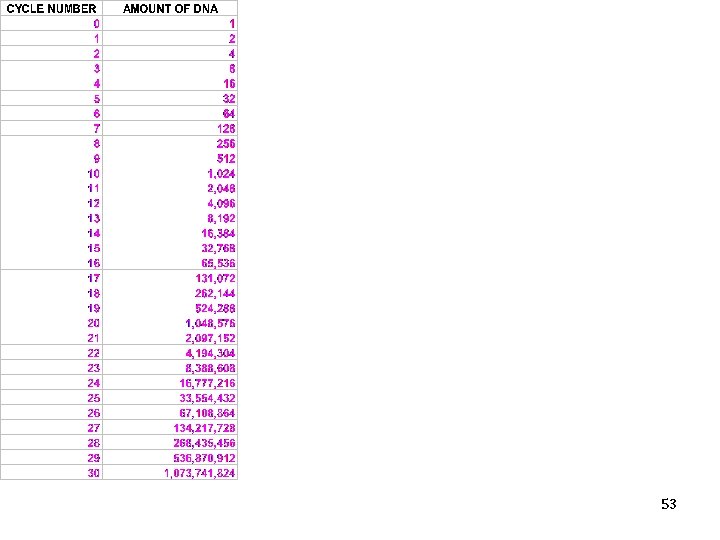
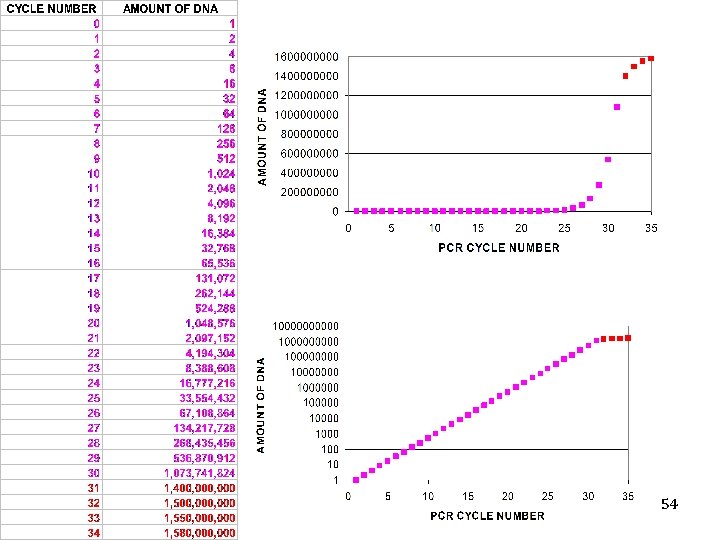
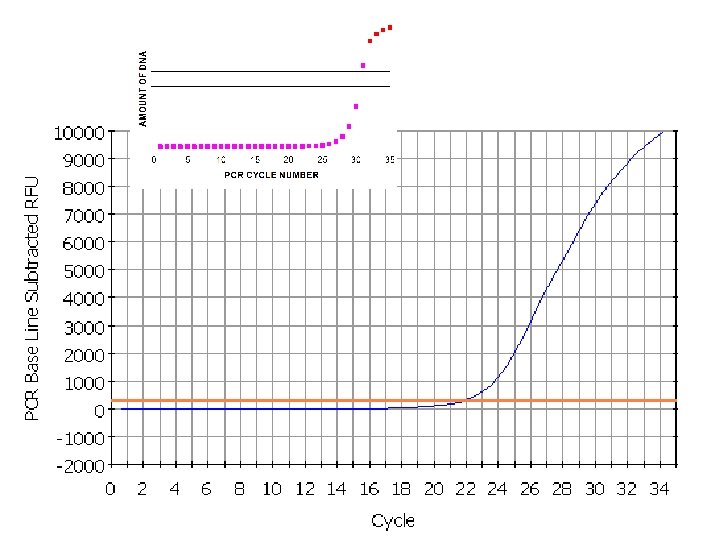
Quantitative PCR or q. PCR or Real Time PCR SYBR green q. PCR machine is a PCR machine that can measure the fluorescence of the reaction after each cycle
53
54
55
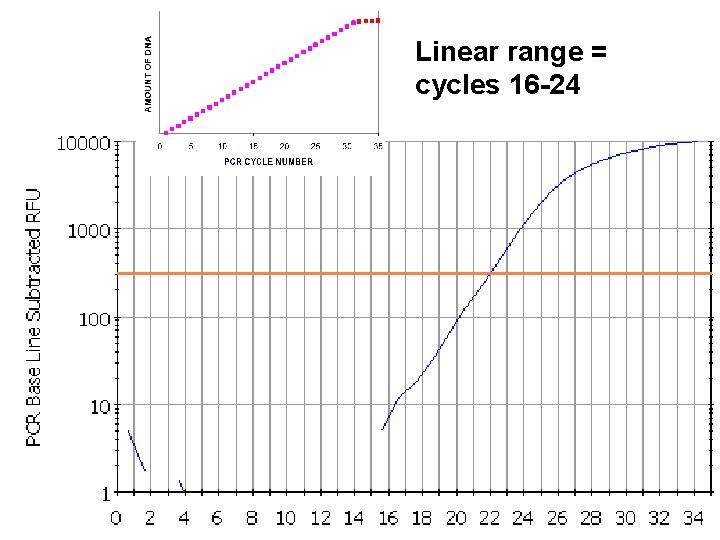
Linear range = cycles 16 -24 56
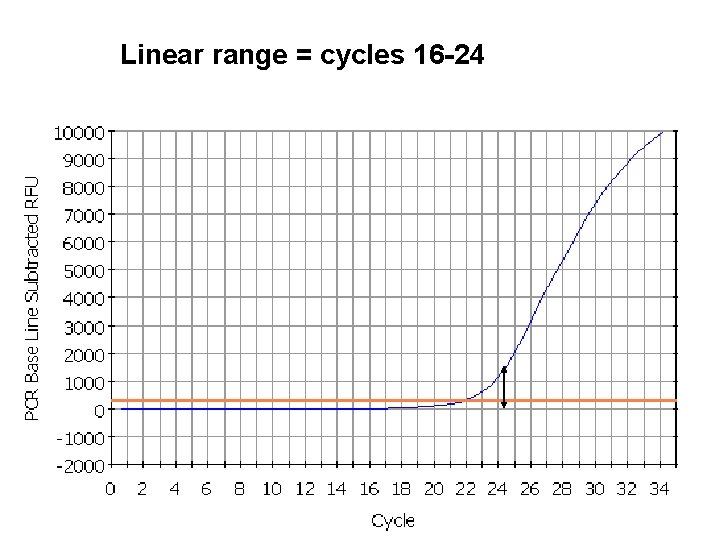
Linear range = cycles 16 -24 57
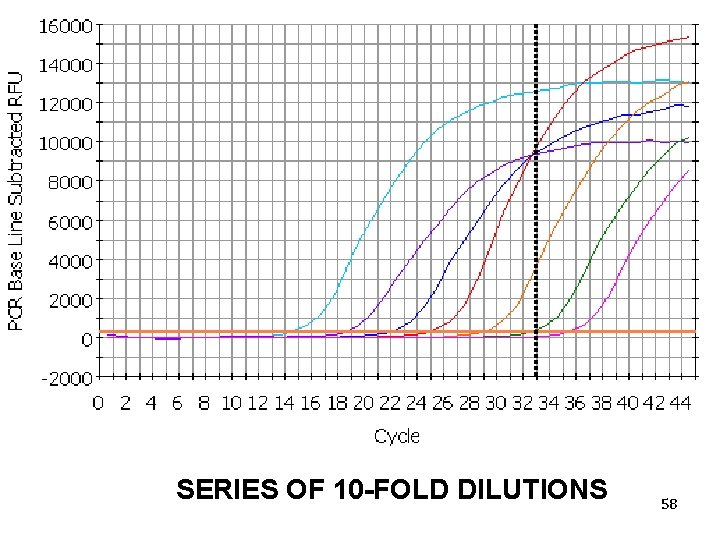
SERIES OF 10 -FOLD DILUTIONS 58
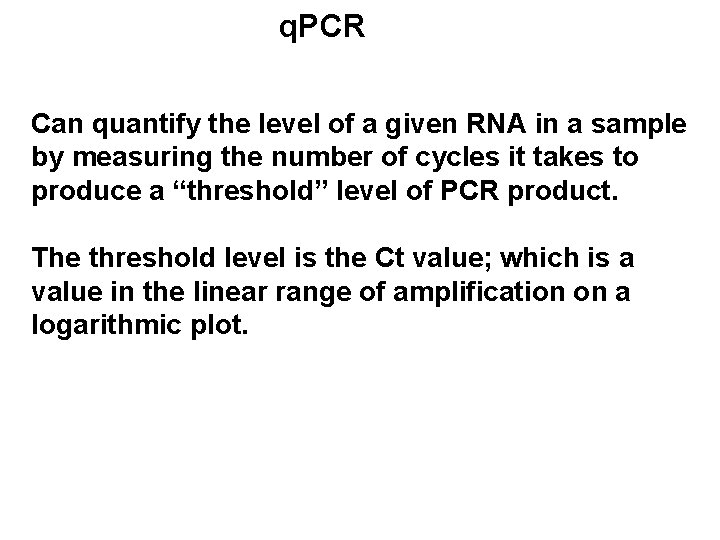
q. PCR Can quantify the level of a given RNA in a sample by measuring the number of cycles it takes to produce a “threshold” level of PCR product. The threshold level is the Ct value; which is a value in the linear range of amplification on a logarithmic plot.
q. RT-PCR -> q. PCR Best method for quantitating levels of an m. RNA in a sample
RT-PCR q. RT-PCR
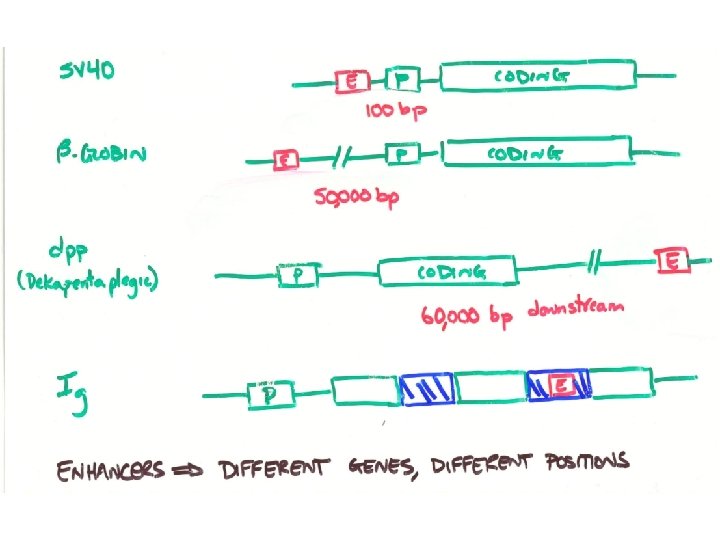
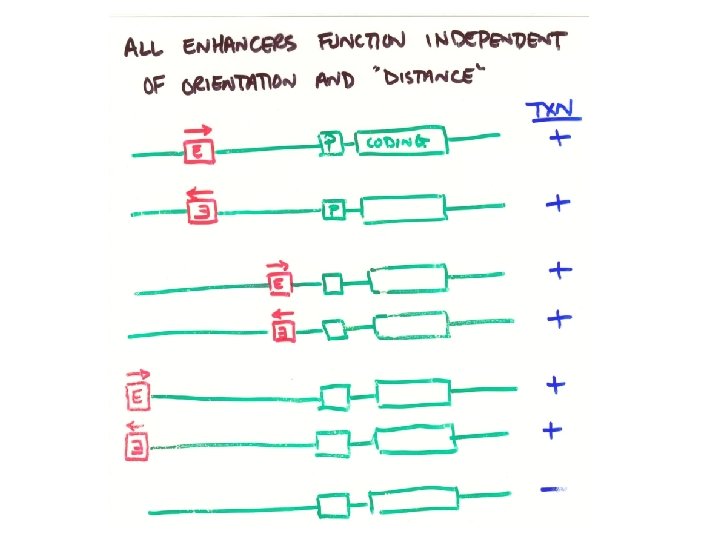
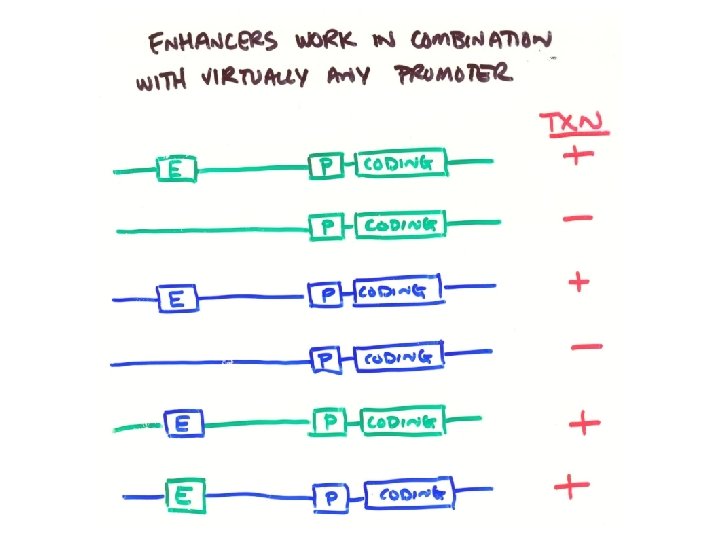
Properties of Enhancers
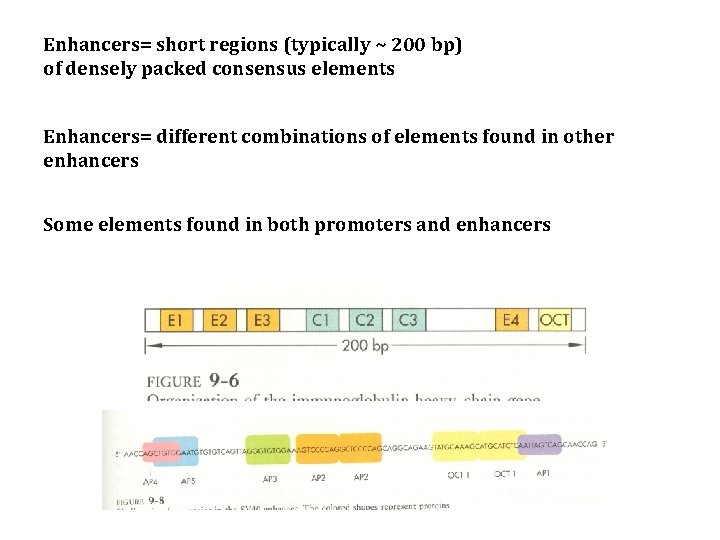
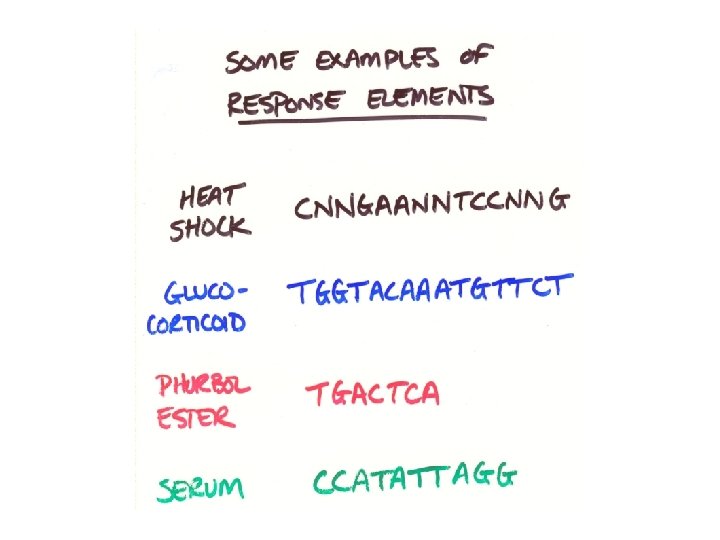
Enhancers= short regions (typically ~ 200 bp) of densely packed consensus elements Enhancers= different combinations of elements found in other enhancers Some elements found in both promoters and enhancers
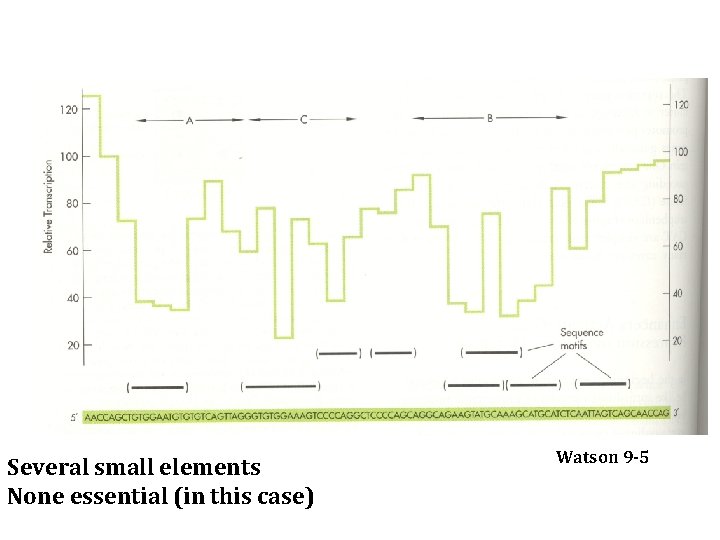
Several small elements None essential (in this case) Watson 9 -5
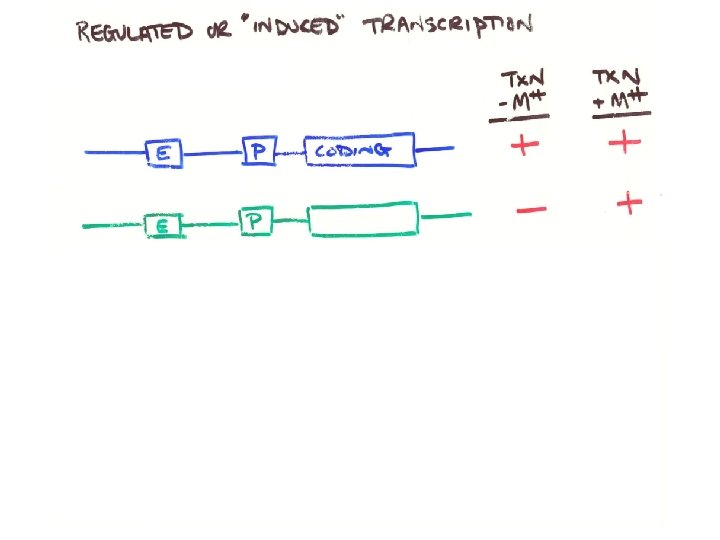
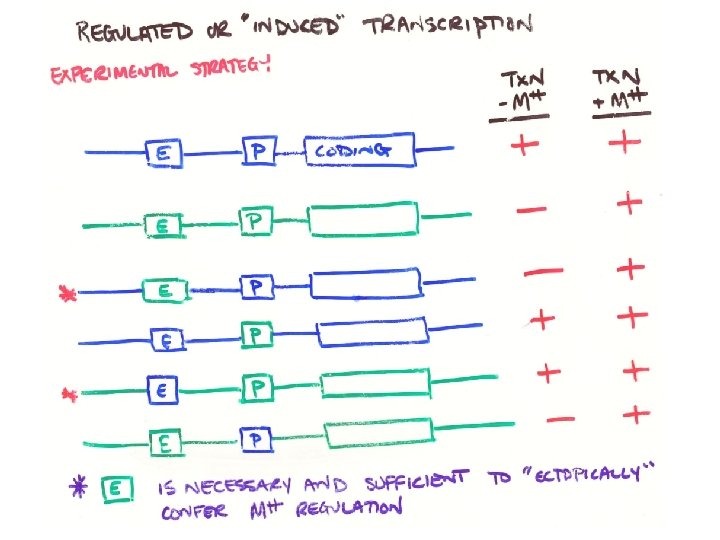
Which element(s) are required for regulated txn? Regulatory Elements v. Control Elements
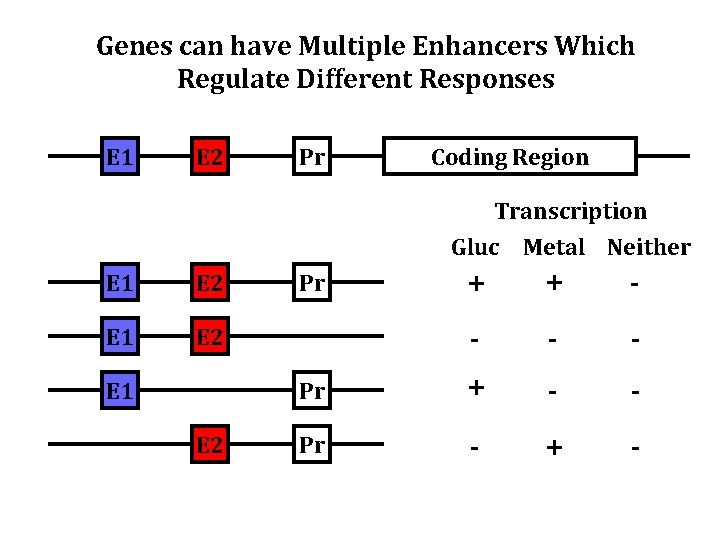
Genes can have Multiple Enhancers Which Regulate Different Responses E 1 E 2 Pr Coding Region Transcription Gluc Metal Neither E 1 E 2 Pr + + - - - Pr + - - Pr - + -
- Slides: 72