
Mc GrawHillIrwin Copyright 2007 by The Mc GrawHill

Mc. Graw-Hill/Irwin Copyright © 2007 by The Mc. Graw-Hill Companies, Inc. All rights reserved. Chapter Communication for Relationship Building: It’s Not All Talk 4
3 Chapter 4
Main Topics ù ù ù 4 The Tree of Business Life: Communication: It Takes Two Nonverbal Communication: Watch for It Barriers to Communication Master Persuasive Communication to Maintain Control Chapter 4
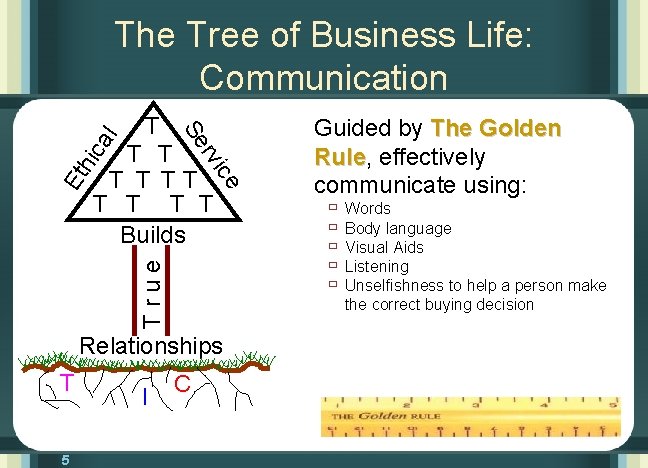
The Tree of Business Life: Communication rv Et hic a l Se T T TT T T Builds True ice Relationships T 5 I C Guided by The Golden Rule, Rule effectively communicate using: ù ù ù Words Body language Visual Aids Listening Unselfishness to help a person make the correct buying decision
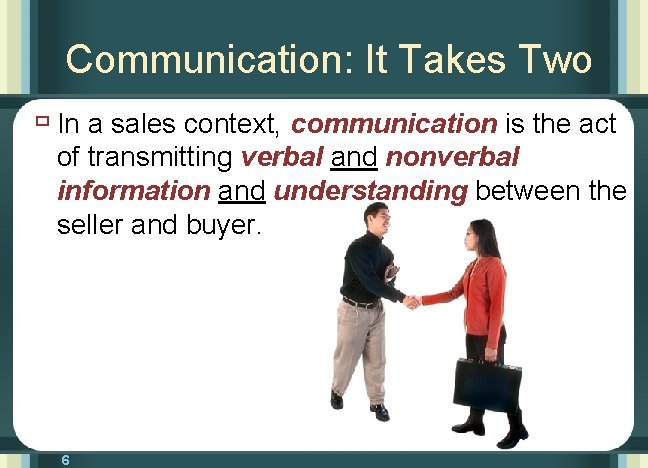
Communication: It Takes Two ù In a sales context, communication is the act of transmitting verbal and nonverbal information and understanding between the seller and buyer. 6
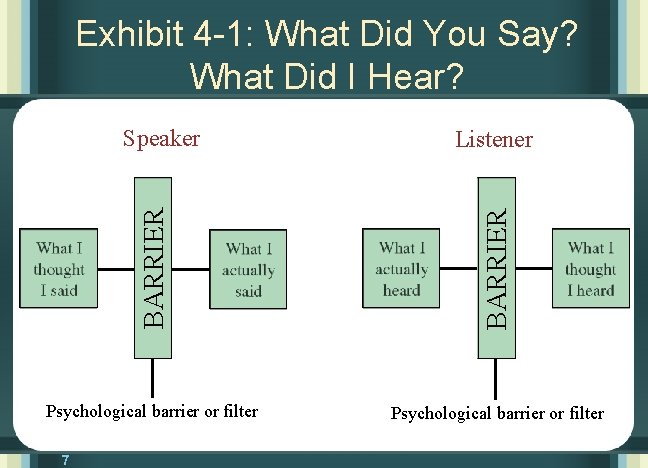
Exhibit 4 -1: What Did You Say? What Did I Hear? BARRIER Listener BARRIER Speaker Psychological barrier or filter 7
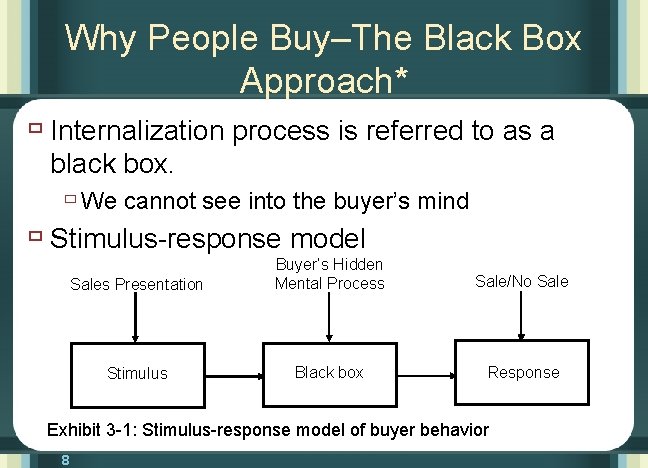
Why People Buy–The Black Box Approach* ù Internalization process is referred to as a black box. ù We cannot see into the buyer’s mind ù Stimulus-response model Sales Presentation Buyer’s Hidden Mental Process Sale/No Sale Stimulus Black box Response Exhibit 3 -1: Stimulus-response model of buyer behavior 8
The Communication Process Basic Model
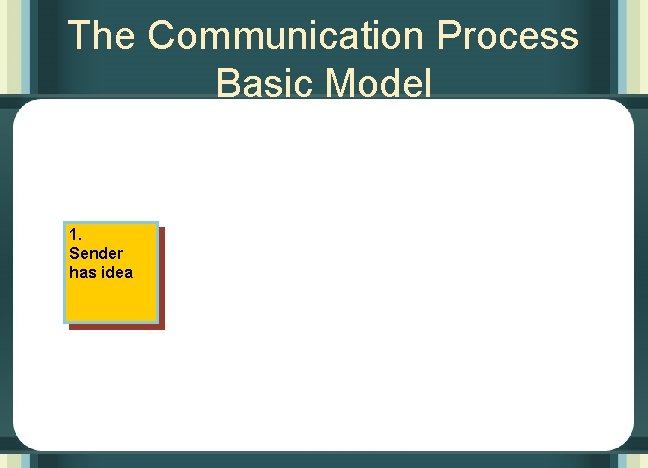
The Communication Process Basic Model 1. Sender has idea
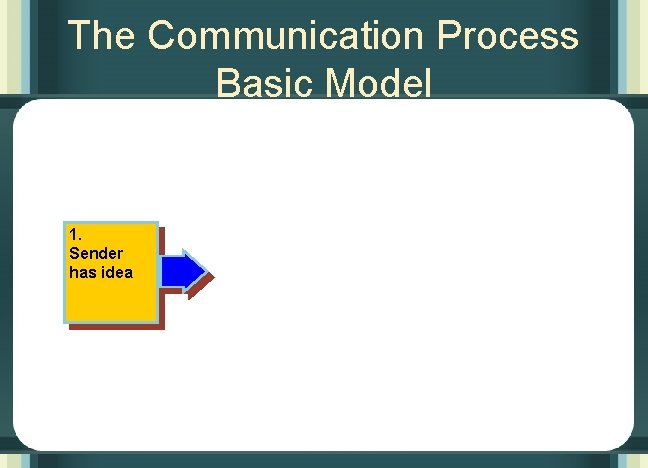
The Communication Process Basic Model 1. Sender has idea

The Communication Process Basic Model 1. Sender has idea 2. Sender encodes idea in message
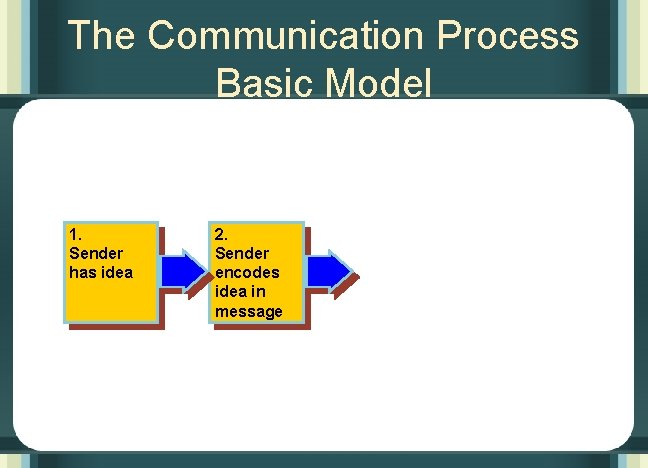
The Communication Process Basic Model 1. Sender has idea 2. Sender encodes idea in message
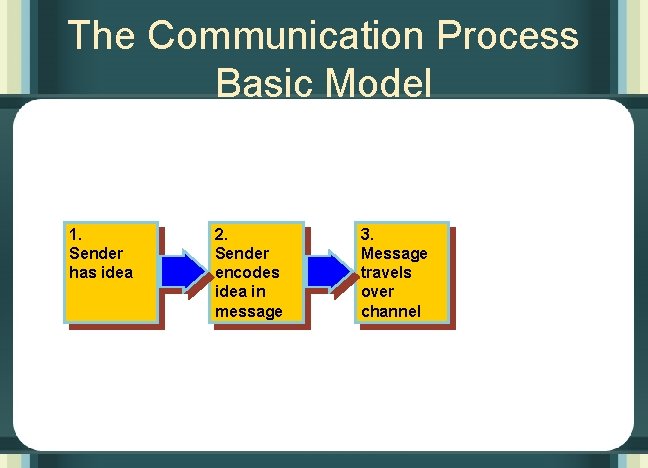
The Communication Process Basic Model 1. Sender has idea 2. Sender encodes idea in message 3. Message travels over channel
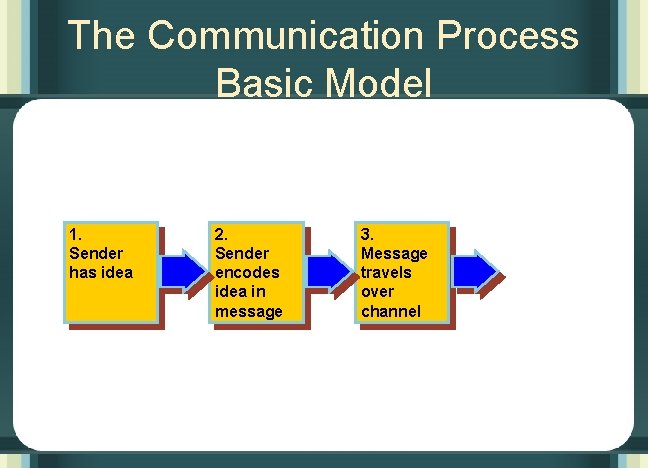
The Communication Process Basic Model 1. Sender has idea 2. Sender encodes idea in message 3. Message travels over channel
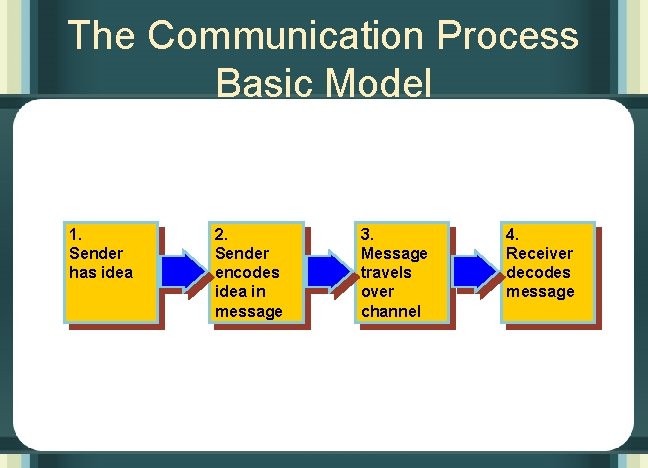
The Communication Process Basic Model 1. Sender has idea 2. Sender encodes idea in message 3. Message travels over channel 4. Receiver decodes message
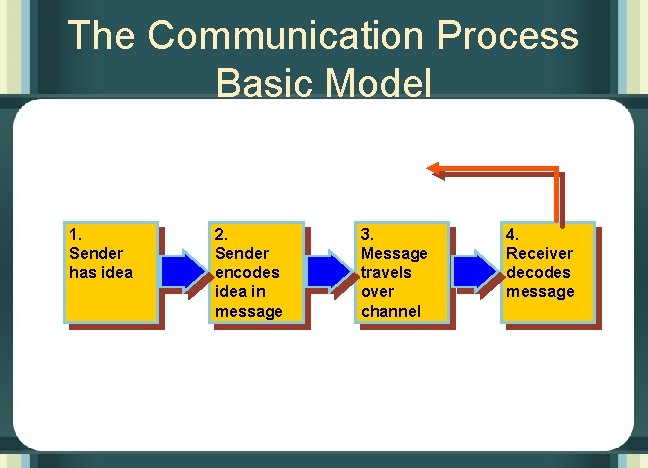
The Communication Process Basic Model 1. Sender has idea 2. Sender encodes idea in message 3. Message travels over channel 4. Receiver decodes message
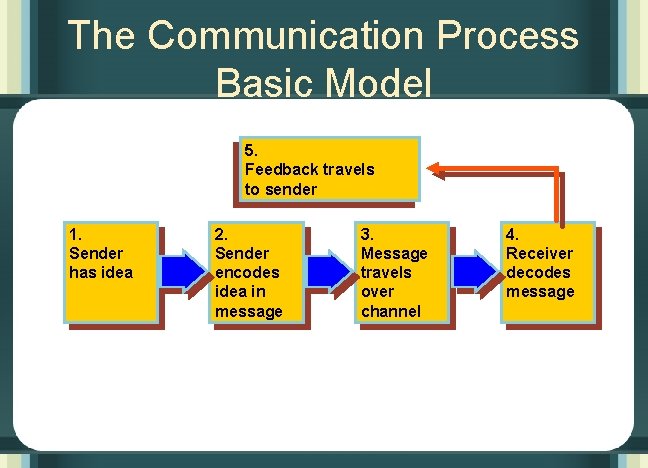
The Communication Process Basic Model 5. Feedback travels to sender 1. Sender has idea 2. Sender encodes idea in message 3. Message travels over channel 4. Receiver decodes message
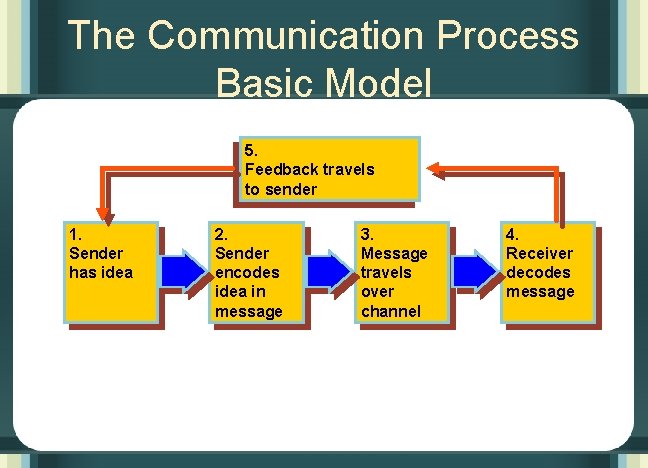
The Communication Process Basic Model 5. Feedback travels to sender 1. Sender has idea 2. Sender encodes idea in message 3. Message travels over channel 4. Receiver decodes message
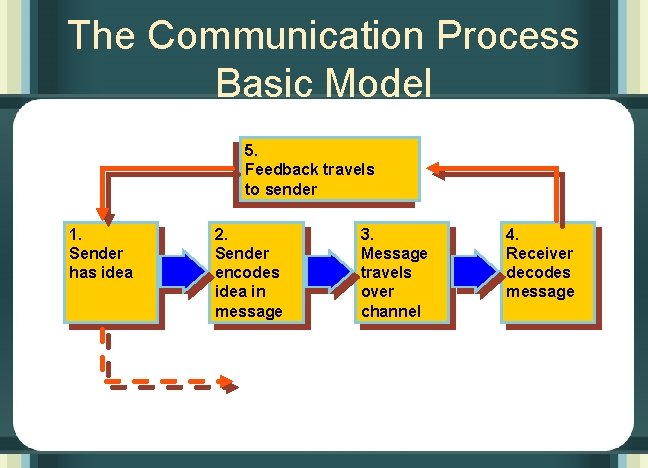
The Communication Process Basic Model 5. Feedback travels to sender 1. Sender has idea 2. Sender encodes idea in message 3. Message travels over channel 4. Receiver decodes message
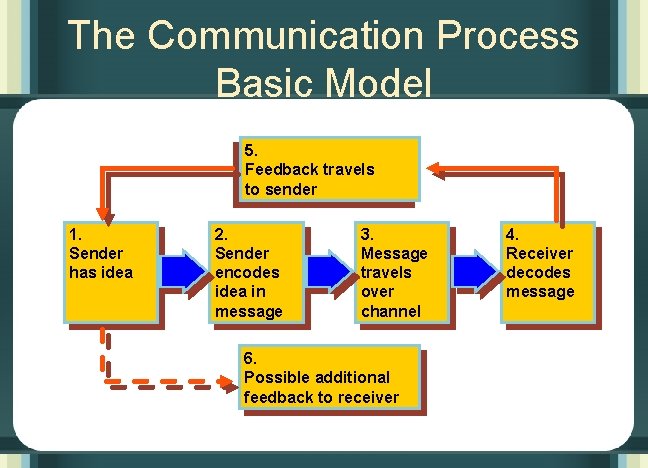
The Communication Process Basic Model 5. Feedback travels to sender 1. Sender has idea 2. Sender encodes idea in message 3. Message travels over channel 6. Possible additional feedback to receiver 4. Receiver decodes message
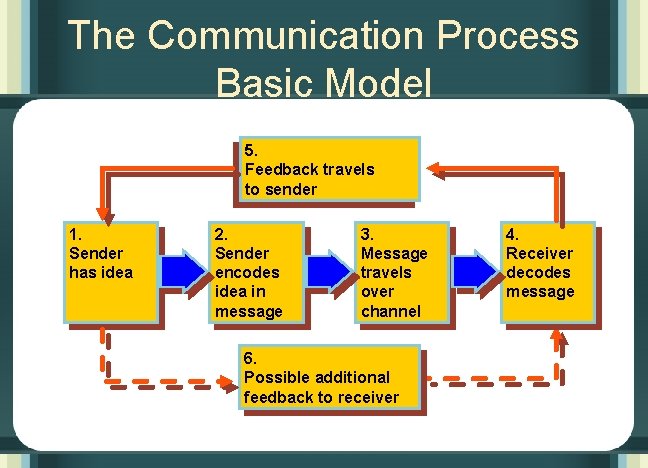
The Communication Process Basic Model 5. Feedback travels to sender 1. Sender has idea 2. Sender encodes idea in message 3. Message travels over channel 6. Possible additional feedback to receiver 4. Receiver decodes message
Salesperson-Buyer Communication Process Requires Feedback ù Major communication elements: ù Source ù Encoding process ù Message ù Medium ù Decoding process ù Receiver ù Feedback ù Noise 23
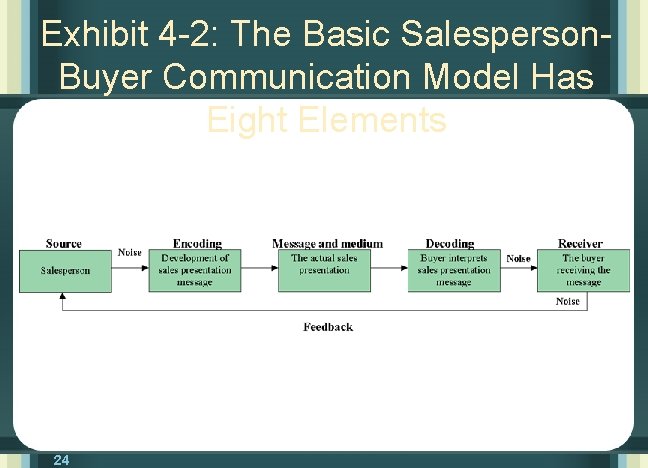
Exhibit 4 -2: The Basic Salesperson. Buyer Communication Model Has Eight Elements 24
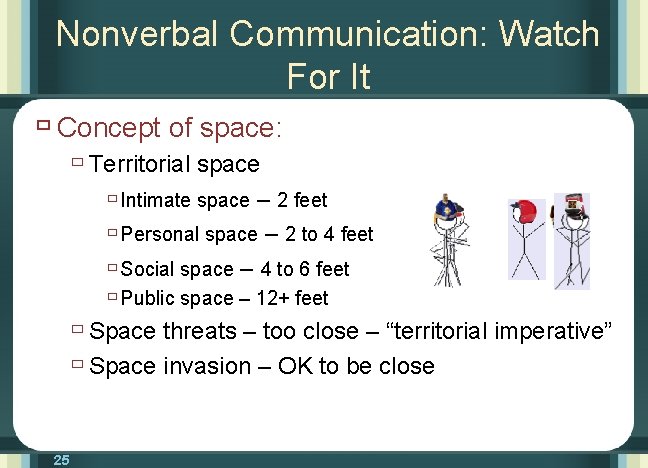
Nonverbal Communication: Watch For It ù Concept of space: ù Territorial space ù Intimate space – 2 feet ù Personal space – 2 to 4 feet ù Social space – 4 to 6 feet ù Public space – 12+ feet ù Space threats – too close – “territorial imperative” ù Space invasion – OK to be close 25
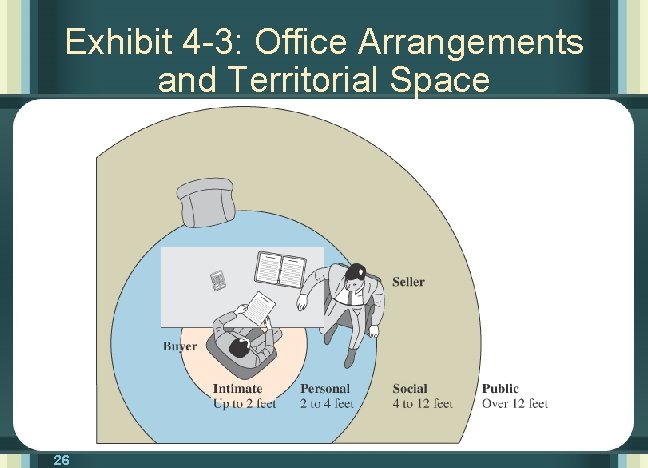
Exhibit 4 -3: Office Arrangements and Territorial Space 26
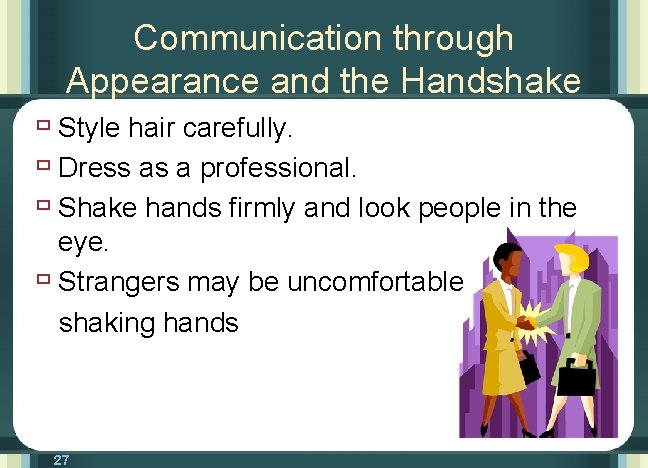
Communication through Appearance and the Handshake ù Style hair carefully. ù Dress as a professional. ù Shake hands firmly and look people in the eye. ù Strangers may be uncomfortable shaking hands 27
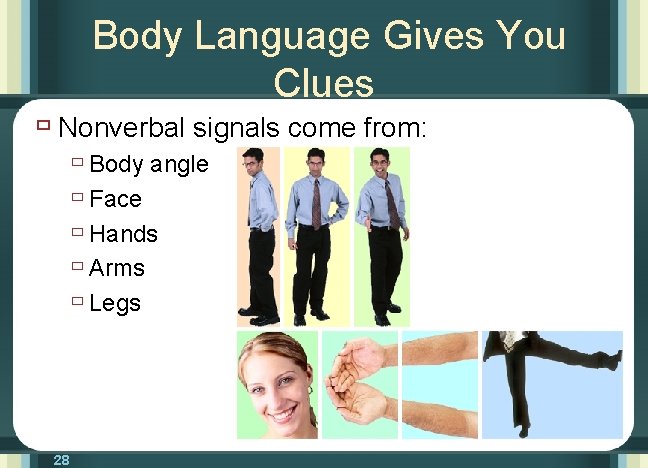
Body Language Gives You Clues ù Nonverbal signals come from: ù Body angle ù Face ù Hands ù Arms ù Legs 28
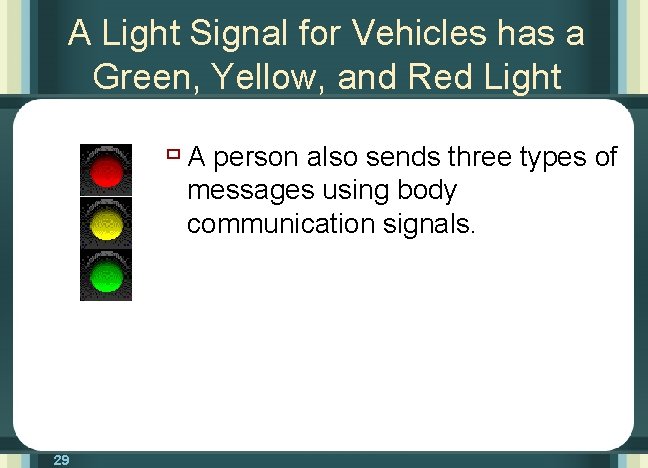
A Light Signal for Vehicles has a Green, Yellow, and Red Light ù A person also sends three types of messages using body communication signals. 29
Green Light ù Signals acceptance – a green light gives the “go ahead” ù It indicates that the buyer is willing to listen ù It indicates that the buyer may like what is being said 30
Body Language Gives You Clues ù Acceptance Signals ù Body angle – leaning forward or upright at attention ù Face – smiling, pleasant, relaxed, good eye contact, positive voice tones ù Arms – relaxed and generally open ù Hands – relaxed and generally open, doing calculations, holding on to a sample as you try to withdraw it, firm handshake ù Legs – crossed and pointed toward you or uncrossed
Yellow Light ù Signals caution – a yellow light gives a neutral or skeptical sign indicating the buyer maybe uncertain about what you are saying ù Handle the signal properly, or it may change from yellow to red 32
Body Language Gives You Clues ù Caution Signals ù Body angle – leaning away from you ù Face – puzzled, little or no expression, little eye contact, saying little, asking only a few questions ù Arms – crossed and tense ù Hands – moving, fidgeting with something, clasped, weak handshake ù Legs – moving, crossed away from you
Body Language Gives You Clues ù How to Handle Caution Signals ù Adjust to the situation by slowing up or departing from your planned presentation ù Use open ended questions to encourage buyers to talk and express their attitudes and beliefs ù Listen and respond to what buyers say ùProject acceptance signals yourself
Red Light ù Signals disagreement – a red light indicates the person may not be interested in your product 35
Body Language Gives You Clues ù Disagreement Signals ù Body angle – retracted shoulders, leaning away from you, entire body is back – wants to move away ù Face – tense, showing anger, wrinkled face and brow, very little eye contact, negative voice tones, may become suddenly silent ù Arms – tensed, crossed over chest ùHands – tensed and clenched, weak handshake ù Legs – crossed and away from you
Body Language Gives You Clues ù How to Handle Disagreement Signals ù Use open-ended questions ù Project acceptance signals yourself ù Stop your planned presentation ù Reduce or eliminate pressure-to-buy talk ù Let the buyer know that you are there to help, not to sell at any cost ù Use direct questions to determine attitudes and beliefs
Recognizing Body Signals Guidelines ù Knowing body signal guidelines can improve communication ability by allowing the salesperson to: ù Recognize nonverbal signals ù Interpret them correctly ù Be prepared to alter a selling strategy ù Respond positively both nonverbally and verbally to a buyer’s nonverbal signals 38
What Would You Do? ù You arrive at an industrial purchasing agent’s office ù on time; this is your first meeting. After you have waited five minutes, the agent’s secretary says, “She will see you. ” After the initial greeting, she asks you to sit down. For each of the following three situations determine: ù What nonverbal signals is she communicating? ù How would you respond nonverbally? 39
What Would You Do? Situation #1 ù She sits down behind her desk. She sits up straight in her chair. She clasps her hands together and with little expression on her face says, “What can I do for you? ” ù What nonverbal signal is she communicating? ù Green How Yellow would (acceptance) (caution) you respond nonverbally? signal 40
What Would You Do? Situation #2 ù As you begin the main part of your presentation, the buyer reaches for the telephone and says, “Keep going; I need to tell my secretary something. ” ù What nonverbal signal is she communicating? Yellow (caution) or red (disagreement) ù Green How would (acceptance) you respond nonverbally? signal nonverbal signal 41
What Would You Do? Situation #3 ù In the middle of your presentation, you notice the buyer slowly lean back in her chair. As you continue to talk, a puzzled looks comes over her face. ù What nonverbal signal is she communicating? ù Green Yellow (acceptance) (caution) nonverbal signal How would you respond nonverbally? 42
Barriers To Communication ù Differences in perception – buyer and seller should share a common understanding of information contained in presentation ù Buyer does not recognize a need for product ù Selling pressure – enthusiasm and some sales pressure is necessary, high pressure techniques erect communication barriers ù Information overload – presenting too much technical information may confuse or offend buyer 43
Barriers To Communication ù Disorganized sales presentation can frustrate buyer ù Distractions – telephone calls and people entering the office may sidetrack buyer’s thoughts ù Poor listening – at times buyer may not listen to you ù How and what you say – controlled and caring talk are positive; conniving and careless talk are negative ù Not adapting to buyer’s style – match your style to your customer’s style 44
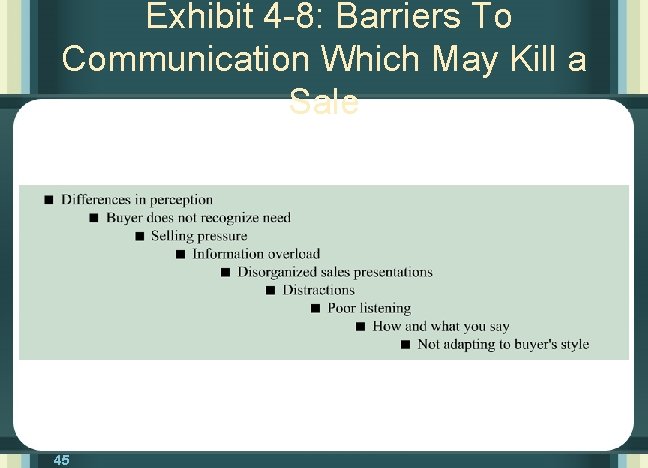
Exhibit 4 -8: Barriers To Communication Which May Kill a Sale 45
Master Persuasive Communication To Maintain Control ù Persuasion is the ability to change a person’s belief, position, or course of action. ù Feedback guides your presentation. ùProbing – asking questions ù Remember to use trial closes. ù Empathy puts you in your customer’s shoes. ù Keep it Simple Salesperson (KISS) ù Creating mutual trust develops friendship. 46
Master Persuasive Communication To Maintain Control, cont… ù Listening clues you in. ù Hearing ù Listen to words, feelings, and thoughts ù Three levels of listening ù Marginal listening ù Evaluative listening ù Active listening ù Technology helps to remember. 47
Your Attitude Makes the Difference ù Enthusiasm: ù Excitement ù Positive view on: ù Helping others ù Yourself ù Being a salesperson 48
Proof Statements Make You Believable ù Credibility through: ù Empathy ù Listening ù Enthusiasm ù Proof statements substantiate claims. 49
Summary of Major Selling Issues ù Communication is the transmission of verbal and nonverbal information and understanding between a salesperson and prospect. ù Modes of communication – words, gestures, visual aids ù Communication process model ù Barriers may hinder or prevent constructive communication during a sales presentation. 50
Summary of Major Selling Issues, cont… ù Barriers must be recognized and overcome or ù ù eliminated. Nonverbal communication is a critical component of the overall communication process. ù Territorial space, handshake, eye contact, body language Enhancing overall persuasive power through development of several key characteristics ù Empathy, more listening and less talking, positive attitude, enthusiastic manner 51

End of Chapter 4 Mc. Graw-Hill/Irwin Copyright © 2007 by The Mc. Graw-Hill Companies, Inc. All rights reserved. Chapter 4
- Slides: 52