
MAXILLARY SINUS Presented By Dr Raveena Thapar CONTENTS
MAXILLARY SINUS Presented By: Dr. Raveena Thapar
CONTENTS K Introduction K Maxillary sinus K Paranasal sinus K development K anatomy K types K histology K Ostium K functional importance K anomalies
SINUS ? ? ? . . . from LATIN sinus: fold or pocket
PARANASAL SINUSES (synonyms: sinus paranasales , nasal sinus) K development - 3 rd week of gestation K paired Kair-filled K adjacent to the nasal cavity K mucous membrane lining
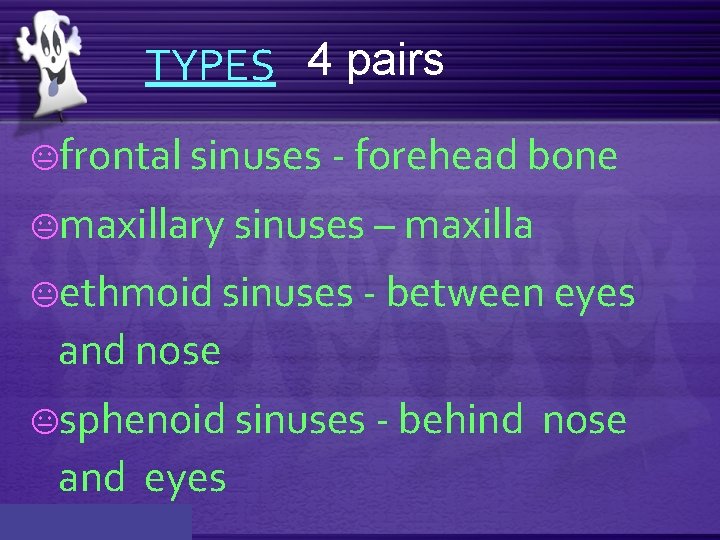
TYPES 4 pairs Kfrontal sinuses - forehead bone Kmaxillary sinuses – maxilla Kethmoid sinuses - between eyes and nose Ksphenoid sinuses - behind and eyes nose
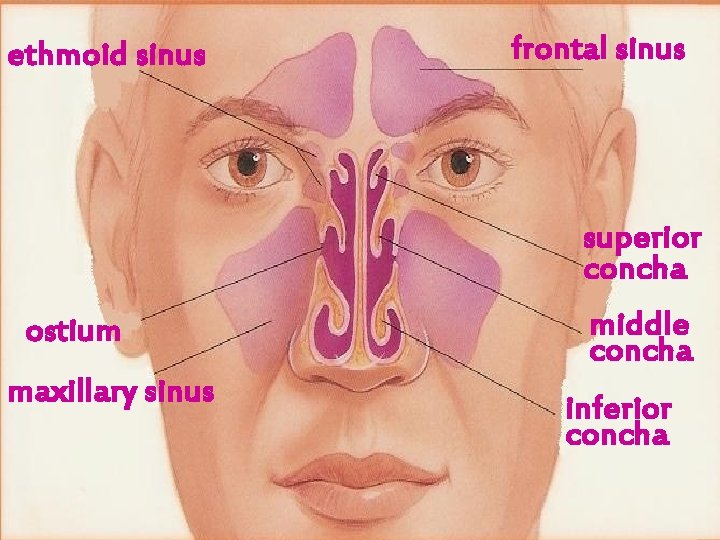
ethmoid sinus frontal sinus superior concha ostium maxillary sinus middle concha inferior concha
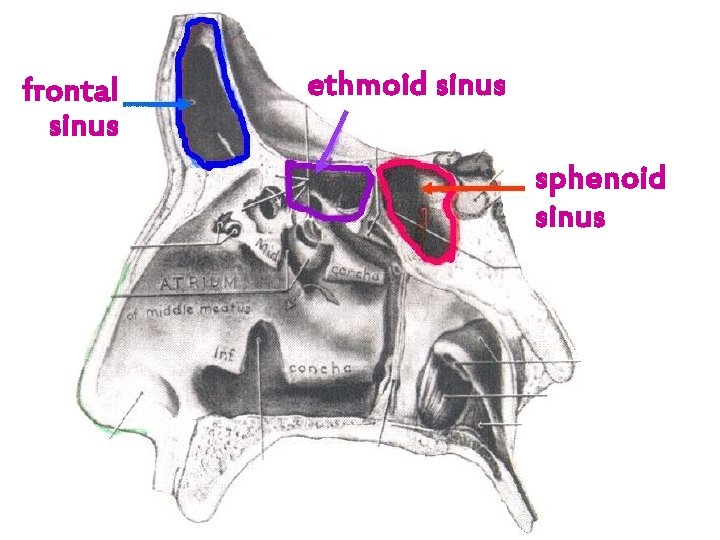
frontal sinus ethmoid sinus sphenoid sinus Dr. MANISH
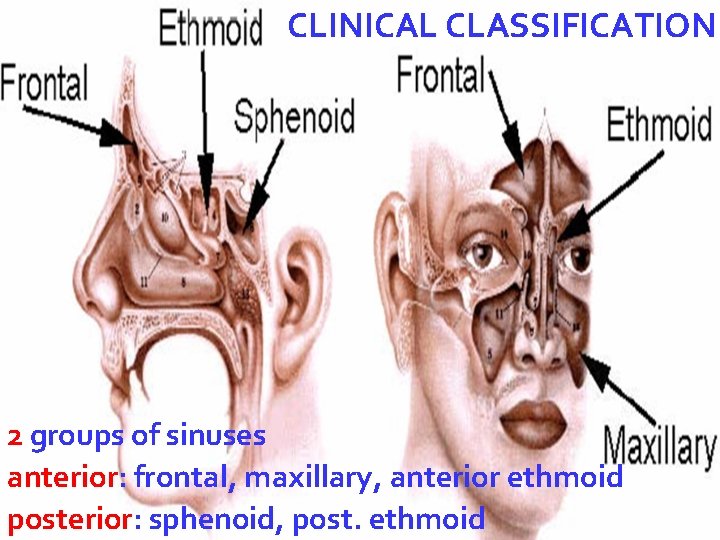
CLINICAL CLASSIFICATION 2 groups of sinuses anterior: frontal, maxillary, anterior ethmoid Dr. MANISH posterior: sphenoid, post. ethmoid
Drainage: through ostium K OSTIUM : perforation present at the level of of middle nasal meatus in the base of sinus (thinnest wall) K posterior ethmoid sinus- superior meatus K anterior ethmoid sinus - middle meatus K maxillary sinus - middle meatus K frontal sinus - middle meatus K sphenoid sinus - sphenoethmoidal recess
Functions skull weight K resonance of the voice K absorbing shock (blow to the face) K humidifying and heating of inhaled air K insulates dental roots and eyes from temperature fluctuations in the nose K regulation of intranasal pressure K surface area for olfaction K

BLOOD SUPPLY
K Artery : internal & external carotid artery , facial & maxillary artery K Veins : facial, pharyngeal plexus, pterygoid plexus K Lymph : submandibular, retropharyngeal & upper deep cervical nodes
Nerve supply Nerve : trigeminal i. e. , nasociliary nasopalatine & maxillary nerve
MAXILLARY SINUS (synonyms: Antrum of Highmore , maxillary antrum) maxillary sinus is the pneumatic space that is lodged inside the body of the maxilla and that communicates with the environment by the way of the middle nasal meatus and the nasal vestibule.
HISTORY K Galen (AD 130 -201) described 1 st K Leonardo da Vinci (1452 -1519) structure & function K Nathaniel Highmore in 1651 - 1 st to describe morphology
EMBRYOLOGY K 3 rd month of gestation K ectodermal invagination into middle meatus
DEVELPOME NT
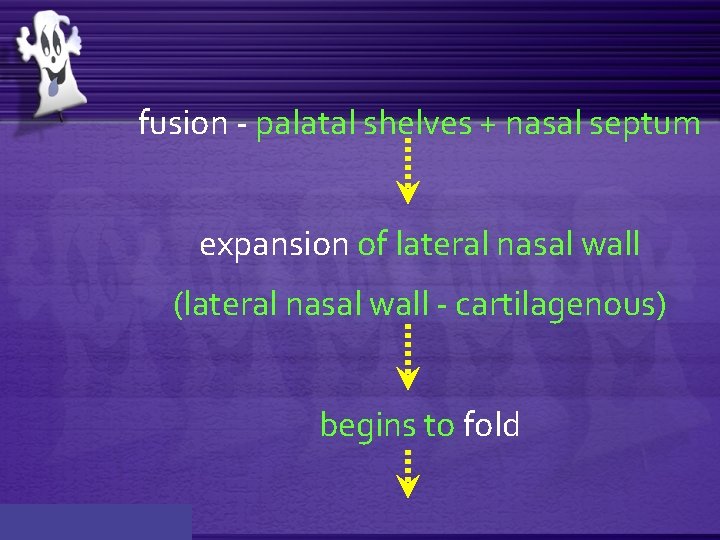
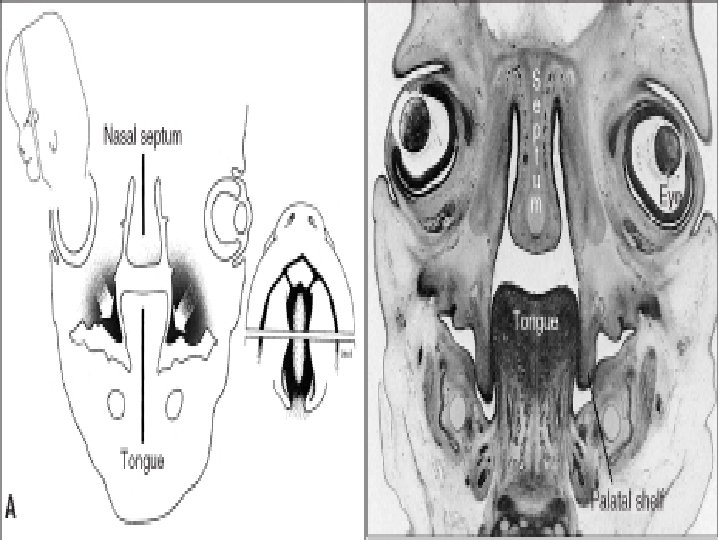
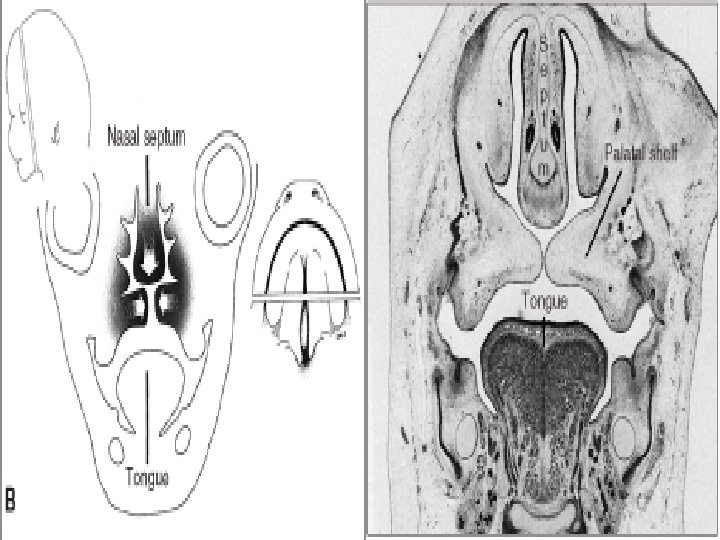
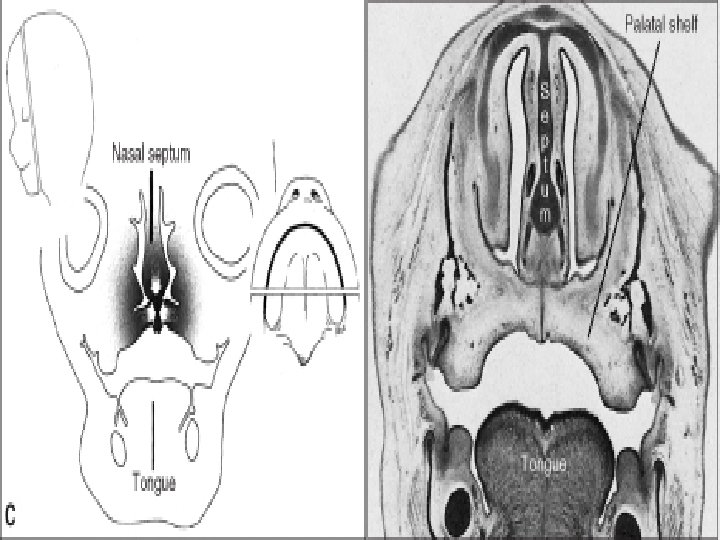
fusion - palatal shelves + nasal septum expansion of lateral nasal wall (lateral nasal wall - cartilagenous) begins to fold
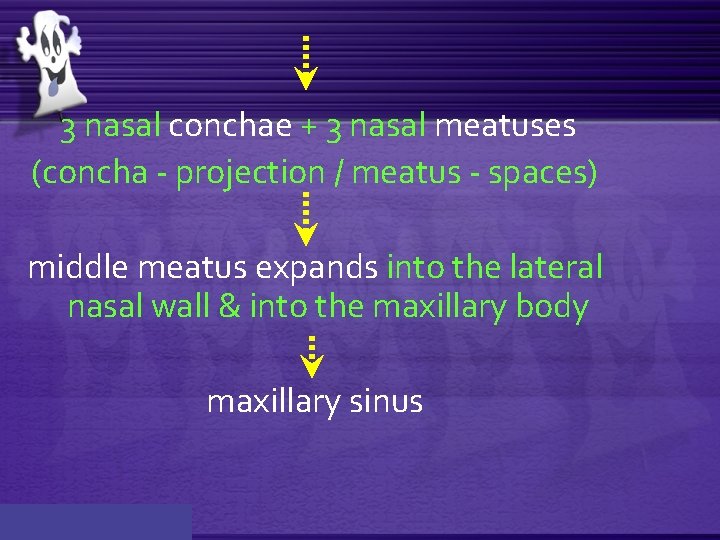
3 nasal conchae + 3 nasal meatuses (concha - projection / meatus - spaces) middle meatus expands into the lateral nasal wall & into the maxillary body maxillary sinus
Dr. MANISH
Dr. MANISH
Dr. MANISH
K 1 st to develop K size – small pea K at birth- 7 X 4 X 4 mm K 1 st Rapid growth - first 3 years slower growth - until 7 years K 2 nd rapid growth - 7 - 12 years
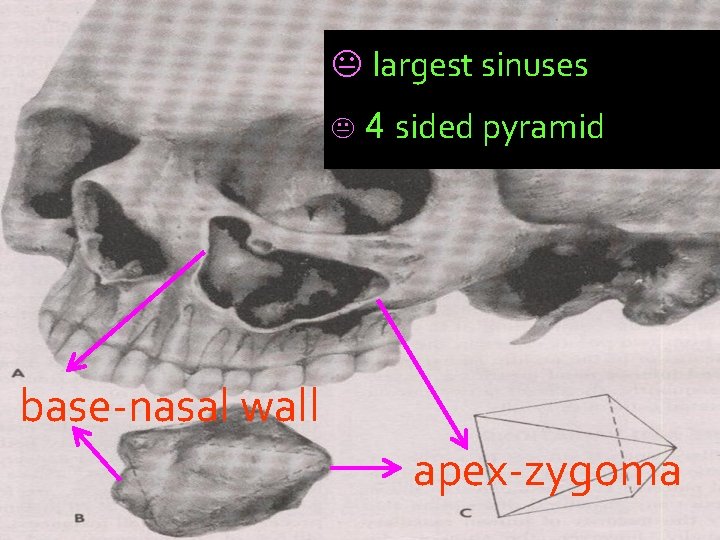
K largest sinuses K 4 sided pyramid base-nasal wall apex-zygoma
BOUNDARIES Dr. MANISH
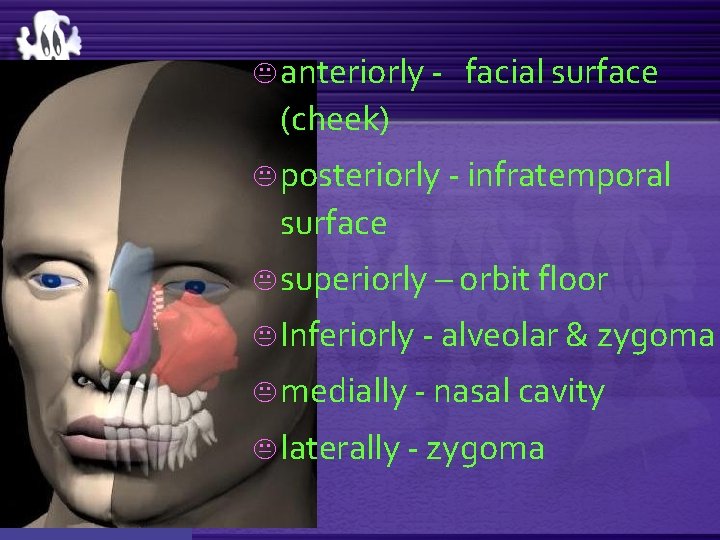
K anteriorly - facial surface (cheek) K posteriorly - infratemporal surface K superiorly – orbit floor K Inferiorly - alveolar & zygoma K medially - nasal cavity K laterally - zygoma
maxillary sinus drains into middle meatus K base of the sinus is thin & has perforations called ostium K opens into posterior part of hiatus semilunaris, represented by two openings o opening 1 - lower part o opening 2 - posterior part
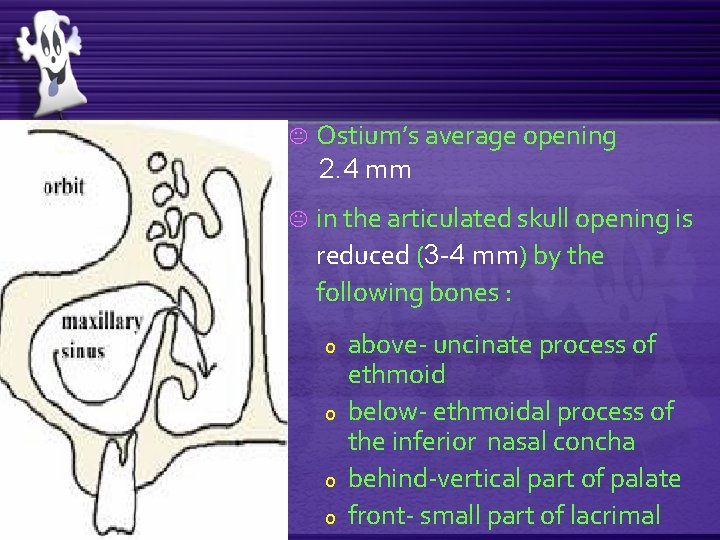
K Ostium’s average opening 2. 4 mm K in the articulated skull opening is reduced (3 -4 mm) by the following bones : o o above- uncinate process of ethmoid below- ethmoidal process of the inferior nasal concha behind-vertical part of palate front- small part of lacrimal
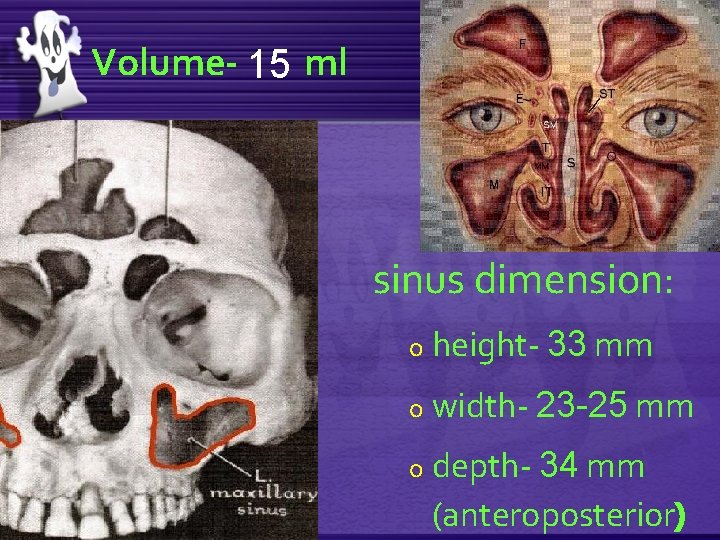
Volume- 15 ml sinus dimension: o height- 33 mm o width- 23 -25 mm o depth- 34 mm (anteroposterior)
RECESSES l l During development maxillary sinus often pneumatises the maxilla beyond the boundaries of maxilary body. Some processes of maxilla , hence get invaded by air space. These expansions are referred to as recesses. Found in : - alveolar process - zygomatic process - frontal process - alveolopalatine process
Alveolopalatine recess : reduces the amount of bone between the dental apices and the sinus space.
HISTOLOGY…
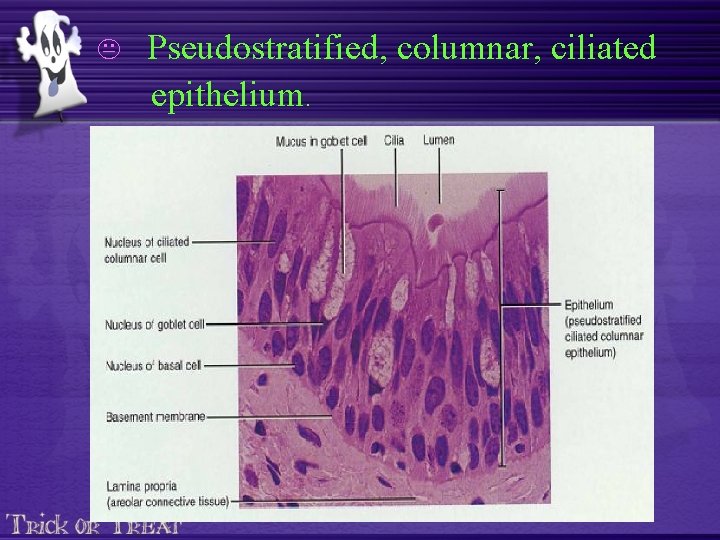
K Pseudostratified, columnar, ciliated epithelium.
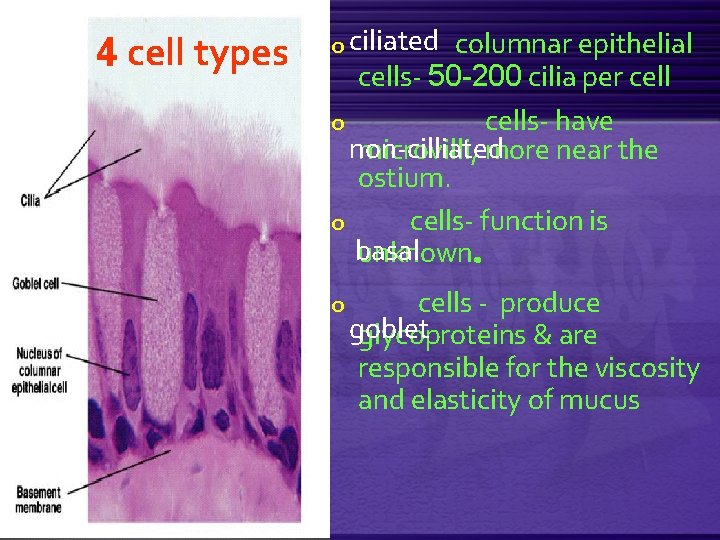
4 cell types o ciliated columnar epithelial cells- 50 -200 cilia per cell o cells- have non-cilliated microvilli, more near the ostium. o cells- function is basal unknown. o cells - produce goblet glycoproteins & are responsible for the viscosity and elasticity of mucus
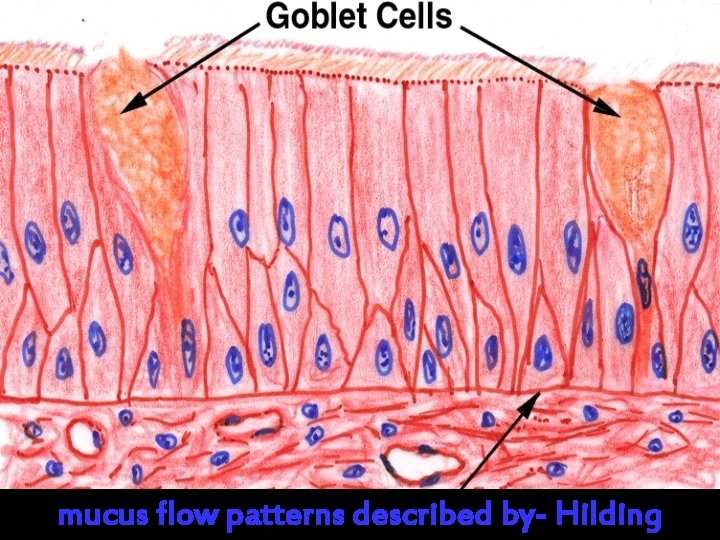
mucus flow patterns described by- Hilding Dr. MANISH
Artery: facial, infraorbital, greater palatine Veins: facial, pterygoid plexus Lymph: submandibular nodes Dr. MANISH
Nerve supply
K sinus wall crossed by nerves- Roof -infraorbital o anteriorly- anterior superior alveolar o Laterally - middle superior alveolar o posteriorly- posterior superior alveolar o posteriomedially- lesser palatine K chronic inflammation of mucoperiosteal layer of sinus involving the above nerves causes neuralgia o
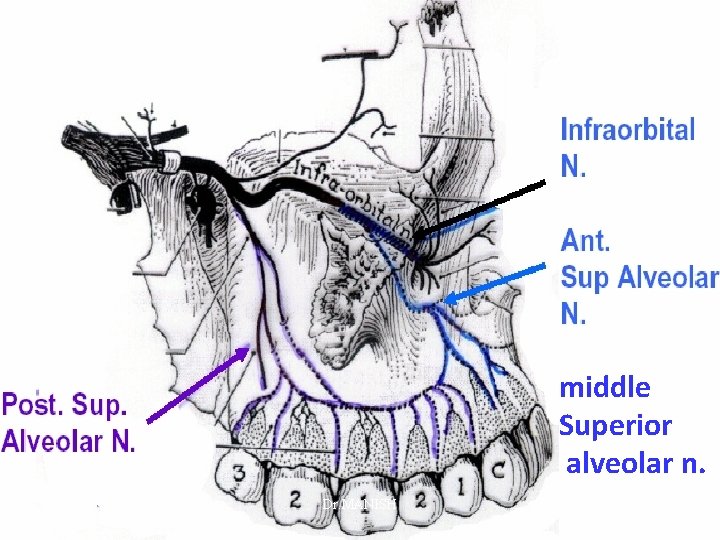
middle Superior alveolar n. Dr. MANISH
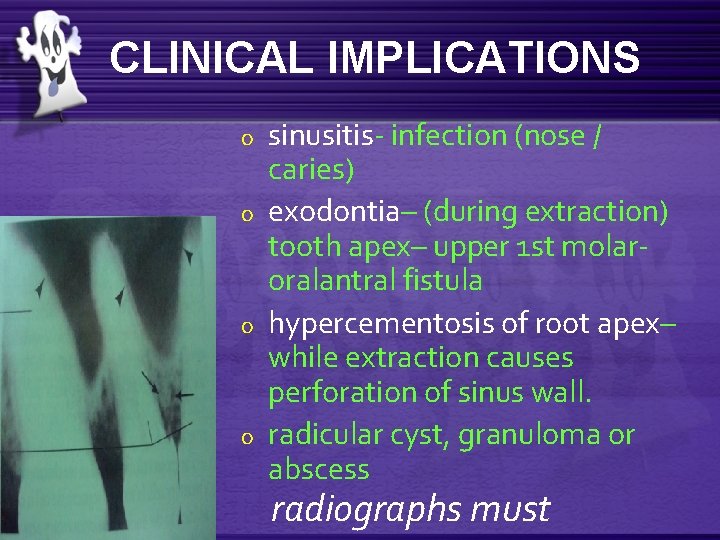
CLINICAL IMPLICATIONS o o sinusitis- infection (nose / caries) exodontia– (during extraction) tooth apex– upper 1 st molaroralantral fistula hypercementosis of root apex– while extraction causes perforation of sinus wall. radicular cyst, granuloma or abscess radiographs must

– perforation of the periapical inflammation sinus floor, because floor of the sinus is thin K pituitary gigantism – large sinus K congenital syphilis - suppressed maxillary sinus K Malignancy – adenocarcinoma, squamous cell carcinoma, osteosarcoma, fibrosarcoma, lymphosarcoma. (c/f: 1 st manifestation in maxillary teethpain, loosening, supraeruption, or bleeding in their gingival tissue. ) K Dr. MANISH
ANOMALIES
aplasia-complete absence K agenesis-(Defective development resulting in the absence of all or part of an organ or tissue) K hypoplasia– altered/under development K supernumerary sinuses– presence of 2 completely separated maxillary sinuses on same side K

KThank you !!!! Dr. MANISH
- Slides: 44