
MATH TALKS DISCUSSION Reading Skills for Mathematics Decoding
- Slides: 25
MATH TALKS DISCUSSION: Reading Skills for Mathematics
Decoding • Mathematical Reasoning and Reading are not as different as you may think! • math-uh-mat-iks • Origin: 1350– 1400; ME mathematic < L mathēmatica ( ars ) < Gk mathēmatikḕ ( téchnē ) scientific (craft), equiv. to mathēmat- (s. of máthēma ) science, knowledge + -ikē, fem. of -ikos -ic; see -ics
Literacy • • How common is literacy? Depends… What do we mean by literate? Mathematically literate? How would you define that? Arithmetic? Algebra? Calculus?
Is the student “literate”? • Literacy: definition: age 15 and over can read and write basic communication total population: 82% male: 87% female: 77% • Definition: the ability to read and write at a specified age.
Practice? • How much time does the average American spend reading per day? • 5 minutes! • This includes street signs… • T-shirts… • And the TV Guide… • Oh, and texting.
Reading, not “The Cat in the Hat”! • What do reading teachers do? • Linguistics • · Phonetics and phonology are concerned with the study of speech sounds. Within psycholinguistics, research focuses on how the brain processes and understands these sounds. • · Morphology is the study of word structures, especially the relationships between related words (such as dog and dogs) and the formation of words based on rules (such as plural formation). • · Syntax is the study of the patterns which dictate how words are combined together to form sentences. • · Semantics deals with the meaning of words and sentences. Where syntax is concerned with the formal structure of sentences, semantics deals with the actual meaning of sentences. • · Pragmatics is concerned with the role of context in the interpretation of meaning.
Psycho- Linguistics • • Cognitive Theory Learning and the Brain Eye – Brain Connection How is language acquired and stored?
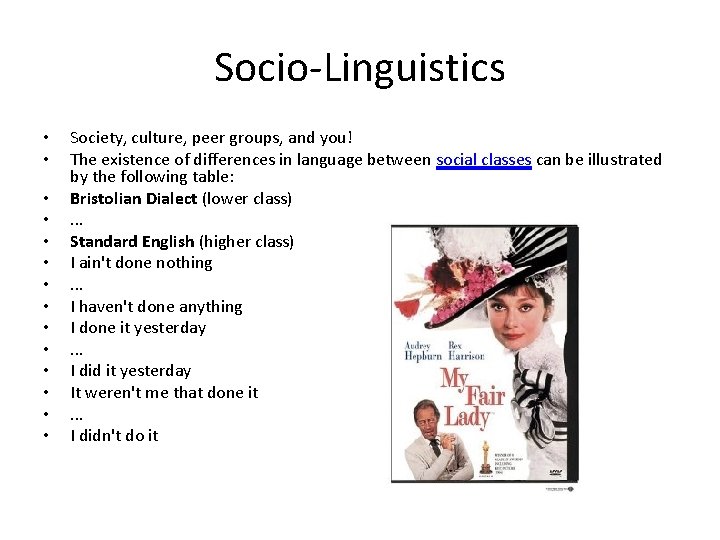
Socio-Linguistics • • • • Society, culture, peer groups, and you! The existence of differences in language between social classes can be illustrated by the following table: Bristolian Dialect (lower class). . . Standard English (higher class) I ain't done nothing. . . I haven't done anything I done it yesterday. . . I did it yesterday It weren't me that done it. . . I didn't do it
Which one is “right”? • The differences in grammar between the two examples of speech is referred to as differences between social class dialects or sociolects. • For example… is Ebonics a language?
Barriers to reading? • • Physical Mental Social Parental Cultural Motivational More?
Reading Level • • Grade level and experience? 52, 54, 56, 158 Literate in another language? Vocabulary and Comprehension
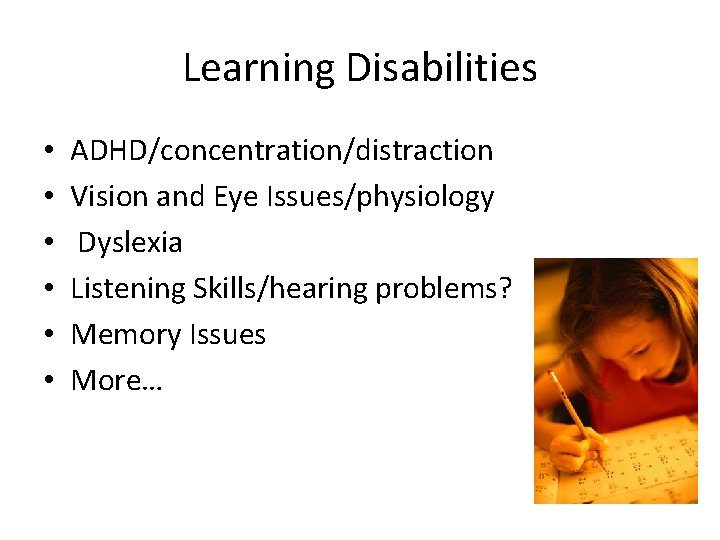
Learning Disabilities • • • ADHD/concentration/distraction Vision and Eye Issues/physiology Dyslexia Listening Skills/hearing problems? Memory Issues More…
Personal Issues? • • • New to the College Culture Male/female identity issues Problems at Home Esteem/confidence Issues Anxiety
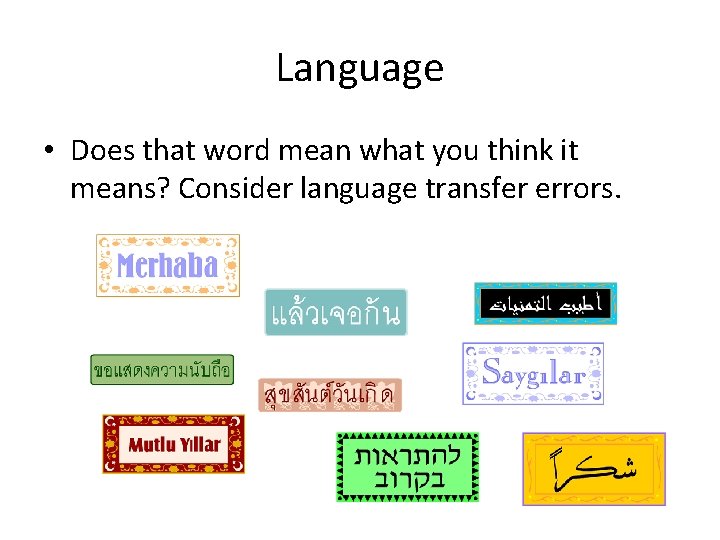
Socio-Cultural Peer Group Heritage and Importance of Reading Language transfer errors Vocabulary and translation Cultural Barriers/Spelling/double meanings/implied meaning • Punctuation!? • • •
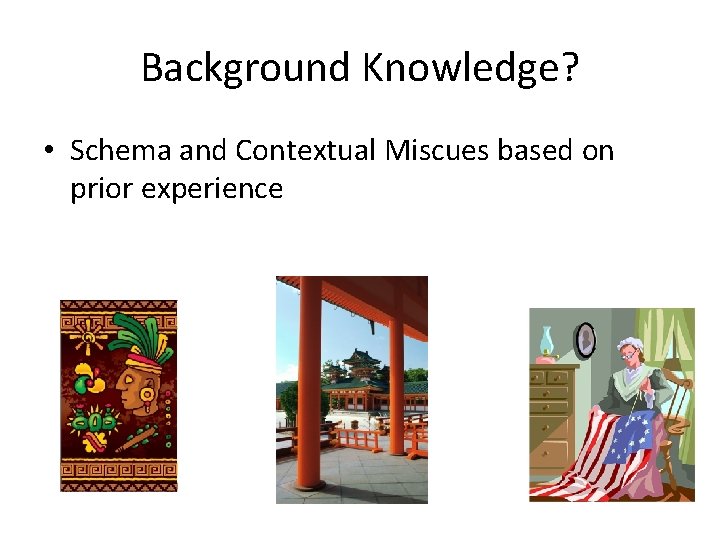
Background Knowledge? • Schema and Contextual Miscues based on prior experience
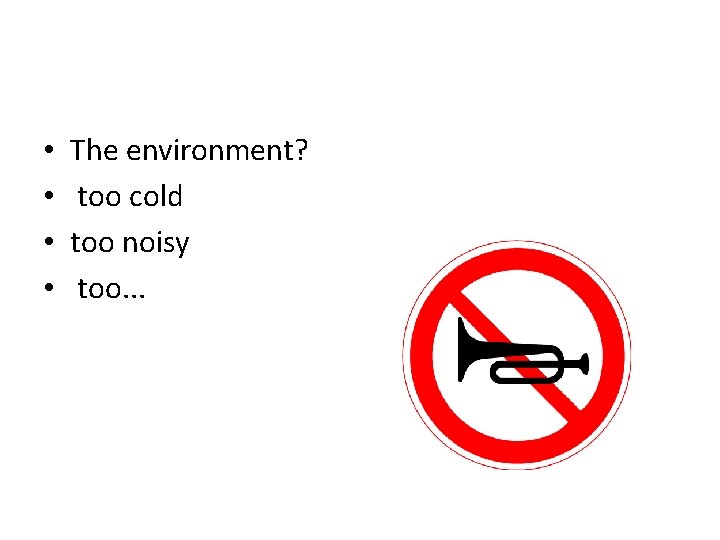
• • The environment? too cold too noisy too. . .
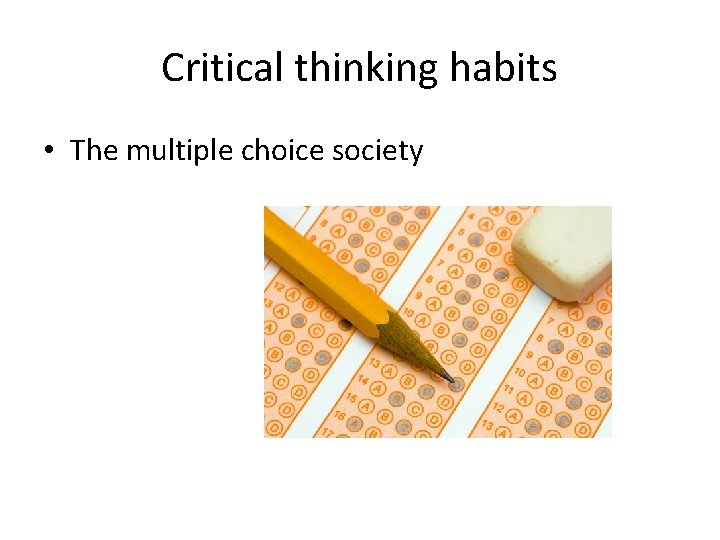
Critical thinking habits • The multiple choice society
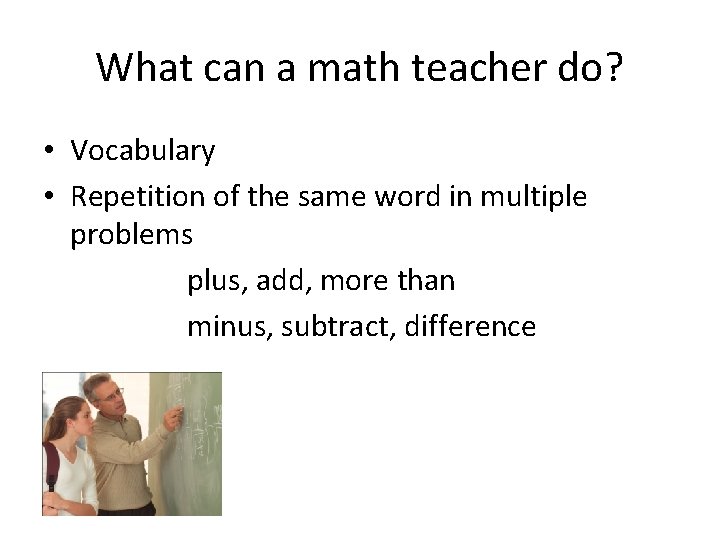
What can a math teacher do? • Vocabulary • Repetition of the same word in multiple problems plus, add, more than minus, subtract, difference
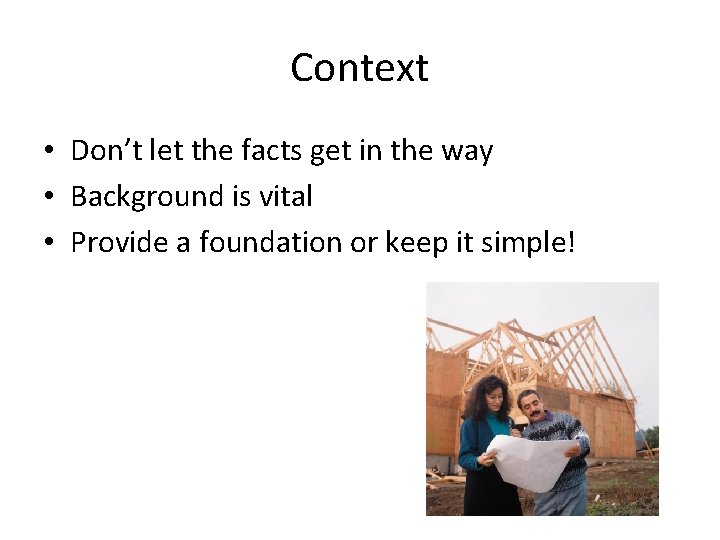
Context • Don’t let the facts get in the way • Background is vital • Provide a foundation or keep it simple!
Culture • Consider the student’s cultural expectations
Language • Does that word mean what you think it means? Consider language transfer errors.
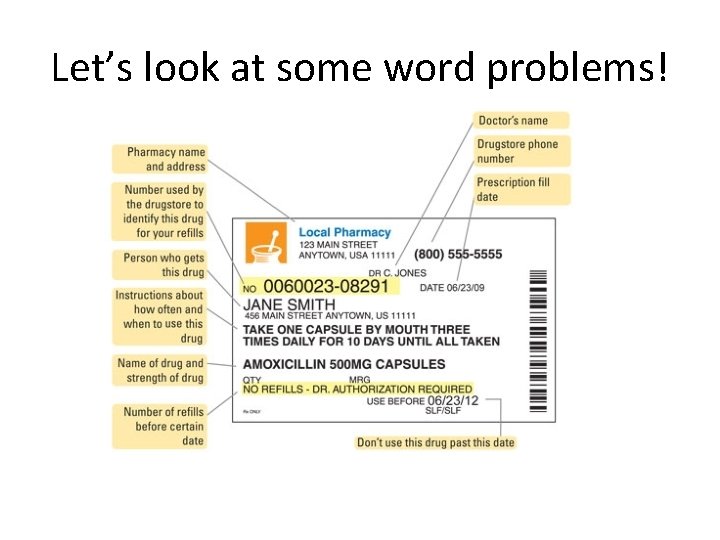
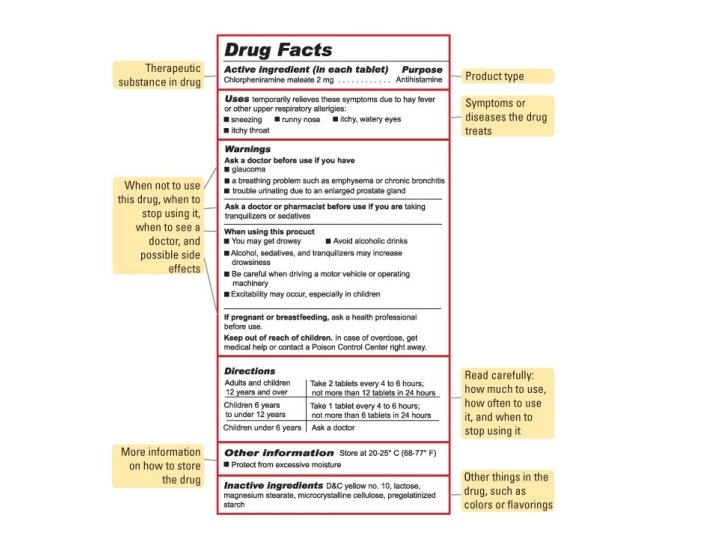
Let’s look at some word problems!
More than math… • • • What are you assuming that they know? What words? What concepts? What history? Assume? ? Make an Ass out of u and me