
Math Rocks Linking Physical Geology with a Mathematics
- Slides: 17
Math Rocks! Linking Physical Geology with a Mathematics Course to Improve Student Learning Mike Phillips, Geology Instructor Cheryl Hobneck, Math Instructor Illinois Valley Community College This presentation may be accessed at: http: //www. ivcc. edu/phillips
The Courses Physical Geology (with lab) introductory, general education course high rate of D’s, F’s, and withdrawals (typically around 25 to 30%) Intermediate Algebra prerequisite for college level math placement based on Accuplacer score non-transfer course
Identify Barriers to Student Success Physical Geology Methods: classroom assessment, discussions with counselors Student background (Spring 2003) 4/5 of the students had not taken a collegelevel lab science course 3/4 of the students had not had a geology course (HS or college) 3/4 of the students had not successfully completed a college-level math course
The Link Between Math and Geology Basic geologic concepts are often described using graphs and equations. Understanding and completing lab exercises requires students to use math. High math anxiety is a barrier to student success in geology & math.
Math at IVCC has mandatory placement testing fall 2003: 72% tested below “college-level” (national average is around 80%) Frustration for students and parents students are “back tracking” Developmental Math courses build students’ skills to the college level lab or lecture/lab combo provides review of math concepts to be used in other courses
Identifying Solutions How can student needs be addressed? Explored options through discussions with counselors, deans, other instructors Two solutions were implemented for Physical Geology: web-based assistance for all students learning community for students
Learning Communities http: //learningcommons. evergreen. edu/ “…classes that are linked or clustered during an academic term, often around an interdisciplinary theme, and enroll a common cohort of students. ”
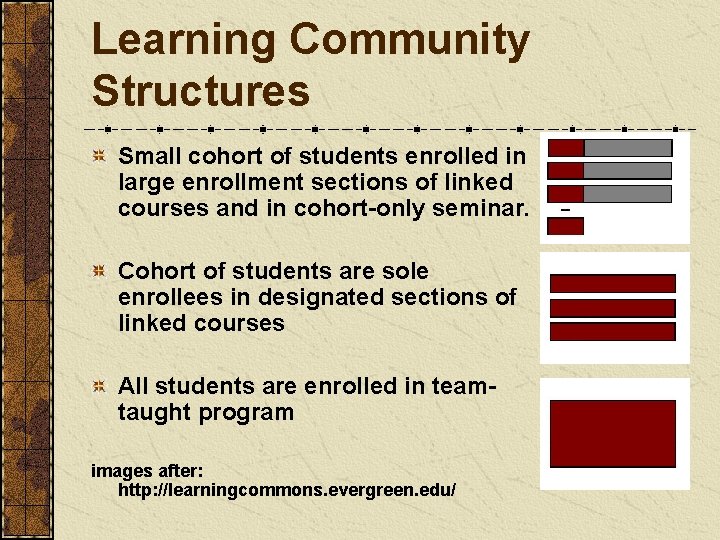
Learning Community Structures Small cohort of students enrolled in large enrollment sections of linked courses and in cohort-only seminar. Cohort of students are sole enrollees in designated sections of linked courses All students are enrolled in teamtaught program images after: http: //learningcommons. evergreen. edu/
Developing “Math Rocks!” Applied to college’s Learning Community Coordinators Added sections to schedule assistance of Deans advice of counselors Discussed new LC with counselors (key!)
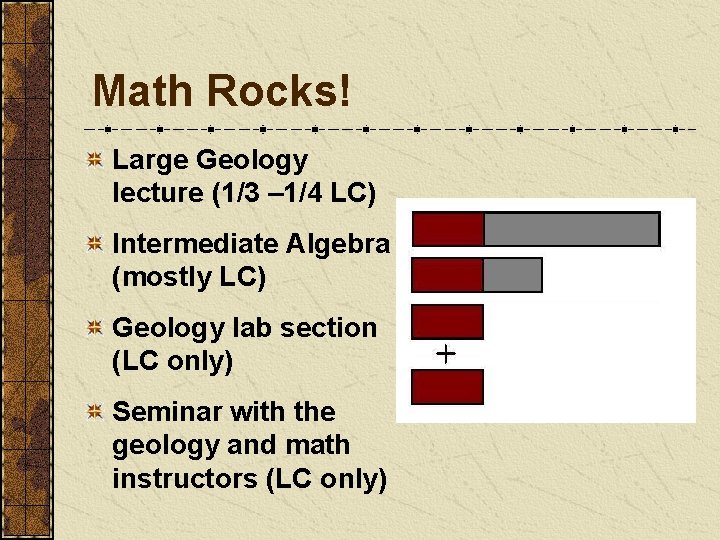
Math Rocks! Large Geology lecture (1/3 – 1/4 LC) Intermediate Algebra (mostly LC) Geology lab section (LC only) Seminar with the geology and math instructors (LC only)
Sample Topics (LC Seminar) Scale conversions Graphing and rate calculation for ash clouds and plate motion Drainage basin analysis Cookie mining (economic geology) Radiometric dating Groundwater flow calculation
Student Response Student success DFW rate 18% (28% for rest of class) Note: cohort is presumed to be a higher risk for DFW Student comments on Math Rocks! indicate that students feel it improves their understanding of both subjects enjoy working with and getting to know other students like the extra attention
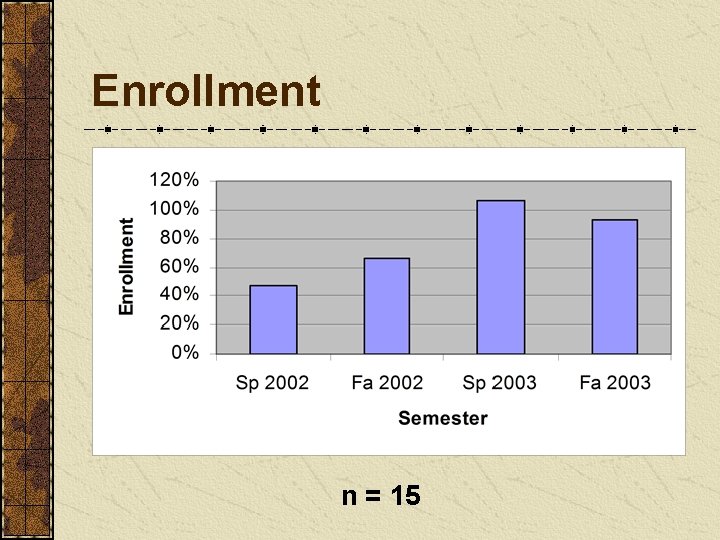
Enrollment n = 15
Instructor Response Gain insight into what our students are learning and expected to know Able to observe the techniques of another instructor Get to know the students better Able to address student needs more effectively
Keys to Success Identification of beneficial links instructors division deans counselors Coordination & communication between instructors Identification and registration of students by counselors Support from administration
Future Goals Continue to revise seminar and course activities Continue to examine scheduling with deans and counselors Continue to work with counselors Identify new LC opportunities
Thanks Math Rocks is supported in part by a Title III grant from the U. S. Department of Education Math Rocks has received indispensable support from our counselors, Deans, and Vice President for Academic Affairs