
Materials Science and EngineeringTrends and Issues Reza Abbaschian
Materials Science and Engineering—Trends and Issues Reza Abbaschian NMAB October 21, 2002
Outline • • • Educational Trends and Issues Structural Trends and Issues Splintered Professional Certification Incoherent professional Representation Reduced Core Funding(e. g. DOE) Blurred Boundaries
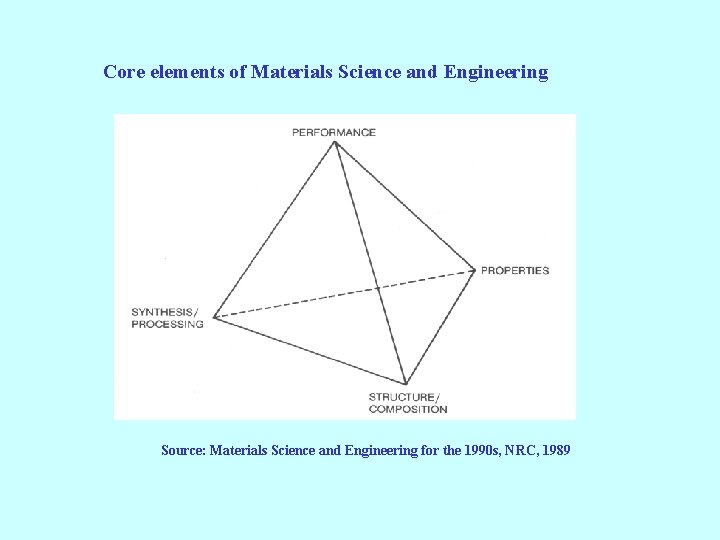
Core elements of Materials Science and Engineering Source: Materials Science and Engineering for the 1990 s, NRC, 1989
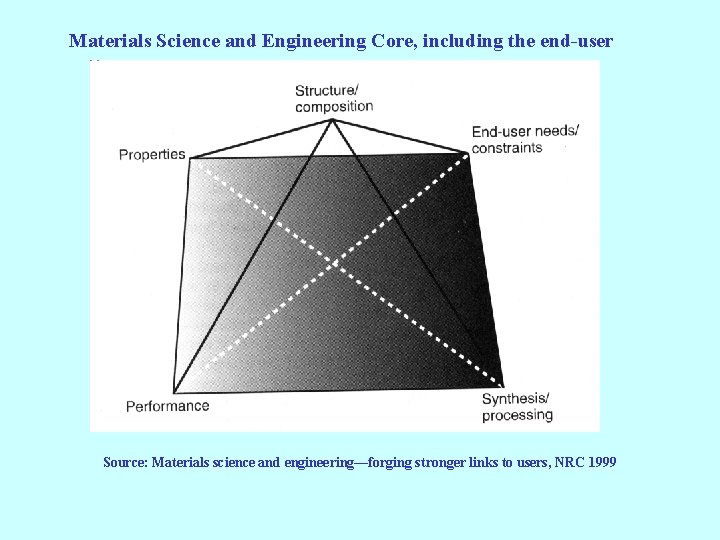
Materials Science and Engineering Core, including the end-user Source: Materials science and engineering—forging stronger links to users, NRC 1999
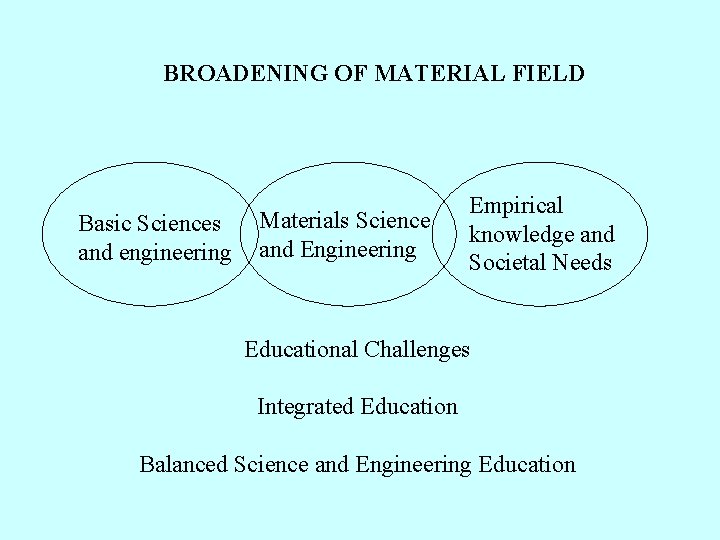
BROADENING OF MATERIAL FIELD Basic Sciences and engineering Materials Science and Engineering Empirical knowledge and Societal Needs Educational Challenges Integrated Education Balanced Science and Engineering Education
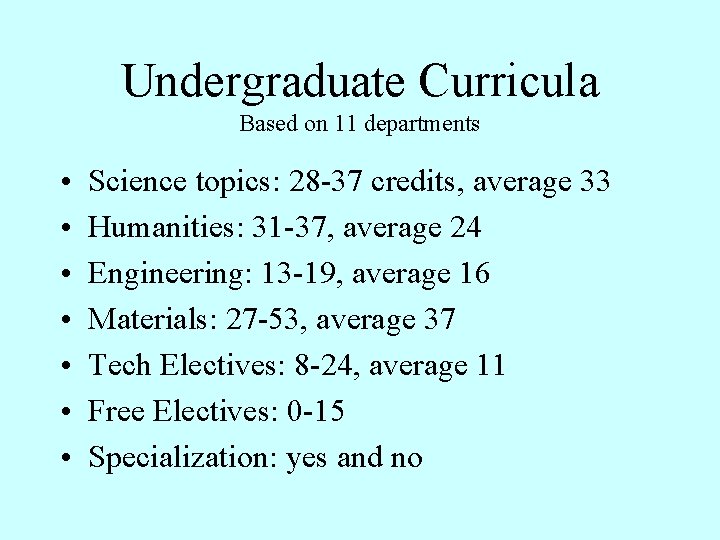
Undergraduate Curricula Based on 11 departments • • Science topics: 28 -37 credits, average 33 Humanities: 31 -37, average 24 Engineering: 13 -19, average 16 Materials: 27 -53, average 37 Tech Electives: 8 -24, average 11 Free Electives: 0 -15 Specialization: yes and no
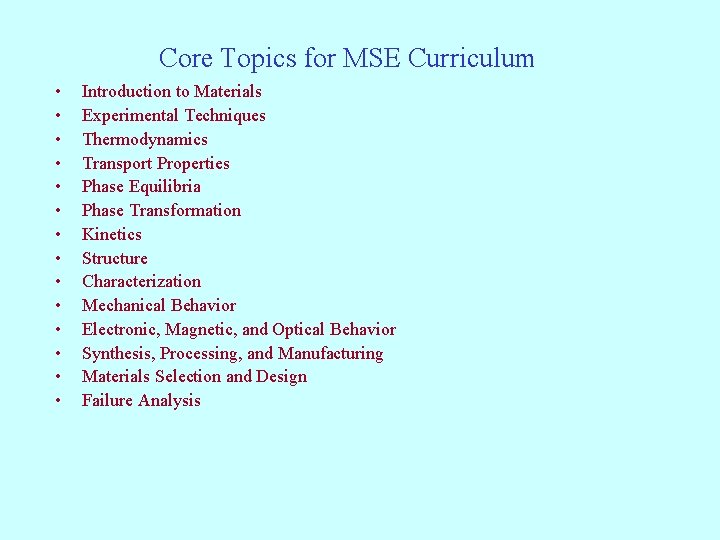
Core Topics for MSE Curriculum • • • • Introduction to Materials Experimental Techniques Thermodynamics Transport Properties Phase Equilibria Phase Transformation Kinetics Structure Characterization Mechanical Behavior Electronic, Magnetic, and Optical Behavior Synthesis, Processing, and Manufacturing Materials Selection and Design Failure Analysis
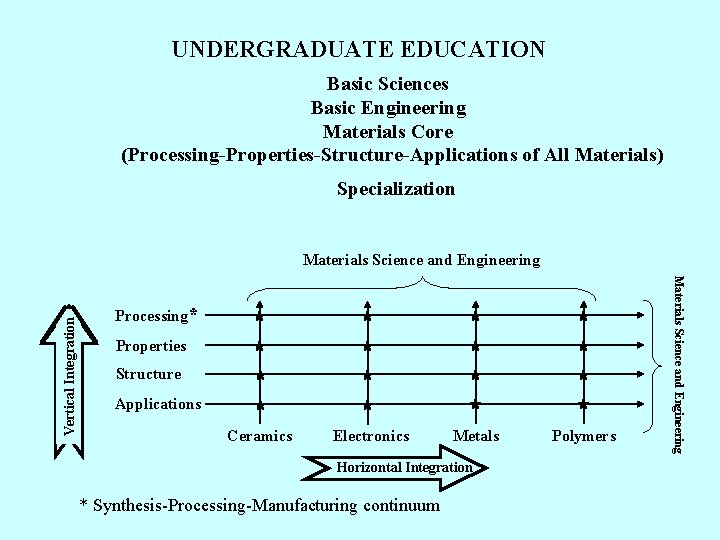
UNDERGRADUATE EDUCATION Basic Sciences Basic Engineering Materials Core (Processing-Properties-Structure-Applications of All Materials) Specialization Processing* Properties Structure Applications Ceramics Electronics Metals Horizontal Integration * Synthesis-Processing-Manufacturing continuum Polymers Materials Science and Engineering Vertical Integration Materials Science and Engineering

MATRIX COVERAGE OF MATERIALS SCIENCE AND ENGINEERING (UF Model) Energetics/Kinetics Transformations Stability Intro Materials Characterization 2 courses Research/Design Selection/Failure Mechanical Behavior 6 - 9 Hours Electives Mats Lab Metals Engineering Ceramics Engineering Polymers Science Electronic Behavior 15 - 18 semester hours in one specialization Metals Specialization Ceramics Specialization Polymer Specialization Electronic specialization
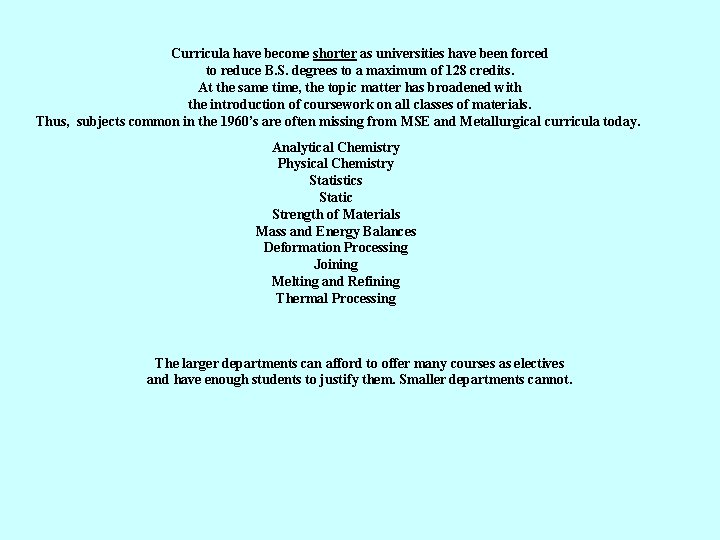
Curricula have become shorter as universities have been forced to reduce B. S. degrees to a maximum of 128 credits. At the same time, the topic matter has broadened with the introduction of coursework on all classes of materials. Thus, subjects common in the 1960’s are often missing from MSE and Metallurgical curricula today. Analytical Chemistry Physical Chemistry Statistics Static Strength of Materials Mass and Energy Balances Deformation Processing Joining Melting and Refining Thermal Processing The larger departments can afford to offer many courses as electives and have enough students to justify them. Smaller departments cannot.
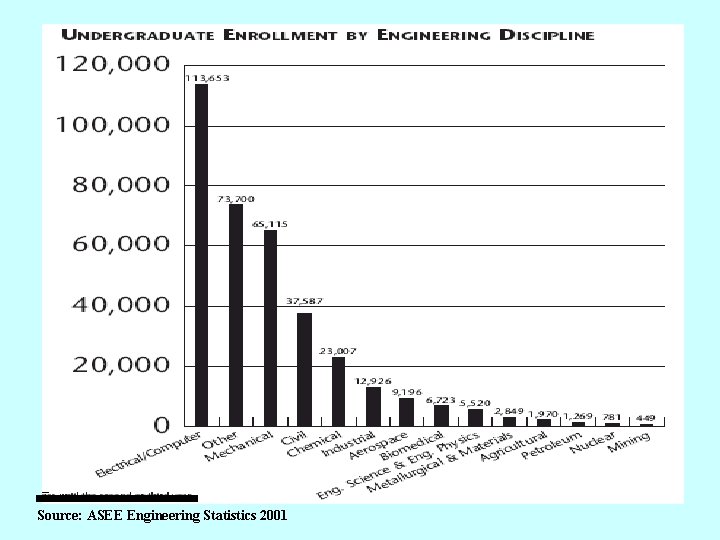
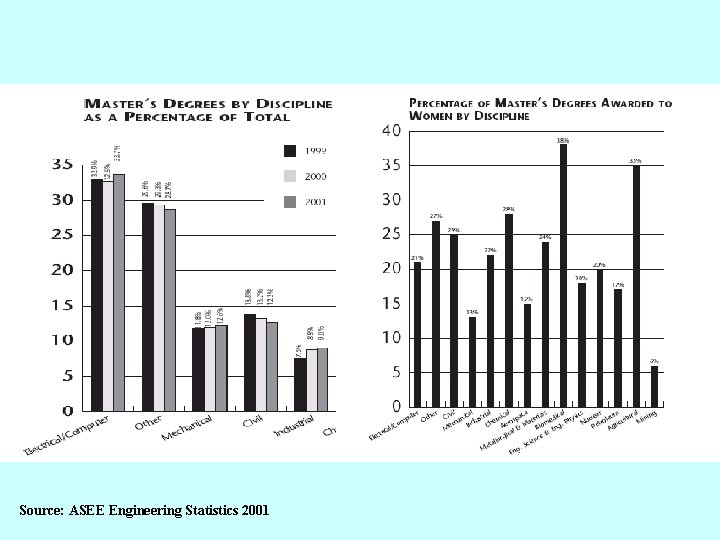
Source: ASEE Engineering Statistics 2001
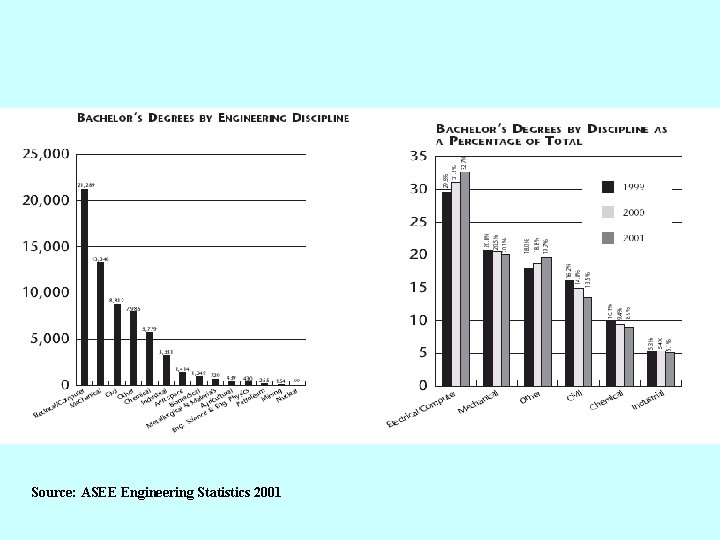
Source: ASEE Engineering Statistics 2001
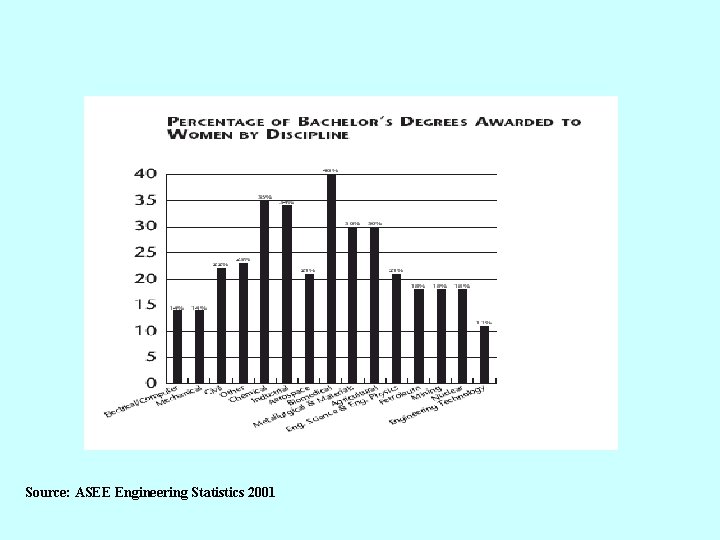
Source: ASEE Engineering Statistics 2001
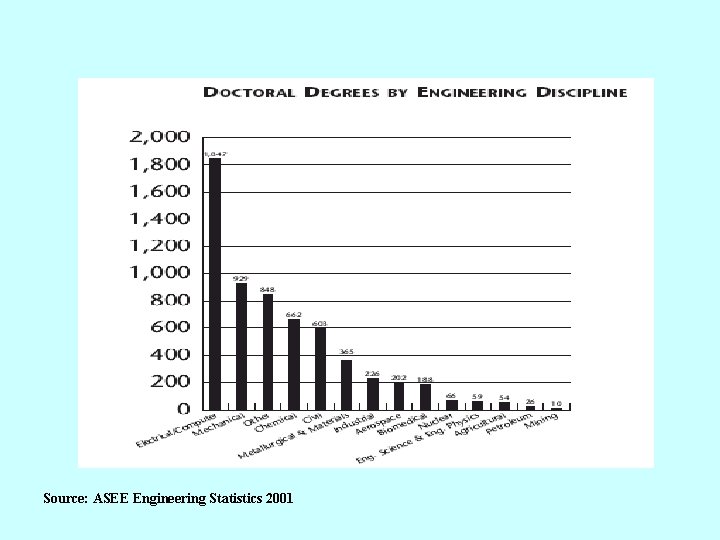
Source: ASEE Engineering Statistics 2001
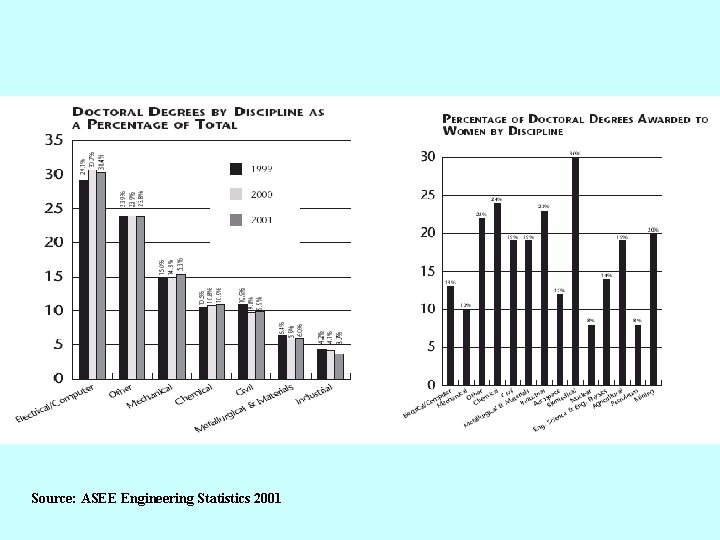
Source: ASEE Engineering Statistics 2001
Source: ASEE Engineering Statistics 2001
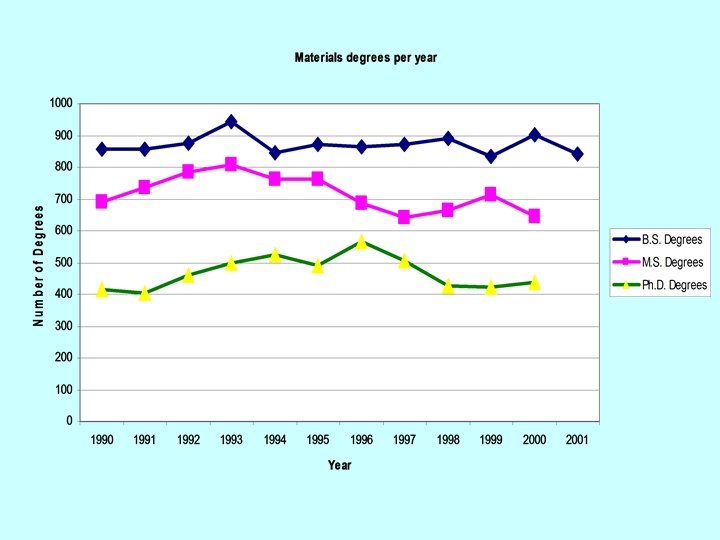
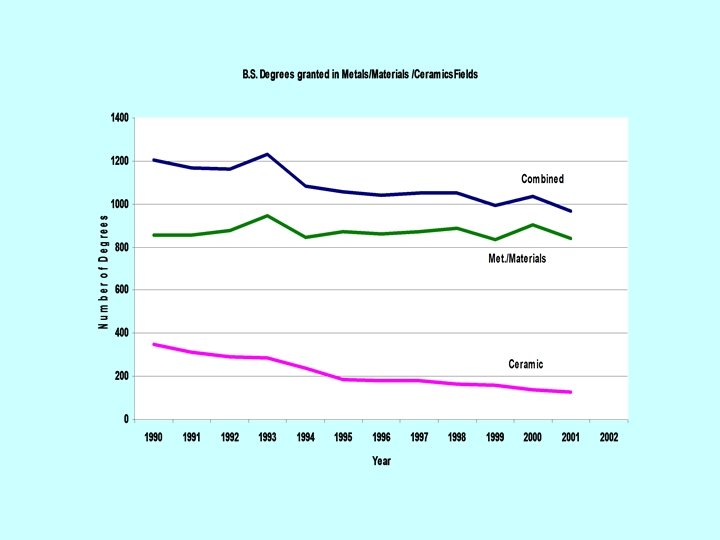
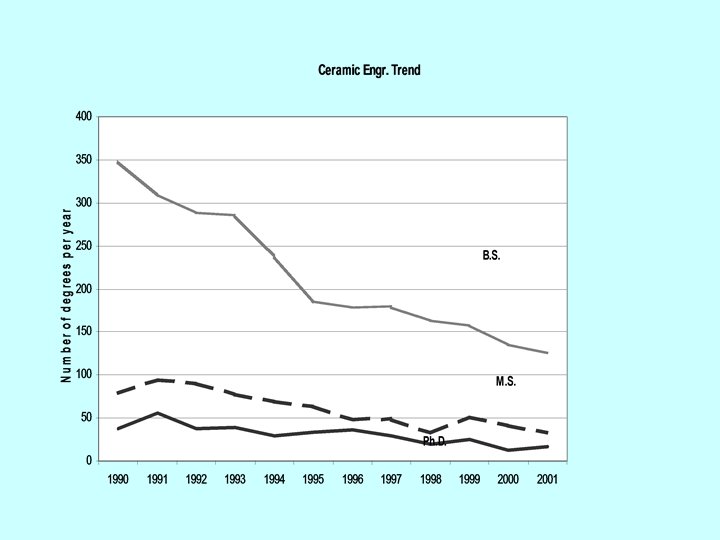
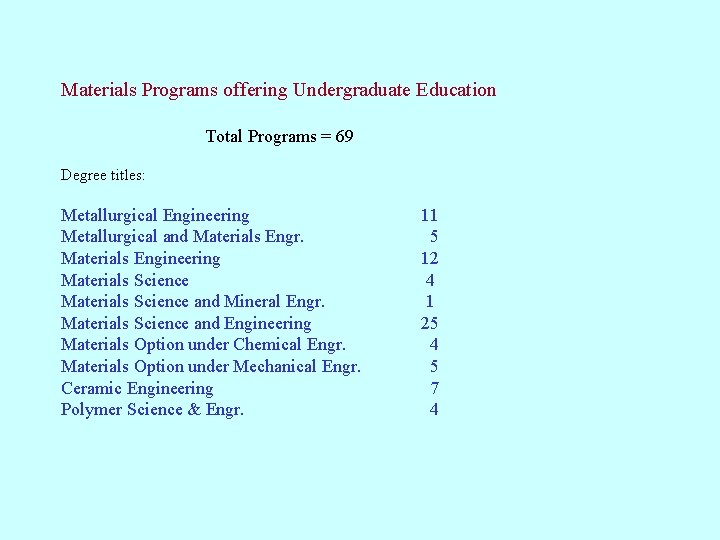
Materials Programs offering Undergraduate Education Total Programs = 69 Degree titles: Metallurgical Engineering Metallurgical and Materials Engr. Materials Engineering Materials Science and Mineral Engr. Materials Science and Engineering Materials Option under Chemical Engr. Materials Option under Mechanical Engr. Ceramic Engineering Polymer Science & Engr. 11 5 12 4 1 25 4 5 7 4
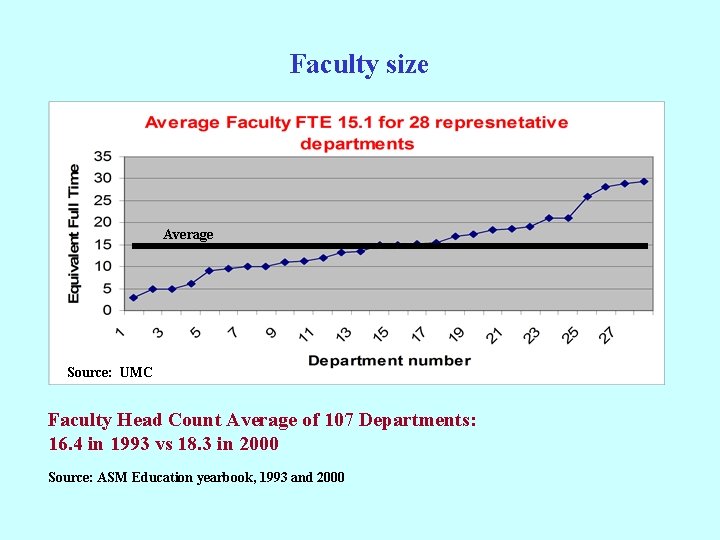
Faculty size Average Source: UMC Faculty Head Count Average of 107 Departments: 16. 4 in 1993 vs 18. 3 in 2000 Source: ASM Education yearbook, 1993 and 2000
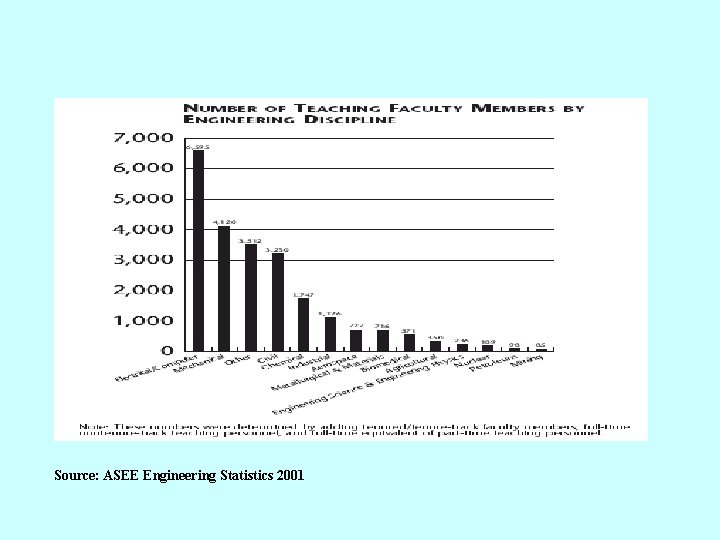
Source: ASEE Engineering Statistics 2001
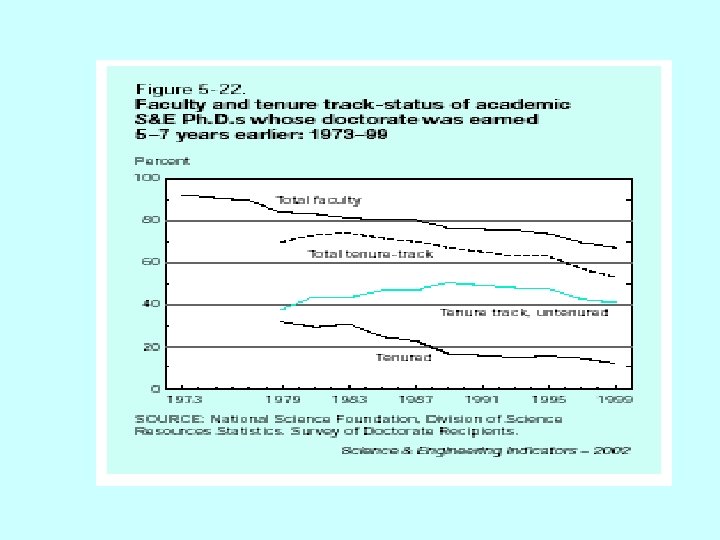
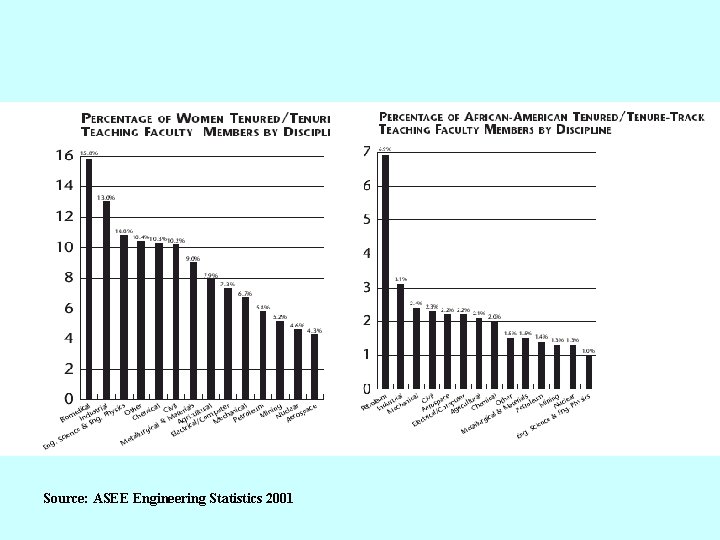
Source: ASEE Engineering Statistics 2001
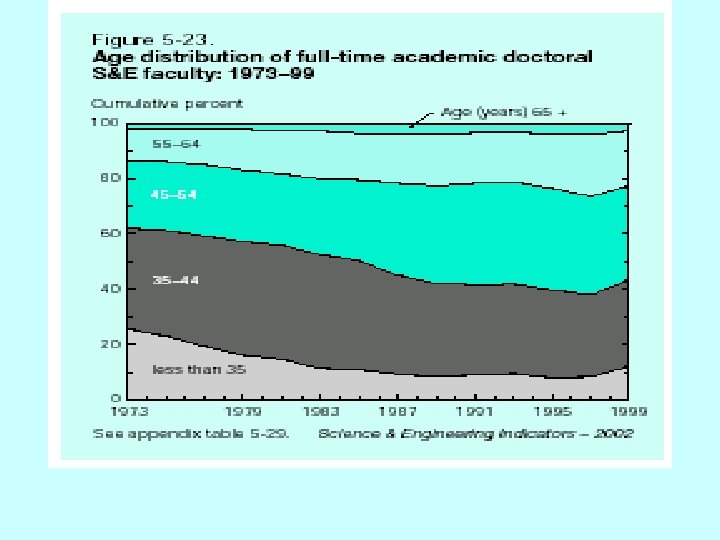
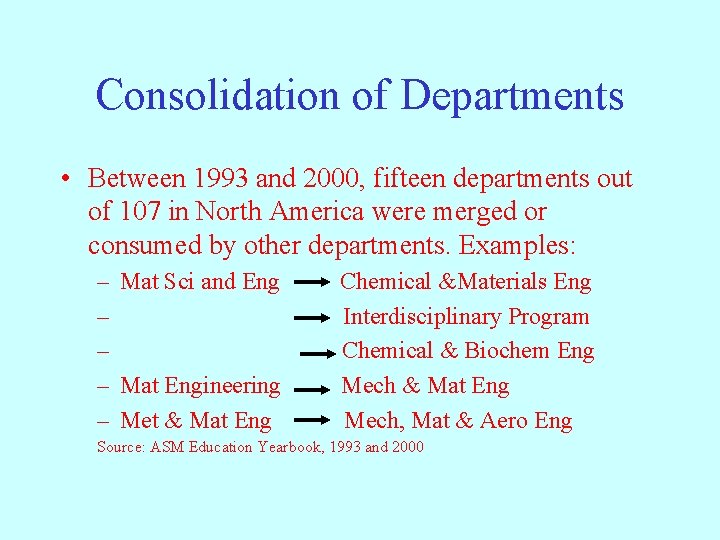
Consolidation of Departments • Between 1993 and 2000, fifteen departments out of 107 in North America were merged or consumed by other departments. Examples: – – – Mat Sci and Eng Chemical &Materials Eng Interdisciplinary Program Chemical & Biochem Eng Mat Engineering Mech & Mat Eng Met & Mat Eng Mech, Mat & Aero Eng Source: ASM Education Yearbook, 1993 and 2000
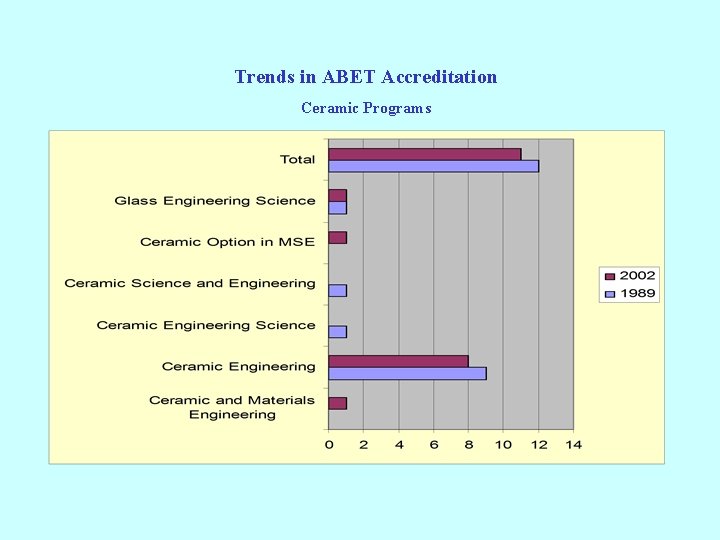
Trends in ABET Accreditation Ceramic Programs
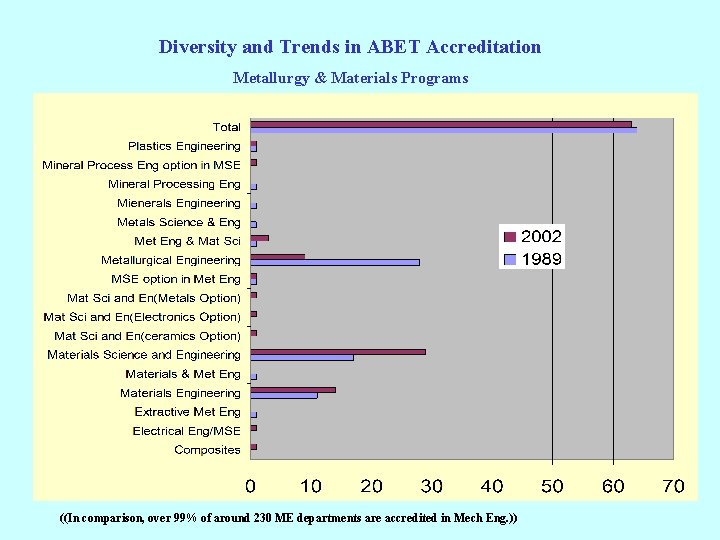
Diversity and Trends in ABET Accreditation Metallurgy & Materials Programs ((In comparison, over 99% of around 230 ME departments are accredited in Mech Eng. ))
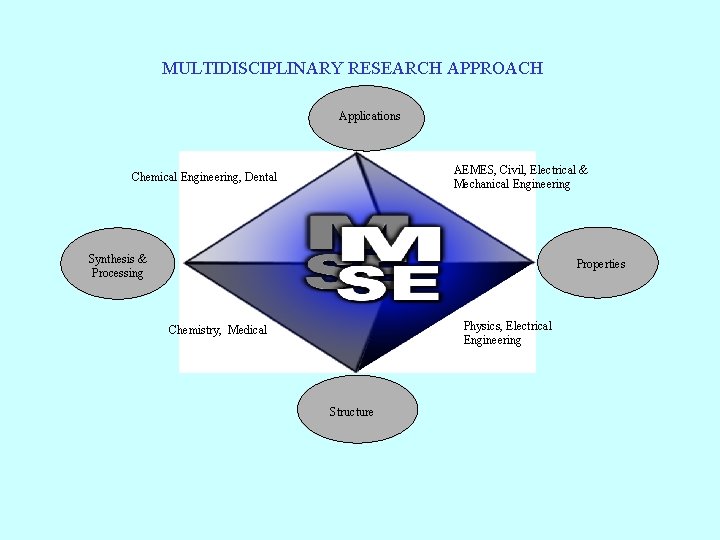
MULTIDISCIPLINARY RESEARCH APPROACH Applications AEMES, Civil, Electrical & Mechanical Engineering Chemical Engineering, Dental Synthesis & Processing Properties Physics, Electrical Engineering Chemistry, Medical Structure
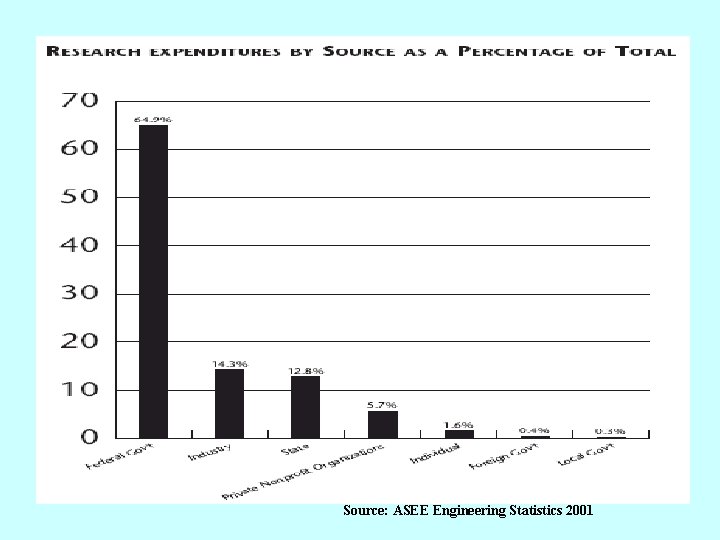
Source: ASEE Engineering Statistics 2001
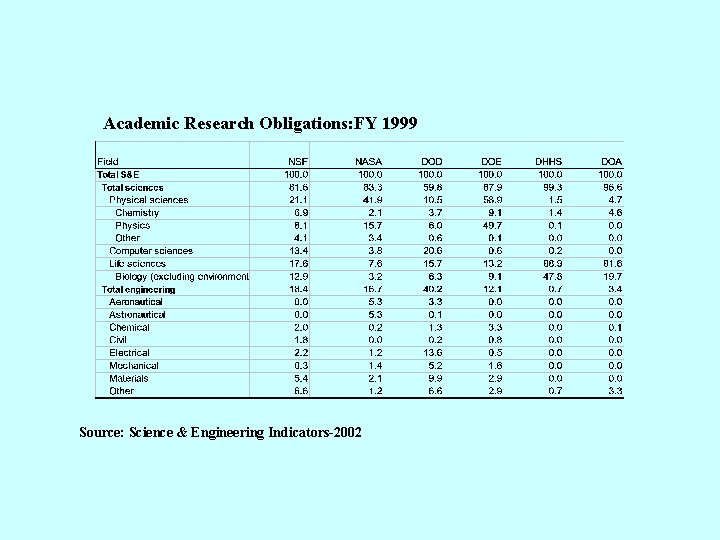
Academic Research Obligations: FY 1999 Source: Science & Engineering Indicators-2002
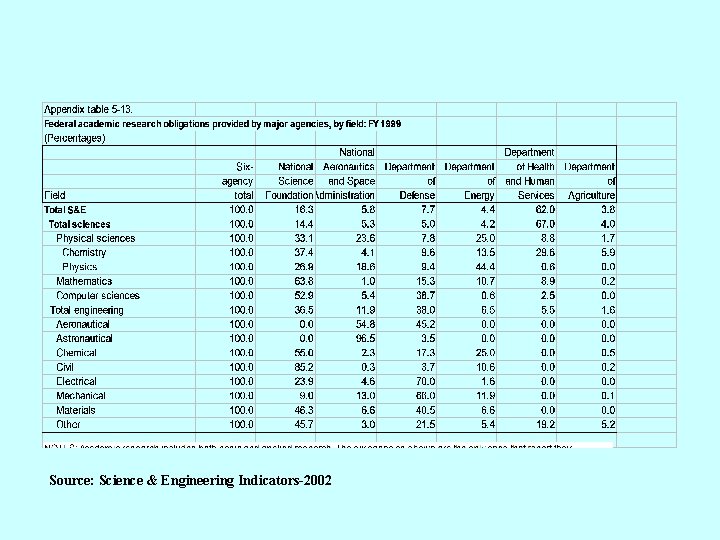
Source: Science & Engineering Indicators-2002
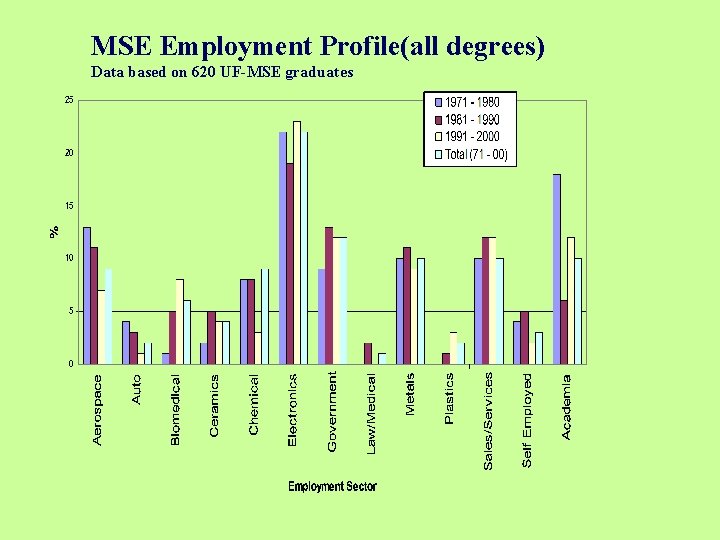
MSE Employment Profile(all degrees) Data based on 620 UF-MSE graduates
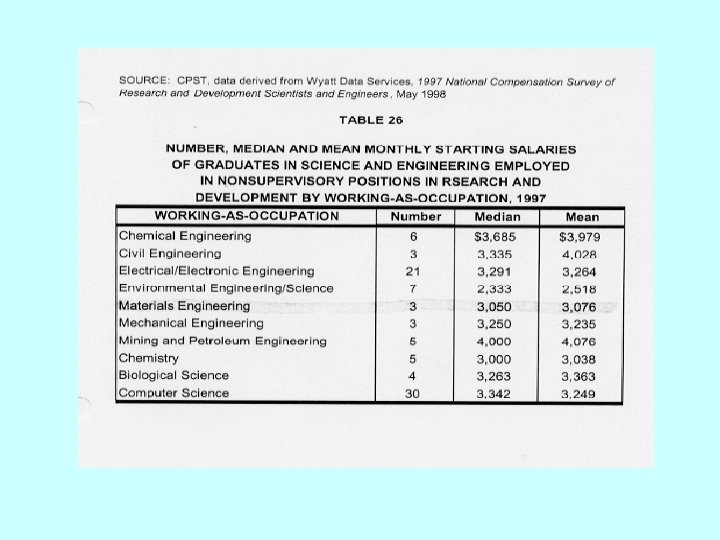
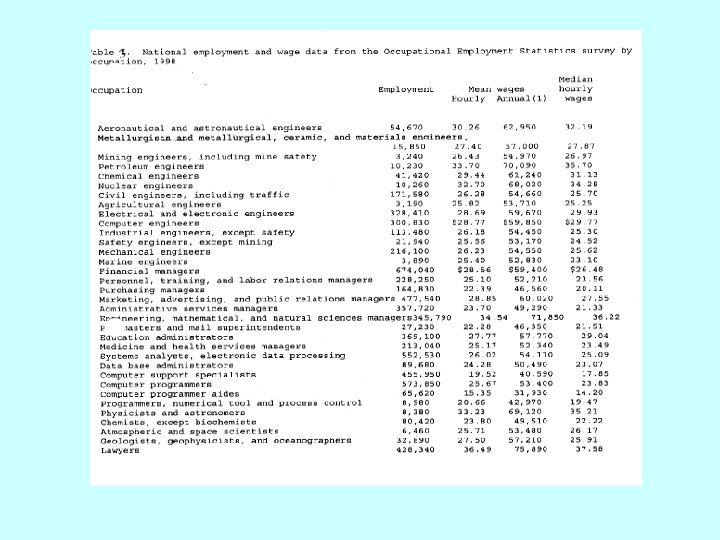
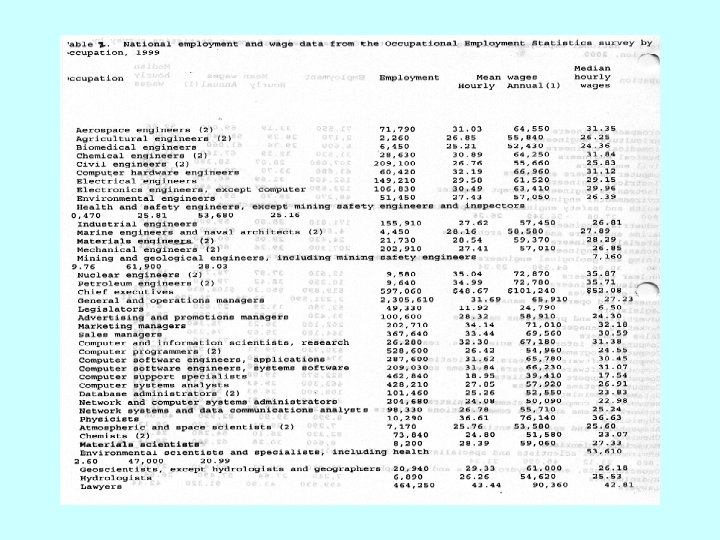
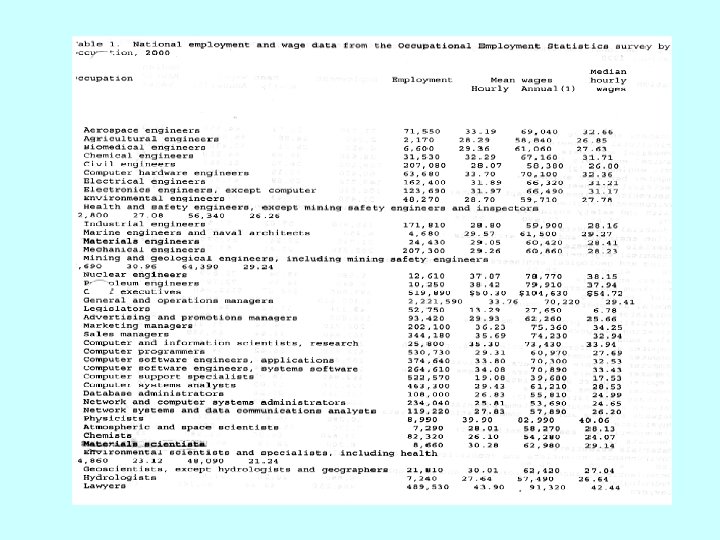
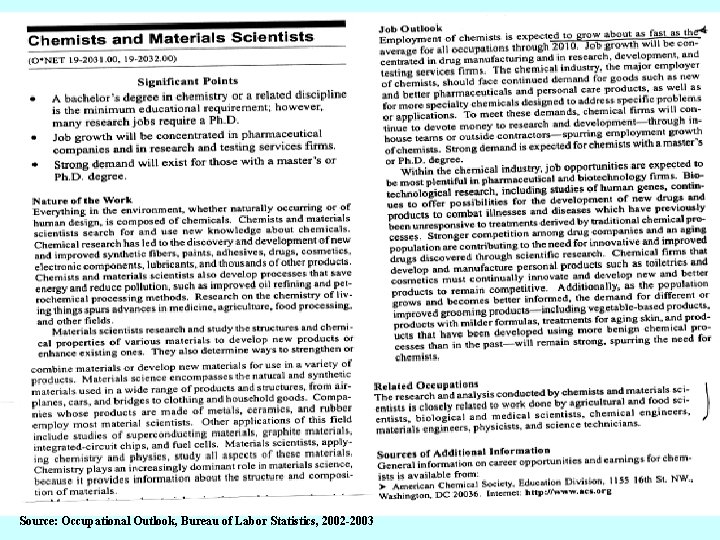
Source: Occupational Outlook, Bureau of Labor Statistics, 2002 -2003
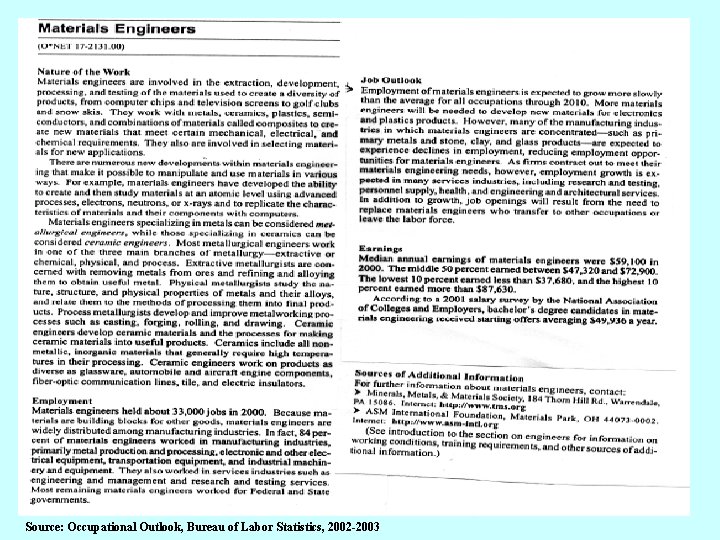
Source: Occupational Outlook, Bureau of Labor Statistics, 2002 -2003
- Slides: 45