
MATCHING 1 2 3 4 5 6 7
- Slides: 43
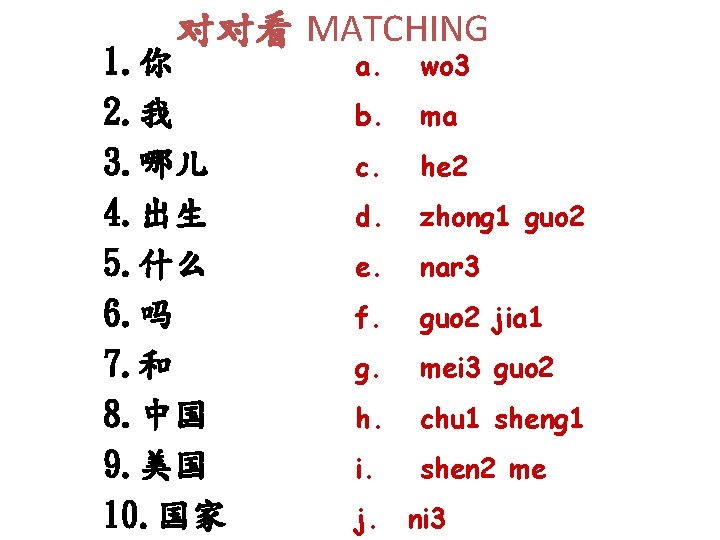
对对看 MATCHING 1. 你 2. 我 3. 哪儿 4. 出生 5. 什么 6. 吗 7. 和 8. 中国 9. 美国 10. 国家 a. wo 3 b. ma c. he 2 d. zhong 1 guo 2 e. nar 3 f. guo 2 jia 1 g. mei 3 guo 2 h. chu 1 sheng 1 i. shen 2 me j. ni 3
第一� 国家、� 言 Lesson 1 Countries, Languages
学� 目� Learning Targets 学生 will know… • the vocabulary for countries, languages and nationality in Chinese • how to ask which languages they speak • how to talk about each others’ nationalities and languages
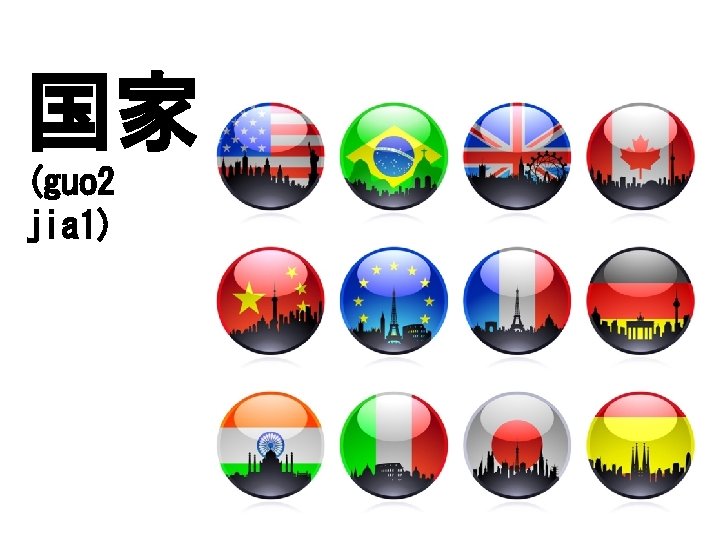
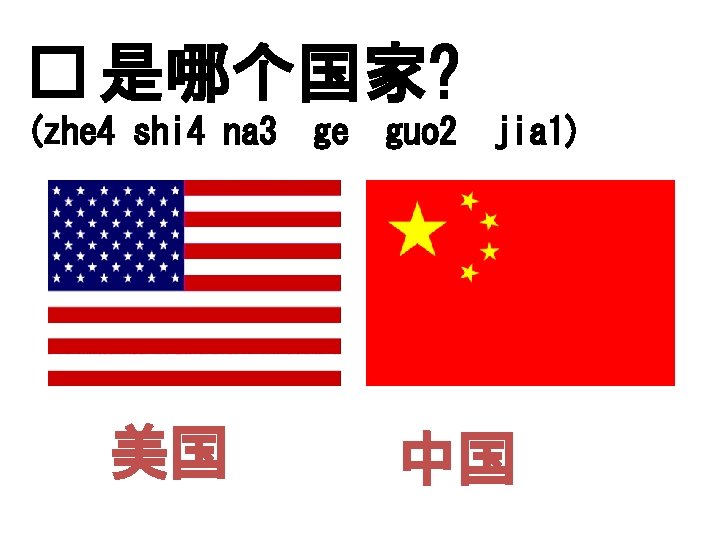
国家 (guo 2 jia 1)
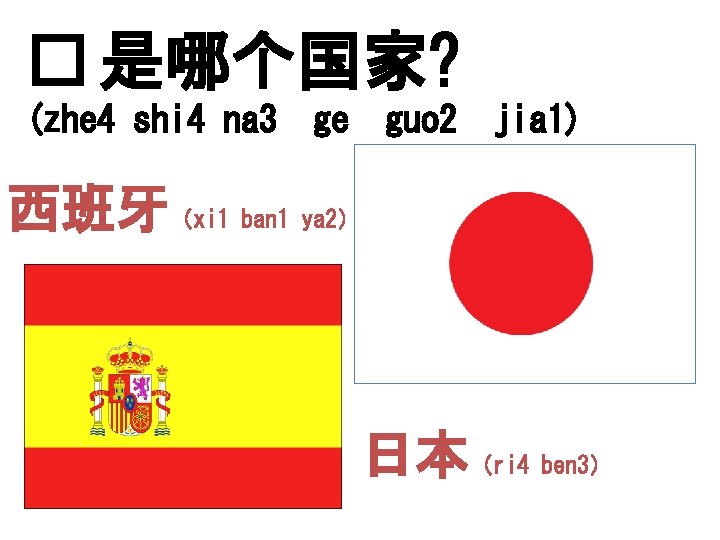
� 是哪个国家? (zhe 4 shi 4 na 3 ge guo 2 jia 1) 西班牙(xi 1 ban 1 ya 2) 日本(ri 4 ben 3)
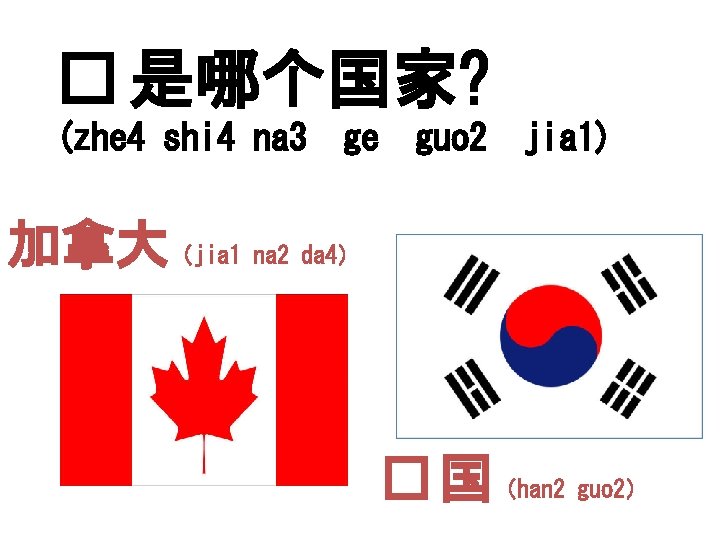
� 是哪个国家? (zhe 4 shi 4 na 3 ge guo 2 jia 1) 加拿大(jia 1 na 2 da 4) � 国(han 2 guo 2)
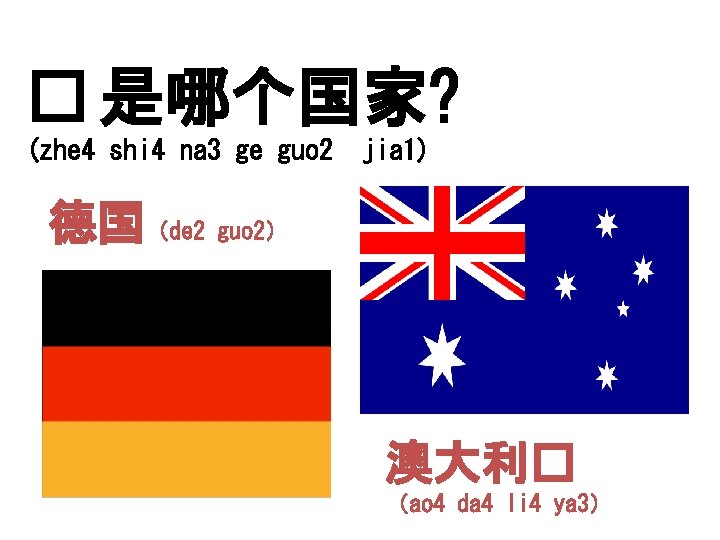
� 是哪个国家? (zhe 4 shi 4 na 3 ge guo 2 jia 1) 德国(de 2 guo 2) 澳大利� (ao 4 da 4 li 4 ya 3)
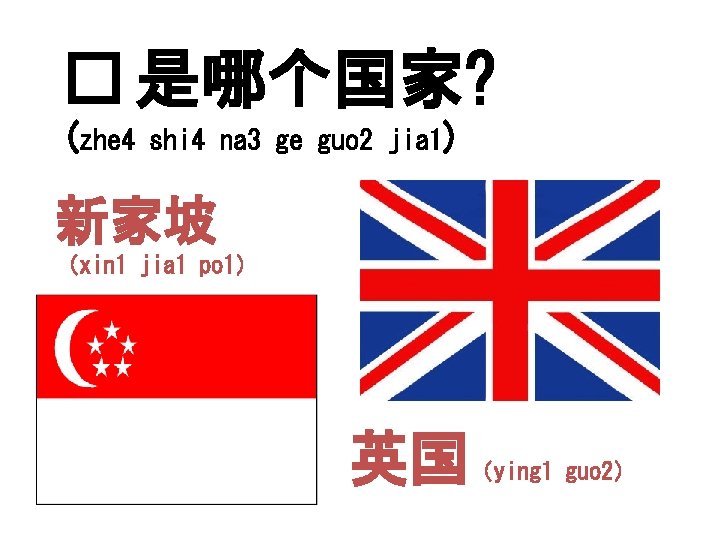
� 是哪个国家? (zhe 4 shi 4 na 3 ge guo 2 jia 1) 新家坡 (xin 1 jia 1 po 1) 英国 (ying 1 guo 2)
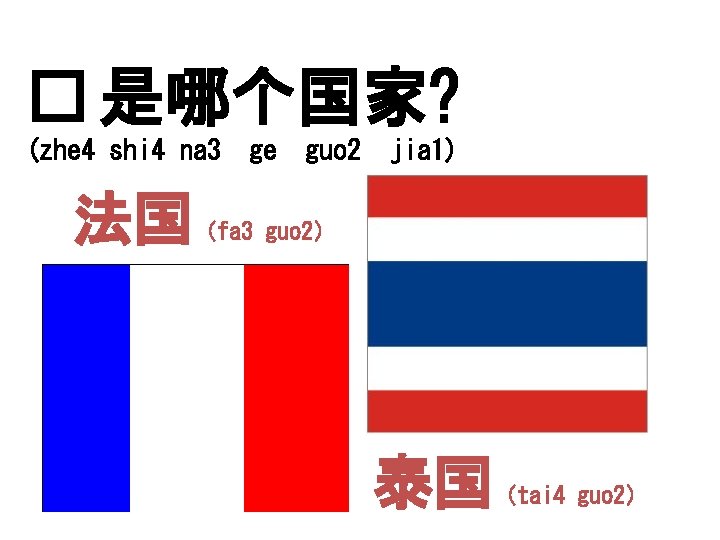
� 是哪个国家? (zhe 4 shi 4 na 3 ge guo 2 jia 1) 法国 (fa 3 guo 2) 泰国 (tai 4 guo 2)
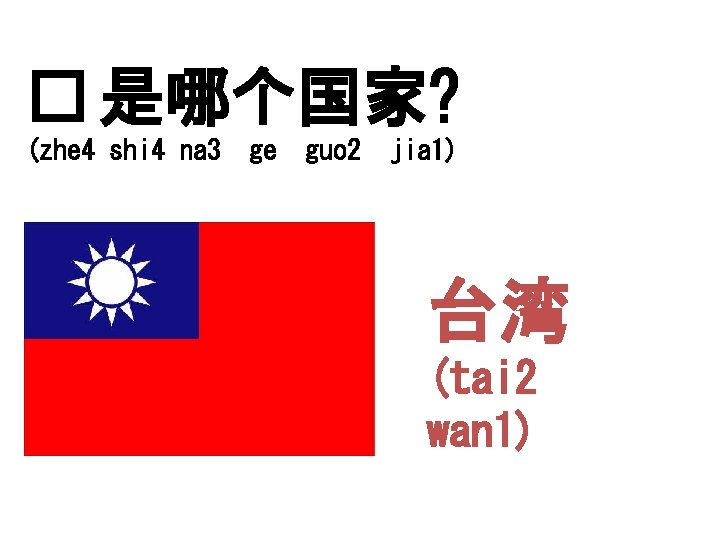
� 是哪个国家? (zhe 4 shi 4 na 3 ge guo 2 jia 1) 台湾 (tai 2 wan 1)
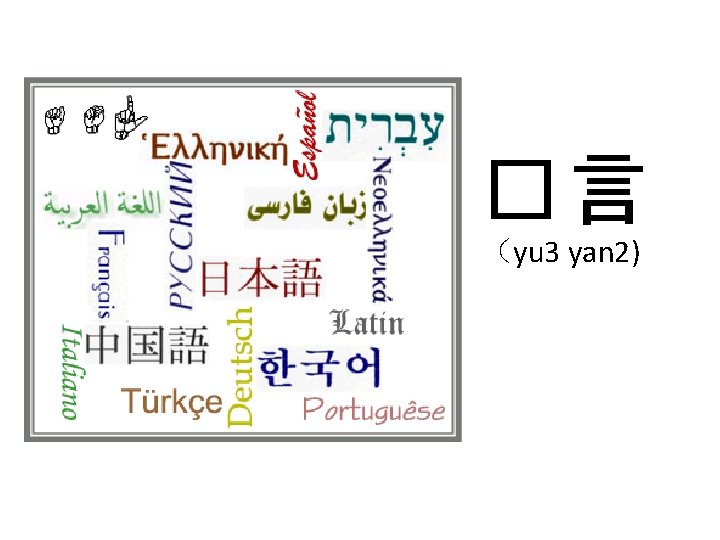
�言 (yu 3 yan 2)
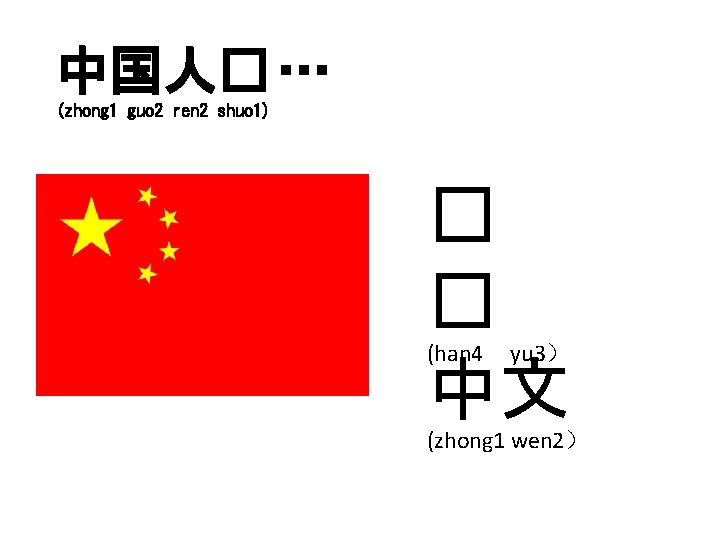
中国人� … (zhong 1 guo 2 ren 2 shuo 1) � � 中文 (han 4 yu 3) (zhong 1 wen 2)
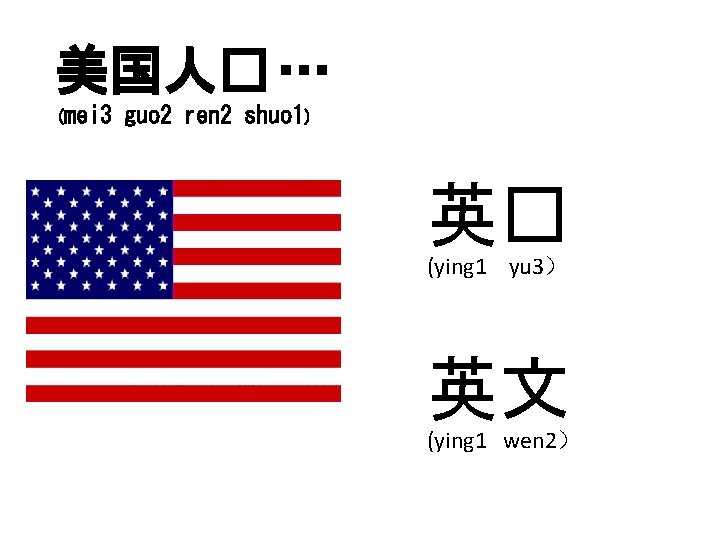
美国人� … (mei 3 guo 2 ren 2 shuo 1) 英� (ying 1 yu 3) 英文 (ying 1 wen 2)
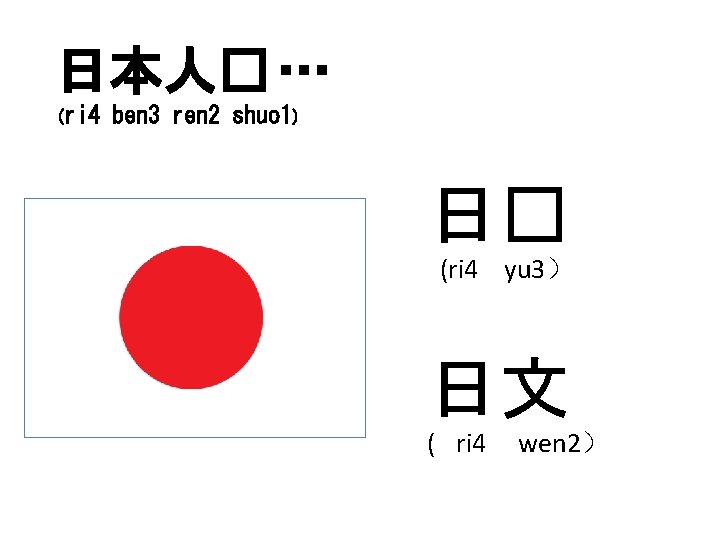
日本人� … (ri 4 ben 3 ren 2 shuo 1) 日� (ri 4 yu 3) 日文 ( ri 4 wen 2)
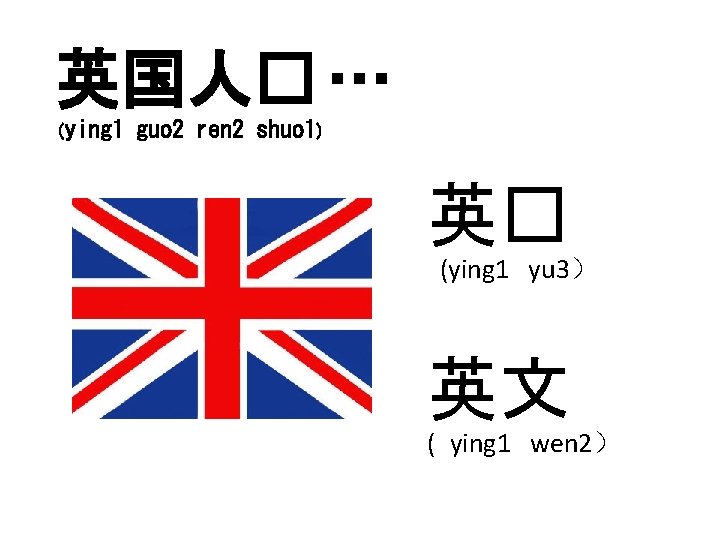
英国人� … (ying 1 guo 2 ren 2 shuo 1) 英� (ying 1 yu 3) 英文 ( ying 1 wen 2)
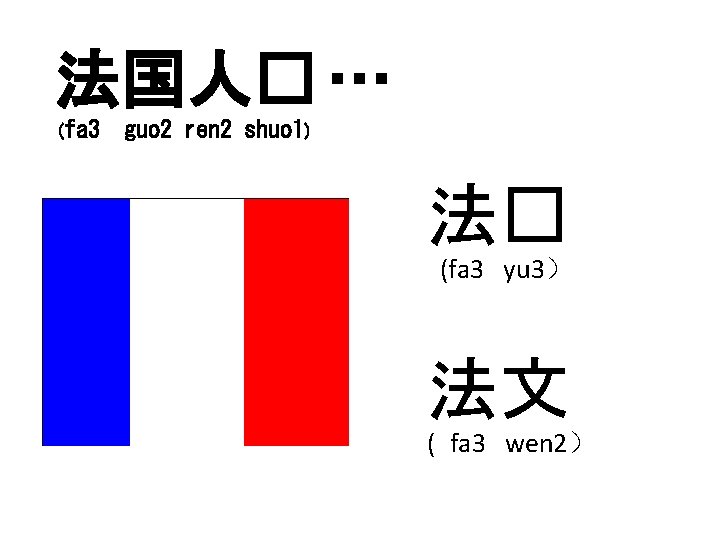
法国人� … (fa 3 guo 2 ren 2 shuo 1) 法� (fa 3 yu 3) 法文 ( fa 3 wen 2)
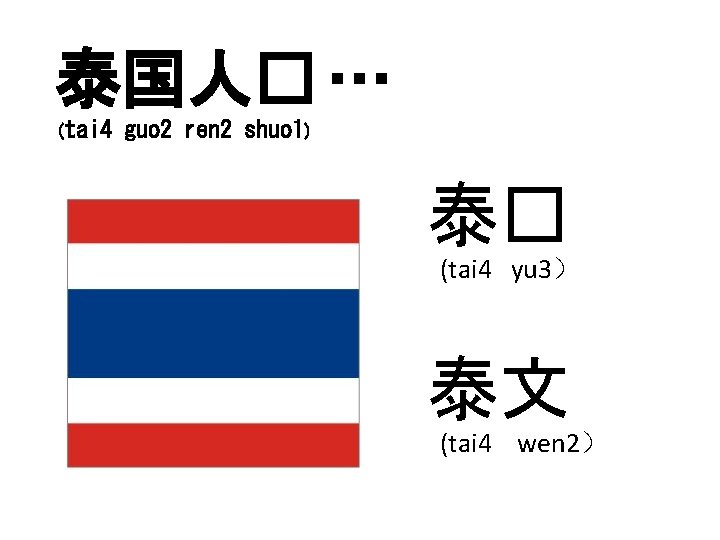
泰国人� … (tai 4 guo 2 ren 2 shuo 1) 泰� (tai 4 yu 3) 泰文 (tai 4 wen 2)
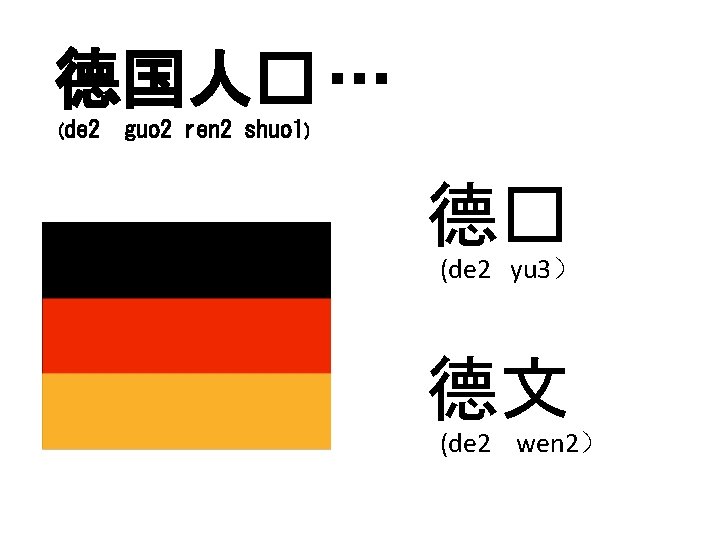
德国人� … (de 2 guo 2 ren 2 shuo 1) 德� (de 2 yu 3) 德文 (de 2 wen 2)
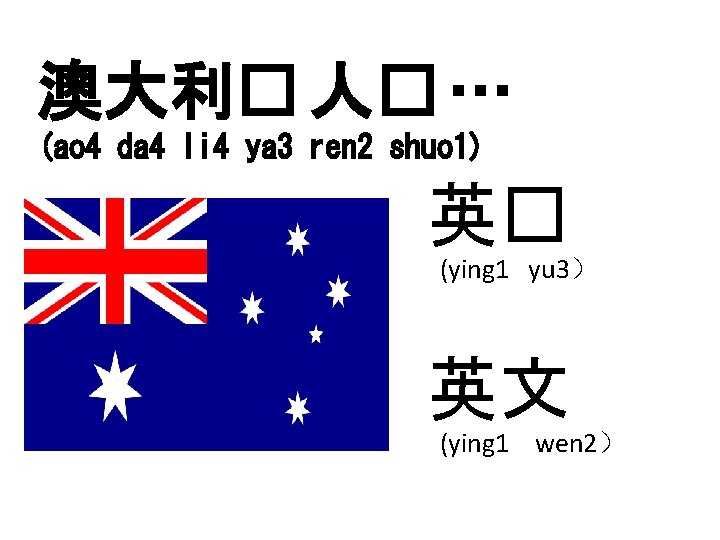
澳大利� 人� … (ao 4 da 4 li 4 ya 3 ren 2 shuo 1) 英� (ying 1 yu 3) 英文 (ying 1 wen 2)
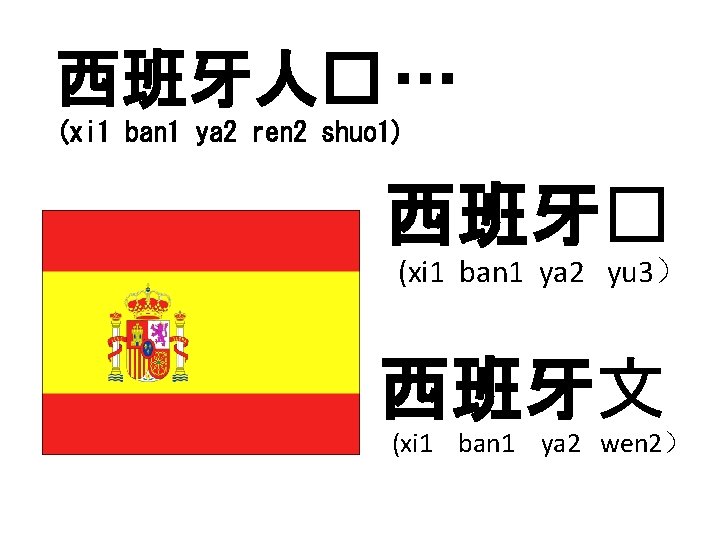
西班牙人� … (xi 1 ban 1 ya 2 ren 2 shuo 1) 西班牙� (xi 1 ban 1 ya 2 yu 3) 西班牙文 (xi 1 ban 1 ya 2 wen 2)
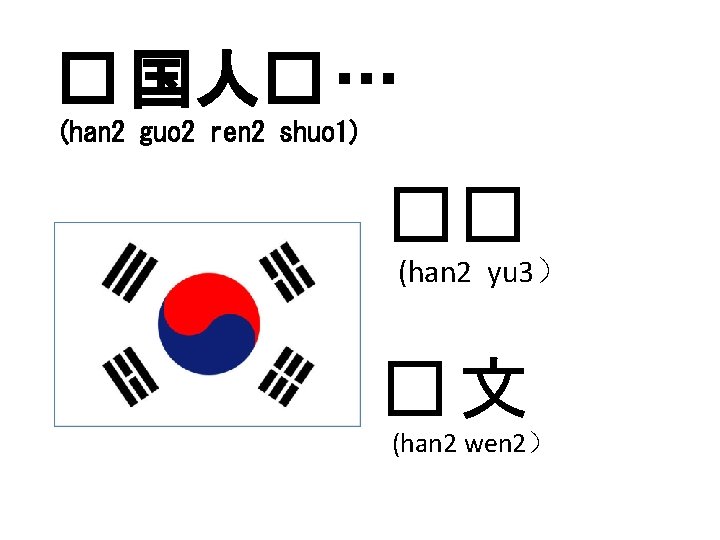
� 国人� … (han 2 guo 2 ren 2 shuo 1) �� (han 2 yu 3) �文 (han 2 wen 2)
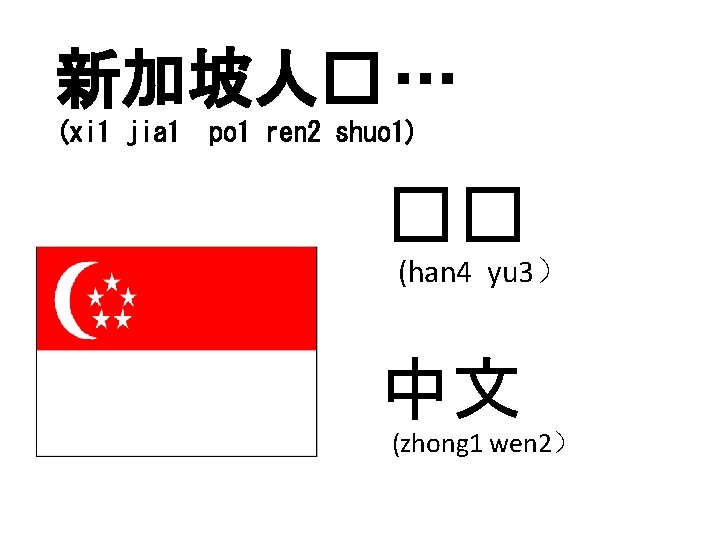
新加坡人� … (xi 1 jia 1 po 1 ren 2 shuo 1) �� (han 4 yu 3) 中文 (zhong 1 wen 2)
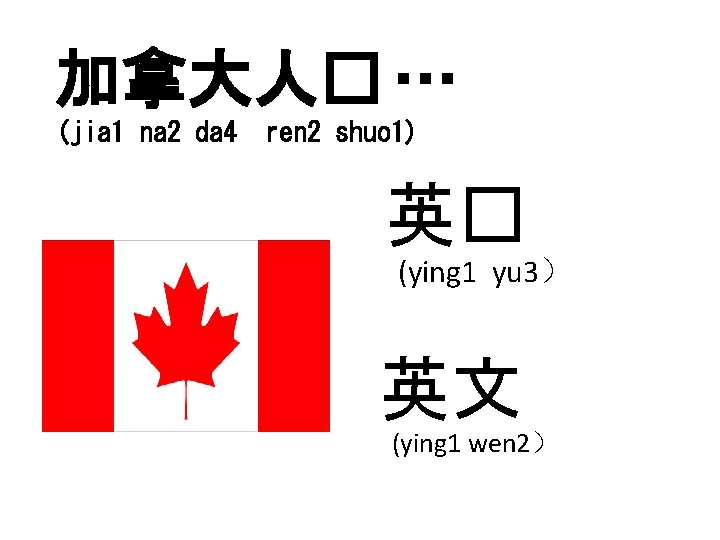
加拿大人� … (jia 1 na 2 da 4 ren 2 shuo 1) 英� (ying 1 yu 3) 英文 (ying 1 wen 2)
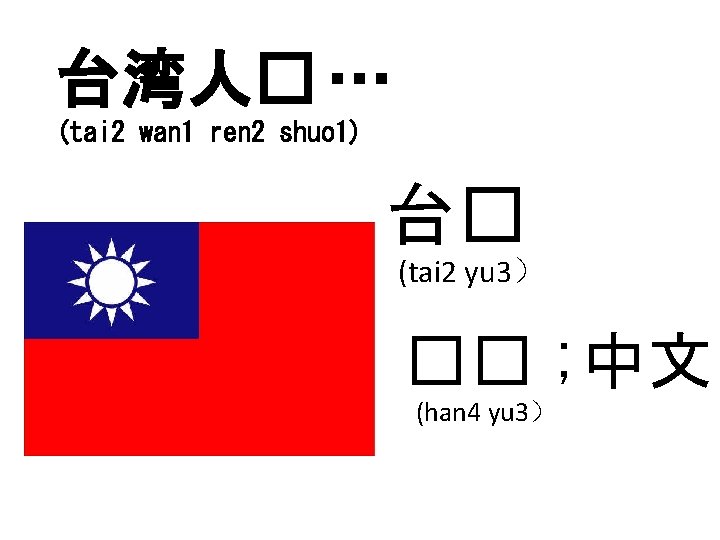
台湾人� … (tai 2 wan 1 ren 2 shuo 1) 台� (tai 2 yu 3) �� ; 中文 (han 4 yu 3)
Strokes and stroke order All Chinese characters build up from basic strokes. The simplest ones have only one stroke while the more complex ones can have more than 20– 30 strokes. The strokes are to be written in the right order and in the right way. It is important to follow these rules.
If you always write a character the same way you will build a “feel” for it. You will sense if you have missed a stroke or if something else is wrong. The character will also look much better if you follow the rules. Proportions are very important, so you have to have it in mind when you write.
写字�� (xie 3 zi 4 lian 4 xi 2; writing exercise)
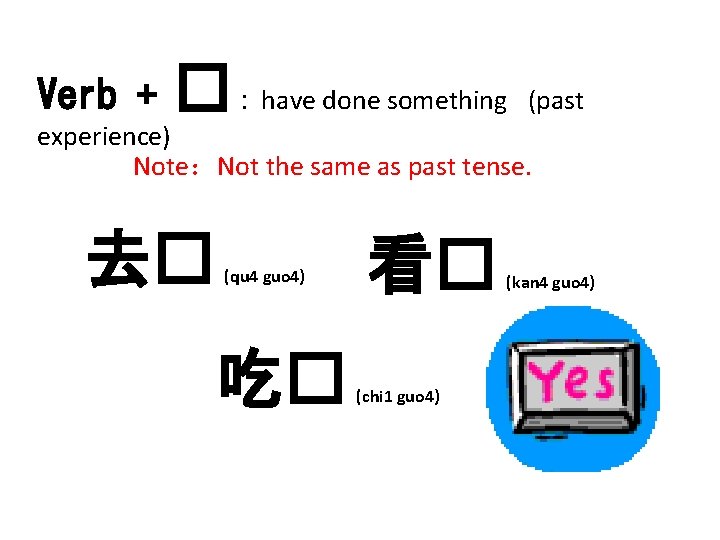
Verb + � : have done something (past experience) Note:Not the same as past tense. 去� (qu 4 guo 4) 吃� 看� (chi 1 guo 4) (kan 4 guo 4)
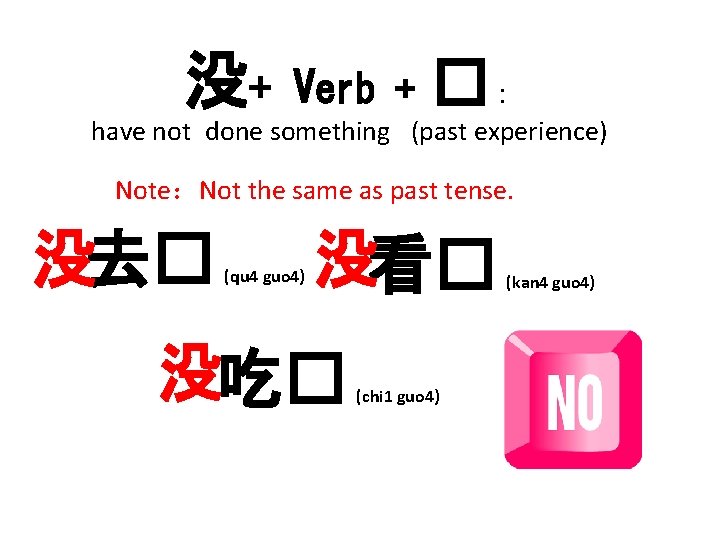
没+ Verb + �: have not done something (past experience) Note:Not the same as past tense. 没去� (qu 4 guo 4) 没看� 没吃� (chi 1 guo 4) (kan 4 guo 4)
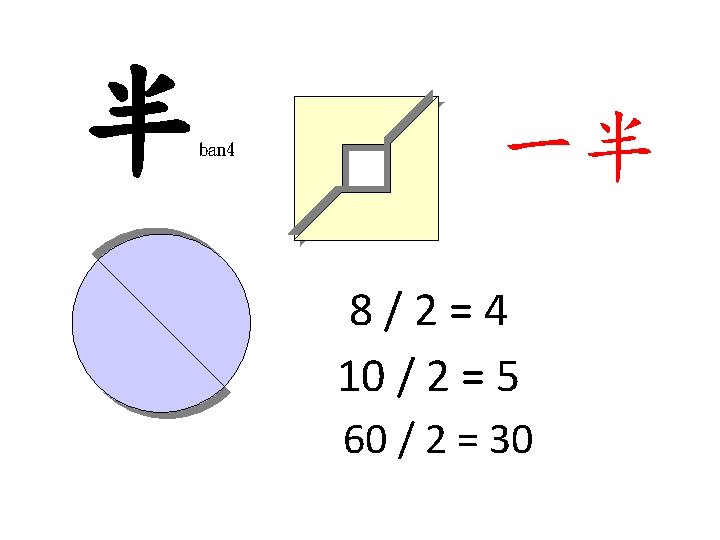
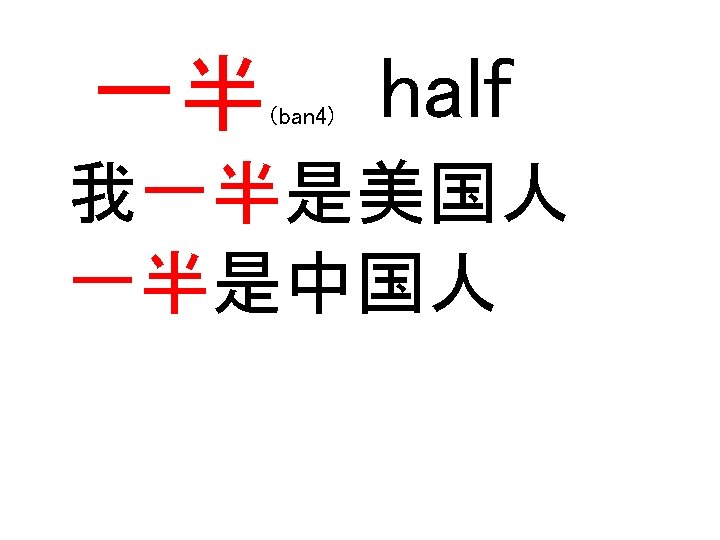
半 ban 4 一半 8/2=4 10 / 2 = 5 60 / 2 = 30
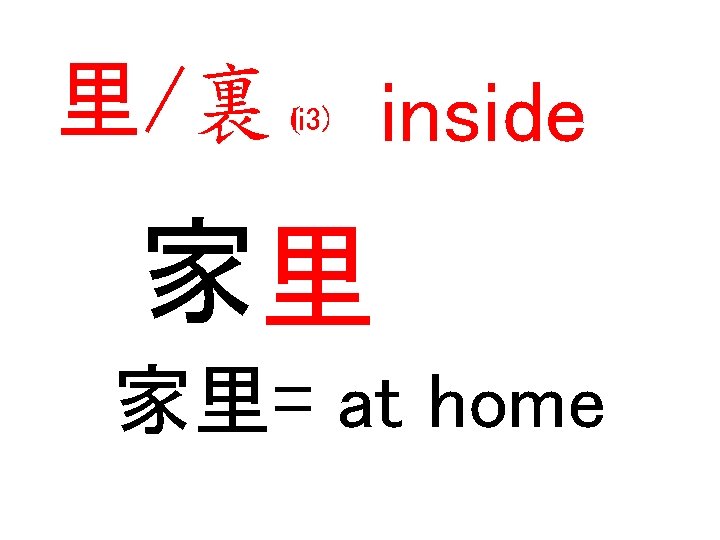
里/裏 (li 3) inside 家里 家里= at home
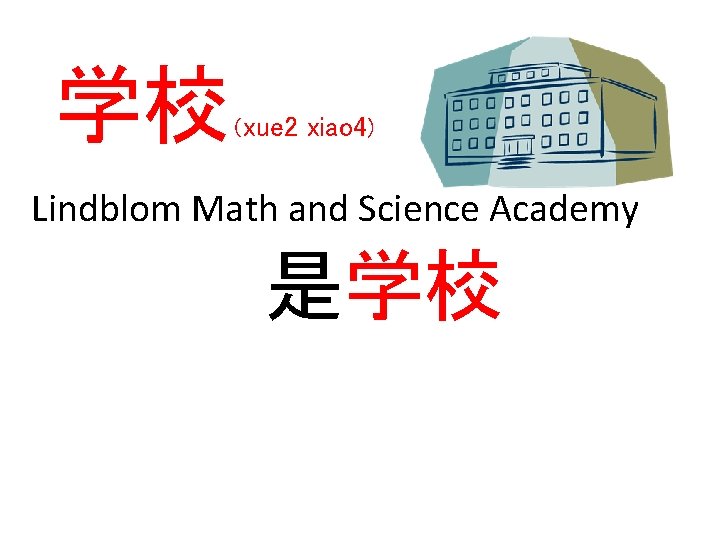
学校 (xue 2 xiao 4) Lindblom Math and Science Academy 是学校
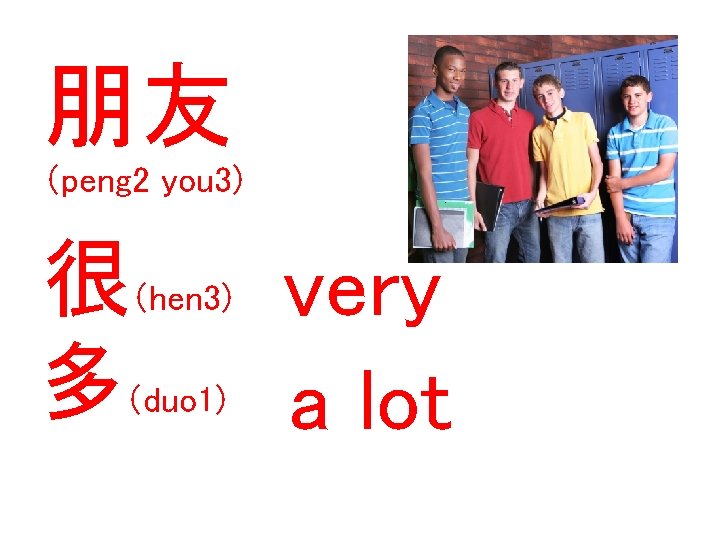
朋友 (peng 2 you 3) 很(hen 3) very 多(duo 1) a lot
很多 (hen 3 duo 1) many; much; a lot