
Mastitis Simon Kenyon Udder anatomy Udder anatomy Allometric


































- Slides: 73
Mastitis Simon Kenyon
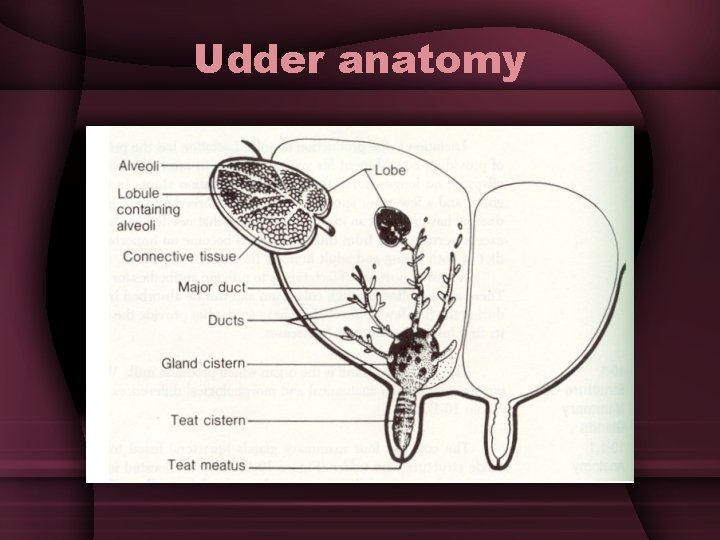
Udder anatomy
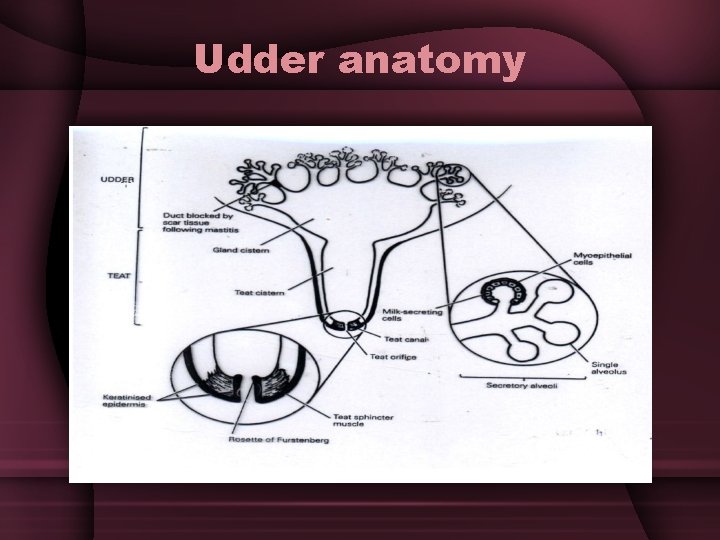
Udder anatomy
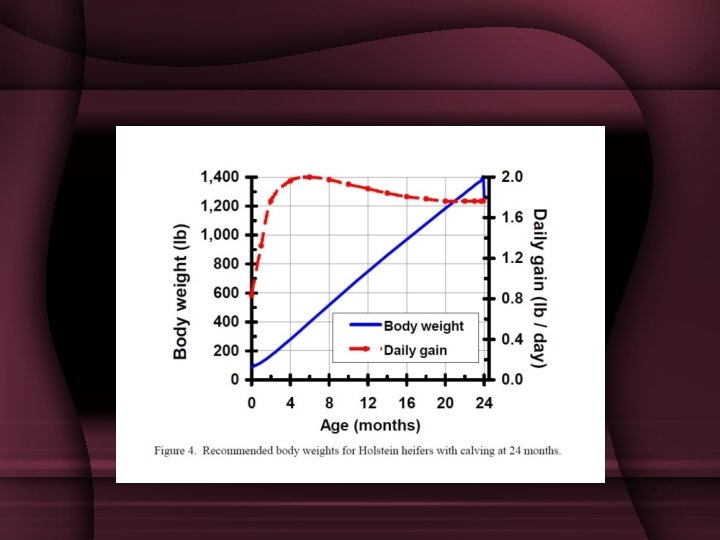
Allometric Growth
Economic Impact • 40% of morbidity on dairy farms • Most costly cattle disease in the US • Estimated cost to the industry greater than 2 billion dollars/yr • Estimated to cost $200 -300/cow • For herd-based worksheet: – http: //www. uwex. edu/milkquality/Economics/fi nimpmq. html
Mastitis Classification • Mastitis caused by a wide variety of microbial agents • Classified as: – Clinical – Subclinical • Also classified as: – Contagious – Environmental
Subclinical mastitis • No visible changes in the milk • Elevated somatic cell counts – Normal milk has less than 200, 000 SCC/ml • Most common form of mastitis • National Mastitis Council estimate: – 15 -40 cases of subclinical mastitis for every 1 case of clinical mastitis
Economic Impact • 70% of loss due to decreased production • Remaining losses due to: – Lost premiums – Treatment costs – Discarded milk – Death/Culling – Veterinary expenses – Cost of violative antibiotic residues
Economic Impact
Contagious vs Environmental • Contagious – Strep. agalactiae – Staph. aureus – Corynebacterium bovis – Mycoplasma • Environmental – Environmental Streps • Strep uberis • Strep. dysgalactiae – Coliforms • E. coli • Klebsiella
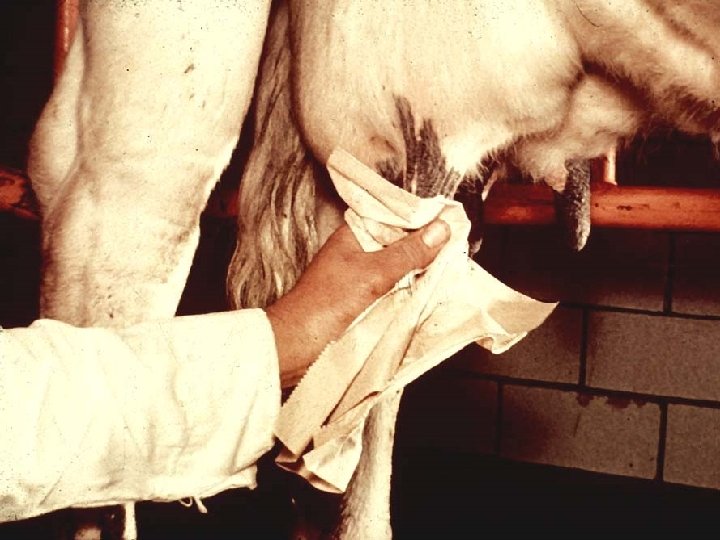
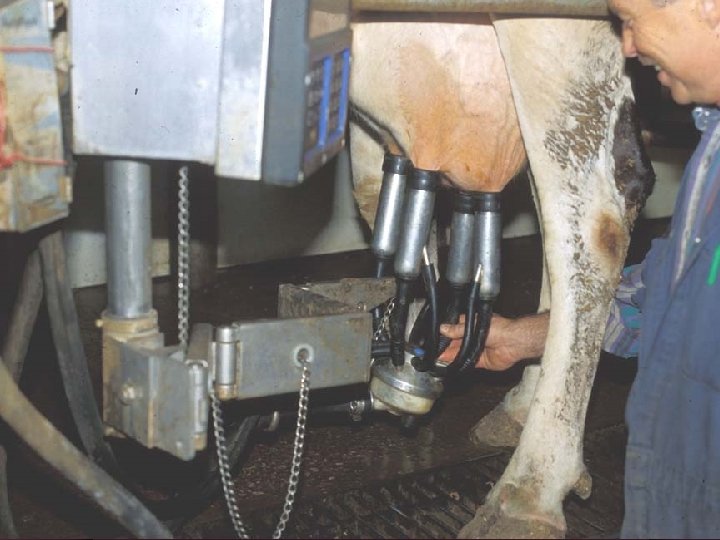
Contagious vs Environmental • Contagious – Transmitted during milking • Control – – Parlor hygiene Machine function Post-dip Dry cow Rx • Environmental – Transmitted in the environment or during milking • Control – – Cow environment Udder prep. Health of teat end Dry cow Rx
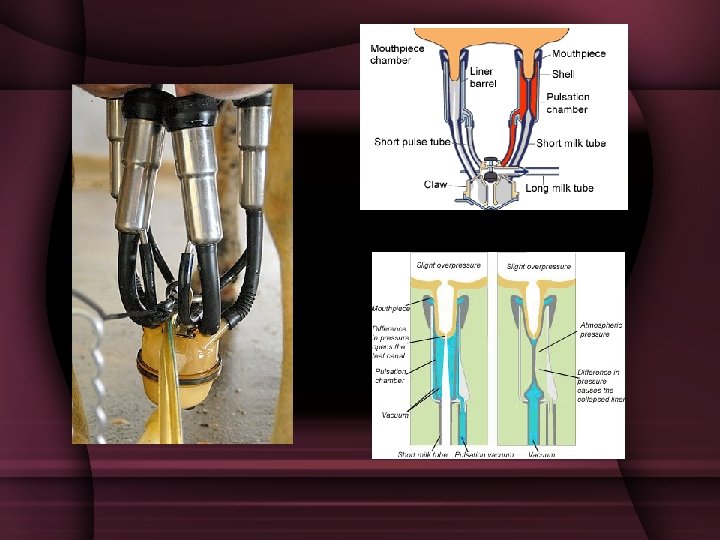
Pulsation System Graph 0. 6 sec 0. 4 sec
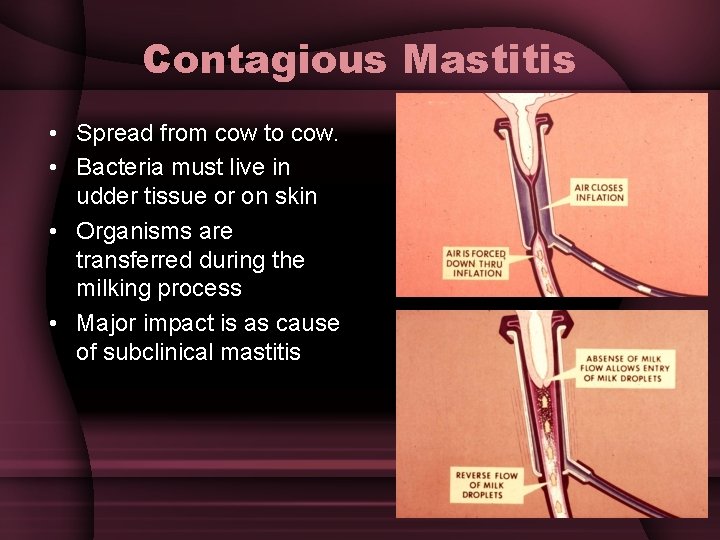
Contagious Mastitis • Spread from cow to cow. • Bacteria must live in udder tissue or on skin • Organisms are transferred during the milking process • Major impact is as cause of subclinical mastitis
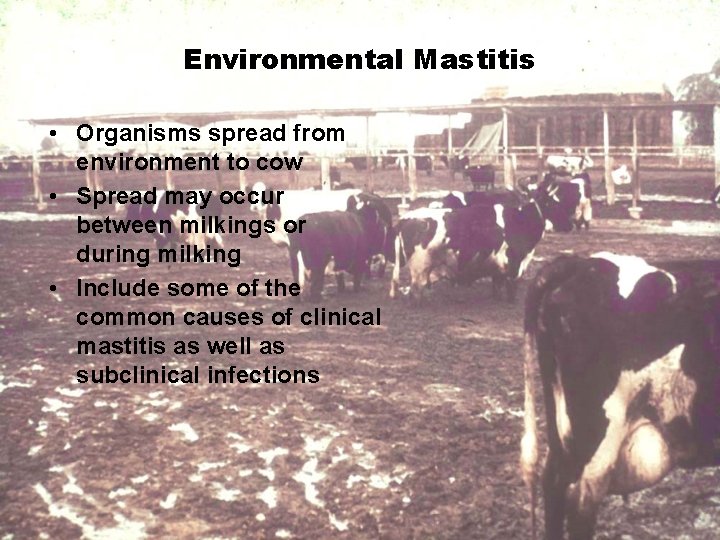
Environmental Mastitis • Organisms spread from environment to cow • Spread may occur between milkings or during milking • Include some of the common causes of clinical mastitis as well as subclinical infections
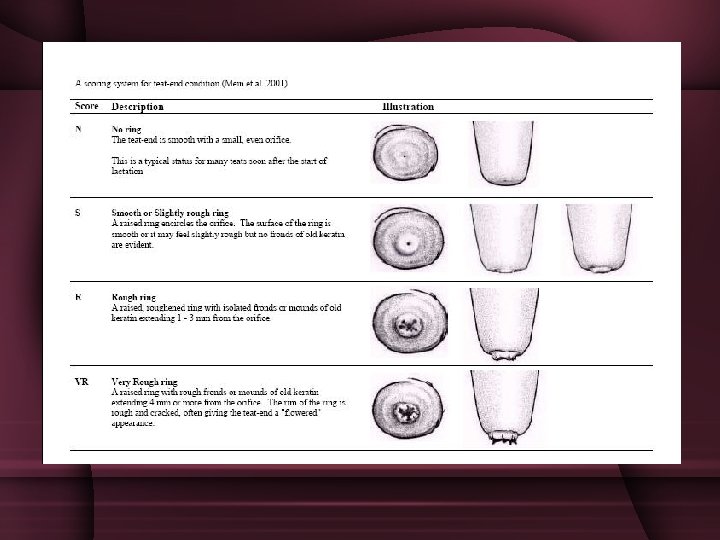
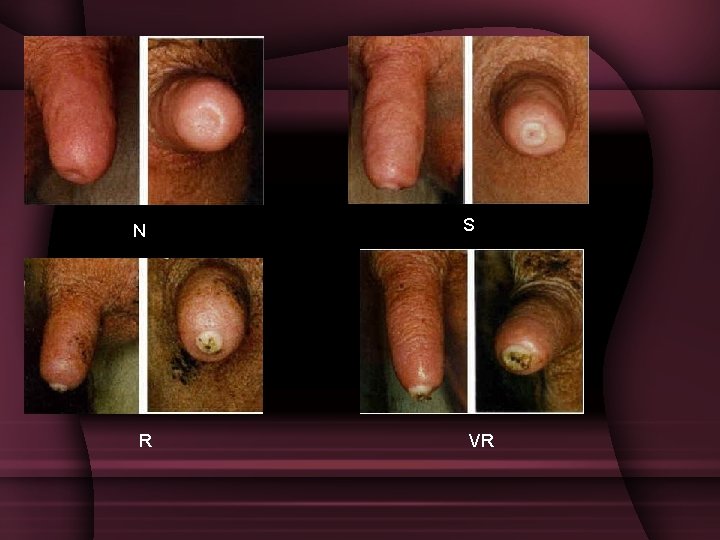
Teat ends • • Vacuum level Liner tension Liner condition Overmilking Response to mechanical stress or irritation of the teat end is hyperkeratosis
N R S VR
Risk factors for hyperkeratosis • • Long pointed teats Slow milking High producing cows Stage of lactation Parity Weather conditions Chemical irritation Cluster removal time Mein et al. 2001
Recommendations • • Particular attention to cleaning teat ends D (massage) phase at least 250 ms Cluster removal when milk flow reaches 1 lb/min Teat skin in good condition • Follow recommendations: – Vacuum levels – Liner bore – Liner length and tension – Liner replacement schedules
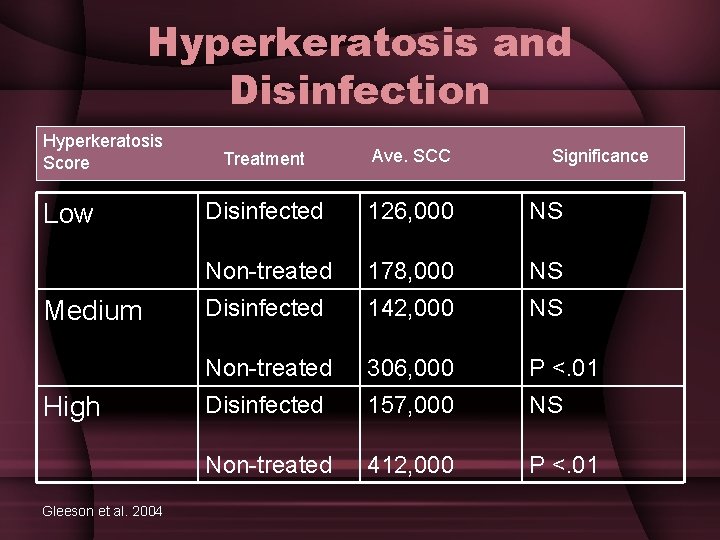
Hyperkeratosis and Disinfection Hyperkeratosis Score Low Medium High Gleeson et al. 2004 Treatment Ave. SCC Significance Disinfected 126, 000 NS Non-treated 178, 000 NS Disinfected 142, 000 NS Non-treated 306, 000 P <. 01 Disinfected 157, 000 NS Non-treated 412, 000 P <. 01
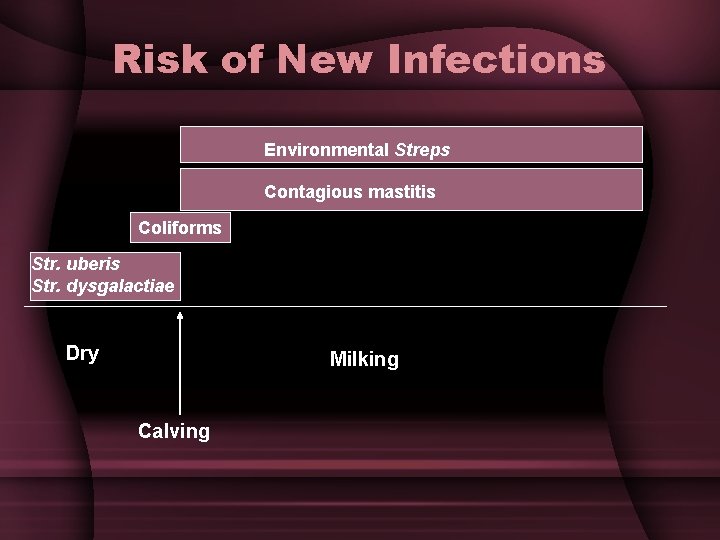
Risk of New Infections Environmental Streps Contagious mastitis Coliforms Str. uberis Str. dysgalactiae Dry Milking Calving
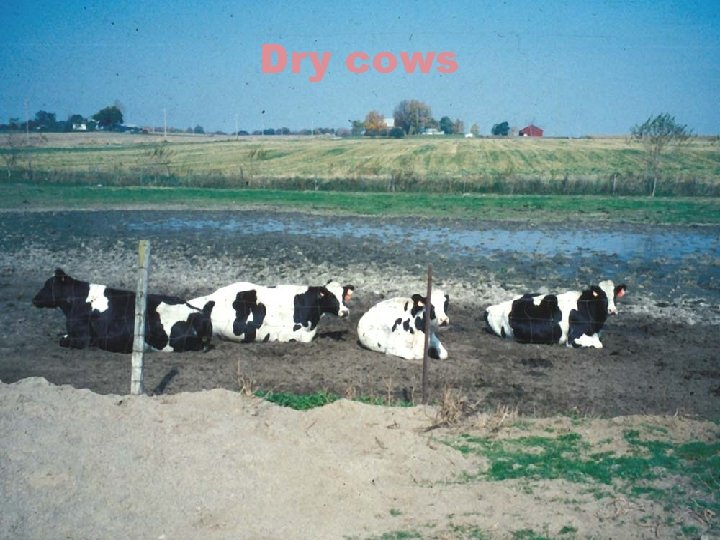
Dry cows
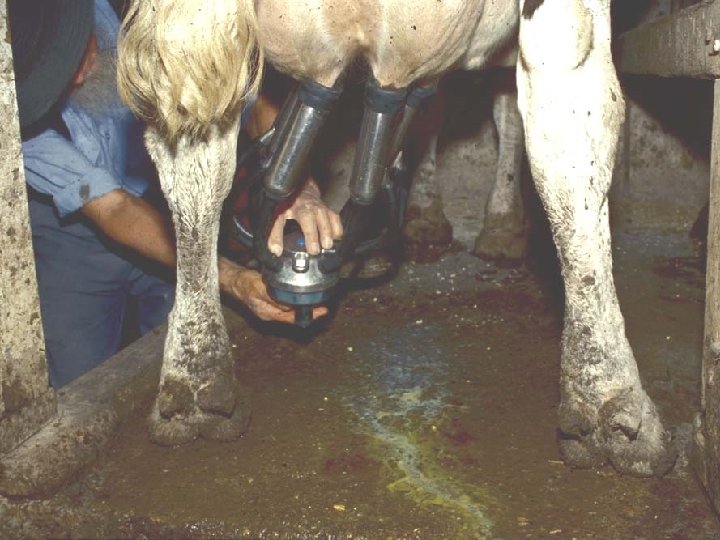
Back Flush System
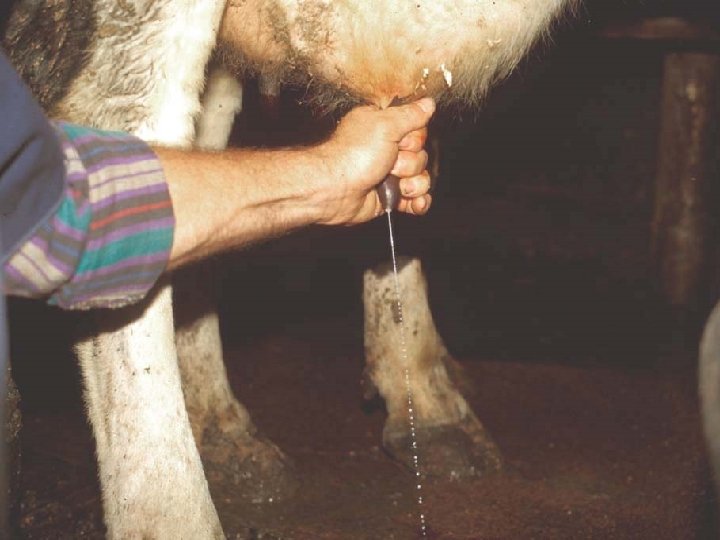
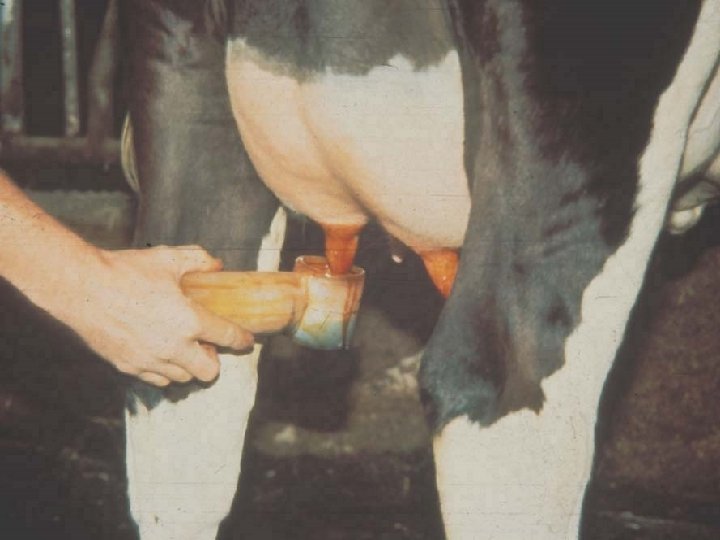
Mastitis Diagnosis • • Physical examination DHIA reports/SCC reports Strip Cup CMT Milk conductivity Bacterial culture On farm observation
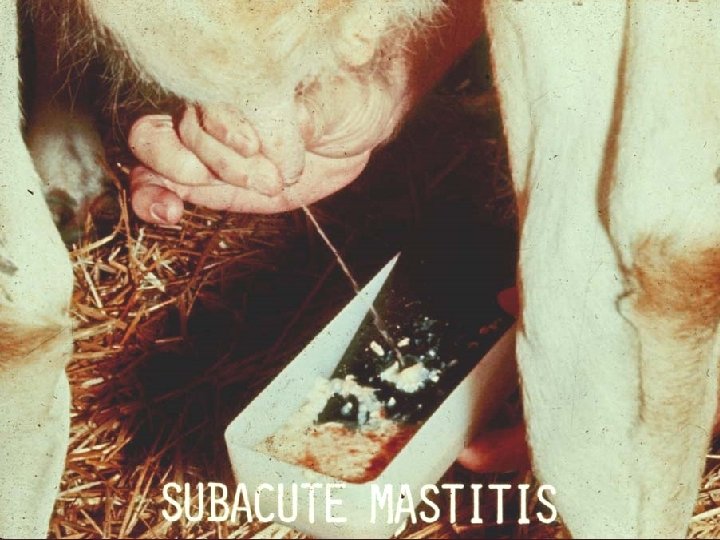
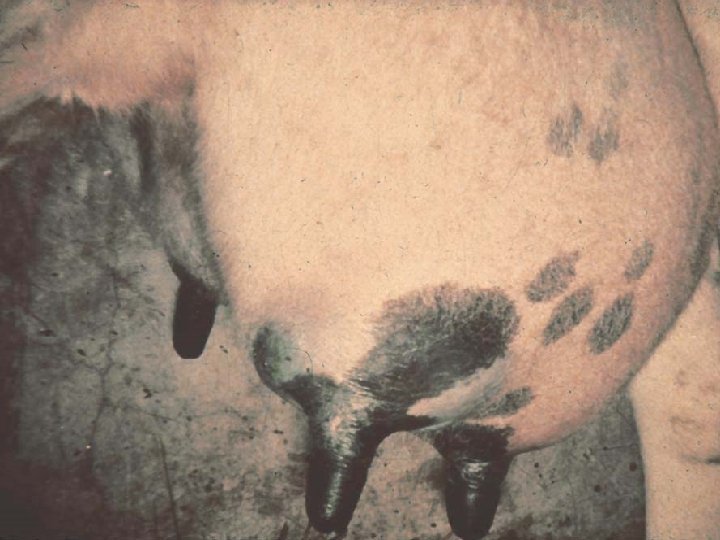
Clinical Mastitis • M 1 - Changes in the milk (Clots, flakes, clumps, or discoloration) • M 2 – Changes in the milk + udder swelling, heat or pain • M 3 – Changes in the milk + udder changes + systemic illness
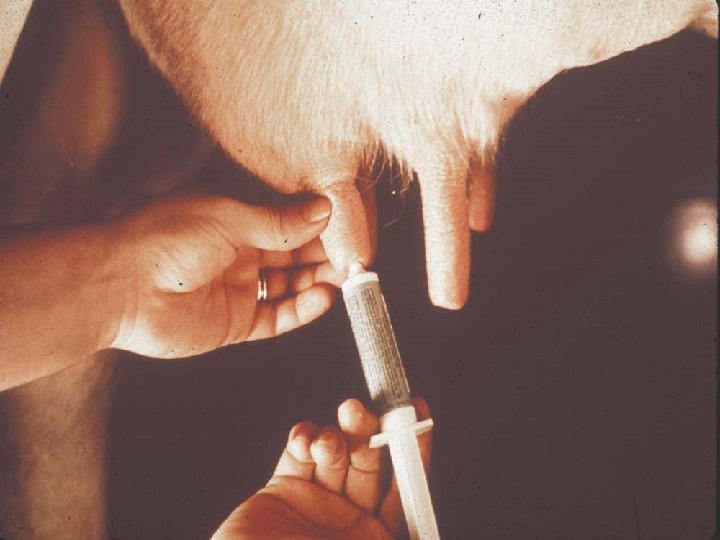
Mastitis Treatment • • Treat clinicals during lactation Treat subclinicals at dry off Dry treat every quarter of every cow Coliform infections – supportive therapy +/- antibiotics • ALWAYS CORRECT THE MANAGEMENT FLAW
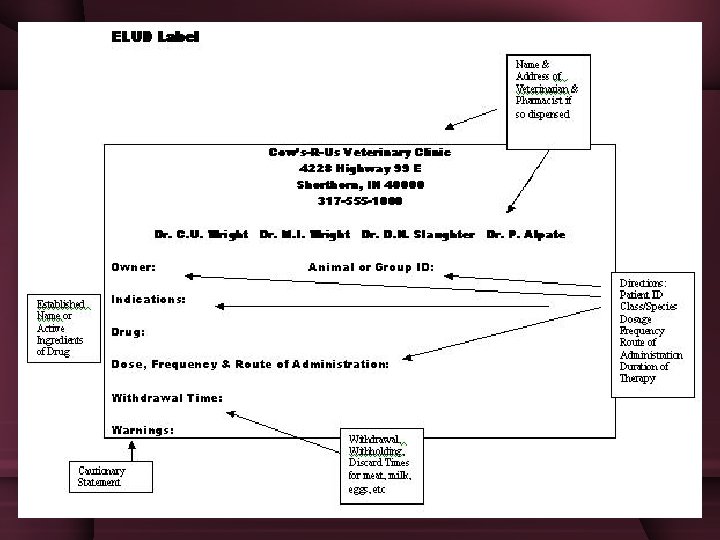
Antibiotic Choice • Use proprietary intramammary products as primary treatment • Systemic antibiotics may be used as adjunct treatment (ampicillin or penicillin) • Avoid aminoglycosides e. g gentamycin (meat withdrawal 6 – 18 months) • Mycotil milk withdrawal is 15 – 21 days • Naxcel/Excenel systemically does not reach therapeutic levels in the udder
Herd Investigation • Examine records • Individual cow somatic cell counts • Samples for bacteriology – Individual cow samples – Quarter samples • Evaluate parlor procedures • Milking machine evaluation • Look at the dry cows!
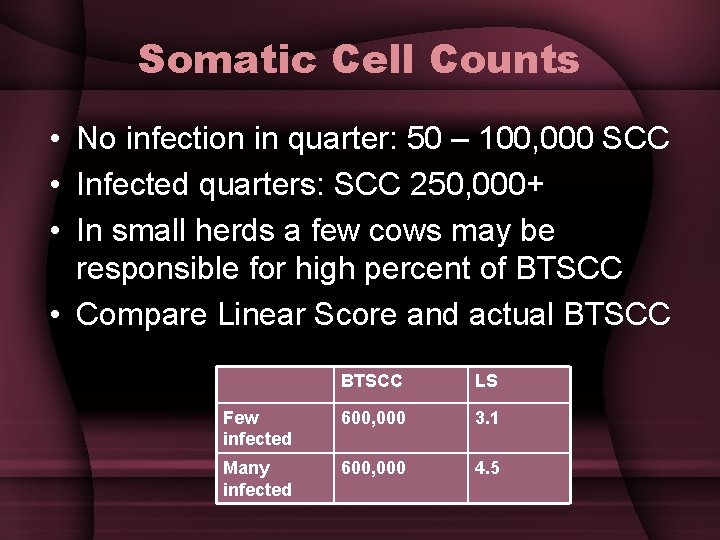
Somatic Cell Counts • No infection in quarter: 50 – 100, 000 SCC • Infected quarters: SCC 250, 000+ • In small herds a few cows may be responsible for high percent of BTSCC • Compare Linear Score and actual BTSCC LS Few infected 600, 000 3. 1 Many infected 600, 000 4. 5
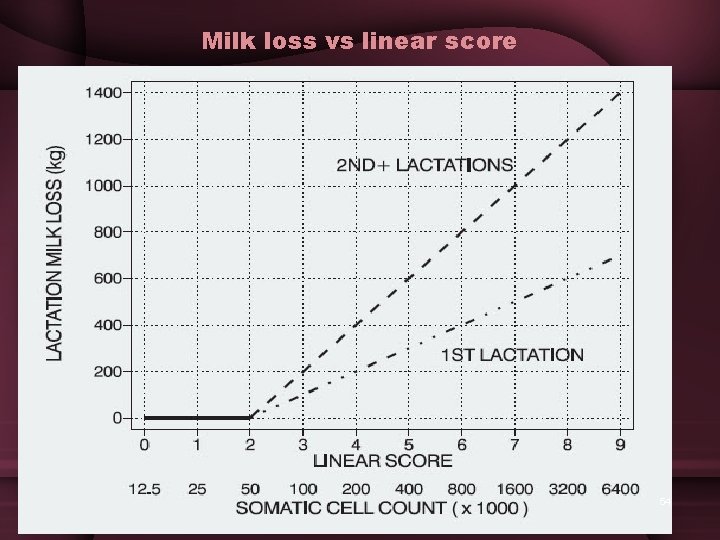
Milk loss vs linear score 54
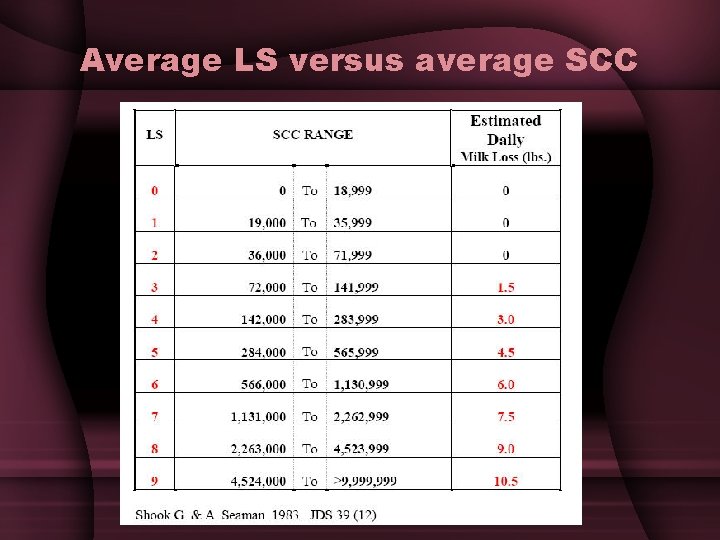
Average LS versus average SCC
Bulk Tank Cell Counts Cow # 1 2 Linear Score 2. 5 SCC 50, 000 3 2. 5 50, 000 4 2. 5 50, 000 5 2. 5 50, 000 6 2. 5 50, 000 7 8. 0 3, 000 3. 8 540, 000
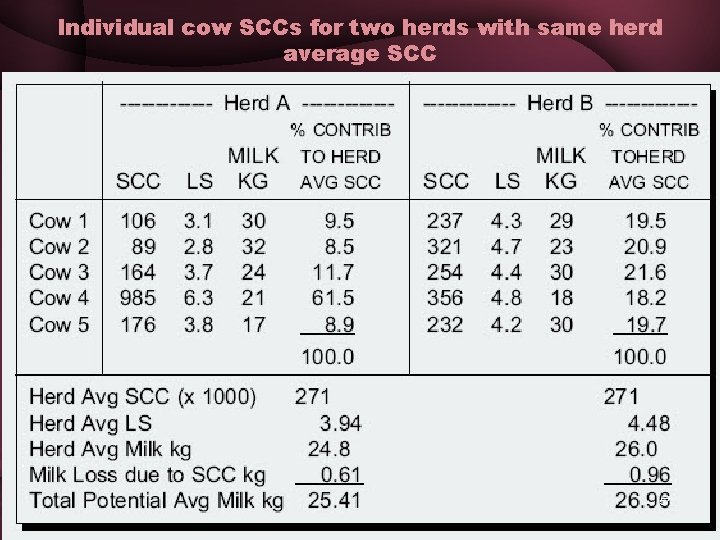
Individual cow SCCs for two herds with same herd average SCC 57
Culturing • • • Individual quarter samples CMT positive quarter samples 16 samples from 16 CMT positive cows Sample as they come through the parlor Do not specially select problem clinical cases
Interpretation of Culture Results • Strep. agalactiae – always significant • Staph. aureus – underestimates number of infected cows • If 3 or more Staph. aureus - culture the whole herd • Environmental Streps. – easy to grow, often significant • Coliforms – occasional chronic cows
Culture of CMT positive quarters ANIMAL No. 1 3 Strep species 27 30 31 39 40 52 53 55 57 X X X X X x Staph species No growth 19 X Staph aureus Coryne species 4 64 74 78 93 104 x x X X X 91 X X X
Troubleshooting contagious mastitis • • • Liner squawks Post-dip coverage Dip NMC tested Appropriate dry cow treatment Identify individual Staph. aureus cows
Culture of CMT positive quarters ANIMAL No. 71 55 50 315 72 12 79 47 316 77 57 82 36 83 62 172 QUARTER RR LF LR RR RR RF LR LR LR RF LF Strep uberis X X X Staph hyicus Staph epi X X No growth X X Staph aureus X X X
Troubleshooting environmentals • • Check environment Visit the dry cow lot Kill time for pre-dip Teats and base of udder dry? Time attachment delay Time how long it takes to milk cows Examine teat ends Time the detachers
Farm monitoring • No. of clinicals – 3 cases/100 cows per month • Count mastitis tubes used – 20 cases/100 cows per year • Bulk tank SCC reports • DHIA linear scores and hot sheet • Bulk tank cultures
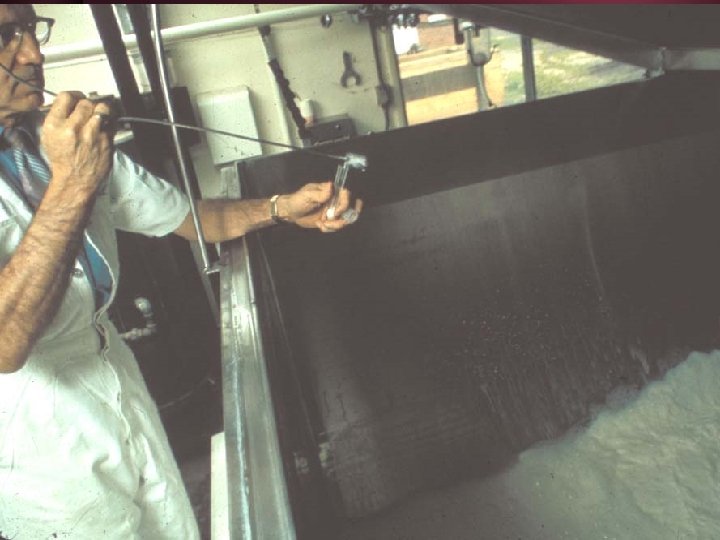
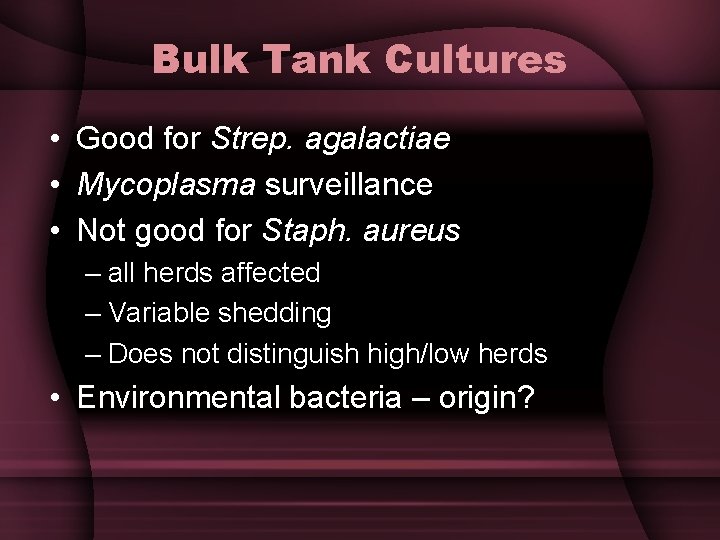
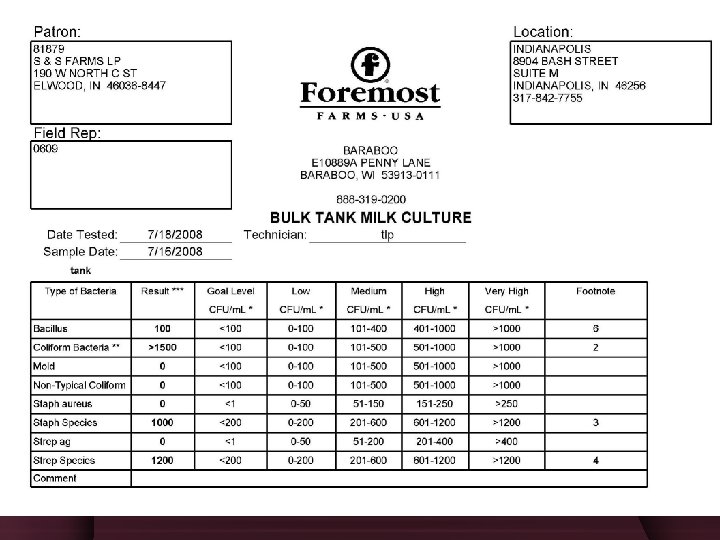
Bulk Tank Cultures • Good for Strep. agalactiae • Mycoplasma surveillance • Not good for Staph. aureus – all herds affected – Variable shedding – Does not distinguish high/low herds • Environmental bacteria – origin?
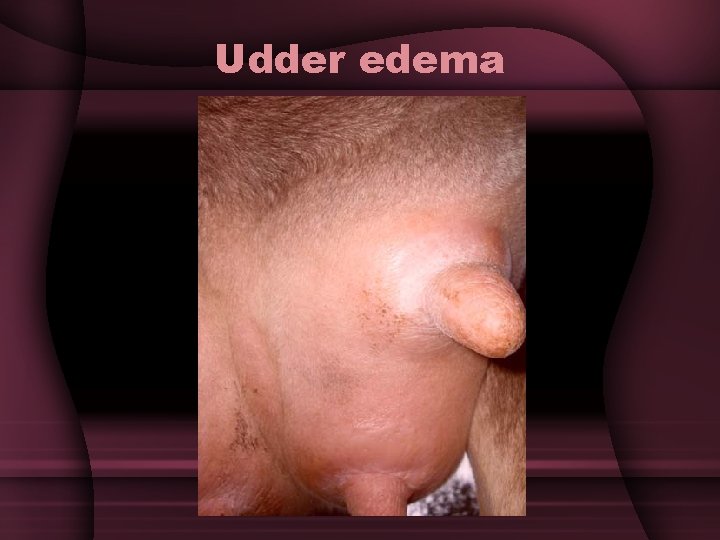
Udder edema