
Mass Movements Mass Movements Smith Chapter 8 Mass

- Slides: 79
Mass Movements
Mass Movements • Smith Chapter 8
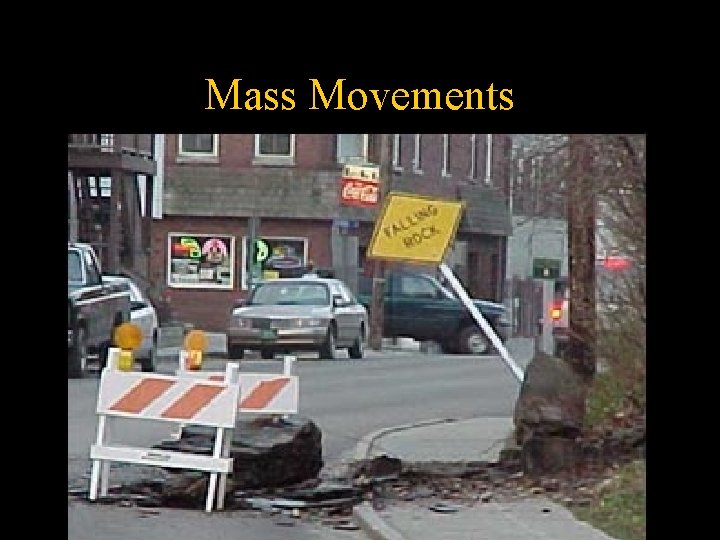
Mass Movements • Downslope movement of large volumes of surface materials under gravity
Mass Movements • Vary in speed – rapid movements can kill – slower movements can be costly • soil creep, subsidence
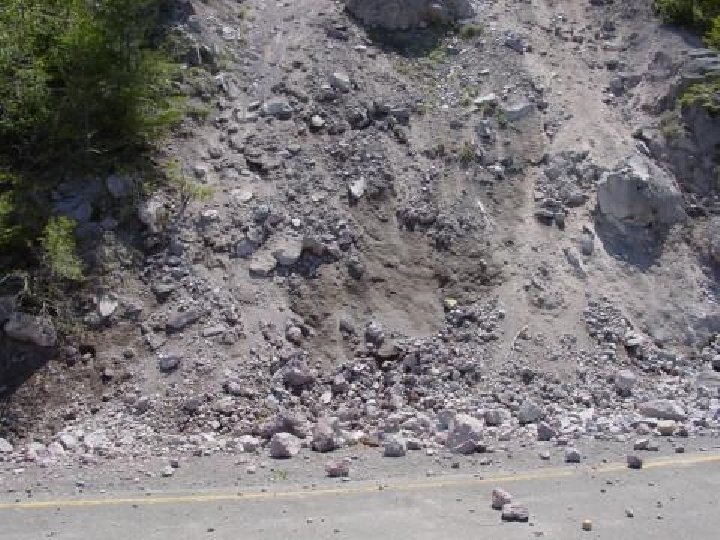
Mass Movements • Vary in materials – Landslides • Rockfalls • Mudflows – Avalanches
Mass Movements • Triggered – weather – earthquake, volcano – vibration
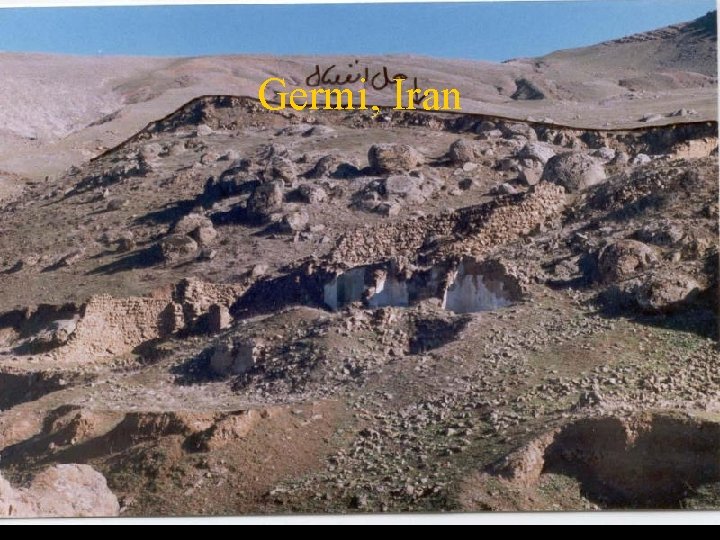
Mass Movements • Risk increasing as land-hunger forces development of unstable & steep slopes
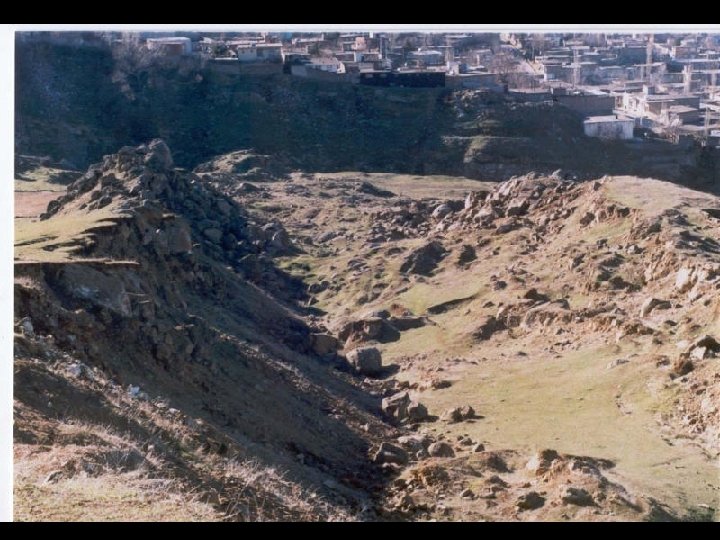
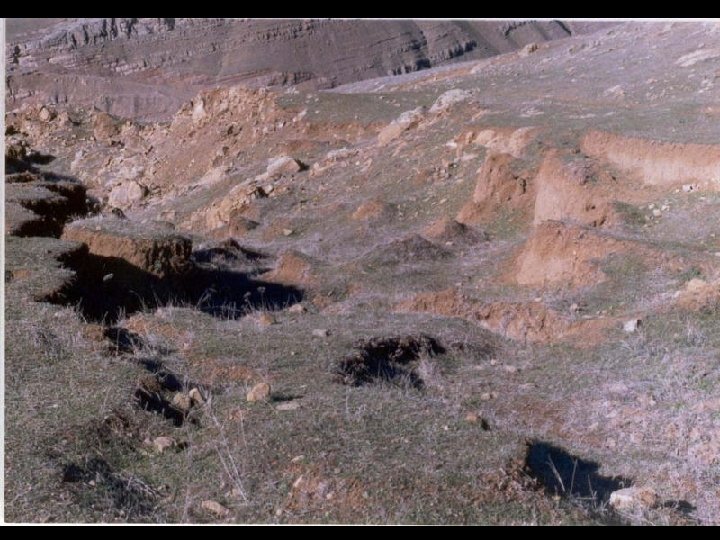
Germi, Iran
Mass Movements • Early 1970 s: produced around 600 deaths/year • Late 1980 s: several thousand annually • Most deaths in Third World – USA: annual death toll 25 -30
Mass Movements • Annual losses in the billions US$ each year – especially in cities • US$1 -3 bn/year in the USA – Appalachian, Rocky Mtns, Pacific • US$500 million in LA area from landslides in an el Nino year
Mass Movements • Most deaths on Pacific Rim – associated with seismic activity – high population densities – heavy typhoon rainfall – rapid economic development
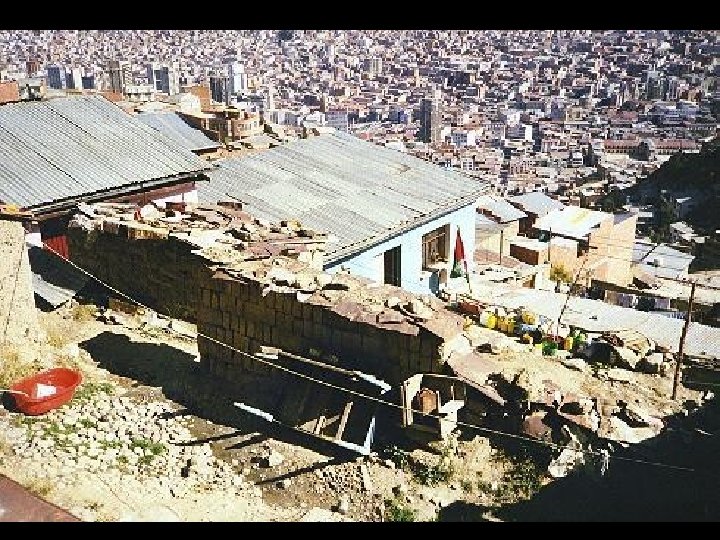
Mass Movements • Increased by shanty-town settlement – on steeper, less-stable slopes
Caracas, Venezuela • • 1950 s: fewer than 1 urban landslide/year City expands rapidly, esp. in 1970 s Shanties spread out onto hills 1980 s: 35 -40 urban landslides/year
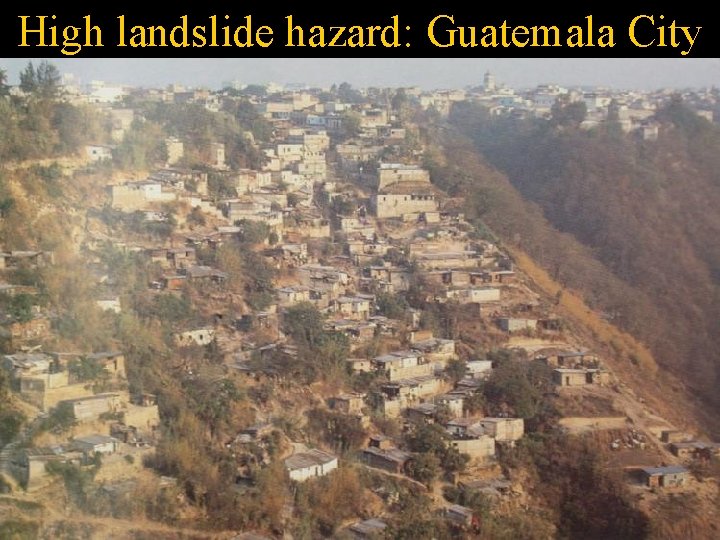
High landslide hazard: Guatemala City
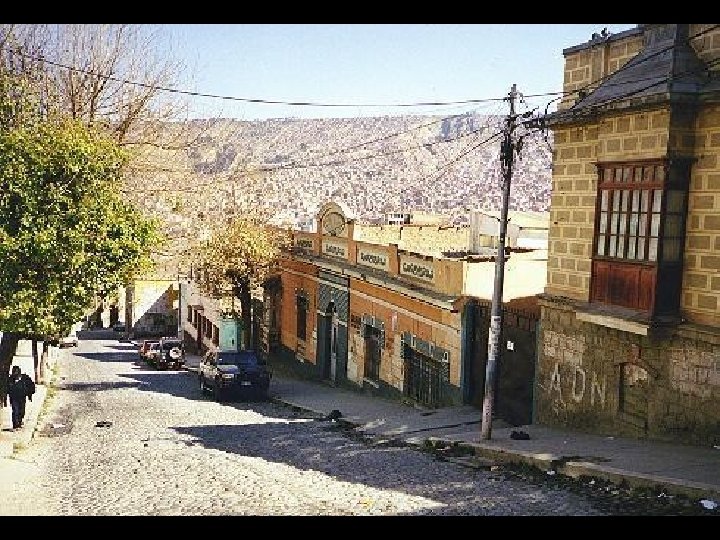
La Paz, Bolivia
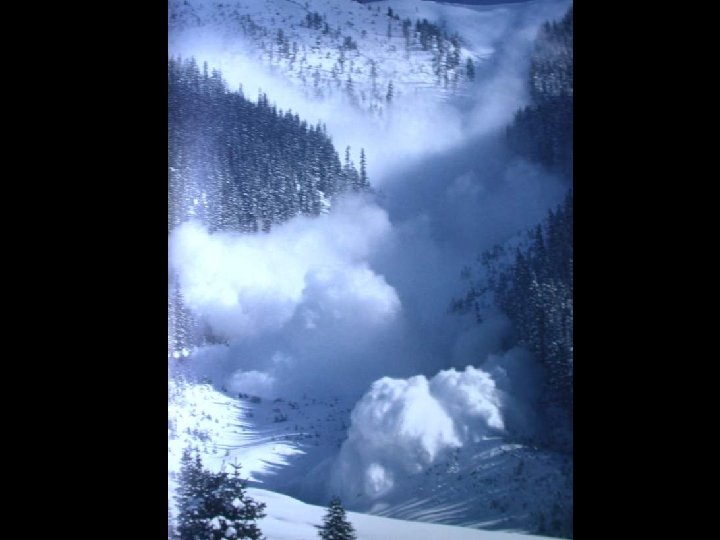
Avalanches • Common on snow-covered slopes steeper than 20 degrees, less than 60 degrees • Move at 80 m/s (288 km/h) • Settlement needs to avoid the runout tracks
Avalanches • Frequent but usually harmless – USA 7, 000 -10, 000 avalanches/year, only 1% cause harm • Threat to unwary travellers, badly-sited settlements • Risks increased by alpine tourism development
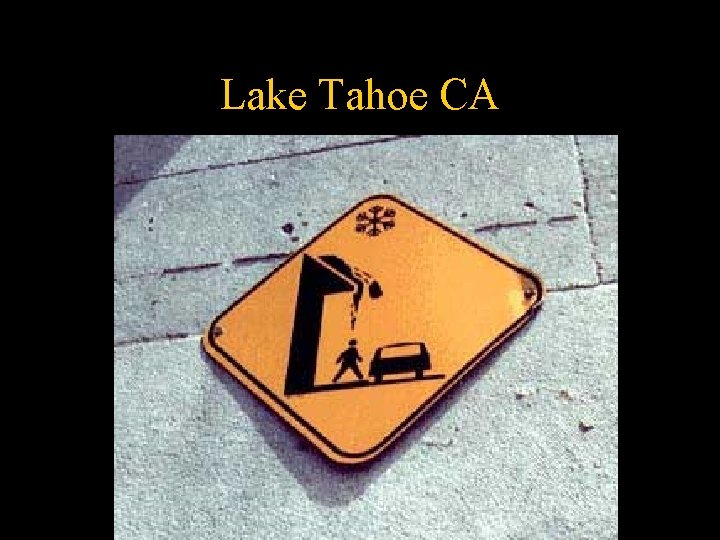
Lake Tahoe CA
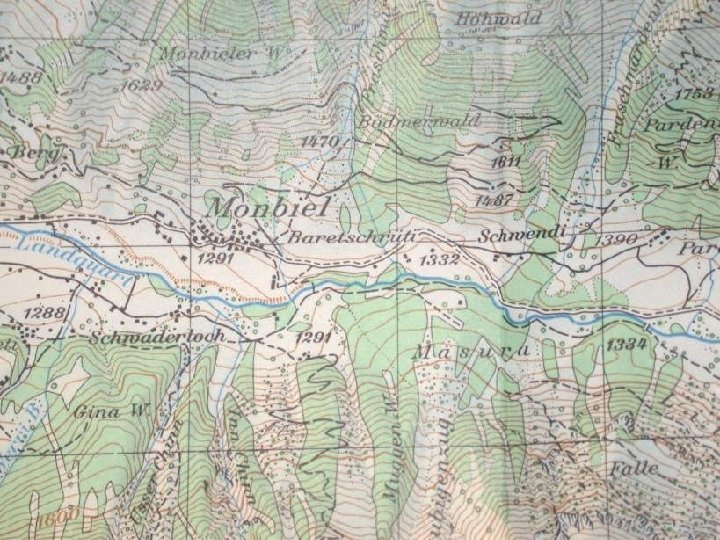
Avalanches • More avalanche deaths in Europe – higher population density – Switzerland 25 -30 deaths/year
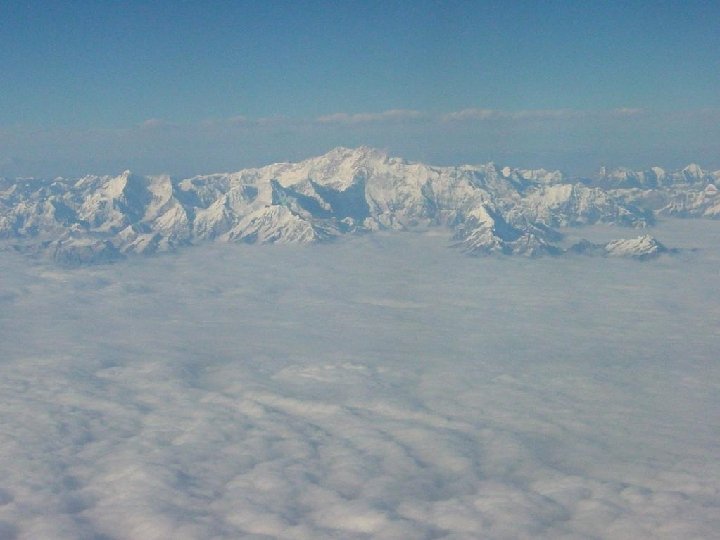
Intense Landslide Risk • High mountains – Areas of seismic shaking – High relief • Soils made erodible by deforestation • Thick deposits of fine-grained looselypacked material • Areas of high rainfall
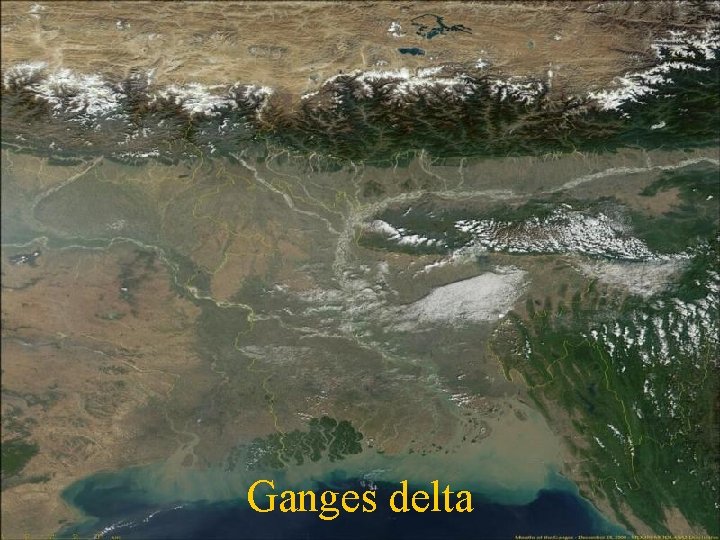
Ganges delta
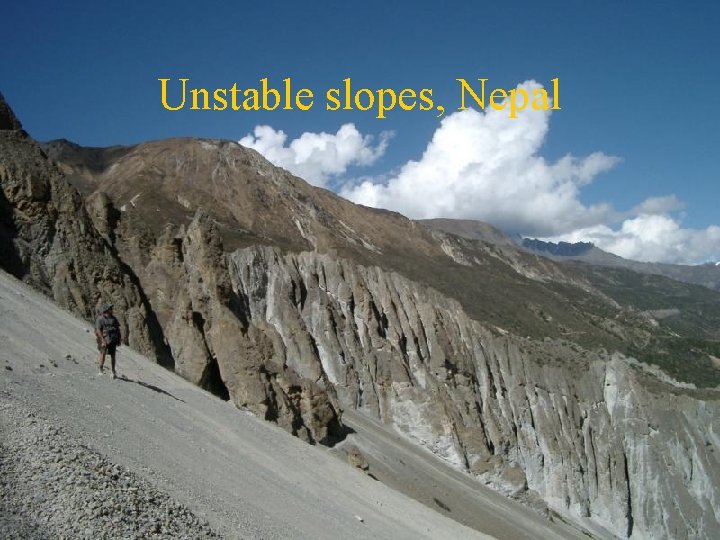
Unstable slopes, Nepal
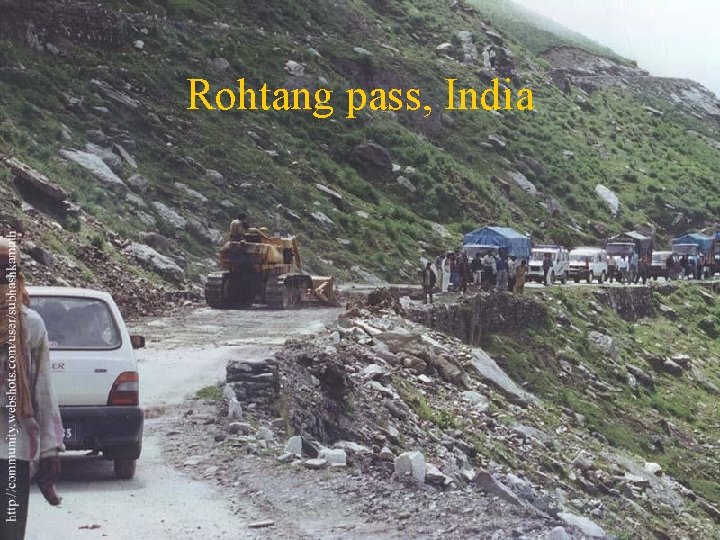
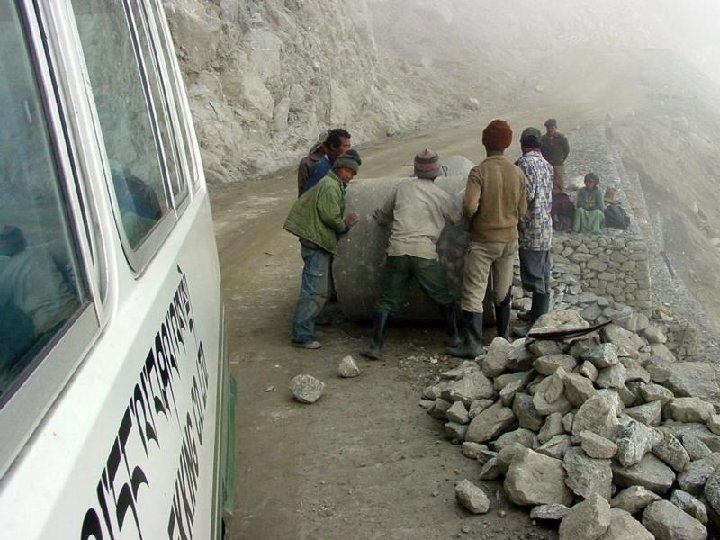
Rohtang pass, India
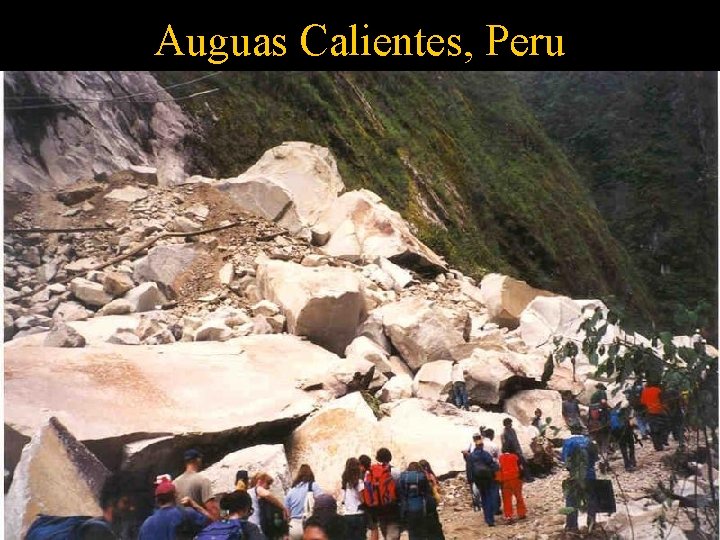
Auguas Calientes, Peru
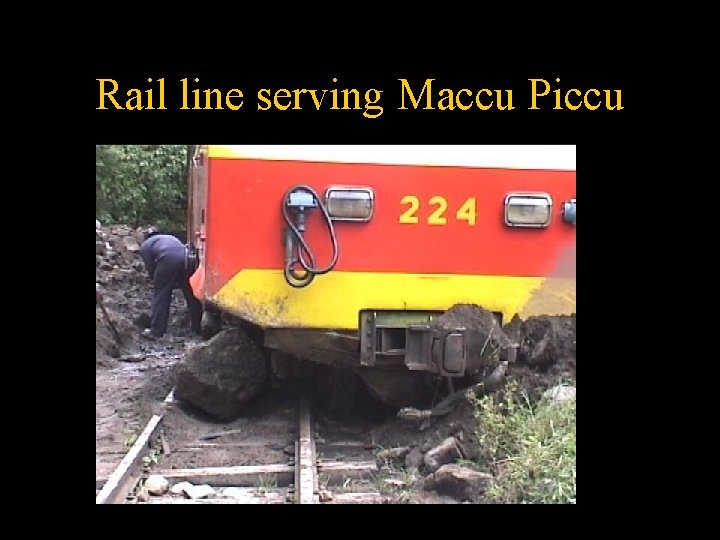
Rail line serving Maccu Piccu
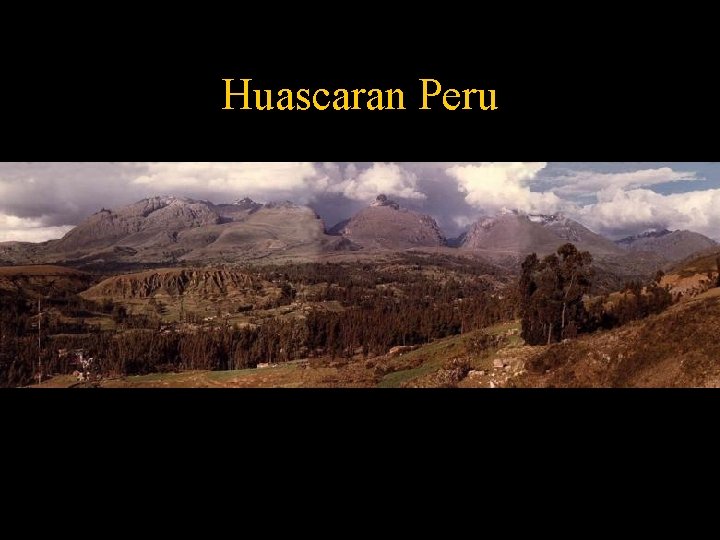
Huascaran Peru
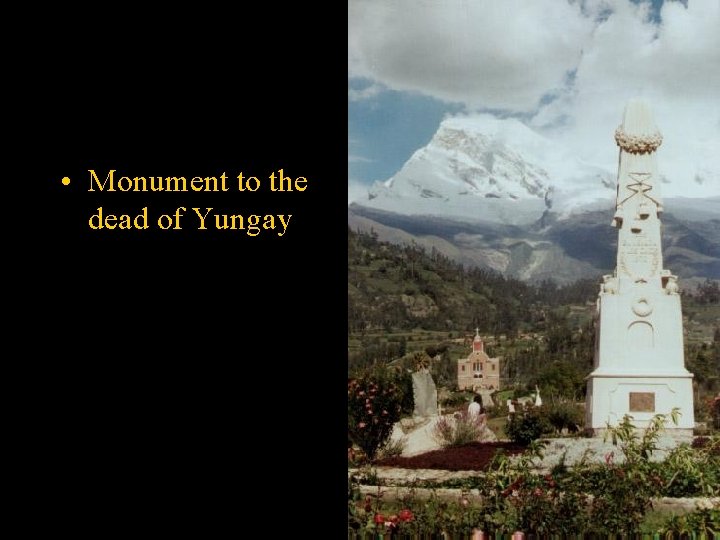
• Monument to the dead of Yungay
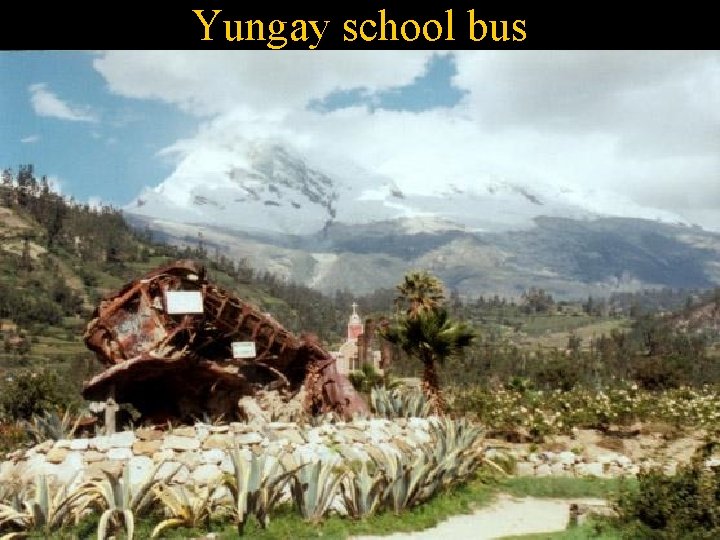
Yungay school bus
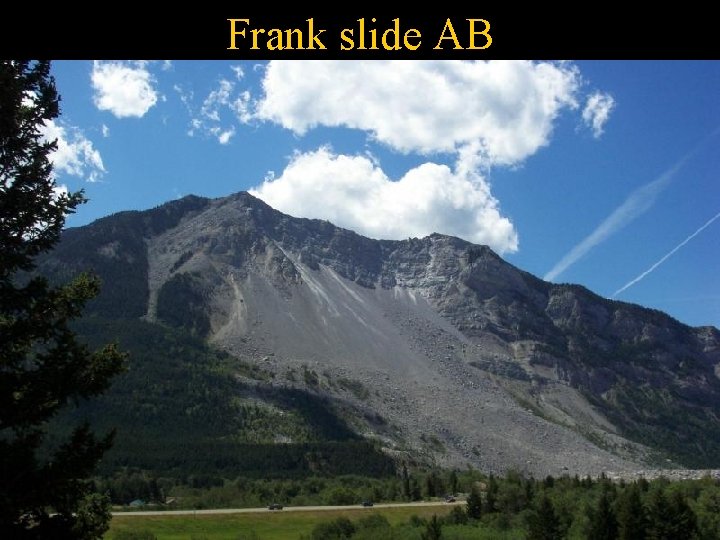
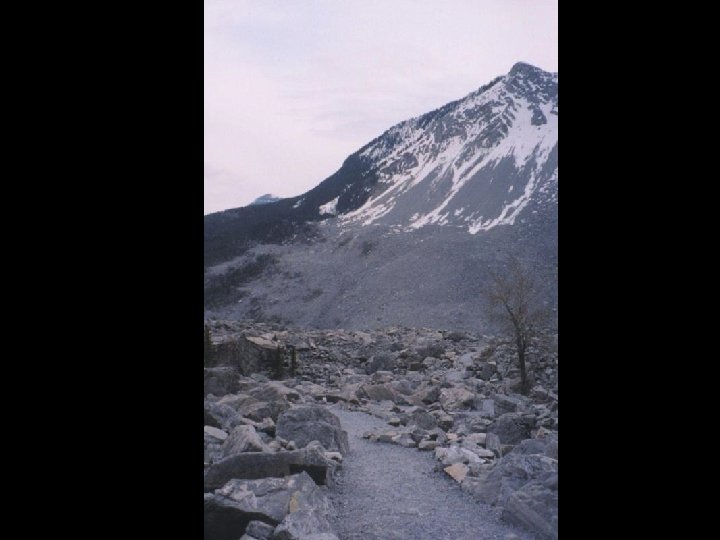
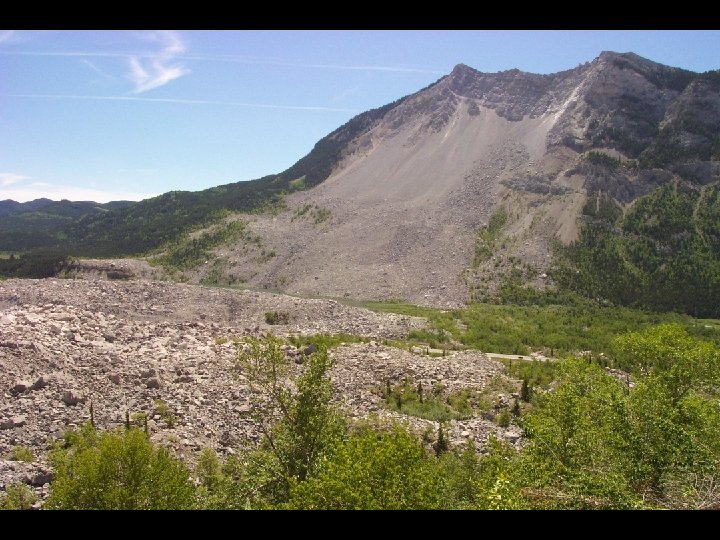
Frank Slide AB, 1903 • Rockfall caused by natural weathering of anticlinal rocks of Turtle Mountain • Triggered by spring freeze-thaw • Undercut by mining • Destroyed Frank townsite • Killed 70
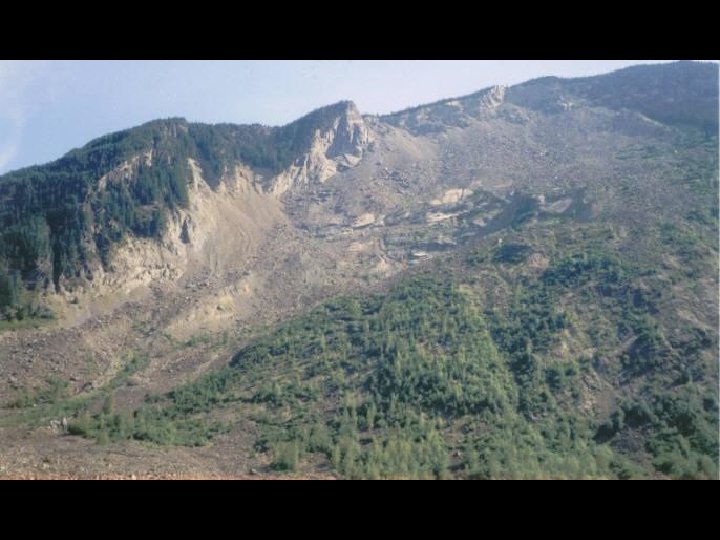
Frank slide AB
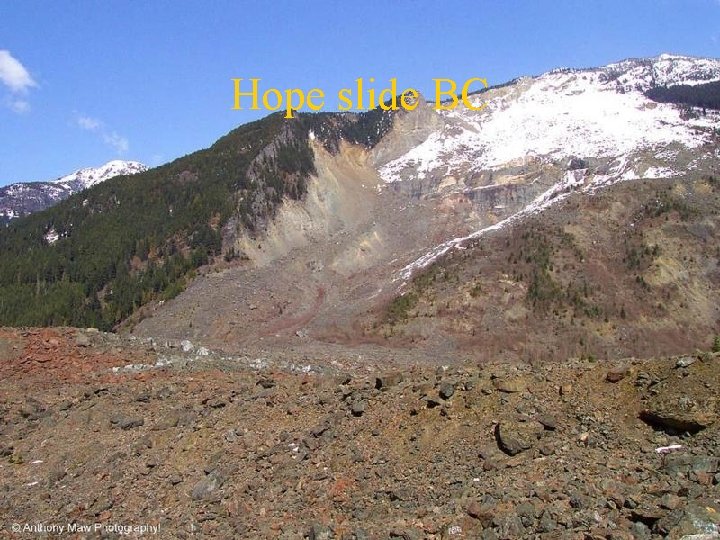
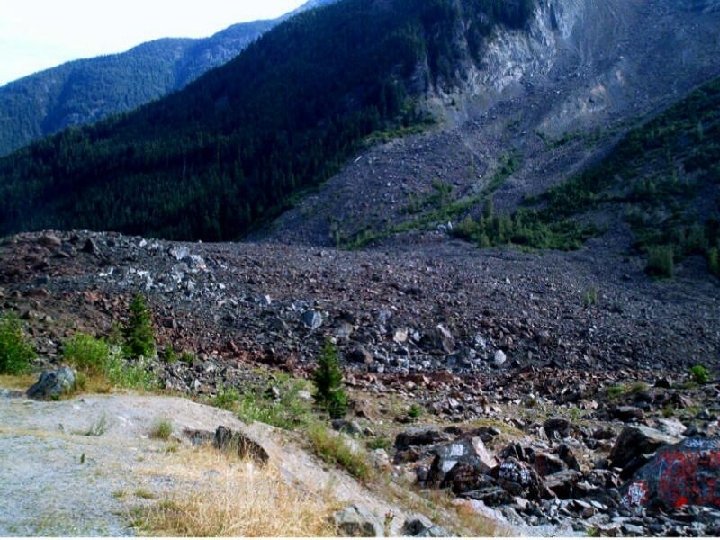
Hope slide BC
Soil Mechanics • Slopes fail when shear strength of slope is exceeded – excessive loading – cohesion failure of slope materials
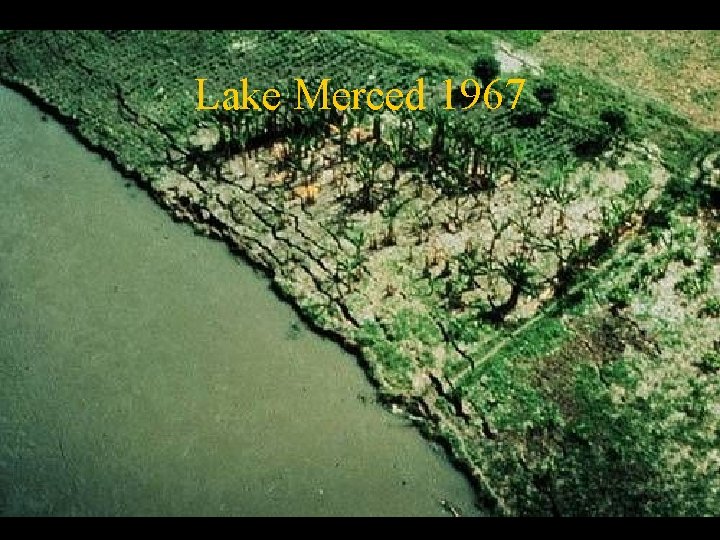
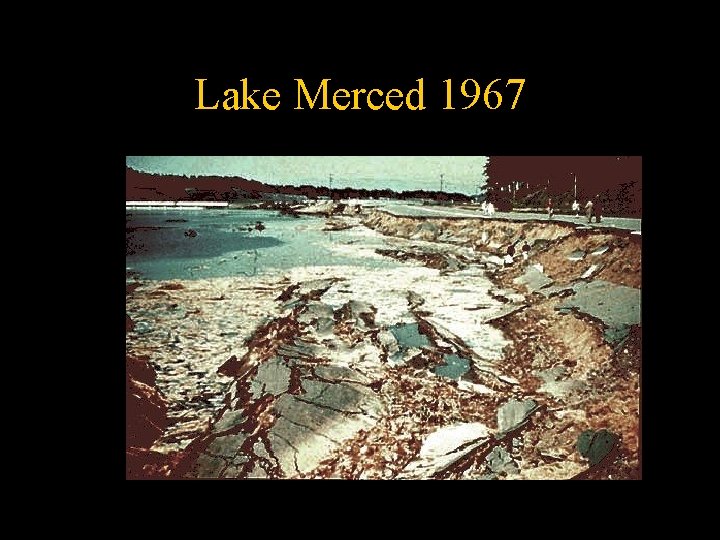
Soil Mechanics • Different configurations of slide – rotational – translational
Lake Merced 1967
Lake Merced 1967
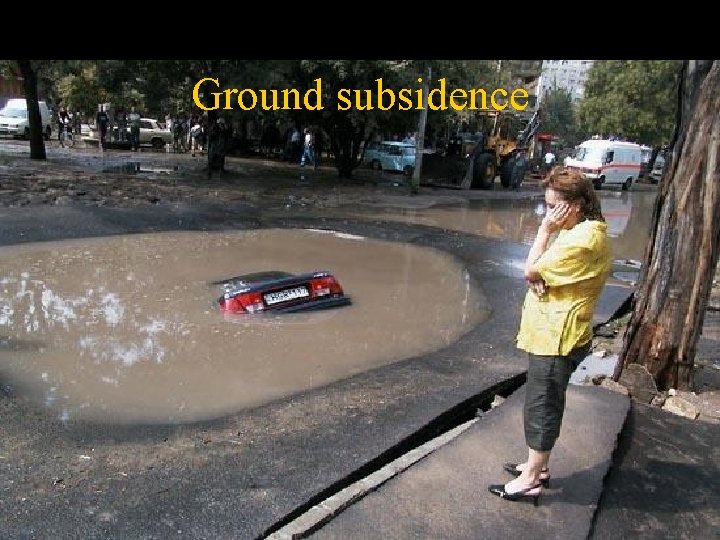
Ground subsidence
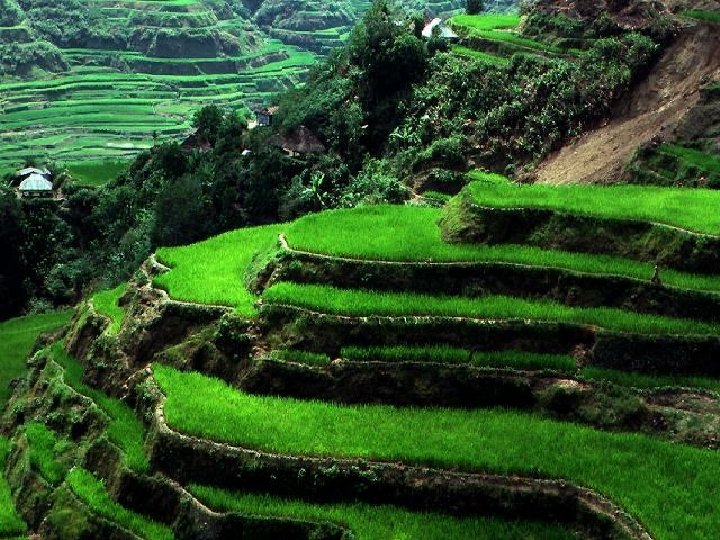
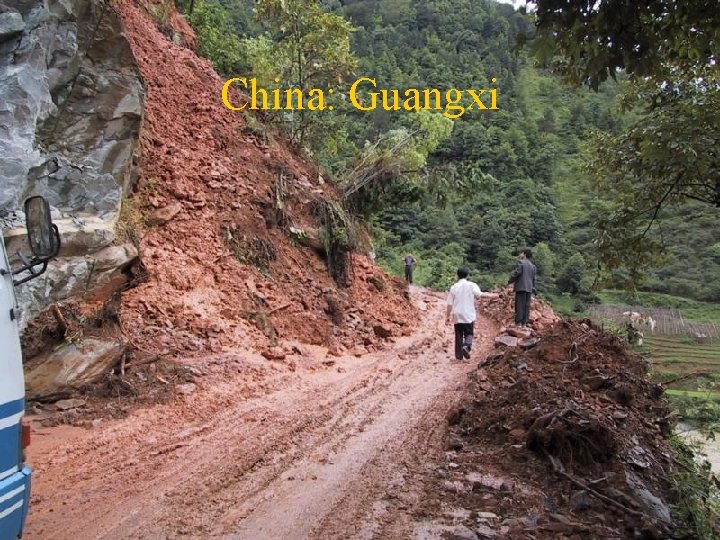
Debris flows • Slope materials become fluidised – saturated – follows natural drainage channels – great destructive force • Very common in the wet tropics
China: Guangxi
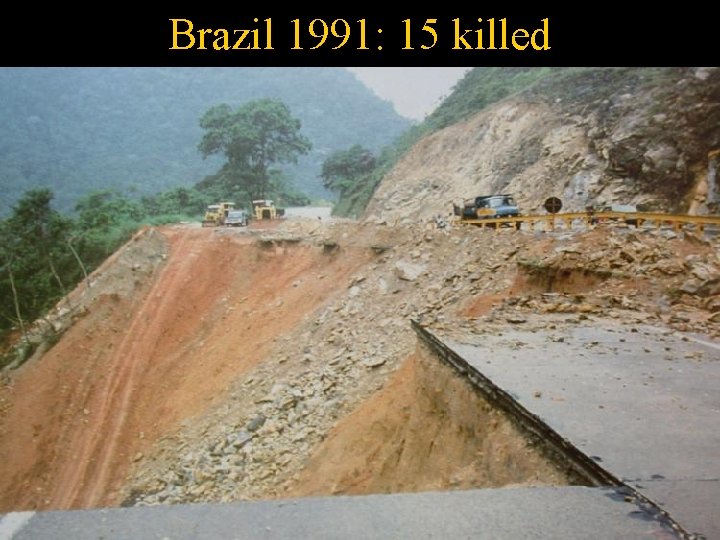
Brazil 1991: 15 killed
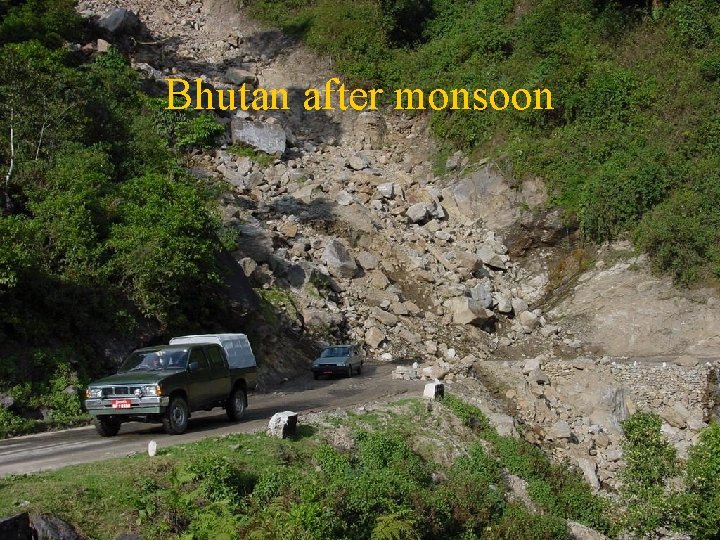
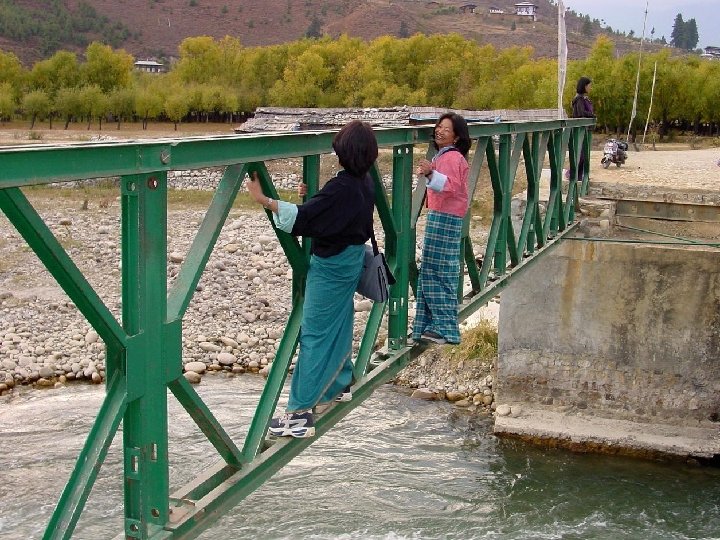
Bhutan after monsoon
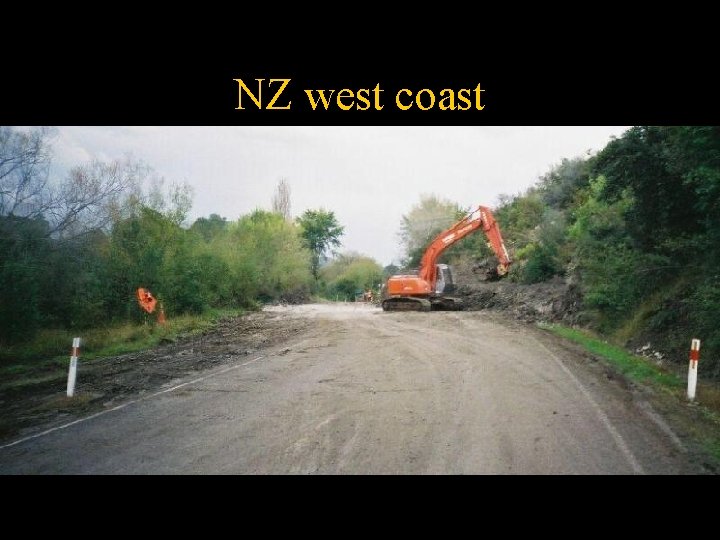
NZ west coast
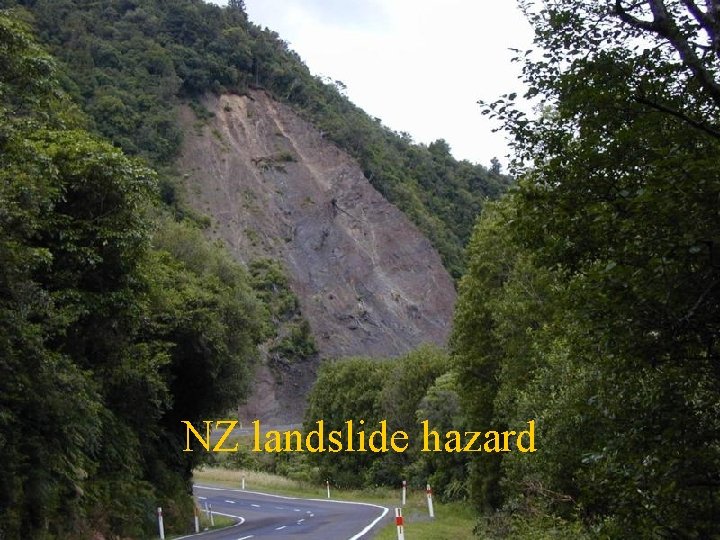
NZ landslide hazard
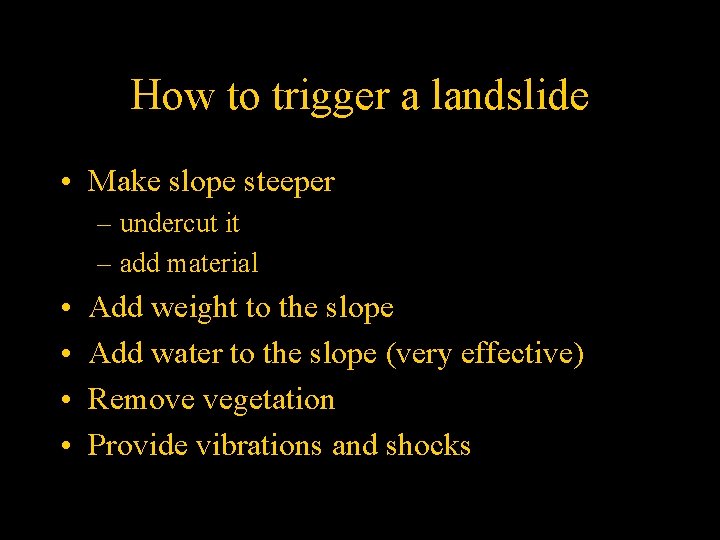
How to trigger a landslide • Make slope steeper – undercut it – add material • • Add weight to the slope Add water to the slope (very effective) Remove vegetation Provide vibrations and shocks
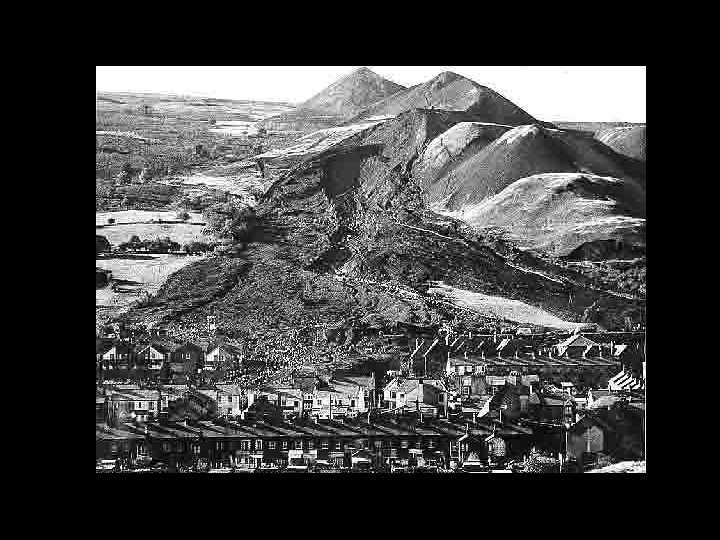
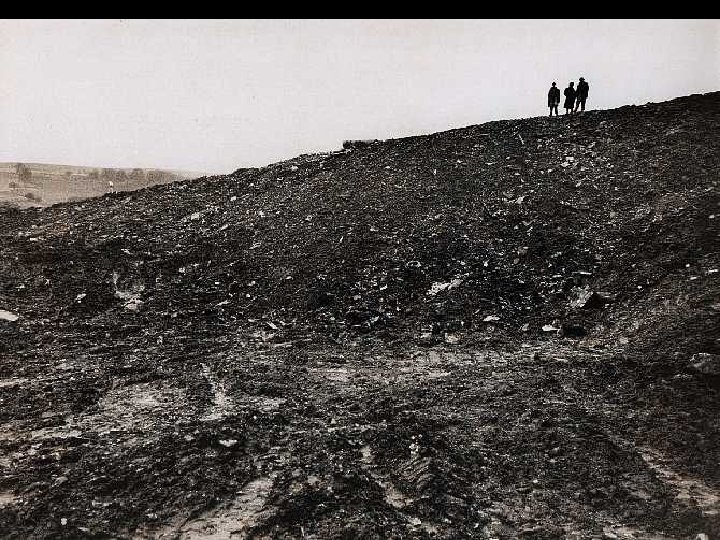
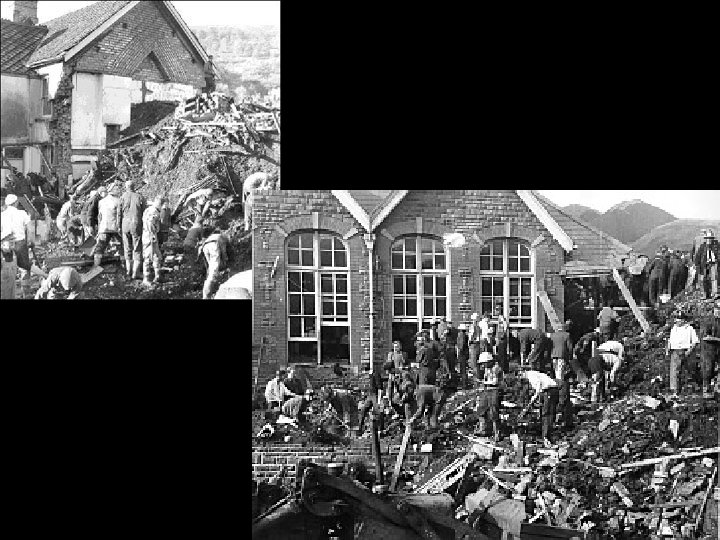
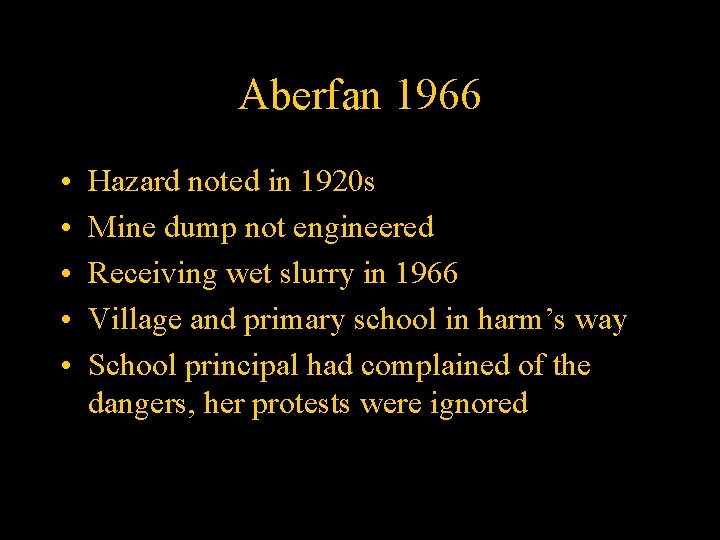
Aberfan 1966 • Coal-mine waste dump collapses on Welsh village • Destroyed several homes and primary school during morning assembly • Killed 140+, – including 111 children
Aberfan 1966 • • • Hazard noted in 1920 s Mine dump not engineered Receiving wet slurry in 1966 Village and primary school in harm’s way School principal had complained of the dangers, her protests were ignored
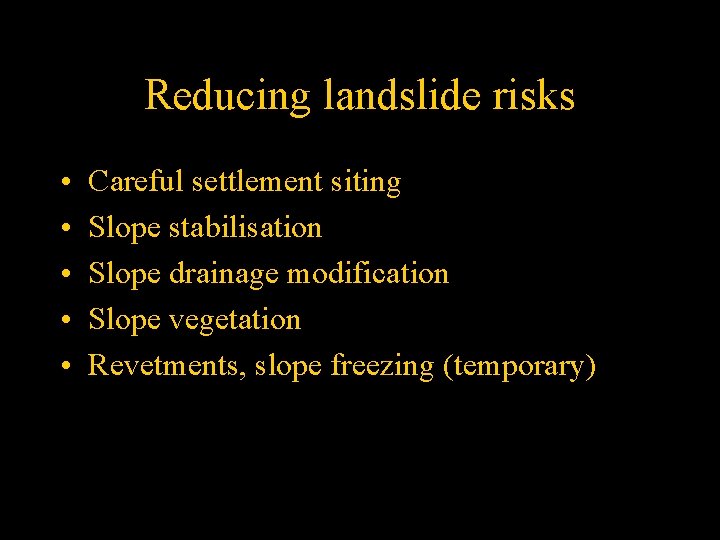
Reducing landslide risks • • • Careful settlement siting Slope stabilisation Slope drainage modification Slope vegetation Revetments, slope freezing (temporary)
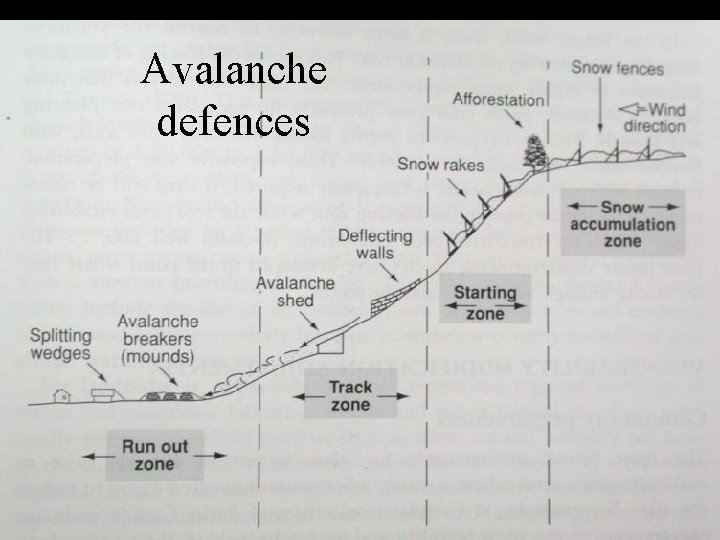
Reducing avalanche risks • Trigger avalanches at safe times – smaller avalanches – with explosives, artillery • Defensive structures • Careful settlement siting
Avalanche defences