
Marketing An Introduction 16 Sustainable Marketing Social Responsibility
Marketing An Introduction 16 Sustainable Marketing Social Responsibility and Ethics 3 -1
Learning Objectives • • • Define sustainable marketing and discuss its importance. Identify the major social criticisms of marketing. Define consumerism and environmentalism and explain how they affect marketing strategies. 16 - 2
Learning Objectives • • Describe the principles of sustainable marketing. Explain the role of ethics in marketing. 16 - 3
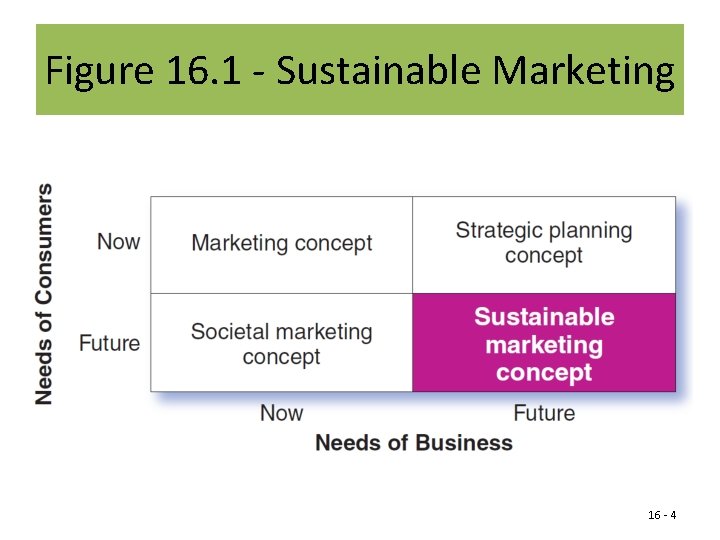
Figure 16. 1 - Sustainable Marketing 16 - 4
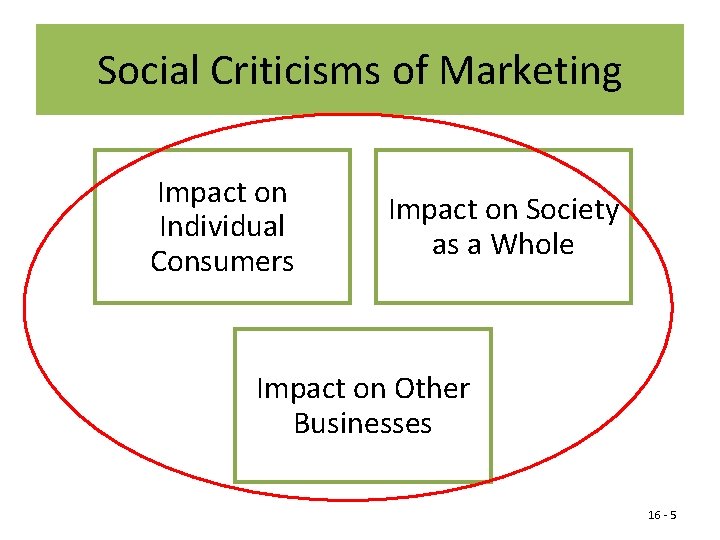
Social Criticisms of Marketing Impact on Individual Consumers Impact on Society as a Whole Impact on Other Businesses 16 - 5
Marketing’s Impact on Individual Consumers • • • High prices Deceptive practices High-pressure selling Shoddy, harmful, or unsafe products Planned and perceived obsolescence Poor service to disadvantaged consumers 16 - 6
Marketing’s Impact on Society as a Whole False Wants and Too Much Materialism ? ? Too Few Social Goods Cultural Pollution ? ? ? 16 - 7
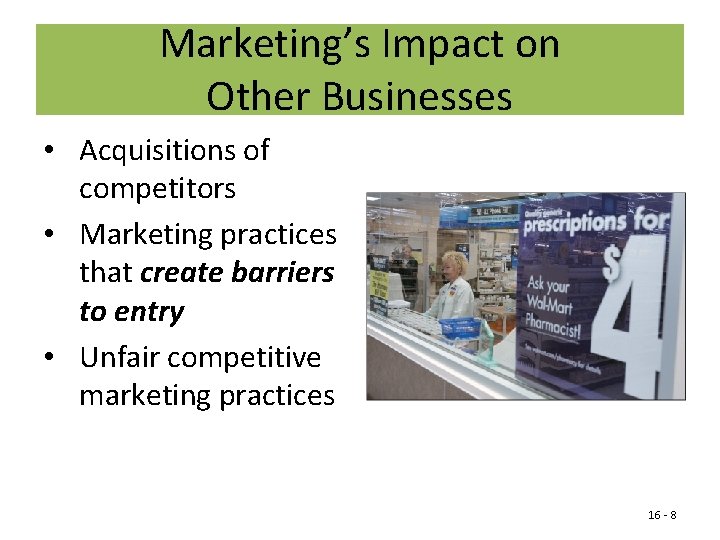
Marketing’s Impact on Other Businesses • Acquisitions of competitors • Marketing practices that create barriers to entry • Unfair competitive marketing practices 16 - 8
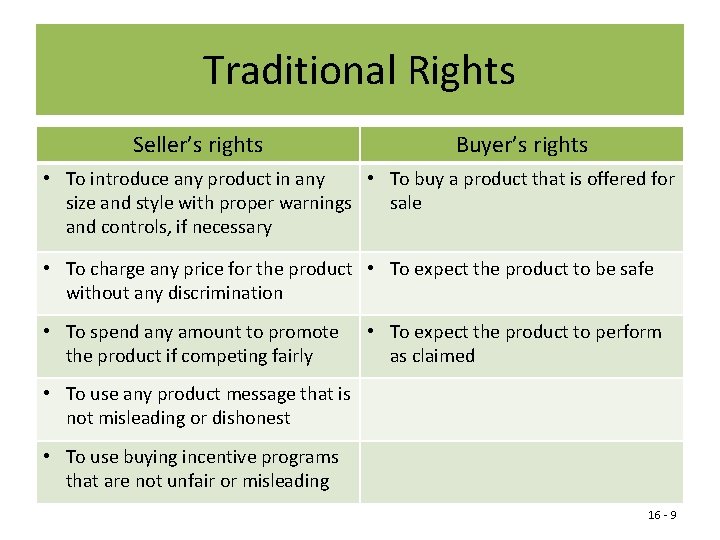
Traditional Rights Seller’s rights Buyer’s rights • To introduce any product in any • To buy a product that is offered for size and style with proper warnings sale and controls, if necessary • To charge any price for the product • To expect the product to be safe without any discrimination • To spend any amount to promote the product if competing fairly • To expect the product to perform as claimed • To use any product message that is not misleading or dishonest • To use buying incentive programs that are not unfair or misleading 16 - 9
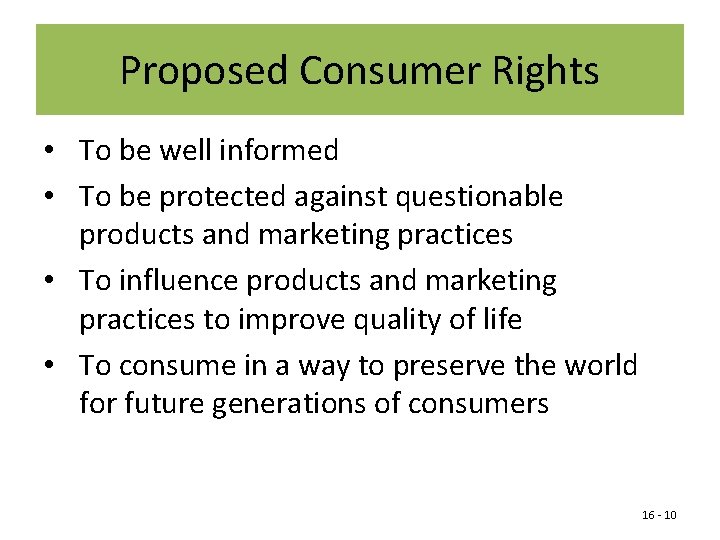
Proposed Consumer Rights • To be well informed • To be protected against questionable products and marketing practices • To influence products and marketing practices to improve quality of life • To consume in a way to preserve the world for future generations of consumers 16 - 10
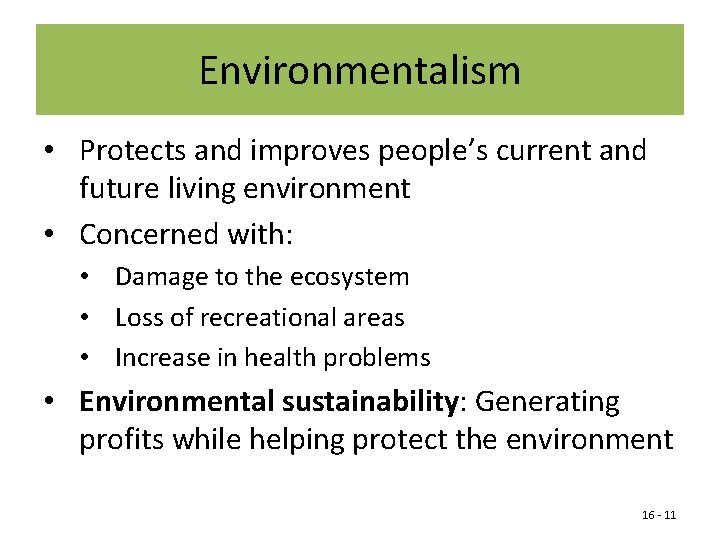
Environmentalism • Protects and improves people’s current and future living environment • Concerned with: • Damage to the ecosystem • Loss of recreational areas • Increase in health problems • Environmental sustainability: Generating profits while helping protect the environment 16 - 11
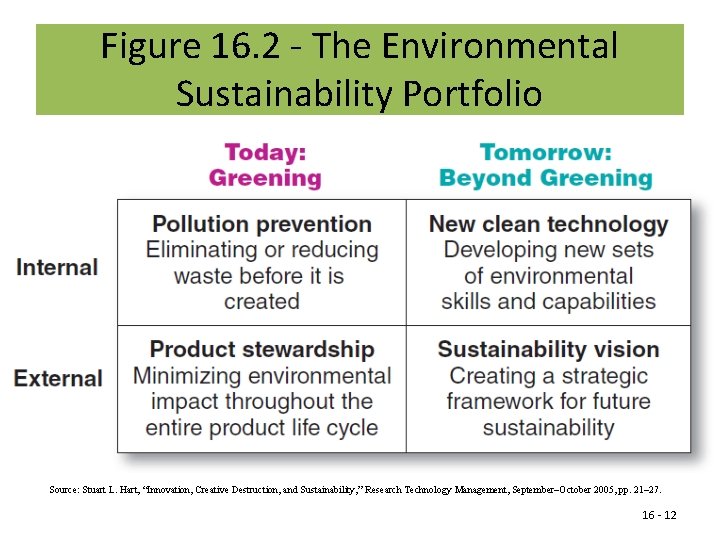
Figure 16. 2 - The Environmental Sustainability Portfolio Source: Stuart L. Hart, “Innovation, Creative Destruction, and Sustainability, ” Research Technology Management, September–October 2005, pp. 21– 27. 16 - 12
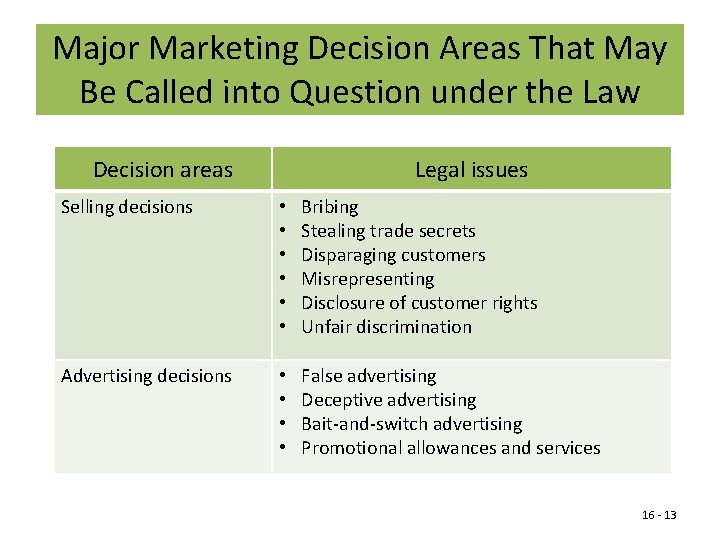
Major Marketing Decision Areas That May Be Called into Question under the Law Decision areas Legal issues Selling decisions • • • Bribing Stealing trade secrets Disparaging customers Misrepresenting Disclosure of customer rights Unfair discrimination Advertising decisions • • False advertising Deceptive advertising Bait-and-switch advertising Promotional allowances and services 16 - 13
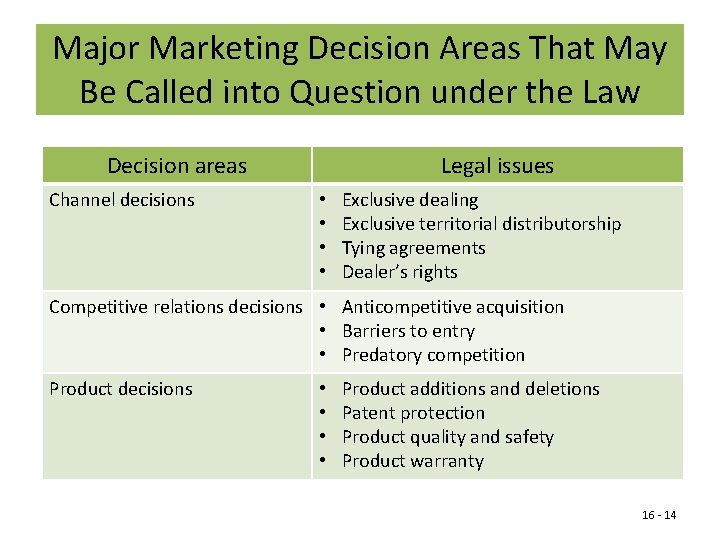
Major Marketing Decision Areas That May Be Called into Question under the Law Decision areas Channel decisions Legal issues • • Exclusive dealing Exclusive territorial distributorship Tying agreements Dealer’s rights Competitive relations decisions • Anticompetitive acquisition • Barriers to entry • Predatory competition Product decisions • • Product additions and deletions Patent protection Product quality and safety Product warranty 16 - 14
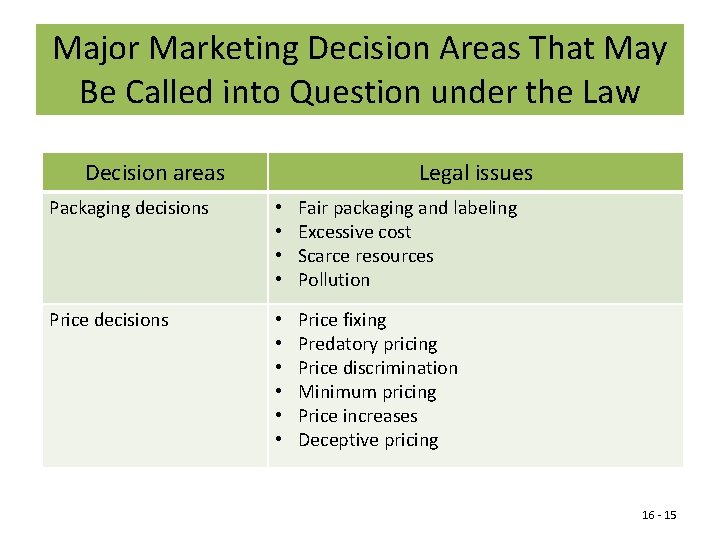
Major Marketing Decision Areas That May Be Called into Question under the Law Decision areas Legal issues Packaging decisions • • Fair packaging and labeling Excessive cost Scarce resources Pollution Price decisions • • • Price fixing Predatory pricing Price discrimination Minimum pricing Price increases Deceptive pricing 16 - 15
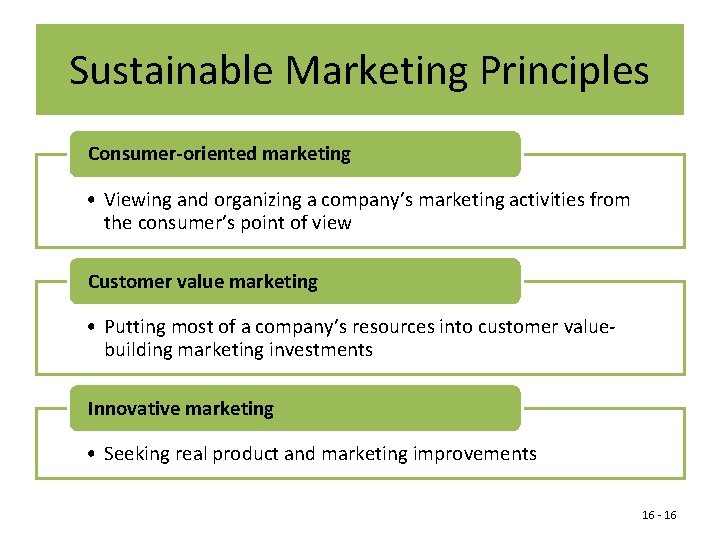
Sustainable Marketing Principles Consumer-oriented marketing • Viewing and organizing a company’s marketing activities from the consumer’s point of view Customer value marketing • Putting most of a company’s resources into customer valuebuilding marketing investments Innovative marketing • Seeking real product and marketing improvements 16 - 16
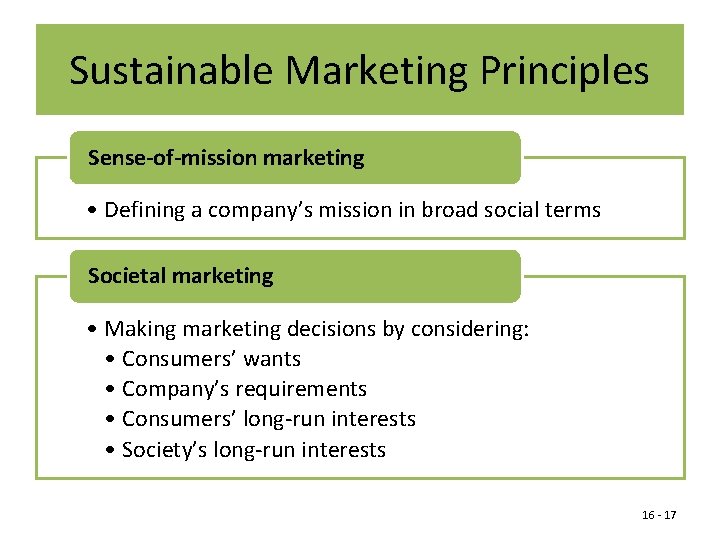
Sustainable Marketing Principles Sense-of-mission marketing • Defining a company’s mission in broad social terms Societal marketing • Making marketing decisions by considering: • Consumers’ wants • Company’s requirements • Consumers’ long-run interests • Society’s long-run interests 16 - 17
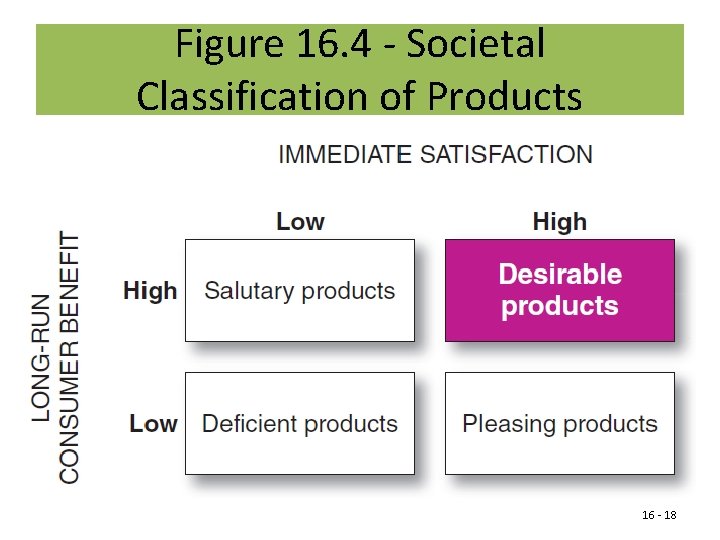
Figure 16. 4 - Societal Classification of Products 16 - 18
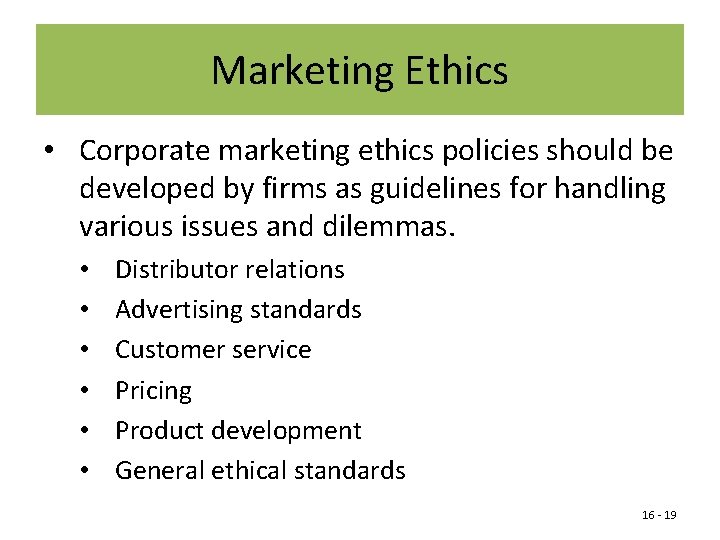
Marketing Ethics • Corporate marketing ethics policies should be developed by firms as guidelines for handling various issues and dilemmas. • • • Distributor relations Advertising standards Customer service Pricing Product development General ethical standards 16 - 19
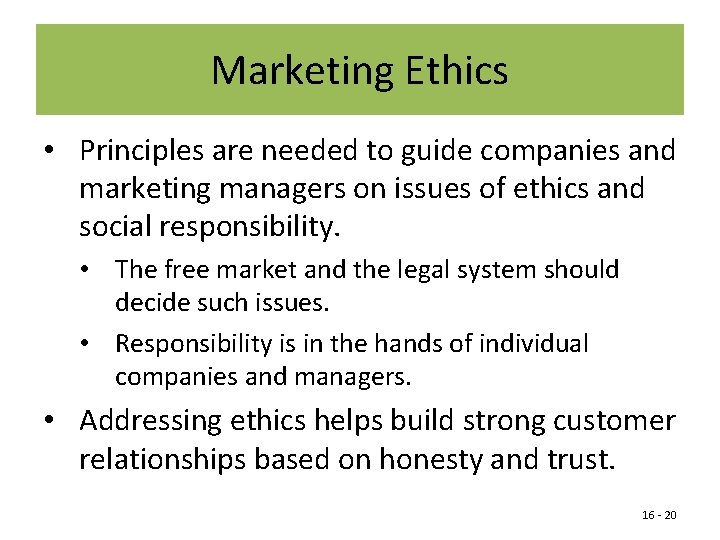
Marketing Ethics • Principles are needed to guide companies and marketing managers on issues of ethics and social responsibility. • The free market and the legal system should decide such issues. • Responsibility is in the hands of individual companies and managers. • Addressing ethics helps build strong customer relationships based on honesty and trust. 16 - 20
The Sustainable Company • Sustainable companies create value for customers through socially, environmentally, and ethically responsible actions. • Sustainable marketing provides the context in which companies can build profitable customer relationships.
- Slides: 21