
Marine Biology www 2 sunysuffolk edulynchpoc MB ppt
Marine Biology! www 2. sunysuffolk. edu/lynchp/oc. MB. ppt Accessed: 14 -09 -15
Trophic Structure • Autotroph (Producer) • Heterotroph (Consumer)
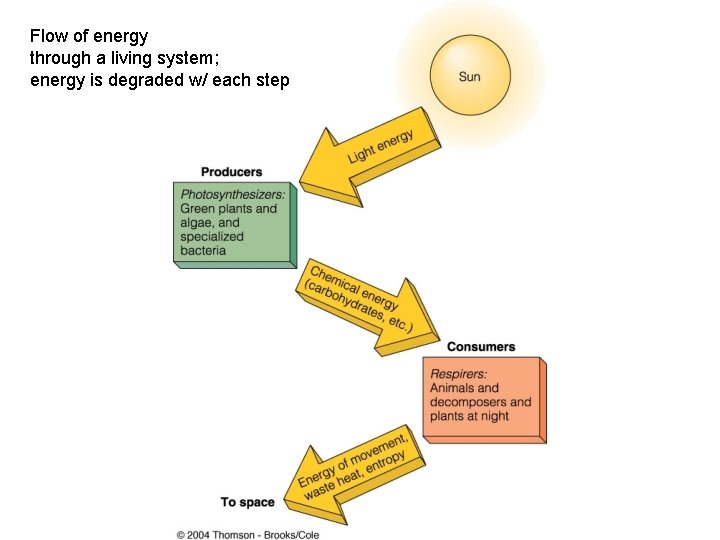
Flow of energy through a living system; energy is degraded w/ each step
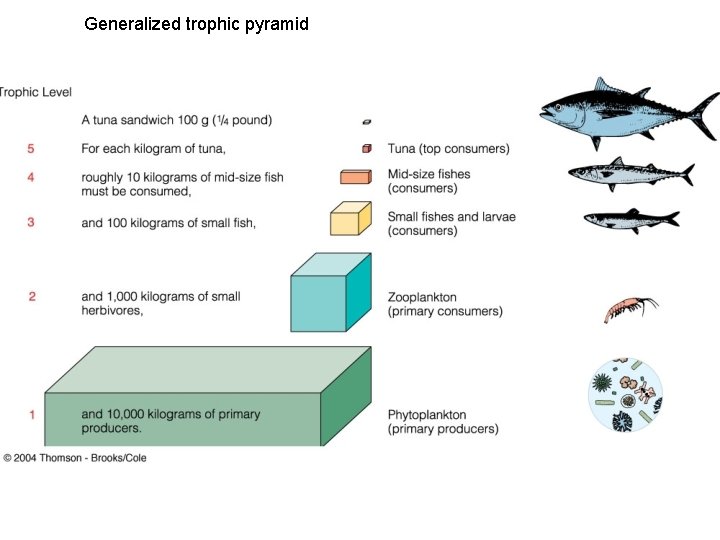
Generalized trophic pyramid
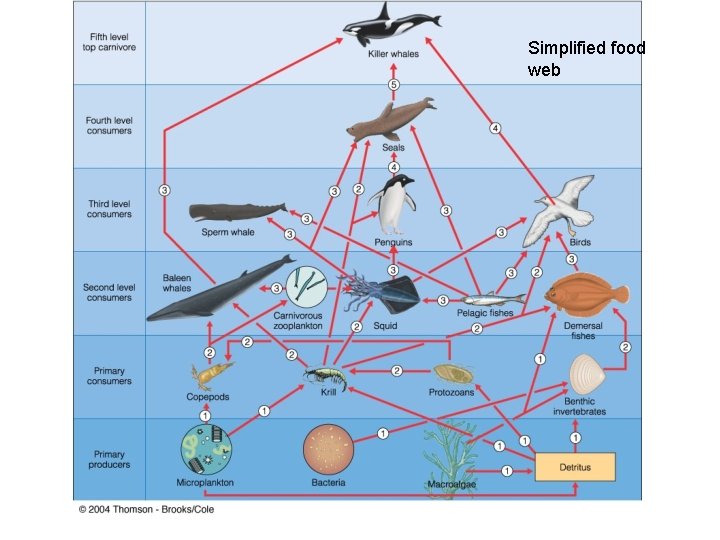
Simplified food web
Marine Zones: Benthic vs. Pelagic Neritic vs. Oceanic
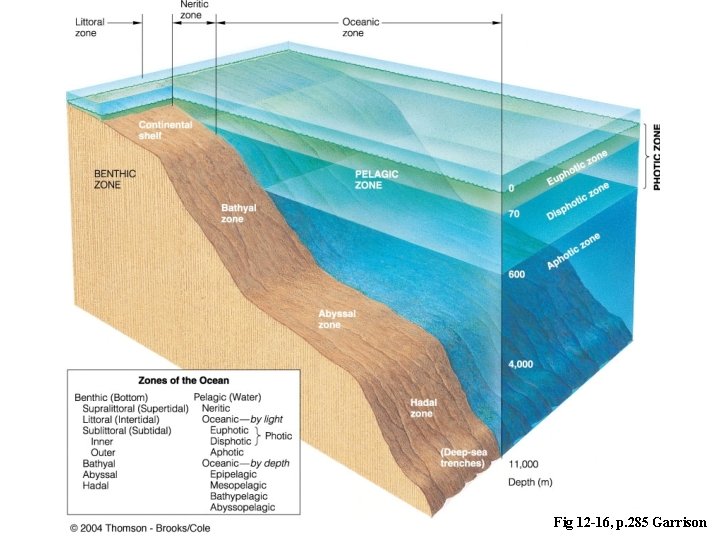
Fig 12 -16, p. 285 Garrison
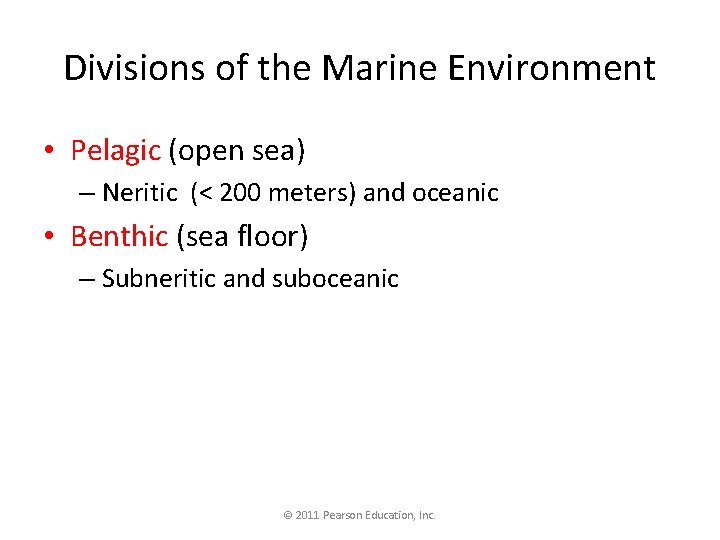
Divisions of the Marine Environment • Pelagic (open sea) – Neritic (< 200 meters) and oceanic • Benthic (sea floor) – Subneritic and suboceanic © 2011 Pearson Education, Inc.
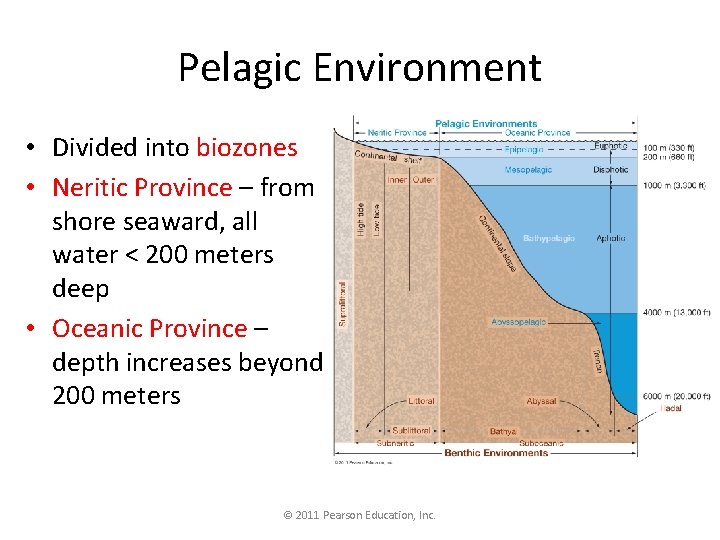
Pelagic Environment • Divided into biozones • Neritic Province – from shore seaward, all water < 200 meters deep • Oceanic Province – depth increases beyond 200 meters © 2011 Pearson Education, Inc.
Life in the Ocean • The PELAGIC community! • A “Pelagic community” is a community of organisms that live suspended in the water column…they either float (plankton) or swim (nekton). • This is different than those that live on shore, on the bottom (etc. )
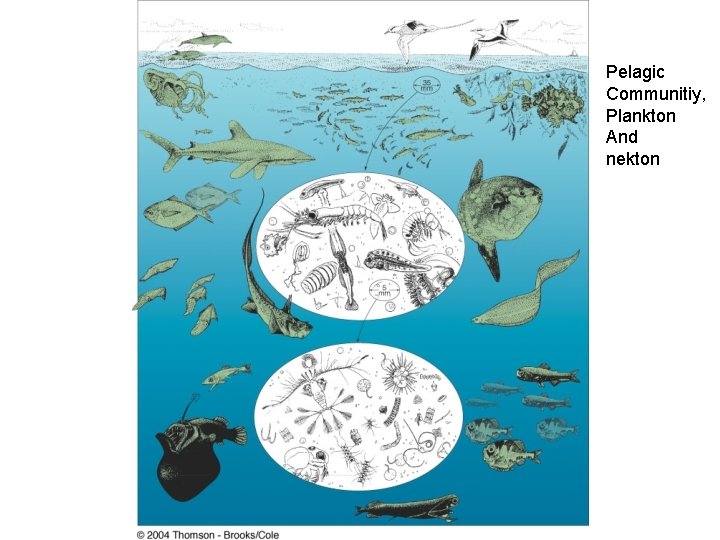
Pelagic Communitiy, Plankton And nekton
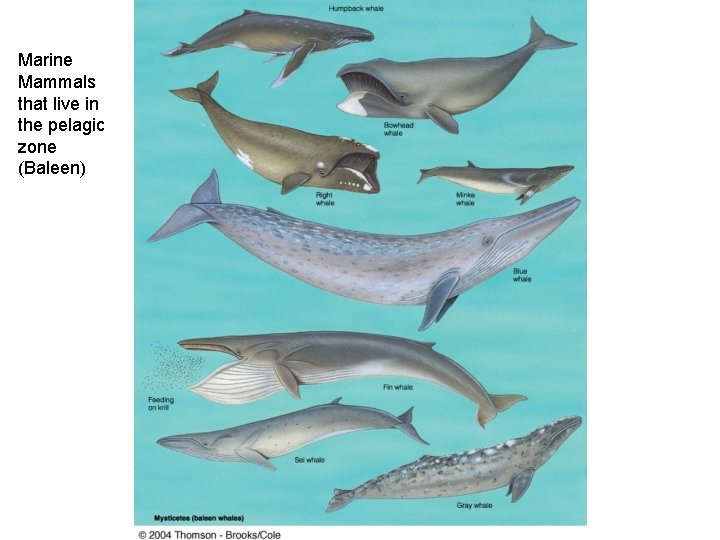
Marine Mammals that live in the pelagic zone (Baleen)
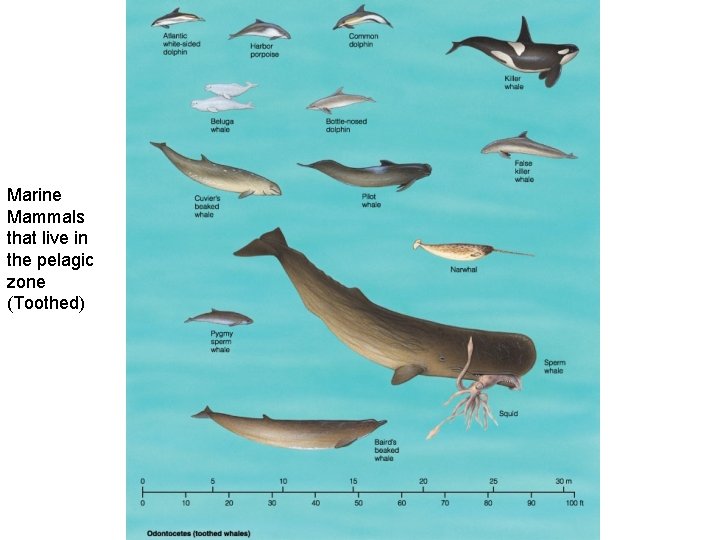
Marine Mammals that live in the pelagic zone (Toothed)
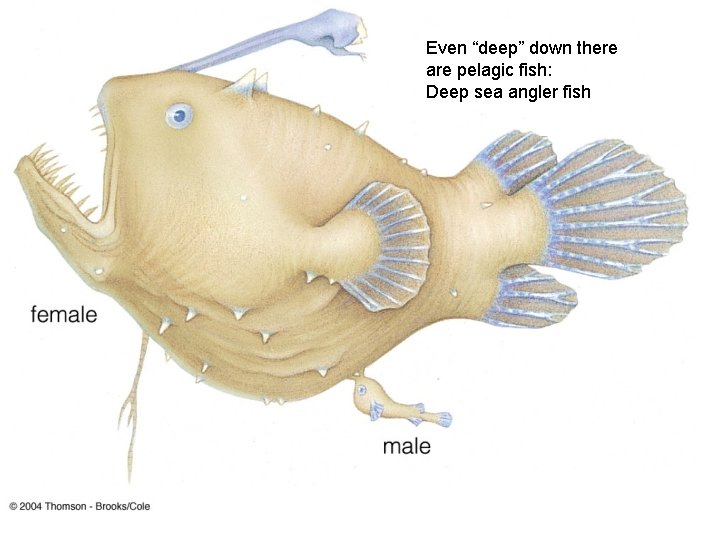
Even “deep” down there are pelagic fish: Deep sea angler fish
Benthos • Epifauna live on the surface of the sea floor. • Infauna live buried in sediments. • Nektobenthos swim or crawl through water above the seafloor. • Benthos are most abundant in shallower water. • Many live in perpetual darkness, coldness, and stillness. © 2011 Pearson Education, Inc.
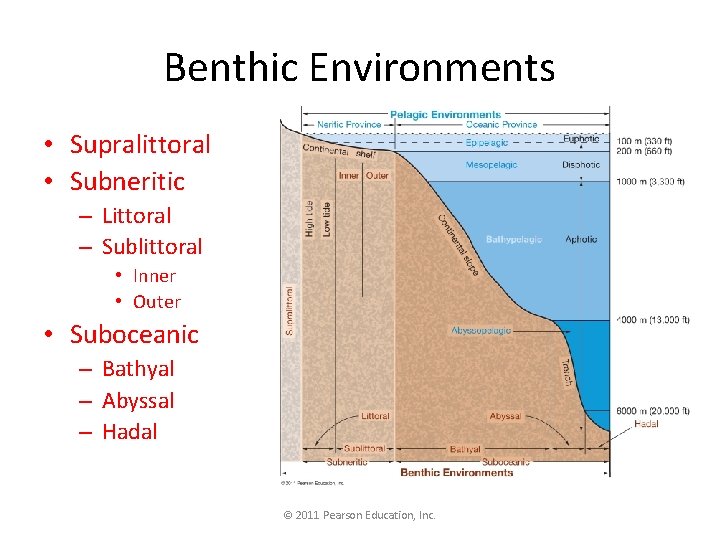
Benthic Environments • Supralittoral • Subneritic – Littoral – Sublittoral • Inner • Outer • Suboceanic – Bathyal – Abyssal – Hadal © 2011 Pearson Education, Inc.
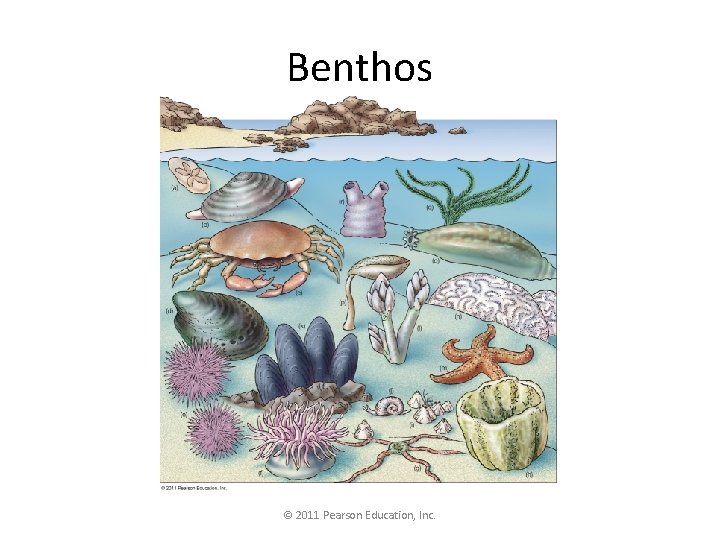
Benthos © 2011 Pearson Education, Inc.
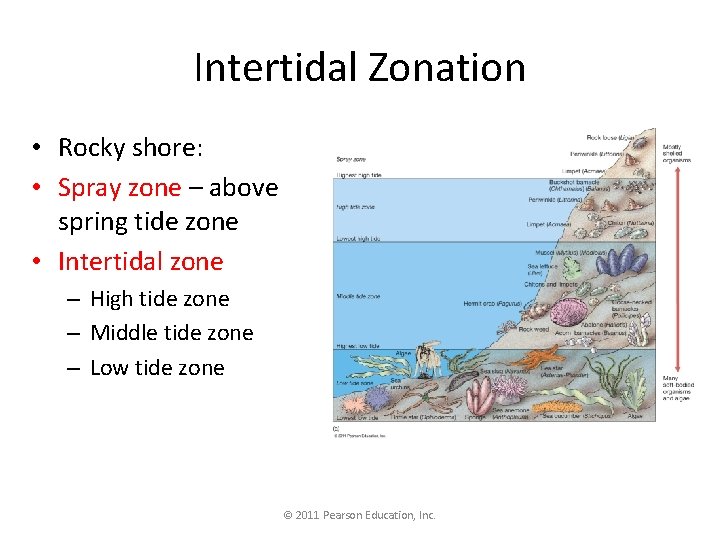
Intertidal Zonation • Rocky shore: • Spray zone – above spring tide zone • Intertidal zone – High tide zone – Middle tide zone – Low tide zone © 2011 Pearson Education, Inc.
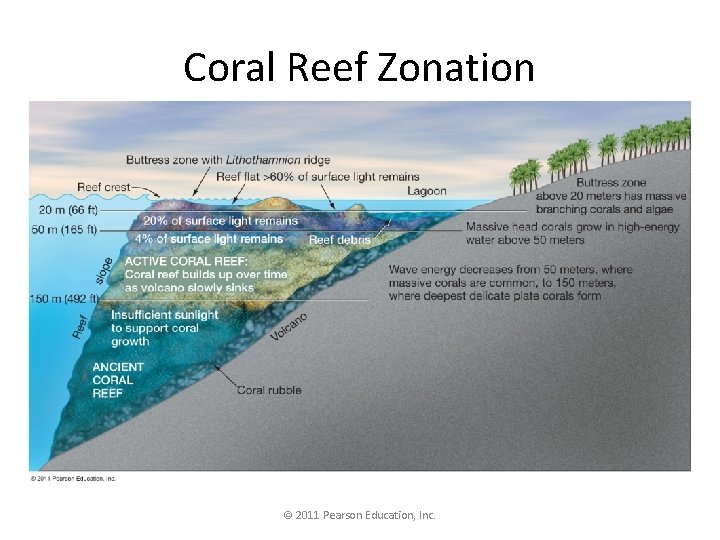
Coral Reef Zonation © 2011 Pearson Education, Inc.
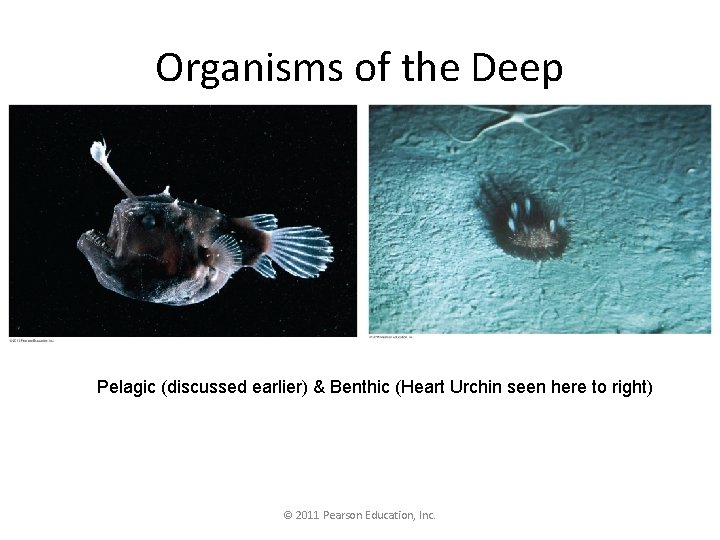
Organisms of the Deep Pelagic (discussed earlier) & Benthic (Heart Urchin seen here to right) © 2011 Pearson Education, Inc.
Types of Life! • Don’t forget PLANKTON (from previous lectures and lab) but now… NEKTON! © 2011 Pearson Education, Inc.
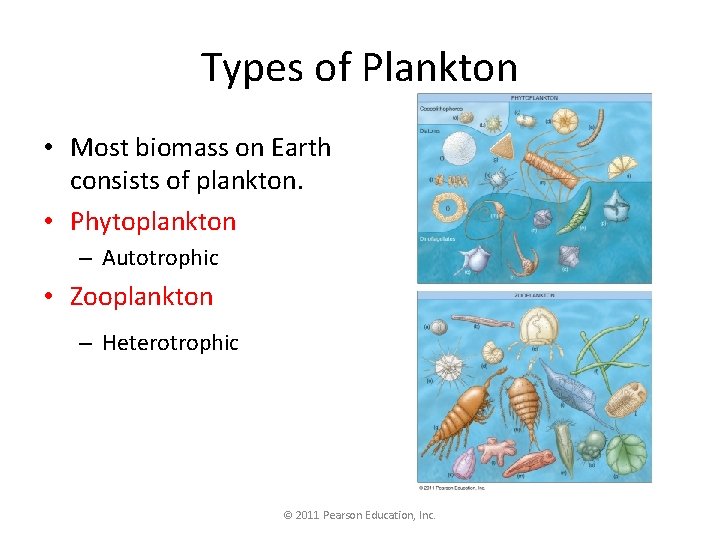
Types of Plankton • Most biomass on Earth consists of plankton. • Phytoplankton – Autotrophic • Zooplankton – Heterotrophic © 2011 Pearson Education, Inc.
Nekton • • Independent swimmers Most adult fish and squid Marine mammals Marine reptiles © 2011 Pearson Education, Inc.
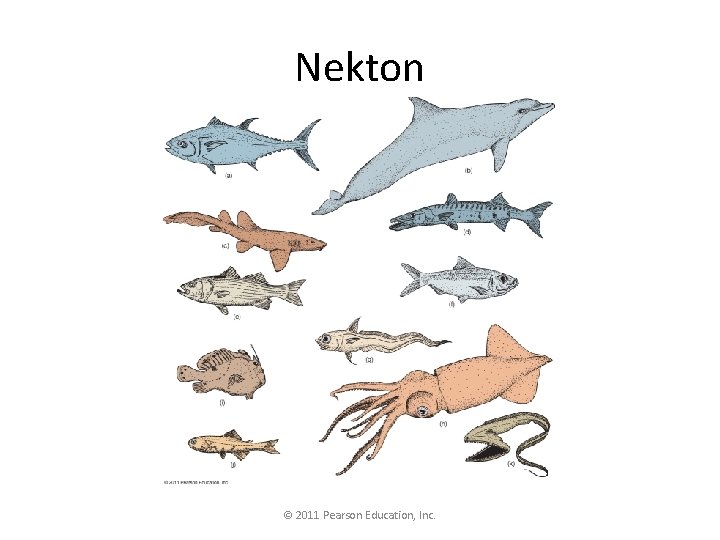
Nekton © 2011 Pearson Education, Inc.

Now let’s put everything together – WHO lives there…
Animal Kingdom • Classify similar animals into Phyla • 36 Animal Phyla – Only 1 has vertebrates These animals are either BENTHIC or PELAGIC; PLANKTONIC or NEKTONIC…
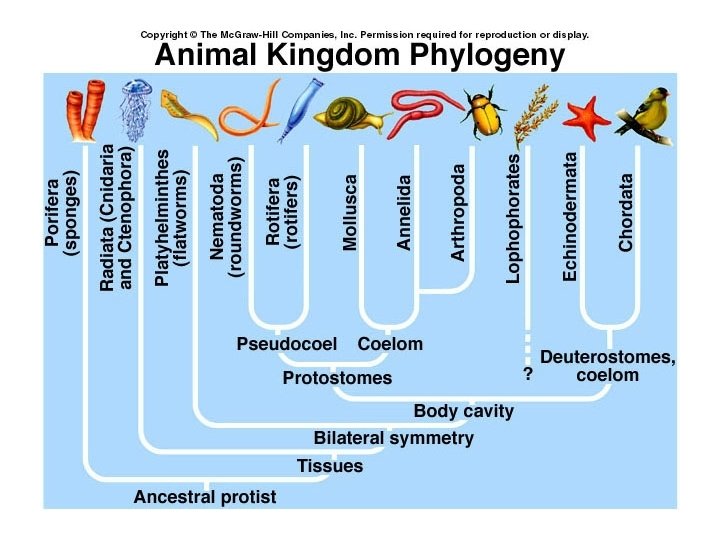
Invertebrates • • Animals without backbones No internal rigid skeleton Softbodied Many have hard external coverings
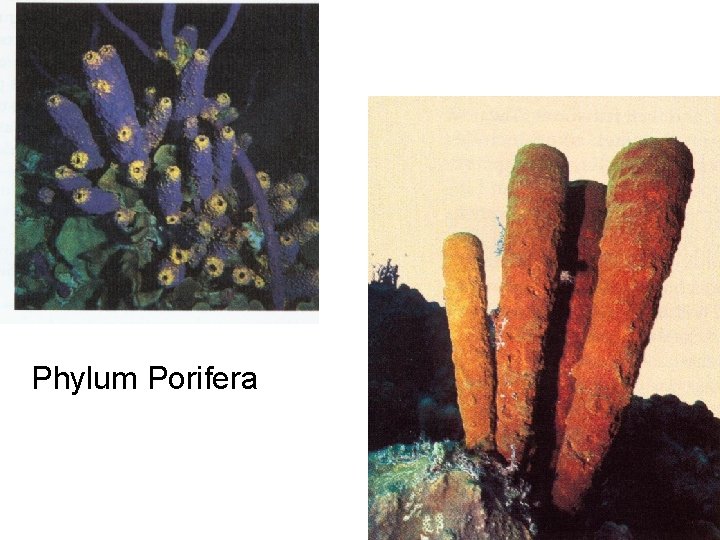
Phylum Porifera
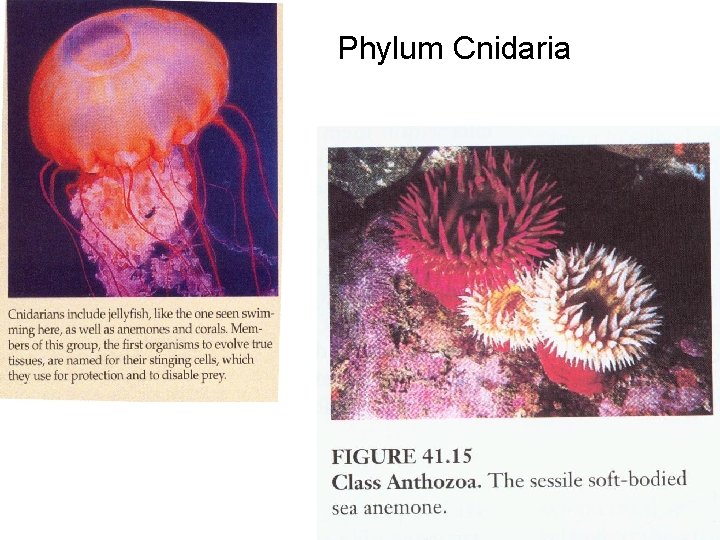
Phylum Cnidaria
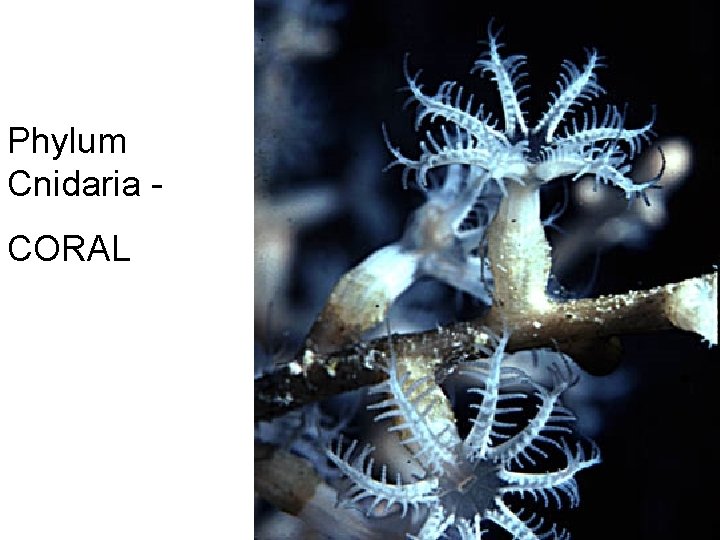
Phylum Cnidaria CORAL
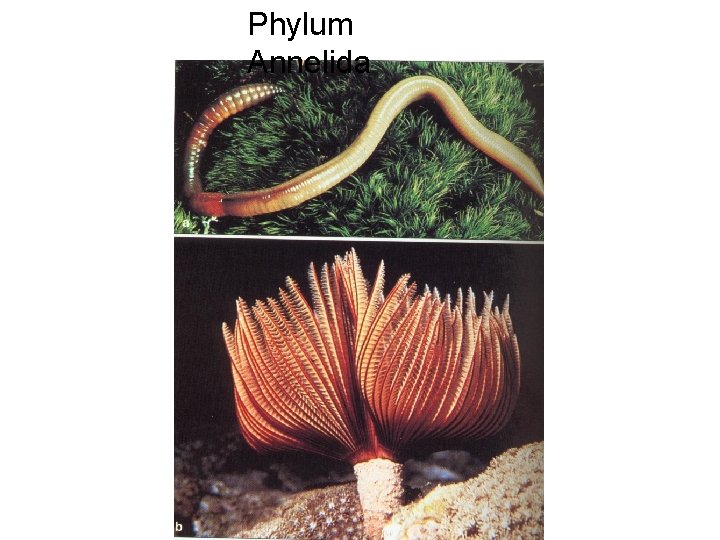
Phylum Annelida
Phylum Arthropoda - Crustaceans • Crabs, lobster, shrimp, barnacles, copepods
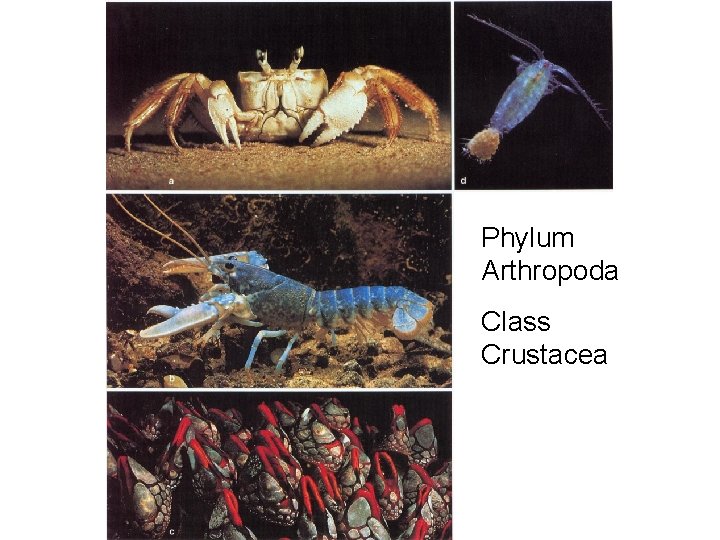
Phylum Arthropoda Class Crustacea
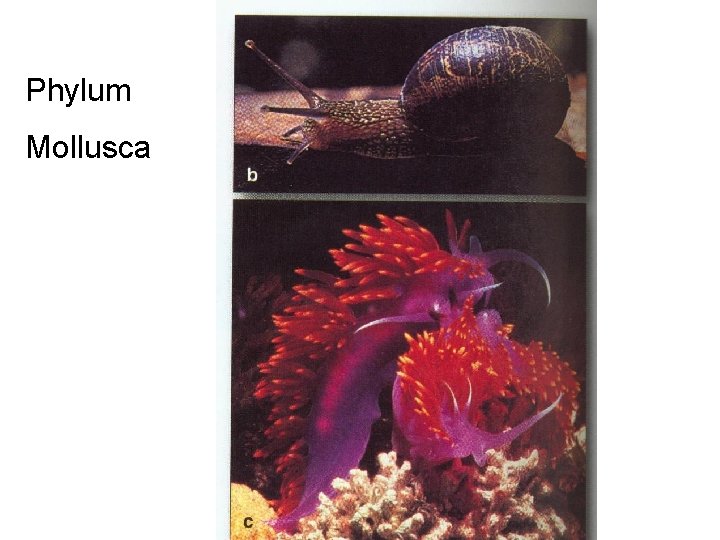
Phylum Mollusca • 3 Main groups – Gastropods - snails – Bivalves- oysters, clams, mussels – Cephalopods – octopuses, squids
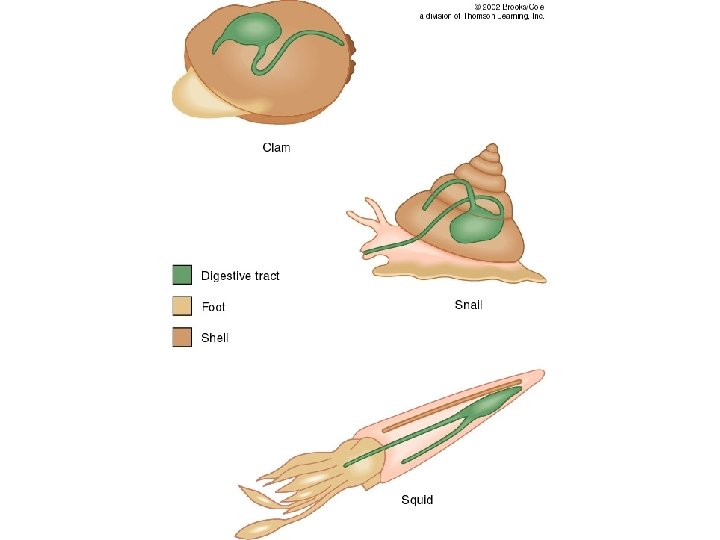
Gastropods • Spiral shells • Shell-less = sea slugs or nudibranchs • Project head and muscular foot when moving
Phylum Mollusca
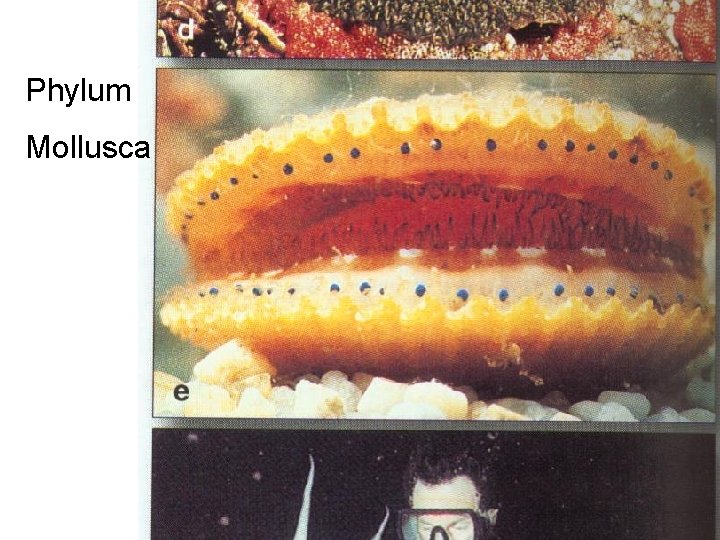
Bivalves • • Twin, hinged shells not very mobile Suspension feeders Gills for gas exchange
Phylum Mollusca
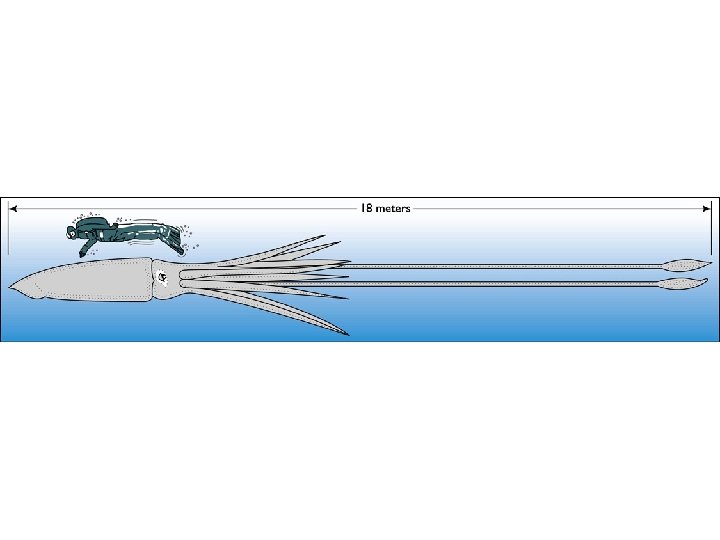
Cephalopods • • Largest of the invertebrates (59 ft squid) Foot modified into tentacles Active predators Highly evolved nervous system
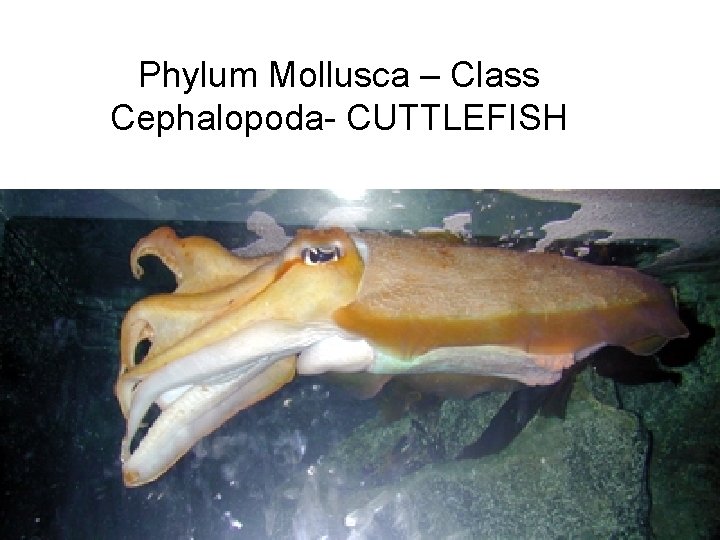
Phylum Mollusca – Class Cephalopoda- CUTTLEFISH
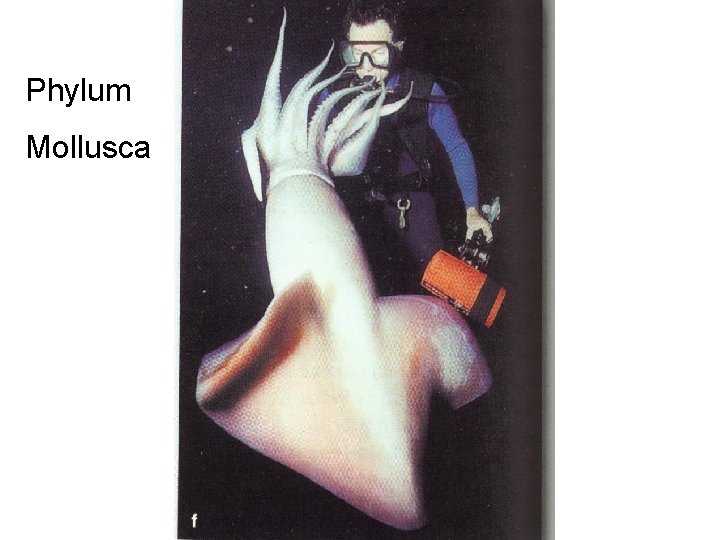
Phylum Mollusca
Phylum Echinodermata • Sea stars, sand dollars, brittle stars, sea urchins
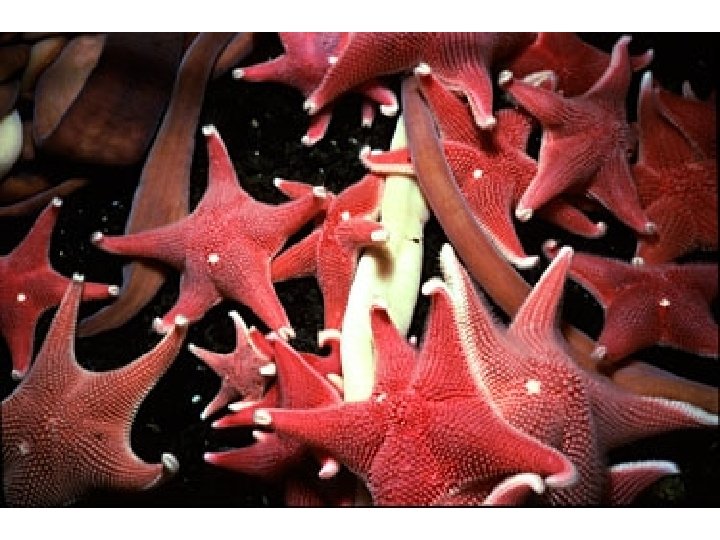
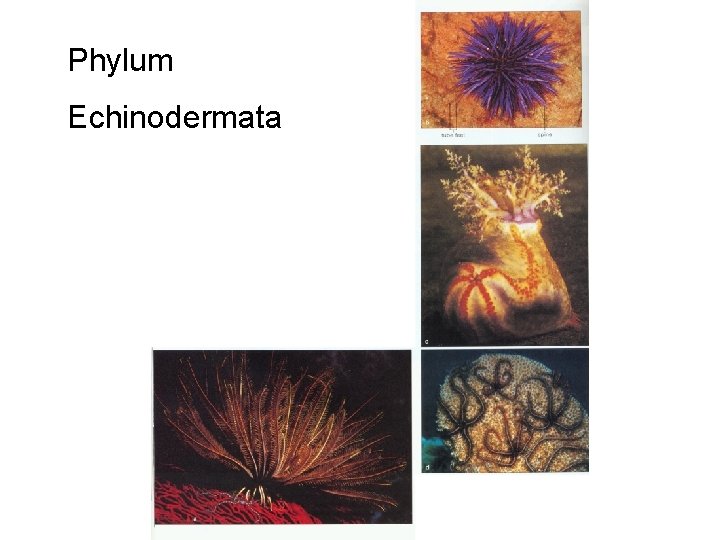
Phylum Echinodermata
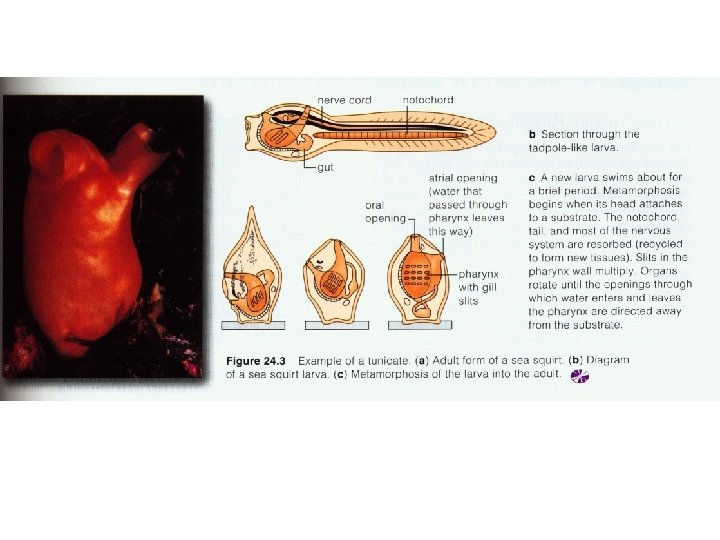
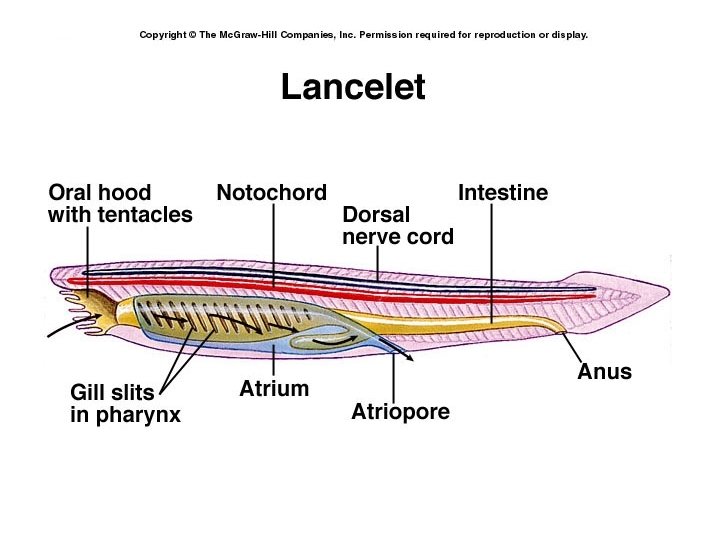
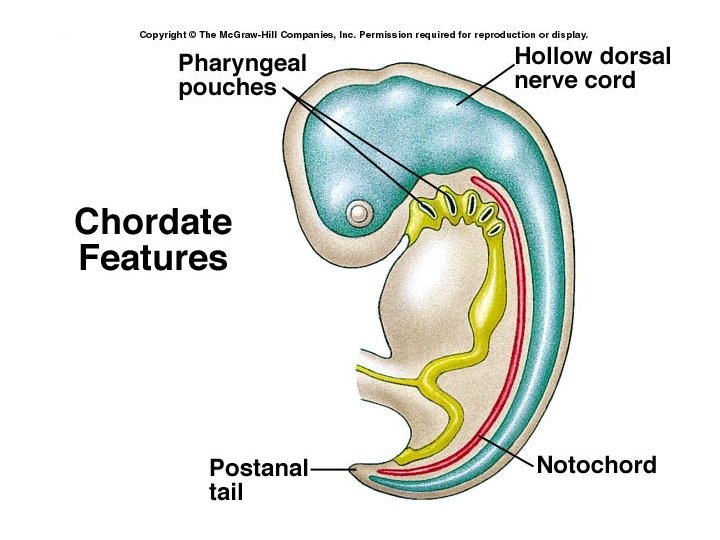
PHYLUM CHORDATA • • notochord dorsal, hollow nerve tube gill slits post anal tail
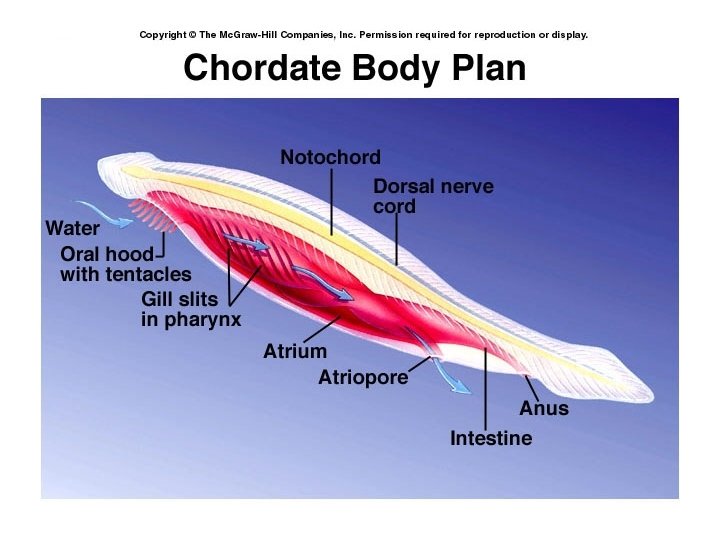
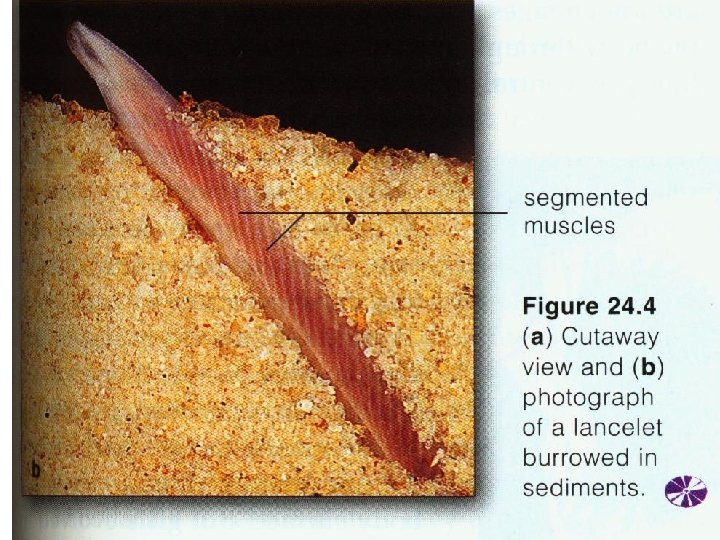
Two Invertebrate Chordates • Urochordates – sea squirts or tunicates • Cephalochordates – lancelets or amphioxus
VERTEBRATES • Possess backbones – replaces the notochord • Subphylum: VERTEBRATA (that’s us…if we were marine mammals!)
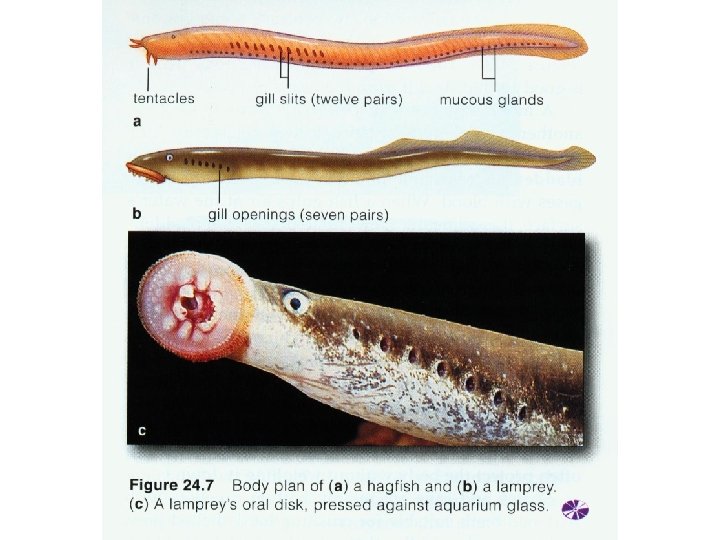
Jawless Fish – Class Agnatha • hagfish • lamprey
Cartilagenous Fish – Class Chondrichthyes • skates, rays and sharks
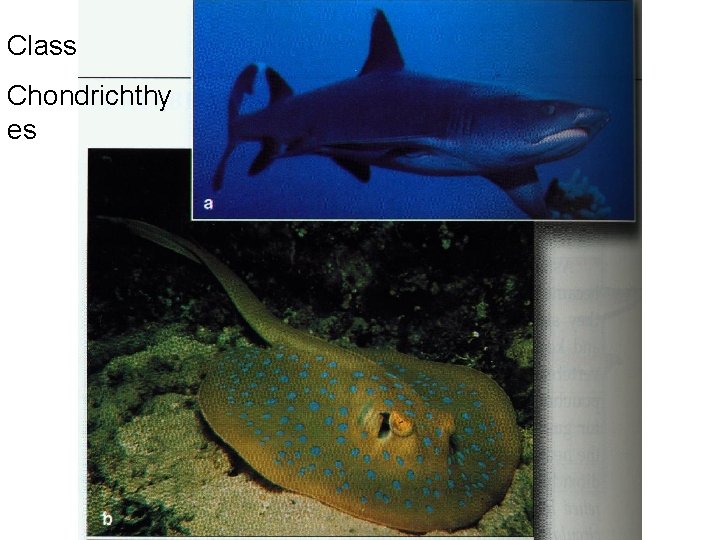
Class Chondrichthy es
Cartilagenous Fish – Class Chondrichthyes • skeletons made of tough elastic cartilage • negatively buoyant • some of the active sharks must swim to breathe
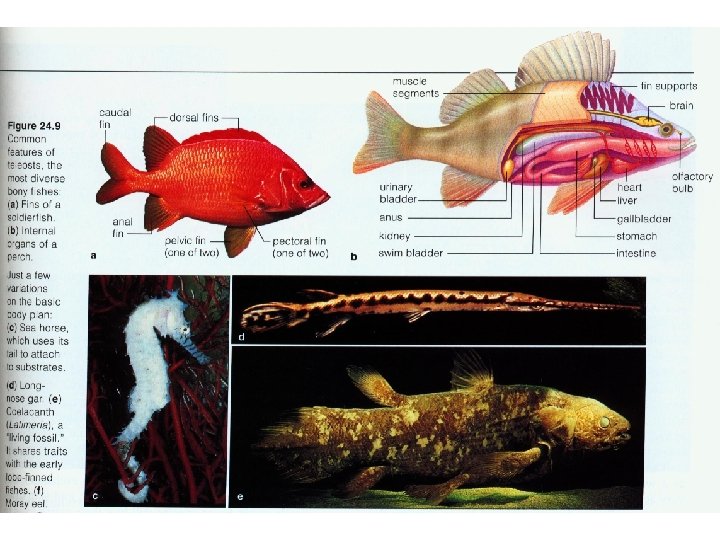
Bony Fish – Class Osteichthyes • most numerous and successful of all vertebrates
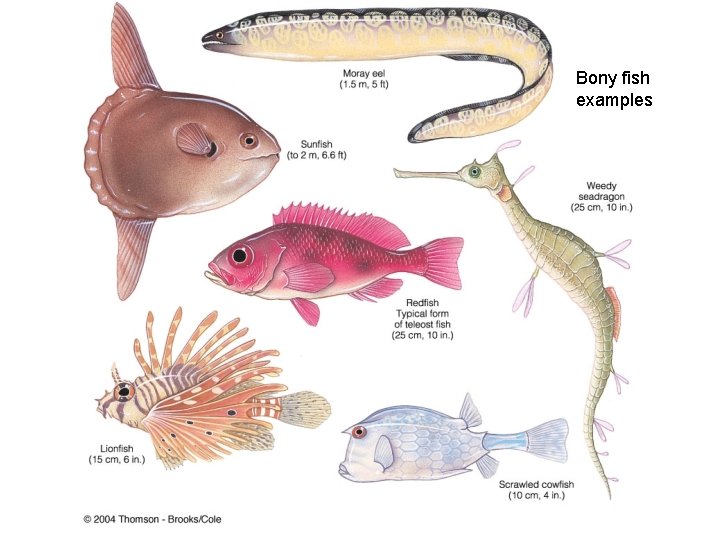
Bony fish examples
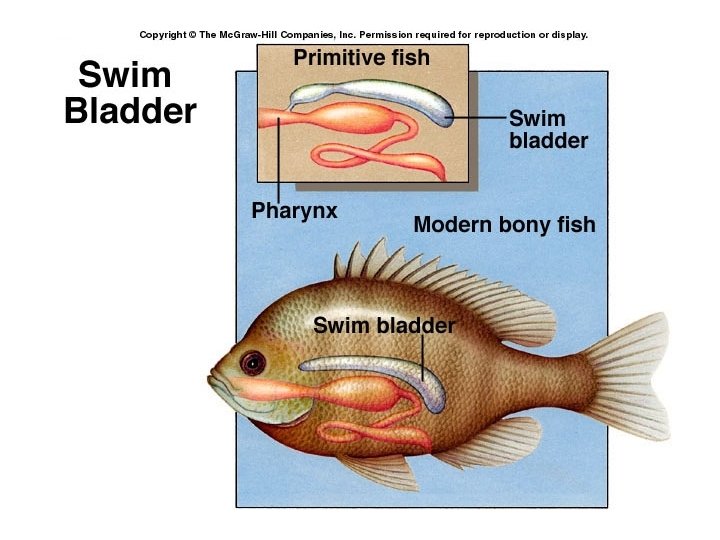
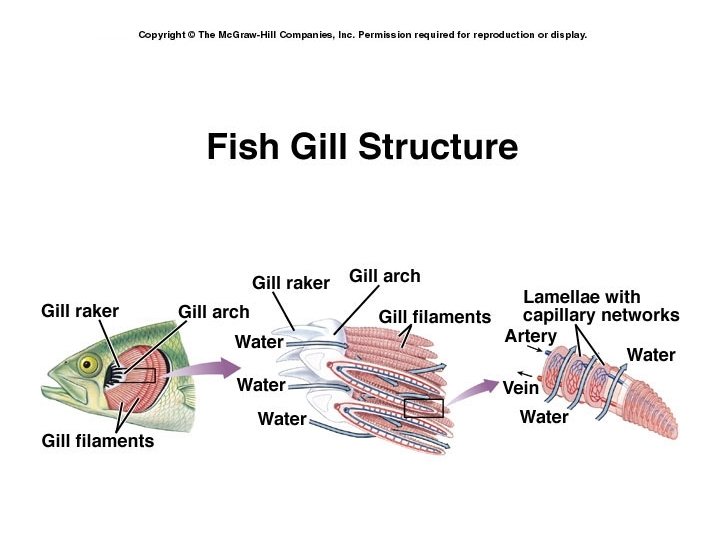
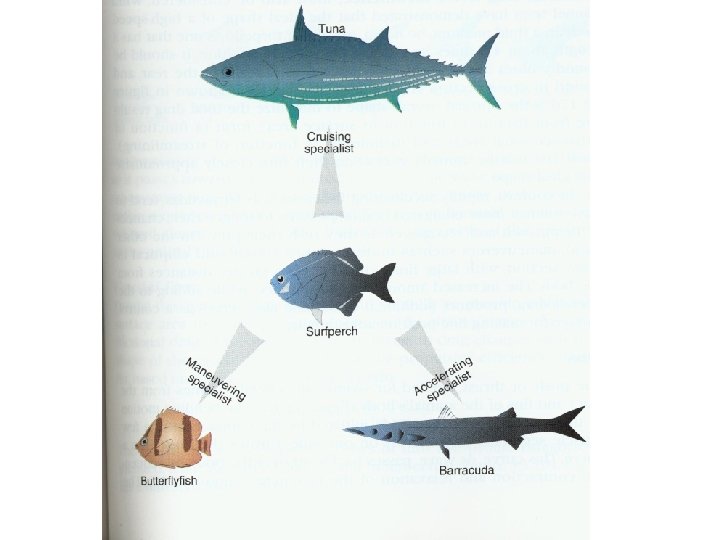
Bony Fish – Class Osteichthyes • • swim bladders countercurrent exchange operculum body shape effects the efficiency of movement
Amphibians • not found in marine environments
Marine Reptiles • Sea turtles, sea snakes, marine iguanas, marine crocodiles
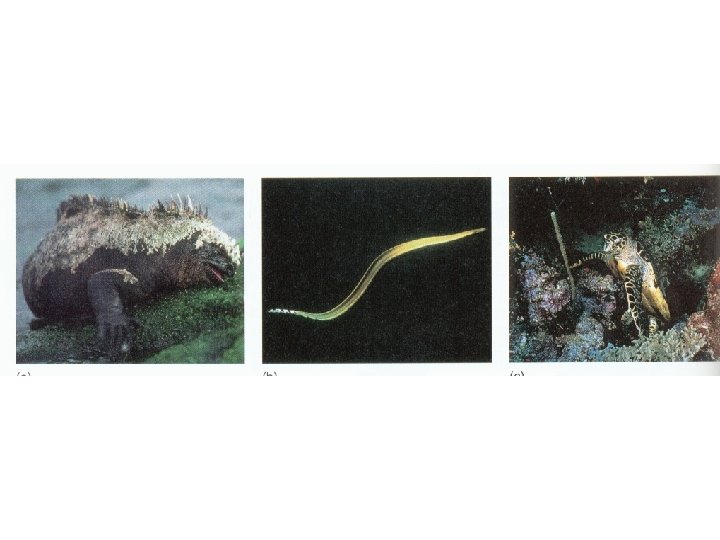
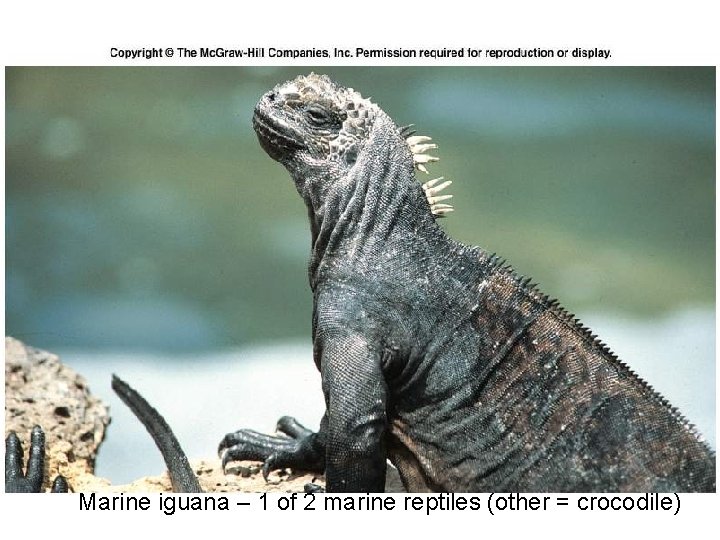
Figure 9. 05 Marine iguana – 1 of 2 marine reptiles (other = crocodile)
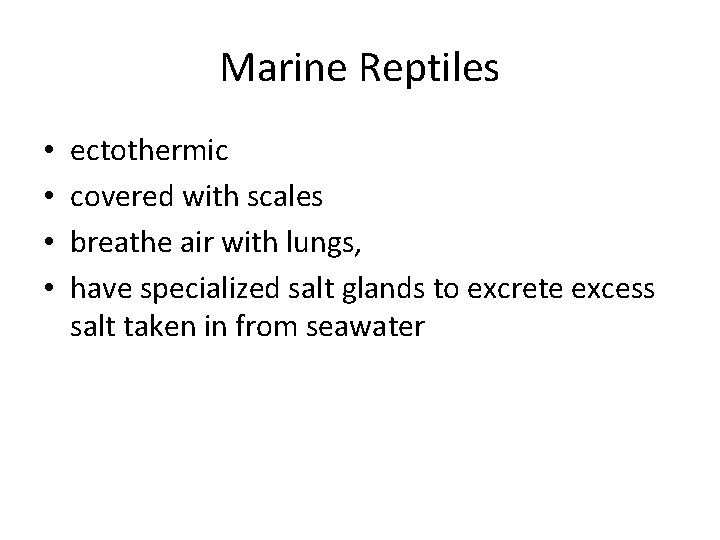
Marine Reptiles • • ectothermic covered with scales breathe air with lungs, have specialized salt glands to excrete excess salt taken in from seawater
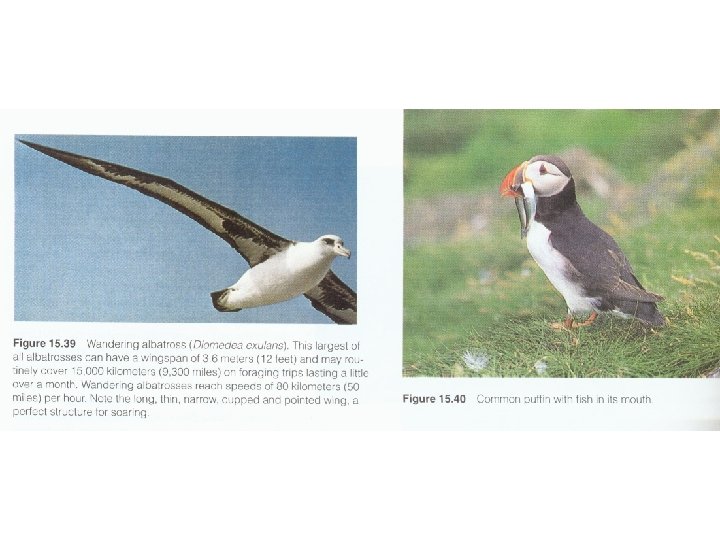
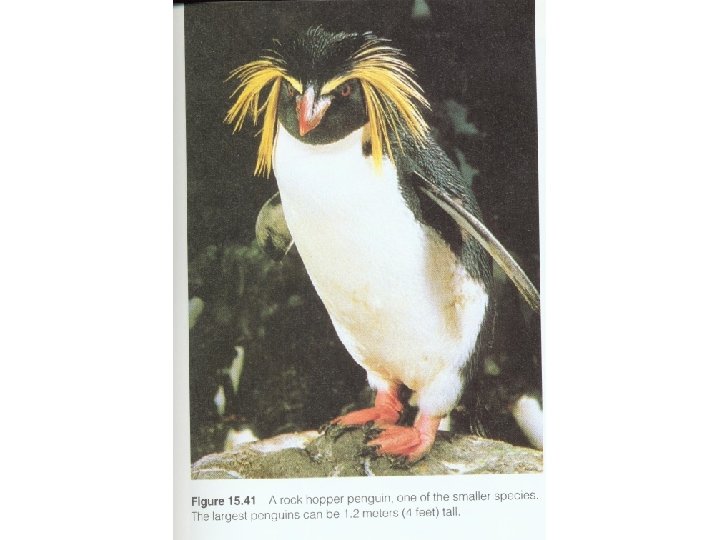
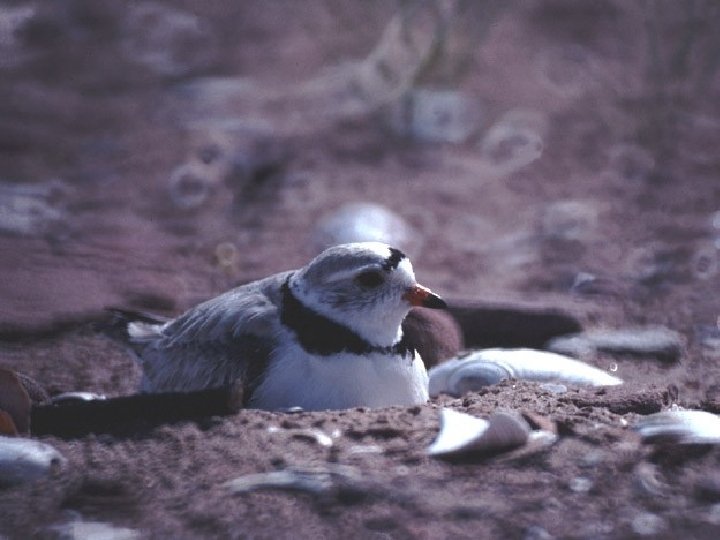
Marine Birds Class Aves • Albatrosses, pelicans, gulls, terns, puffins and penguins • are endotherms, also have salt secreting glands
Marine Mammals • • • Land-dwelling ancestors Warm-blooded Breathe air Hair/fur Bear live young Mammary glands for milk © 2011 Pearson Education, Inc.
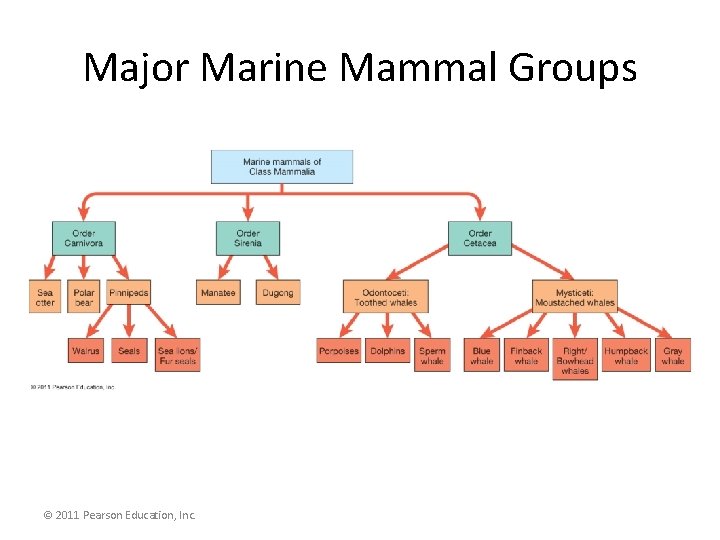
Major Marine Mammal Groups © 2011 Pearson Education, Inc.
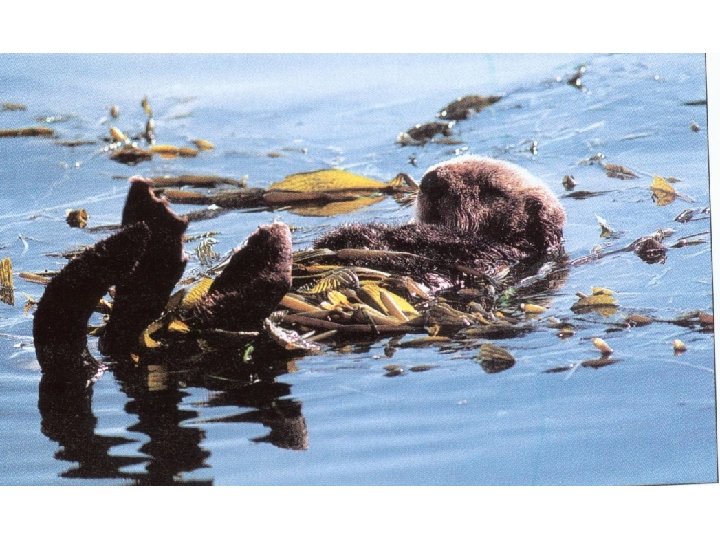
Order Carnivora • • Prominent canine teeth Sea otters Polar bears Pinnipeds – Walruses – Seals – Sea lions – Fur seals © 2011 Pearson Education, Inc.
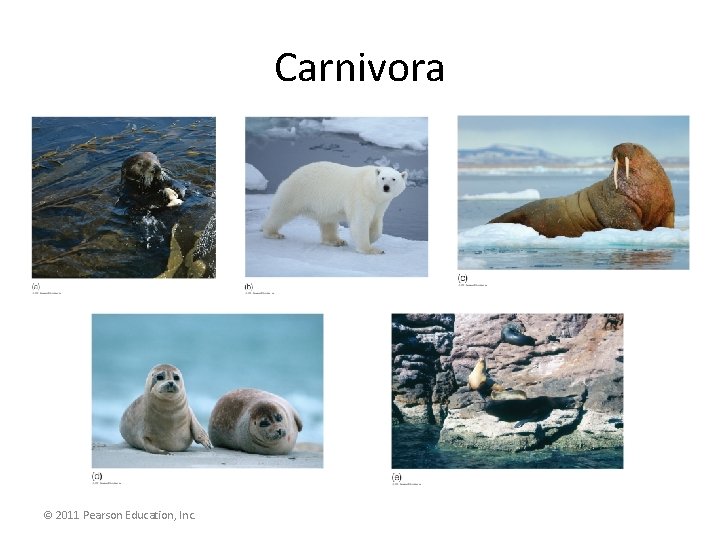
Carnivora © 2011 Pearson Education, Inc.
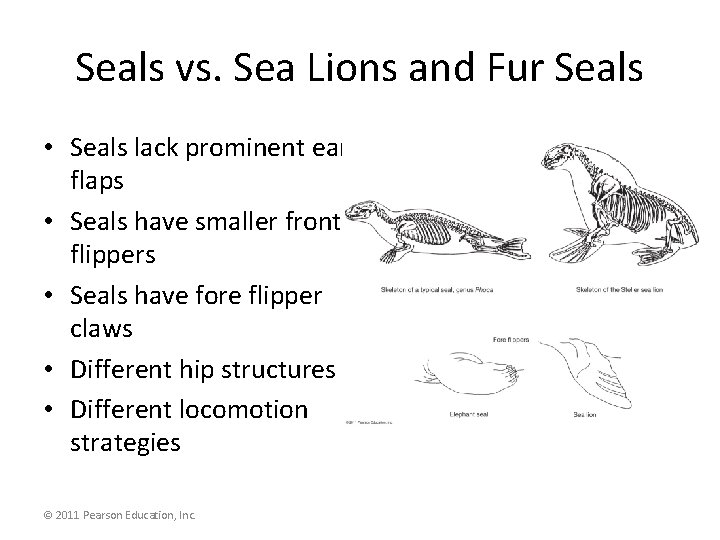
Seals vs. Sea Lions and Fur Seals • Seals lack prominent ear flaps • Seals have smaller front flippers • Seals have fore flipper claws • Different hip structures • Different locomotion strategies © 2011 Pearson Education, Inc.
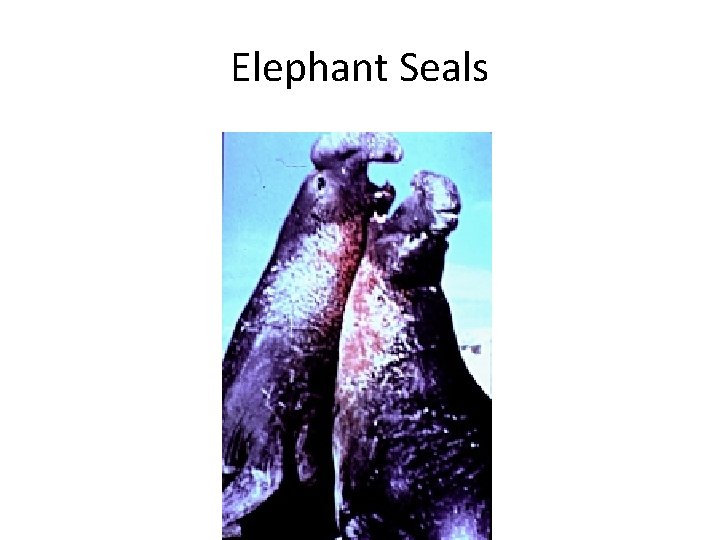
Elephant Seals
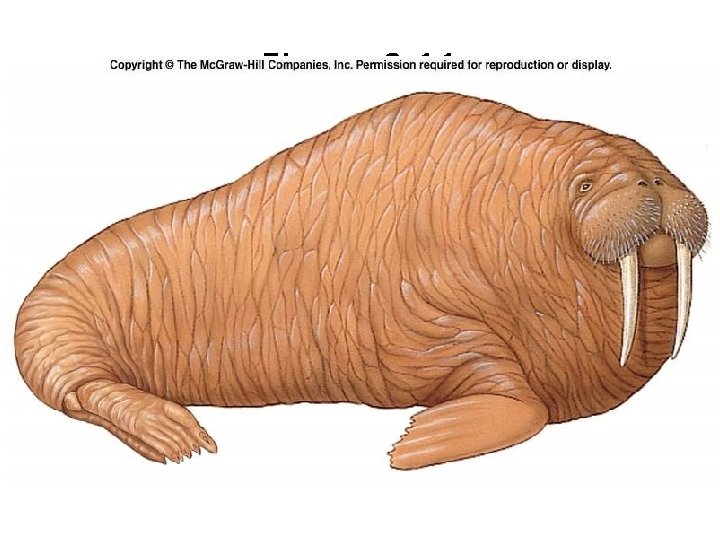
Figure 9. 11
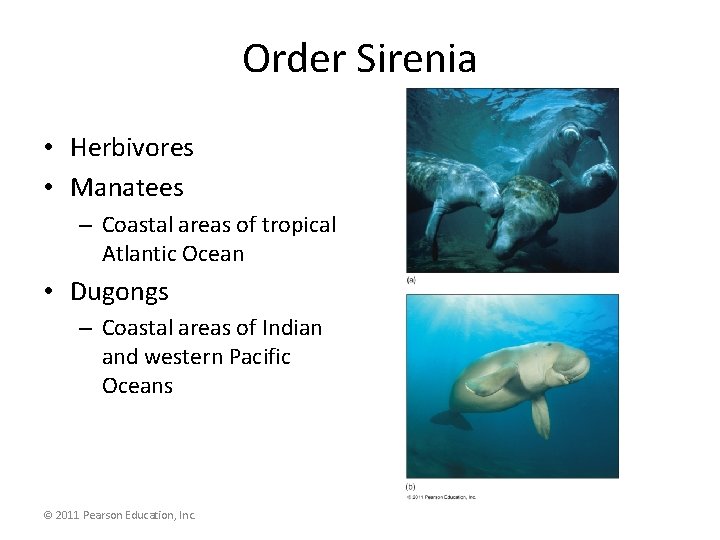
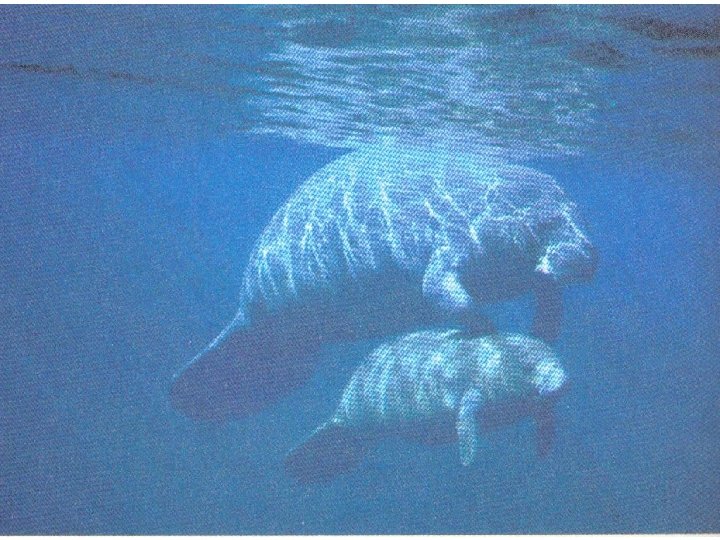
Order Sirenia • Herbivores • Manatees – Coastal areas of tropical Atlantic Ocean • Dugongs – Coastal areas of Indian and western Pacific Oceans © 2011 Pearson Education, Inc.
Order Cetacea • • • Whales, dolphins, porpoises Elongated skull Blowholes on top of skull Few hairs Fluke – horizontal tail fin for vertical propulsion © 2011 Pearson Education, Inc.
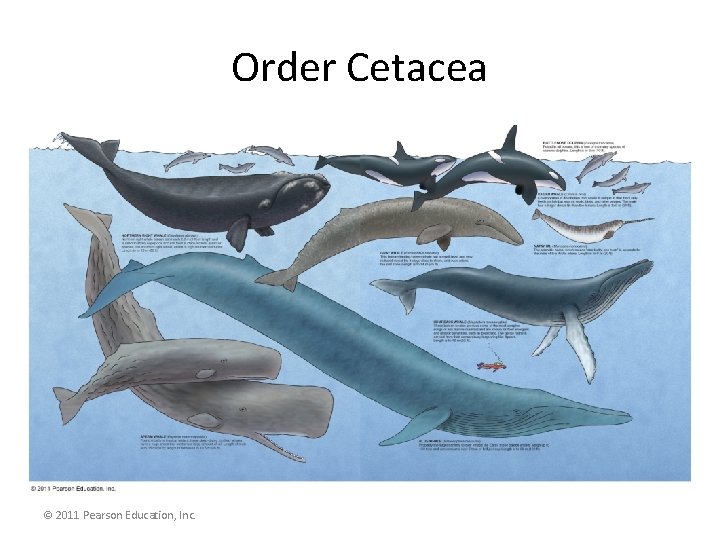
Order Cetacea © 2011 Pearson Education, Inc.
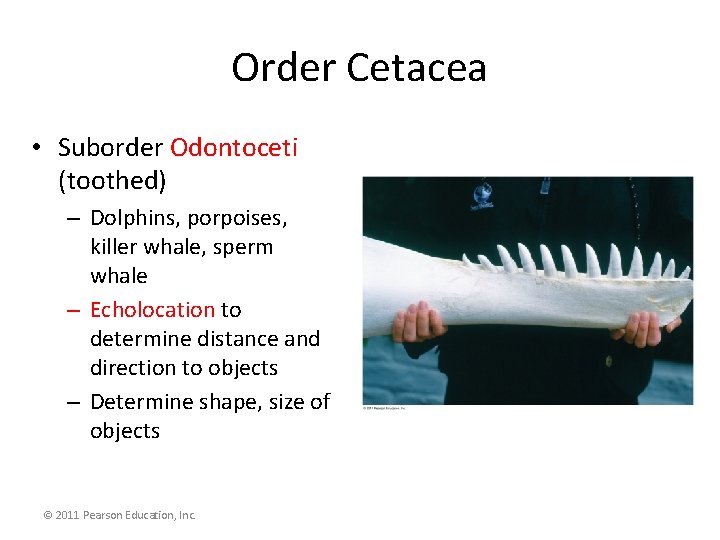
Order Cetacea • Suborder Odontoceti (toothed) – Dolphins, porpoises, killer whale, sperm whale – Echolocation to determine distance and direction to objects – Determine shape, size of objects © 2011 Pearson Education, Inc.
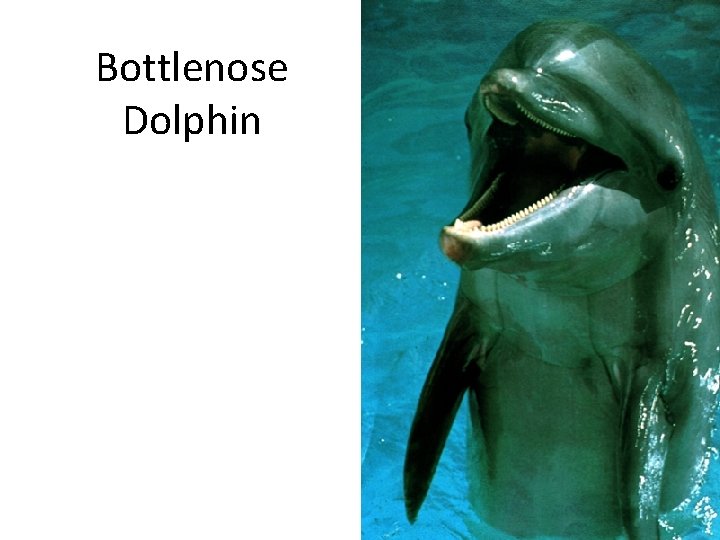
Bottlenose Dolphin
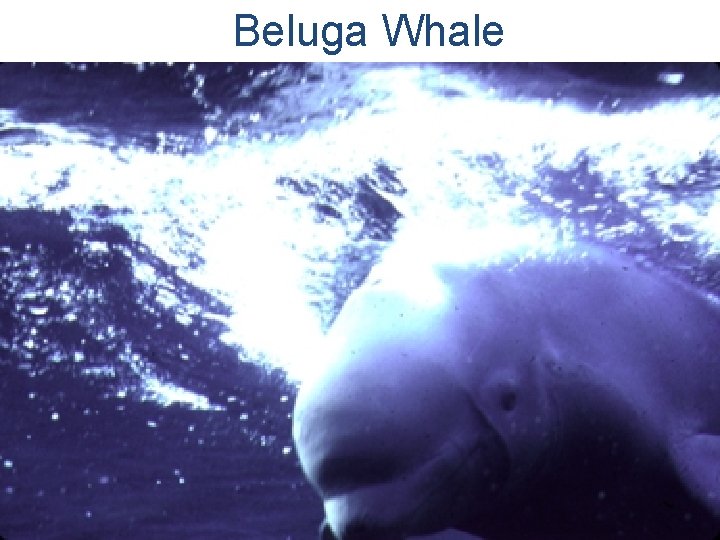
Beluga Whale
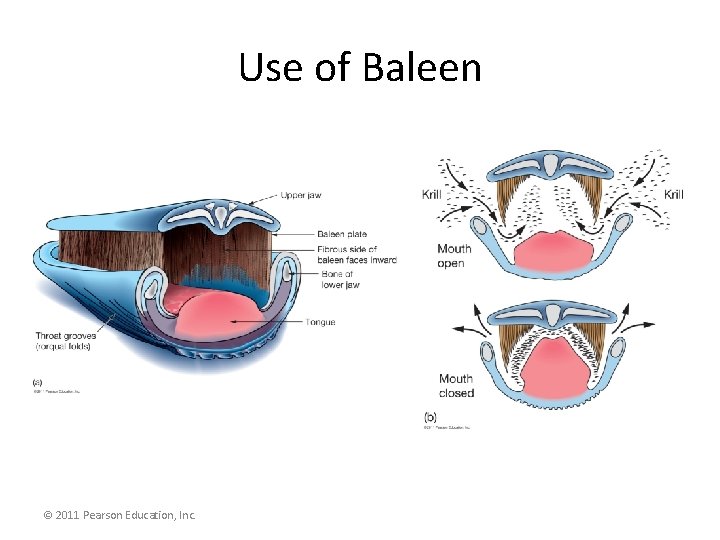
Use of Baleen © 2011 Pearson Education, Inc.
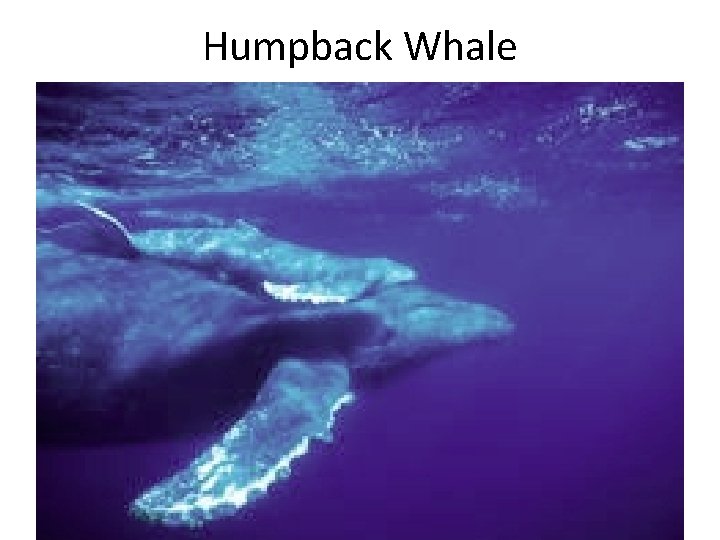
Humpback Whale
- Slides: 93