
Maria Paula Figueiroa Rego nasceu em Lisboa Portugal
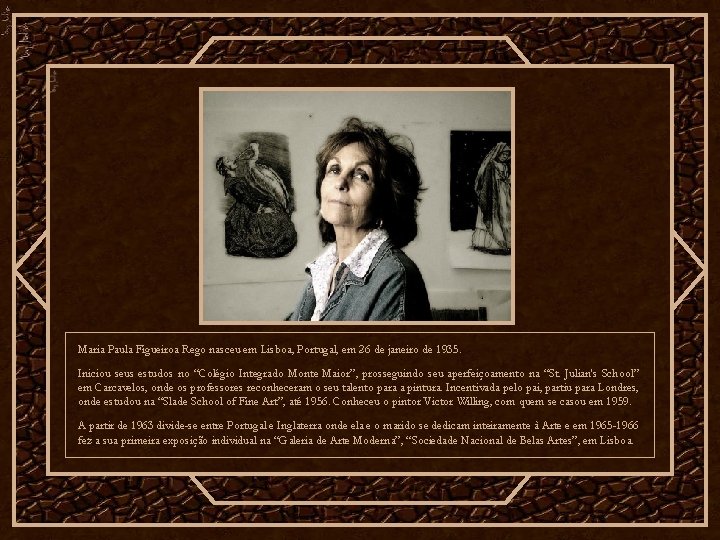
Maria Paula Figueiroa Rego nasceu em Lisboa, Portugal, em 26 de janeiro de 1935. Iniciou seus estudos no “Colégio Integrado Monte Maior”, prosseguindo seu aperfeiçoamento na “St. Julian's School” em Carcavelos, onde os professores reconheceram o seu talento para a pintura. Incentivada pelo pai, partiu para Londres, onde estudou na “Slade School of Fine Art”, até 1956. Conheceu o pintor Victor Willing, com quem se casou em 1959. A partir de 1963 divide-se entre Portugal e Inglaterra onde ela e o marido se dedicam inteiramente à Arte e em 1965 -1966 fez a sua primeira exposição individual na “Galeria de Arte Moderna”, “Sociedade Nacional de Belas Artes”, em Lisboa.
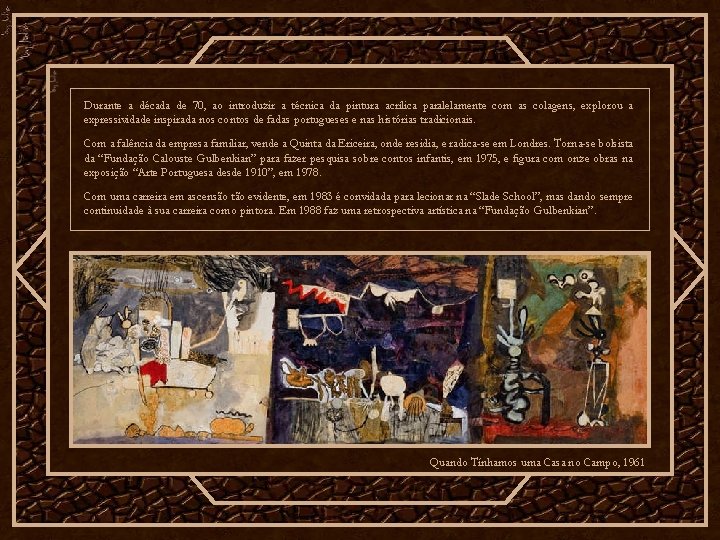
Durante a década de 70, ao introduzir a técnica da pintura acrílica paralelamente com as colagens, explorou a expressividade inspirada nos contos de fadas portugueses e nas histórias tradicionais. Com a falência da empresa familiar, vende a Quinta da Ericeira, onde residia, e radica-se em Londres. Torna-se bolsista da “Fundação Calouste Gulbenkian” para fazer pesquisa sobre contos infantis, em 1975, e figura com onze obras na exposição “Arte Portuguesa desde 1910”, em 1978. Com uma carreira em ascensão tão evidente, em 1983 é convidada para lecionar na “Slade School”, mas dando sempre continuidade à sua carreira como pintora. Em 1988 faz uma retrospectiva artística na “Fundação Gulbenkian”. Quando Tínhamos uma Casa no Campo, 1961
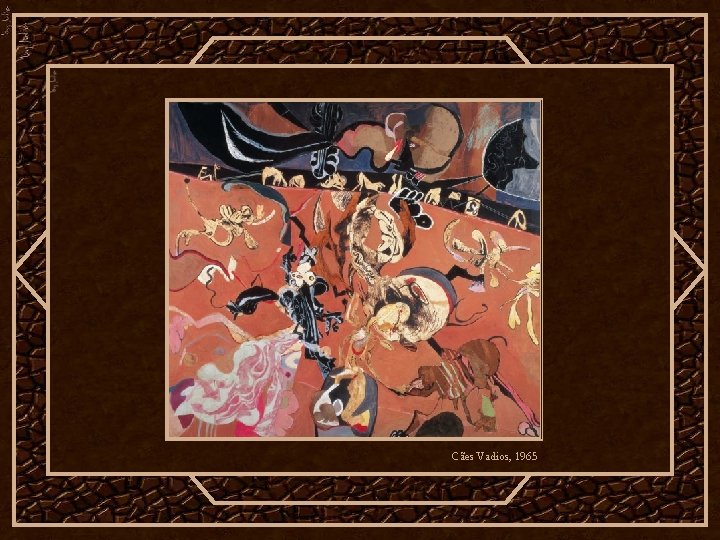
Cães Vadios, 1965
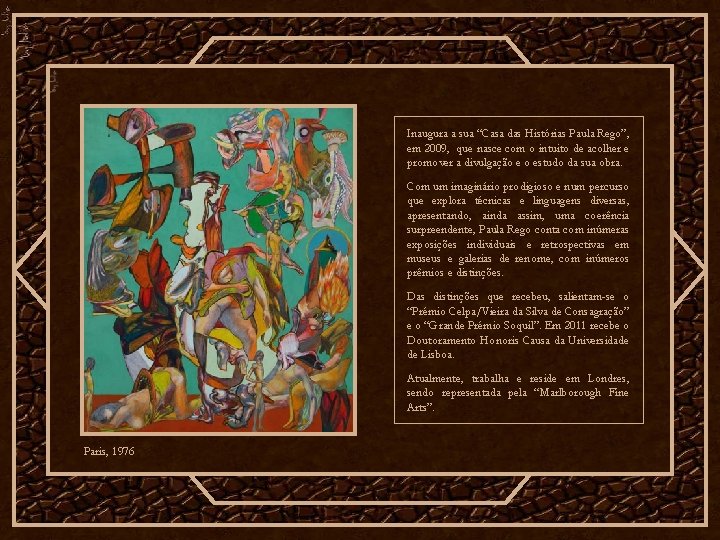
Inaugura a sua “Casa das Histórias Paula Rego”, em 2009, que nasce com o intuito de acolher e promover a divulgação e o estudo da sua obra. Com um imaginário prodigioso e num percurso que explora técnicas e linguagens diversas, apresentando, ainda assim, uma coerência surpreendente, Paula Rego conta com inúmeras exposições individuais e retrospectivas em museus e galerias de renome, com inúmeros prêmios e distinções. Das distinções que recebeu, salientam-se o “Prémio Celpa/Vieira da Silva de Consagração” e o “Grande Prémio Soquil”. Em 2011 recebe o Doutoramento Honoris Causa da Universidade de Lisboa. Atualmente, trabalha e reside em Londres, sendo representada pela “Marlborough Fine Arts”. Paris, 1976
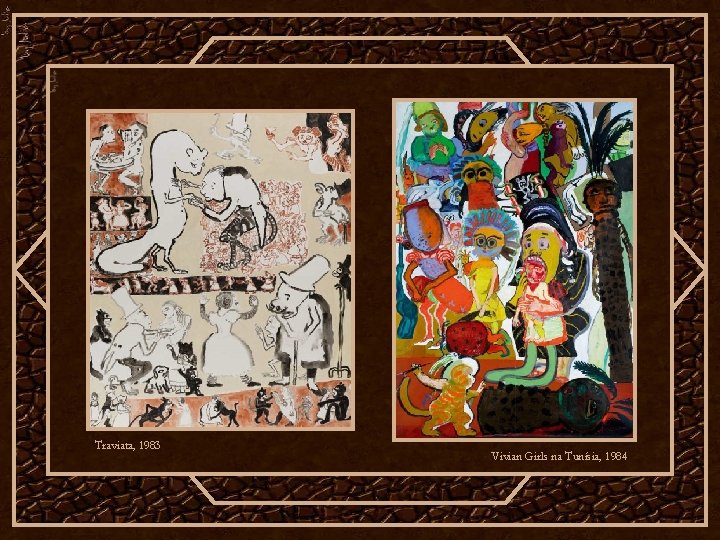
Traviata, 1983 Vivian Girls na Tunísia, 1984
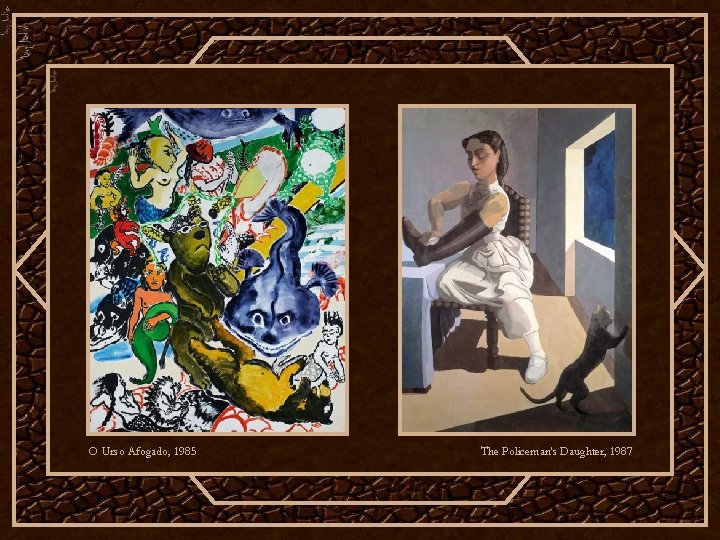
O Urso Afogado, 1985 The Policeman's Daughter, 1987
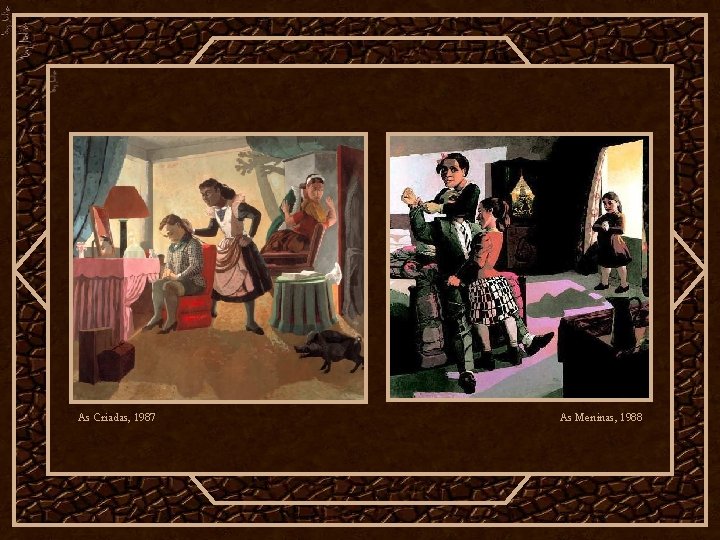
As Criadas, 1987 As Meninas, 1988
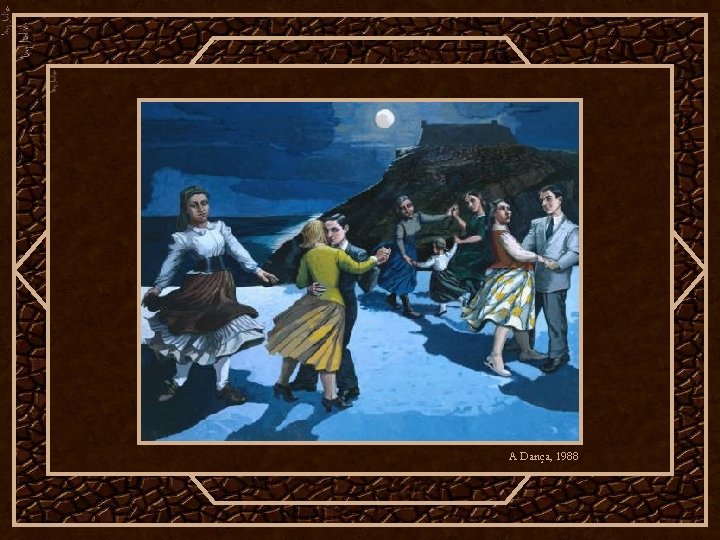
A Dança, 1988
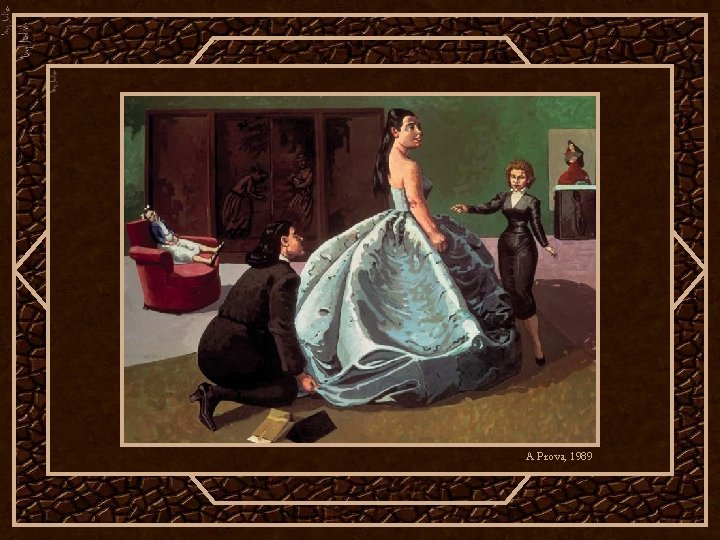
A Prova, 1989
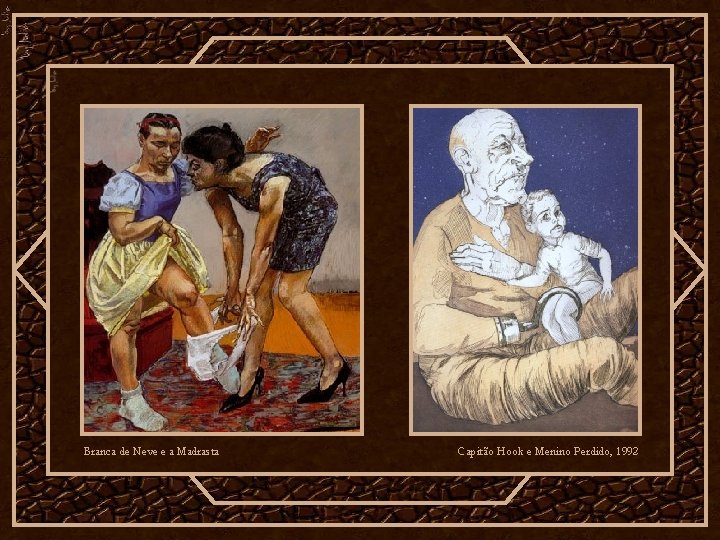
Branca de Neve e a Madrasta Capitão Hook e Menino Perdido, 1992
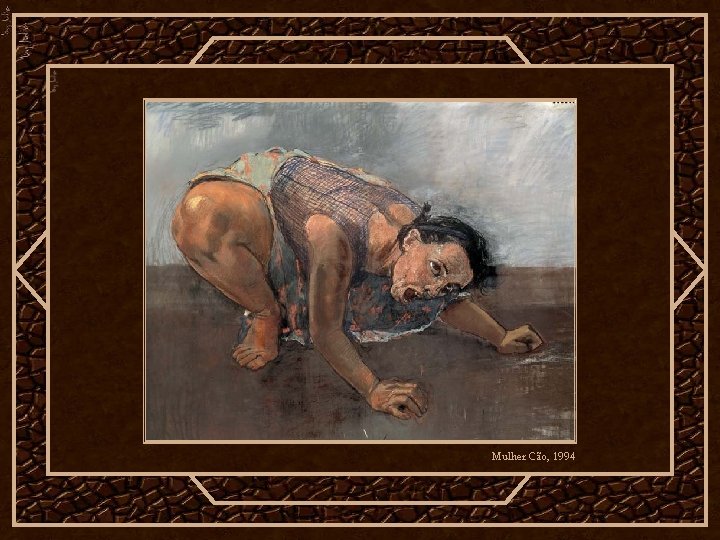
Mulher Cão, 1994
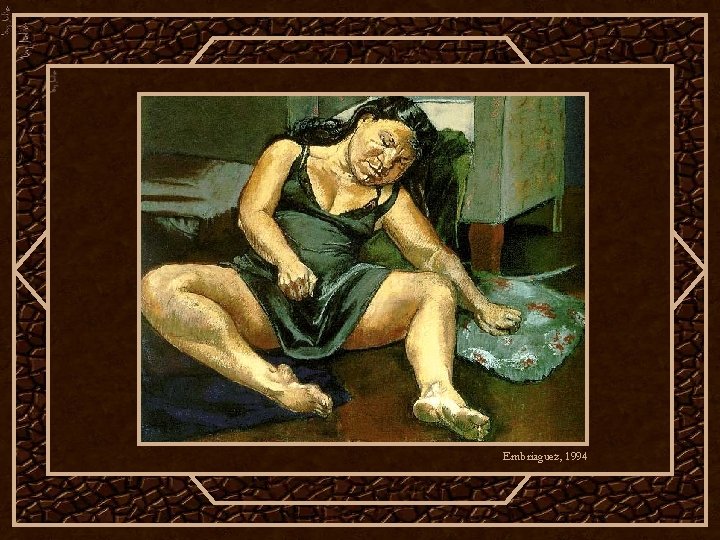
Embriaguez, 1994
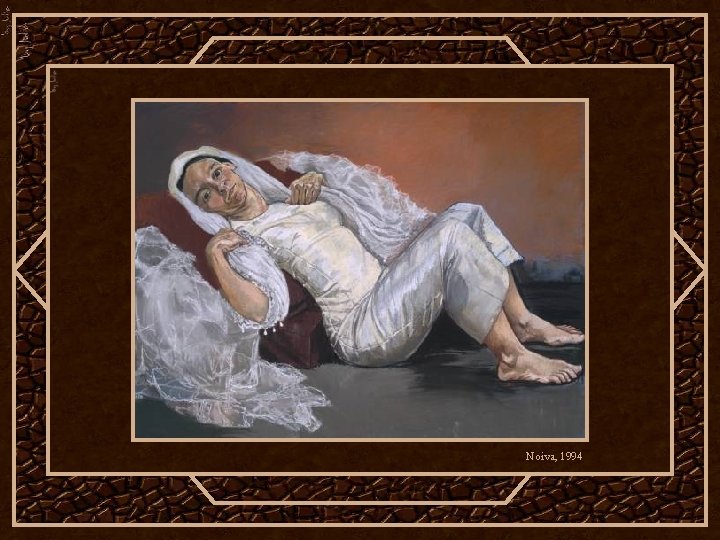
Noiva, 1994
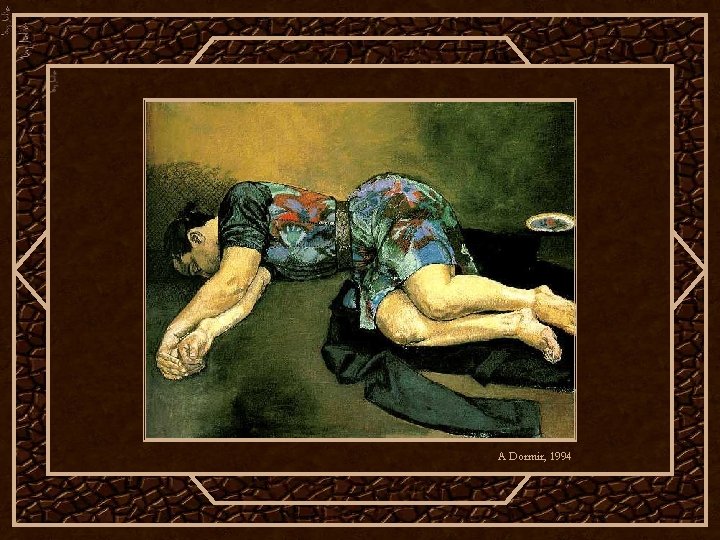
A Dormir, 1994
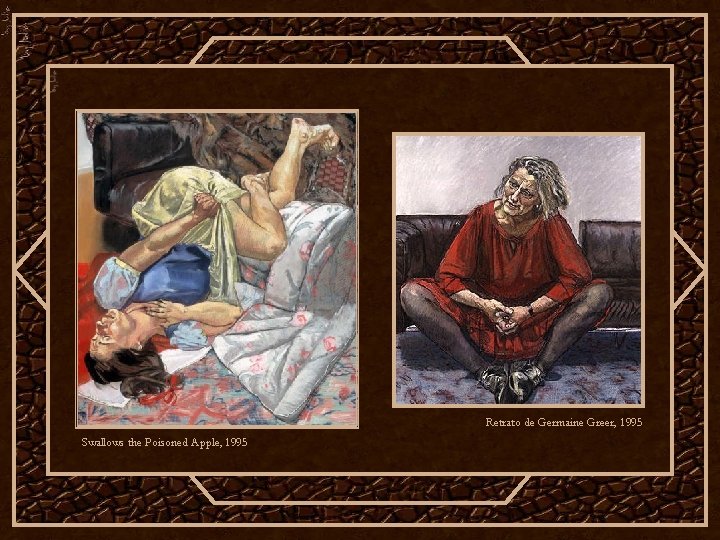
Retrato de Germaine Greer, 1995 Swallows the Poisoned Apple, 1995
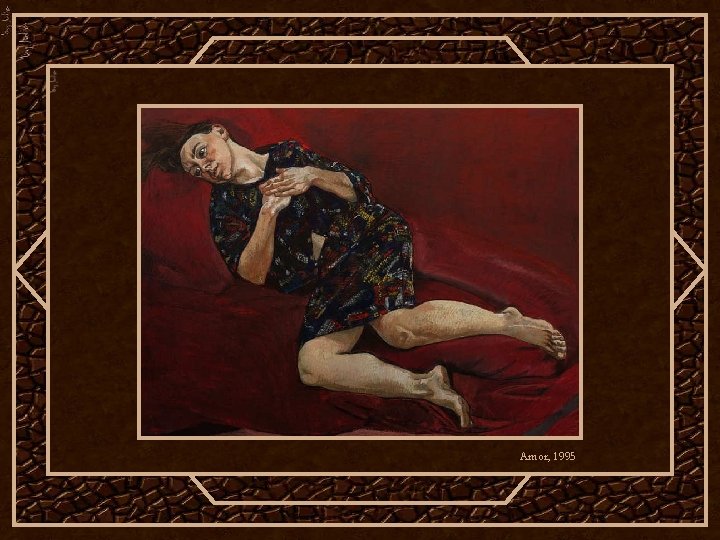
Amor, 1995
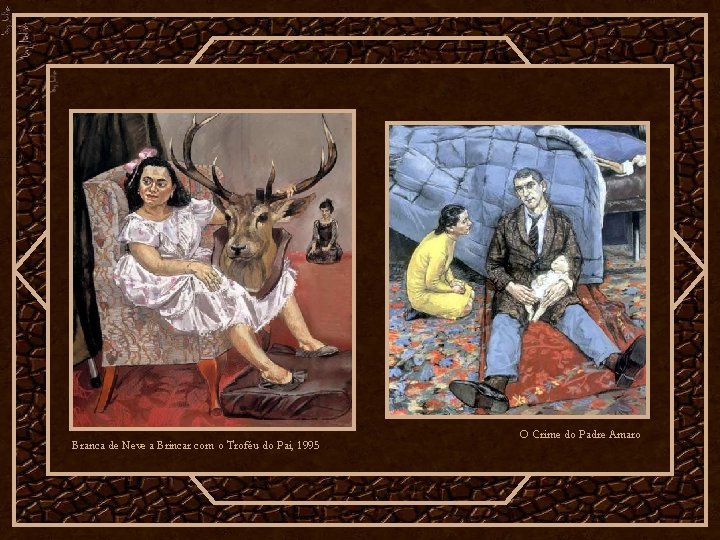
Branca de Neve a Brincar com o Troféu do Pai, 1995 O Crime do Padre Amaro
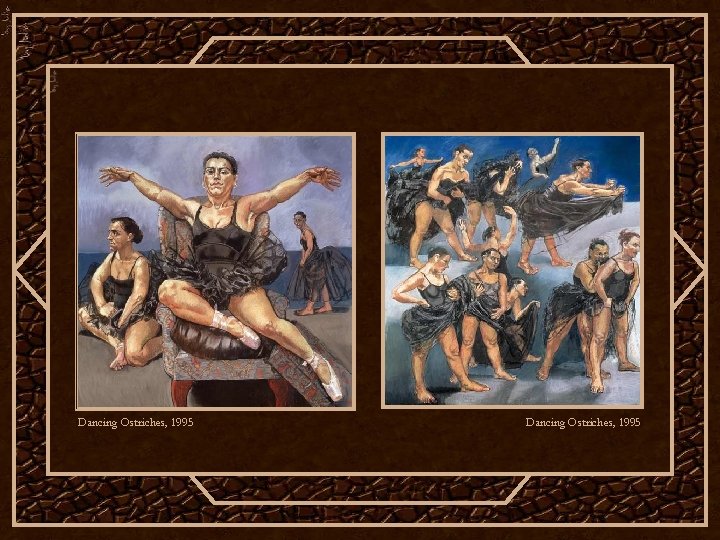
Dancing Ostriches, 1995
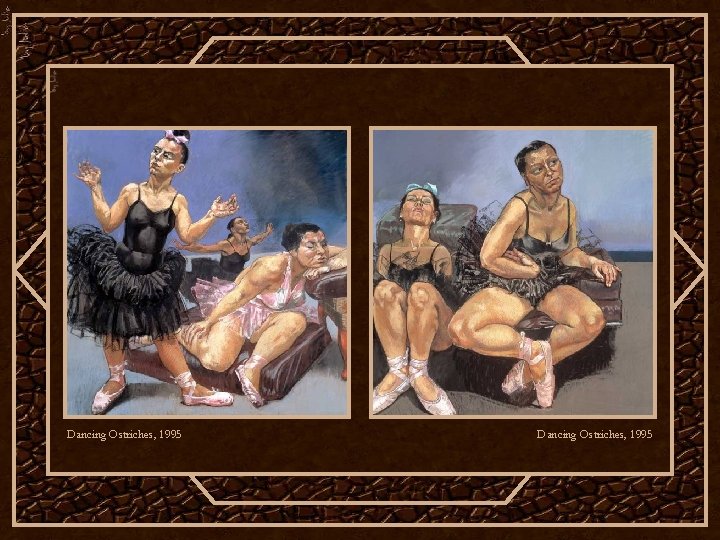
Dancing Ostriches, 1995
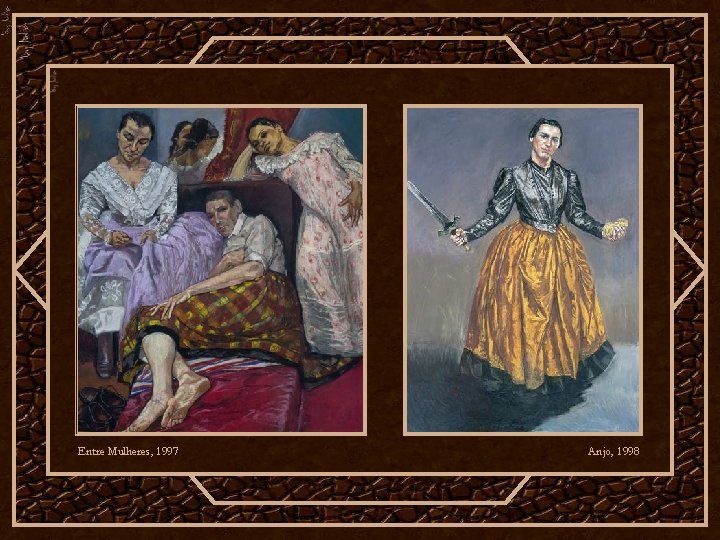
Entre Mulheres, 1997 Anjo, 1998
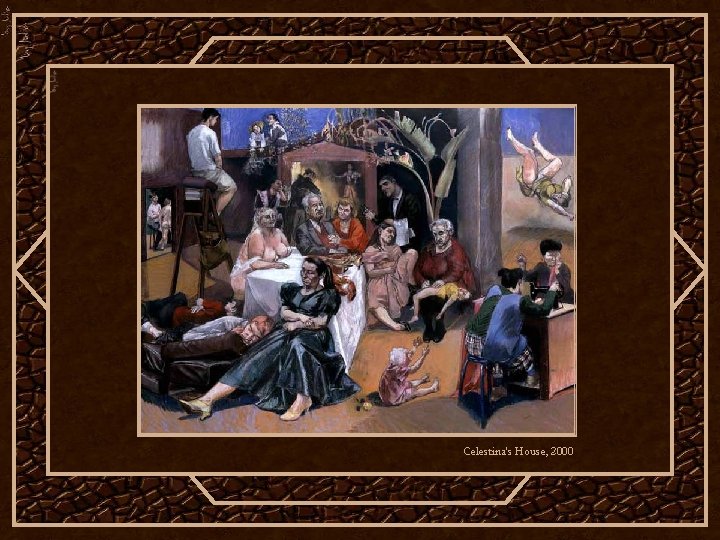
Celestina's House, 2000
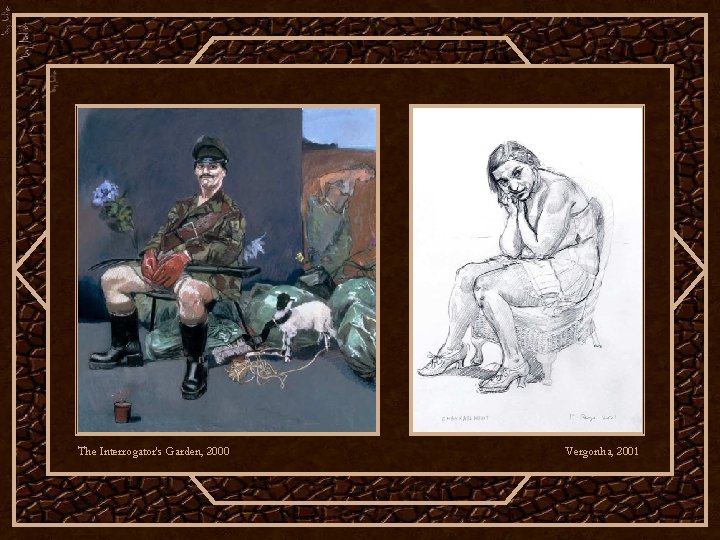
The Interrogator's Garden, 2000 Vergonha, 2001
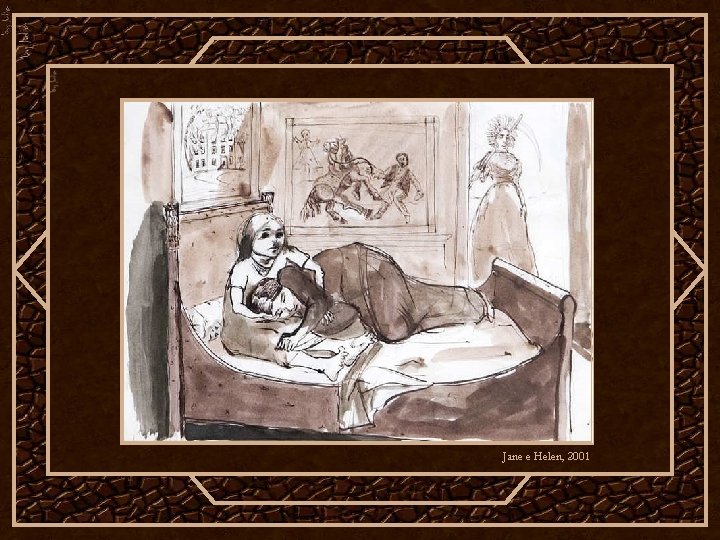
Jane e Helen, 2001
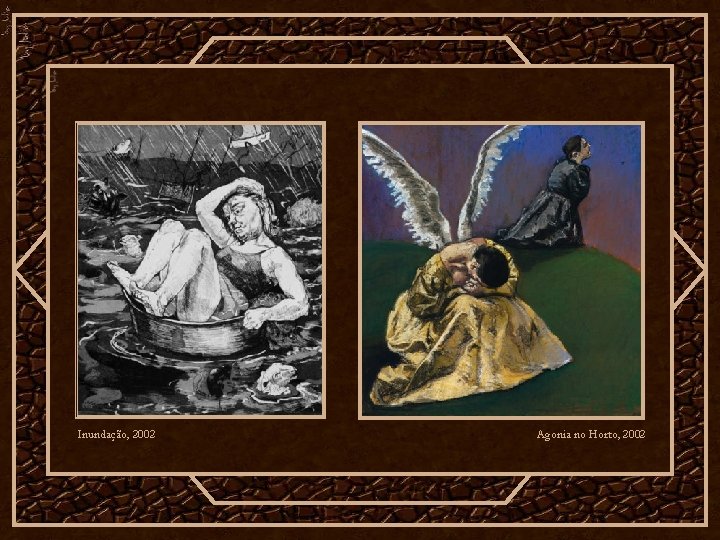
Inundação, 2002 Agonia no Horto, 2002
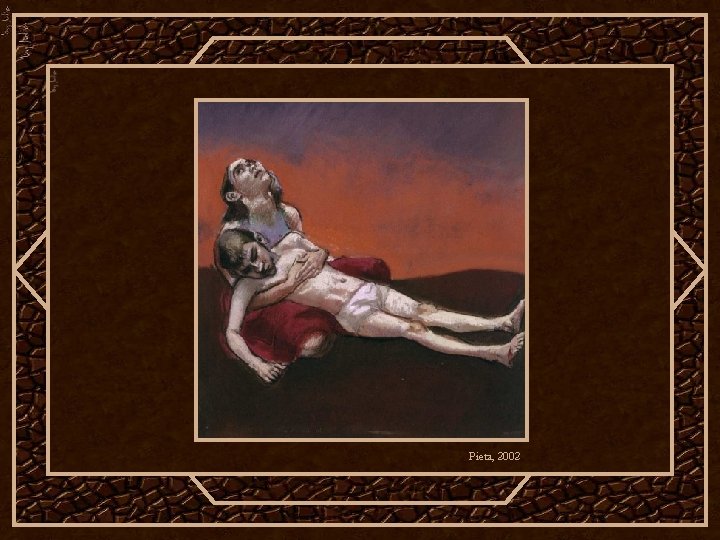
Pieta, 2002
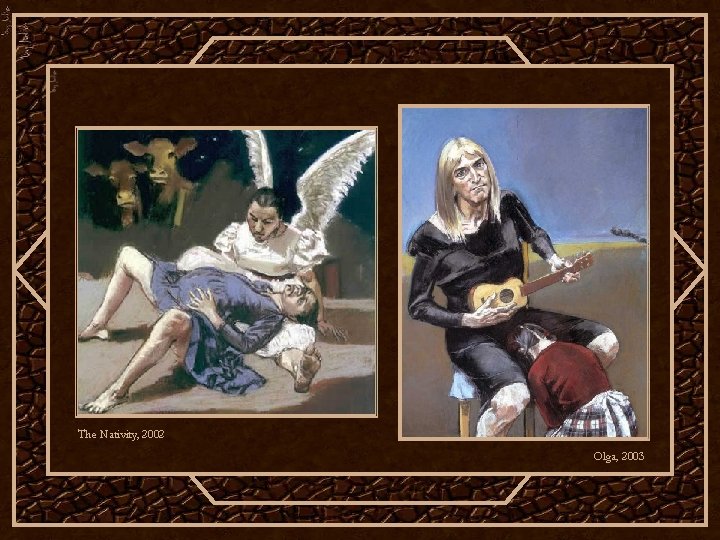
The Nativity, 2002 Olga, 2003
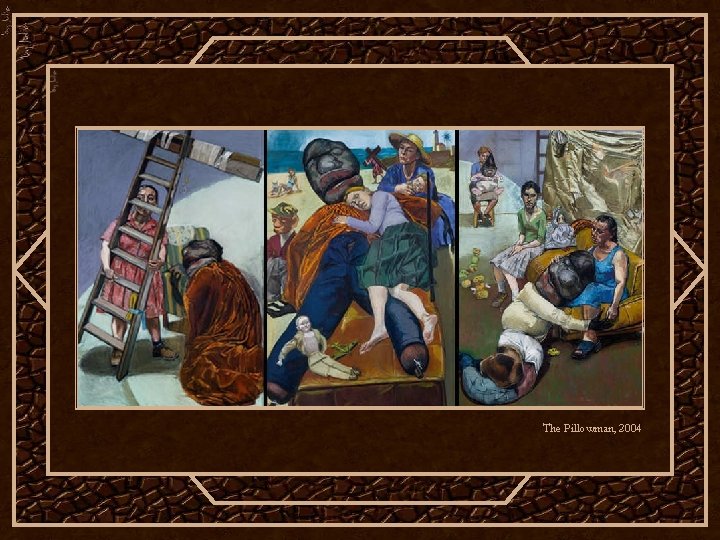
The Pillowman, 2004
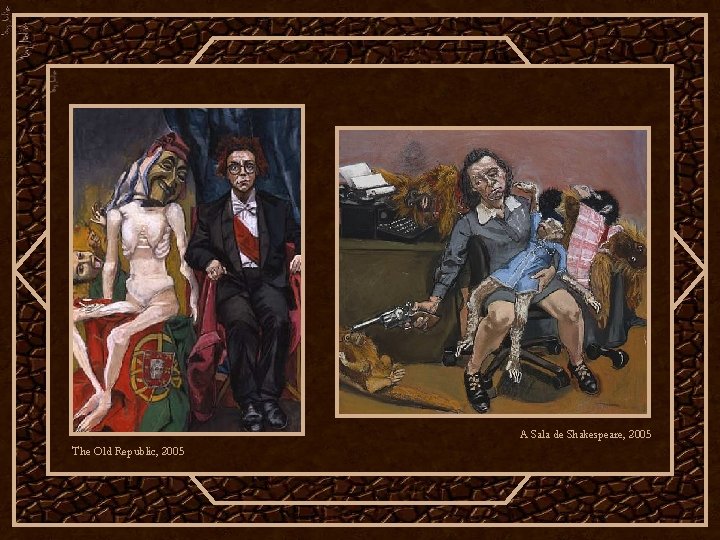
A Sala de Shakespeare, 2005 The Old Republic, 2005
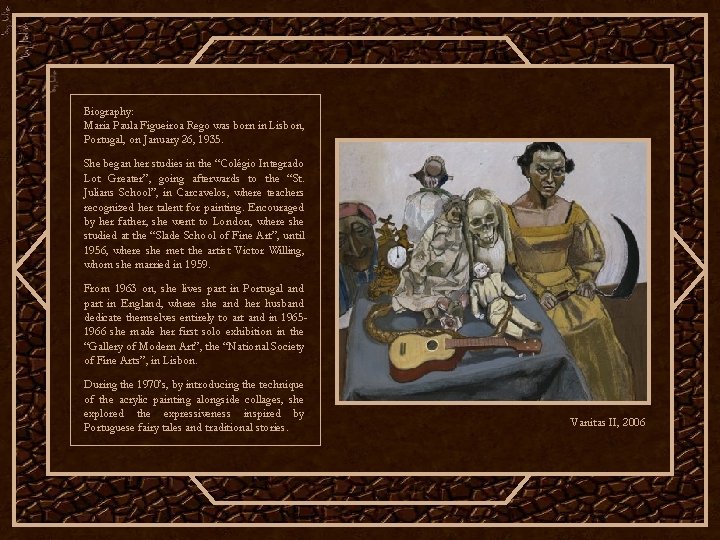
Biography: Maria Paula Figueiroa Rego was born in Lisbon, Portugal, on January 26, 1935. She began her studies in the “Colégio Integrado Lot Greater”, going afterwards to the “St. Julians School”, in Carcavelos, where teachers recognized her talent for painting. Encouraged by her father, she went to London, where she studied at the “Slade School of Fine Art”, until 1956, where she met the artist Victor Willing, whom she married in 1959. From 1963 on, she lives part in Portugal and part in England, where she and her husband dedicate themselves entirely to art and in 19651966 she made her first solo exhibition in the “Gallery of Modern Art”, the “National Society of Fine Arts”, in Lisbon. During the 1970’s, by introducing the technique of the acrylic painting alongside collages, she explored the expressiveness inspired by Portuguese fairy tales and traditional stories. Vanitas II, 2006
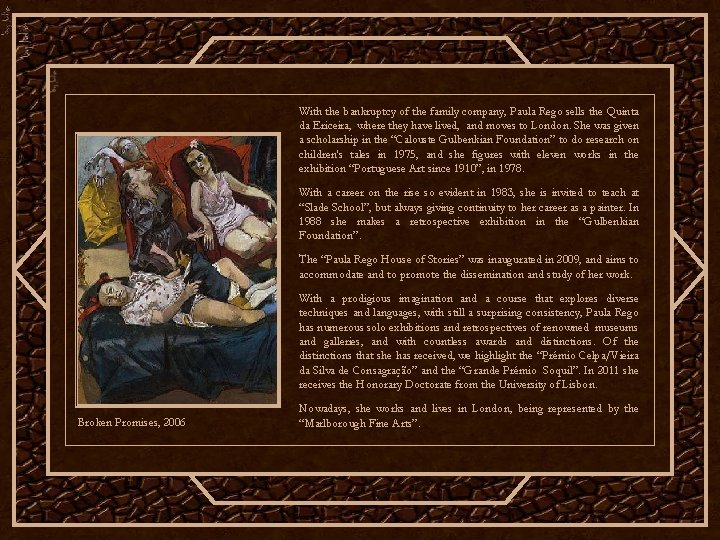
With the bankruptcy of the family company, Paula Rego sells the Quinta da Ericeira, where they have lived, and moves to London. She was given a scholarship in the “Calouste Gulbenkian Foundation” to do research on children's tales in 1975, and she figures with eleven works in the exhibition “Portuguese Art since 1910”, in 1978. With a career on the rise so evident in 1983, she is invited to teach at “Slade School”, but always giving continuity to her career as a painter. In 1988 she makes a retrospective exhibition in the “Gulbenkian Foundation”. The “Paula Rego House of Stories” was inaugurated in 2009, and aims to accommodate and to promote the dissemination and study of her work. With a prodigious imagination and a course that explores diverse techniques and languages, with still a surprising consistency, Paula Rego has numerous solo exhibitions and retrospectives of renowned museums and galleries, and with countless awards and distinctions. Of the distinctions that she has received, we highlight the “Prémio Celpa/Vieira da Silva de Consagração” and the “Grande Prémio Soquil”. In 2011 she receives the Honorary Doctorate from the University of Lisbon. Broken Promises, 2006 Nowadays, she works and lives in London, being represented by the “Marlborough Fine Arts”.
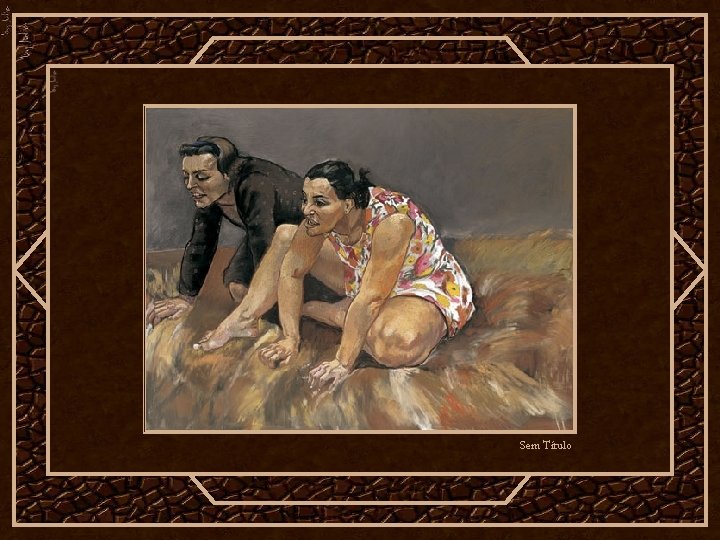
Sem Título
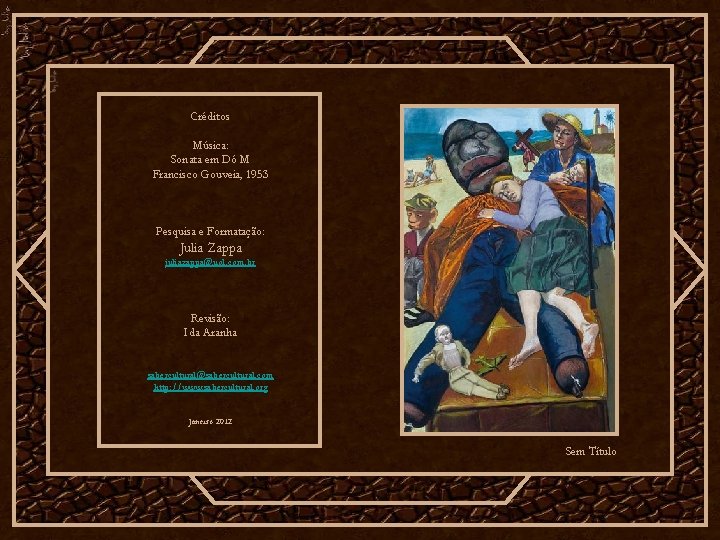
Créditos Música: Sonata em Dó M Francisco Gouveia, 1953 Pesquisa e Formatação: Julia Zappa juliazappa@uol. com. br Revisão: Ida Aranha sabercultural@sabercultural. com http: //www. sabercultural. org Janeiro 2012 Sem Título
Fontes: http: //pt. wikipedia. org/wiki/Paula_Rego http: //www. arlindo-correia. com/060901. html http: //www. casadashistoriaspaularego. com/pt/ http: //www. saatchi-gallery. co. uk/artists/paula_rego. htm http: //cinderela 71. blogspot. com/2008_10_01_archive. html http: //www. enciclopedia. com. pt/articles. php? article_id=1140 http: //www. casadashistoriaspaularego. com/pt/paula-rego-e-victor-willing/biografia. aspx
- Slides: 34