
Marc Pfister ILLUSTRATORAUTHOR 1960 present Marcus Pfister Born
Marc Pfister ILLUSTRATOR/AUTHOR 1960 -present
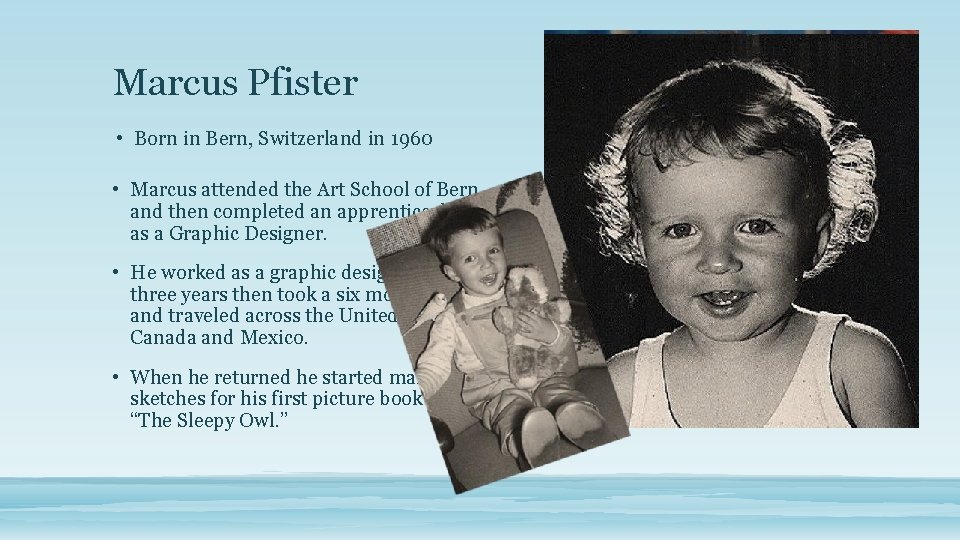
Marcus Pfister • Born in Bern, Switzerland in 1960 • Marcus attended the Art School of Bern and then completed an apprenticeship as a Graphic Designer. • He worked as a graphic designer for three years then took a six month break and traveled across the United States, Canada and Mexico. • When he returned he started making sketches for his first picture book idea, “The Sleepy Owl. ”
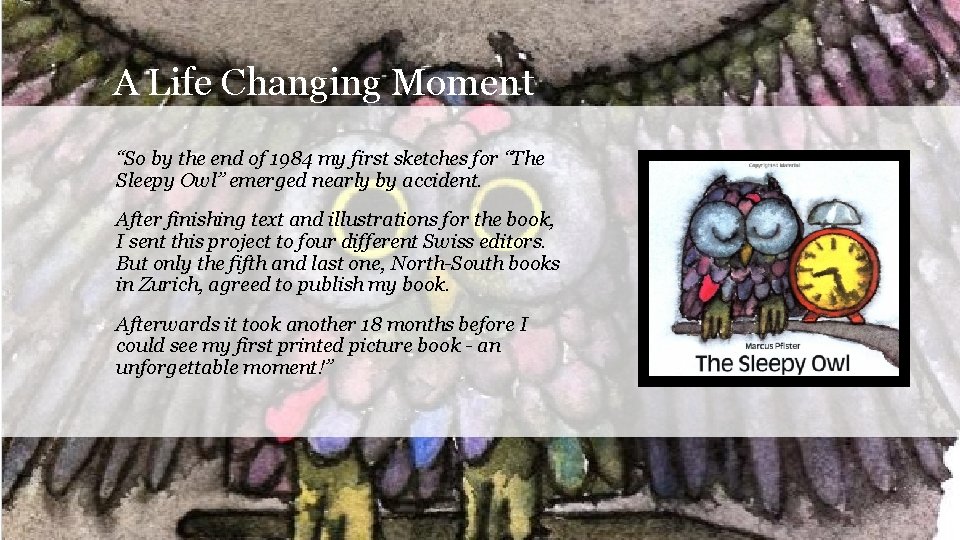
A Life Changing Moment “So by the end of 1984 my first sketches for “The Sleepy Owl” emerged nearly by accident. After finishing text and illustrations for the book, I sent this project to four different Swiss editors. But only the fifth and last one, North-South books in Zurich, agreed to publish my book. Afterwards it took another 18 months before I could see my first printed picture book - an unforgettable moment!”
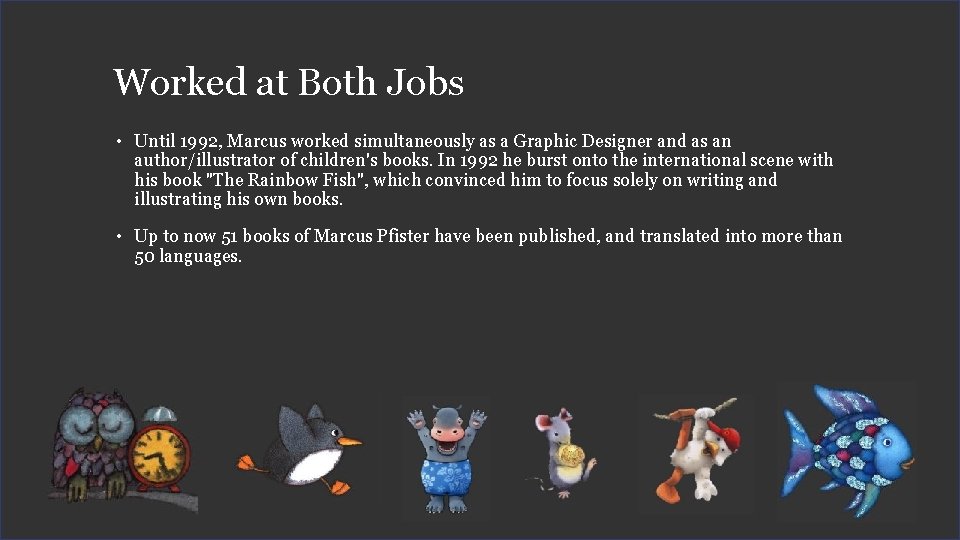
Worked at Both Jobs • Until 1992, Marcus worked simultaneously as a Graphic Designer and as an author/illustrator of children's books. In 1992 he burst onto the international scene with his book "The Rainbow Fish", which convinced him to focus solely on writing and illustrating his own books. • Up to now 51 books of Marcus Pfister have been published, and translated into more than 50 languages.
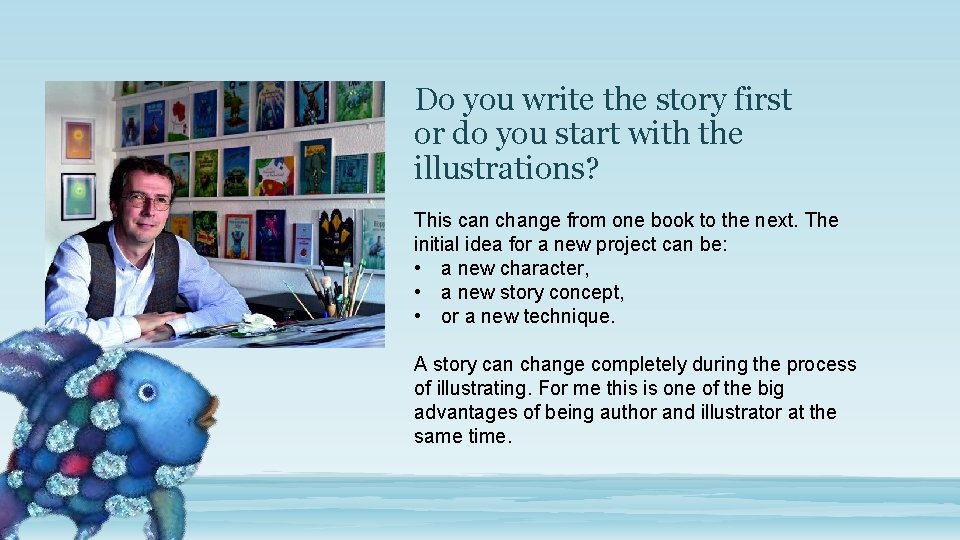
Do you write the story first or do you start with the illustrations? This can change from one book to the next. The initial idea for a new project can be: • a new character, • a new story concept, • or a new technique. A story can change completely during the process of illustrating. For me this is one of the big advantages of being author and illustrator at the same time.
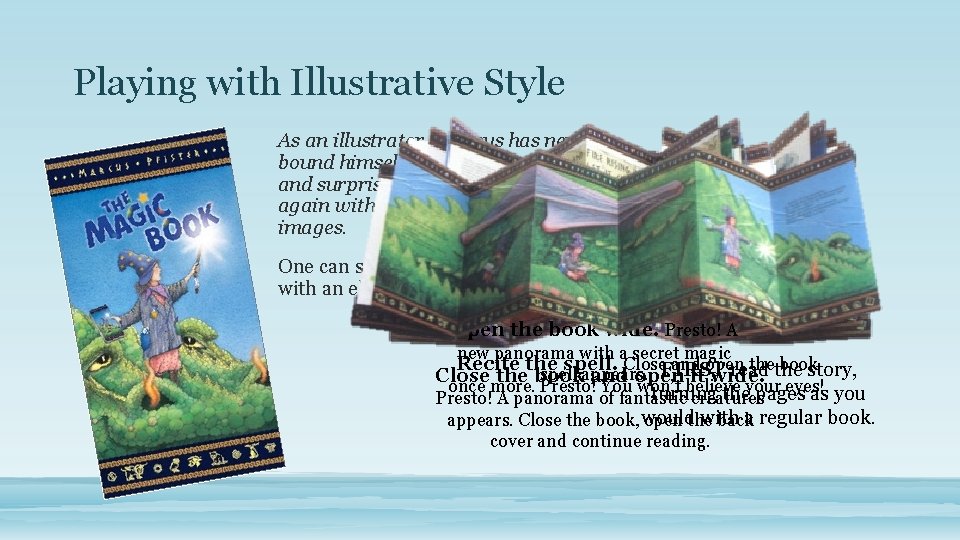
Playing with Illustrative Style As an illustrator, Marcus has never bound himself to a definite style of art and surprises his audience again and again with new techniques and images. One can see this in "The Magic Book" with an elaborate folder-technique, Open the book wide. Presto! A new panorama with a secret magic Recite the spell. Close. FIRST and open thethe book read story, spell appears. Close the book and open it wide. once more. Presto! You won’t believe your eyes! turning the pages as you Presto! A panorama of fantastic creatures with a regular book. appears. Close the book, would open the back cover and continue reading.

Playing with Illustrative Style The split pages in "Milo and the Magical Stones" which tells a story with two different endings

Playing with Illustrative Style "The Rainbow Fish" series with the use of holographic foil How do you create the effect with the glittery scales? When I have completed an illustration, I put a transparency over the picture and I mark all the parts with black acrylic color, which is then stamped with the holographic foil. During production, the book becomes printed first as a normal four color book without any foil. The foil becomes stamped only in a second procedure by metallic stamps.
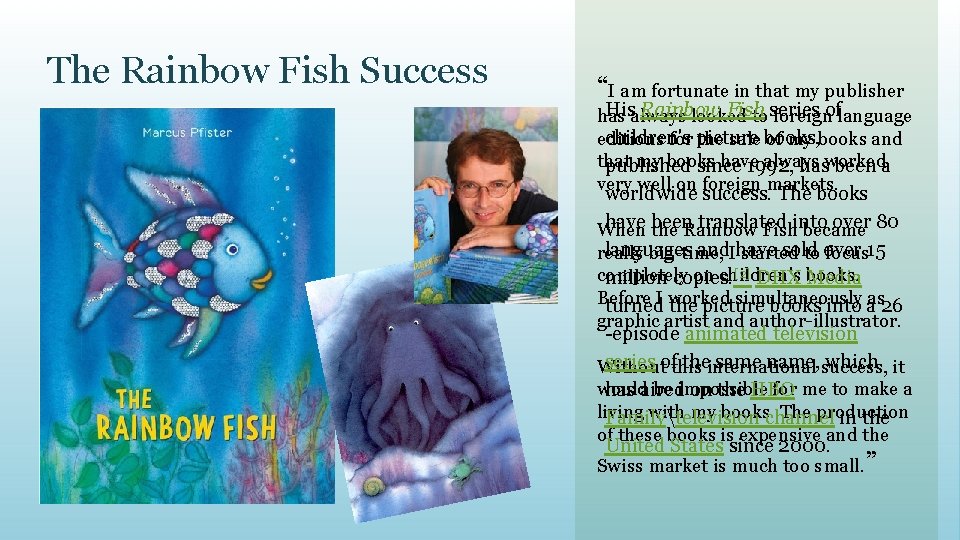
The Rainbow Fish Success “I am fortunate in that my publisher Hisalways Rainbow Fish has looked to series foreignoflanguage children's editions for picture the sale books, of my books and that my books have always published since 1992, hasworked been a very well on foreign markets. worldwide success. The books have been translated over 80 When the Rainbow Fishinto became languages and. Ihave sold really big-time, started to over focus 15 [2] DHX books. completely on children's million copies. Media Before simultaneously turned. I worked the picture books into aas 26 graphic artist and author-illustrator. -episode animated television series ofthis theinternational same name, success, which it Without would be impossible for me to make a has aired on the HBO living with my books. The production Familytelevision channel in the of these books is expensive and the United States since 2000. Swiss market is much too small. ”
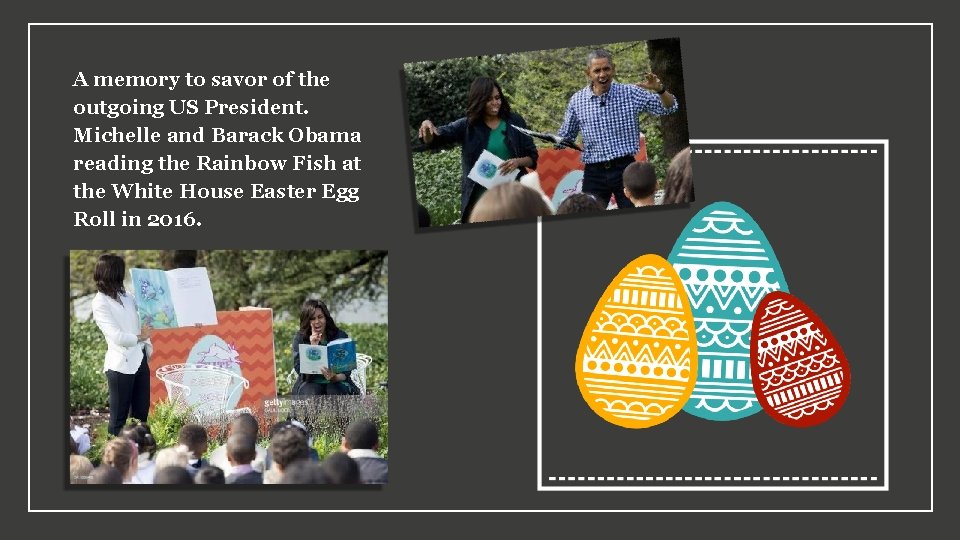
A memory to savor of the outgoing US President. Michelle and Barack Obama reading the Rainbow Fish at the White House Easter Egg Roll in 2016.
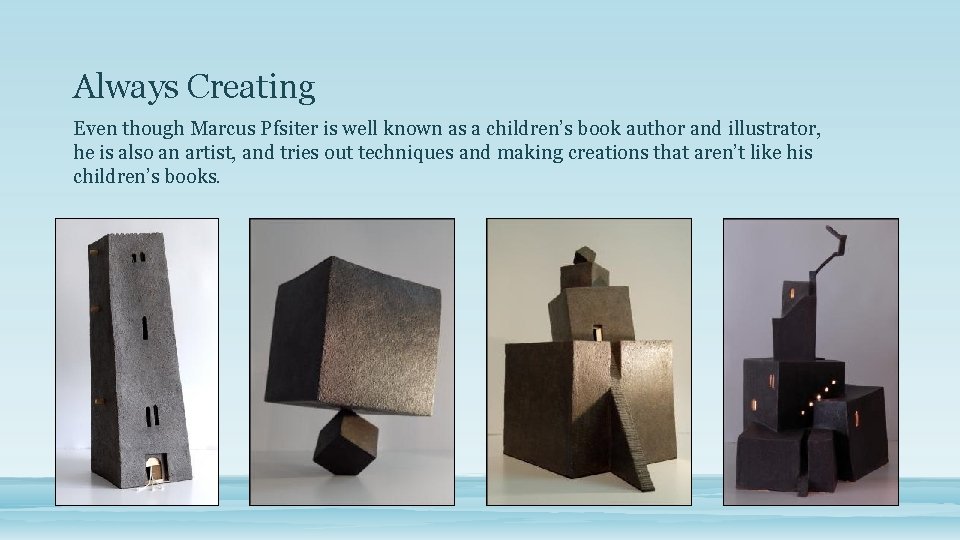
Always Creating Even though Marcus Pfsiter is well known as a children’s book author and illustrator, he is also an artist, and tries out techniques and making creations that aren’t like his children’s books.
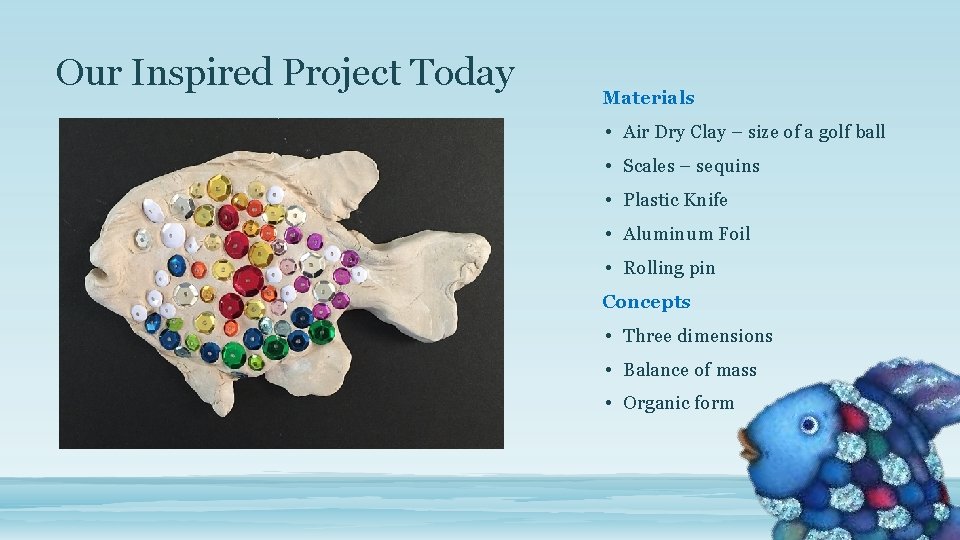
Our Inspired Project Today Materials • Air Dry Clay – size of a golf ball • Scales – sequins • Plastic Knife • Aluminum Foil • Rolling pin Concepts • Three dimensions • Balance of mass • Organic form
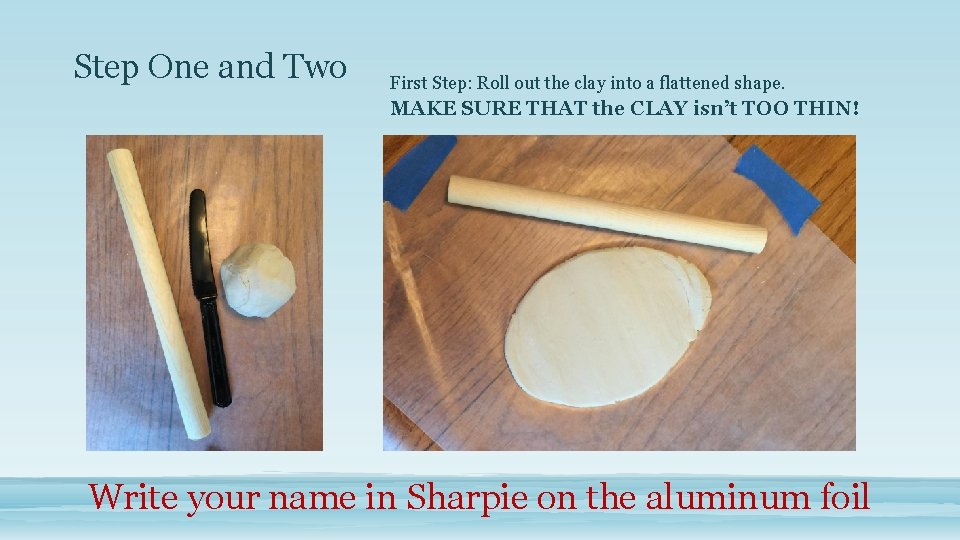
Step One and Two First Step: Roll out the clay into a flattened shape. MAKE SURE THAT the CLAY isn’t TOO THIN! Write your name in Sharpie on the aluminum foil
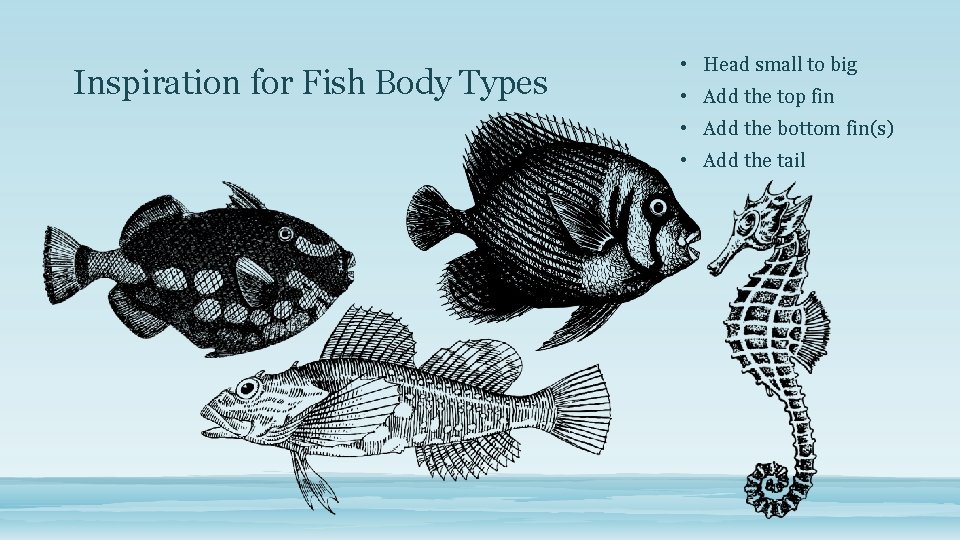
Inspiration for Fish Body Types • Head small to big • Add the top fin • Add the bottom fin(s) • Add the tail
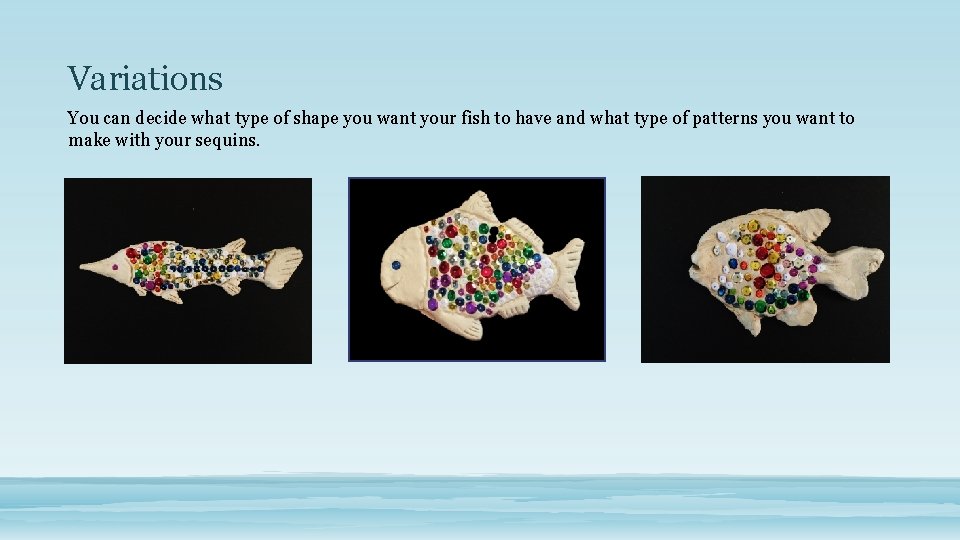
Variations You can decide what type of shape you want your fish to have and what type of patterns you want to make with your sequins.
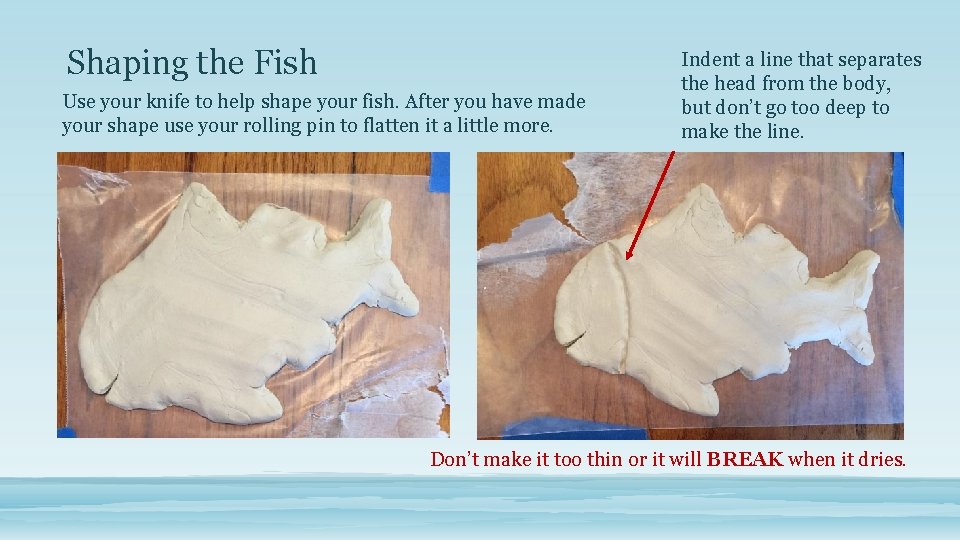
Shaping the Fish Use your knife to help shape your fish. After you have made your shape use your rolling pin to flatten it a little more. Indent a line that separates the head from the body, but don’t go too deep to make the line. Don’t make it too thin or it will BREAK when it dries.
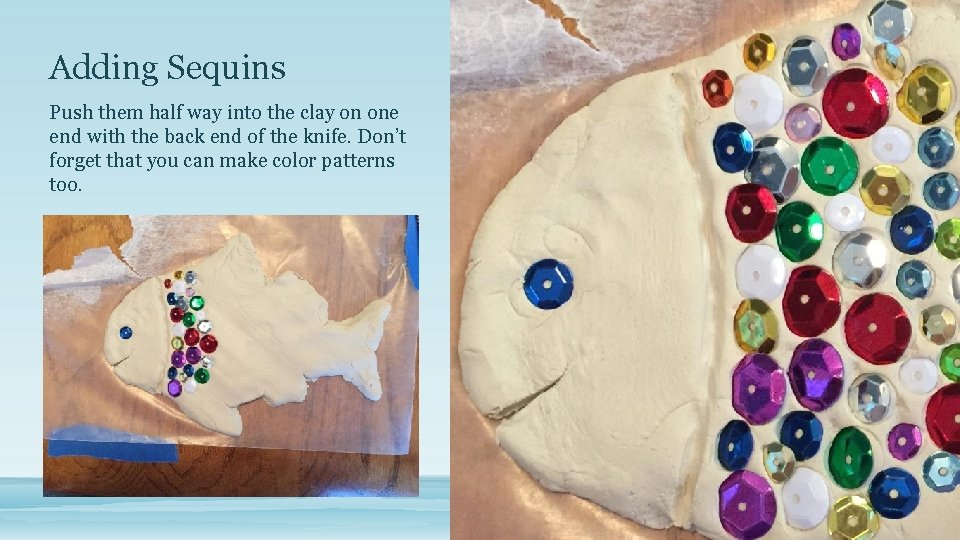
Adding Sequins Push them half way into the clay on one end with the back end of the knife. Don’t forget that you can make color patterns too.
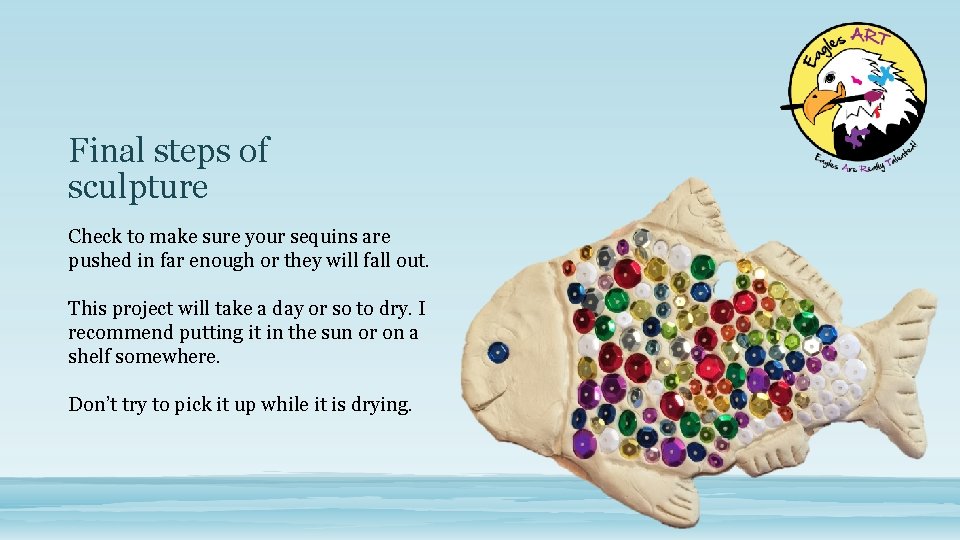
Final steps of sculpture Check to make sure your sequins are pushed in far enough or they will fall out. This project will take a day or so to dry. I recommend putting it in the sun or on a shelf somewhere. Don’t try to pick it up while it is drying.
References Fish Illustrations: https: //pixabay. com http: //www. marcuspfister. ch/ https: //en. wikipedia. org/wiki/Marcus_Pfister
- Slides: 19