
MAPPA BRIEFING JIM MCBRIDE LIZ MCSHERRY What We
MAPPA BRIEFING JIM MCBRIDE & LIZ MCSHERRY
What We Will Cover: • Introduction • What is MAPPA • Sex Offenders • Restricted Patients • MAPPA extension cases

Multi Agency Public Protection Arrangements (MAPPA) The fundamental purpose of MAPPA is public safety and the reduction of serious harm. The protection of children, vulnerable adults and other victims is paramount. Like other effective multi-agency processes, the MAPPA offers the potential for a co-ordinated approach to the management of sexual and violent offenders in the community who pose a risk of serious harm to others.

POLICE SCOTLAND
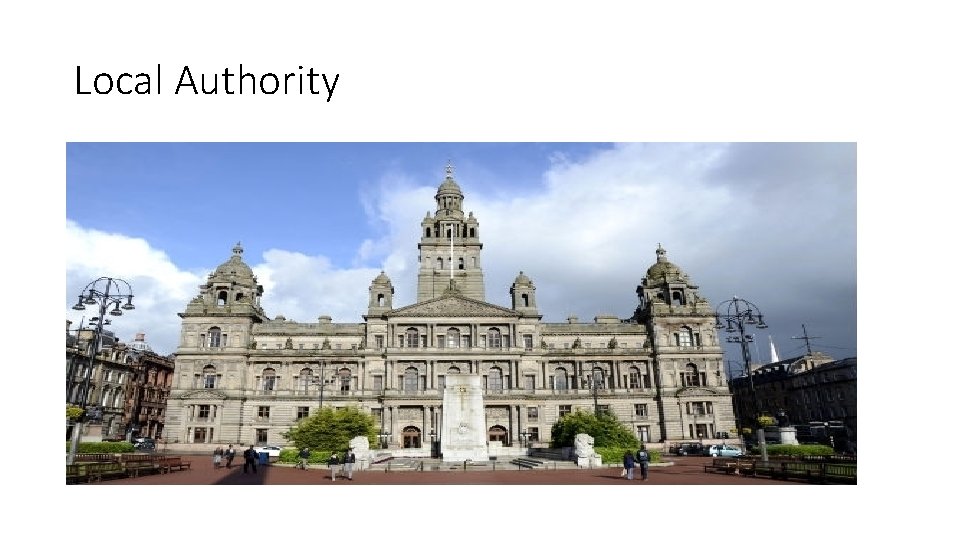
Local Authority
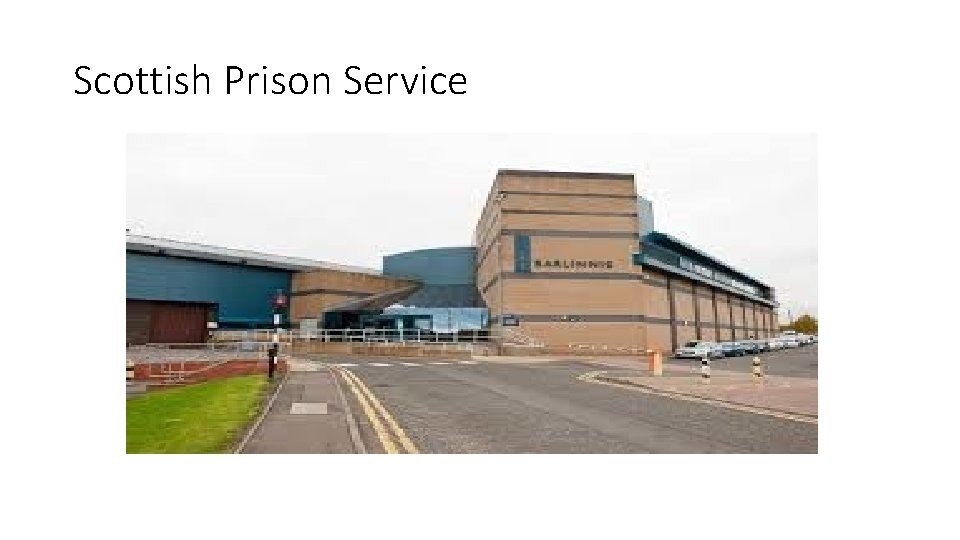
Scottish Prison Service

Health

MAPPA § § § In Scotland for offenders subject to notification requirements (Registered Sex Offenders) and Restricted Patients. MAPPA Extension / Other Risk of Serious Harm Offenders became subject to MAPPA on 31 March 2016 Fundamental purpose of MAPPA is public protection and the reduction of serious harm. Offers a co-ordinated approach to the management. Annual report produced by each Community Justice Authority; compiled by Scottish Government and produced on their website

MAPPA § Management of Offenders etc (Scotland) Act 2005 - places statutory duty on “responsible authorities” in CJA area to jointly establish arrangements for assessing and managing risk. - Police - Local Authorities - Health Boards (or Special Health Boards) - Scottish Prison Service

MAPPA § Duty to co-operate agencies specified in Management of Offenders etc (Scotland) Act 2005 (Specification of Persons) Order 2007 Includes Social Landlords registered under s 57(2) of the Housing (Scotland) Act 2001(a) and who operate in a relevant area DTC – purpose is to strengthen the MAPPA. Co-operation must be compatible with the statutory functions of those agencies and be cognisant of information sharing legislation
MAPPA MEETINGS • All those who need to inform the discussion are represented • Purpose is to share and consider information, reach agreement regarding the assessment of the risks posed and review the risk management plan. • Risks should be identified and a risk management plan put in place • MAPPA co-ordinator must be informed of any changes

MAPPA MEETINGS • Accurate records of meetings must be retained to reflect defensible decision making • Statement of confidentiality at start of every meeting and agreed by all. • Minutes must not be copied or shared (without prior approval of Chair)
MAPPA MEETINGS • Accurate records of meetings must be retained to reflect defensible decision making • Statement of confidentiality at start of every meeting and agreed by all. • Minutes must not be copied or shared (without prior approval of Chair)

MAPPA LEVELS § 3 Levels of MAPPA management - LEVEL 1 Routine Risk Management - LEVEL 2 Multi-agency risk management - LEVEL 3 Multi Agency Public Protection Panels (MAPPP)

MAPPA LEVEL 1 § Routine Risk Management § Cases where the risks posed can be managed by one agency without actively or significantly involving other agencies. § Should involve information sharing between the responsible authorities and DTC agencies § Not sole responsibility of lead agency to manage offender; all the responsible authorities to be actively involved in monitoring of sex offenders and report any changes

MAPPA LEVEL 2 § Multi-agency Risk Management § Active Involvement of multiple agencies is required to manage and actively reduce the risk of serious harm § Responsible authorities are responsible for convening and supporting Level 2 arrangements § Meetings chaired by representative of responsible authority

MAPPA LEVEL 3 • Multi Agency Public Protection Panel • Offender is assessed as High or Very High Risk of serious harm and presents risk that can only be managed by a plan which requires close co-operation at a senior level. or § The case is exceptional because of the likelihood of media scrutiny and/or public interest
RISK LEVEL • LOW – current evidence does not indicate likelihood of causing serious harm • MEDIUM – there are identifiable indicators of serious harm. The offender has the potential to cause such harm, but is unlikely to do so unless there is a change in circumstances, for example failure to take medication, loss of accommodation, relationship breakdown, drug or alcohol misuse

RISK LEVEL • HIGH – there are identifiable indicators of risk of serious harm. The potential event could happen at any time and the impact would be serious. • VERY HIGH – there is an imminent risk of serious harm. The potential event is more likely then not to happen imminently and the impact would be serious
MAPPA Extension / Cat 3 Cases • Came into effect on 31 March 2016 • Those subject to supervision • who are assessed as posing a risk of serious harm (Ro. SH) by reason of their conviction and where that Ro. SH is assessed as High or Very High • and that Ro. SH requires an active multi agency response • No Level 1 • Currently 36 Category 3 cases being managed across Scotland
Restricted Patients 3 Key stages when a MAPPA referral must take place • When the patient is being considered for unescorted suspension of detention for the first time • When suitable accommodation has been identified in the community as part of the planning for conditional discharge • When the RMO is considering recommending revocation of the compulsion order or restriction order
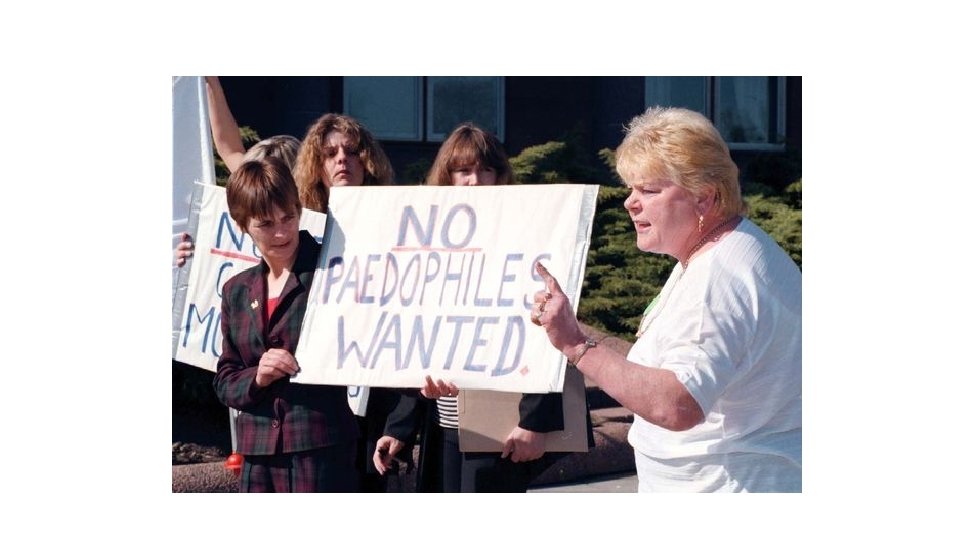
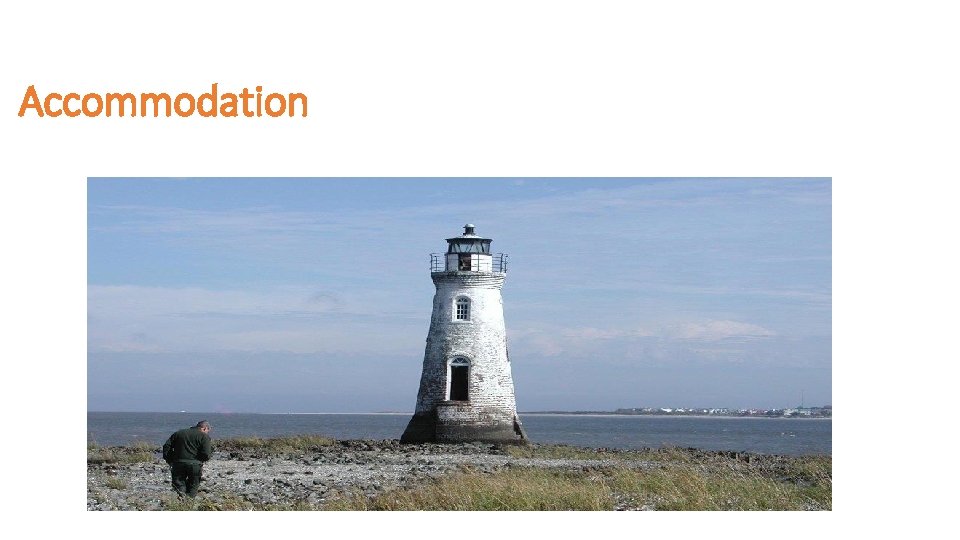
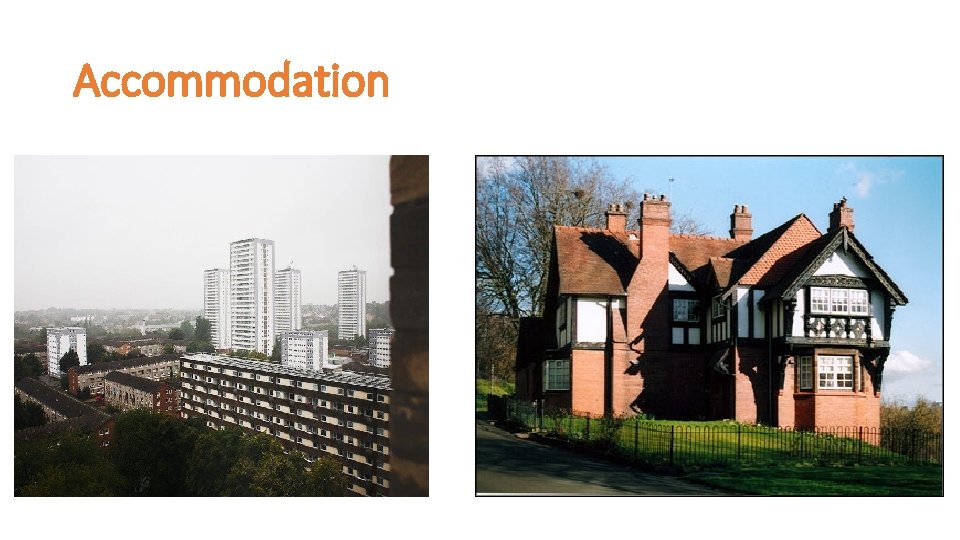
Sex Offenders • Sex Offenders at liberty in Glasgow on 31 st March 2017 – 549 • Sex Offenders at liberty in Scotland on 31 st March 2017 – 3930 • Numbers are increasing • Age of sex offenders increasing/problems with mobility • Lack of suitable accommodation • No housing stock


Accommodation
Accommodation
ACCOMMODATION § Stable housing arrangements and effective monitoring make a key contribution to minimising the risks sex offenders under MAPPA may pose. Research in this area has found that: - Support, coupled with stable accommodation can help to address the risk factors associated with further offending and allows individuals to benefit from supervision and other forms of treatment
ENVIRONMENTAL RISK ASSESSMENT • Issues considered are • RISK – risk posed by offender, history, substance abuse, engagement • PERSONS AT RISK – potential victim access, target groups • PROTECTIVE FACTORS - relationships, individuals positive characteristics and/or circumstances • RISK MANAGEMENT PLAN – can a plan be put in place to manage the offender at that address
Environmental risk assessment (ERA) • Minimum ERA standard • Surrounding household information • SOLO - access to various systems • Police system checks • Social Work & Police – form B • SOLO collate form C • Defensible decisions signed off by Head of Service
Powers • SONR (Sex Offender Notification Requirements) • Licence • Community Payback Order • Supervised Release Order • SOPO (Sex Offender Prevention Order) • Disclosure
Sir Michael Bichard “For those agencies whose job it is to protect children and vulnerable people, the harsh reality is that if a sufficiently devious person is determined to seek out opportunities to work their evil, no one can guarantee that they will be stopped. Our task is to make it as difficult as possible for them to succeed”

THANK YOU & QUESTIONS
- Slides: 33