
Manufacturing Cell Design History Design and Principles of



- Slides: 27
Manufacturing Cell Design History, Design and Principles of Implementation
The Outline Background Design Interactive History of flow Design Tools Simulation Origins Application Observation WW 2 Post War Mass Production Toyota Optimization
➔Henry Ford ➔Mass Production Background The roots of flow ➔WW 2 ➔Post WW 2 ➔Lean Thinking ➔Flow returns ➔Flexible Cells
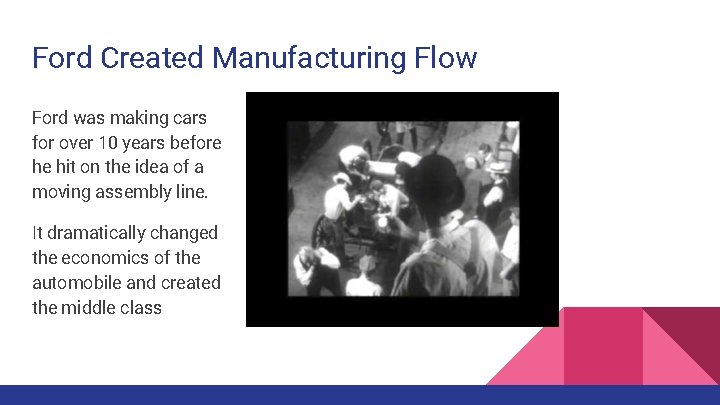
Ford Created Manufacturing Flow Ford was making cars for over 10 years before he hit on the idea of a moving assembly line. It dramatically changed the economics of the automobile and created the middle class
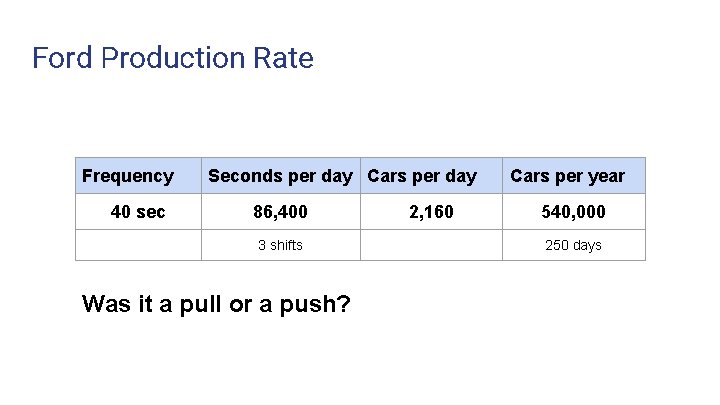
Ford Production Rate Frequency 40 sec Seconds per day Cars per day 86, 400 3 shifts Was it a pull or a push? 2, 160 Cars per year 540, 000 250 days
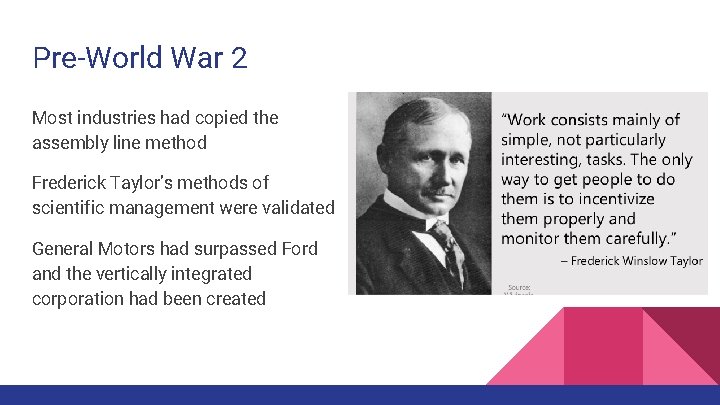
Pre-World War 2 Most industries had copied the assembly line method Frederick Taylor’s methods of scientific management were validated General Motors had surpassed Ford and the vertically integrated corporation had been created
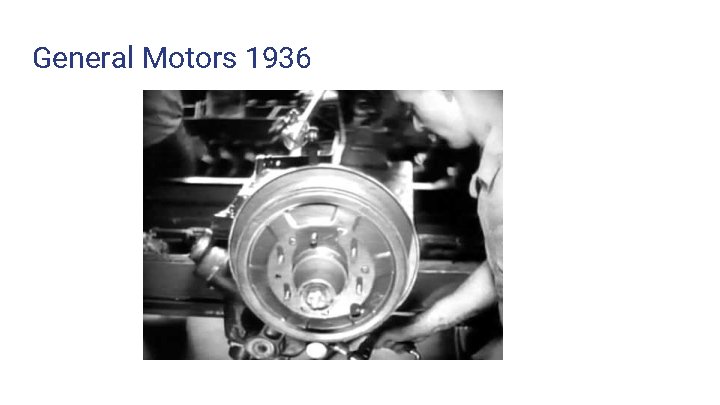
General Motors 1936
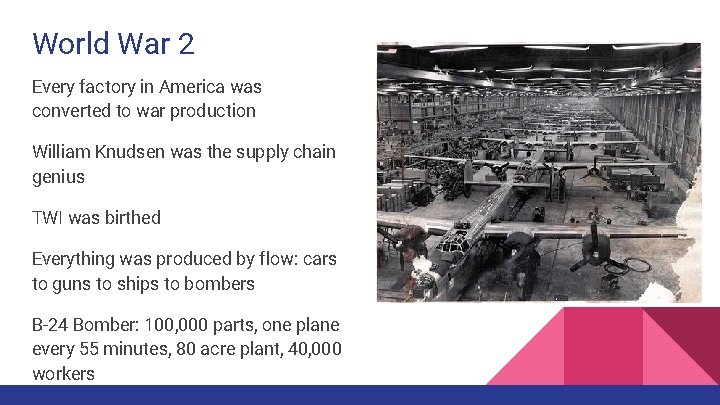
World War 2 Every factory in America was converted to war production William Knudsen was the supply chain genius TWI was birthed Everything was produced by flow: cars to guns to ships to bombers B-24 Bomber: 100, 000 parts, one plane every 55 minutes, 80 acre plant, 40, 000 workers
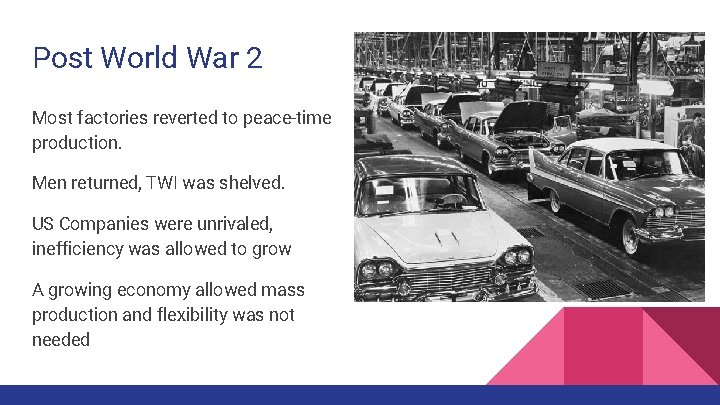
Post World War 2 Most factories reverted to peace-time production. Men returned, TWI was shelved. US Companies were unrivaled, inefficiency was allowed to grow A growing economy allowed mass production and flexibility was not needed
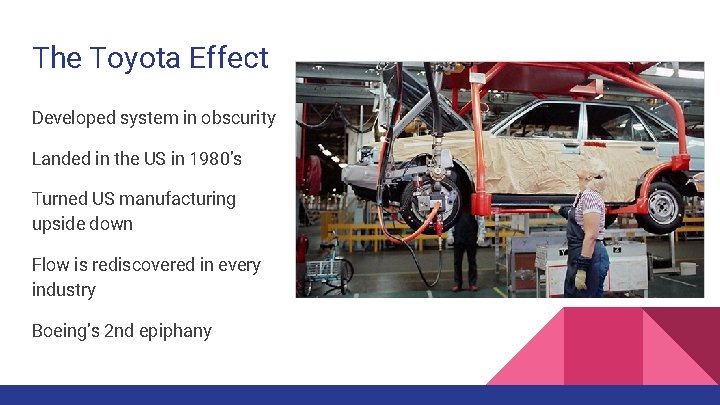
The Toyota Effect Developed system in obscurity Landed in the US in 1980’s Turned US manufacturing upside down Flow is rediscovered in every industry Boeing’s 2 nd epiphany
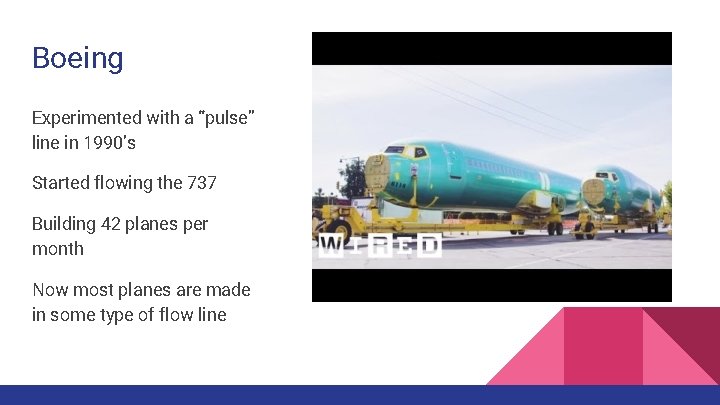
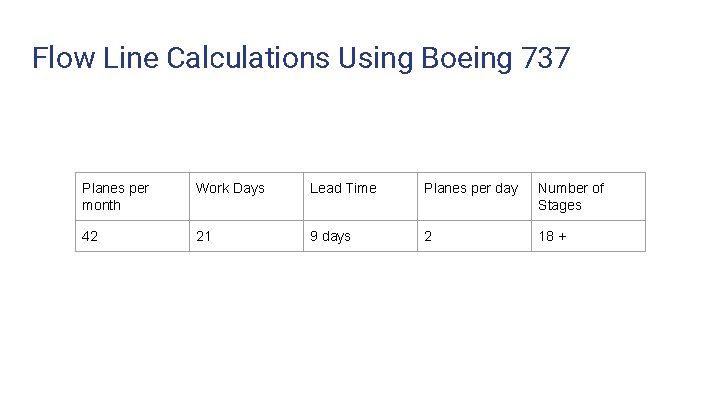
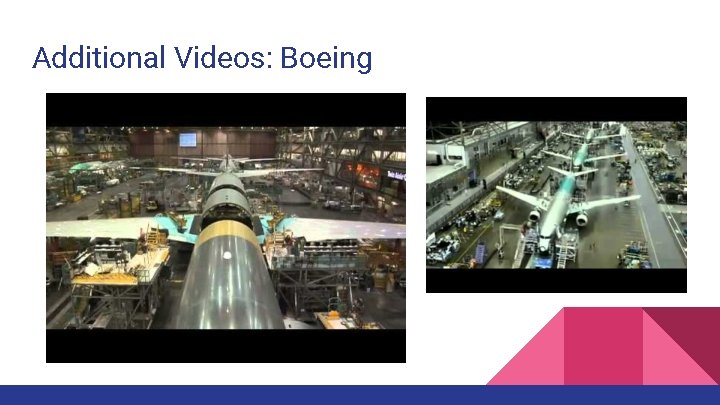
Boeing Experimented with a “pulse” line in 1990’s Started flowing the 737 Building 42 planes per month Now most planes are made in some type of flow line
Flow Line Calculations Using Boeing 737 Planes per month Work Days Lead Time Planes per day Number of Stages 42 21 9 days 2 18 +
➔Process Steps Design The Tools and Techniques of designing a flow line ➔Operator Balance Chart ➔Matching Takt Time ➔Labor Linearity ➔Ergonomics
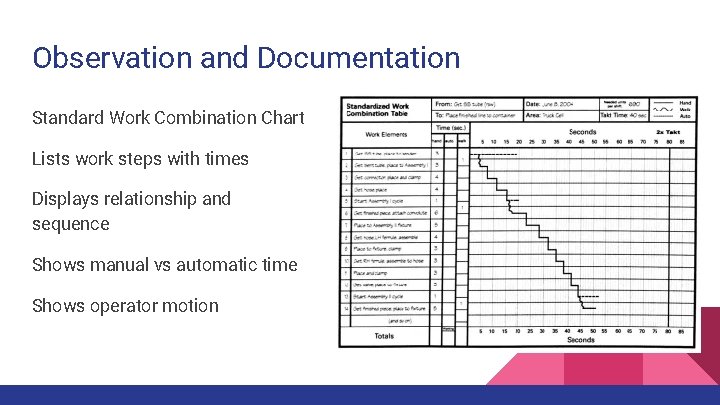
Observation and Documentation Standard Work Combination Chart Lists work steps with times Displays relationship and sequence Shows manual vs automatic time Shows operator motion
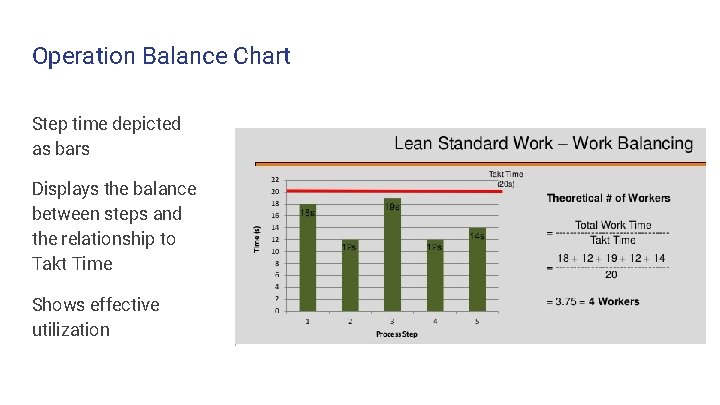
Operation Balance Chart Step time depicted as bars Displays the balance between steps and the relationship to Takt Time Shows effective utilization
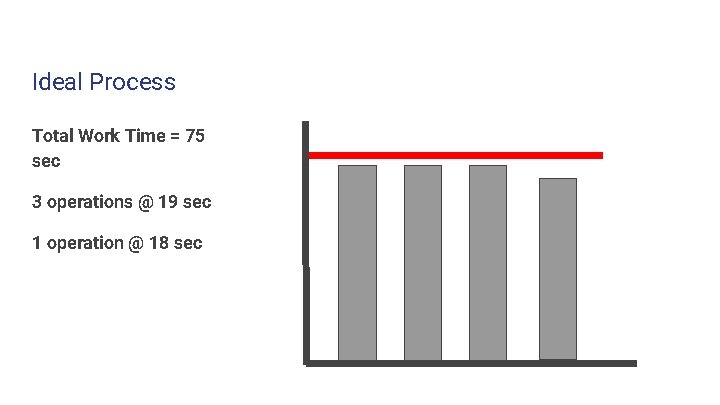
Ideal Process Total Work Time = 75 sec 3 operations @ 19 sec 1 operation @ 18 sec
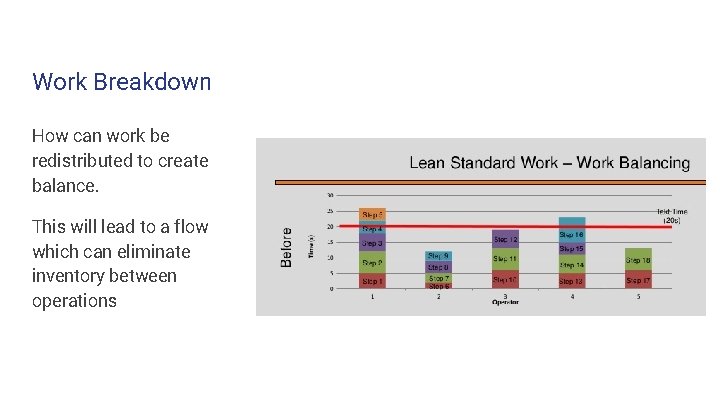
Work Breakdown How can work be redistributed to create balance. This will lead to a flow which can eliminate inventory between operations
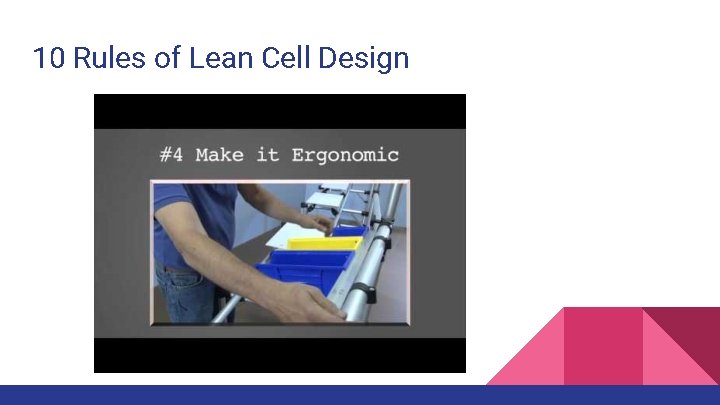
Ergonomics
10 Rules of Lean Cell Design
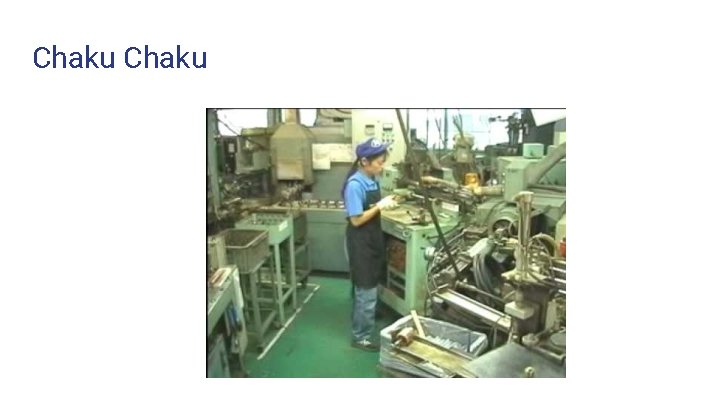
Chaku
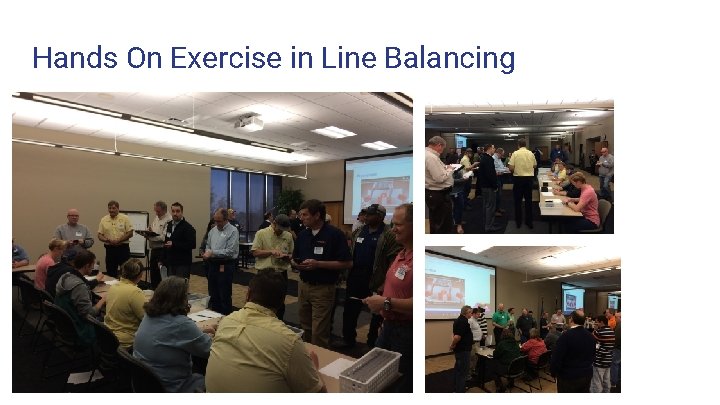
Simulation Hands-on Exercise Trying out the tools
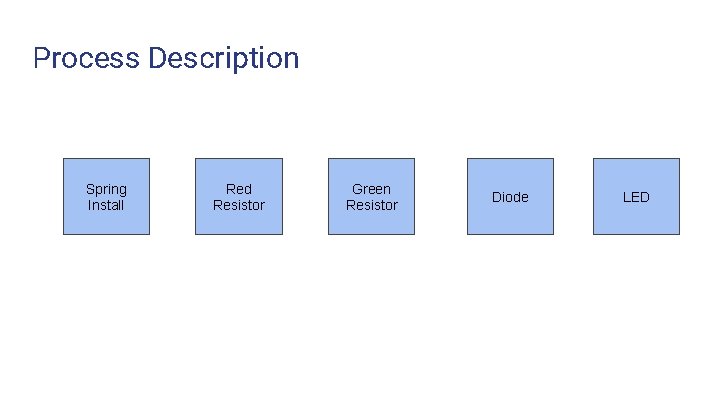
Process Description Spring Install Red Resistor Green Resistor Diode LED
Hands On Exercise in Line Balancing
Elements of the Simulation Assemblers Observers/Timers Score-keepers Analytics Kaizen Team
Conclusion Questions and Comments
Additional Videos: Boeing
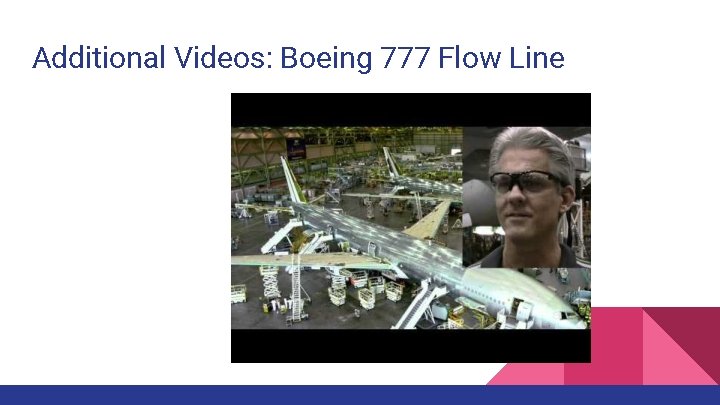
Additional Videos: Boeing 777 Flow Line