
Manganese 1 Metabolism Biological Function Requirement Deficiency Tolerance

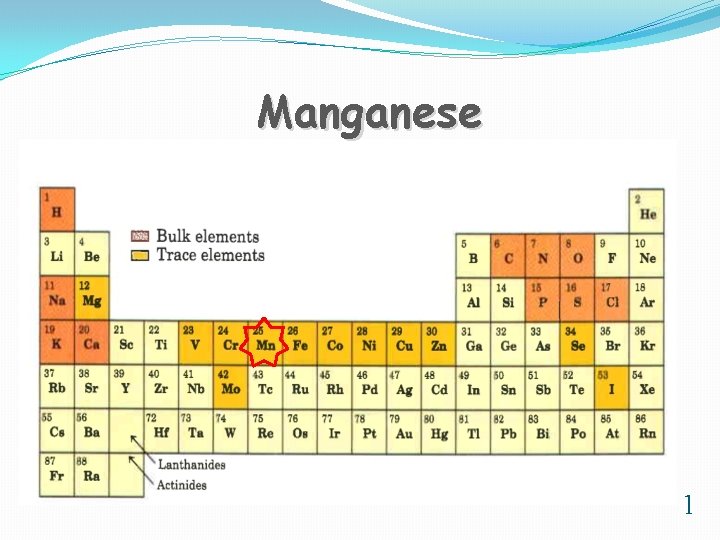
Manganese 1
Metabolism Biological Function Requirement Deficiency Tolerance level & Toxicity Sources Supplemented 2
Mn absorption apparently occurs well throughout the length of the small intestine and relatively poor and Influenced by Ca , P, and Fe Higher concentration in Bone , liver, kidney and pancreas absorbed Mn may either free or rapidly bound to 2 -macroglobuline. Some of Mn oxidized to the manganic and bound to transferrin. 3
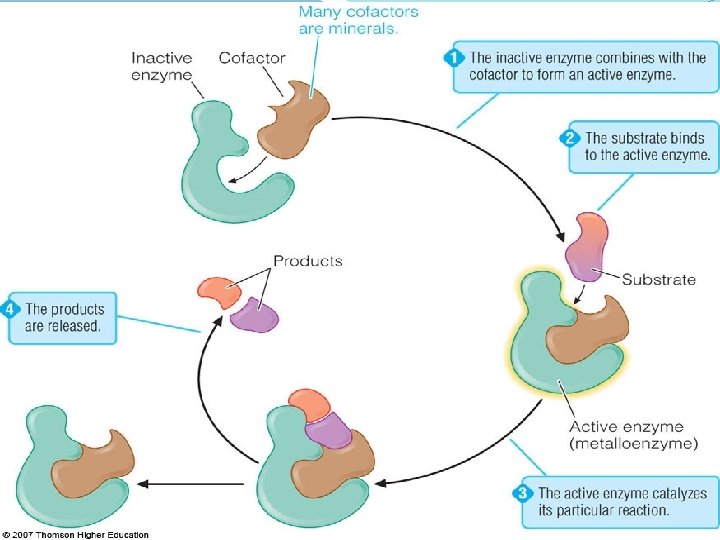
Cofactor for metalloenzymes Gluconeogenesis Bone formation Energy metabolism Cofactor for superoxide dismutase Essential for sulfomucopolysaccharide Manganese is probably required for normal lipid and carbohydrate metabolism through the activity of pyruvate carboxylase 5
Located primarily in the mitochondria, Mn. SOD complements cytosolic Cu. Zn. SOD in protecting cells from damage by reactive oxygen species, notably the superoxide radical O 2. - Mn. SOD is a ‘stress-responsive’ needed for protection against oxidative stress associated with inflammatory responses to some infections. 6
Carbohydrate Metabolism: Insulin formation and activity Biosynthesis of glycoprotein such as prothrombin (vit k) Cell function and structure: Cell membrane integrity in the liver, pancreas, kidney and heart. immune function Brain function 7
Manganese is needed for the synthesis of the mucopolysaccharides in cartilage through its activation of glycosyltransferase In laying hens, subnormal egg production and poor shell formation may result from impaired mucopolysaccharide synthesisand a reduction in the hexosamine content of the shell matrix lack of manganese inhibits the synthesis of cholesterol and certain sex hormones, thus causing infertility 8
9
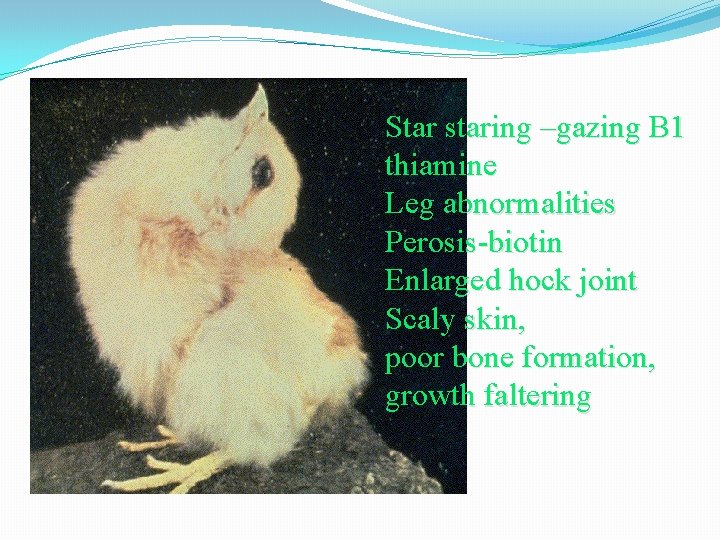
Star staring –gazing B 1 thiamine Leg abnormalities Perosis-biotin Enlarged hock joint Scaly skin, poor bone formation, growth faltering
- Slides: 11