
Mandibular Premolars Introduction Mandibular 1 st smaller than

Mandibular Premolars
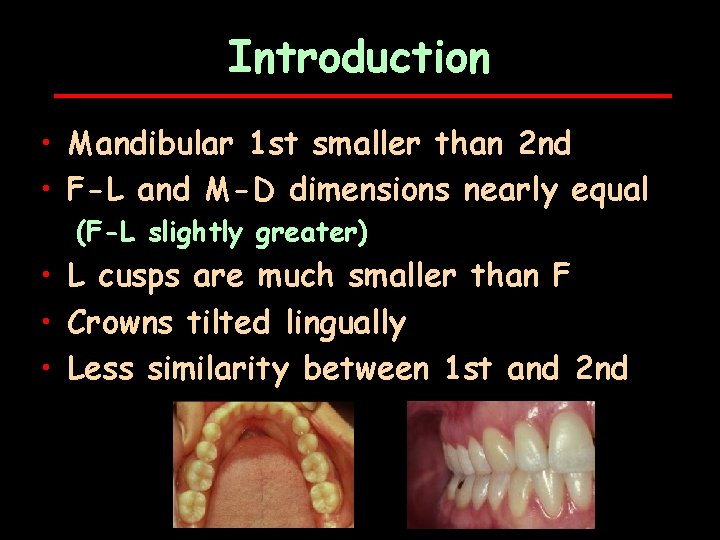
Introduction • Mandibular 1 st smaller than 2 nd • F-L and M-D dimensions nearly equal (F-L slightly greater) • L cusps are much smaller than F • Crowns tilted lingually • Less similarity between 1 st and 2 nd

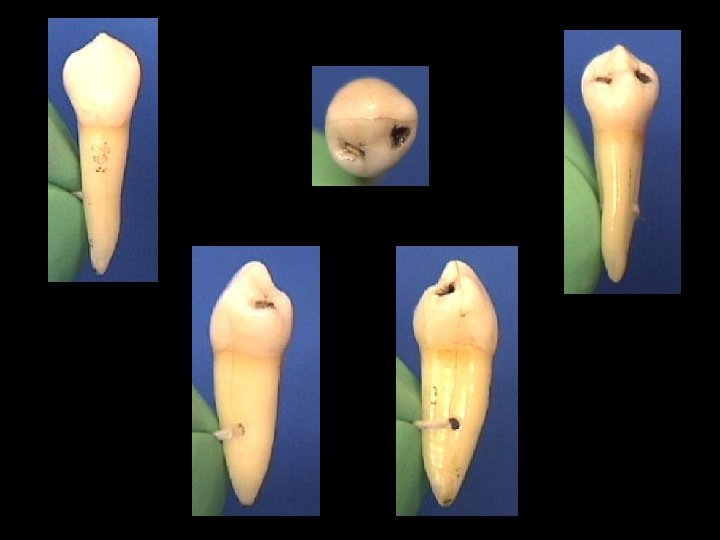
Mandibular First Premolar
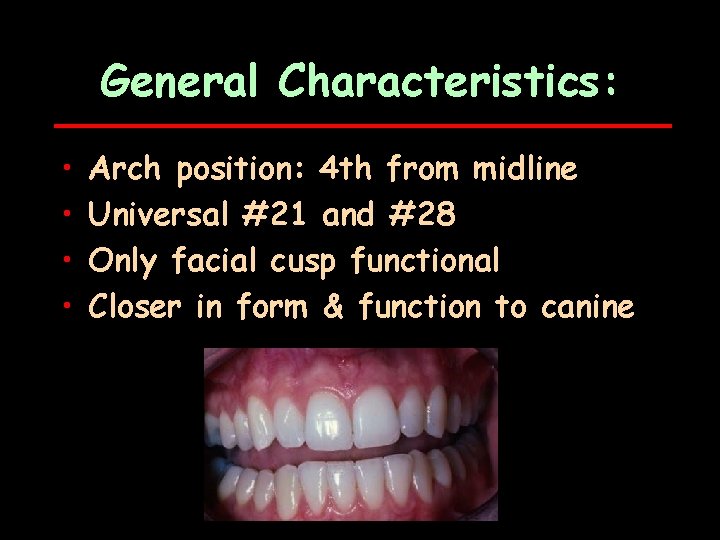
General Characteristics: • • Arch position: 4 th from midline Universal #21 and #28 Only facial cusp functional Closer in form & function to canine
Development Timeline: • • Initial calcification: 1 3/4 - 2 years Enamel completed: 5 - 6 years Eruption: 10 - 11 years Root completed: 12 - 13 years
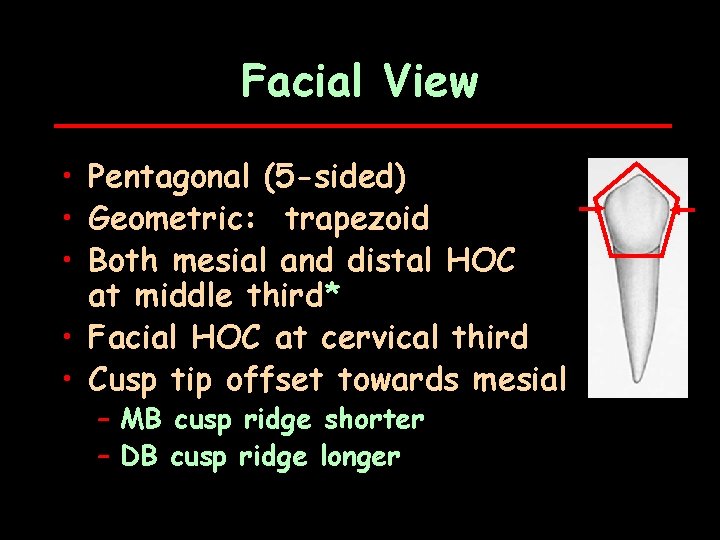
Facial View • Pentagonal (5 -sided) • Geometric: trapezoid • Both mesial and distal HOC at middle third* • Facial HOC at cervical third • Cusp tip offset towards mesial – MB cusp ridge shorter – DB cusp ridge longer
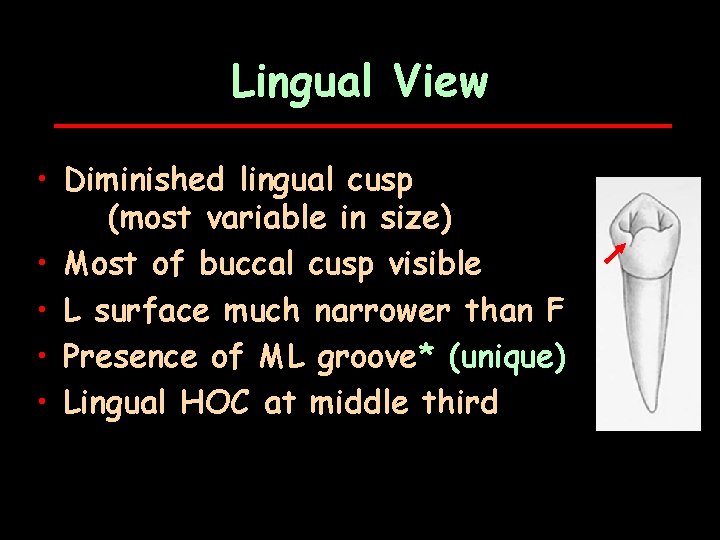
Lingual View • Diminished lingual cusp (most variable in size) • Most of buccal cusp visible • L surface much narrower than F • Presence of ML groove* (unique) • Lingual HOC at middle third
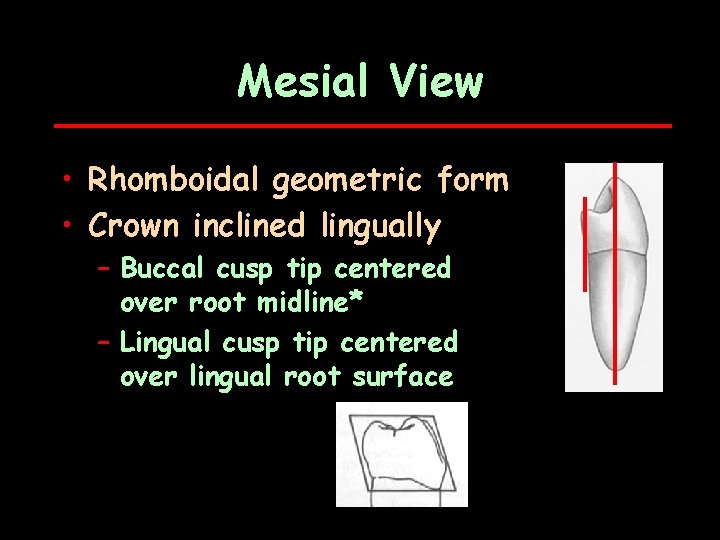
Mesial View • Rhomboidal geometric form • Crown inclined lingually – Buccal cusp tip centered over root midline* – Lingual cusp tip centered over lingual root surface

Mesial view… • Mesial marginal ridge incline of 45 o* • Mesial marginal ridge more cervical than distal* • ML groove present*

Distal View • Distal marginal groove (? ) • No DL developmental groove • Distal marginal ridge more horizontal*
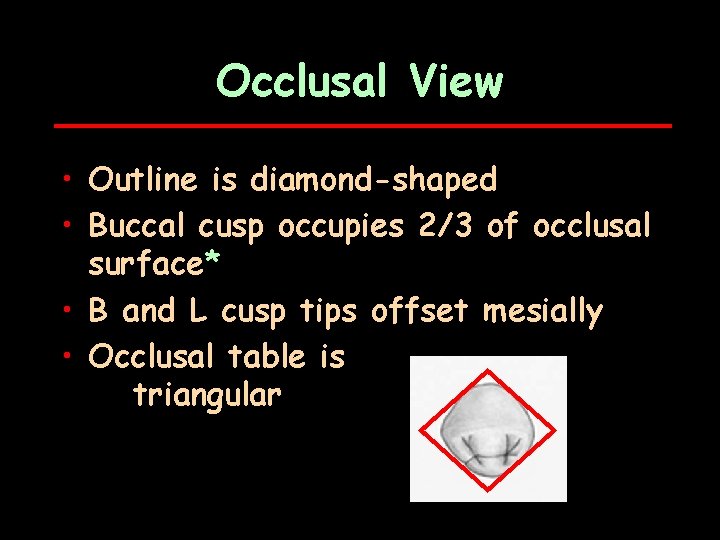
Occlusal View • Outline is diamond-shaped • Buccal cusp occupies 2/3 of occlusal surface* • B and L cusp tips offset mesially • Occlusal table is triangular
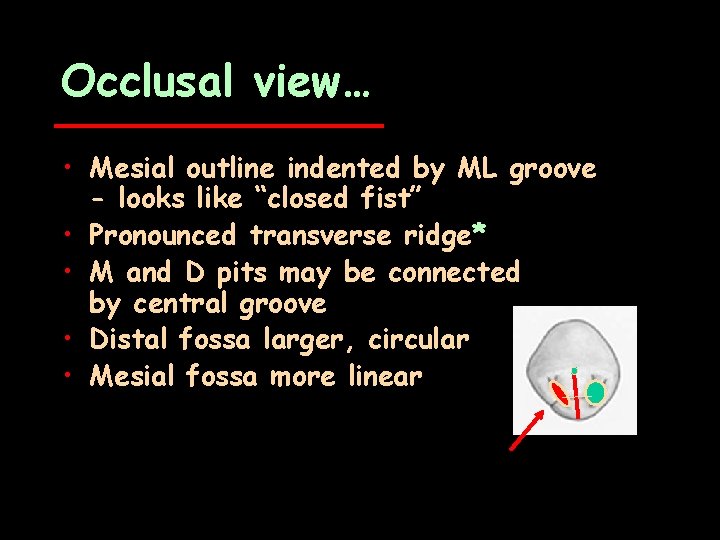
Occlusal view… • Mesial outline indented by ML groove - looks like “closed fist” • Pronounced transverse ridge* • M and D pits may be connected by central groove • Distal fossa larger, circular • Mesial fossa more linear
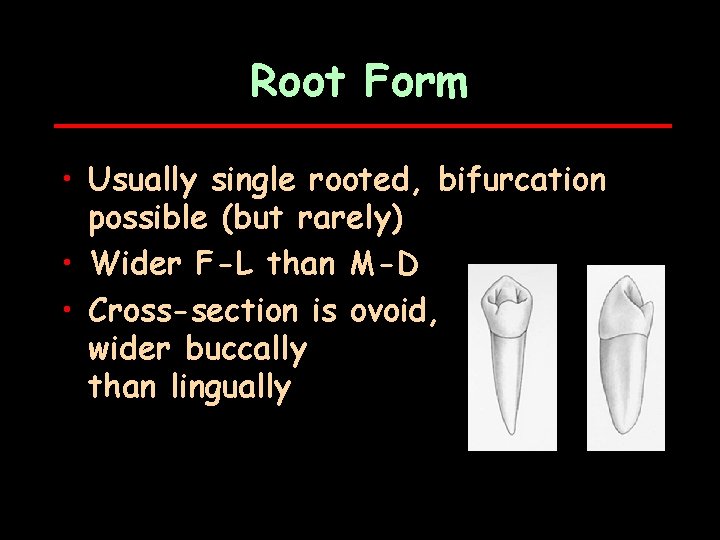
Root Form • Usually single rooted, bifurcation possible (but rarely) • Wider F-L than M-D • Cross-section is ovoid, wider buccally than lingually
Variations and anomalies: • Absence of ML groove • Lingual cusp size variable • Central groove not evident
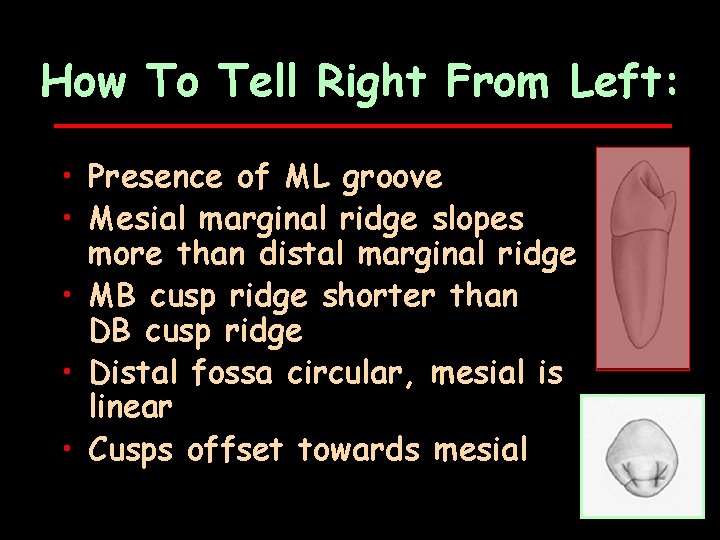
How To Tell Right From Left: • Presence of ML groove • Mesial marginal ridge slopes more than distal marginal ridge • MB cusp ridge shorter than DB cusp ridge • Distal fossa circular, mesial is linear • Cusps offset towards mesial

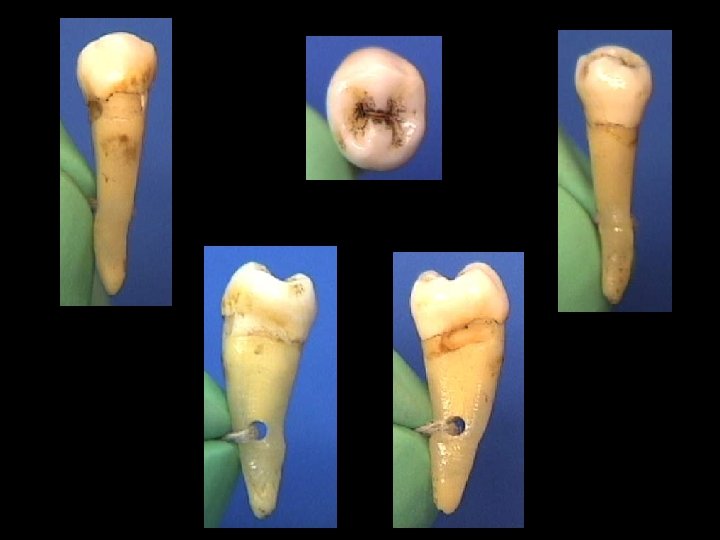
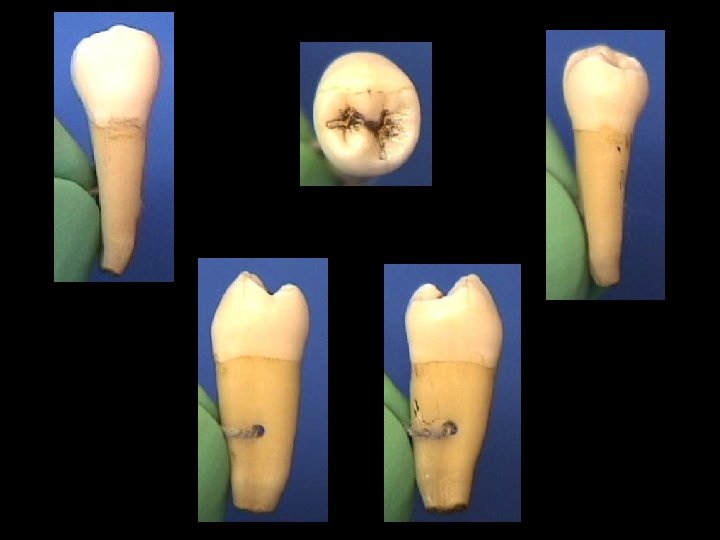
Mandibular Second Premolar
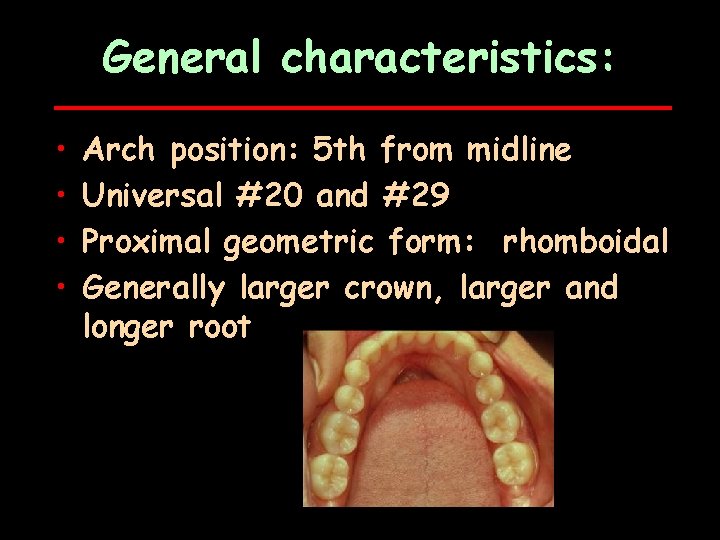
General characteristics: • • Arch position: 5 th from midline Universal #20 and #29 Proximal geometric form: rhomboidal Generally larger crown, larger and longer root
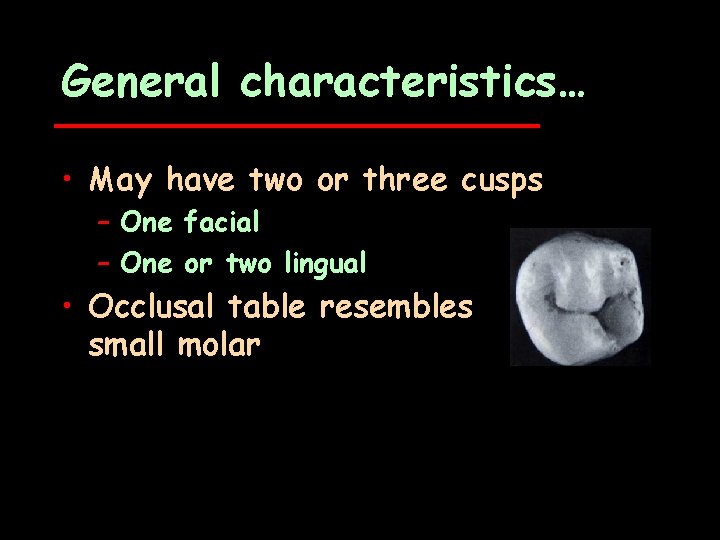
General characteristics… • May have two or three cusps – One facial – One or two lingual • Occlusal table resembles small molar
Development Timeline: • Initial calcification: 2 1/4 - 2 1/2 years • Enamel completed: 6 - 7 years • Eruption: 11 - 12 years • Root completed: 13 - 14 years
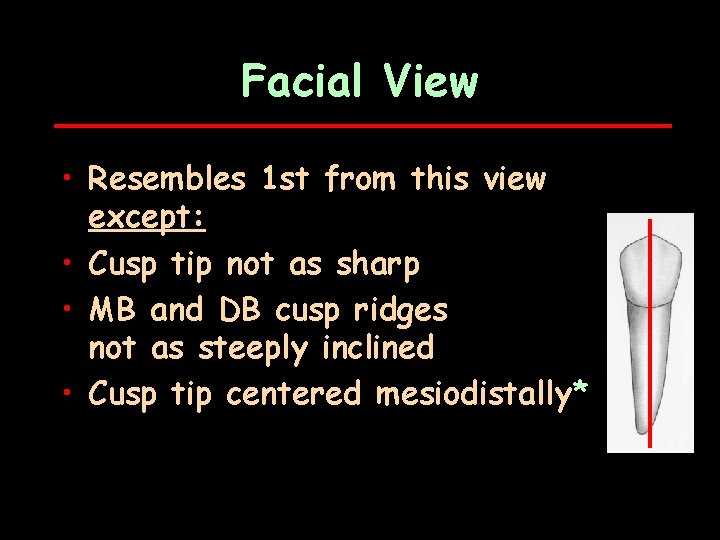
Facial View • Resembles 1 st from this view except: • Cusp tip not as sharp • MB and DB cusp ridges not as steeply inclined • Cusp tip centered mesiodistally*
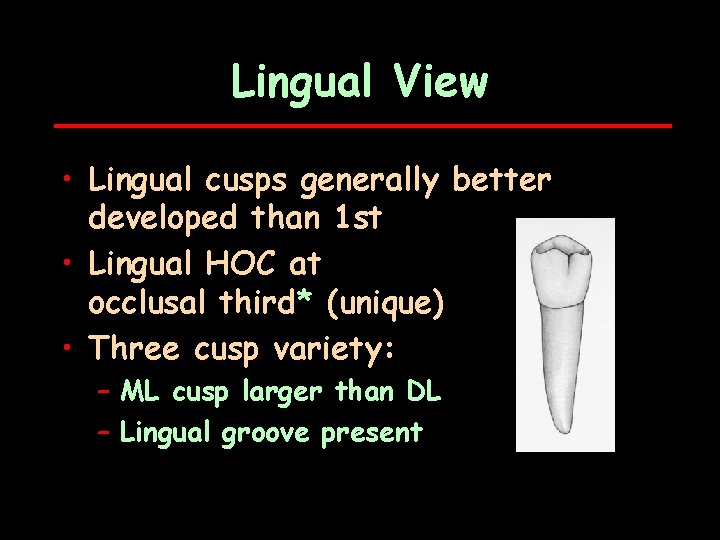
Lingual View • Lingual cusps generally better developed than 1 st • Lingual HOC at occlusal third* (unique) • Three cusp variety: – ML cusp larger than DL – Lingual groove present

Mesial View • Lingual inclination less than 1 st • Buccal cusp tip is facial to tooth midline* • Mesial marginal ridge nearly horizontal • Mesial marginal groove present, no ML developmental groove • Only two cusps visible

Distal View • Distal marginal ridge more cervical than mesial – More of occlusal surface visible from this view • All 3 cusp tips visible from this view (3 -cusp variety)
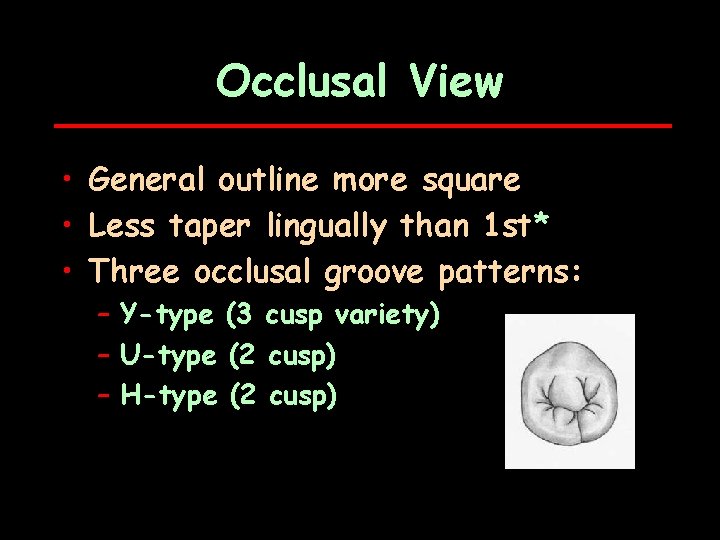
Occlusal View • General outline more square • Less taper lingually than 1 st* • Three occlusal groove patterns: – Y-type (3 cusp variety) – U-type (2 cusp) – H-type (2 cusp)

Three cusp variety: • Y shape groove pattern – Formed by lingual groove joining central groove – Only premolar with lingual groove* • Largest to smallest cusps: – B, ML, DL

Three cusp variety. . . • No transverse ridge (? ) • 3 pits: mesial, central, distal • 3 fossae: – 2 triangular fossae: mesial and distal – 1 central fossa
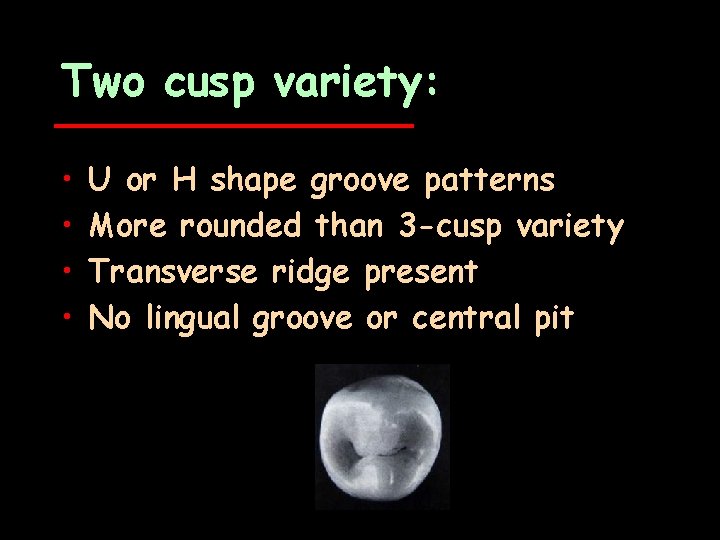
Two cusp variety: • • U or H shape groove patterns More rounded than 3 -cusp variety Transverse ridge present No lingual groove or central pit

Two cusp variety. . . • Lingual cusp offset to mesial • 2 pits: mesial and distal • 2 triangular fossae: mesial and distal
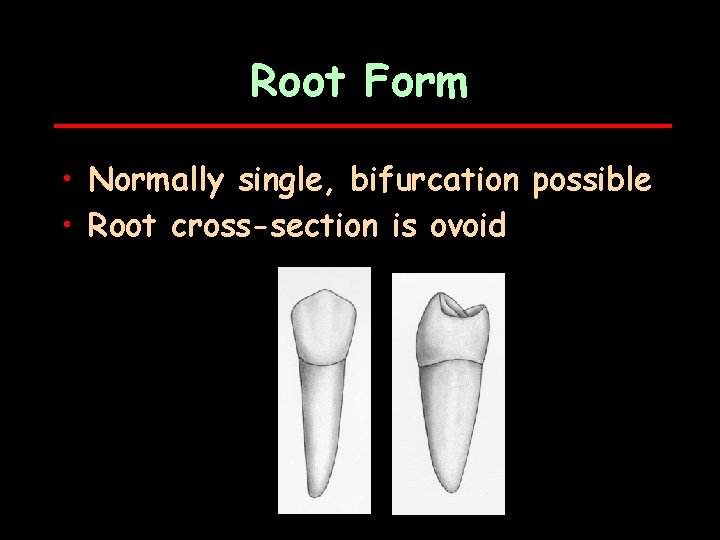
Root Form • Normally single, bifurcation possible • Root cross-section is ovoid
Anomalies: • May be missing congenitally

How To Tell Right From Left: • ML cusp larger than DL (3 -cusp) • Lingual cusp offset mesially (2 -cusp) • Distal marginal ridge more cervical than mesial marginal ridge • Root may have distal deflection
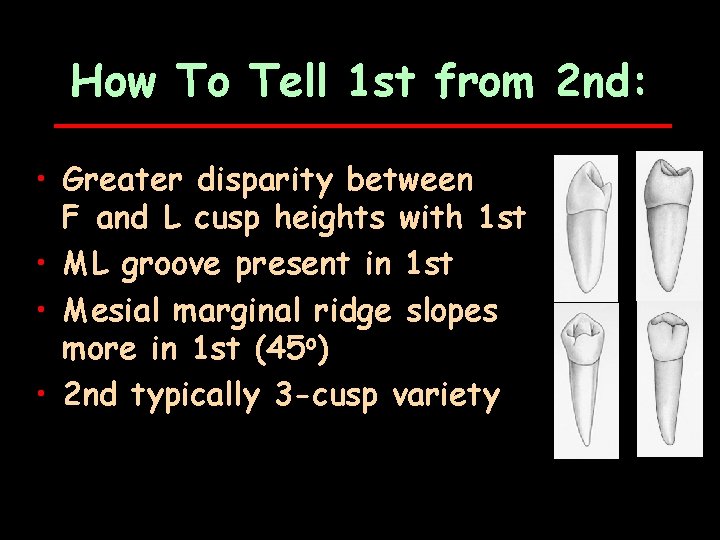
How To Tell 1 st from 2 nd: • Greater disparity between F and L cusp heights with 1 st • ML groove present in 1 st • Mesial marginal ridge slopes more in 1 st (45 o) • 2 nd typically 3 -cusp variety
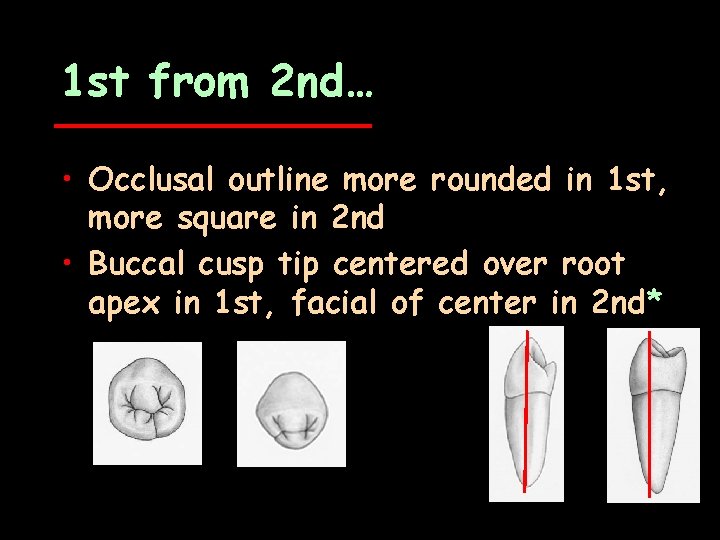
1 st from 2 nd… • Occlusal outline more rounded in 1 st, more square in 2 nd • Buccal cusp tip centered over root apex in 1 st, facial of center in 2 nd*
Tooth ID
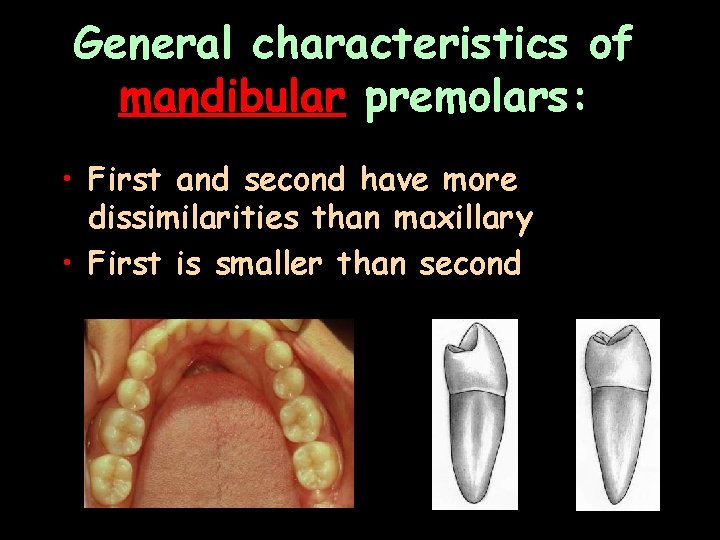
General characteristics of mandibular premolars: • First and second have more dissimilarities than maxillary • First is smaller than second
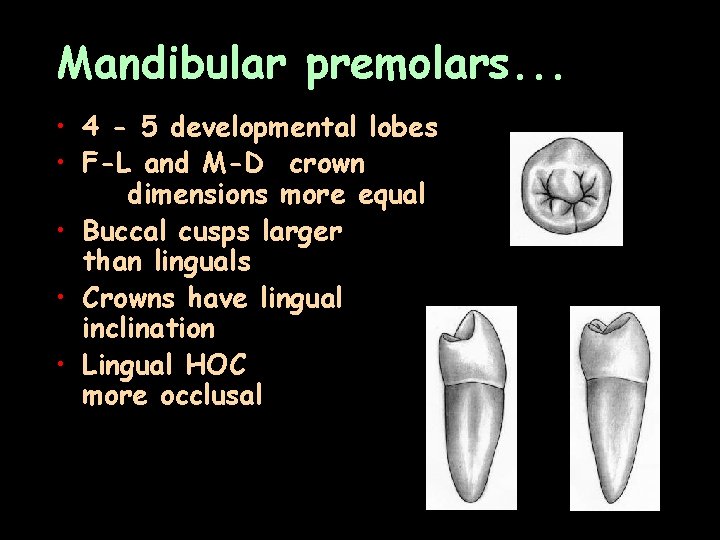
Mandibular premolars. . . • 4 - 5 developmental lobes • F-L and M-D crown dimensions more equal • Buccal cusps larger than linguals • Crowns have lingual inclination • Lingual HOC more occlusal
- Slides: 41