
Mandatory Reporting REMEMBER Your suspicion of child abuse
Mandatory Reporting

REMEMBER Your suspicion of child abuse or neglect is enough to make a report. You are not required to provide proof. South Carolina law protects people who make good faith reports of child abuse. There are four major types of child maltreatment 1. Neglect 2. Physical 3. Sexual Abuse 4. Emotional Abuse Child Abuse and Neglect Indicators http: //www. scchildren. org/prevention_learning_center/recognizing_child_abuse_and_neglect/child_abuse_a nd_neglect_indicators/
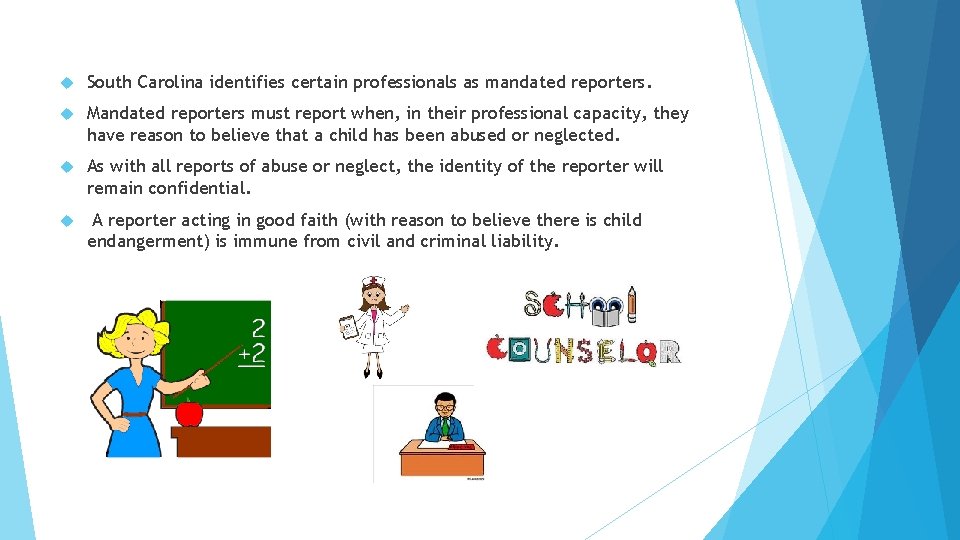
South Carolina identifies certain professionals as mandated reporters. Mandated reporters must report when, in their professional capacity, they have reason to believe that a child has been abused or neglected. As with all reports of abuse or neglect, the identity of the reporter will remain confidential. A reporter acting in good faith (with reason to believe there is child endangerment) is immune from civil and criminal liability.
![By South Carolina Law [63 -7 -310] the following professionals are required to report](http://slidetodoc.com/presentation_image_h2/b63fb69a4777331269212aa5653b4f89/image-4.jpg "By South Carolina Law [63 -7 -310] the following professionals are required to report")
By South Carolina Law [63 -7 -310] the following professionals are required to report suspected cases of child abuse or neglect: Physicians, nurses, dentists, optometrists Medical examiners, coroners and their employees Any other medical, emergency medical services, mental health or allied professionals Clergy, Christian Science practitioners, religious healers (Note: exception clergy and penitent privilege as provided in Section 19 -11 -90. ) School teachers, counselors, principals, assistant principals Social or public assistance workers Substance abuse treatment staff Child care workers (Challenger) in day care centers and foster care facilities Judges Police or law enforcement officers including school truancy officers Non-attorney volunteer guardians ad litem Foster parents Undertakers, funeral home directors and employees Persons responsible for photo or film processing/Computer Technicians Juvenile justice workers
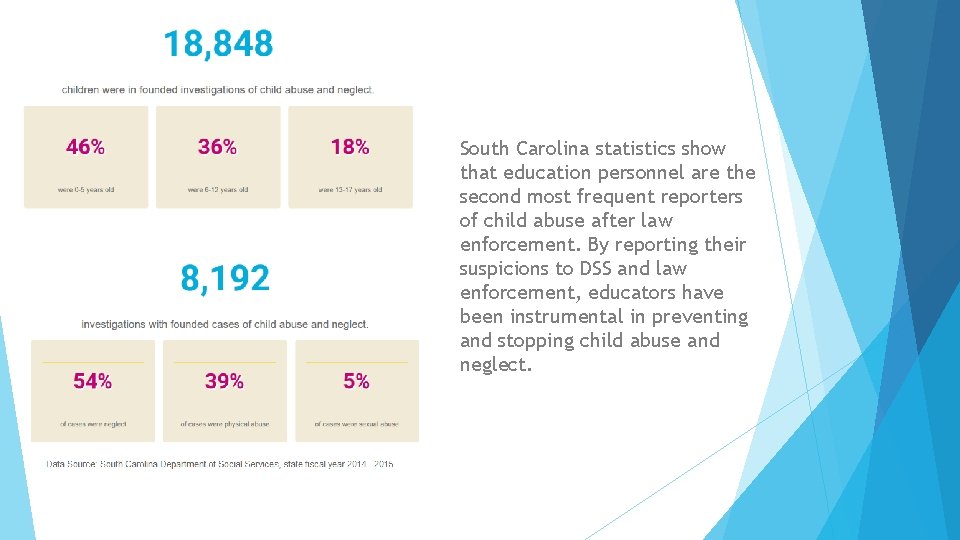
South Carolina statistics show that education personnel are the second most frequent reporters of child abuse after law enforcement. By reporting their suspicions to DSS and law enforcement, educators have been instrumental in preventing and stopping child abuse and neglect.

Guidelines for Mandatory Reporters Responding to a Child Listen attentively while the child is talking to you. Do not probe for details, particularly concerning sexual abuse. Do not remove clothing to examine the child’s body unless you are a medical professional. Do not indicate doubt or disbelief. Do not express shock or anger at the possible perpetrator. Children often love the person who mistreats them. Tell the child what you will do, for example that you are going to contact DSS and a caseworker will come to talk with the child. Do not give the child false assurances, or promise that you will keep the information confidential. Contact with Parents In general, it is best not to contact the child’s parents about your suspicions before making the report. Informing parents before the appropriate intervention can be made may lead to retribution against the child or destruction of evidence. In some cases, if the child does not appear to be in imminent danger or if the suspected offender is someone other than a parent, you may choose to maintain open communication with the parent. Never accuse a parent of abuse or neglect. You may explain that you are legally required to report based upon the possibility that the child has been or may be harmed.
Who do I call to make a report? If the mandated reporter has reason to believe that a child is being abused or neglected by a parent, guardian or person responsible for a child’s welfare – Call DSS and/or Law Enforcement If the mandated reporter has reason to believe that a child is being abused or neglected by someone other than a parent, guardian or person responsible for a child’s welfare – Call Law Enforcement
Documentation Document the basis of your concerns, including physical and behavioral signs. Document the child’s statements to you. Try to use the child’s exact words. Document the child’s demeanor while talking with you. Note any signs of fear or distress. If you make the report orally, record the date, time, and the person and agency you contacted. Be aware that your records concerning the report may be subject to subpoena.
When you make a report, you will be asked to provide information that includes: The reason for reporting The child’s name and name of other siblings living in the household Present location of the child The suspected perpetrator’s name (if known) A description of what you have seen or heard including the date of occurrence, your observations and witnesses to the abuse Any agencies that you know that are already involved with the family Your name and phone number (can be anonymous)
Tips for reporting Make the report as soon as possible after receiving the information that causes you to suspect abuse or neglect. Do not wait for proof. The law requires you to report when you have reason to believe abuse or neglect has occurred. Failure to report can result in misdemeanor charges with fine and prison time up to six months. Do not try to investigate yourself or excessively question the child. Ask only basis questions, such as what happened, who did it and where did it happen. Leave the investigation for professionally trained caseworkers or law enforcement officers. You can request notification of the investigations’ outcome if you wish. If you are a mandated reporter under S. C. law, you must personally report information you receive to DSS or law enforcement. Notifying your supervisor does not satisfy your legal requirement to report.
Resources Children’s Trust of South Carolina Recognizing Child Abuse and Neglect • Information for Mandatory Reporters • http: //www. scchildren. org/prevention_learning_center/recognizing_child_abuse_ and_neglect/ http: //www. scchildren. org/public/files/docs/Prevention_Learning_Center/Inform ationfor. Mandatory. Reporters. pdf SC Law - Title 63 - South Carolina Children's Code Chapter 7 - Child Protection and Permanency • http: //www. scstatehouse. gov/code/t 63 c 007. php
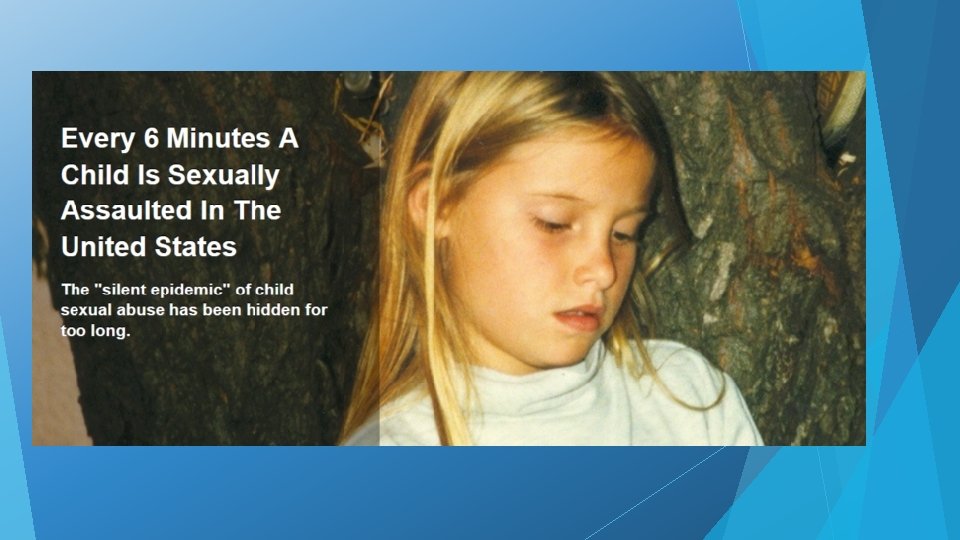
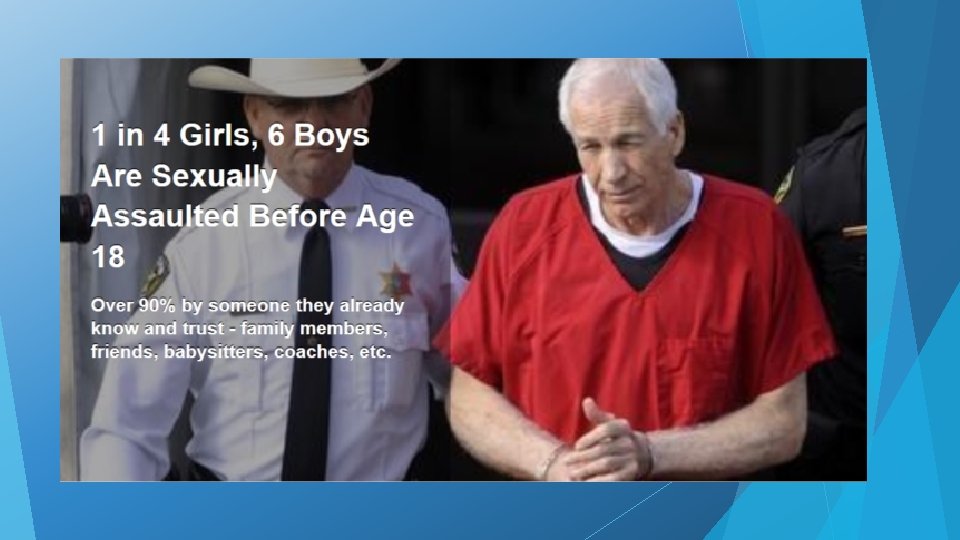
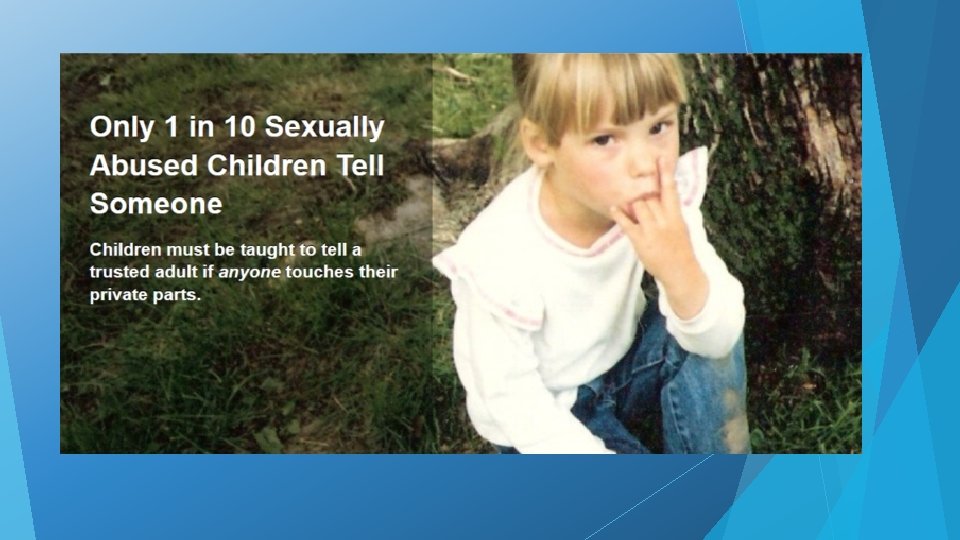
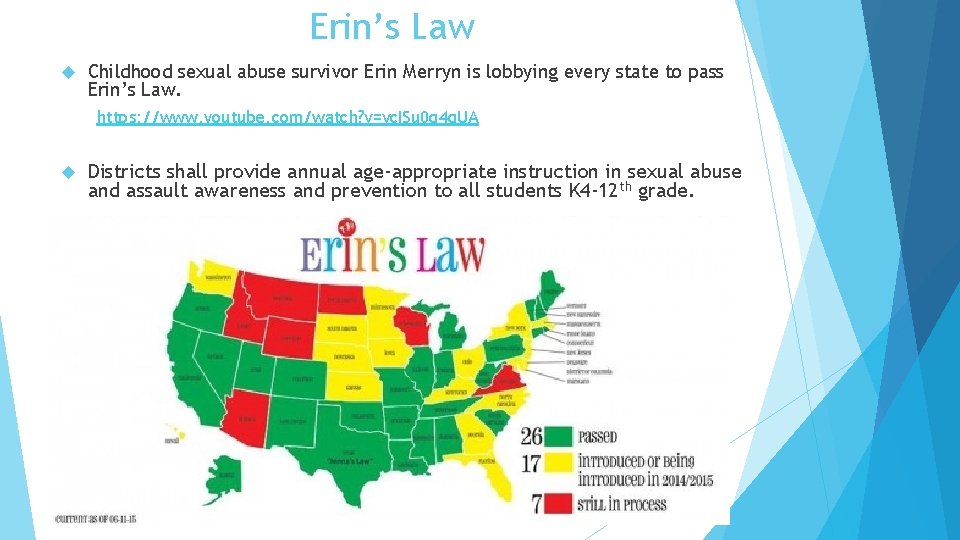
Erin’s Law Childhood sexual abuse survivor Erin Merryn is lobbying every state to pass Erin’s Law. https: //www. youtube. com/watch? v=vc. ISu 0 q 4 q. UA Districts shall provide annual age-appropriate instruction in sexual abuse and assault awareness and prevention to all students K 4 -12 th grade.
Professional Development School personnel are the source of over 50% of abuse reports made by professionals to authorities. Educators may be the single most important group in the prevention and recognition of child sexual abuse. Darkness to Light partnered with SC DOE in 2008 to customize the Stewards of Children program for educational settings. They released a report which provides: • Recommendations for the rollout of the Stewards of Children program • Policy issues that school districts may want to address • Customized discussion questions that pertain directly to the training of school personnel
- Slides: 16