
Mandala The Sacred Circle Mandalas A symbol of
Mandala The Sacred Circle
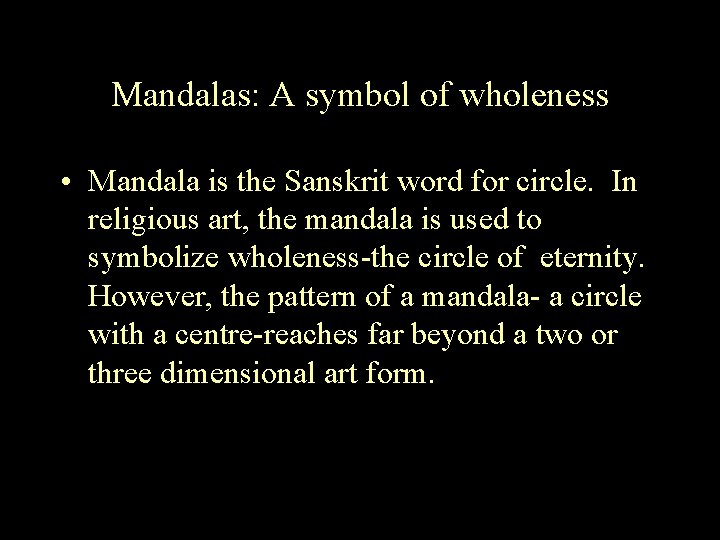
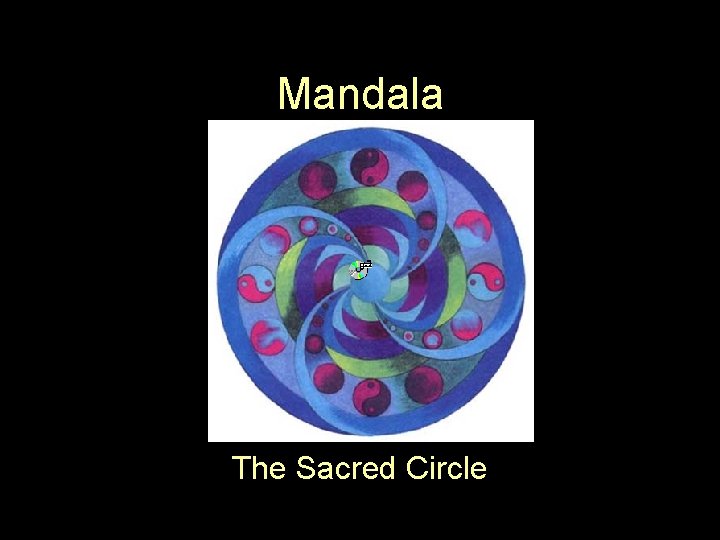
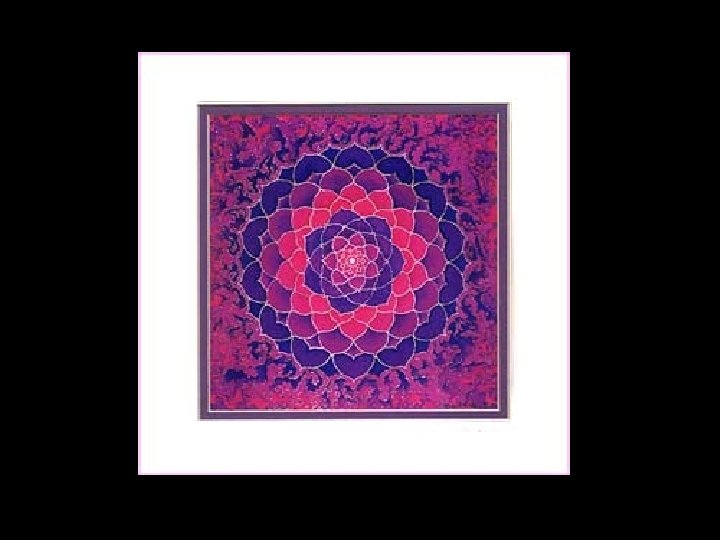
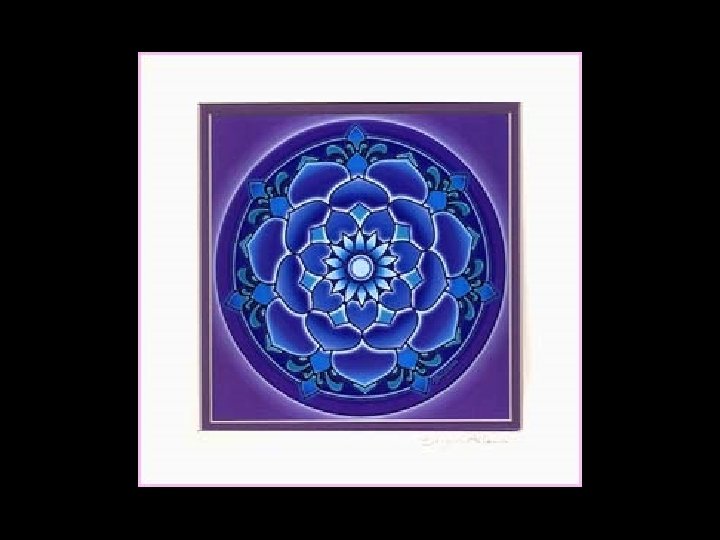
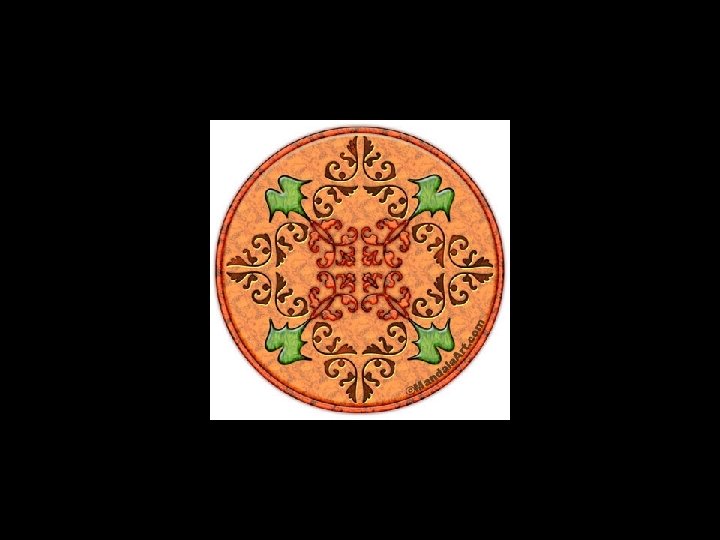
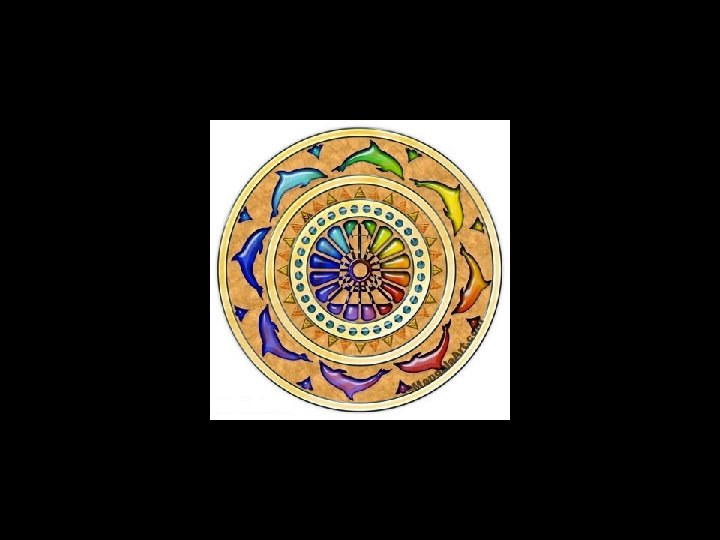
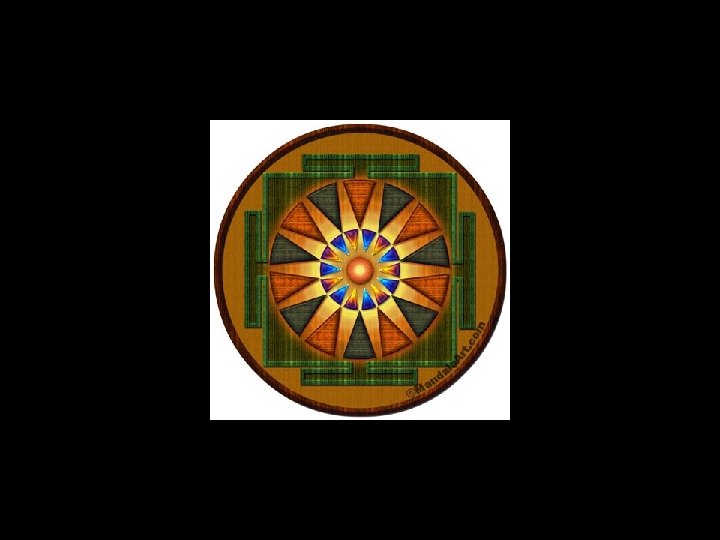
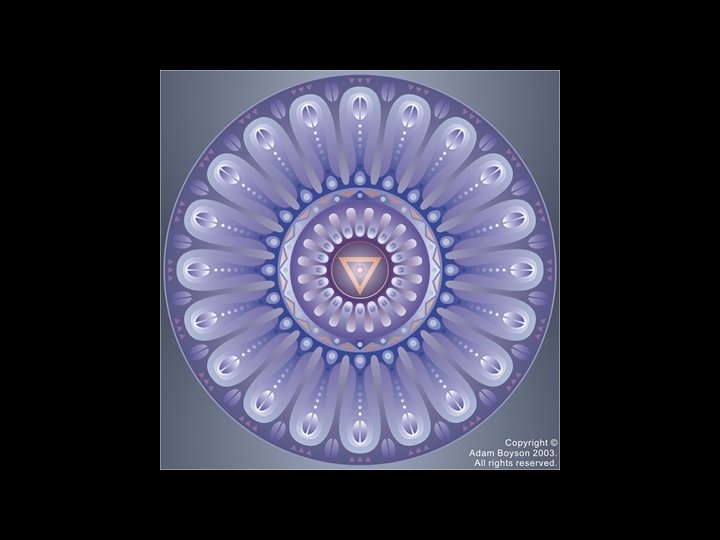
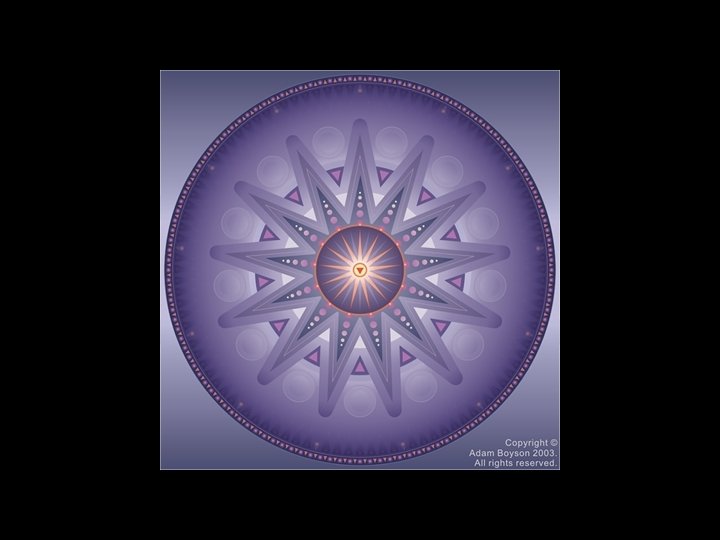
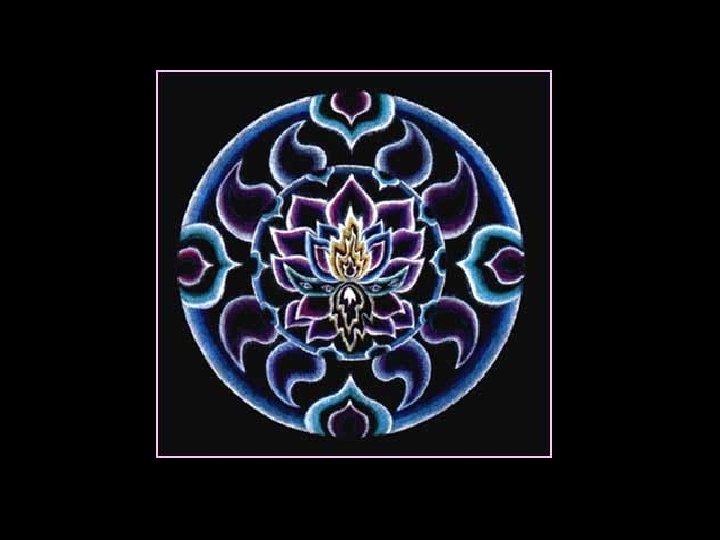
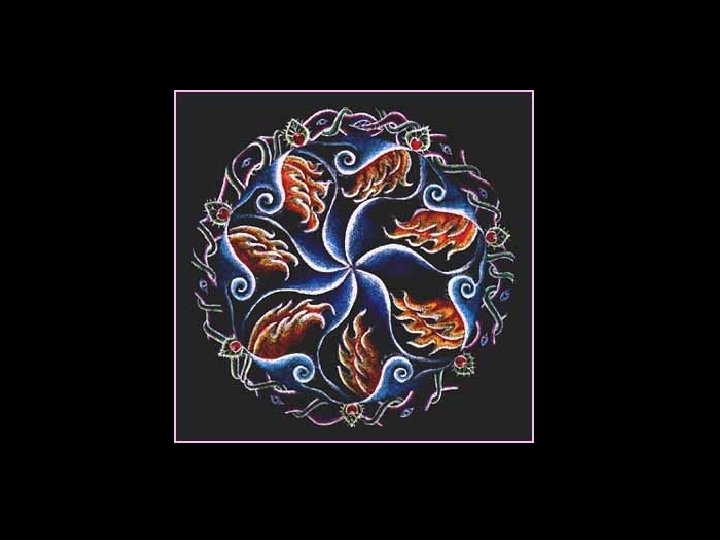
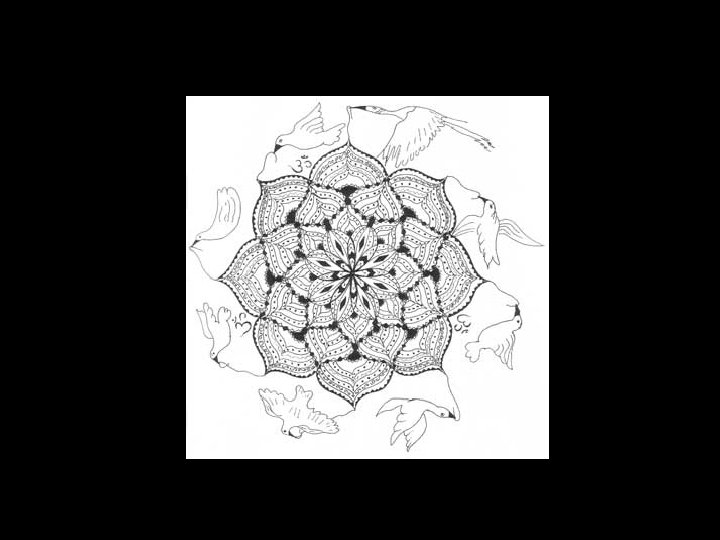
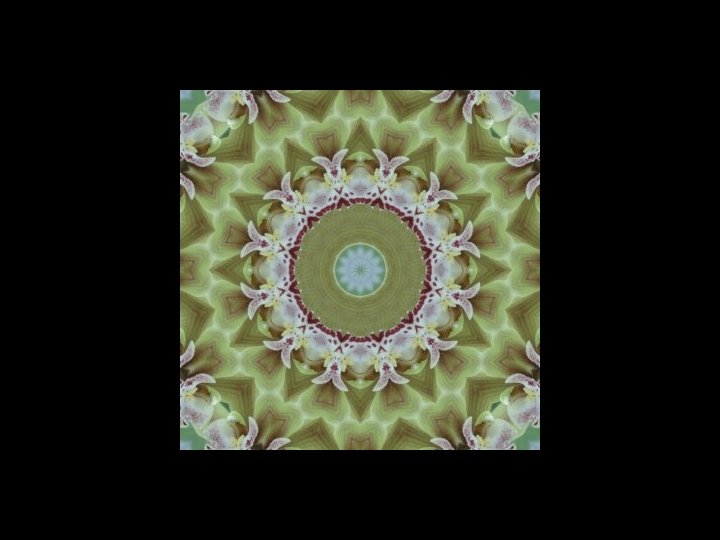
Mandalas: A symbol of wholeness • Mandala is the Sanskrit word for circle. In religious art, the mandala is used to symbolize wholeness-the circle of eternity. However, the pattern of a mandala- a circle with a centre-reaches far beyond a two or three dimensional art form.
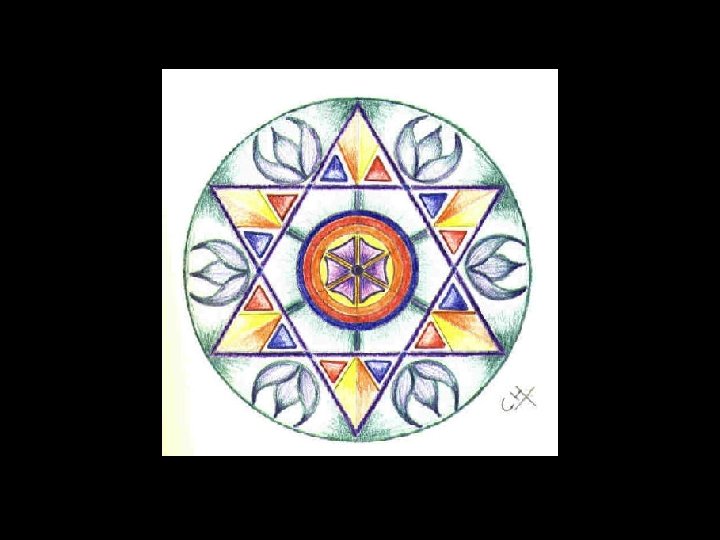
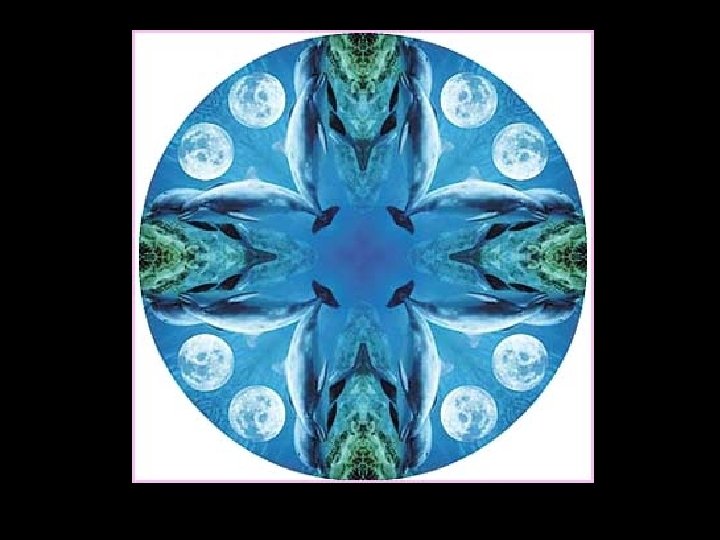
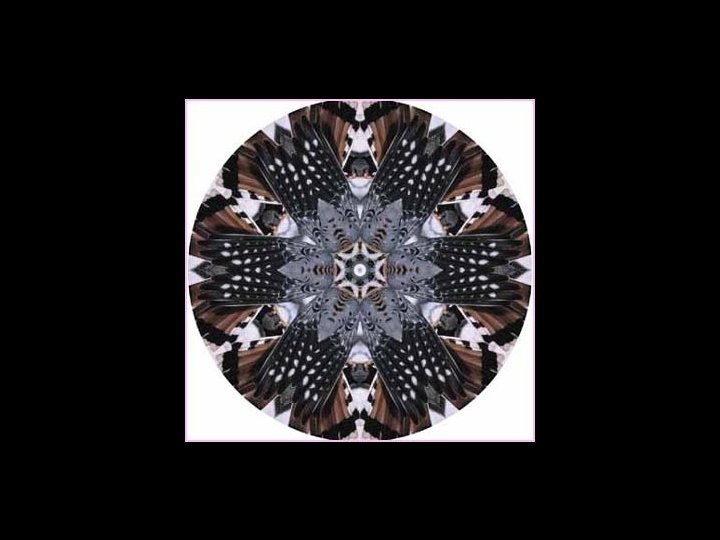
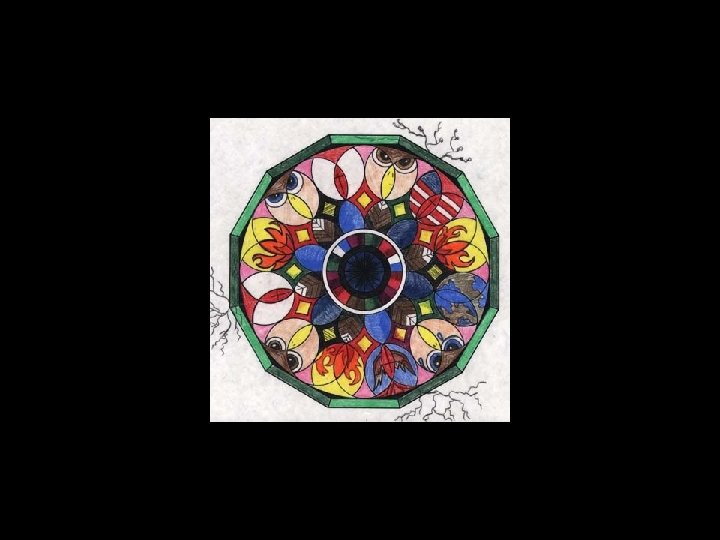
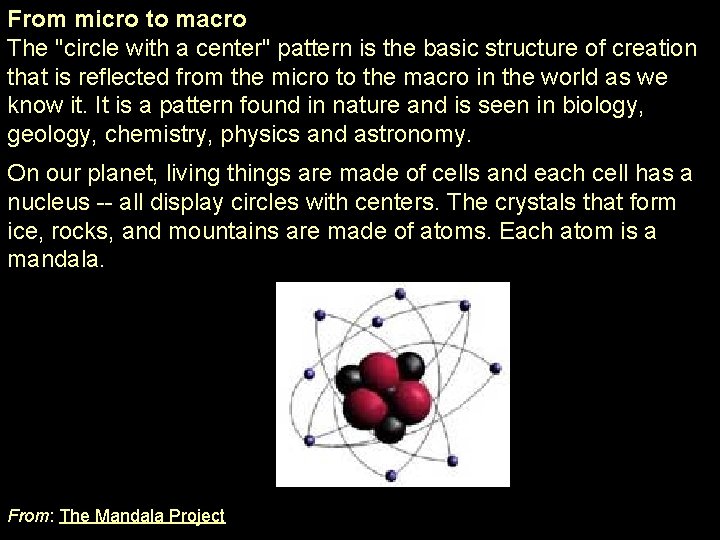
From micro to macro The "circle with a center" pattern is the basic structure of creation that is reflected from the micro to the macro in the world as we know it. It is a pattern found in nature and is seen in biology, geology, chemistry, physics and astronomy. On our planet, living things are made of cells and each cell has a nucleus -- all display circles with centers. The crystals that form ice, rocks, and mountains are made of atoms. Each atom is a mandala. From: The Mandala Project

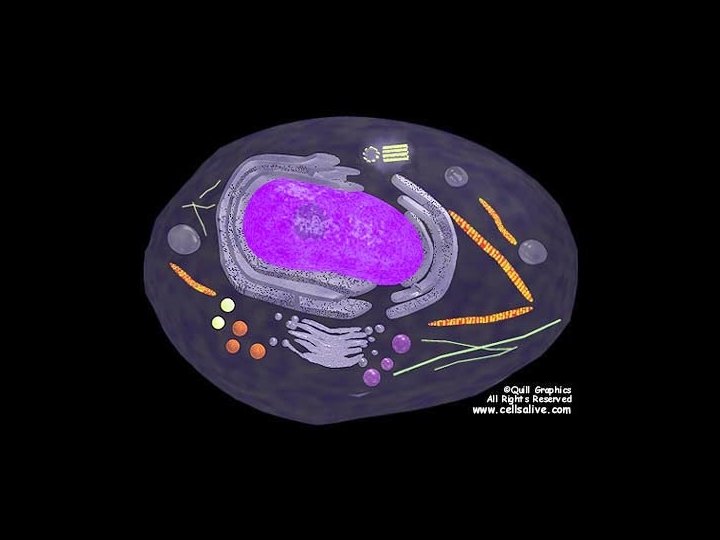
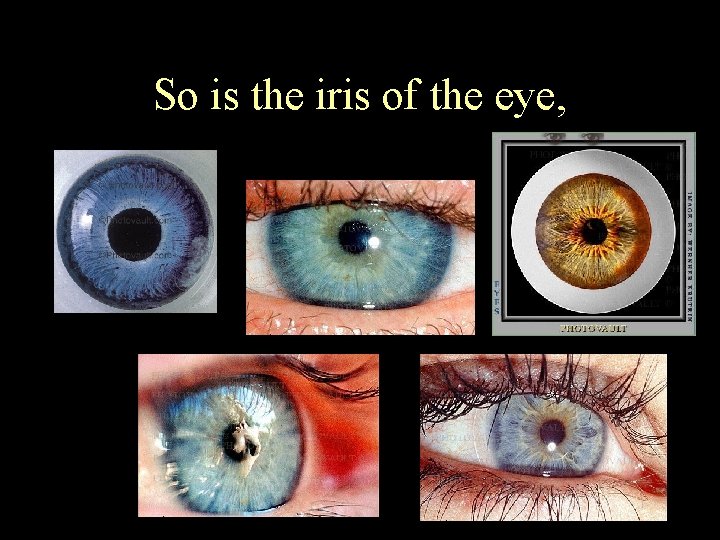
So is the iris of the eye,
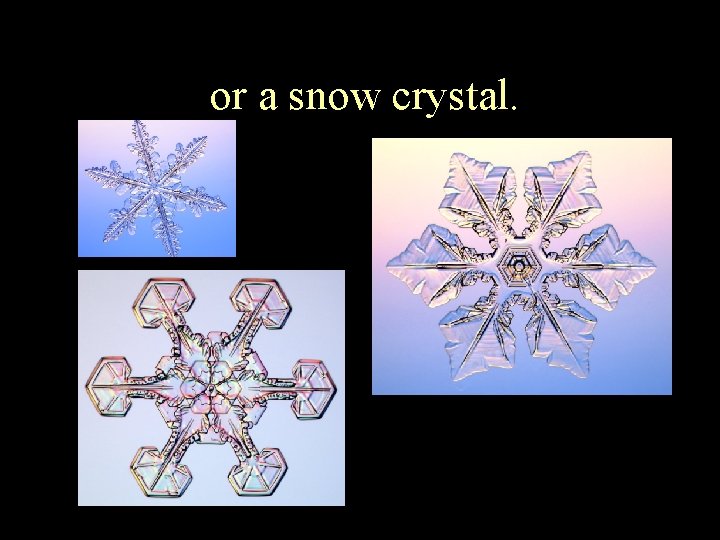
or a snow crystal.
Within the Milky Way galaxy is our solar system and within our solar system, is Earth. Each is a mandala that is part of a larger mandala. Flowers, the rings found in tree trunks and the spiraling outward and inward of a snail's shell all reflect the primal mandala pattern. Wherever a center is found radiating outward and inward, there is wholeness--a mandala.
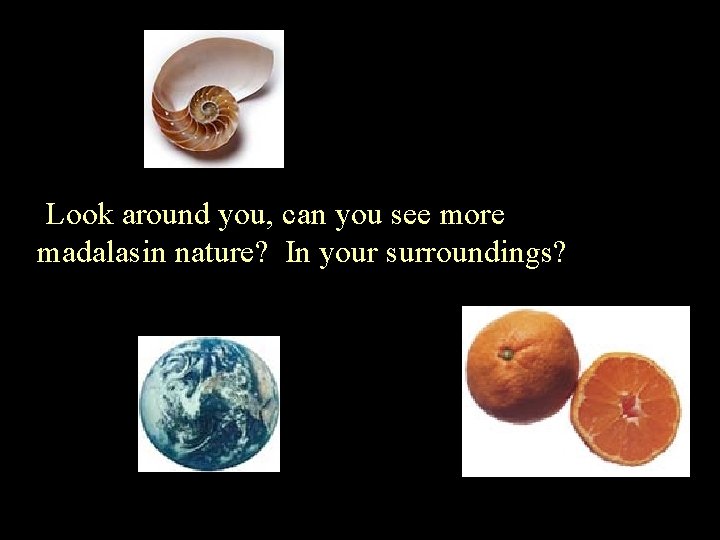
l. Look around you, can you see more madalasin nature? In your surroundings?
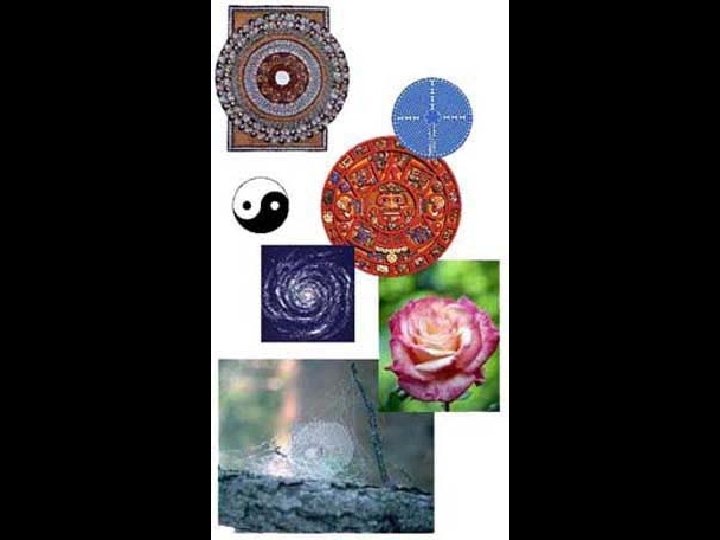
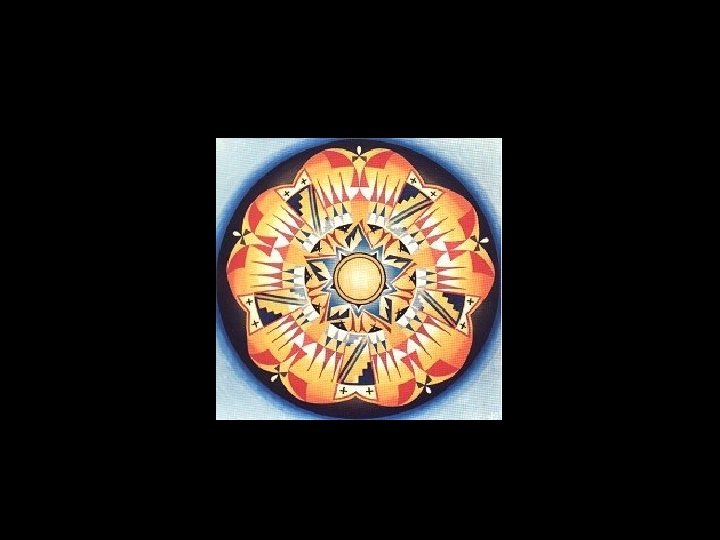
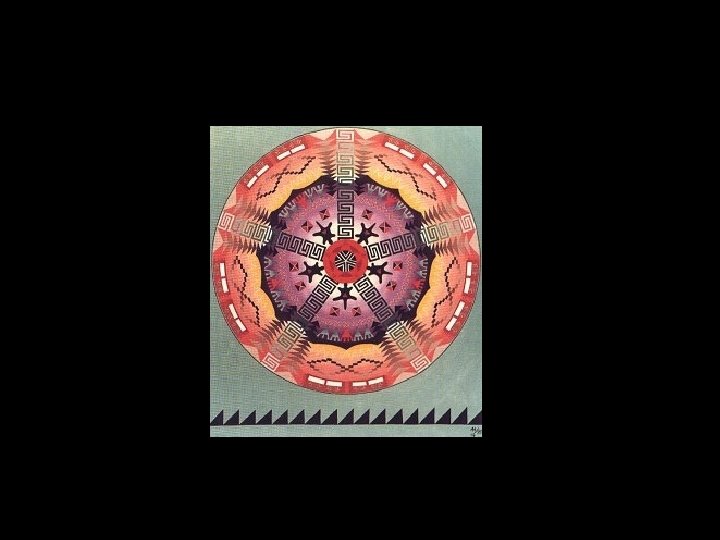
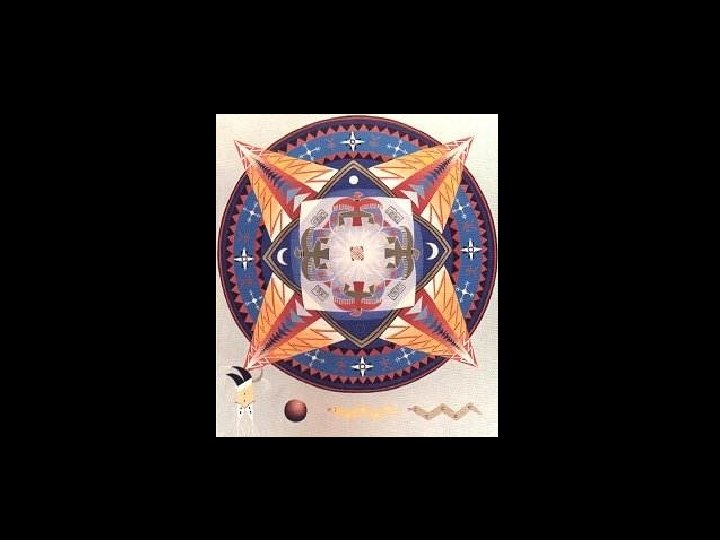
A cross-cultural pattern The mandala pattern is used in many religious traditions. Hildegard von Bingen, a Christian nun in the 12 th century, created many beautiful mandalas to express her visions and beliefs. In the Americas, Indians have created medicine wheels and sand mandalas. The circular Aztec calendar was both a timekeeping device and a religious expression of ancient Aztecs. In Asia, the Taoist "yin-yang" symbol represents opposition as well as interdependence. Tibetan mandalas are often highly intricate illustrations of religious significance that are used for meditation.
SAND MANDALAS: Different cultures, similar expression Both Navajo Indians and Tibetan monks create sand mandalas to demonstrate the impermanence of life. In ancient Tibet, as part of a spiritual practice, monks created intricate mandalas with colored sand made of crushed semiprecious stones. The tradition continues to this day as the monks travel to different cultures around the world to create sand mandalas and educate people about the culture of Tibet.
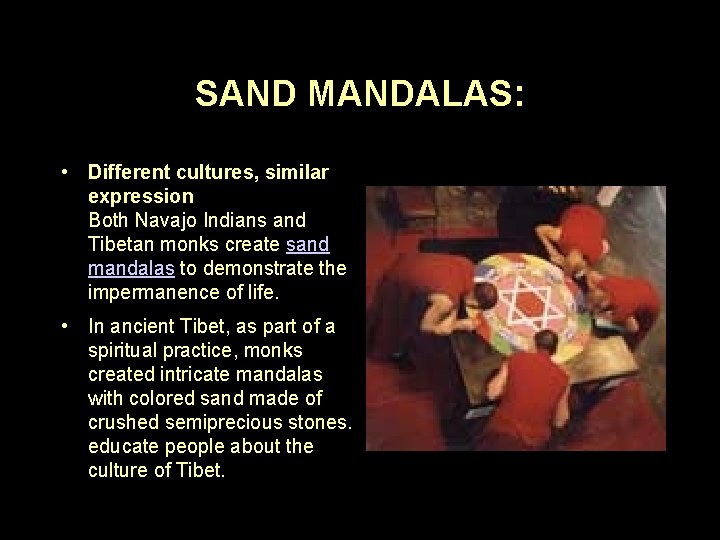
SAND MANDALAS: • Different cultures, similar expression Both Navajo Indians and Tibetan monks create sand mandalas to demonstrate the impermanence of life. • In ancient Tibet, as part of a spiritual practice, monks created intricate mandalas with colored sand made of crushed semiprecious stones. educate people about the culture of Tibet.
- Slides: 43