
Managing Variability Key to a renewable energy future
Managing Variability Key to a renewable energy future Ndamulelo Mararakanye Pr Eng 22 November 2019
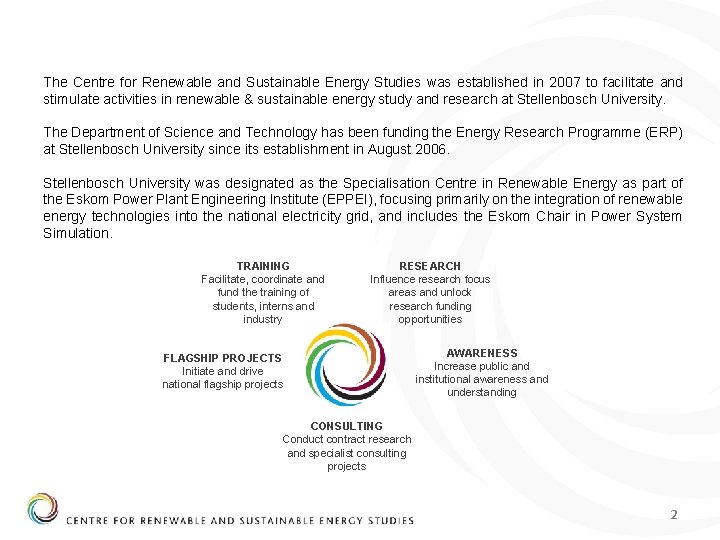
The Centre for Renewable and Sustainable Energy Studies was established in 2007 to facilitate and stimulate activities in renewable & sustainable energy study and research at Stellenbosch University. The Department of Science and Technology has been funding the Energy Research Programme (ERP) at Stellenbosch University since its establishment in August 2006. Stellenbosch University was designated as the Specialisation Centre in Renewable Energy as part of the Eskom Power Plant Engineering Institute (EPPEI), focusing primarily on the integration of renewable energy technologies into the national electricity grid, and includes the Eskom Chair in Power System Simulation. TRAINING Facilitate, coordinate and fund the training of students, interns and industry RESEARCH Influence research focus areas and unlock research funding opportunities FLAGSHIP PROJECTS Initiate and drive national flagship projects AWARENESS Increase public and institutional awareness and understanding CONSULTING Conduct contract research and specialist consulting projects 2

Traditional Power System http: //energylive. aemo. com. au/Energy-Explained/Managing-frequency-in-the-power-system 3
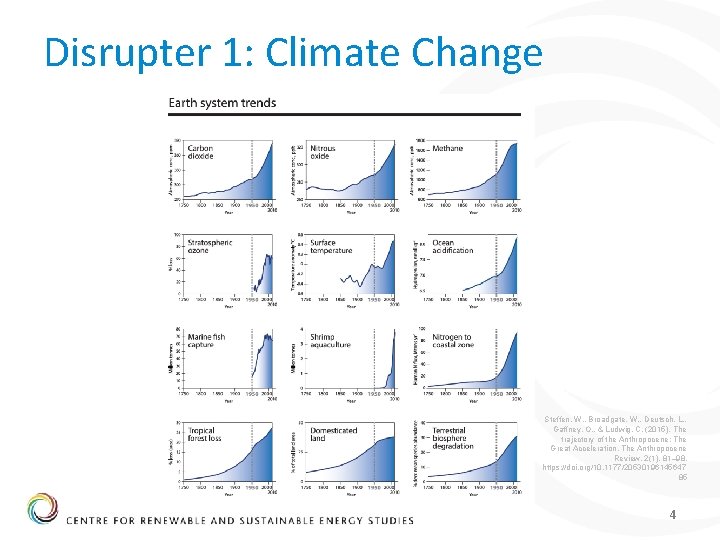
Disrupter 1: Climate Change Steffen, W. , Broadgate, W. , Deutsch, L. , Gaffney, O. , & Ludwig, C. (2015). The trajectory of the Anthropocene: The Great Acceleration. The Anthropocene Review, 2(1), 81– 98. https: //doi. org/10. 1177/20530196145647 85 4
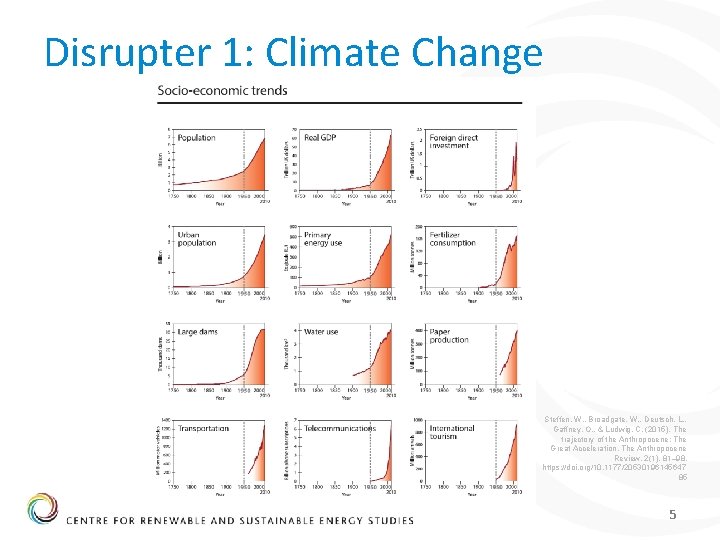
Disrupter 1: Climate Change Steffen, W. , Broadgate, W. , Deutsch, L. , Gaffney, O. , & Ludwig, C. (2015). The trajectory of the Anthropocene: The Great Acceleration. The Anthropocene Review, 2(1), 81– 98. https: //doi. org/10. 1177/20530196145647 85 5
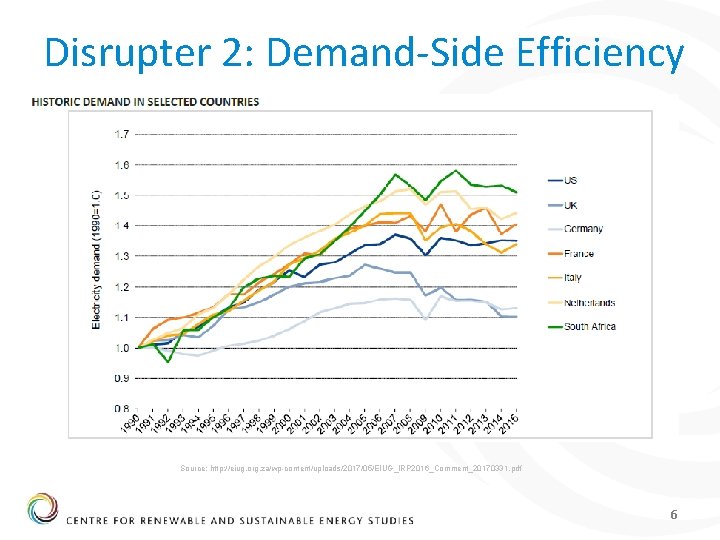
Disrupter 2: Demand-Side Efficiency Source: http: //eiug. org. za/wp-content/uploads/2017/05/EIUG_IRP 2016_Comment_20170331. pdf 6
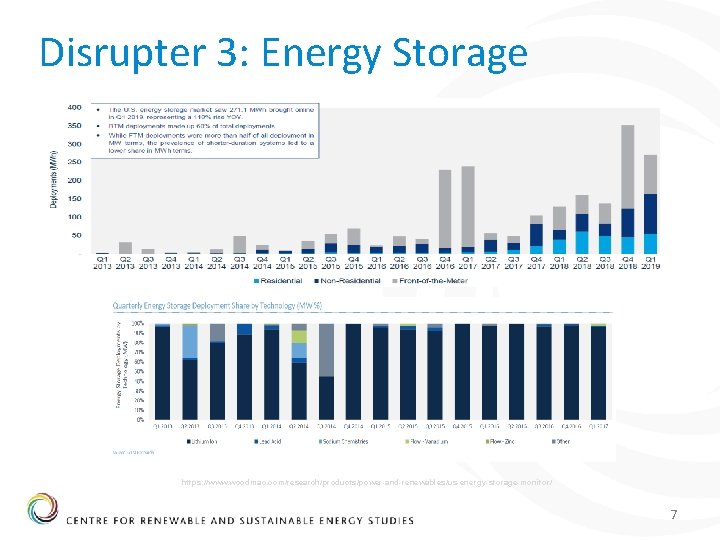
Disrupter 3: Energy Storage https: //www. woodmac. com/research/products/power-and-renewables/us-energy-storage-monitor/ 7
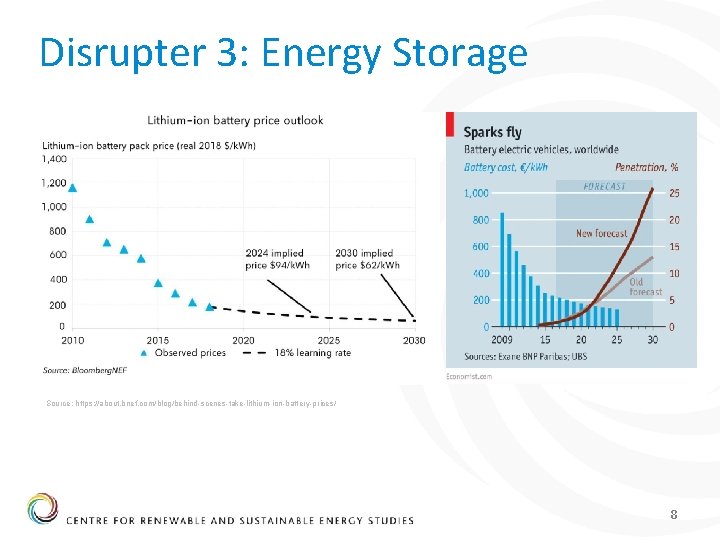
Disrupter 3: Energy Storage Source: https: //about. bnef. com/blog/behind-scenes-take-lithium-ion-battery-prices/ 8
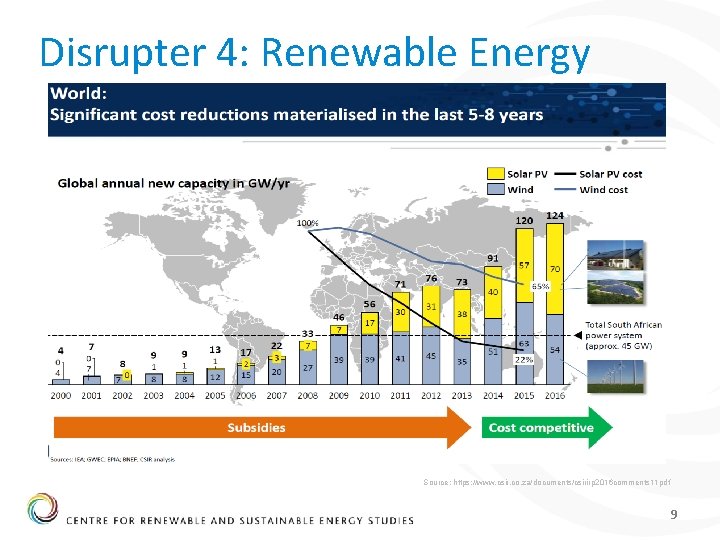
Disrupter 4: Renewable Energy Source: https: //www. csir. co. za/documents/csirirp 2016 comments 11 pdf 9
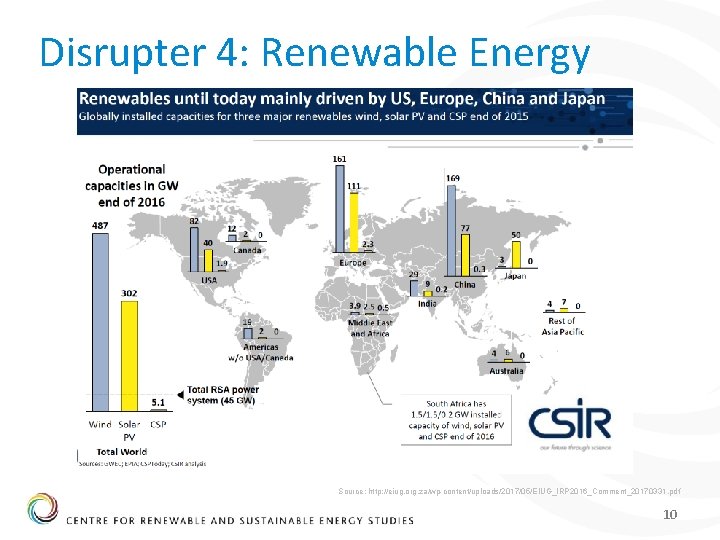
Disrupter 4: Renewable Energy Source: http: //eiug. org. za/wp-content/uploads/2017/05/EIUG_IRP 2016_Comment_20170331. pdf 10
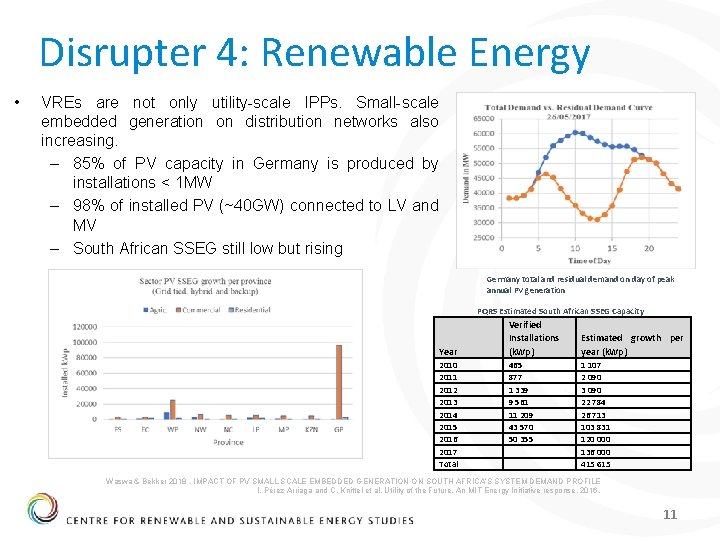
Disrupter 4: Renewable Energy • VREs are not only utility-scale IPPs. Small-scale embedded generation on distribution networks also increasing. – 85% of PV capacity in Germany is produced by installations < 1 MW – 98% of installed PV (~40 GW) connected to LV and MV – South African SSEG still low but rising Germany total and residual demand on day of peak annual PV generation PQRS Estimated South African SSEG Capacity Year Verified Installations (k. Wp) Estimated growth per year (k. Wp) 2010 2011 2012 2013 2014 2015 2016 2017 Total 465 877 1 339 9 561 11 209 43 570 50 355 1 107 2 090 3 090 22 784 26 713 103 831 120 000 136 000 415 615 Waswa & Bekker 2018 , IMPACT OF PV SMALL SCALE EMBEDDED GENERATION ON SOUTH AFRICA’S SYSTEM DEMAND PROFILE I. Pérez Arriaga and C. Knittel et al, Utility of the Future. An MIT Energy Initiative response. 2016. 11
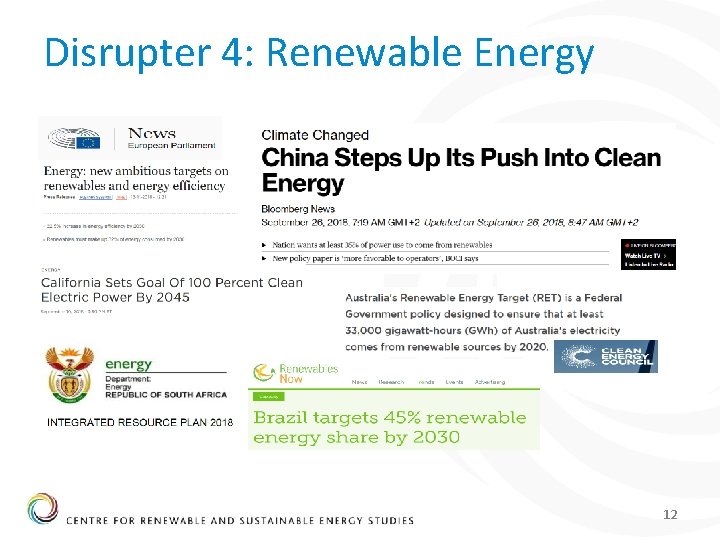
Disrupter 4: Renewable Energy 12
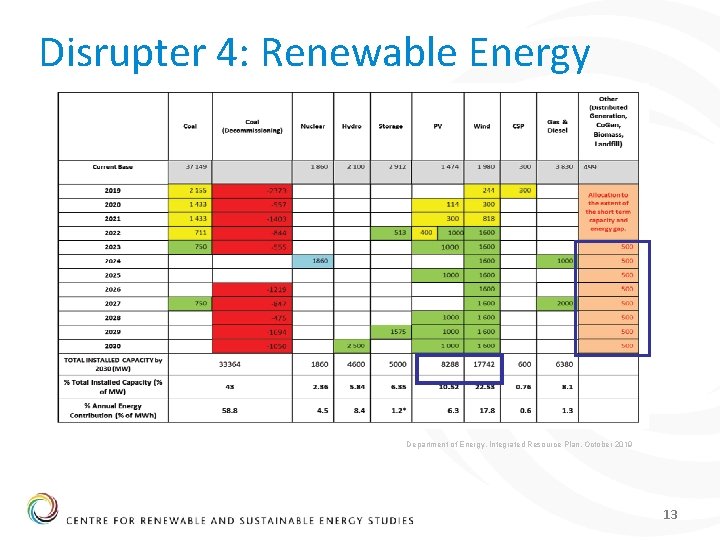
Disrupter 4: Renewable Energy Department of Energy, Integrated Resource Plan, October 2019 13

Future Grid Source: http: //www. eaton. com/RU/ecm/groups/public/@pub/@ftc/documents/content/pct_1760115. jpg 14
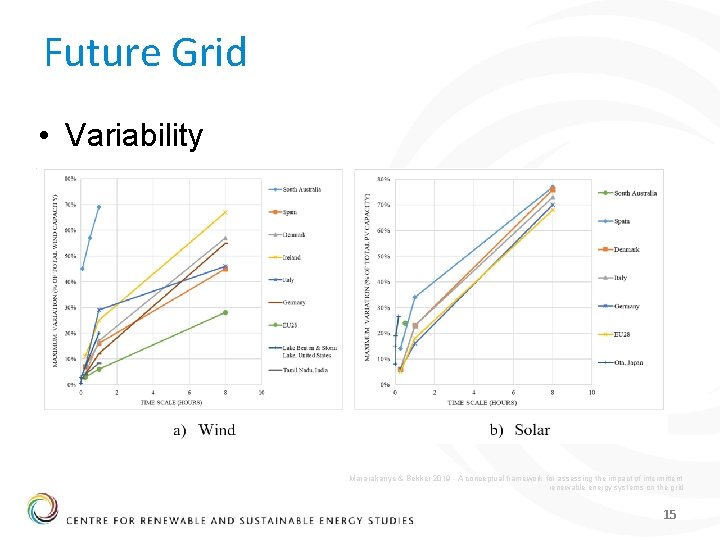
Future Grid • Variability Mararakanye & Bekker 2019 - A conceptual framework for assessing the impact of intermittent renewable energy systems on the grid 15
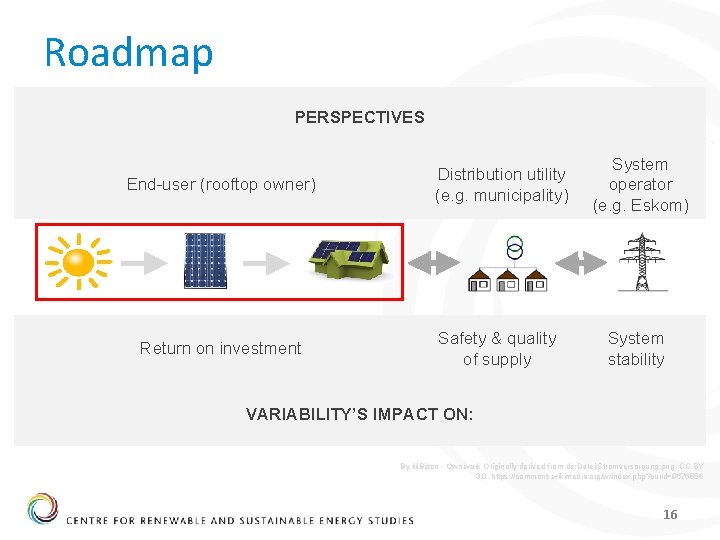
Roadmap PERSPECTIVES End-user (rooftop owner) Distribution utility (e. g. municipality) System operator (e. g. Eskom) Return on investment Safety & quality of supply System stability VARIABILITY’S IMPACT ON: By MBizon - Own work Originally derived from de: Datei: Stromversorgung. png, CC BY 3. 0, https: //commons. wikimedia. org/w/index. php? curid=9676556 16
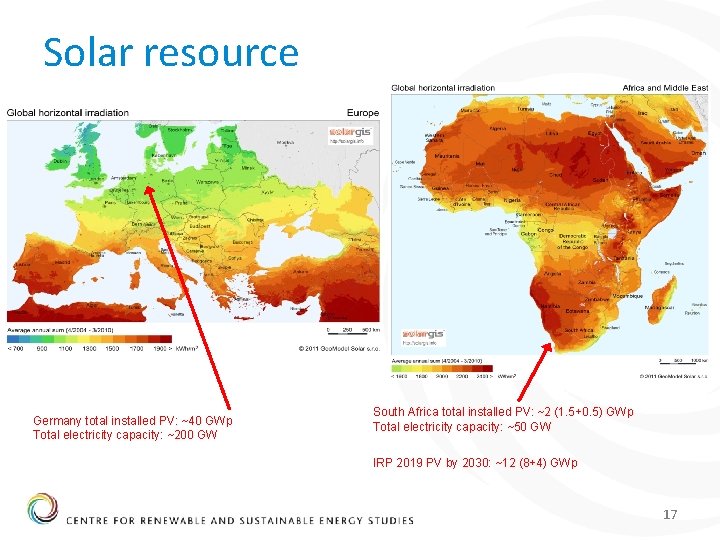
Solar resource Germany total installed PV: ~40 GWp Total electricity capacity: ~200 GW South Africa total installed PV: ~2 (1. 5+0. 5) GWp Total electricity capacity: ~50 GW IRP 2019 PV by 2030: ~12 (8+4) GWp 17
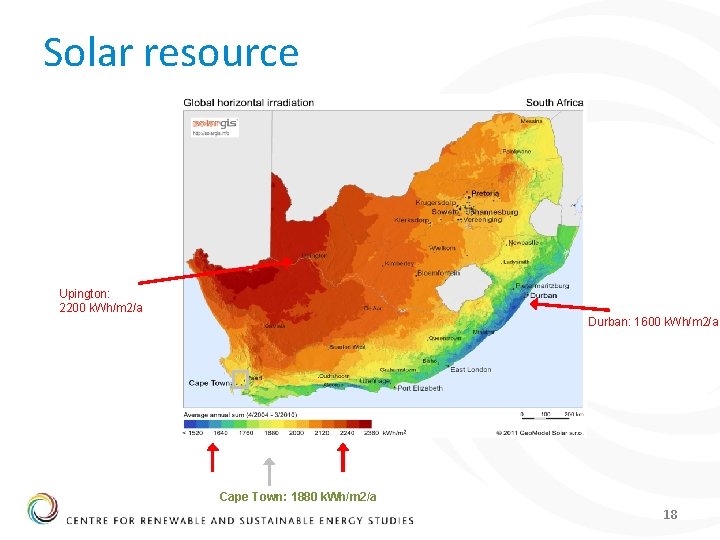
Solar resource Upington: 2200 k. Wh/m 2/a Durban: 1600 k. Wh/m 2/a Cape Town: 1880 k. Wh/m 2/a 18
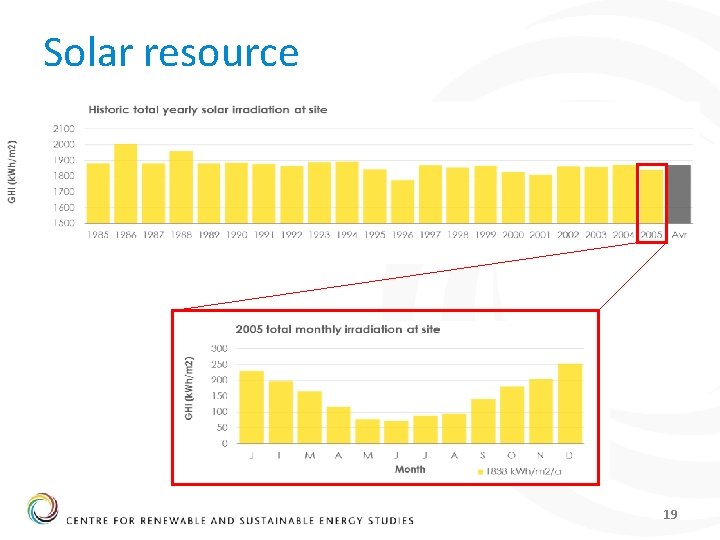
Solar resource 19
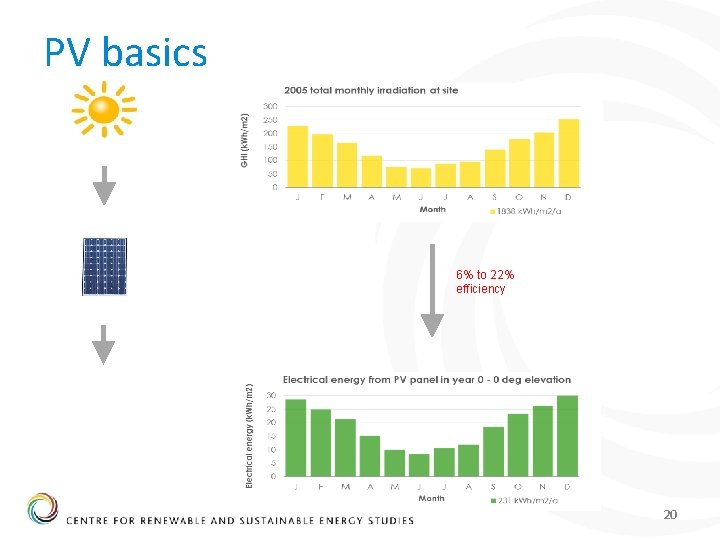
PV basics 6% to 22% efficiency 20
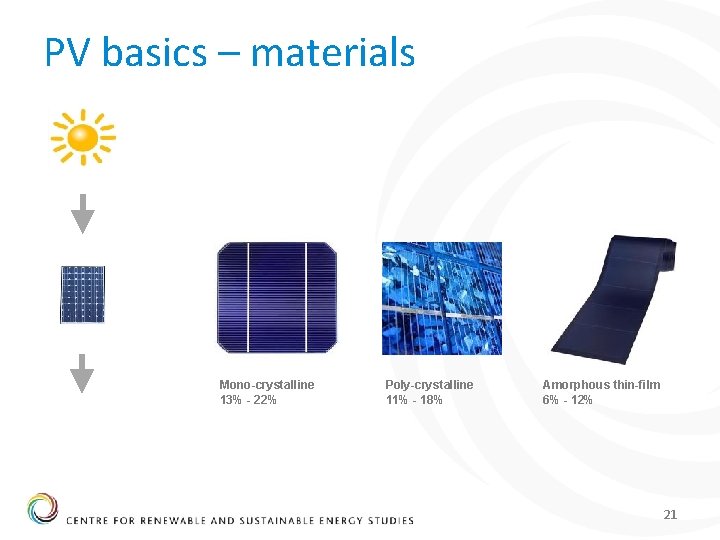
PV basics – materials Mono-crystalline 13% - 22% Poly-crystalline 11% - 18% Amorphous thin-film 6% - 12% 21
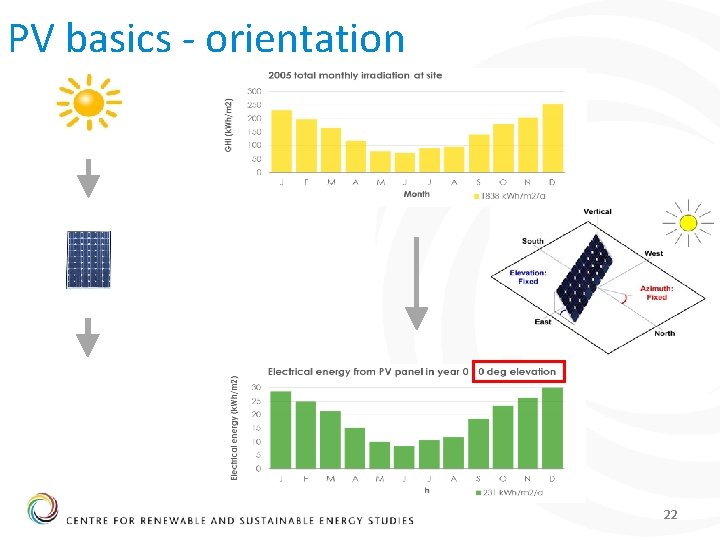
PV basics - orientation 22
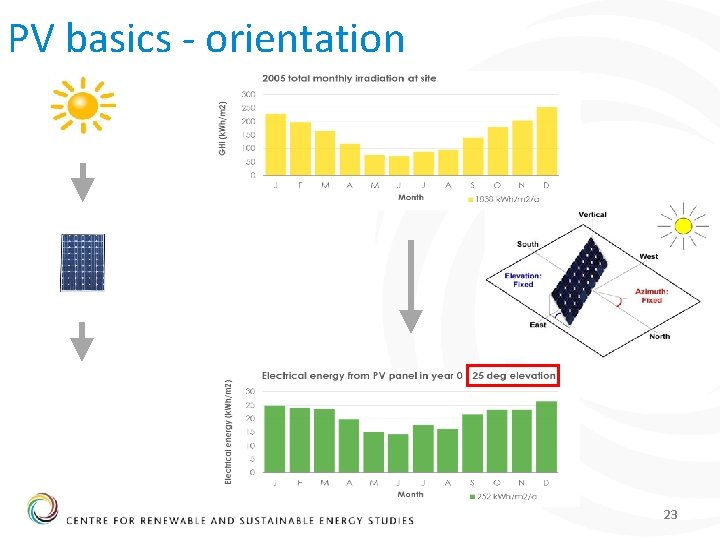
PV basics - orientation 23
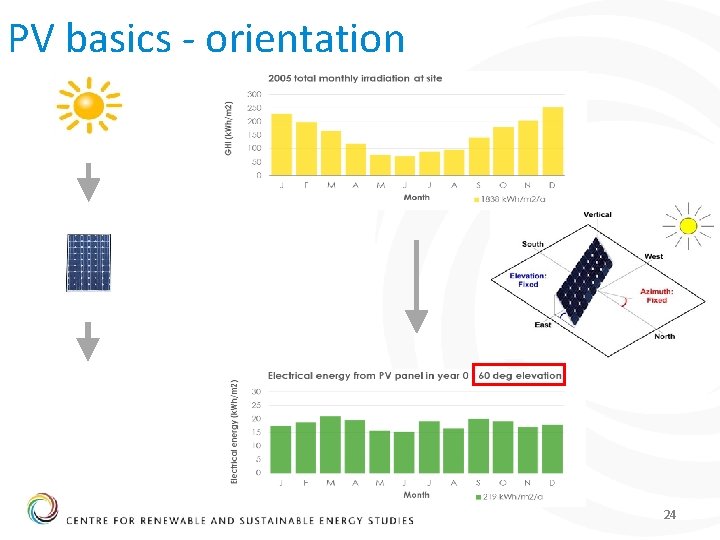
PV basics - orientation 24
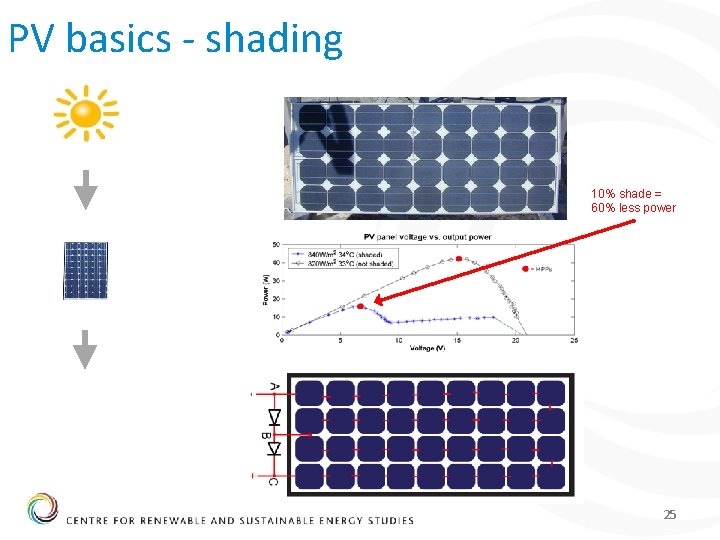
PV basics - shading 10% shade = 60% less power 25
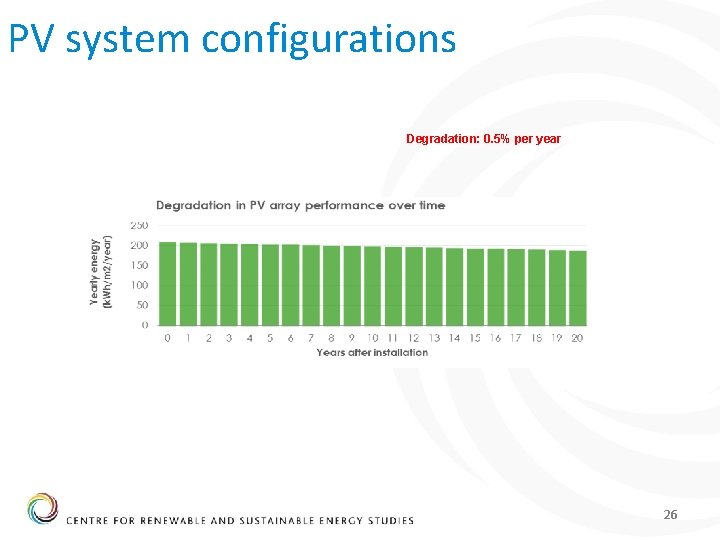
PV system configurations Degradation: 0. 5% per year 26
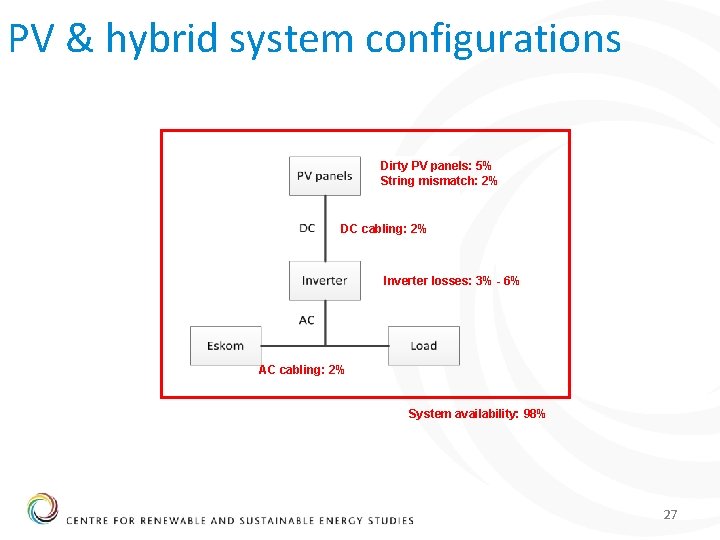
PV & hybrid system configurations Dirty PV panels: 5% String mismatch: 2% DC cabling: 2% Inverter losses: 3% - 6% AC cabling: 2% System availability: 98% 27
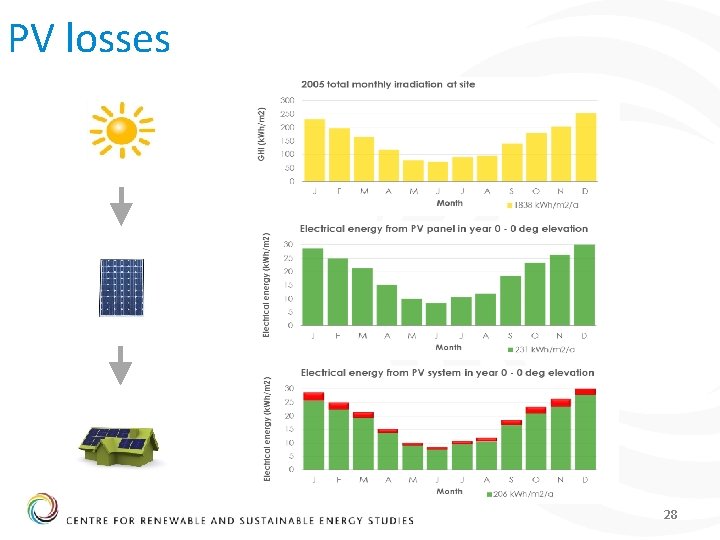
PV losses 28
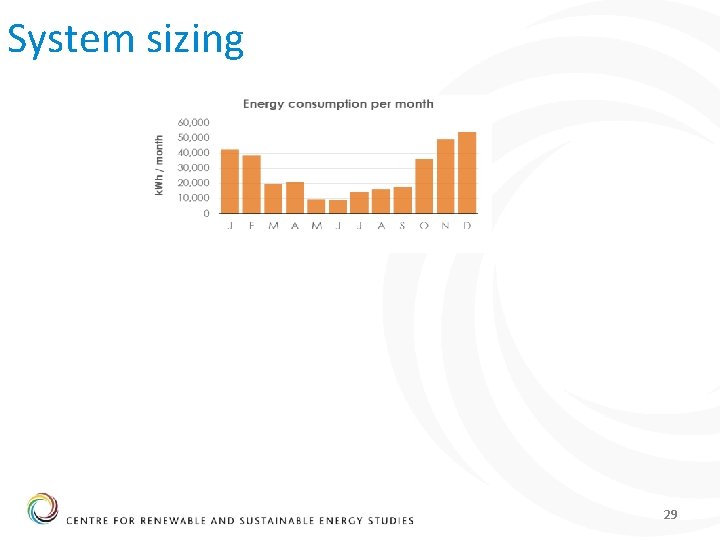
System sizing 29
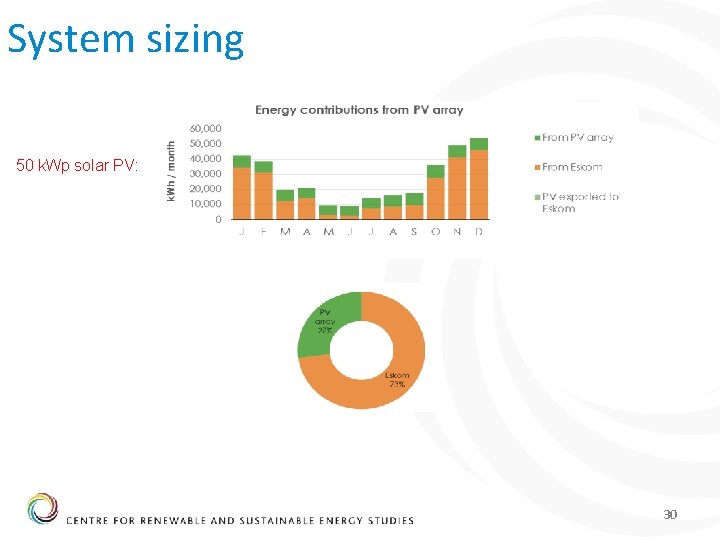
System sizing 50 k. Wp solar PV: 30
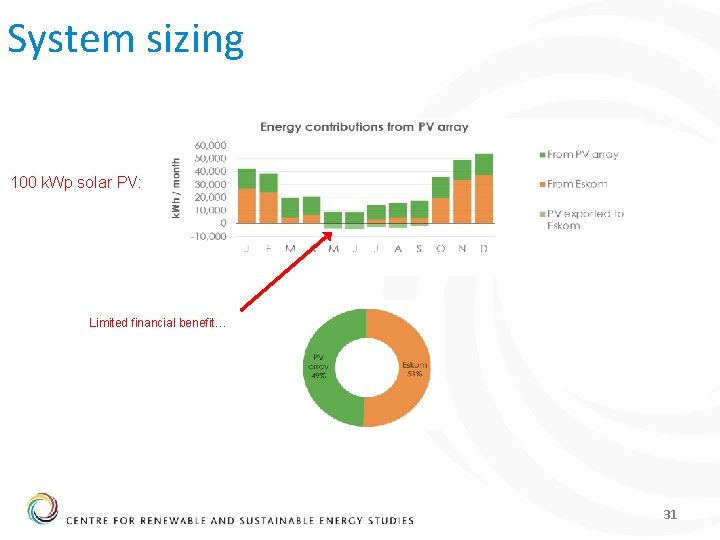
System sizing 100 k. Wp solar PV: Limited financial benefit… 31
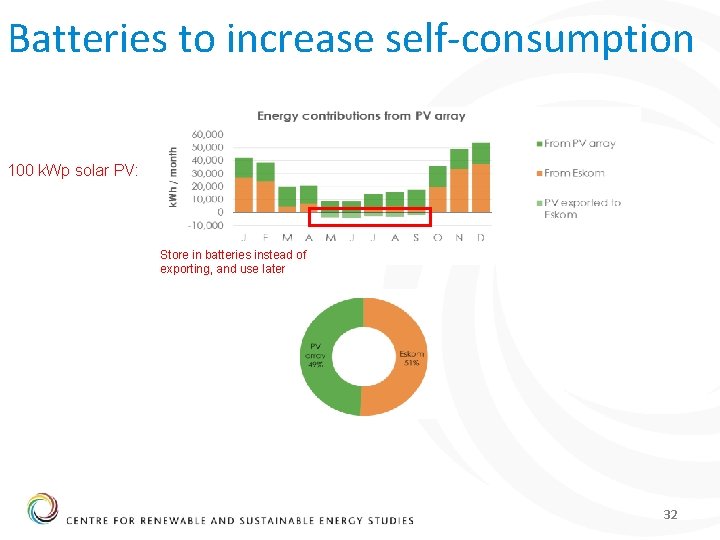
Batteries to increase self-consumption 100 k. Wp solar PV: Store in batteries instead of exporting, and use later 32
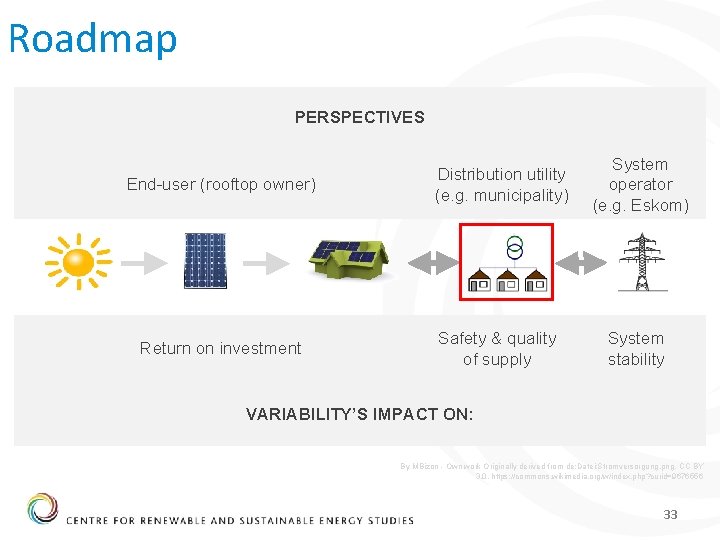
Roadmap PERSPECTIVES End-user (rooftop owner) Distribution utility (e. g. municipality) System operator (e. g. Eskom) Return on investment Safety & quality of supply System stability VARIABILITY’S IMPACT ON: By MBizon - Own work Originally derived from de: Datei: Stromversorgung. png, CC BY 3. 0, https: //commons. wikimedia. org/w/index. php? curid=9676556 33
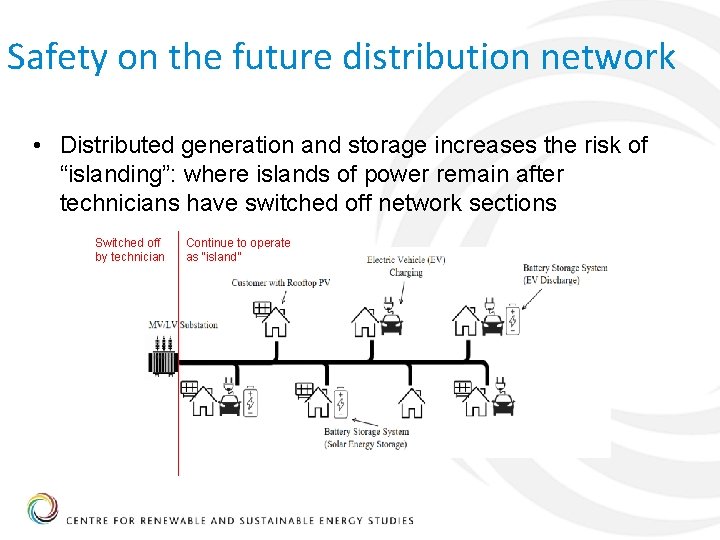
Safety on the future distribution network • Distributed generation and storage increases the risk of “islanding”: where islands of power remain after technicians have switched off network sections Switched off by technician Continue to operate as “island”
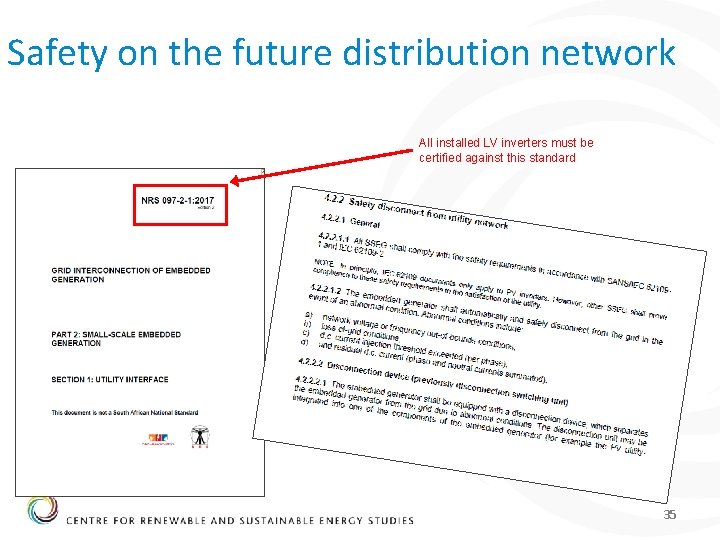
Safety on the future distribution network All installed LV inverters must be certified against this standard 35
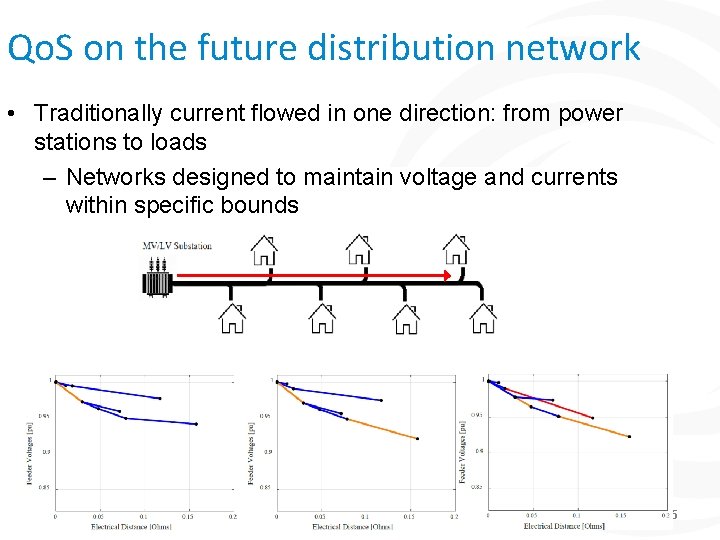
Qo. S on the future distribution network • Traditionally current flowed in one direction: from power stations to loads – Networks designed to maintain voltage and currents within specific bounds 36
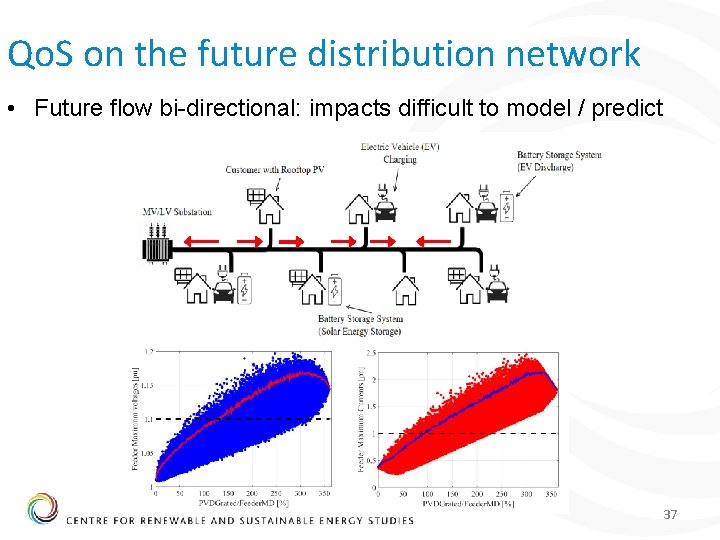
Qo. S on the future distribution network • Future flow bi-directional: impacts difficult to model / predict 37

Qo. S on the future distribution network • Short-term solution: simplified connection criteria limits PV installation size All LV PV installations limited to these sizes (unless further study is done by customer) 38
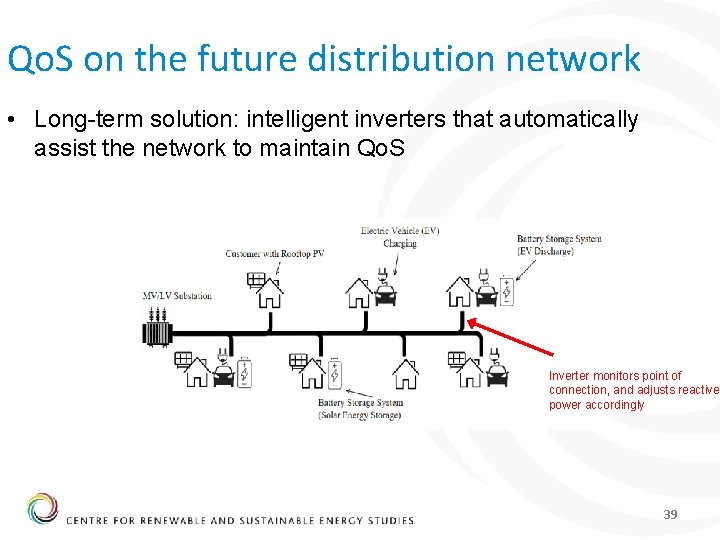
Qo. S on the future distribution network • Long-term solution: intelligent inverters that automatically assist the network to maintain Qo. S Inverter monitors point of connection, and adjusts reactive power accordingly 39
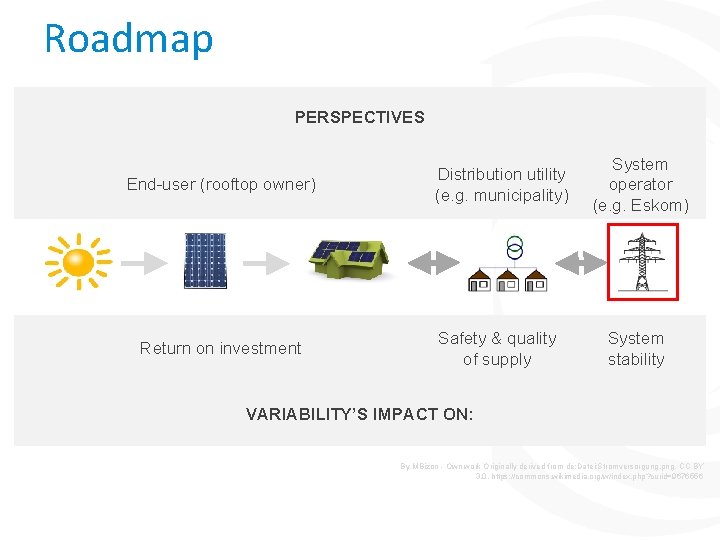
Roadmap PERSPECTIVES End-user (rooftop owner) Distribution utility (e. g. municipality) System operator (e. g. Eskom) Return on investment Safety & quality of supply System stability VARIABILITY’S IMPACT ON: By MBizon - Own work Originally derived from de: Datei: Stromversorgung. png, CC BY 3. 0, https: //commons. wikimedia. org/w/index. php? curid=9676556
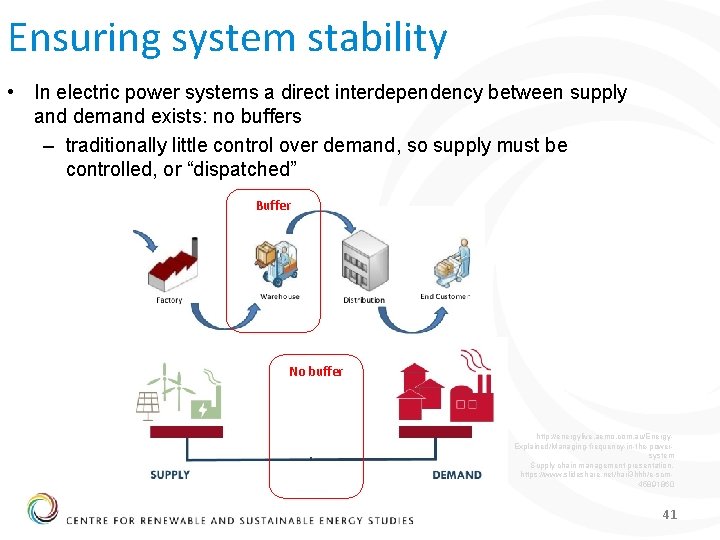
Ensuring system stability • In electric power systems a direct interdependency between supply and demand exists: no buffers – traditionally little control over demand, so supply must be controlled, or “dispatched” Buffer No buffer http: //energylive. aemo. com. au/Energy. Explained/Managing-frequency-in-the-powersystem Supply chain management presentation, https: //www. slideshare. net/hari 3 hhh/e-scm 45891860 41
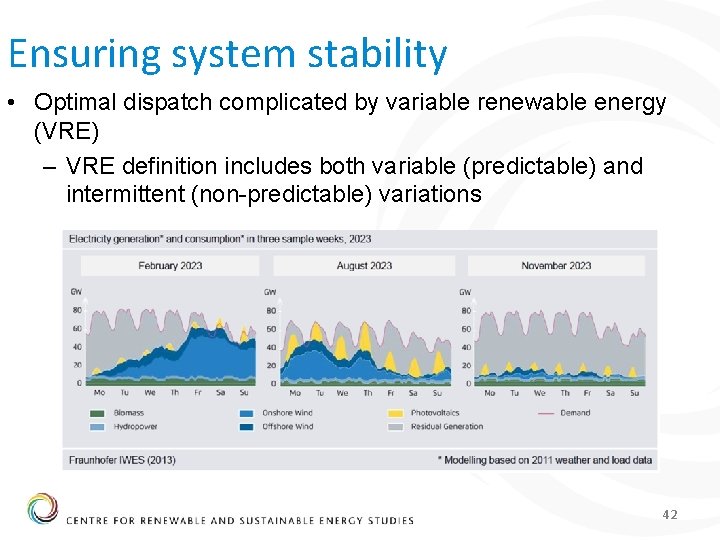
Ensuring system stability • Optimal dispatch complicated by variable renewable energy (VRE) – VRE definition includes both variable (predictable) and intermittent (non-predictable) variations 42
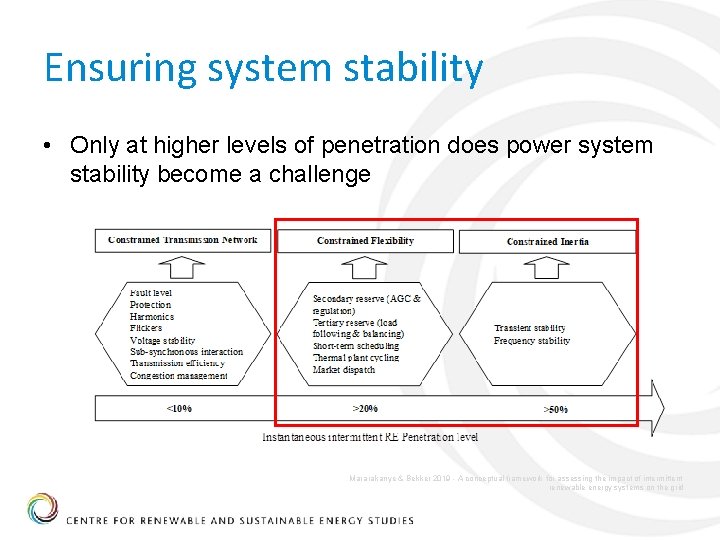
Ensuring system stability • Only at higher levels of penetration does power system stability become a challenge Mararakanye & Bekker 2019 - A conceptual framework for assessing the impact of intermittent renewable energy systems on the grid
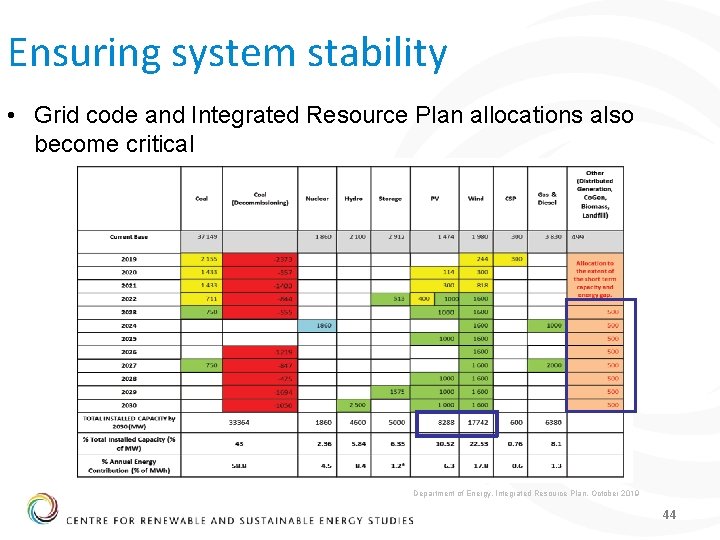
Ensuring system stability • Grid code and Integrated Resource Plan allocations also become critical Department of Energy, Integrated Resource Plan, October 2019 44
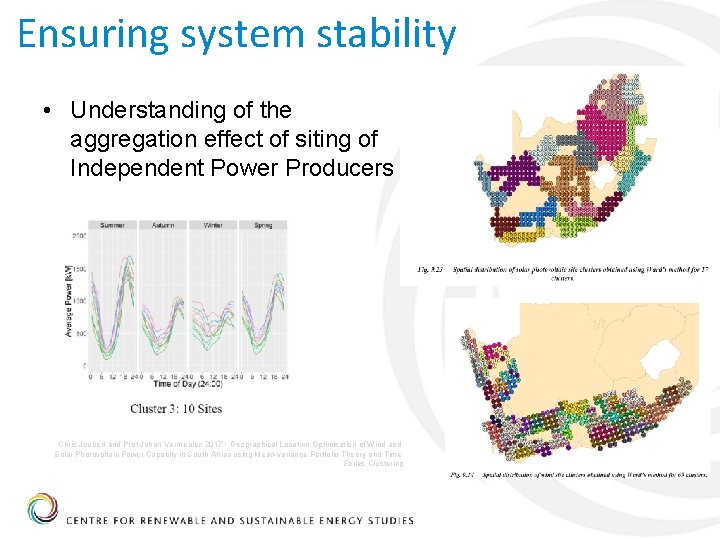
Ensuring system stability • Understanding of the aggregation effect of siting of Independent Power Producers Chris Joubert and Prof Johan Vermeulen 2017 - Geographical Location Optimisation of Wind and Solar Photovoltaic Power Capacity in South Africa using Mean-variance Portfolio Theory and Time Series Clustering
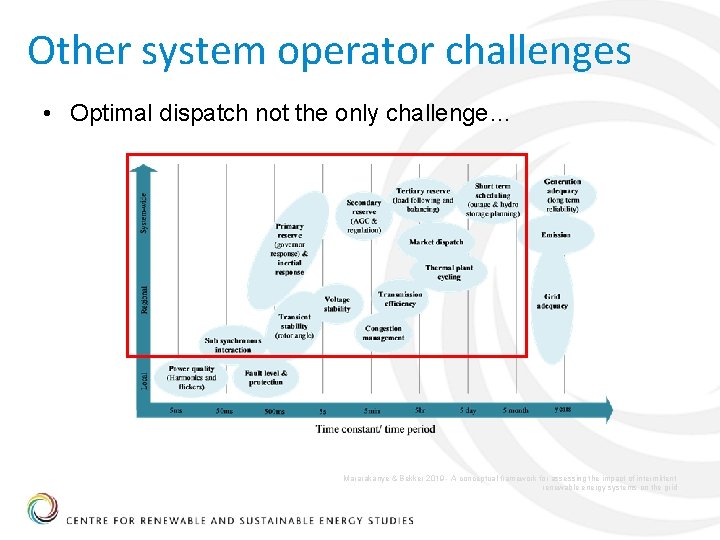
Other system operator challenges • Optimal dispatch not the only challenge… Mararakanye & Bekker 2019 - A conceptual framework for assessing the impact of intermittent renewable energy systems on the grid
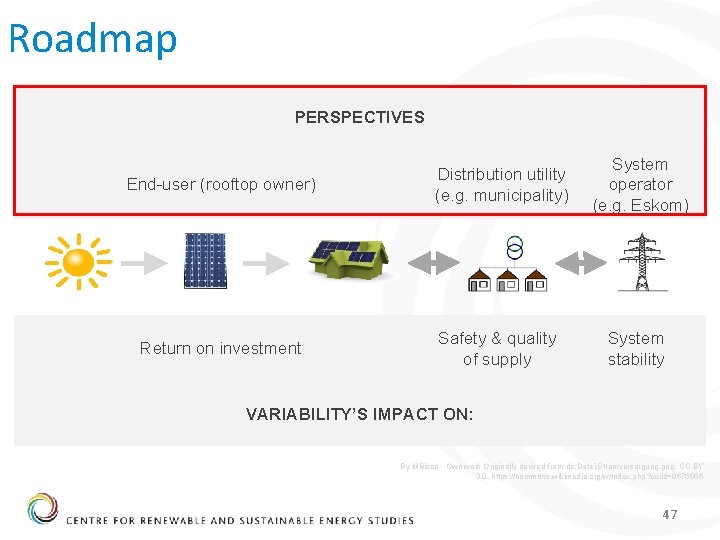
Roadmap PERSPECTIVES End-user (rooftop owner) Distribution utility (e. g. municipality) System operator (e. g. Eskom) Return on investment Safety & quality of supply System stability VARIABILITY’S IMPACT ON: By MBizon - Own work Originally derived from de: Datei: Stromversorgung. png, CC BY 3. 0, https: //commons. wikimedia. org/w/index. php? curid=9676556 47
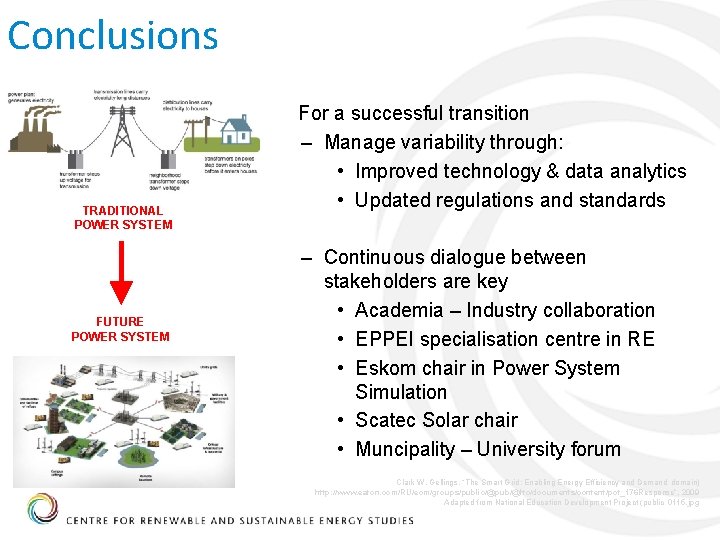
Conclusions TRADITIONAL POWER SYSTEM FUTURE POWER SYSTEM For a successful transition – Manage variability through: • Improved technology & data analytics • Updated regulations and standards – Continuous dialogue between stakeholders are key • Academia – Industry collaboration • EPPEI specialisation centre in RE • Eskom chair in Power System Simulation • Scatec Solar chair • Muncipality – University forum Clark W. Gellings, “The Smart Grid: Enabling Energy Efficiency and Demand domain) http: //www. eaton. com/RU/ecm/groups/public/@pub/@ftc/documents/content/pct_176 Response”, 2009 Adapted from National Education Development Project (public 0115. jpg
Questions? Ndamulelo Mararakanye Ndamulelo@sun. ac. za 49
- Slides: 49