
Managing transference and boundaries in therapeutic relationship Hannah

Managing transference and boundaries in therapeutic relationship Hannah Lowe, M. Ed. , LPC hlowe@shinc. org
Tid-bits • Introduction to Hannah Lowe • hlowe@shinc. org • Dynamics of Zoom • Mute • Chat • Questions • Credit for course
Course Introduction • Topic: Counseling Procedures & Strategies with Addictive Populations • Credit Hours: 1. 5 hours
Outline • Defining transference and countertransference • Explore sources of transference and countertransference • Management of countertransference • Relationship between transference and relapse/prevention
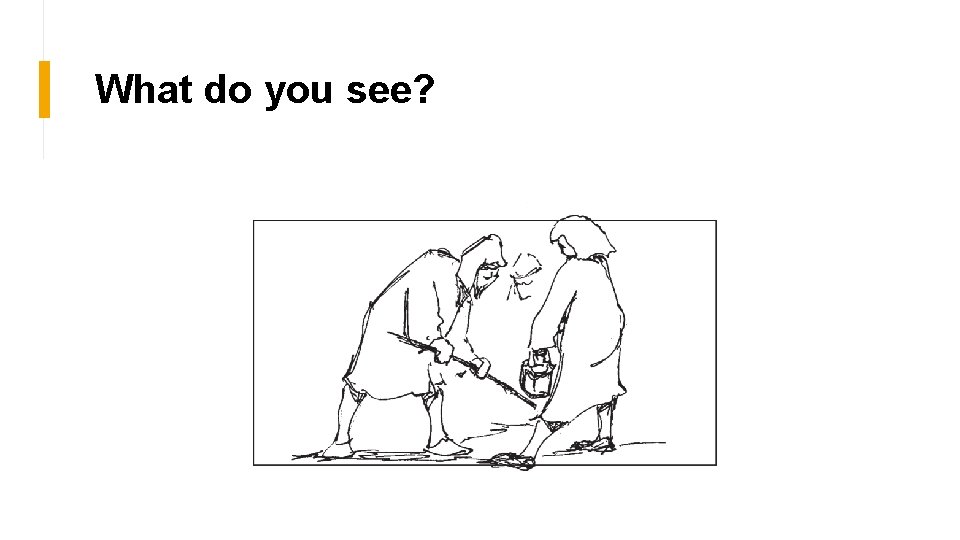
What do you see?
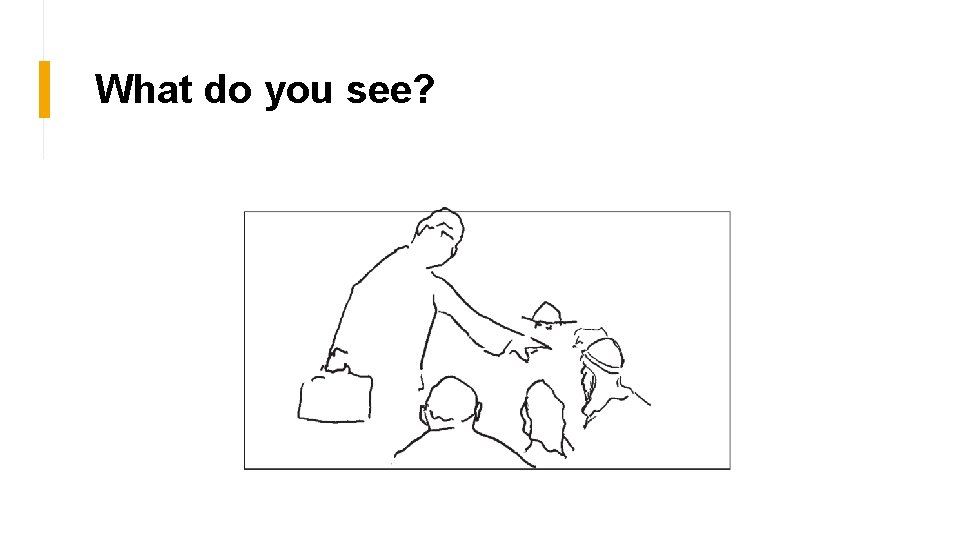
What do you see?
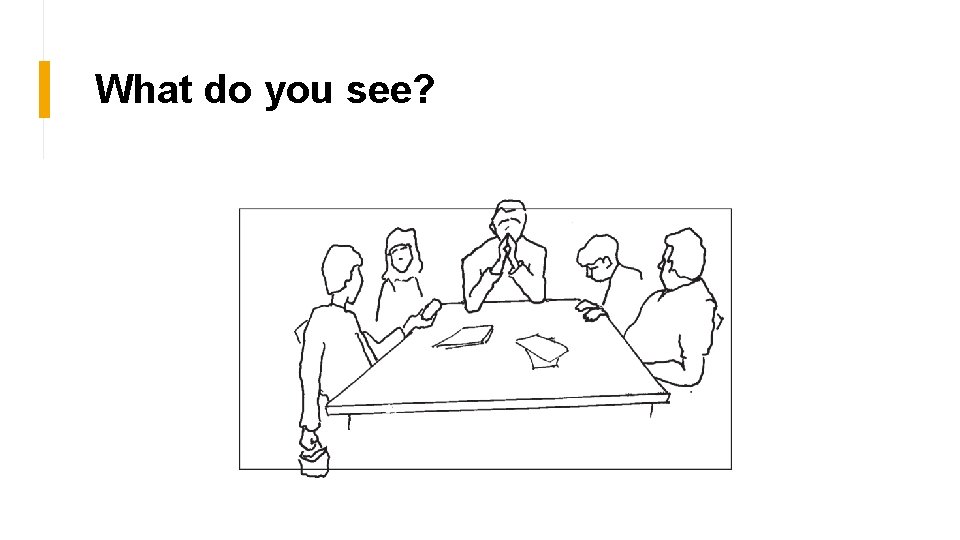
What do you see?
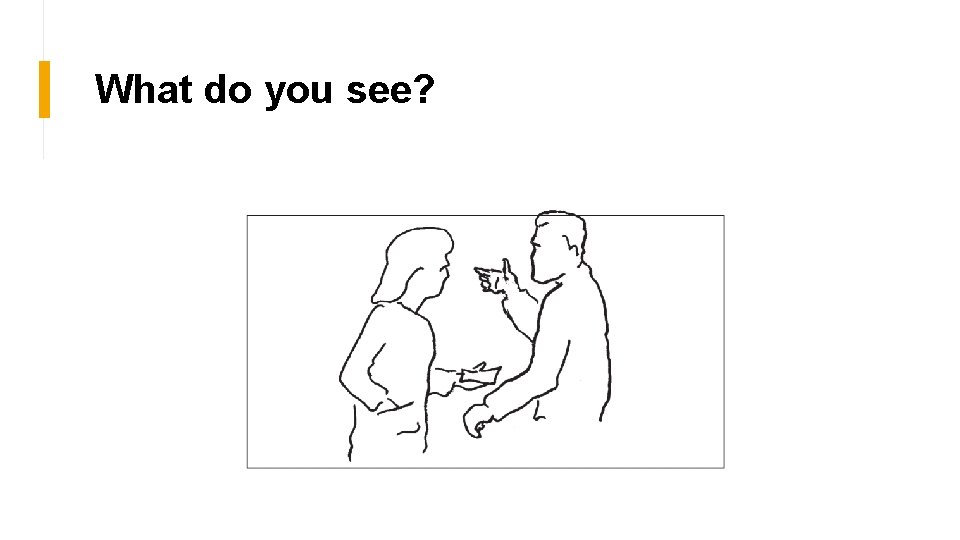
What do you see?
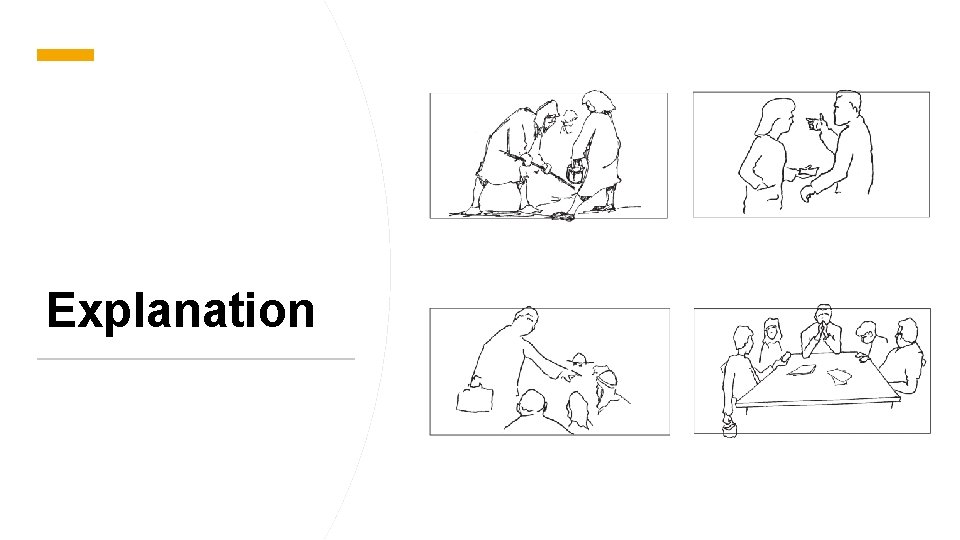
Explanation
Transference Defined • The phenomenon where clients unconsciously transfer (or project) feelings and attitudes from a person or situation from the past onto a person (therapist) or situation (therapeutic relationship) in the present. • Only transferring the relationship not the person • Only an aspect of the relationship, not the entire relation is transferred. (Racker, 2001).
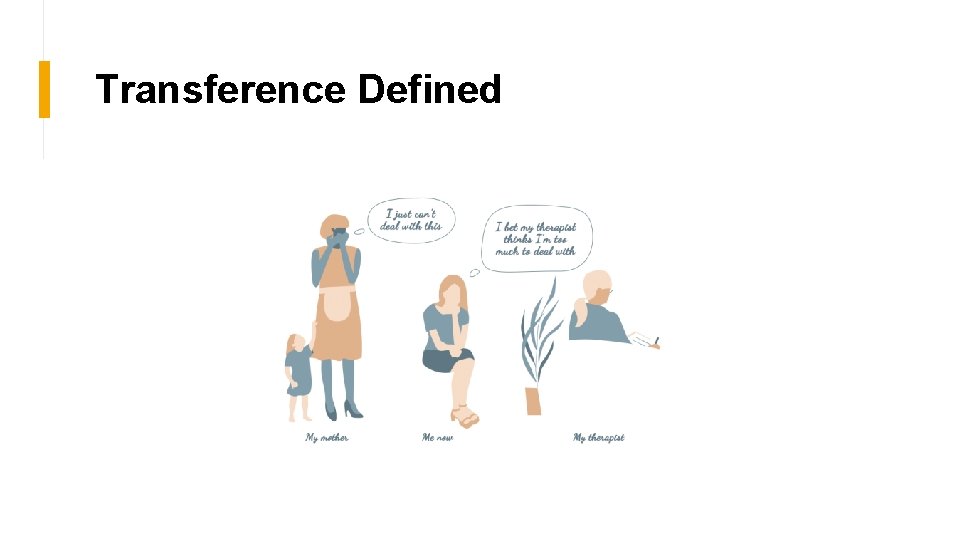
Transference Defined
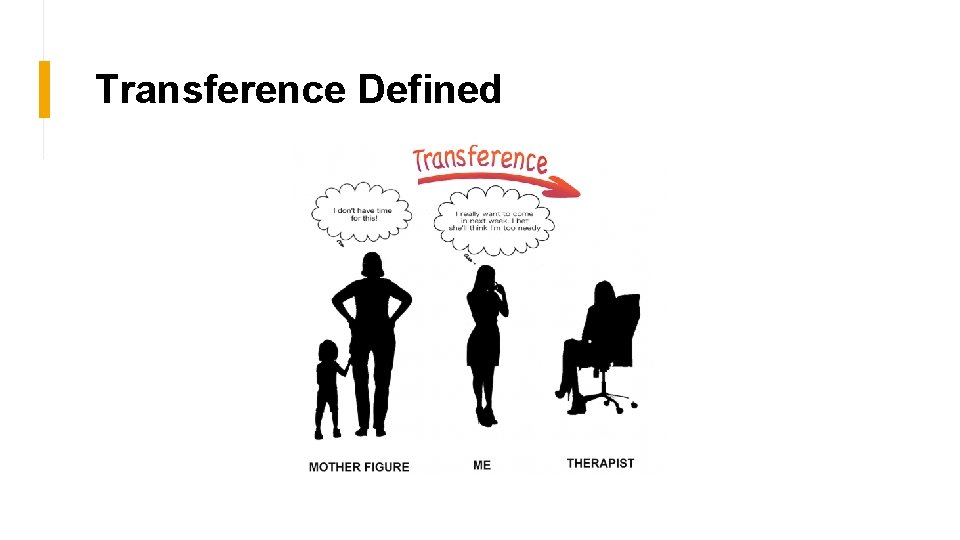
Transference Defined
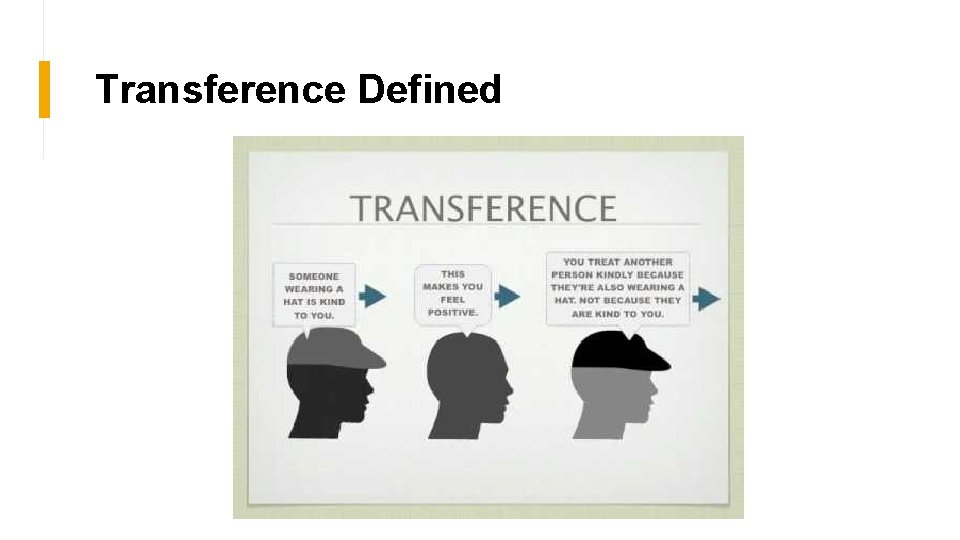
Transference Defined
Countertransference Defined • The phenomenon where COUNSELOR unconsciously transfer (or project) feelings and attitudes from a person or situation from the past onto a person (client) or situation (therapeutic relationship) in the present. • Only transferring the relationship not the person • Only an aspect of the relationship, not the entire relation is transferred. (Racker, 2001).
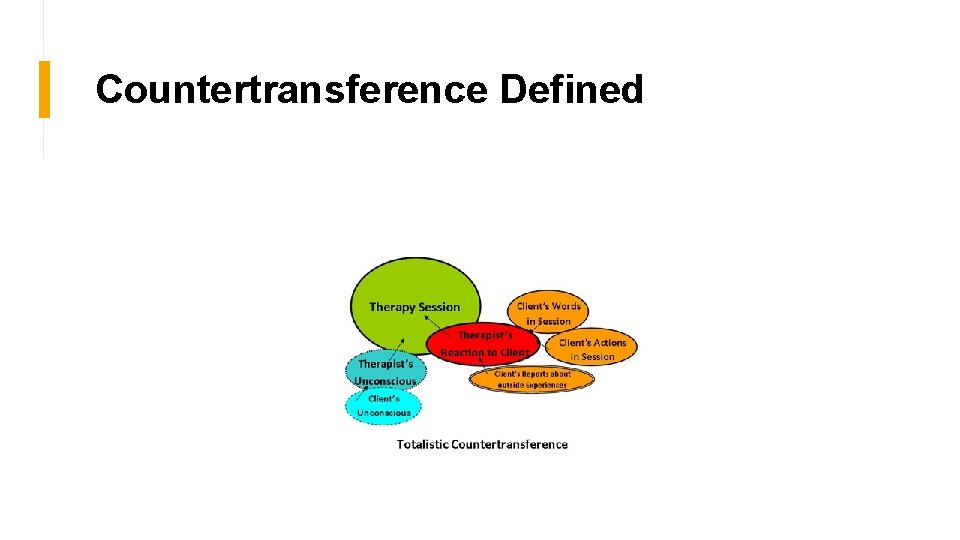
Countertransference Defined
Transference/CT & Therapeutic relationship • Counseling is an intimate form of learning. It demands a practitioner who is willing to shed stereotypes, be an authentic, and present-moment oriented person in therapeutic relationship.

Understanding the Mind
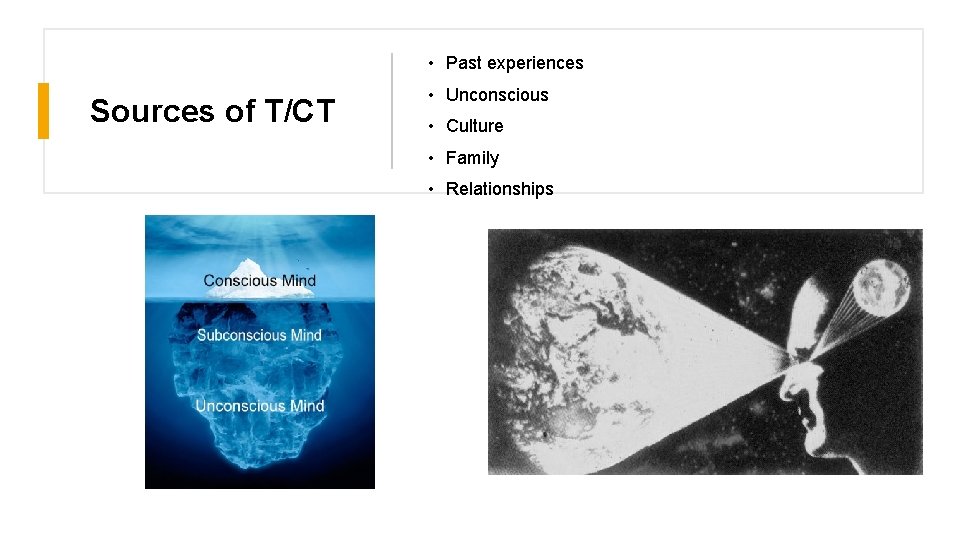
• Past experiences Sources of T/CT • Unconscious • Culture • Family • Relationships
Managing Transference • 1. Increase awareness • 2. Normalize • 3. Talk about it • 4. Develop “in the moment” techniques
Managing Countertransference • 1. Recognizing Countertransference/ CT reactions • 2. Note it • 3. Develop “in the present” techniques • 4. Supervision • 5. Personal Therapy • 6. Empathy
Thoughts • Transference & Countertransference in Group Work • Transference & Countertransference in SUD Treatment
Transference & Relapse Prevention • Therapeutic relationship & Trust • Nonjudgmental • Triggers • Aspects of recovery treatment • Increasing presence in life: Relapse prevention
References • Gelso, C. J. , & Hayes, J. A. (2002). The management of countertransference. In J. C. Norcross (Ed. ), Psychotherapy relationships that work (pp. 267– 283). Oxford University Press. • Miller, G. (2014). Learning the language of addiction counseling (4 th ed. ). Wiley. • Racker, H. (2001). Transference and Counter-Transference. International Universities Press.
- Slides: 23