
Managing to Prevent Calf Scours The Sandhills Calving



![[those concerned with] food-producing animals must think in terms of hygiene, for their success](https://slidetodoc.com/presentation_image_h2/750acbff51385b462d7d6f4319d2abb8/image-50.jpg "[those concerned with] food-producing animals must think in terms of hygiene, for their success")
- Slides: 51
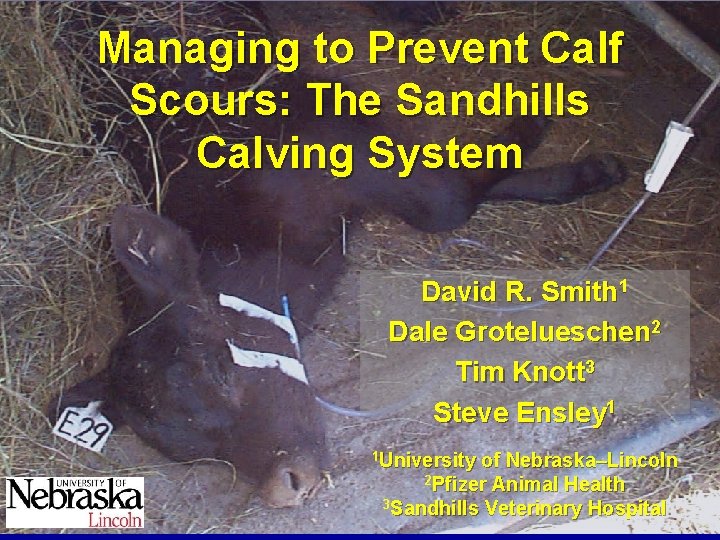
Managing to Prevent Calf Scours: The Sandhills Calving System David R. Smith 1 Dale Grotelueschen 2 Tim Knott 3 Steve Ensley 1 1 University of Nebraska–Lincoln 2 Pfizer Animal Health 3 Sandhills Veterinary Hospital
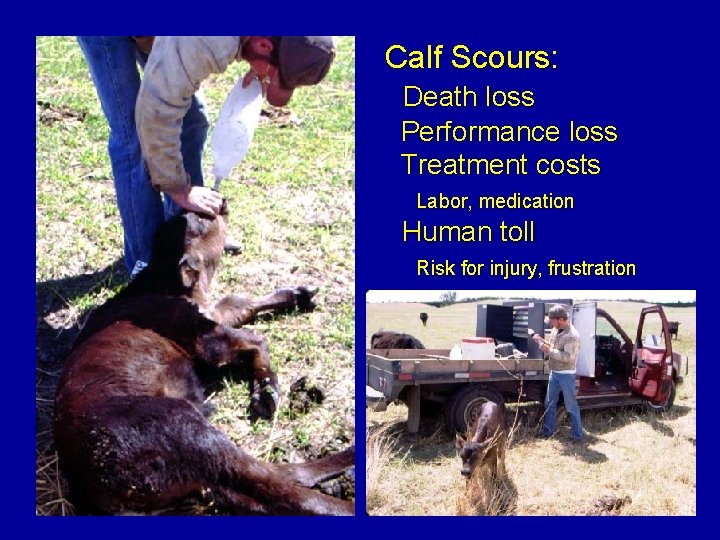
Calf Scours: Death loss Performance loss Treatment costs Labor, medication Human toll Risk for injury, frustration
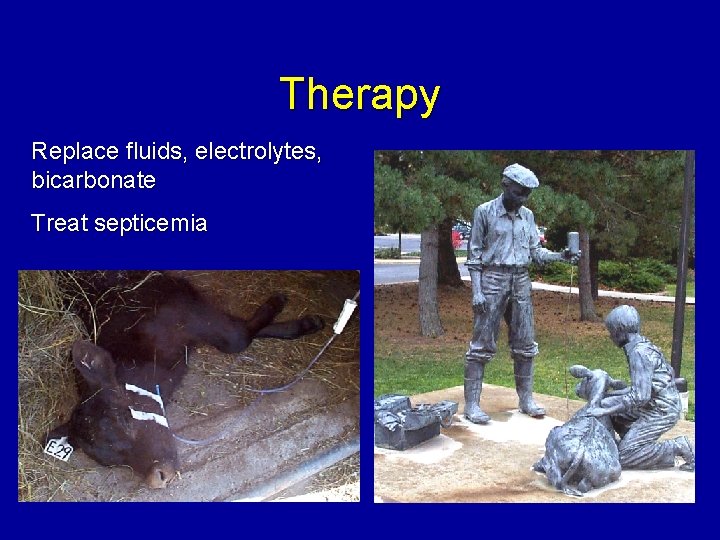
Therapy Replace fluids, electrolytes, bicarbonate Treat septicemia
The faith in “cures” and the practice of dealing with disease problems only after they have arisen. . . is antagonistic to disease prevention. Dr. Leunis Van Es Lincoln, NE 1932
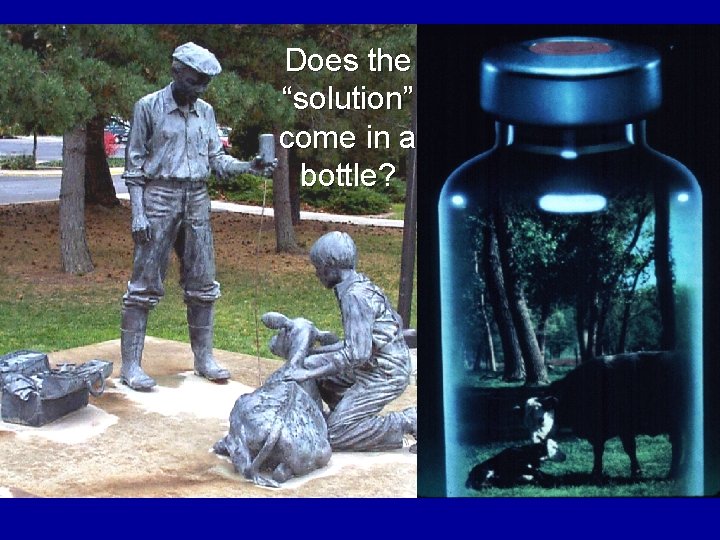
Does the “solution” come in a bottle?
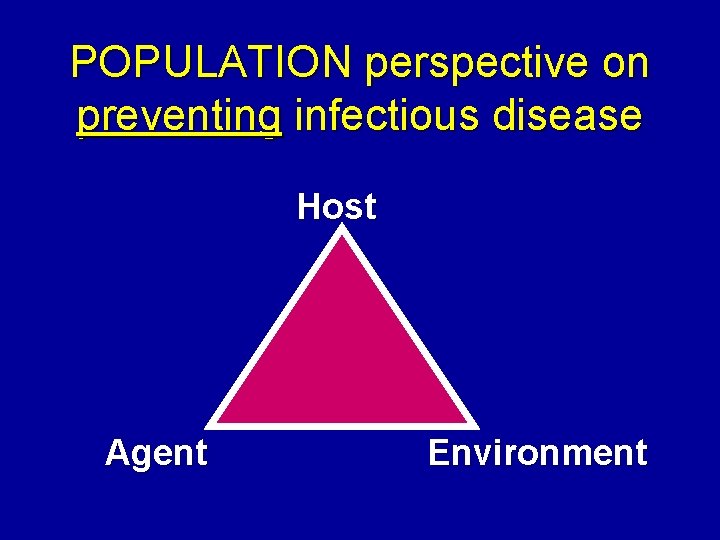
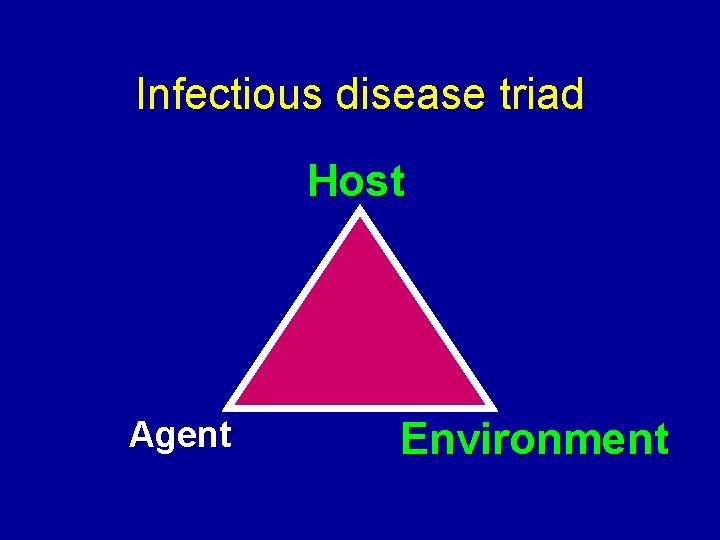
POPULATION perspective on preventing infectious disease Host Agent Environment
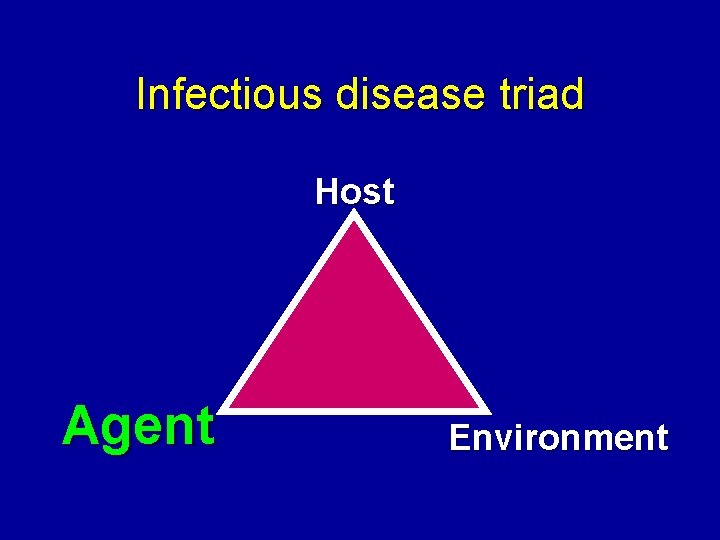
Infectious disease triad Host Agent Environment
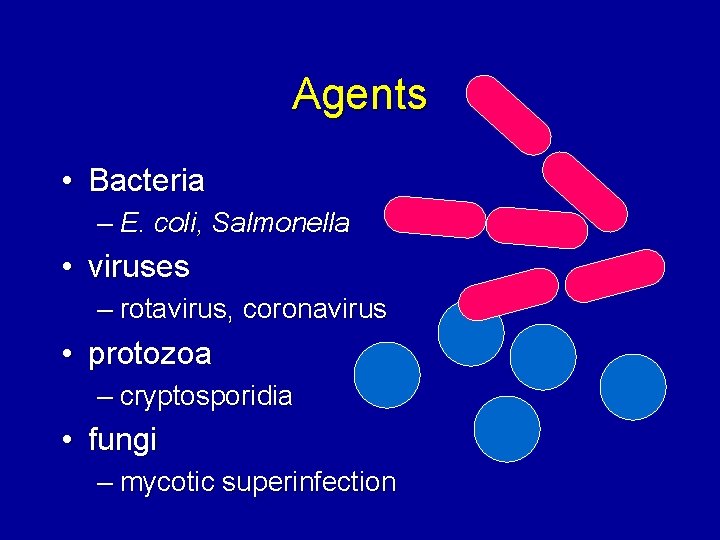
Agents • Bacteria – E. coli, Salmonella • viruses – rotavirus, coronavirus • protozoa – cryptosporidia • fungi – mycotic superinfection
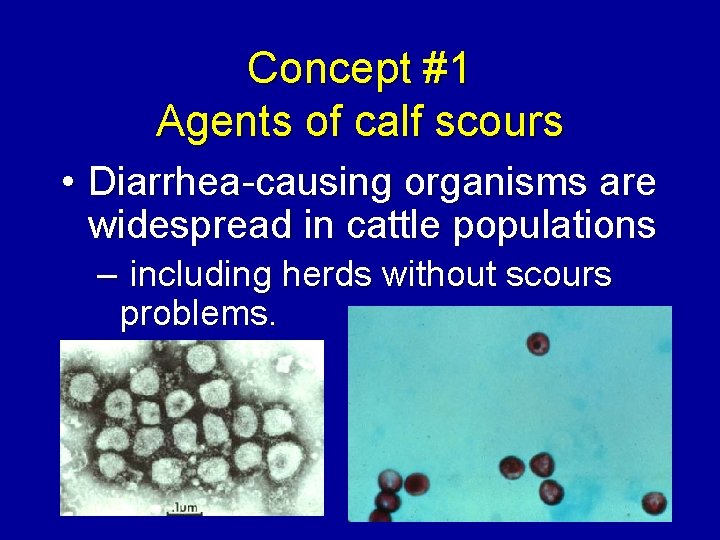
Concept #1 Agents of calf scours • Diarrhea-causing organisms are widespread in cattle populations – including herds without scours problems.
Infectious disease triad Host Agent Environment
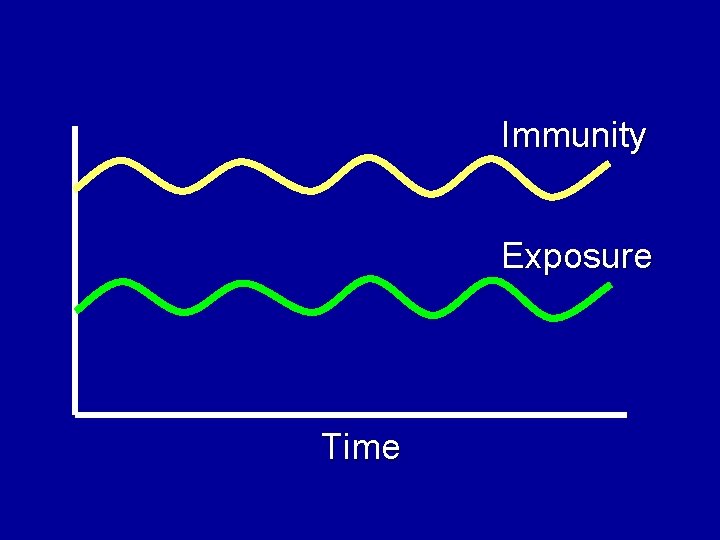
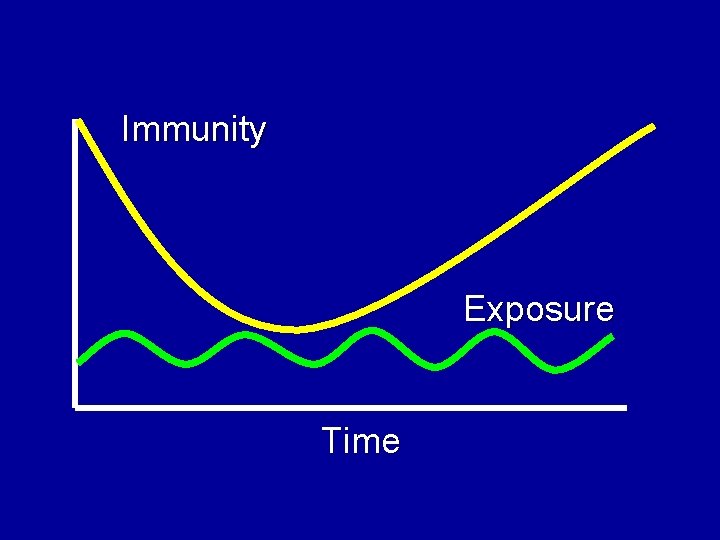
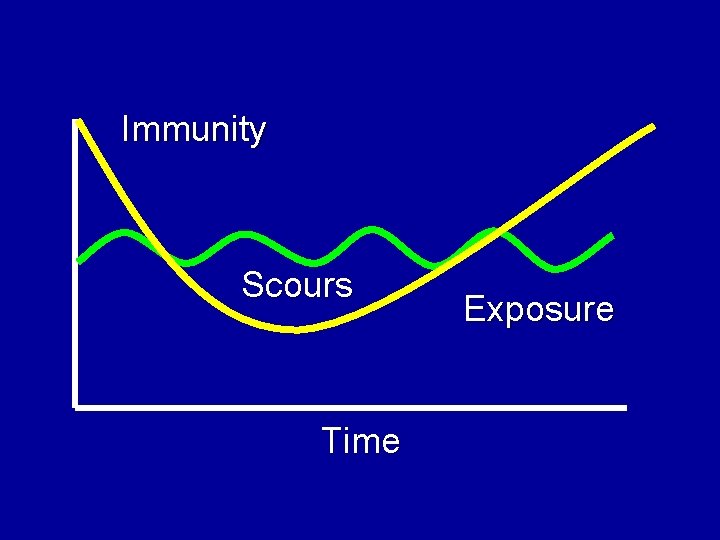
Immunity Exposure Time
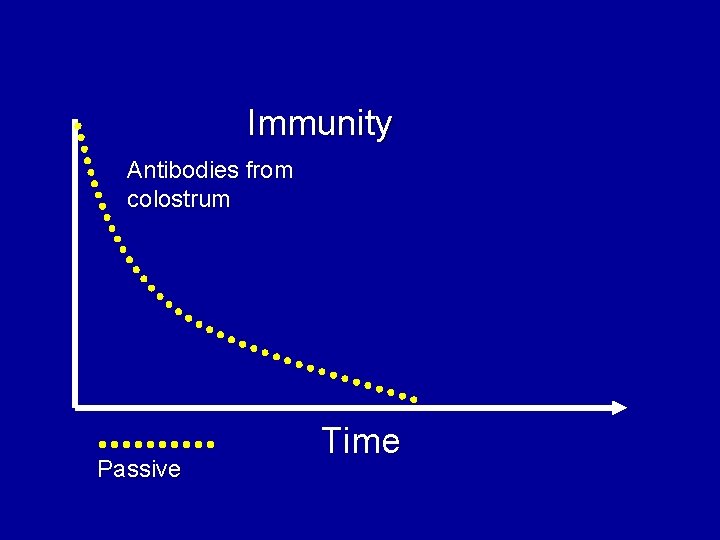
Immunity Antibodies from colostrum Passive Time
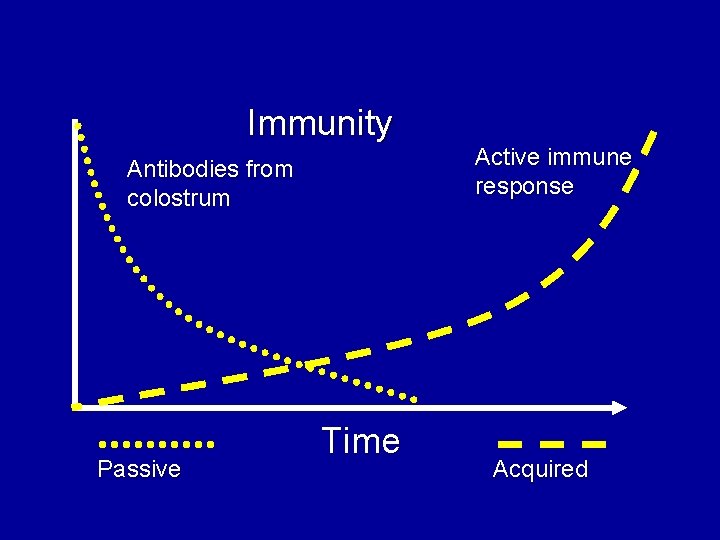
Immunity Antibodies from colostrum Passive Time Active immune response Acquired
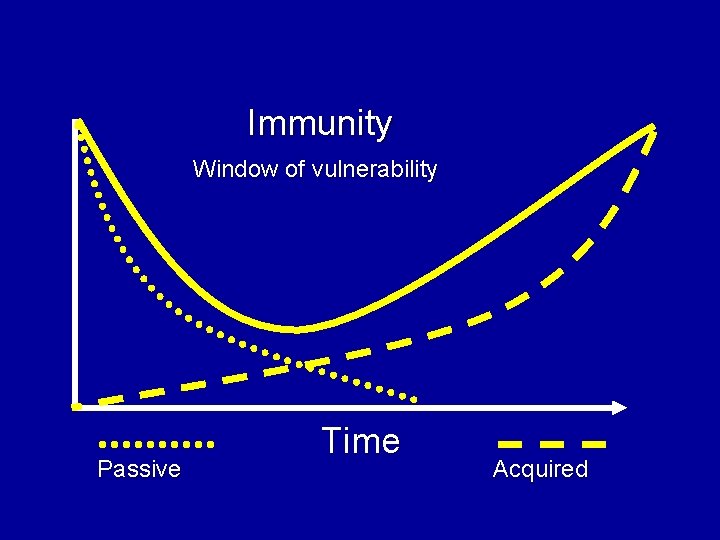
Immunity Window of vulnerability Passive Time Acquired
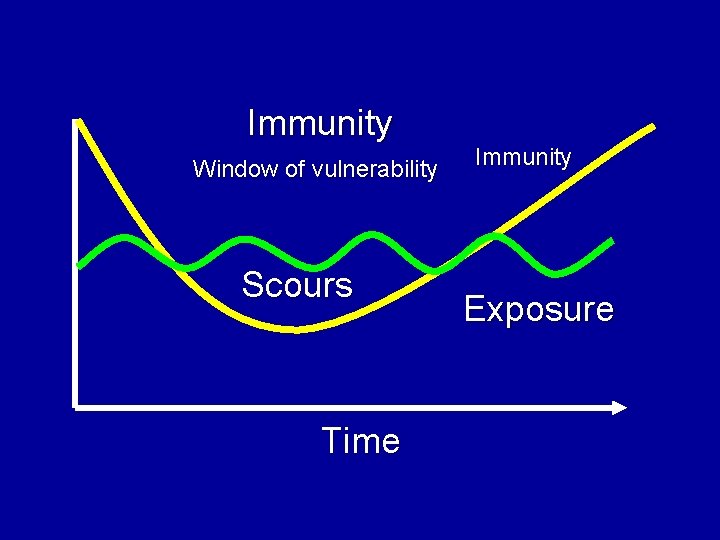
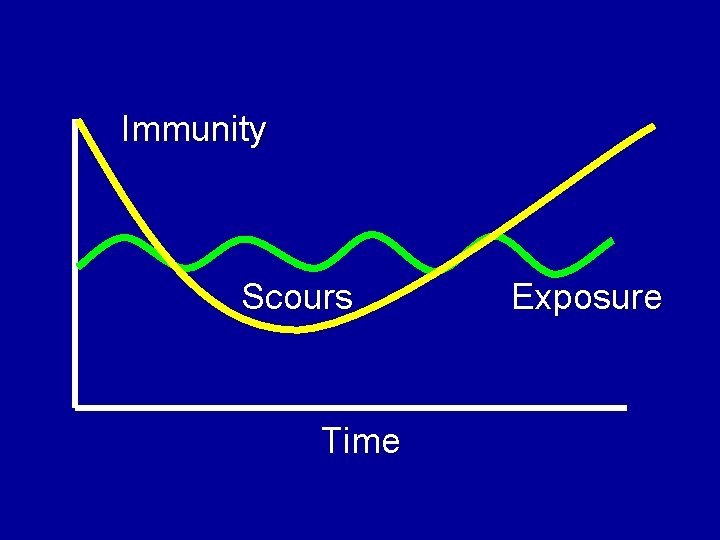
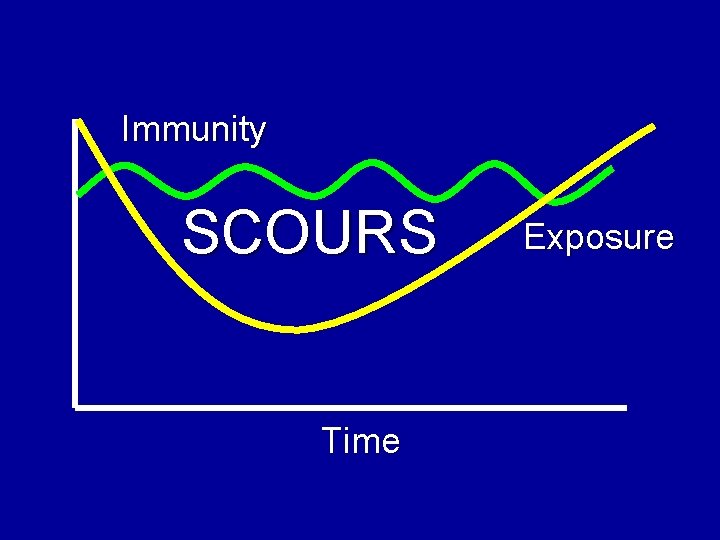
Immunity Window of vulnerability Scours Time Immunity Exposure
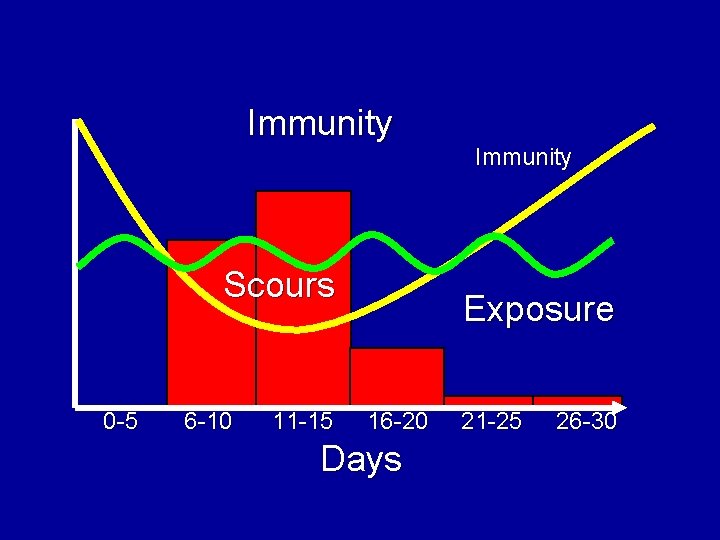
Immunity Scours 0 -5 6 -10 11 -15 Immunity Exposure 16 -20 Days 21 -25 26 -30
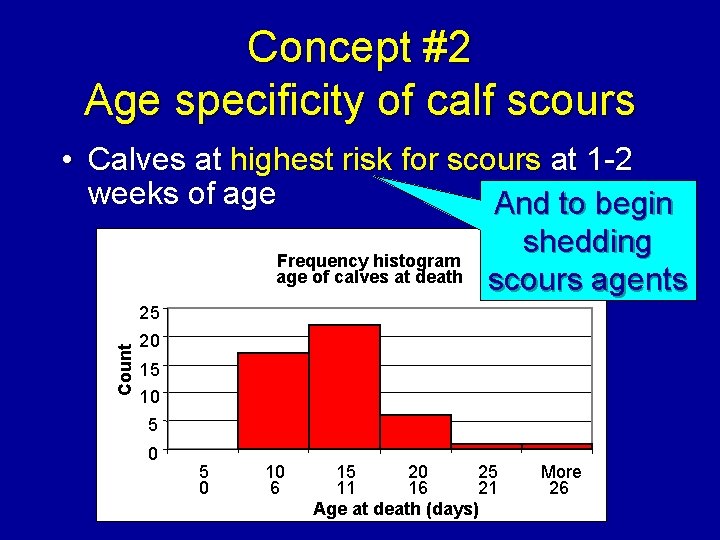
Concept #2 Age specificity of calf scours • Calves at highest risk for scours at 1 -2 weeks of age And to begin shedding Frequency histogram age of calves at death scours agents Count 25 20 15 10 5 0 10 6 15 20 25 11 16 21 Age at death (days) More 26
Immunity Scours Time Exposure
Immunity Exposure Time
Immunity Scours Time Exposure
Immunity SCOURS Time Exposure
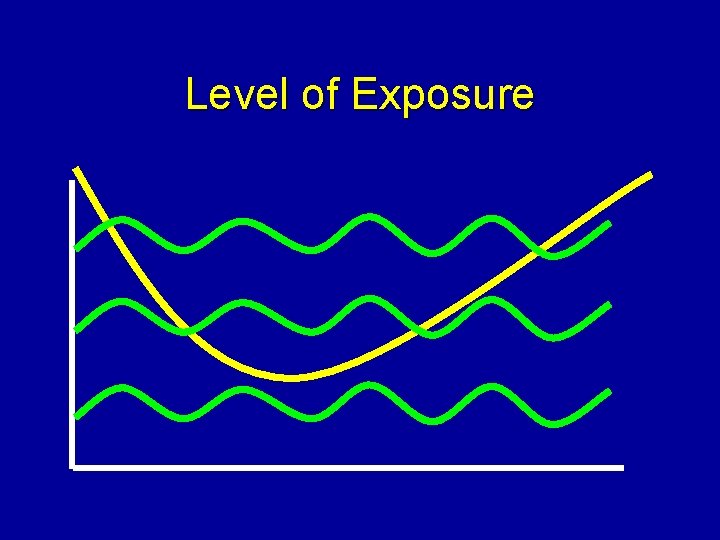
Level of Exposure
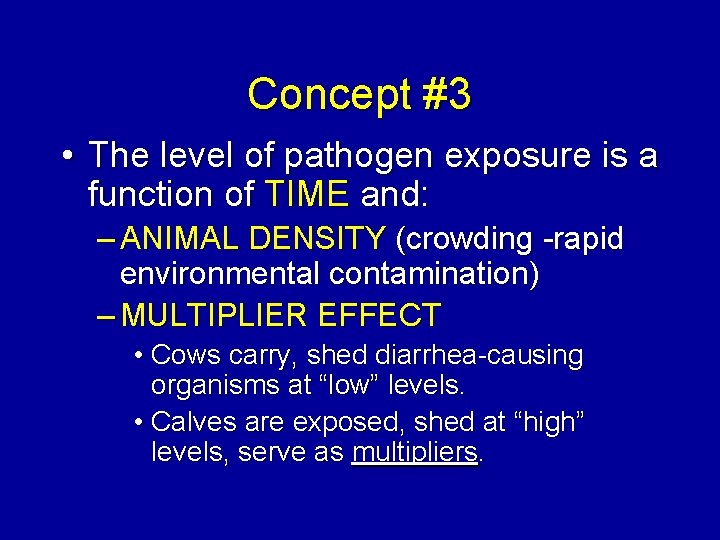
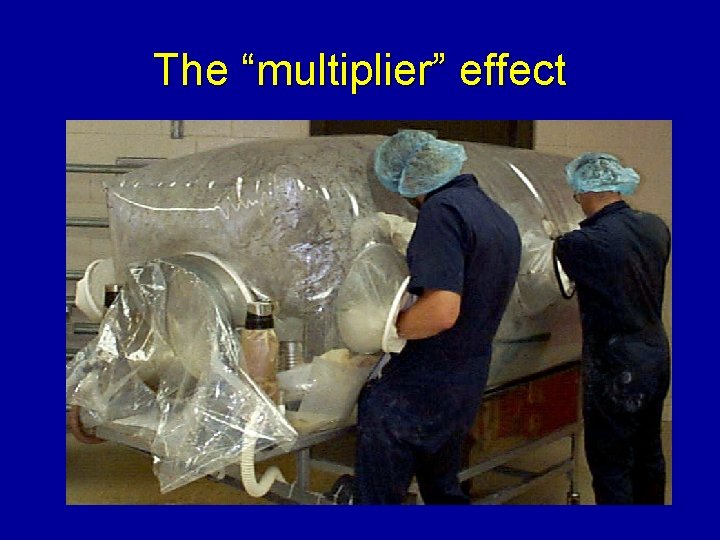
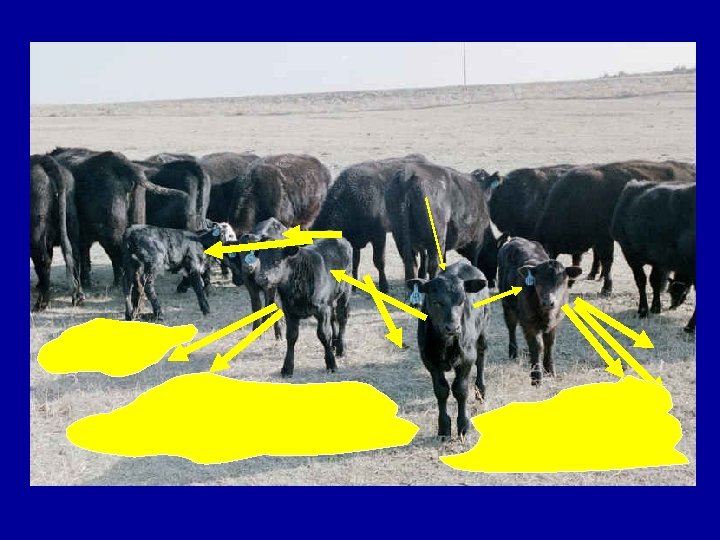
Concept #3 • The level of pathogen exposure is a function of TIME and: – ANIMAL DENSITY (crowding -rapid environmental contamination) – MULTIPLIER EFFECT • Cows carry, shed diarrhea-causing organisms at “low” levels. • Calves are exposed, shed at “high” levels, serve as multipliers.
The “multiplier” effect
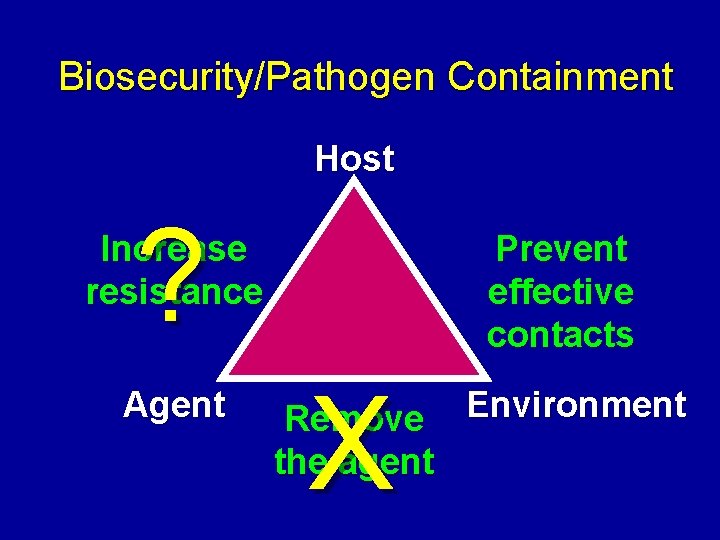
Biosecurity/Pathogen Containment Host ? Increase resistance Agent Prevent effective contacts X Remove Environment the agent
Biosecurity / Pathogen Containment u. Prevent effective contacts -decrease the number of contacts that result in transmission. • physical separation: dilution, segregation, quarantine • minimize dose-load: prophylactic medicines, sanitation • minimize contact-time
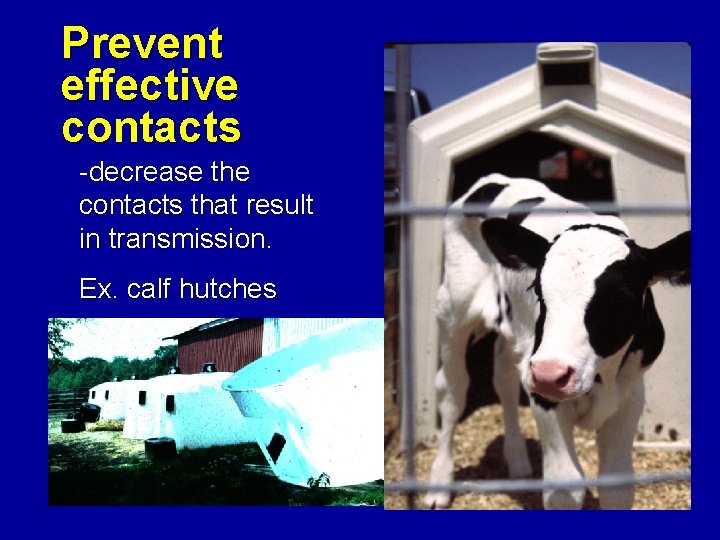
Prevent effective contacts -decrease the contacts that result in transmission. Ex. calf hutches
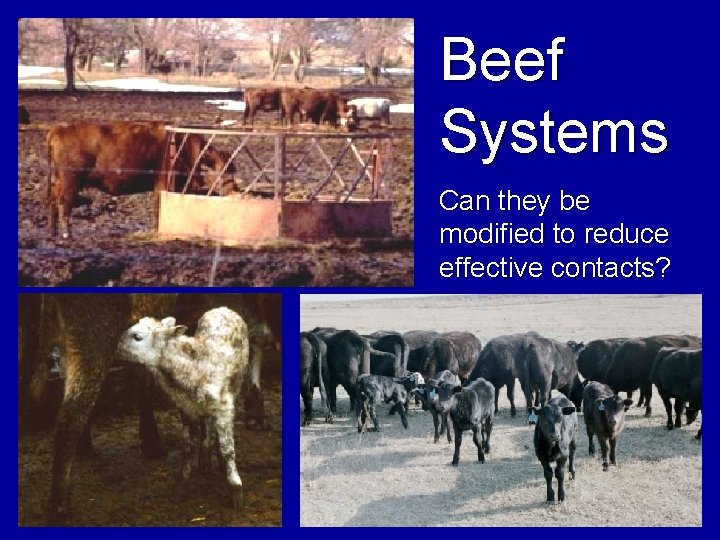
Beef Systems Can they be modified to reduce effective contacts?
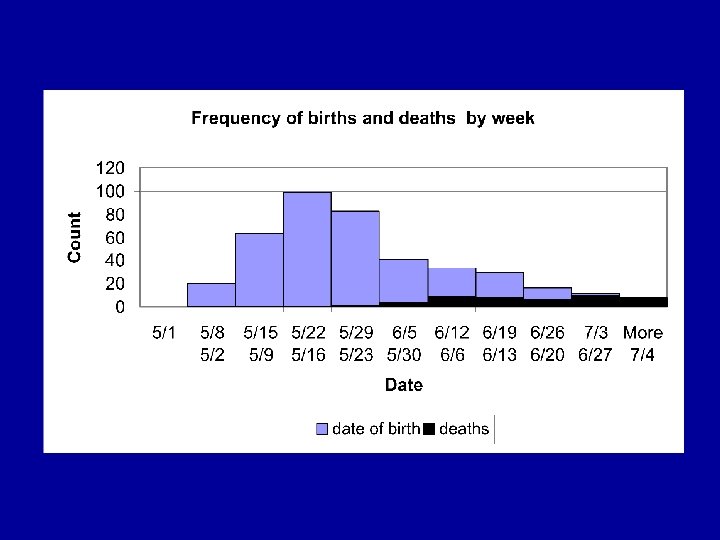
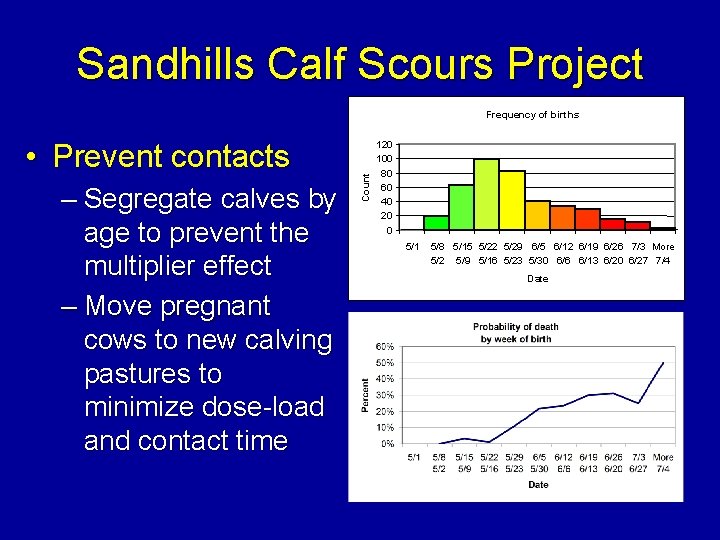
Sandhills Calf Scours Project • Prevent contacts – Segregate calves by age to prevent the multiplier effect – Move pregnant cows to new calving pastures to minimize dose-load and contact time Count Frequency of births 120 100 80 60 40 20 0 5/1 5/8 5/15 5/22 5/29 6/5 6/12 6/19 6/26 7/3 More 5/2 5/9 5/16 5/23 5/30 6/6 6/13 6/20 6/27 7/4 Date
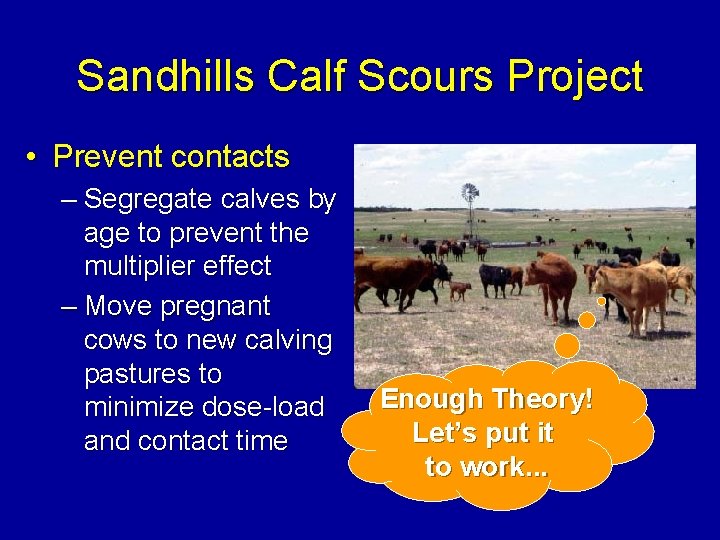
Sandhills Calf Scours Project • Prevent contacts – Segregate calves by age to prevent the multiplier effect – Move pregnant cows to new calving pastures to minimize dose-load and contact time Enough Theory! Let’s put it to work. . .
Sandhills Calving System Week 1&2 Calving Pasture
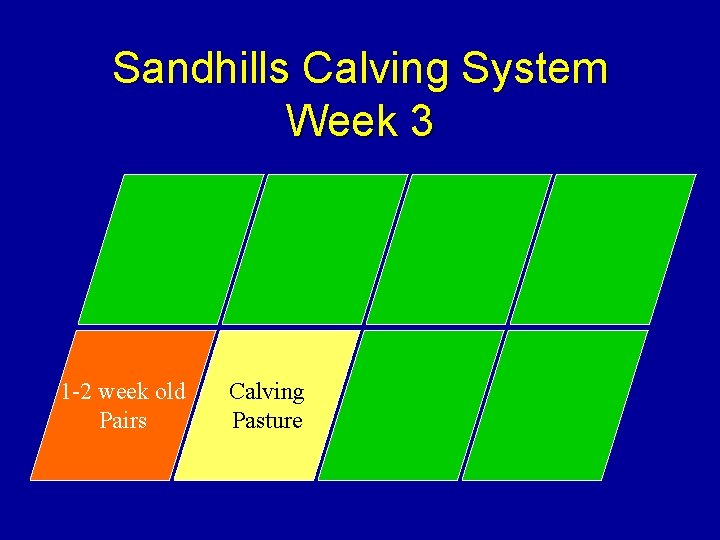
Sandhills Calving System Week 3 1 -2 week old Pairs Calving Pasture
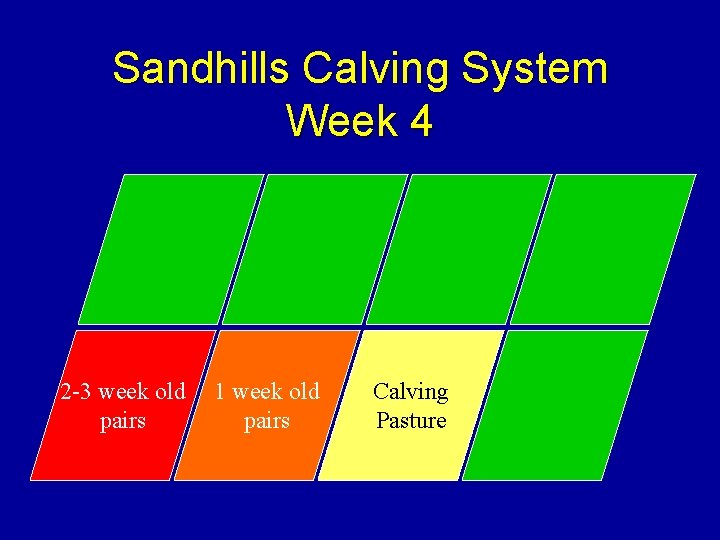
Sandhills Calving System Week 4 2 -3 week old pairs 1 week old pairs Calving Pasture
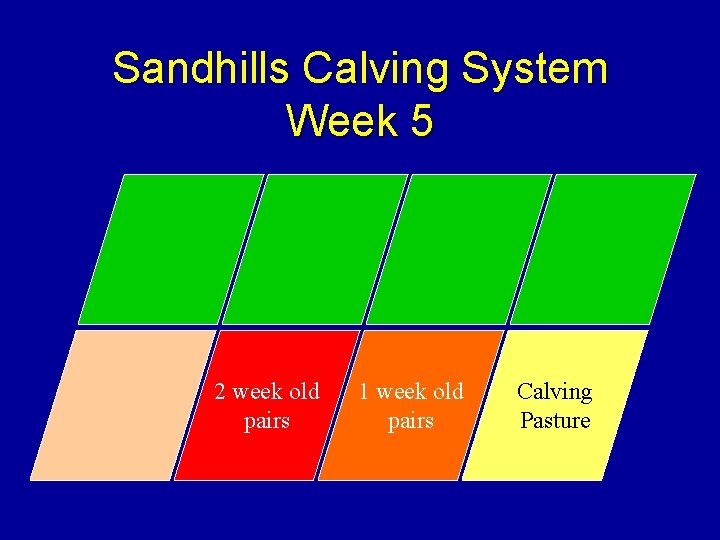
Sandhills Calving System Week 5 2 week old pairs 1 week old pairs Calving Pasture
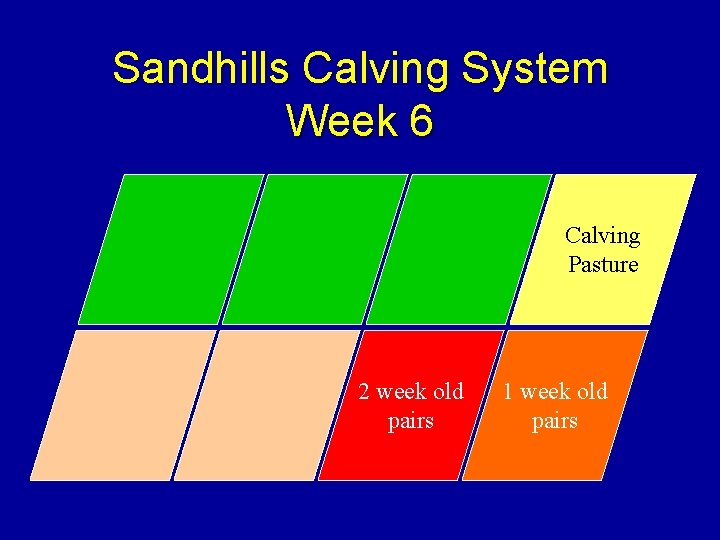
Sandhills Calving System Week 6 Calving Pasture 2 week old pairs 1 week old pairs
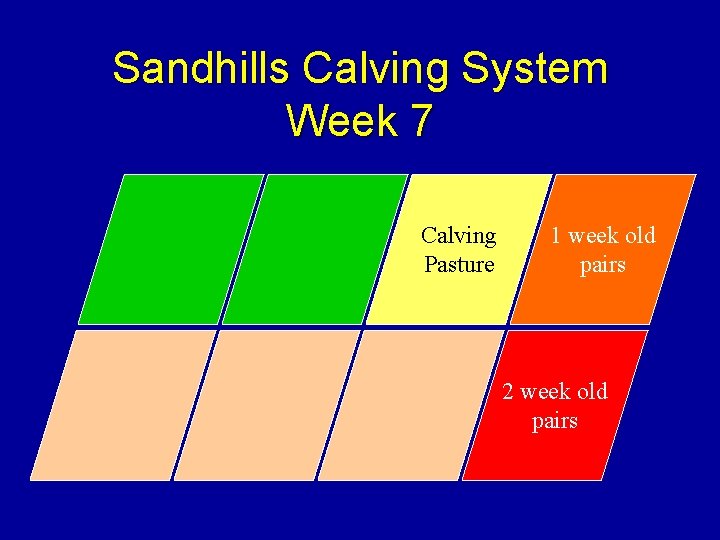
Sandhills Calving System Week 7 Calving Pasture 1 week old pairs 2 week old pairs
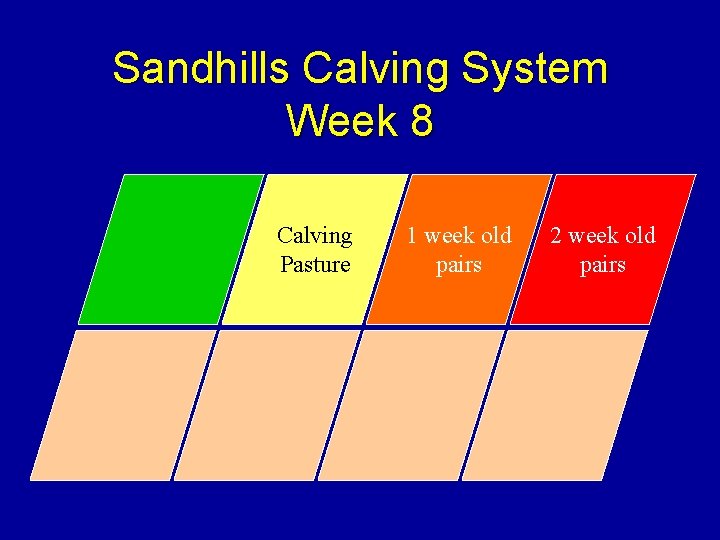
Sandhills Calving System Week 8 Calving Pasture 1 week old pairs 2 week old pairs
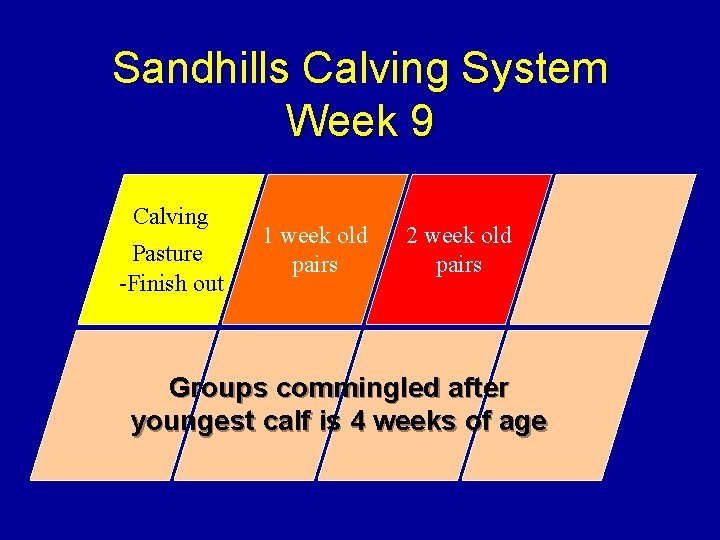
Sandhills Calving System Week 9 Calving Pasture -Finish out 1 week old pairs 2 week old pairs Groups commingled after youngest calf is 4 weeks of age
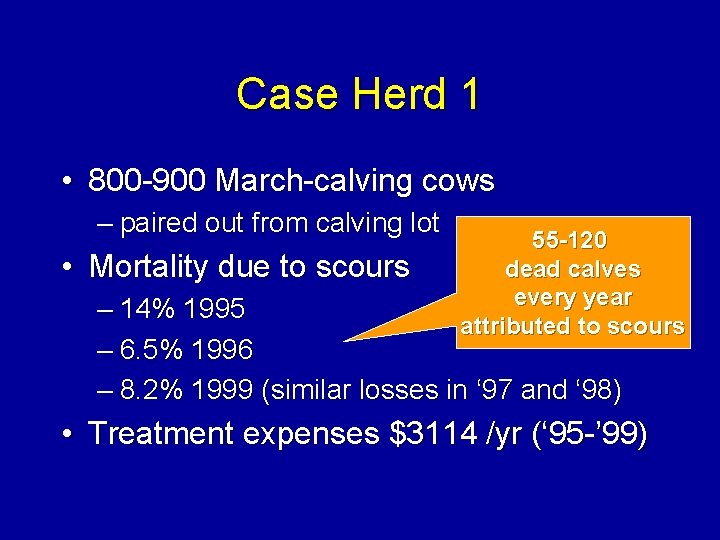
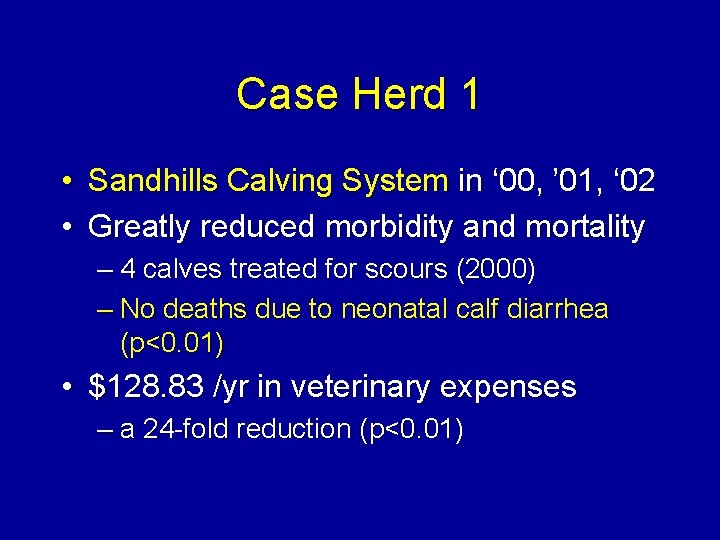
Case Herd 1 • 800 -900 March-calving cows – paired out from calving lot • Mortality due to scours 55 -120 dead calves every year attributed to scours – 14% 1995 – 6. 5% 1996 – 8. 2% 1999 (similar losses in ‘ 97 and ‘ 98) • Treatment expenses $3114 /yr (‘ 95 -’ 99)
Case Herd 1 • Sandhills Calving System in ‘ 00, ’ 01, ‘ 02 • Greatly reduced morbidity and mortality – 4 calves treated for scours (2000) – No deaths due to neonatal calf diarrhea (p<0. 01) • $128. 83 /yr in veterinary expenses – a 24 -fold reduction (p<0. 01)
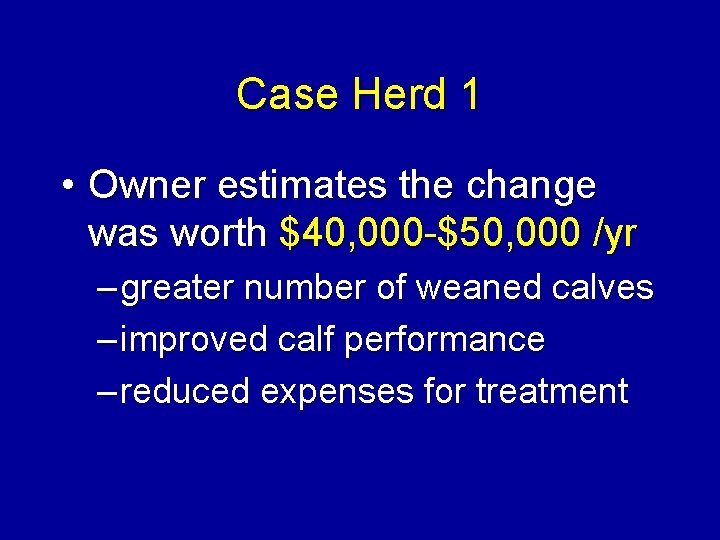
Case Herd 1 • Owner estimates the change was worth $40, 000 -$50, 000 /yr – greater number of weaned calves – improved calf performance – reduced expenses for treatment
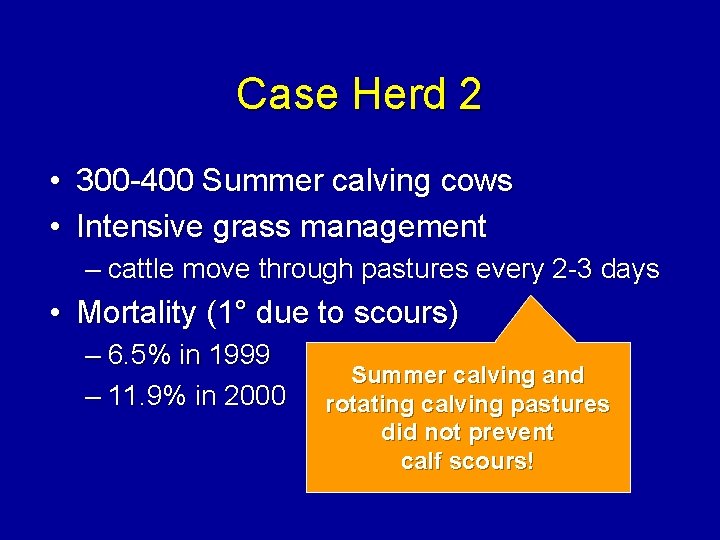
Case Herd 2 • 300 -400 Summer calving cows • Intensive grass management – cattle move through pastures every 2 -3 days • Mortality (1° due to scours) – 6. 5% in 1999 – 11. 9% in 2000 Summer calving and rotating calving pastures did not prevent calf scours!
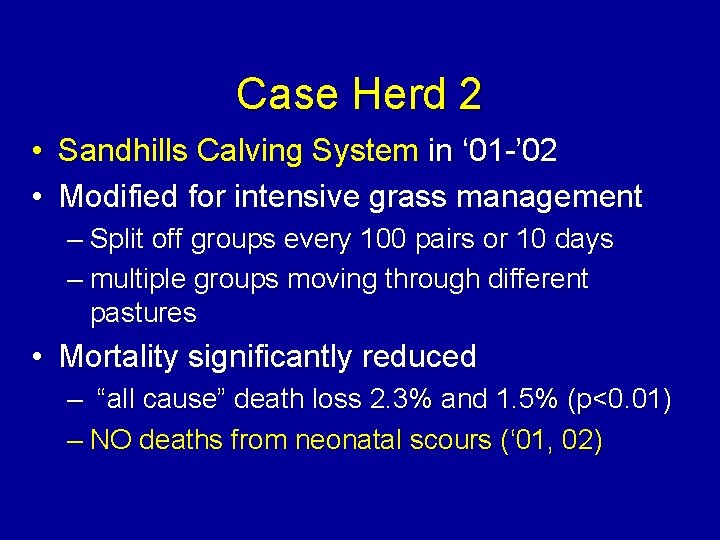
Case Herd 2 • Sandhills Calving System in ‘ 01 -’ 02 • Modified for intensive grass management – Split off groups every 100 pairs or 10 days – multiple groups moving through different pastures • Mortality significantly reduced – “all cause” death loss 2. 3% and 1. 5% (p<0. 01) – NO deaths from neonatal scours (‘ 01, 02)
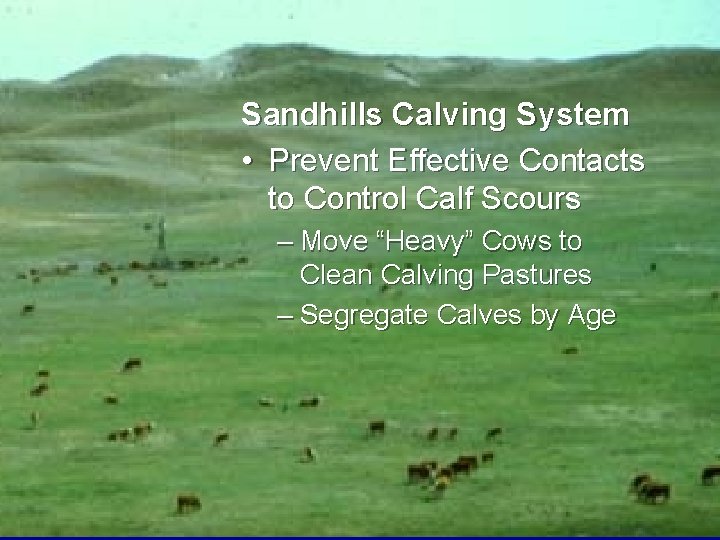
Sandhills Calving System • Prevent Effective Contacts to Control Calf Scours – Move “Heavy” Cows to Clean Calving Pastures – Segregate Calves by Age
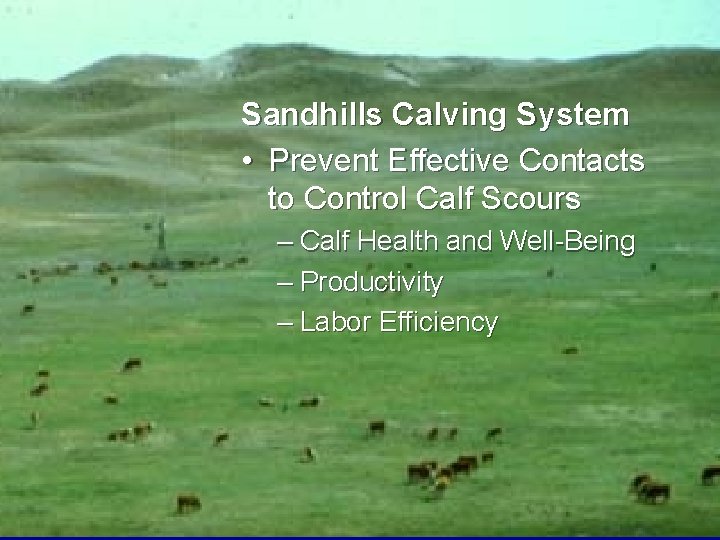
Sandhills Calving System • Prevent Effective Contacts to Control Calf Scours – Calf Health and Well-Being – Productivity – Labor Efficiency
[those concerned with] food-producing animals must think in terms of hygiene, for their success is in no small measure dependent upon their knowledge of Dr. Leunis Van Es the subject. . . Lincoln, NE 1932
Questions? David R. Smith DVM, Ph. D Extension Veterinarian 402 472 -2362 dsmith 8@unl. edu