
Managing Distress Migration and Enhancing Resilience through Climate
- Slides: 13
Managing Distress Migration and Enhancing Resilience through Climate Appropriate Interventions under MGNREGS in Western Odisha (India) Supriya Pattanayak, Smita Mishra Panda, Bibhunandini Das, Payal Nayak
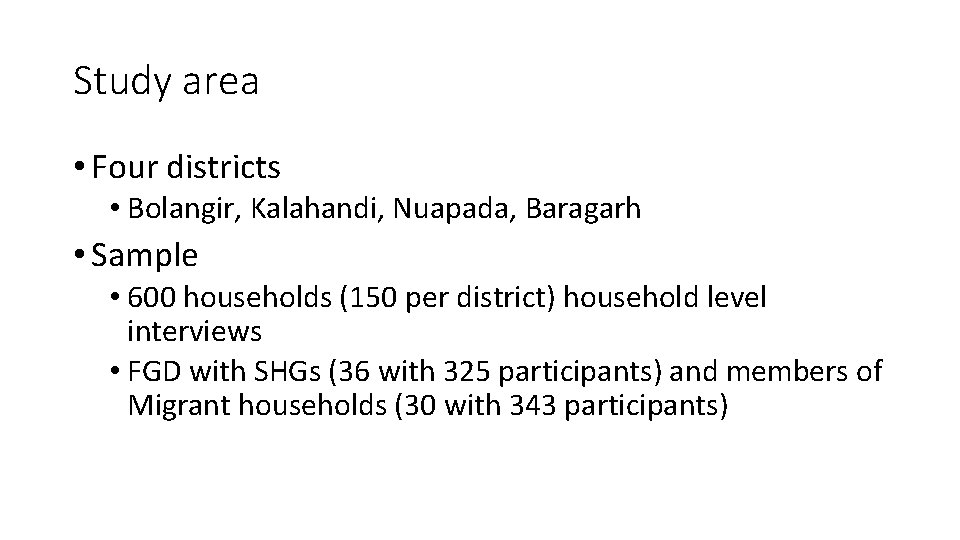
Study area • Four districts • Bolangir, Kalahandi, Nuapada, Baragarh • Sample • 600 households (150 per district) household level interviews • FGD with SHGs (36 with 325 participants) and members of Migrant households (30 with 343 participants)
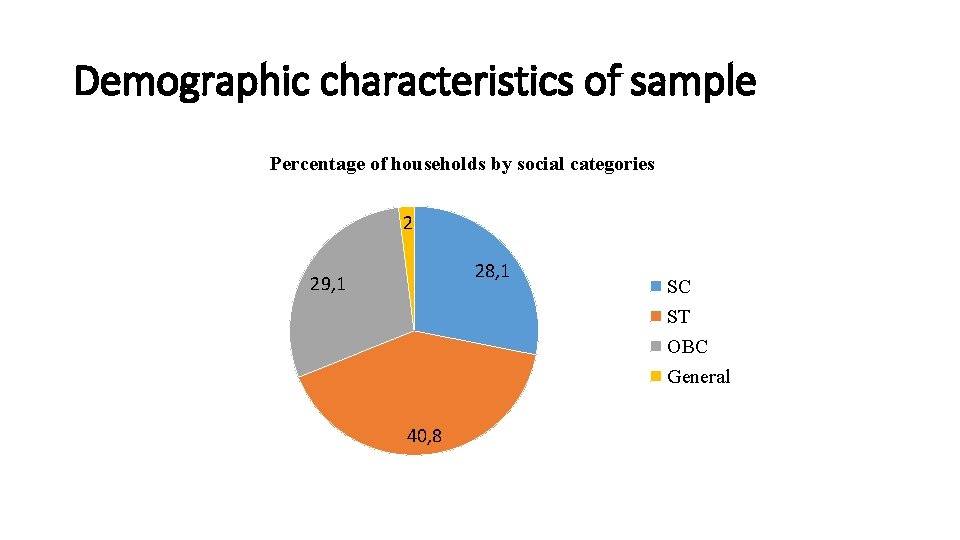
Demographic characteristics of sample Percentage of households by social categories 2 28, 1 29, 1 40, 8 SC ST OBC General
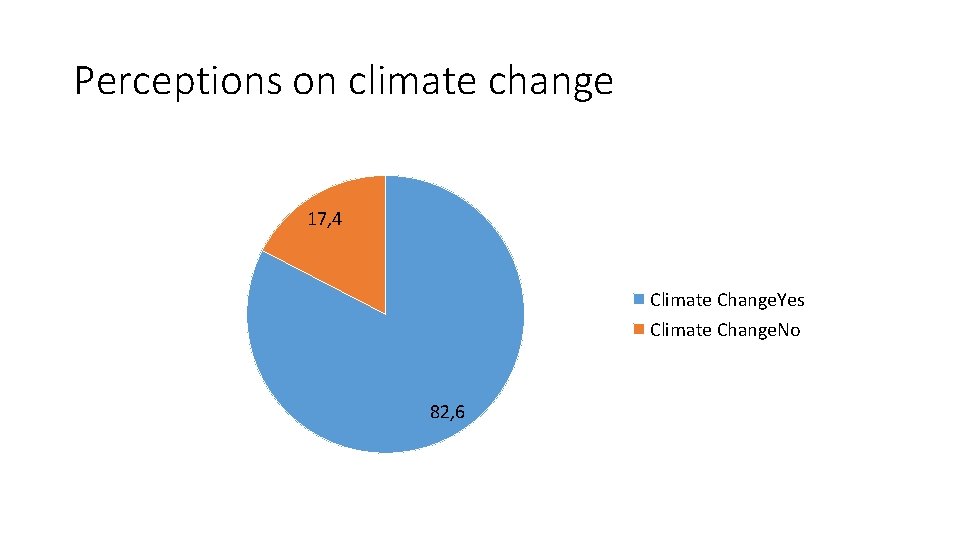
Perceptions on climate change 17, 4 Climate Change. Yes Climate Change. No 82, 6
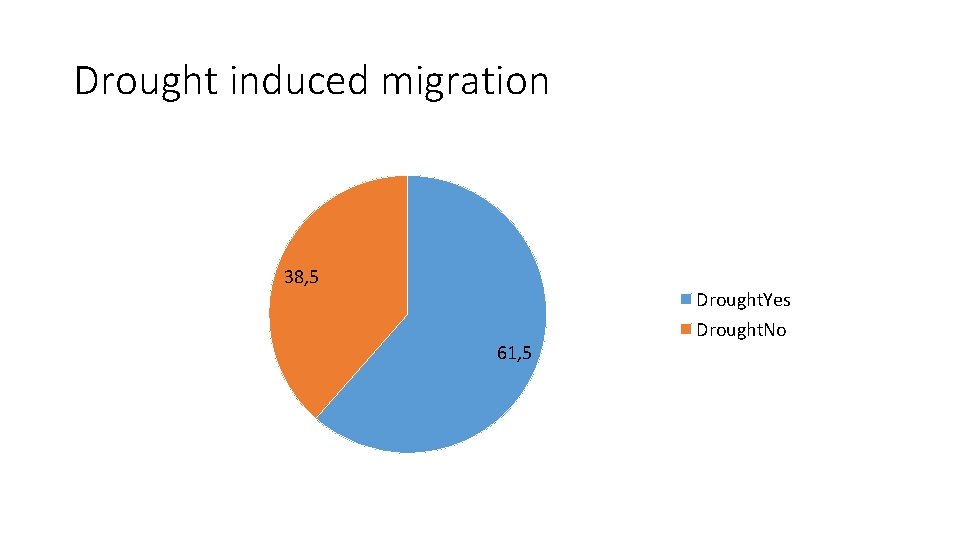
Drought induced migration 38, 5 61, 5 Drought. Yes Drought. No
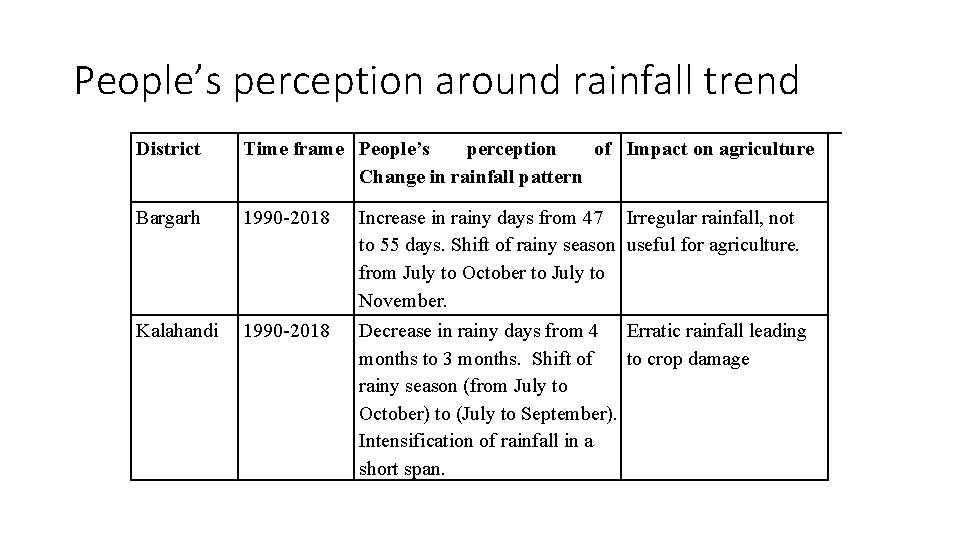
People’s perception around rainfall trend District Time frame People’s perception of Impact on agriculture Change in rainfall pattern Bargarh 1990 -2018 Increase in rainy days from 47 Irregular rainfall, not to 55 days. Shift of rainy season useful for agriculture. from July to October to July to November. Kalahandi 1990 -2018 Decrease in rainy days from 4 Erratic rainfall leading months to 3 months. Shift of to crop damage rainy season (from July to October) to (July to September). Intensification of rainfall in a short span.
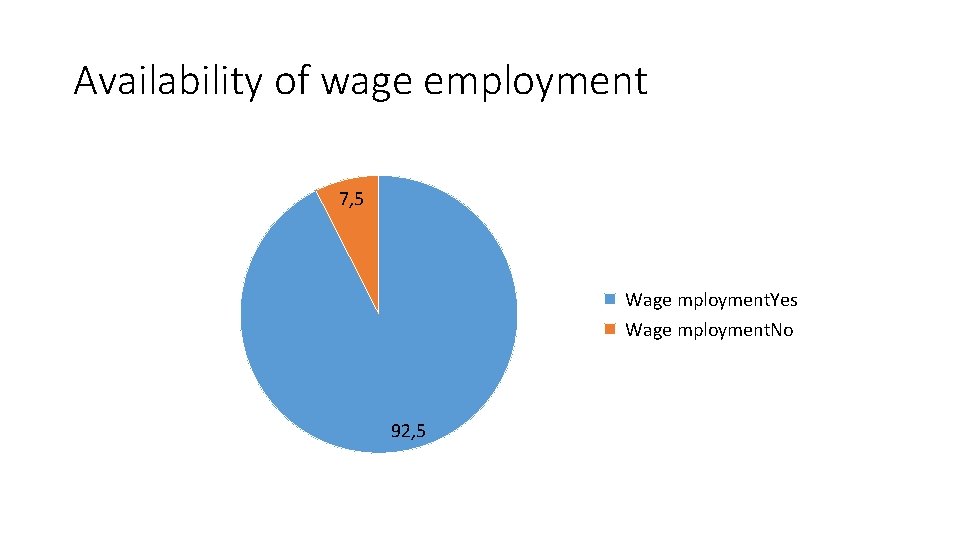
Availability of wage employment 7, 5 Wage mployment. Yes Wage mployment. No 92, 5
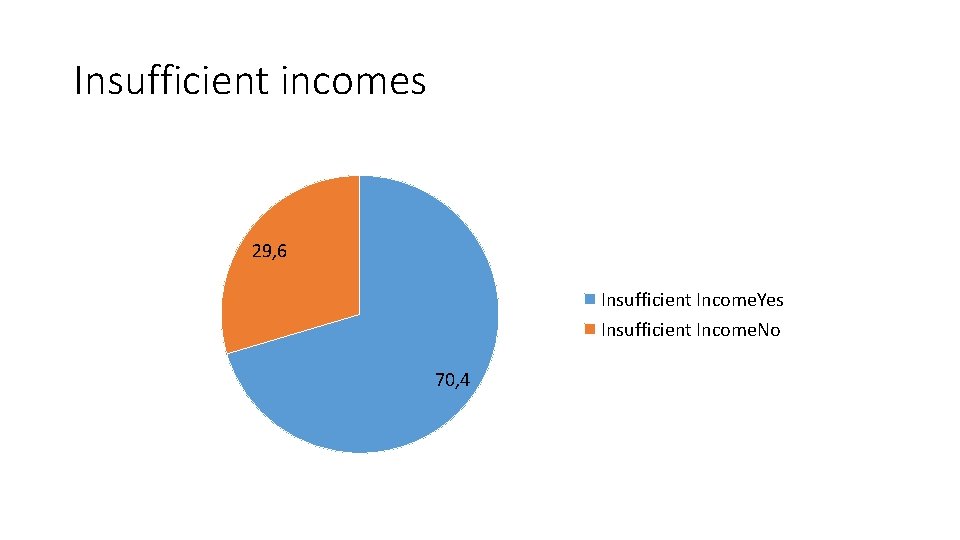
Insufficient incomes 29, 6 Insufficient Income. Yes Insufficient Income. No 70, 4
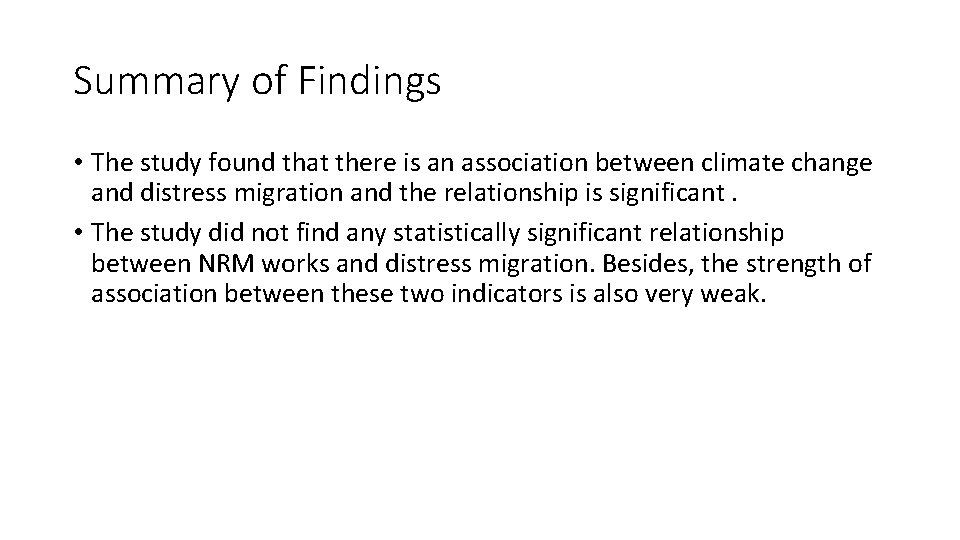
Summary of Findings • The study found that there is an association between climate change and distress migration and the relationship is significant. • The study did not find any statistically significant relationship between NRM works and distress migration. Besides, the strength of association between these two indicators is also very weak.
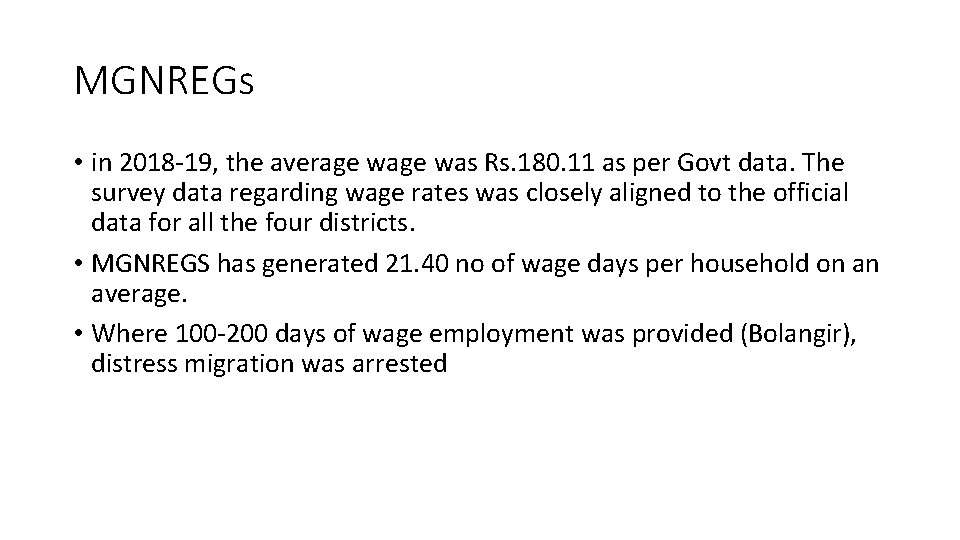
MGNREGs • in 2018 -19, the average was Rs. 180. 11 as per Govt data. The survey data regarding wage rates was closely aligned to the official data for all the four districts. • MGNREGS has generated 21. 40 no of wage days per household on an average. • Where 100 -200 days of wage employment was provided (Bolangir), distress migration was arrested
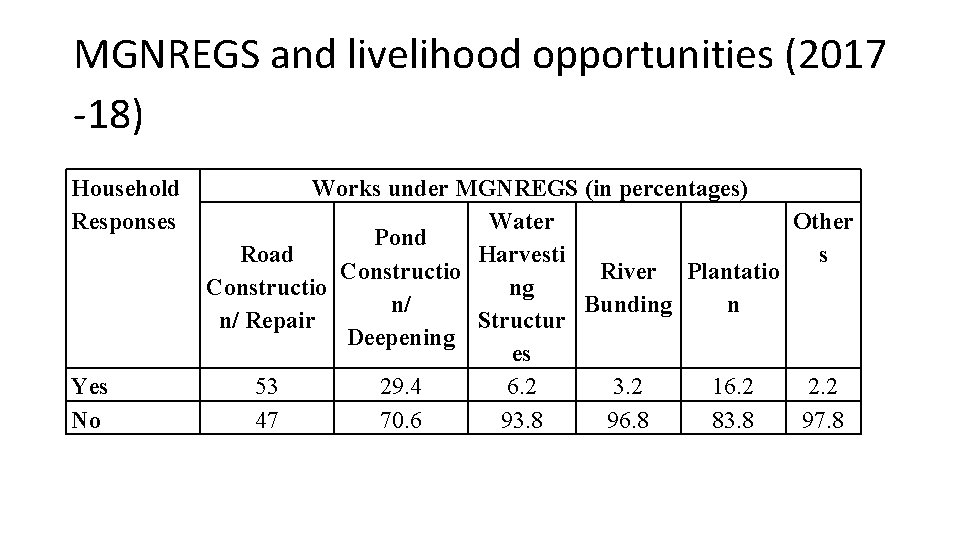
MGNREGS and livelihood opportunities (2017 -18) Household Responses Yes No Works under MGNREGS (in percentages) Water Other Pond Road Harvesti s Constructio River Plantatio Constructio ng n/ Bunding n n/ Repair Structur Deepening es 53 29. 4 6. 2 3. 2 16. 2 2. 2 47 70. 6 93. 8 96. 8 83. 8 97. 8
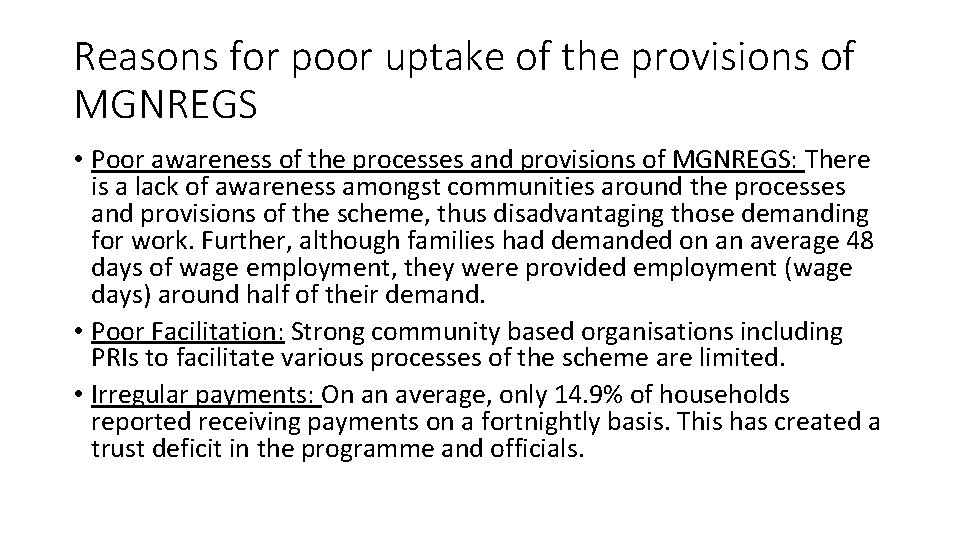
Reasons for poor uptake of the provisions of MGNREGS • Poor awareness of the processes and provisions of MGNREGS: There is a lack of awareness amongst communities around the processes and provisions of the scheme, thus disadvantaging those demanding for work. Further, although families had demanded on an average 48 days of wage employment, they were provided employment (wage days) around half of their demand. • Poor Facilitation: Strong community based organisations including PRIs to facilitate various processes of the scheme are limited. • Irregular payments: On an average, only 14. 9% of households reported receiving payments on a fortnightly basis. This has created a trust deficit in the programme and officials.
Recommendations • The study recommends that appropriate village level institutions may be formed and strengthened for participatory planning, execution, monitoring of works and ensuring timely payments under MGNREGS to ensure that the benefits accrue to the poorest. • A paradigm shift from wage to self-employment as a strategy for livelihood could be put in place to ensure long term benefits to the people. • It is recommended that restoration and regeneration of natural resource base be taken up through an area saturation approach. • A convergence could be planned between NRM and Livelihood Development Plans of the state. • critical that the skills of migrant households, both traditional and acquired, be assessed and appropriate training and employment opportunities be created to absorb them in the local area.