
Managing Chronic Pain If Not Opioids Then What
- Slides: 38
Managing Chronic Pain: If Not Opioids, Then What? Daniel J. Clauw M. D. dclauw@umich. edu Professor of Anesthesiology, Medicine (Rheumatology), and Psychiatry Director, Chronic Pain and Fatigue Research Center The University of Michigan
Disclosures ■ Consulting ■ Pfizer, Pierre Fabre, Abbott, Cerephex, Tonix, Theravance, Zynerba, Samumed, Aptinyx, Daiichi Sankyo ■ Research support ■ Pfizer, Cerephex, Aptinyx
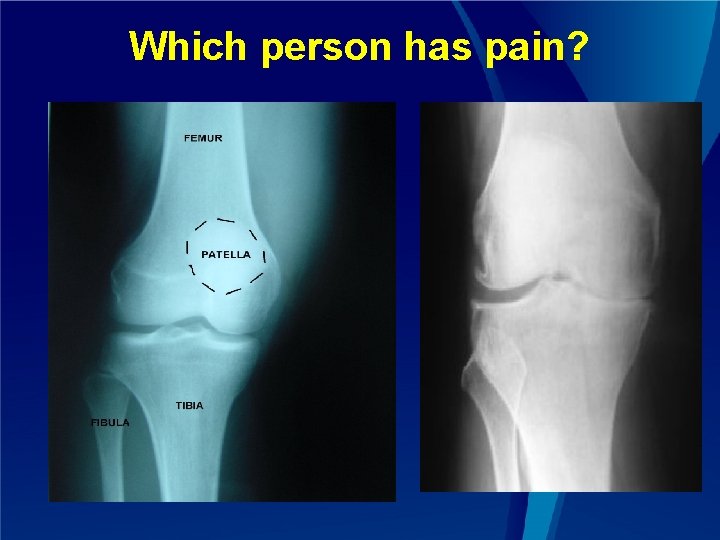
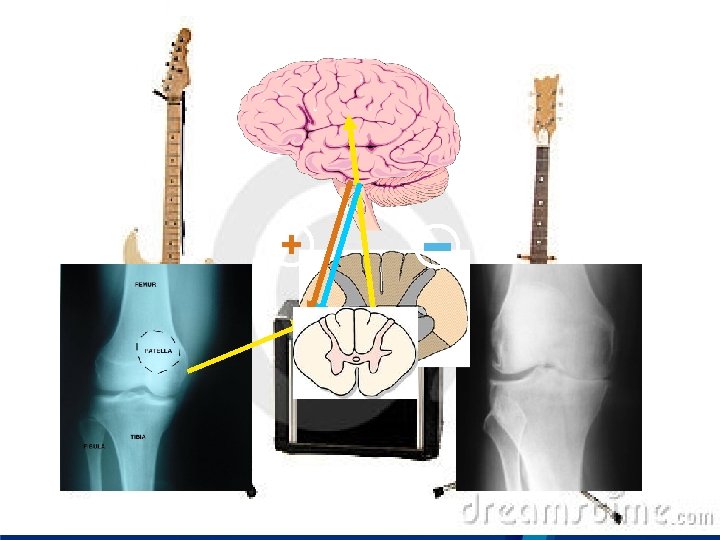
Which person has pain?
Osteoarthritis of the knee - I ■ Classic “peripheral” pain syndrome ■ Poor relationship between structural abnormalities and symptoms 1. In population-based studies: 30 – 40% of individuals who have grade 3/4 K/L radiographic OA have no symptoms ■ 10% of individuals with severe pain have normal radiographs ■ ■ Psychological factors explain very little of the variance between symptoms and structure 2 ■ We sometimes delude ourselves into thinking that our current therapies are adequate NSAIDs, acetaminophen, and even opioids have small effect sizes 3, 4 ■ Arthroplasty does not predictably relieve pain ■ (1) Creamer P, et. al. Br J Rheumatol 1997; 36(7): 726 -8. (2) Creamer P, et. al. Arthritis Care Res 1998; 11(1): 60 -5. (3) Bjordal JM, et. al. Eur J Pain 2007; 11(2): 125 -38. (4) Zhang W, et. al. Ann Rheum Dis 2004; 63(8): 901 -7.
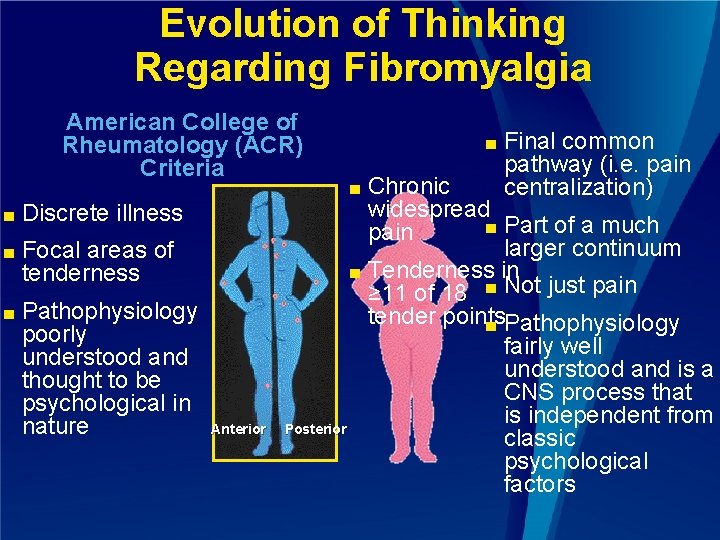
Evolution of Thinking Regarding Fibromyalgia American College of Rheumatology (ACR) Criteria ■ Discrete illness ■ Focal areas of tenderness ■ Pathophysiology poorly understood and thought to be psychological in nature Anterior ■ Final common pathway (i. e. pain centralization) Chronic widespread ■ Part of a much pain larger continuum ■ Tenderness in ≥ 11 of 18 ■ Not just pain tender points ■ Pathophysiology fairly well understood and is a CNS process that is independent from Posterior classic psychological factors ■
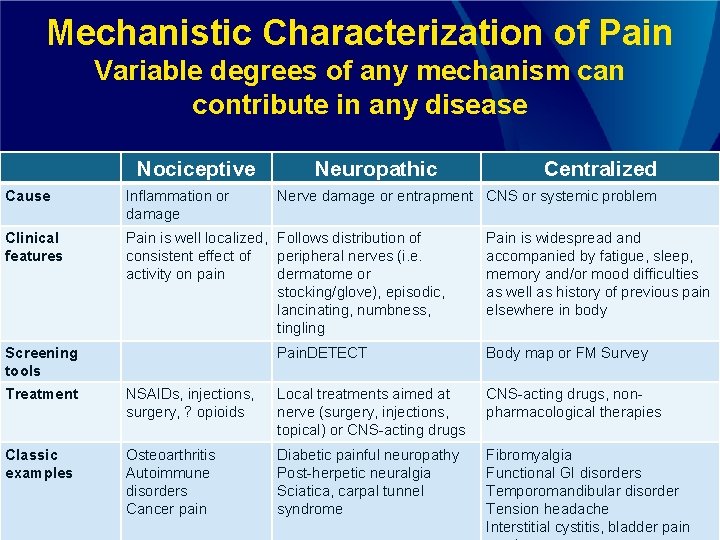
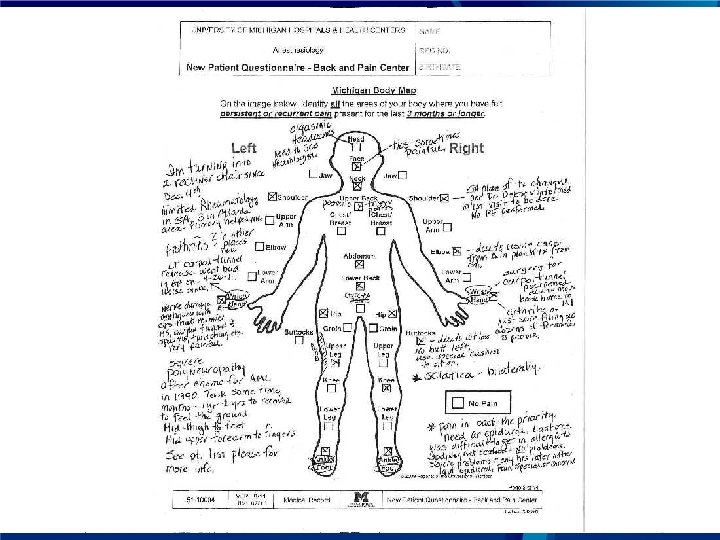
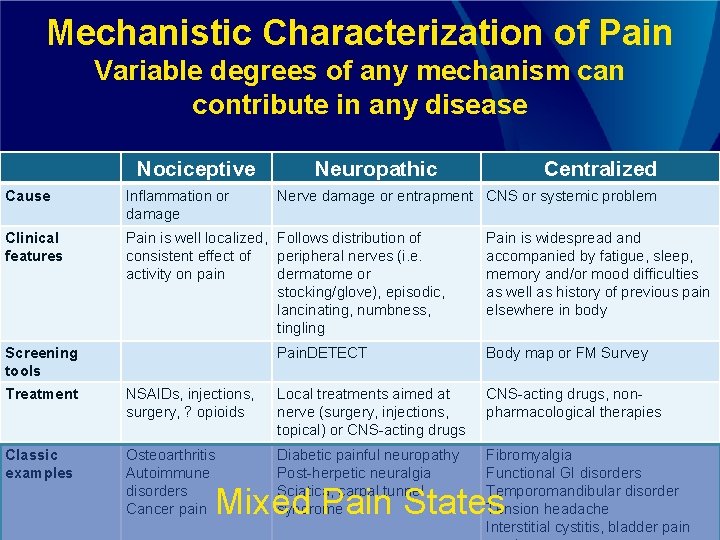
Mechanistic Characterization of Pain Variable degrees of any mechanism can contribute in any disease Nociceptive Neuropathic Cause Inflammation or damage Clinical features Pain is well localized, Follows distribution of consistent effect of peripheral nerves (i. e. activity on pain dermatome or stocking/glove), episodic, lancinating, numbness, tingling Screening tools Centralized Nerve damage or entrapment CNS or systemic problem Pain is widespread and accompanied by fatigue, sleep, memory and/or mood difficulties as well as history of previous pain elsewhere in body Pain. DETECT Body map or FM Survey Treatment NSAIDs, injections, surgery, ? opioids Local treatments aimed at nerve (surgery, injections, topical) or CNS-acting drugs, nonpharmacological therapies Classic examples Osteoarthritis Autoimmune disorders Cancer pain Diabetic painful neuropathy Post-herpetic neuralgia Sciatica, carpal tunnel syndrome Fibromyalgia Functional GI disorders Temporomandibular disorder Tension headache Interstitial cystitis, bladder pain
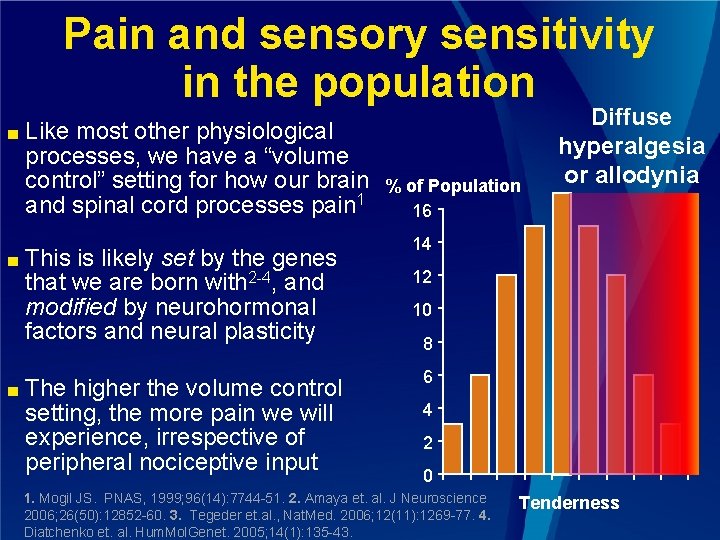
Pain and sensory sensitivity in the population ■ ■ ■ Like most other physiological processes, we have a “volume control” setting for how our brain and spinal cord processes pain 1 This is likely set by the genes that we are born with 2 -4, and modified by neurohormonal factors and neural plasticity The higher the volume control setting, the more pain we will experience, irrespective of peripheral nociceptive input % of Population 16 Diffuse hyperalgesia or allodynia 14 12 10 8 6 4 2 0 1. Mogil JS. PNAS, 1999; 96(14): 7744 -51. 2. Amaya et. al. J Neuroscience 2006; 26(50): 12852 -60. 3. Tegeder et. al. , Nat. Med. 2006; 12(11): 1269 -77. 4. Diatchenko et. al. Hum. Mol. Genet. 2005; 14(1): 135 -43. Tenderness
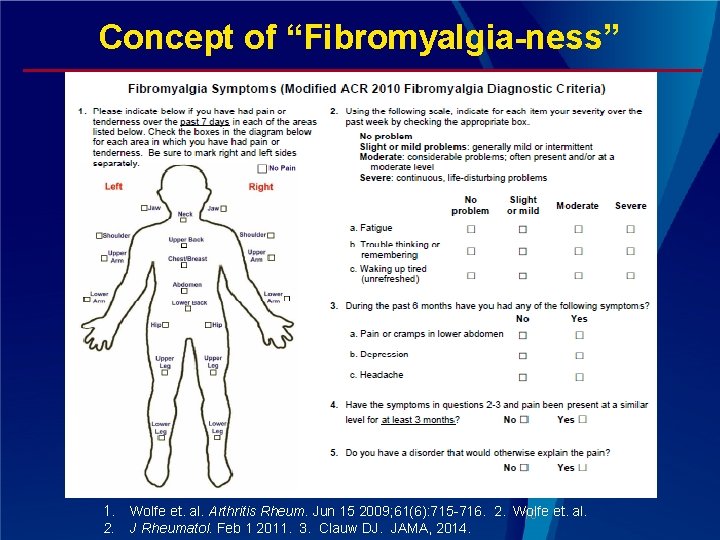
Fibromyalgia-ness ■ Term coined by Wolfe to indicate that the symptoms of FM occur as a continuum in the population rather than being present or absent 1 ■ In rheumatic disorders such as osteoarthritis, rheumatoid arthritis, lupus, low back pain, etc. this score is more predictive of pain levels and disability than more objective measures of disease 2, 3 ■ Domain overlaps with somatization in many regards, and there are many questionnaires that collect somatic symptom counts as a surrogate for this construct 1. Wolfe et. al. Arthritis Rheum. Jun 15 2009; 61(6): 715 -716. 2. Wolfe et. al. 2. J Rheumatol. Feb 1 2011. 3. Clauw DJ. JAMA, 2014.
Concept of “Fibromyalgia-ness” 1. 2. Wolfe et. al. Arthritis Rheum. Jun 15 2009; 61(6): 715 -716. 2. Wolfe 10 et. al. J Rheumatol. Feb 1 2011. 3. Clauw DJ. JAMA, 2014.
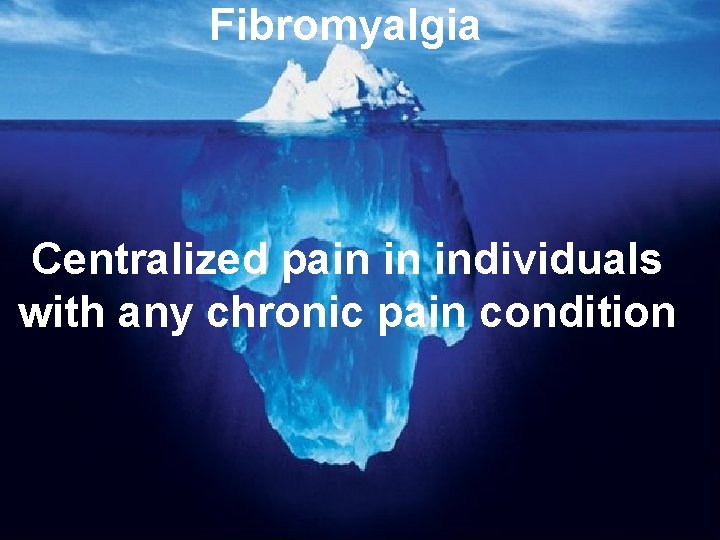
Fibromyalgia Centralized pain in individuals with any chronic pain condition
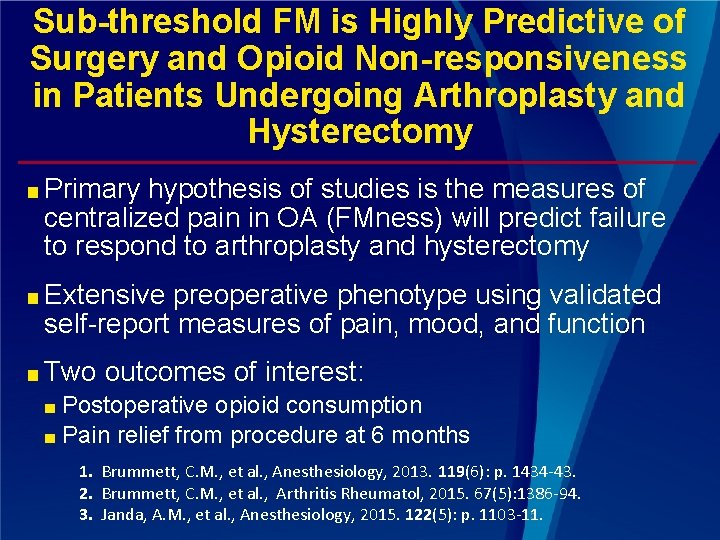
Sub-threshold FM is Highly Predictive of Surgery and Opioid Non-responsiveness in Patients Undergoing Arthroplasty and Hysterectomy ■ Primary hypothesis of studies is the measures of centralized pain in OA (FMness) will predict failure to respond to arthroplasty and hysterectomy ■ Extensive preoperative phenotype using validated self-report measures of pain, mood, and function ■ Two outcomes of interest: ■ Postoperative opioid consumption ■ Pain relief from procedure at 6 months 1. Brummett, C. M. , et al. , Anesthesiology, 2013. 119(6): p. 1434 -43. 2. Brummett, C. M. , et al. , Arthritis Rheumatol, 2015. 67(5): 1386 -94. 15 3. Janda, A. M. , et al. , Anesthesiology, 2015. 122(5): p. 1103 -11.
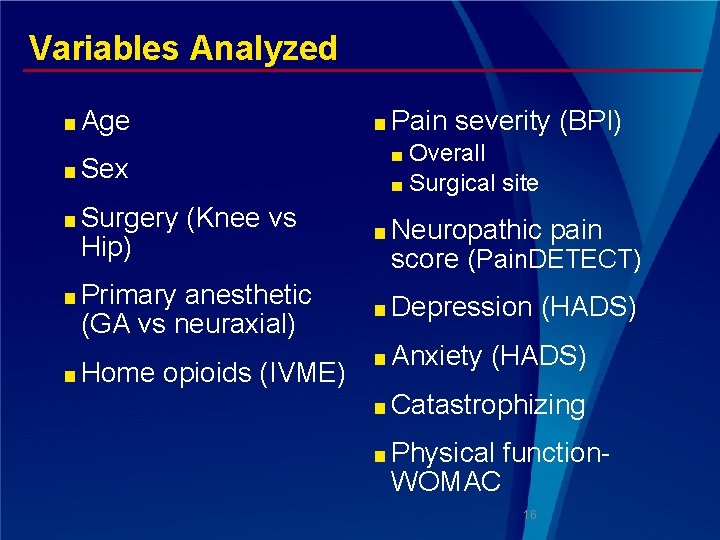
Variables Analyzed ■ Age ■ Pain severity ■ Overall ■ Surgical site ■ Sex ■ Surgery Hip) (Knee vs pain score (Pain. DETECT) ■ Primary anesthetic (GA vs neuraxial) ■ Home ■ Neuropathic (BPI) opioids (IVME) ■ Depression ■ Anxiety (HADS) ■ Catastrophizing ■ Physical WOMAC function 16
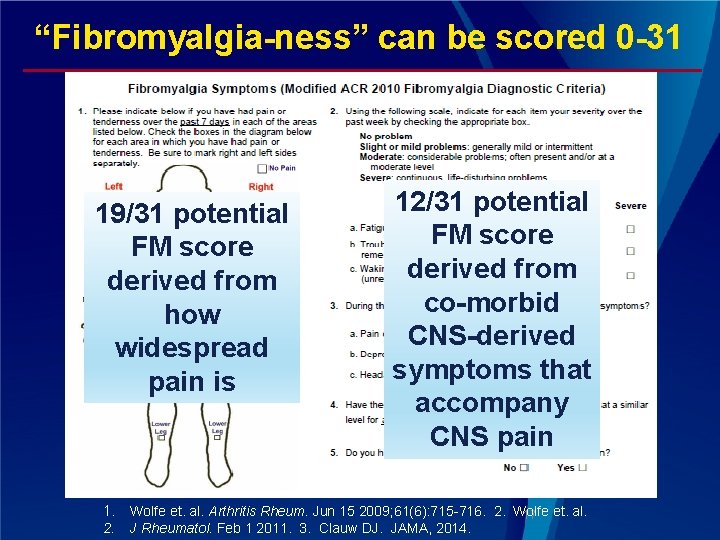
“Fibromyalgia-ness” can be scored 0 -31 19/31 potential FM score derived from how widespread pain is 1. 2. 12/31 potential FM score derived from co-morbid CNS-derived symptoms that accompany CNS pain Wolfe et. al. Arthritis Rheum. Jun 15 2009; 61(6): 715 -716. 2. Wolfe 17 et. al. J Rheumatol. Feb 1 2011. 3. Clauw DJ. JAMA, 2014.
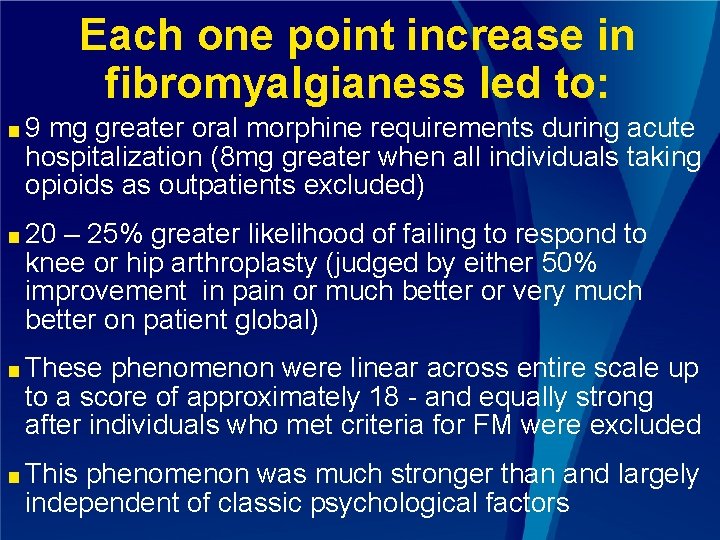
Each one point increase in fibromyalgianess led to: ■ 9 mg greater oral morphine requirements during acute hospitalization (8 mg greater when all individuals taking opioids as outpatients excluded) ■ 20 – 25% greater likelihood of failing to respond to knee or hip arthroplasty (judged by either 50% improvement in pain or much better or very much better on patient global) ■ These phenomenon were linear across entire scale up to a score of approximately 18 - and equally strong after individuals who met criteria for FM were excluded ■ This phenomenon was much stronger than and largely independent of classic psychological factors
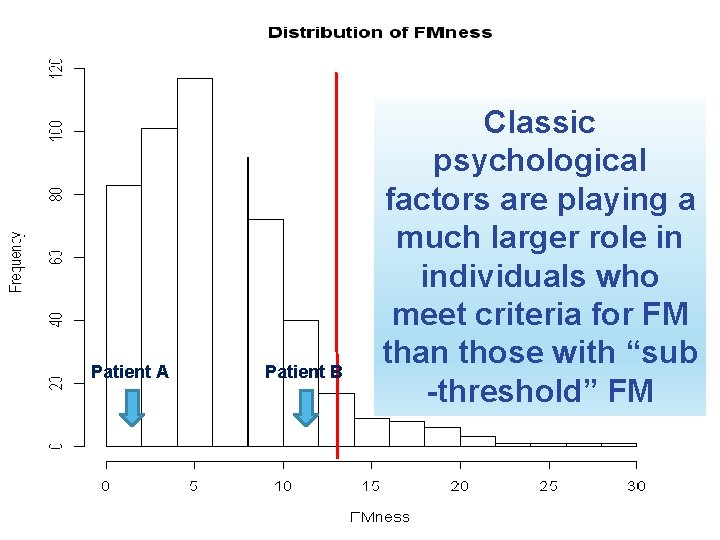
Patient A Patient B Compared to Patient A Classic with localized pain and no psychological somatic symptoms, Patientare B would need a factors playing 90 mg more Oral Morphine much larger role in Equivalents during first individuals who 48 hours of hospitalization, and meet criteria for FM would be 5 X less likely to than those with “sub have 50% improvement in -threshold” FM pain at 6 months 19 Brummett CM et al. Unpublished data
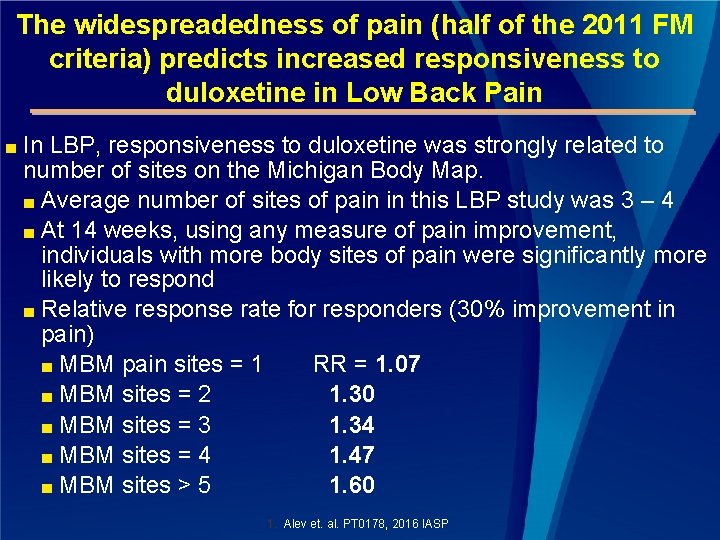
The widespreadedness of pain (half of the 2011 FM criteria) predicts increased responsiveness to duloxetine in Low Back Pain ■ In LBP, responsiveness to duloxetine was strongly related to number of sites on the Michigan Body Map. ■ Average number of sites of pain in this LBP study was 3 – 4 ■ At 14 weeks, using any measure of pain improvement, individuals with more body sites of pain were significantly more likely to respond ■ Relative response rate for responders (30% improvement in pain) ■ MBM pain sites = 1 RR = 1. 07 ■ MBM sites = 2 1. 30 ■ MBM sites = 3 1. 34 ■ MBM sites = 4 1. 47 ■ MBM sites > 5 1. 60 1. Alev et. al. PT 0178, 2016 IASP
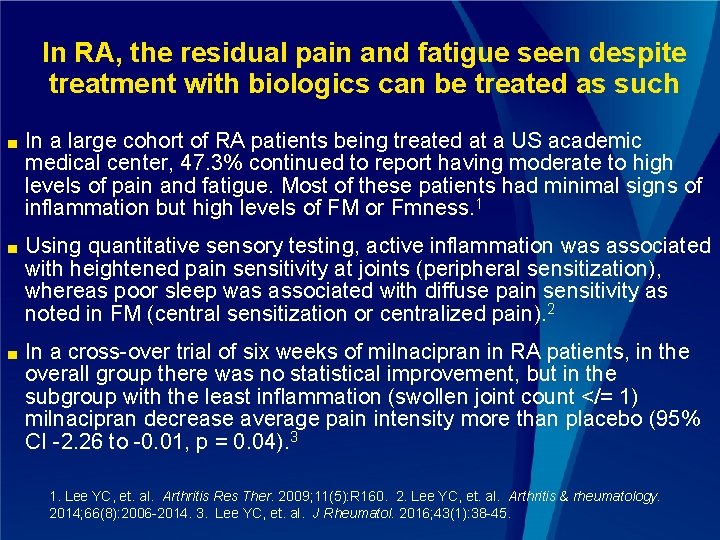
In RA, the residual pain and fatigue seen despite treatment with biologics can be treated as such ■ In a large cohort of RA patients being treated at a US academic medical center, 47. 3% continued to report having moderate to high levels of pain and fatigue. Most of these patients had minimal signs of inflammation but high levels of FM or Fmness. 1 ■ Using quantitative sensory testing, active inflammation was associated with heightened pain sensitivity at joints (peripheral sensitization), whereas poor sleep was associated with diffuse pain sensitivity as noted in FM (central sensitization or centralized pain). 2 ■ In a cross-over trial of six weeks of milnacipran in RA patients, in the overall group there was no statistical improvement, but in the subgroup with the least inflammation (swollen joint count </= 1) milnacipran decrease average pain intensity more than placebo (95% CI -2. 26 to -0. 01, p = 0. 04). 3 1. Lee YC, et. al. Arthritis Res Ther. 2009; 11(5): R 160. 2. Lee YC, et. al. Arthritis & rheumatology. 2014; 66(8): 2006 -2014. 3. Lee YC, et. al. J Rheumatol. 2016; 43(1): 38 -45.
Mechanistic Characterization of Pain Variable degrees of any mechanism can contribute in any disease Nociceptive Neuropathic Cause Inflammation or damage Clinical features Pain is well localized, Follows distribution of consistent effect of peripheral nerves (i. e. activity on pain dermatome or stocking/glove), episodic, lancinating, numbness, tingling Screening tools Centralized Nerve damage or entrapment CNS or systemic problem Pain is widespread and accompanied by fatigue, sleep, memory and/or mood difficulties as well as history of previous pain elsewhere in body Pain. DETECT Body map or FM Survey Treatment NSAIDs, injections, surgery, ? opioids Local treatments aimed at nerve (surgery, injections, topical) or CNS-acting drugs, nonpharmacological therapies Classic examples Osteoarthritis Autoimmune disorders Cancer pain Diabetic painful neuropathy Post-herpetic neuralgia Sciatica, carpal tunnel syndrome Fibromyalgia Functional GI disorders Temporomandibular disorder Tension headache Interstitial cystitis, bladder pain Mixed Pain States
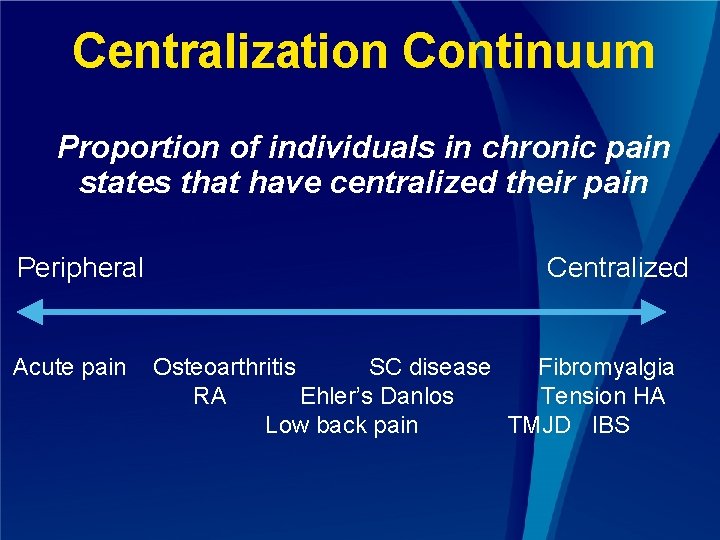
Centralization Continuum Proportion of individuals in chronic pain states that have centralized their pain Peripheral Acute pain Centralized Osteoarthritis SC disease Fibromyalgia RA Ehler’s Danlos Tension HA Low back pain TMJD IBS
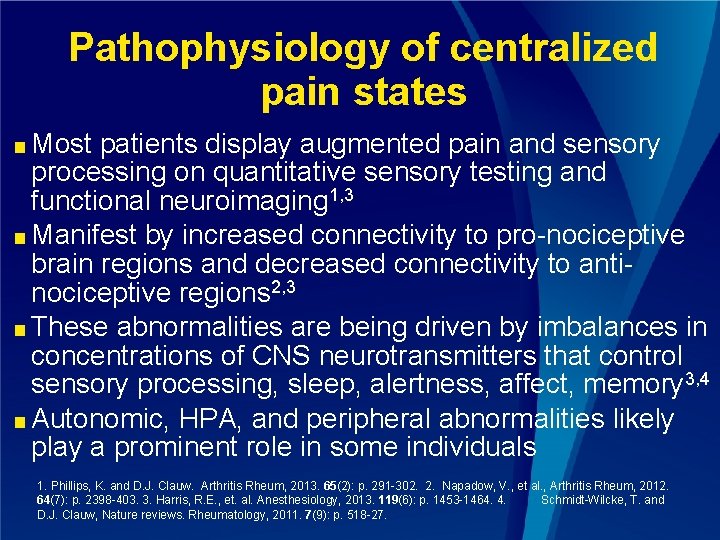
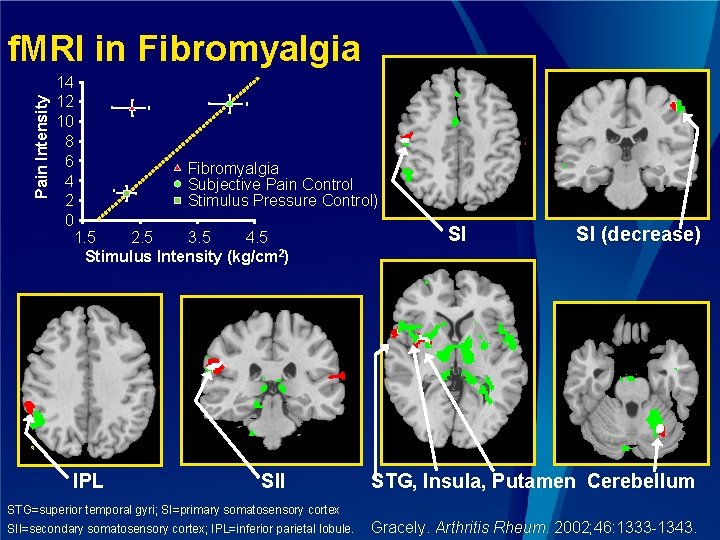
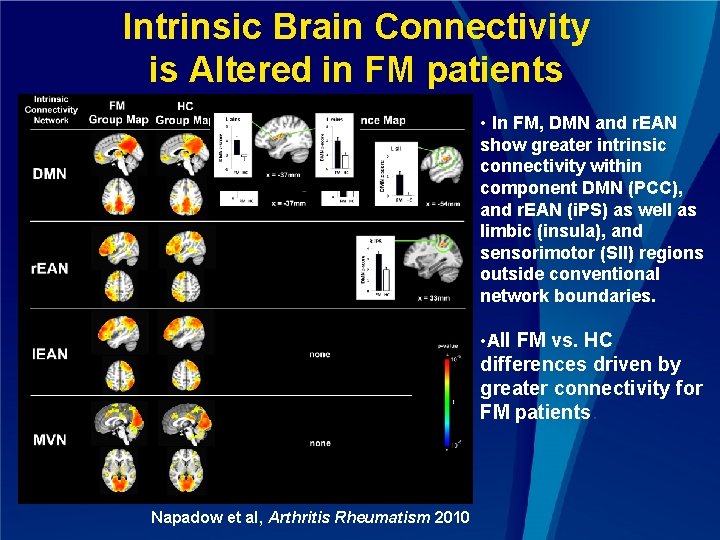
Pathophysiology of centralized pain states ■ Most patients display augmented pain and sensory processing on quantitative sensory testing and functional neuroimaging 1, 3 ■ Manifest by increased connectivity to pro-nociceptive brain regions and decreased connectivity to antinociceptive regions 2, 3 ■ These abnormalities are being driven by imbalances in concentrations of CNS neurotransmitters that control sensory processing, sleep, alertness, affect, memory 3, 4 ■ Autonomic, HPA, and peripheral abnormalities likely play a prominent role in some individuals 1. Phillips, K. and D. J. Clauw. Arthritis Rheum, 2013. 65(2): p. 291 -302. 2. Napadow, V. , et al. , Arthritis Rheum, 2012. 64(7): p. 2398 -403. 3. Harris, R. E. , et. al. Anesthesiology, 2013. 119(6): p. 1453 -1464. 4. Schmidt-Wilcke, T. and D. J. Clauw, Nature reviews. Rheumatology, 2011. 7(9): p. 518 -27.
Pain Intensity f. MRI in Fibromyalgia 14 12 10 8 6 Fibromyalgia 4 Subjective Pain Control Stimulus Pressure Control) 2 0 1. 5 2. 5 3. 5 4. 5 Stimulus Intensity (kg/cm 2) IPL SII STG=superior temporal gyri; SI=primary somatosensory cortex SII=secondary somatosensory cortex; IPL=inferior parietal lobule. SI SI (decrease) STG, Insula, Putamen Cerebellum Gracely. Arthritis Rheum. 2002; 46: 1333 -1343.
Intrinsic Brain Connectivity is Altered in FM patients • In FM, DMN and r. EAN show greater intrinsic connectivity within component DMN (PCC), and r. EAN (i. PS) as well as limbic (insula), and sensorimotor (SII) regions outside conventional network boundaries. • All FM vs. HC differences driven by greater connectivity for FM patients. Napadow et al, Arthritis Rheumatism 2010
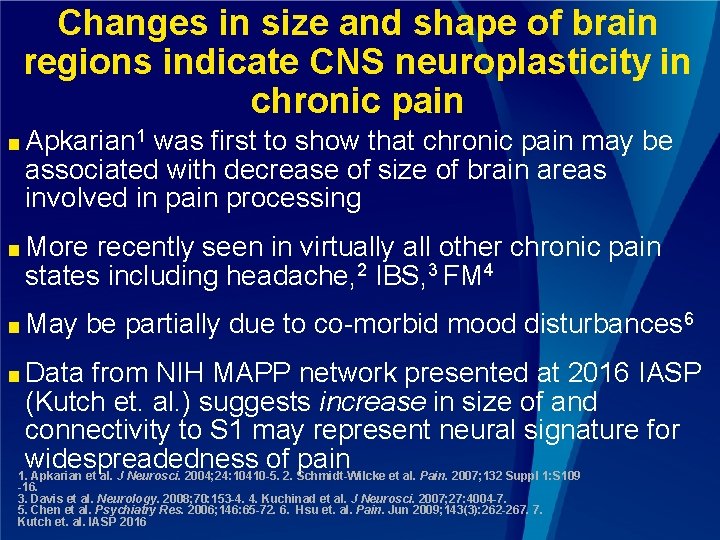
Changes in size and shape of brain regions indicate CNS neuroplasticity in chronic pain ■ Apkarian 1 was first to show that chronic pain may be associated with decrease of size of brain areas involved in pain processing ■ More recently seen in virtually all other chronic pain states including headache, 2 IBS, 3 FM 4 ■ May be partially due to co-morbid mood disturbances 6 ■ Data from NIH MAPP network presented at 2016 IASP (Kutch et. al. ) suggests increase in size of and connectivity to S 1 may represent neural signature for widespreadedness of pain 1. Apkarian et al. J Neurosci. 2004; 24: 10410 -5. 2. Schmidt-Wilcke et al. Pain. 2007; 132 Suppl 1: S 109 -16. 3. Davis et al. Neurology. 2008; 70: 153 -4. 4. Kuchinad et al. J Neurosci. 2007; 27: 4004 -7. 5. Chen et al. Psychiatry Res. 2006; 146: 65 -72. 6. Hsu et. al. Pain. Jun 2009; 143(3): 262 -267. 7. Kutch et. al. IASP 2016
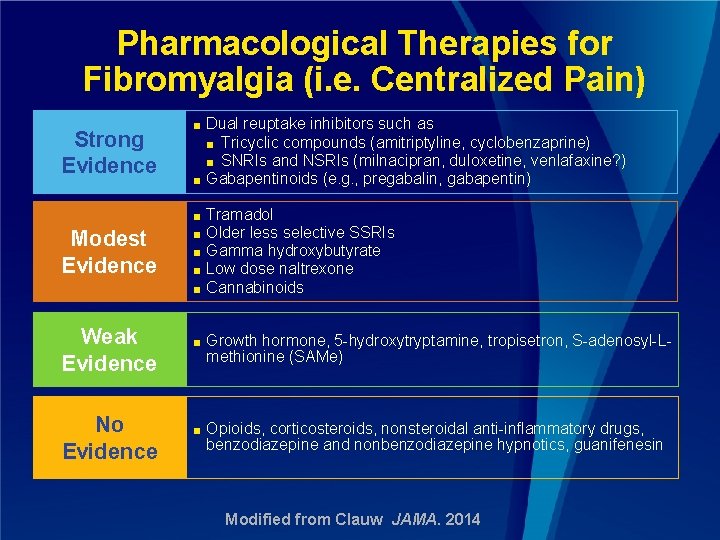
Pharmacological Therapies for Fibromyalgia (i. e. Centralized Pain) Strong Evidence Modest Evidence Weak Evidence No Evidence Dual reuptake inhibitors such as ■ Tricyclic compounds (amitriptyline, cyclobenzaprine) ■ SNRIs and NSRIs (milnacipran, duloxetine, venlafaxine? ) ■ Gabapentinoids (e. g. , pregabalin, gabapentin) ■ ■ ■ Tramadol Older less selective SSRIs Gamma hydroxybutyrate Low dose naltrexone Cannabinoids ■ Growth hormone, 5 -hydroxytryptamine, tropisetron, S-adenosyl-Lmethionine (SAMe) ■ Opioids, corticosteroids, nonsteroidal anti-inflammatory drugs, benzodiazepine and nonbenzodiazepine hypnotics, guanifenesin Modified from Clauw JAMA. 2014
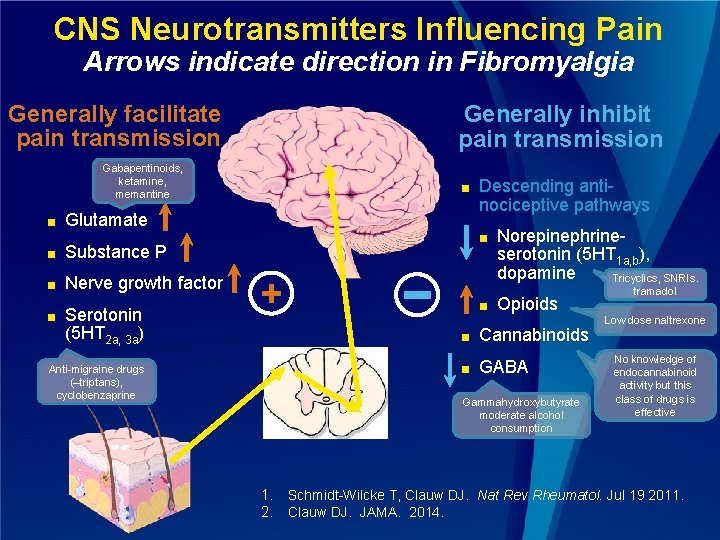
CNS Neurotransmitters Influencing Pain Arrows indicate direction in Fibromyalgia Generally facilitate pain transmission Generally inhibit pain transmission Gabapentinoids, ketamine, memantine ■ Glutamate ■ Substance P ■ Nerve growth factor ■ Serotonin (5 HT 2 a, 3 a) ■ Descending antinociceptive pathways ■ + Anti-migraine drugs (–triptans), cyclobenzaprine ■ Norepinephrineserotonin (5 HT 1 a, b), dopamine Tricyclics, SNRIs. Opioids ■ Cannabinoids ■ GABA Gammahydroxybutyrate moderate alcohol consumption 1. 2. tramadol Low dose naltrexone No knowledge of endocannabinoid activity but this class of drugs is effective Schmidt-Wilcke T, Clauw DJ. Nat Rev Rheumatol. Jul 19 2011. Clauw DJ. JAMA. 2014.
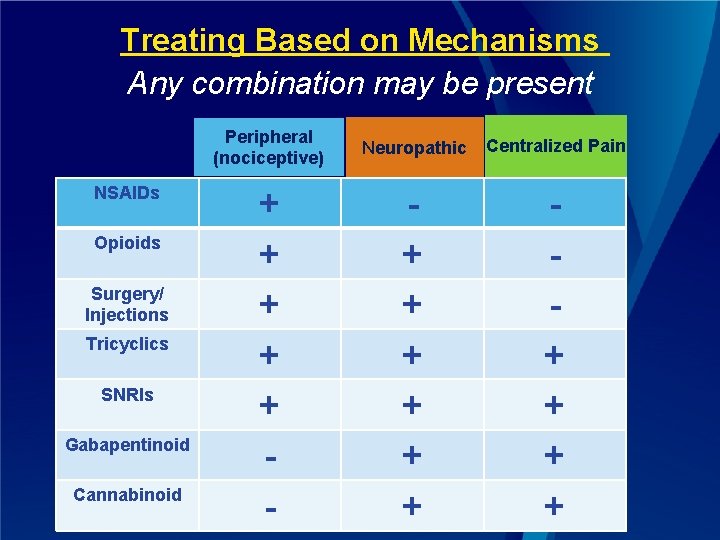
Treating Based on Mechanisms Any combination may be present NSAIDs Opioids Surgery/ Injections Tricyclics SNRIs Gabapentinoid Cannabinoid Peripheral (nociceptive) Neuropathic Centralized Pain + + + - + + + + +
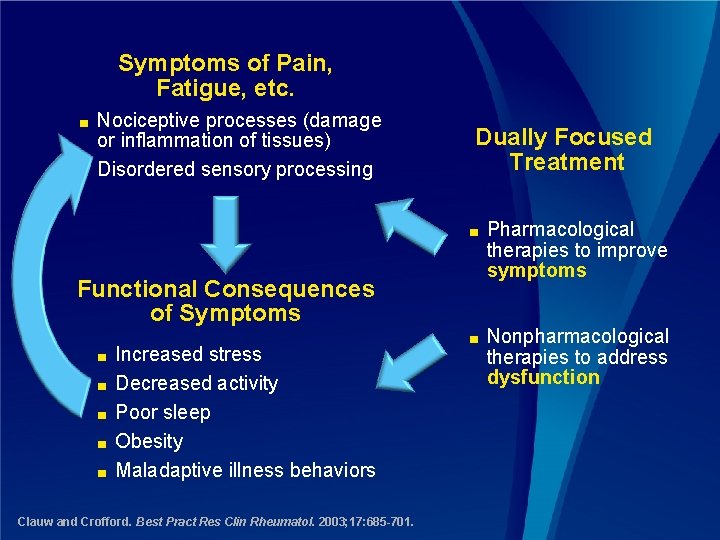
Symptoms of Pain, Fatigue, etc. Nociceptive processes (damage or inflammation of tissues) ■ Disordered sensory processing ■ Dually Focused Treatment ■ Pharmacological therapies to improve symptoms ■ Nonpharmacological therapies to address dysfunction Functional Consequences of Symptoms ■ ■ ■ Increased stress Decreased activity Poor sleep Obesity Maladaptive illness behaviors Clauw and Crofford. Best Pract Res Clin Rheumatol. 2003; 17: 685 -701.
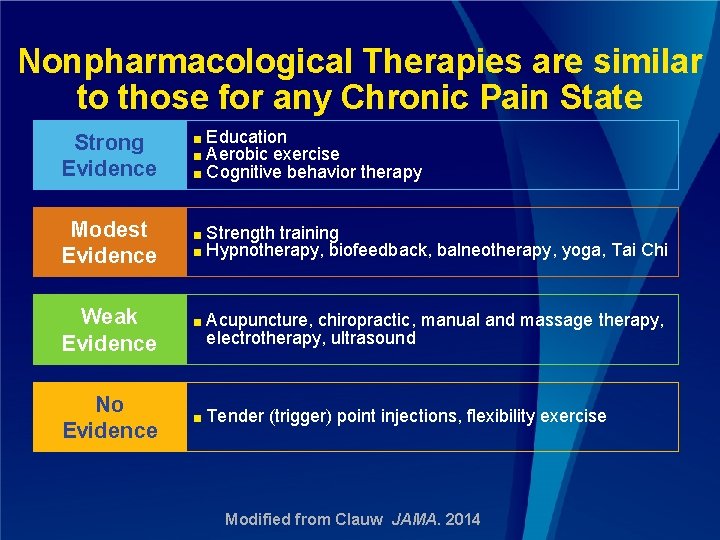
Nonpharmacological Therapies are similar to those for any Chronic Pain State Strong Evidence ■ Education ■ Aerobic exercise ■ Cognitive behavior Modest Evidence ■ Strength training ■ Hypnotherapy, biofeedback, Weak Evidence ■ Acupuncture, No Evidence therapy balneotherapy, yoga, Tai Chi chiropractic, manual and massage therapy, electrotherapy, ultrasound ■ Tender (trigger) point injections, flexibility exercise Modified from Clauw JAMA. 2014
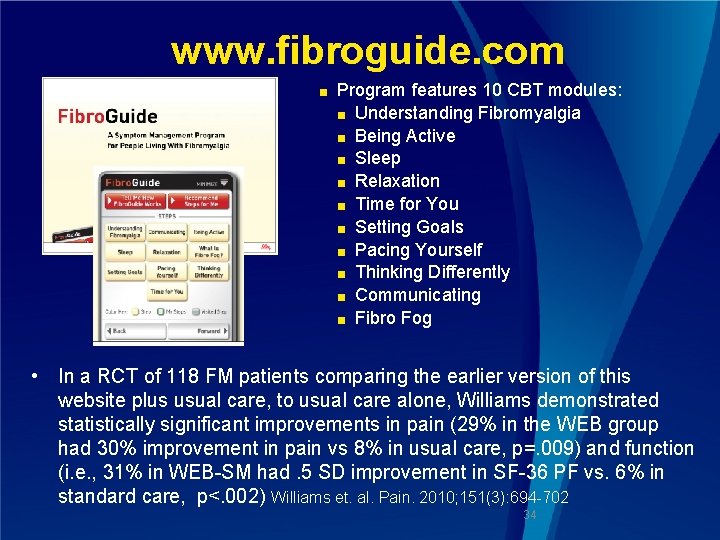
www. fibroguide. com ■ Program features 10 CBT modules: ■ Understanding Fibromyalgia ■ Being Active ■ Sleep ■ Relaxation ■ Time for You ■ Setting Goals ■ Pacing Yourself ■ Thinking Differently ■ Communicating ■ Fibro Fog • In a RCT of 118 FM patients comparing the earlier version of this website plus usual care, to usual care alone, Williams demonstrated statistically significant improvements in pain (29% in the WEB group had 30% improvement in pain vs 8% in usual care, p=. 009) and function (i. e. , 31% in WEB-SM had. 5 SD improvement in SF-36 PF vs. 6% in standard care, p<. 002) Williams et. al. Pain. 2010; 151(3): 694 -702 34
Non-evidence based suggestions: ■ It takes a village – create your virtual village ■ Don’t just do something, stand there ■ Identify and treat co-morbidities ■ Sleep, fatigue, mood, memory ■ See patients more frequently ■ Manage patients before they manage you ■ Be empathetic but firm ■ The use of non-drug therapies is not optional, but the choice of non-drug therapies is ■ Know when to hold‘em and when to fold’em
And what about those patients already on opioids? ■A slow gradual taper of opioids rarely leads to worsening of chronic pain ■ Use the patients own history to point out that opioids have not improved pain and function, or are leading to intolerable side effects ■ Discern what symptom(s) opioids are treating ■ Consider opioid-sparing drugs ■ Cannabinoids ■ Gabapentinoids ■ Mixed opioids (tapentadol, buprenorphine)
Summary ■ Most practitioners have historically considered chronic pain to be largely from peripheral nociceptive input (i. e. damage or inflammation) ■ When thinking about central factors in pain, many focus entirely on psychological factors ■ We now understand that non-psychological central nervous system factors can markedly increase (sensitization) or decrease pain sensitivity ■ The CNS is now thought of as “setting the volume control” or gain on pain processing and determining what nociception is felt as pain
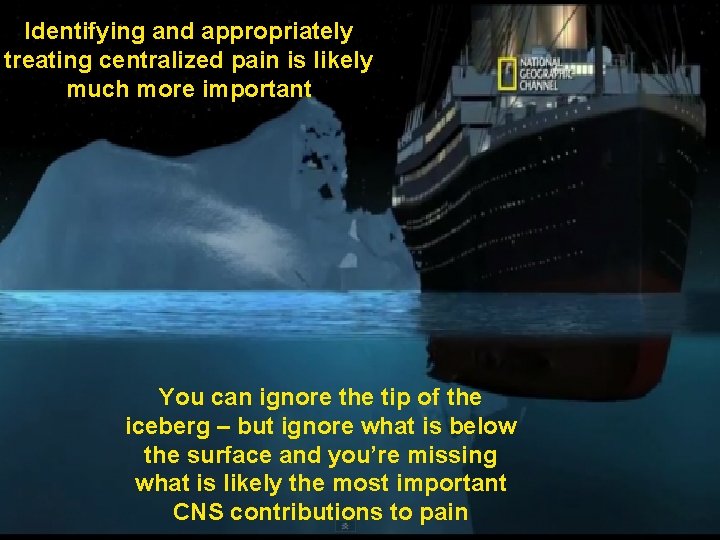
Summary ■ The most highly prevalent pain conditions in younger individuals are now thought to be more “central” than “peripheral” ■ Centralized pain or central sensitization can also be identified in subsets of individuals with any nociceptive or neuropathic pain state ■ This is not currently appreciated in clinical practice so there is marked overuse of treatments for acute/nociceptive pain (opioids, injections, surgery) for treating centralized pain ■ Perhaps moving from considering FM a disease (i. e. the tip of the iceberg) to instead thinking of it as a CNSdriven pathophysiological process that can co-exist with any other disease or process would help the field, since current evidence strongly supports this notion
Identifying and appropriately treating centralized pain is likely much more important You can ignore the tip of the iceberg – but ignore what is below the surface and you’re missing what is likely the most important CNS contributions to pain