
Management of Pediatric OSA Gerald D Suh MD










- Slides: 42
Management of Pediatric OSA Gerald D. Suh, MD ENT and Allergy Associates Board Certified in Otolaryngology and Sleep Medicine Medical Director-Night and Day Sleep Centers Queens Pediatric Symposium January 16, 2013
Sleep Disordered Breathing
Sleep Disordered Breathing (SDB) Ø Spectrum of abnormal breathing, affects 12% of children Ø Primary Snoring- Snoring without obstructive apnea, frequent arousals from sleep, or gas exchange abnormalities Ø Upper Airway Resistance Syndrome (UARS) − Snoring, labored breathing (increased negative intrathoracic pressure during inspiration), and disrupted sleep (arousals and sleep fragmentation) without discrete obstructive apneas or hypopneas. Ø Obstructive Hypoventilation Syndrome- Persistent partial upper airway obstruction associated with gas exchange abnormalities, rather than discrete, cyclic apneas. Ø Obstructive sleep apnea (OSA) − Recurrent partial or complete upper airway obstruction/ absence of airflow despite respiratory effort Ø Central sleep apnea − No respiratory effort
Pediatric OSA-Epidemiology Ø Ø Ø Ø Prevalence OSAS 1 -4% Children Prevalence is higher among African Americans and Asian children Most studies have shown 4% to 11% prevalence of parent-reported apnea. Males=Females pre-puberty, M>F after puberty Peak incidence Preschoolers (2 -8 yo) (tonsils/adenoids largest in relation to airway size overall) As obesity is increasing in pediatrics the age distribution shifting 25 -30% snoring children have OSAS
EVALUATION Ø Ø Ø Ø Ø Medical History Developmental and School history Family History Behavioral assessment Physical Examination Growth HEENT Cardiac examination Radiologic Studies l Ø Lateral Neck Laryngoscopy
CLINICAL FEATURES Nocturnal Symptoms Ø Ø Ø Symptoms vary by age-especially in infants! Snoring-Volume does not correlate with the degree of obstruction Observed apneic pauses Snorting / gasping / choking Restless sleep Diaphoresis Paradoxical chest wall movement Abnormal sleeping position Sweating Mouth Breathing Secondary enuresis Night terrors
CLINICAL FEATURES Daytime Symptoms-Physical and Behavioral Ø Ø Ø Ø Morning headaches Difficulty awakening in AM Hyponasal Speech Nasal congestion, Chronic Rhinorhea Mouth breathing, Dry Mouth Frequent infections Difficulty swallowing Poor appetite Daytime somnolence-7 -10% Mood changes Internalizing behaviors Externalizing behaviors ADHD like symptoms, School problems
Neurobehavioral Consequences Deficits in learning, memory , vocabulary Ø IQ loss of 5 points or more Ø Apneic events inversely related to memory and learning performance Ø Treatment of OSA likely improves behavior, attention, quality of life, neurocognitive functioning. Ø
Neurobehavioral Complications (APRIL) Ø Aggression Ø Poor school performance Ø Restless Ø Irritable/ hyperactivity Ø Lacks attention
ASSOCIATED FEATURES Ø Ø Increase in partial arousal parasomnias Worsening GERD Increase in seizure frequency in predisposed children Other CO-Morbid Sleep problems -RLS, PLMS -Circadian Rhythm Disorders -Bedtime resistance , nightwakings
Metabolic Consequences Ø Incidence: type 2 Diabetes 30% OSA patient vs. 18 % no OSA Ø Increase glucose intolerance and insulin resistance
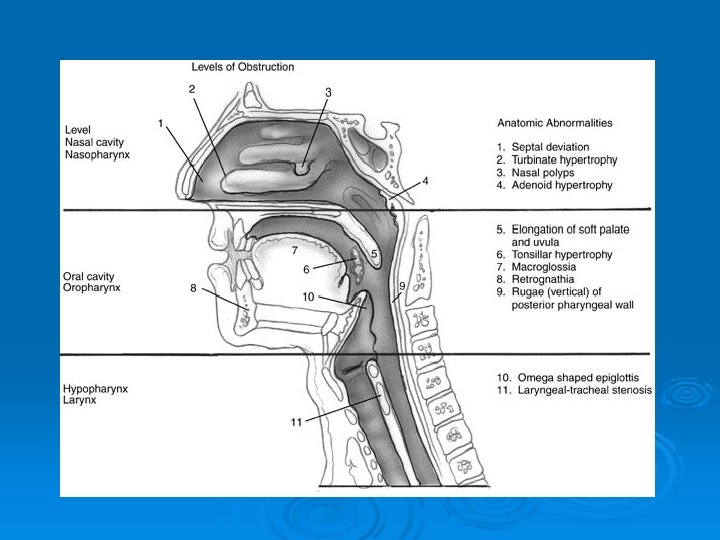
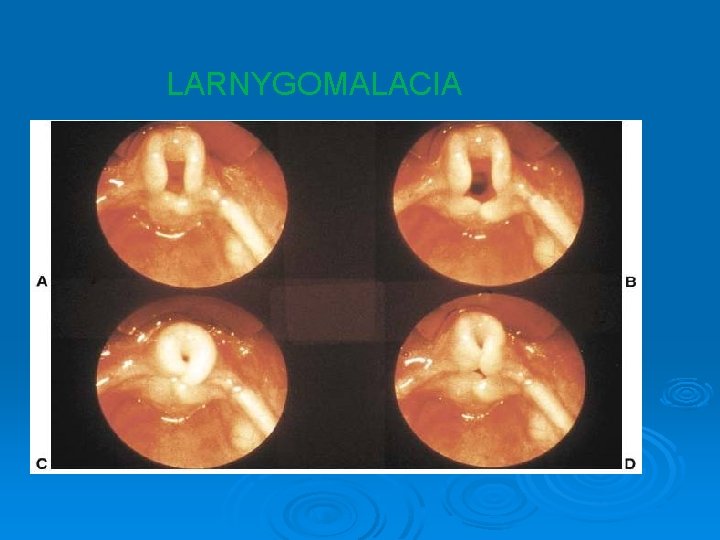
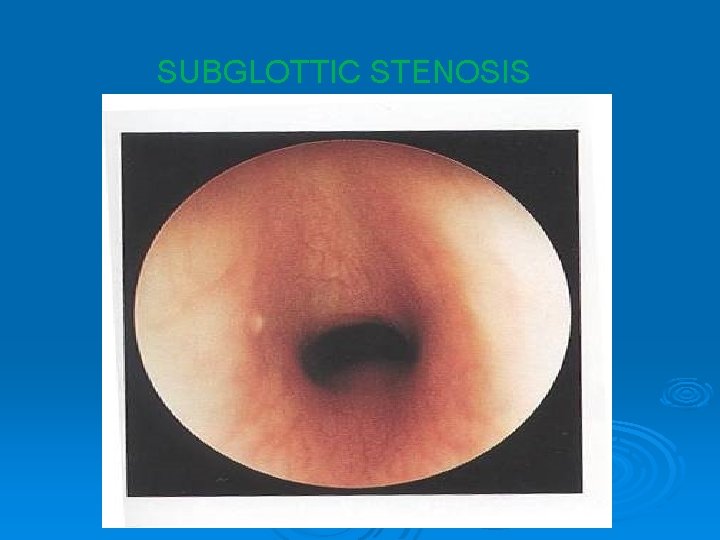
CAUSES/ RISK FACTORS -Adenotonsillar Hypertrophy -Upper airway congestion; allergies -Upper airway obstruction , choanal stenosis, larnygomalacia, subglottic stenosis -GERD/LPR -Cleft palate -Craniofacial dsymorphism : Mid -facial hypoplasia –Down’s syndrome Micrognothia – Pierre-Robin syndrome -Cranial base malformation- Achondroplasia -Neuromuscular disorder: Hypotonia-Down’s syndrome, Muscular dystrophy Spasticity –Cerebral Palsy -Overweight -Mucopolysaccharidosis -Sickle cell disease -Cystic fibrosis (Nasal Polyps) -Chronic lung disease/ BPD -Scoliosis -Brain and spinal disorders – Spin Bifida, ACM type II
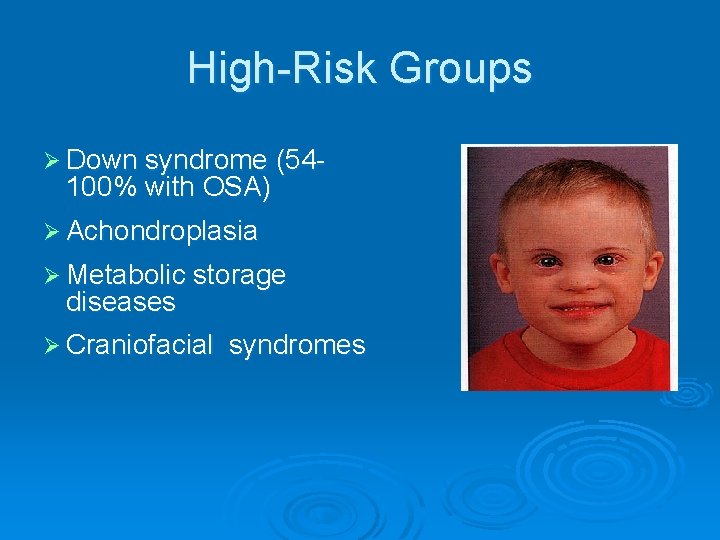
High-Risk Groups Ø Down syndrome (54 - 100% with OSA) Ø Achondroplasia Ø Metabolic storage diseases Ø Craniofacial syndromes
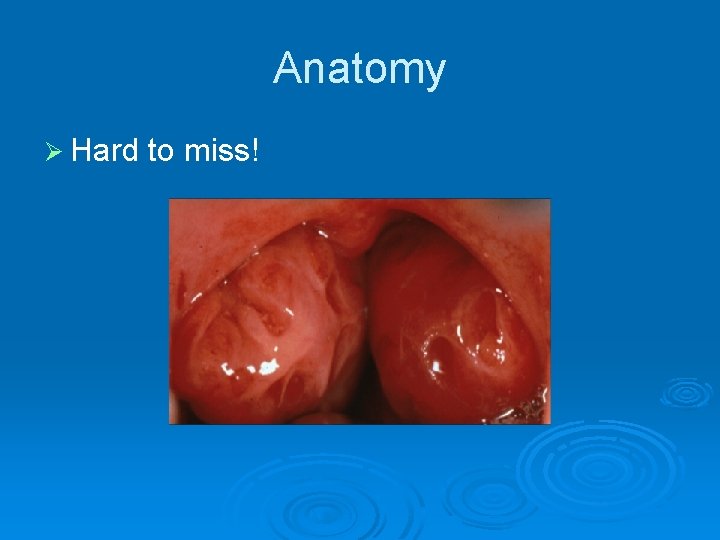
Anatomy Ø Hard to miss!
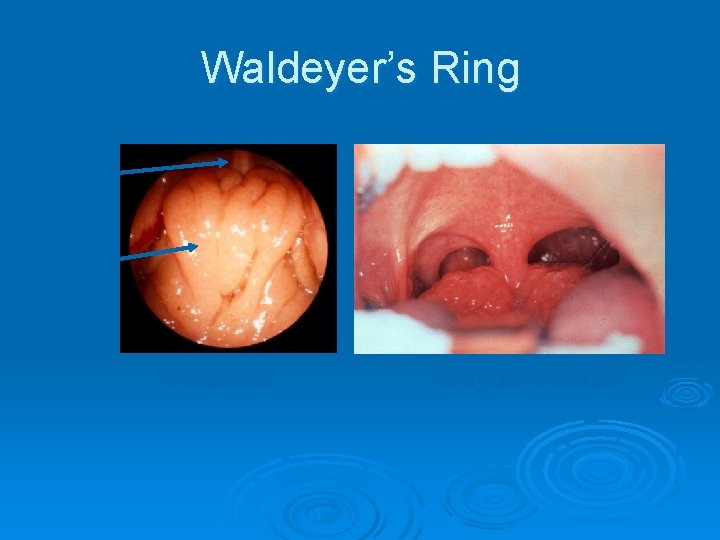
Waldeyer’s Ring Septum Adenoid Lingual Tonsils
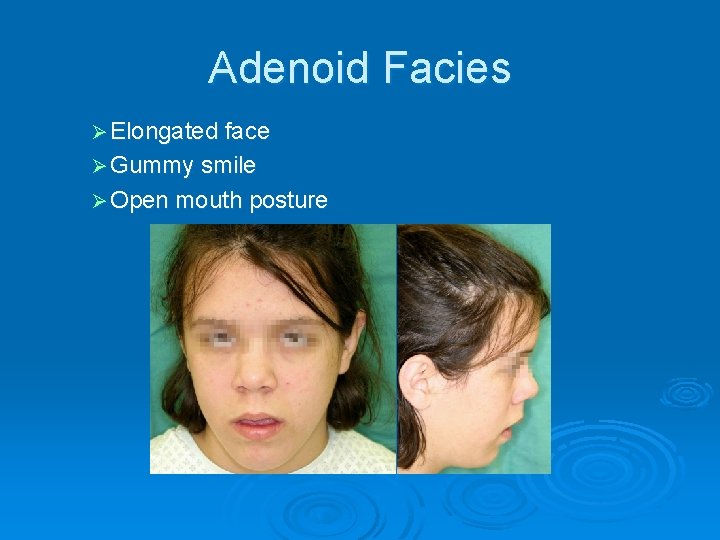
Adenoid Facies Ø Elongated face Ø Gummy smile Ø Open mouth posture
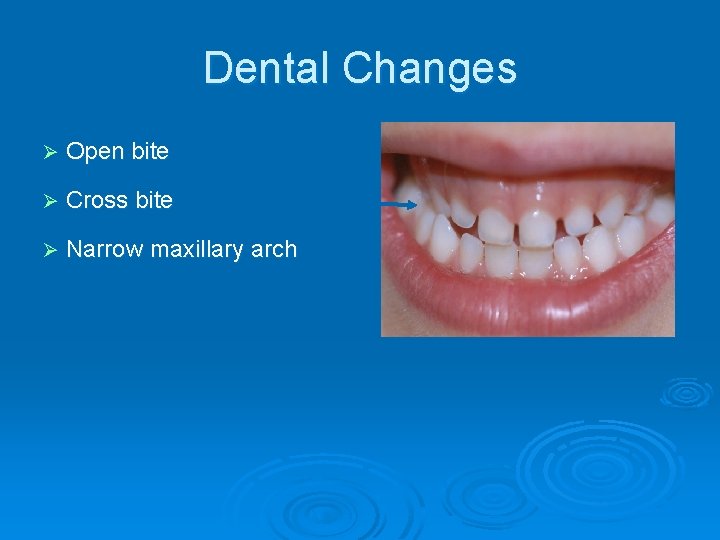
Dental Changes Ø Open bite Ø Cross bite Ø Narrow maxillary arch
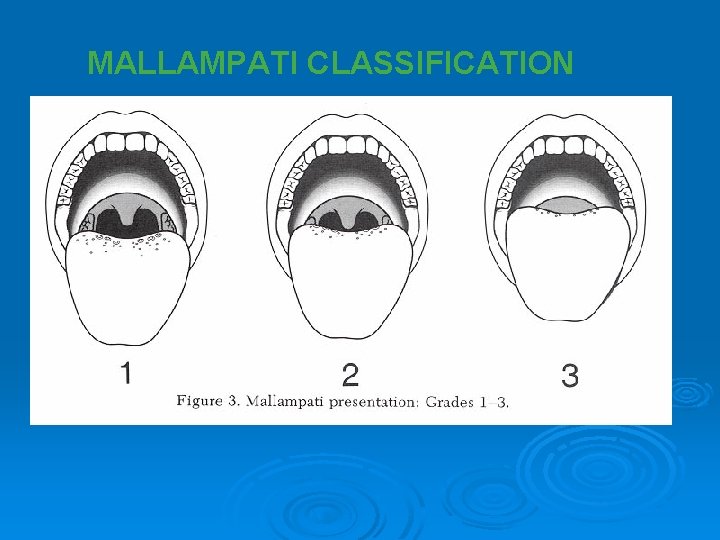
MALLAMPATI CLASSIFICATION
Adenoid Evaluation
Fiberoptic Laryngoscopy
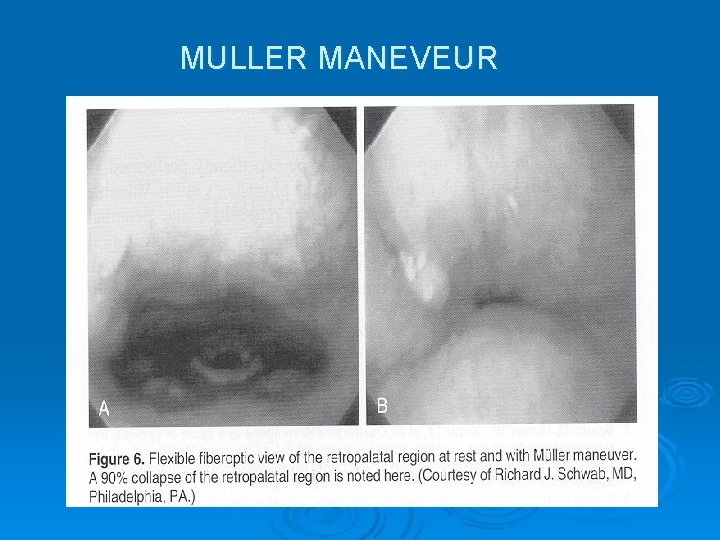
MULLER MANEVEUR
LARNYGOMALACIA
SUBGLOTTIC STENOSIS
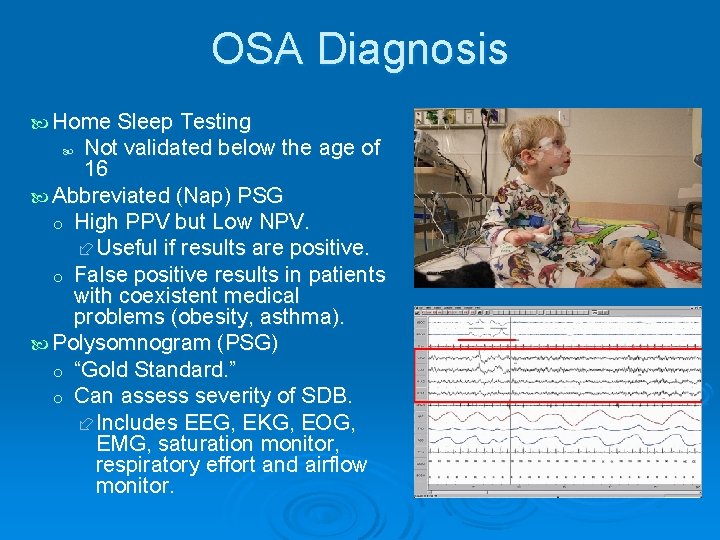
OSA Diagnosis Home Sleep Testing Not validated below the age of 16 Abbreviated (Nap) PSG High PPV but Low NPV. Useful if results are positive. False positive results in patients with coexistent medical problems (obesity, asthma). Polysomnogram (PSG) “Gold Standard. ” Can assess severity of SDB. Includes EEG, EKG, EOG, EMG, saturation monitor, respiratory effort and airflow monitor.
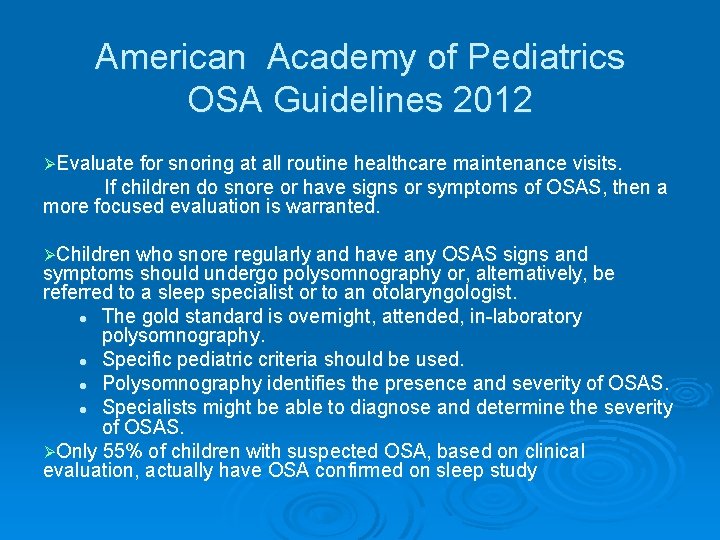
American Academy of Pediatrics OSA Guidelines 2012 ØEvaluate for snoring at all routine healthcare maintenance visits. If children do snore or have signs or symptoms of OSAS, then a more focused evaluation is warranted. ØChildren who snore regularly and have any OSAS signs and symptoms should undergo polysomnography or, alternatively, be referred to a sleep specialist or to an otolaryngologist. l The gold standard is overnight, attended, in-laboratory polysomnography. l Specific pediatric criteria should be used. l Polysomnography identifies the presence and severity of OSAS. l Specialists might be able to diagnose and determine the severity of OSAS. ØOnly 55% of children with suspected OSA, based on clinical evaluation, actually have OSA confirmed on sleep study
AAP OSA Guidelines The first-line treatment of children with OSAS, adenotonsillar hypertrophy, and no contraindication to surgery is adenotonsillectomy. l Adenoidectomy or tonsillectomy alone may be insufficient. l The rate of serious complications is low. Ø High-risk patients undergoing adenotonsillectomy should be monitored in the hospital postoperatively. l Risk factors for postoperative respiratory complications are age younger than 3 years, severe OSAS by polysomnography, cardiac complications of OSAS, failure to thrive, obesity, craniofacial anomalies, neuromuscular disorders, and current respiratory tract infection. Ø
AAP OSA Guidelines 2012 High-risk patients, including those with significantly abnormal baseline polysomnogram results, sequelae of OSAS, obesity, or symptoms of OSAS, should be reassessed for persistent OSAS after adenotonsillectomy by objective testing or by a sleep specialist. l A large proportion of high-risk children have persistent OSAS postoperatively. Ø Intranasal corticosteroids may relieve mild OSAS if adenotonsillectomy is contraindicated or if mild postoperative OSAS is present. l Mild OSAS is defined as an apnea-hypopnea index of less than 5 per hour. l Response should be measured objectively after approximately 6 weeks. l Patients should be observed for recurrence of OSAS and adverse effects of corticosteroids. Ø
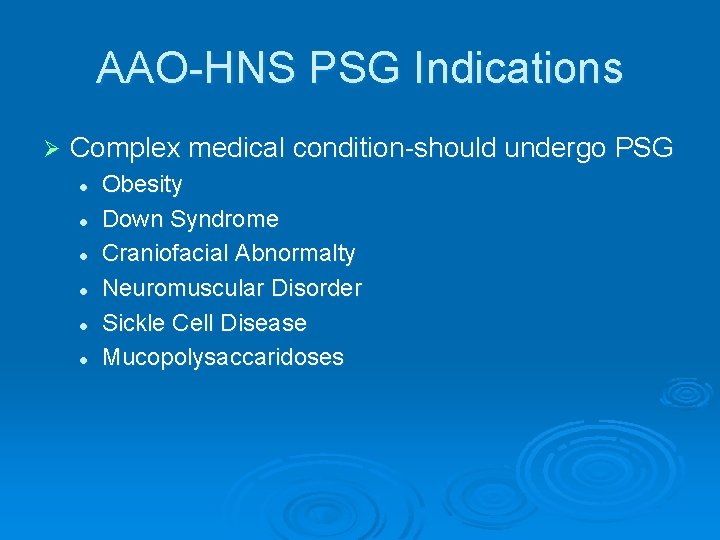
AAO-HNS PSG Indications Ø Complex medical condition-should undergo PSG l l l Obesity Down Syndrome Craniofacial Abnormalty Neuromuscular Disorder Sickle Cell Disease Mucopolysaccaridoses
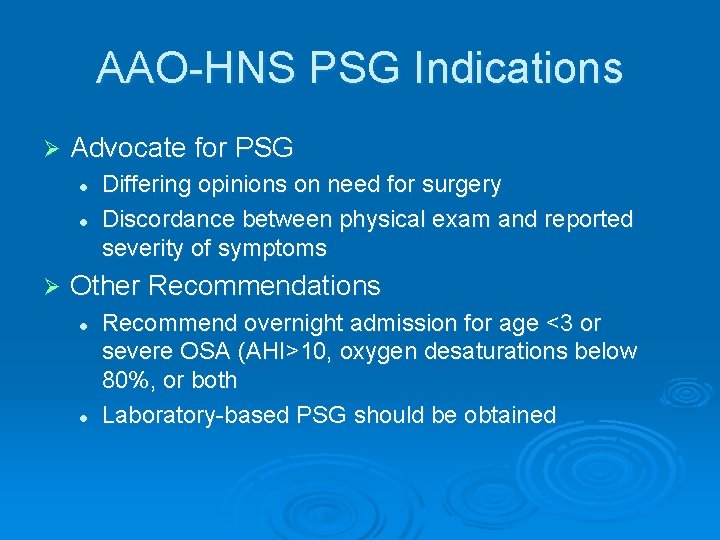
AAO-HNS PSG Indications Ø Advocate for PSG l l Ø Differing opinions on need for surgery Discordance between physical exam and reported severity of symptoms Other Recommendations l l Recommend overnight admission for age <3 or severe OSA (AHI>10, oxygen desaturations below 80%, or both Laboratory-based PSG should be obtained
POLYSOMNOGRAPHY It should be performed without sedation and sleep deprivation Ø In a child- friendly environment Ø By personnel with training in recording and scoring pediatric PSG’s Ø Should be interpreted by physicians with expertise in pediatric sleep medicine Ø
Pediatric PSG Parameters Ø Ø Ø Apnea: Any pause in respiration (>90% decreased airflow) lasting longer than two breaths. Ø Versus at least 10 s in adults. Hypopnea: Reduction of airflow by >30% for two respiratory cycles accompanied by reduction of saturation by 3% or arousal from sleep. AHI: Sum of Apneas and Hypopneas per hour of sleep. RDI: Sum of Apneas, Hypopneas, and respiratory event-related arousals per hour of sleep. RERAs: Arousals associated with increased respiratory effort, decreased airflow, snoring, or increased end-tidal PCO 2
PEDIATRIC OSA -SEVERITY OSA SEVERITY LEVEL AHI Sp. O 2 NADIR % PEAK ETCO 2 TORR PEAK ETCO 2 > 5 O T 0 rr %TST MILD 1 -4 86 -91 >53 10 -24 MODERATE 5 -10 76 -85 >60 25 -49 SEVERE >10 <75 >65 >50
MANAGEMENT Any child with AHI> 5 intervention is necessary. Less of a consensus regarding AHI 1 -5. Surgical l Adenotonsillectomy – First Line of therapy l Turbinate reduction l Craniofacial surgery. Mandibular advancement/ Maxillary distraction. l Lingual Tonsillectomy/ Epiglottopexy l Hyoid Suspension l Tracheostomy Ø Medical l Weight loss l Continuous positive airway pressure l Intranasal steroids (modest effect)-Mild patients l Leukotriene antagonist- Mild patients l Oral appliances l Positional therapy Ø Ø Ø
Tonsillectomy and OSA Ø Tonsillectomy “effective” 60 -70% of children with significant tonsillar hypertrophy (if use AI<1 as measure of success) Ø 82% of children had resolution of OSA (if use AHI <5 as measure). Ø Tonsillectomy produces resolution of OSA in only 10 -25% of obese children
Adenotonsillectomy Efficacy AHI Quality of life Cognition Pediatric Sleep Questionnaire IQ Test Cardiovascular Parameters Cerebral blood flow Hemoglobin Saturation Pulse Rate Pulse variability School performance Significant improvement in grades from 1 st to 2 nd grade in cohort that underwent adenotonsillectomy. No significant change in control group and group that chose not to have adenotonsillectomy. . Enuresis/Incontinence Children with OSA have increased risk for enuresis. Possibly related to increased levels of BNP? Significant decrease in nocturnal enuresis and voids/day after adenotonsillectomy.
HIGH RISK PATIENTS Risk Factors for Postoperative Respiratory Complications in Children with OSAS undergoing Adenotonsillectomy – Age Younger than 3 years – Severe OSAS on PSG, AHI>10 – Pulmonary hypertension – Congenital heart disease – Failure to Thrive – Prematurity, CLD. – Recent URI – Morbid Obesity – Trisomy 21 – Craniofacial abnormalities – Neuromuscular disorders, Cerebral Palsy – Asthma – Seizures
CPAP Ø Ø Ø Almost always an alternative to surgery Surgical failure Morbid Obesity Complex OSA Non-Surgical candidates FDA approved for children > 30 kg
Role of Sleep Endoscopy Ø Performed with IV Propofol infusion Ø Highest reliability for evaluation of hypopharyngeal structures Ø Consider for patients who have failed previous sleep apnea surgery or initially as part of staged surgery
Sleep Endoscopy Ø BOT Collapse
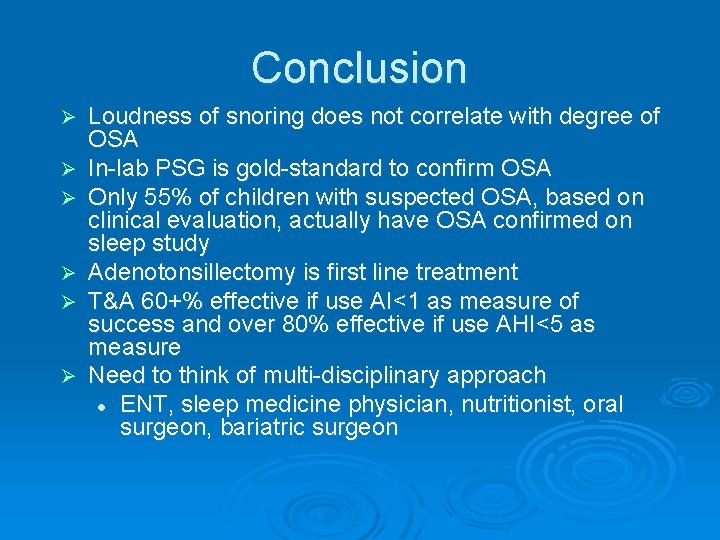
Conclusion Ø Ø Ø Loudness of snoring does not correlate with degree of OSA In-lab PSG is gold-standard to confirm OSA Only 55% of children with suspected OSA, based on clinical evaluation, actually have OSA confirmed on sleep study Adenotonsillectomy is first line treatment T&A 60+% effective if use AI<1 as measure of success and over 80% effective if use AHI<5 as measure Need to think of multi-disciplinary approach l ENT, sleep medicine physician, nutritionist, oral surgeon, bariatric surgeon