
MANAGEMENT OF MULTIPLE SCLEROSIS APITHERAPY IN THE NAME




- Slides: 75
ﺍﻟﺮﺣﻴﻢ ﺍﻟﺮﺣﻤﻦ ﺍﻟﻠﻪ ﺑﺴﻢ MANAGEMENT OF MULTIPLE SCLEROSIS: APITHERAPY IN THE NAME OF GOD Influence of Bee Venom on Rheumatoid Arthritis Patients Ahmed G. Hegazi, Maha M. Saber, Eitedal Daoud, Aliaa al Gendy and Eman Abd el-Rahman National Research Centre, Dokki, Giza, Egypt
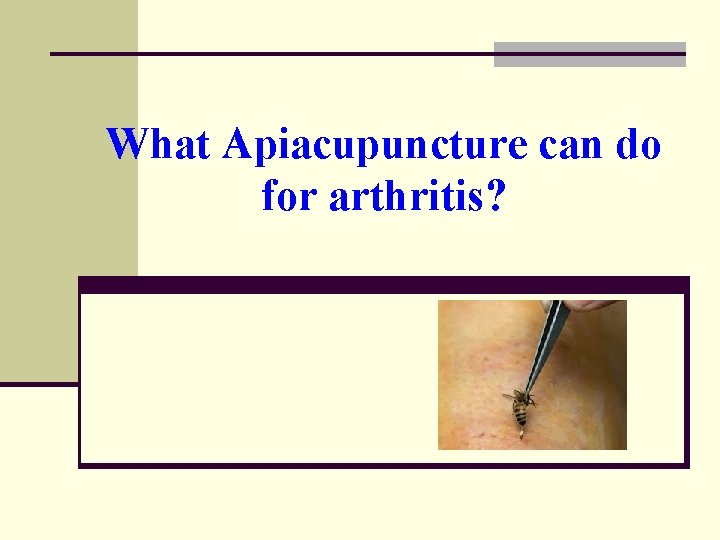
What Apiacupuncture can do for arthritis?
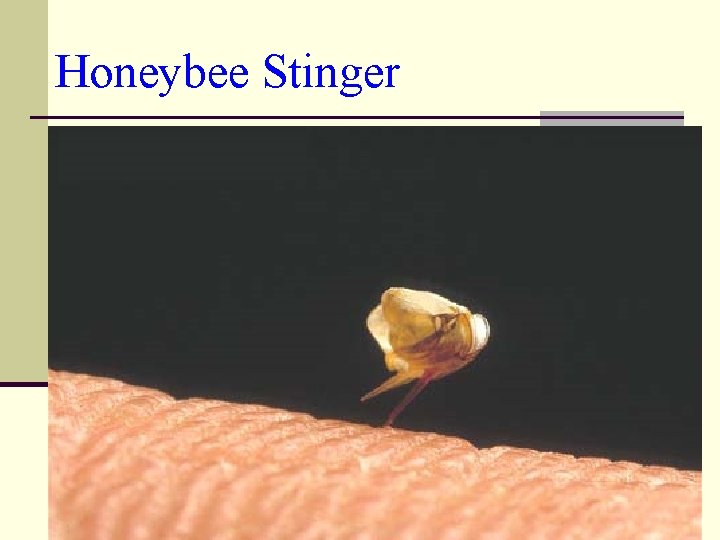
Honeybee Stinger
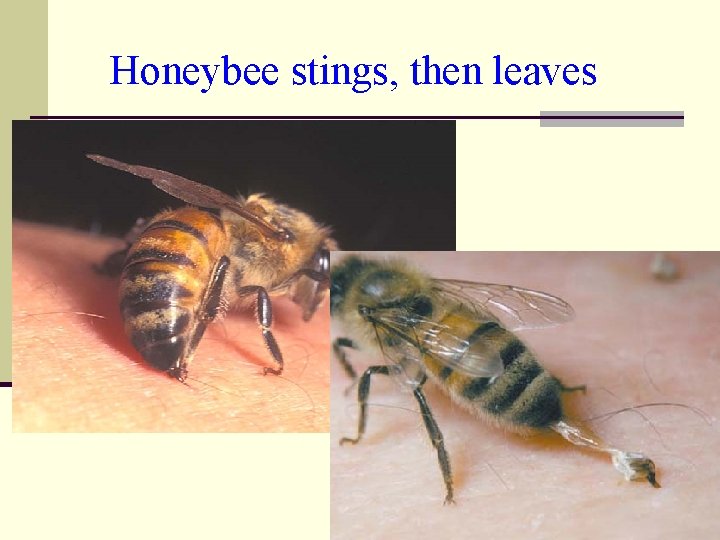
Honeybee stings, then leaves
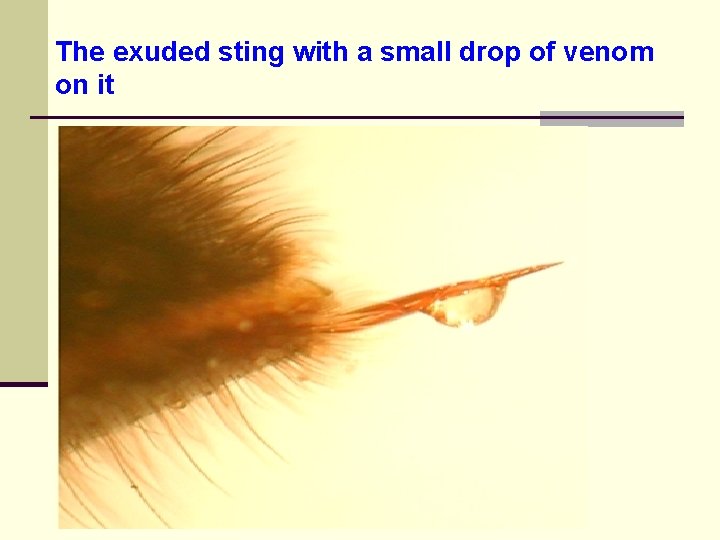
The exuded sting with a small drop of venom on it
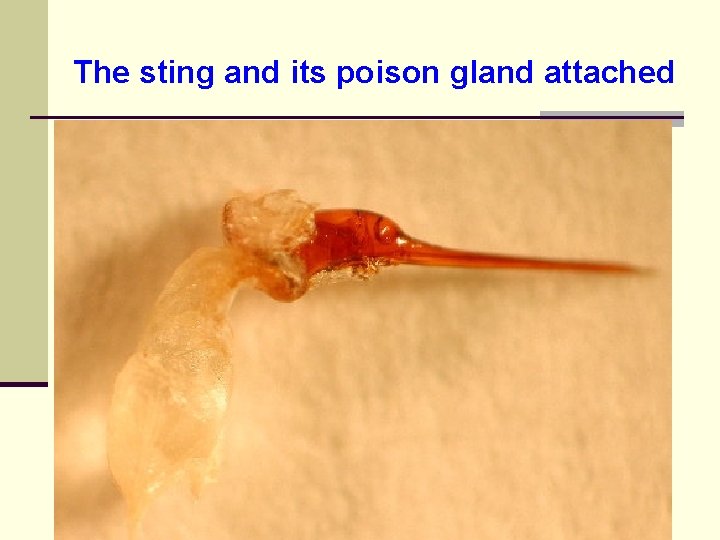
The sting and its poison gland attached
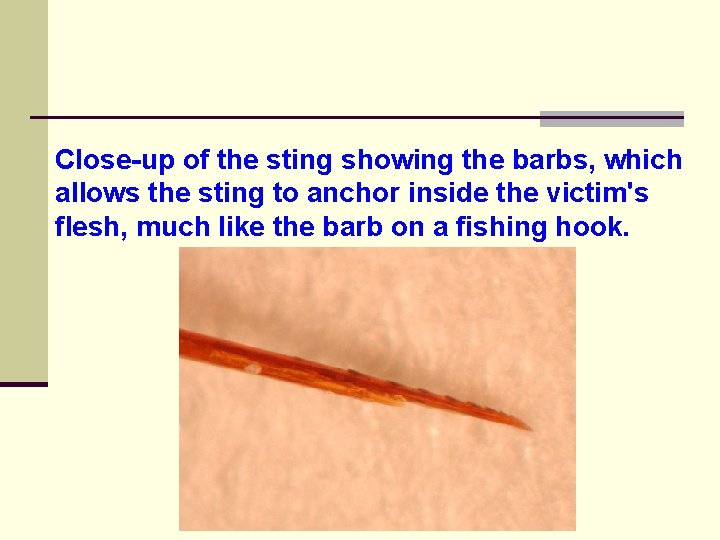
Close-up of the sting showing the barbs, which allows the sting to anchor inside the victim's flesh, much like the barb on a fishing hook.
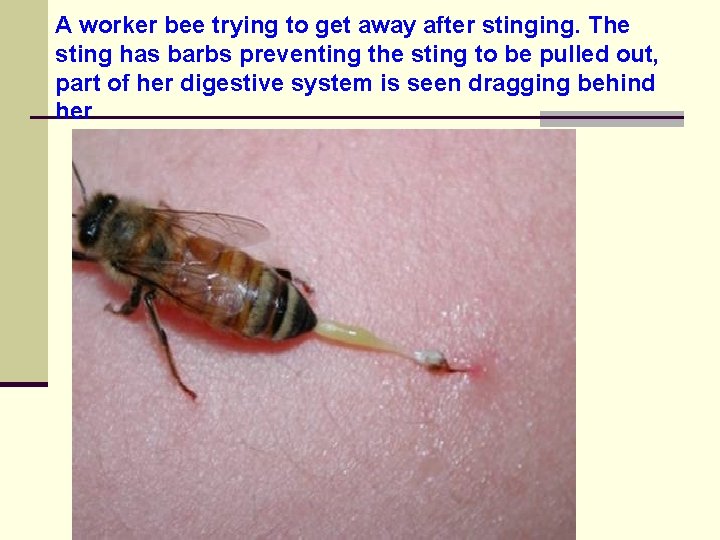
A worker bee trying to get away after stinging. The sting has barbs preventing the sting to be pulled out, part of her digestive system is seen dragging behind her
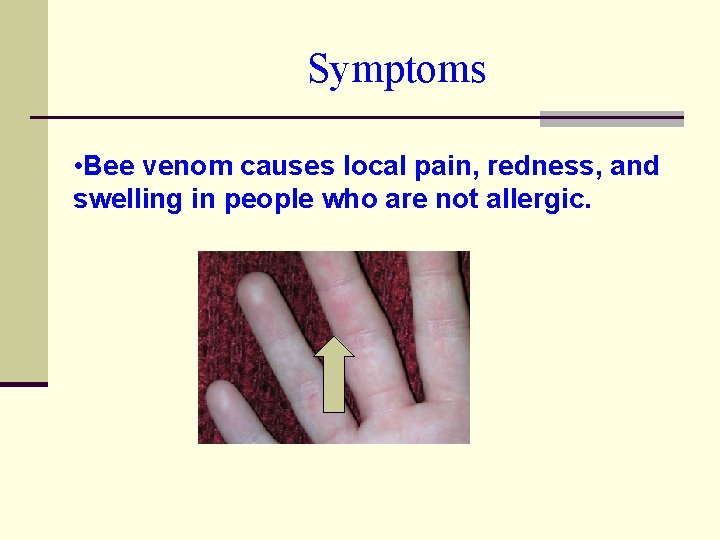
Symptoms • Bee venom causes local pain, redness, and swelling in people who are not allergic.
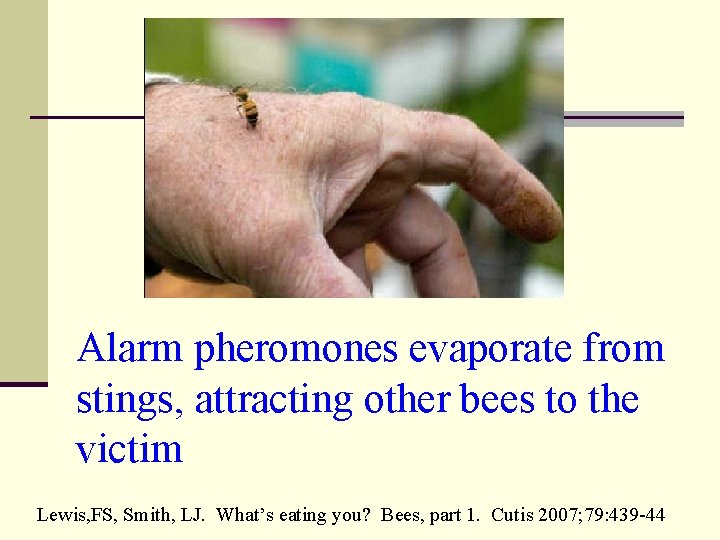
Alarm pheromones evaporate from stings, attracting other bees to the victim Lewis, FS, Smith, LJ. What’s eating you? Bees, part 1. Cutis 2007; 79: 439 -44
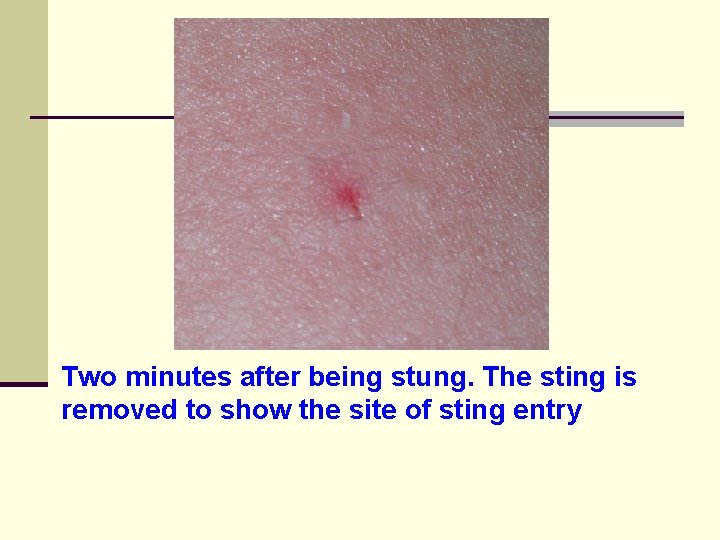
Two minutes after being stung. The sting is removed to show the site of sting entry
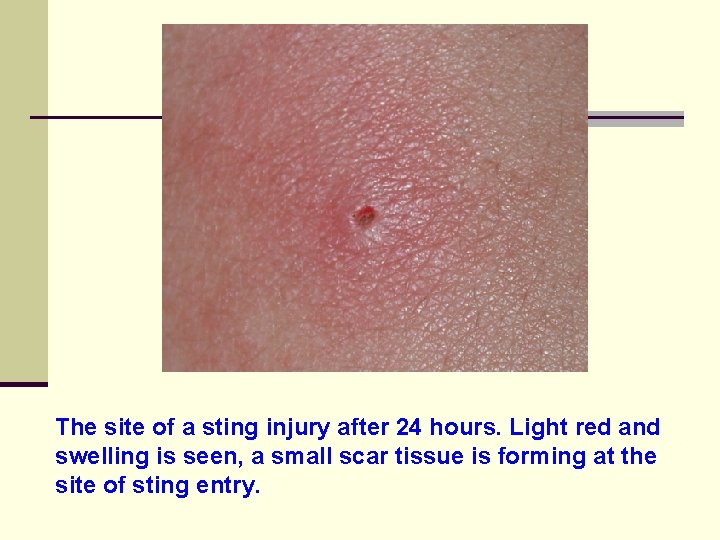
The site of a sting injury after 24 hours. Light red and swelling is seen, a small scar tissue is forming at the site of sting entry.
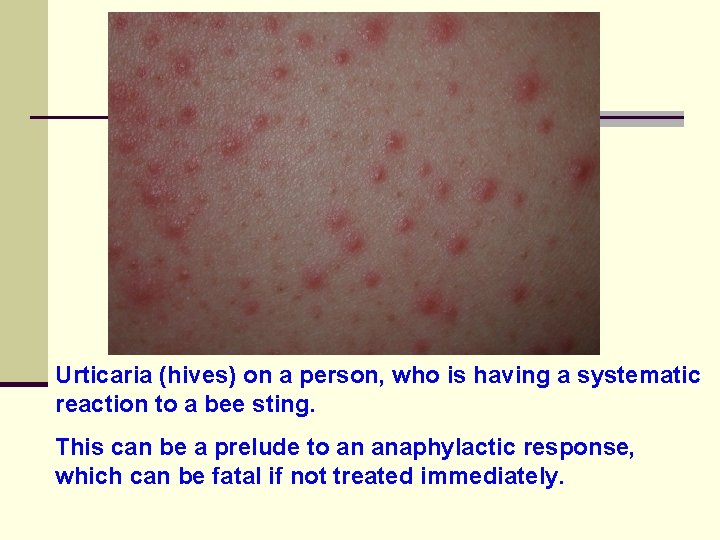
Urticaria (hives) on a person, who is having a systematic reaction to a bee sting. This can be a prelude to an anaphylactic response, which can be fatal if not treated immediately.
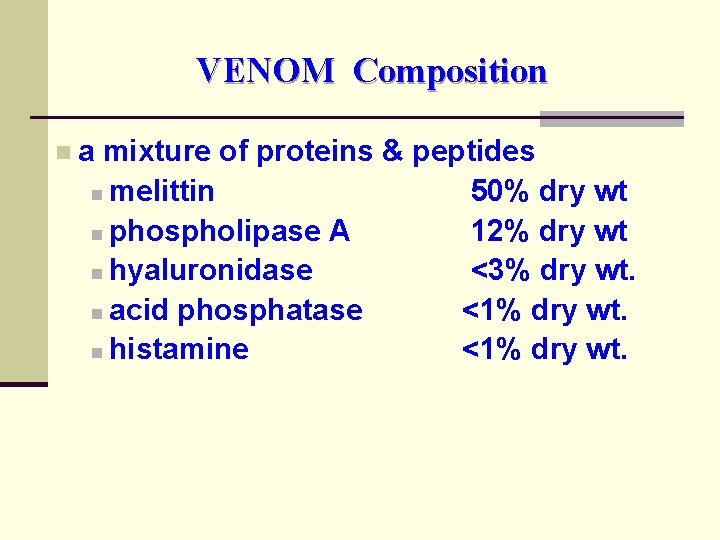
VENOM Composition n a mixture of proteins & peptides melittin n phospholipase A n hyaluronidase n acid phosphatase n histamine n 50% dry wt 12% dry wt <3% dry wt. <1% dry wt.
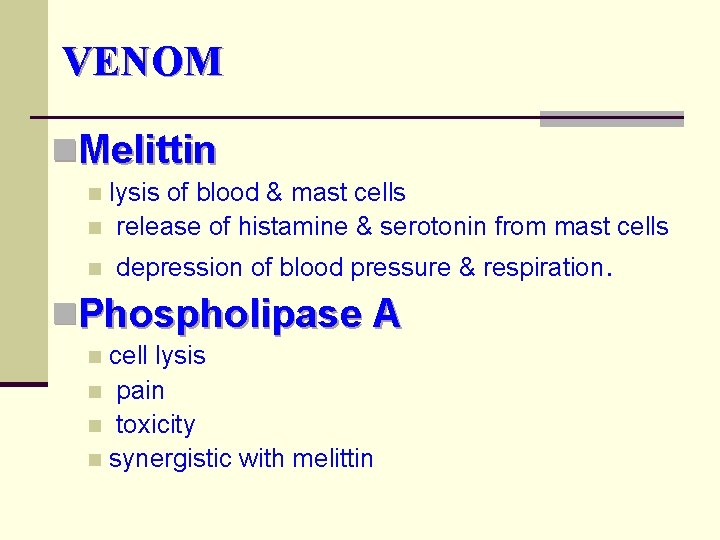
VENOM n. Melittin lysis of blood & mast cells n release of histamine & serotonin from mast cells n n depression of blood pressure & respiration. n. Phospholipase A cell lysis n pain n toxicity n synergistic with melittin n
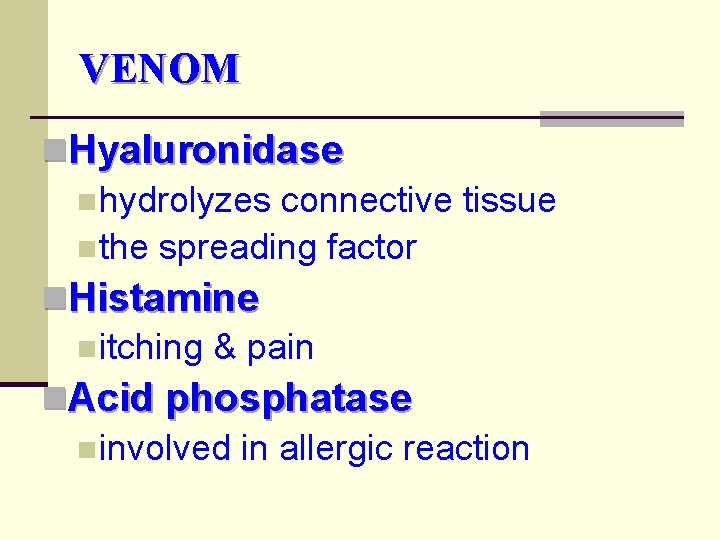
VENOM n. Hyaluronidase n hydrolyzes connective tissue n the spreading factor n. Histamine n itching & pain n. Acid phosphatase n involved in allergic reaction
Bee Venom: • Applications in the field of medicine • Basic protein research using venom
n The aim of this study is to evaluate the efficacy of bee venom acupuncture as alternative medicine therapy for the long term treatment of rheumatoid arthritis (RA).
Materials and Methods n This study is a randomized, controlled clinical trial with two parallel arms. n The study intend to compare the effects of BVA and with pharmacotherapy only in patients with RA.
Materials and Methods n Forty patients with Rheumatoid arthritis disease are allocated to group of patients with RA are treated with BVA (bee sting) therapy n While other group of patient with Rheumatoid arthritis disease on convention drug therapy.
n. Forty patients known to be with RA n nages ranged between 26 -71 years, with a mean of 38. 7 ± 4. 8. 2
n. All cases were subjected to complete clinical and history n. Examination to confirm the diagnosis.
Materials and Methods n Tender joint count, n swollen joint count, n morning stiffness, n visal analog scal (VAS), n health assessment Q,
Materials and Methods n ESR, n CRP, n Tumor Necrosis Factor (TNF), n Interleukin 1(IL 1) n Interleukin 6, (IL 6), n Nuclear Factor and Kappa B (NF-KB). n All these parameters will be assessed before and after treatment.
n All cases were under their regular treatment either by corticosteroids n n These cases were divided into two main groups, each group consists of 20 cases
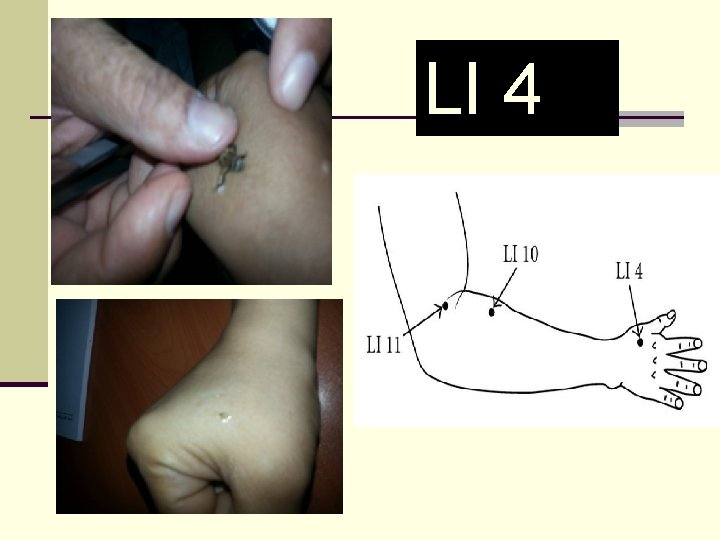
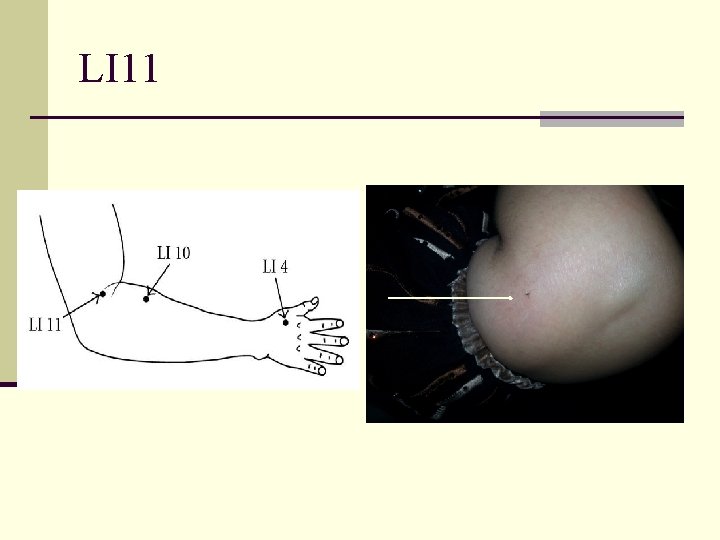
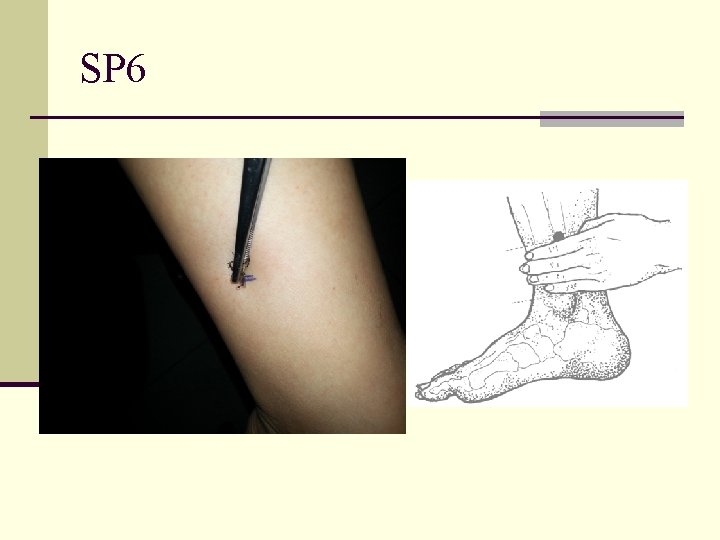
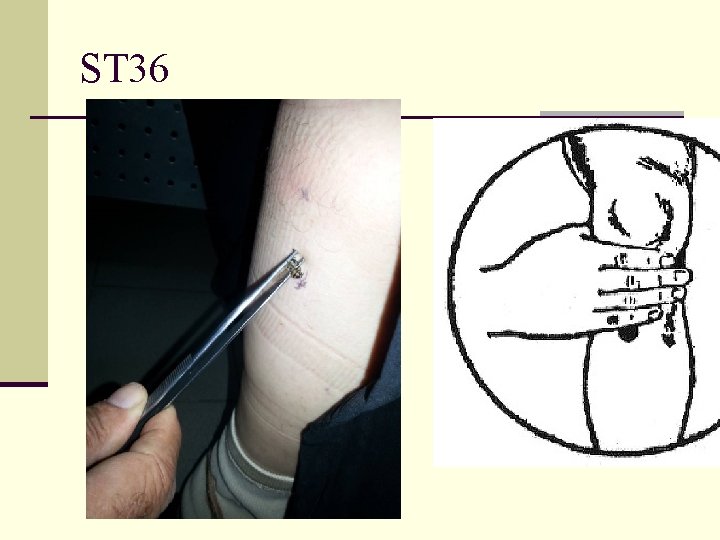
Group I received n treated with bee acupuncture 3 times weekly, for 12 months, started gradually by one sting then gradually increase up to 25 stings per session, n in addition to their medical treatment
Group I received n treated with bee acupuncture 3 times weekly, for 12 months, started gradually by one sting then gradually increase up to 25 stings per session, n in addition to their medical treatment
LI 4
LI 11
SP 6
ST 36
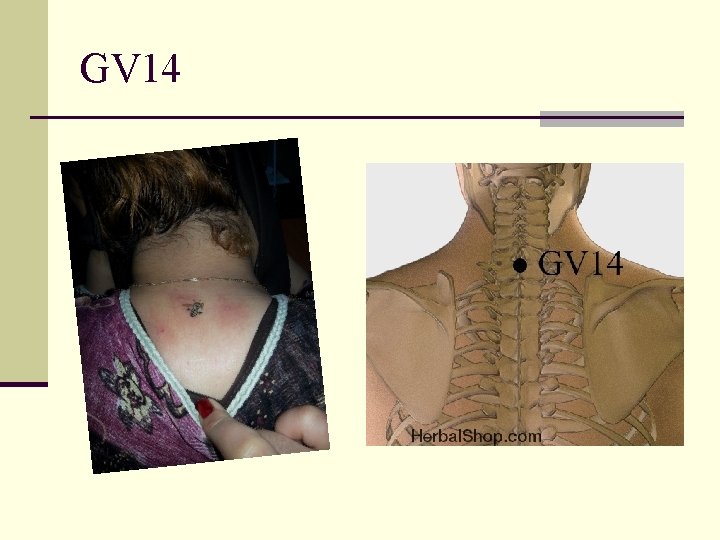
GV 14
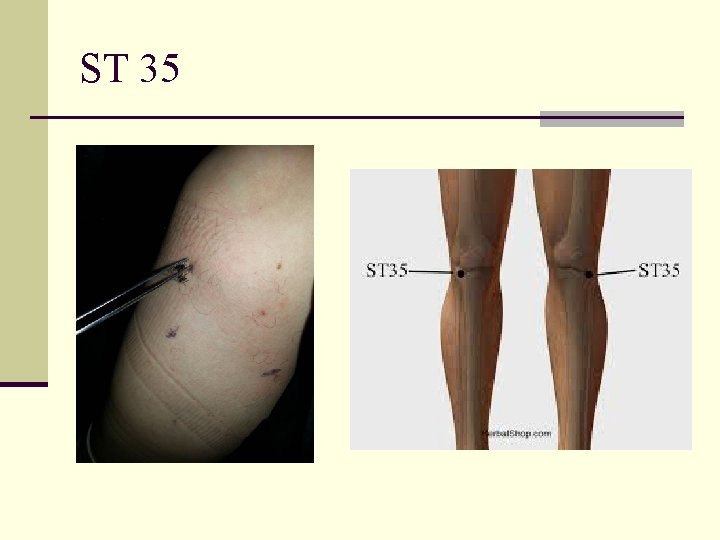
ST 35
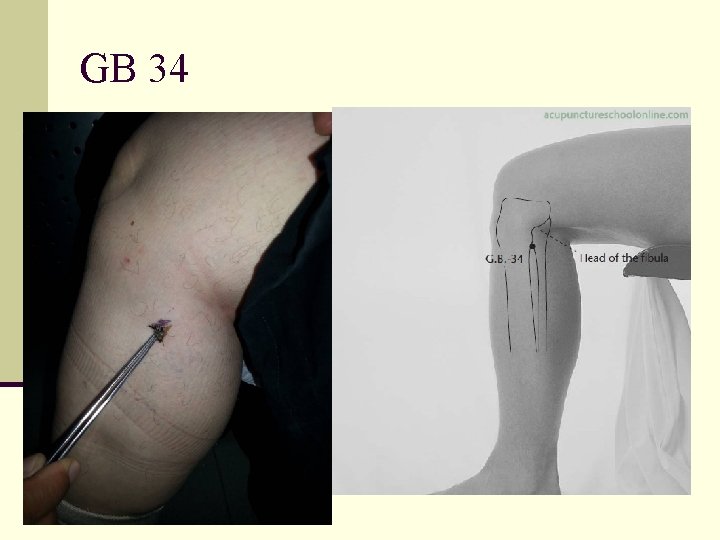
GB 34
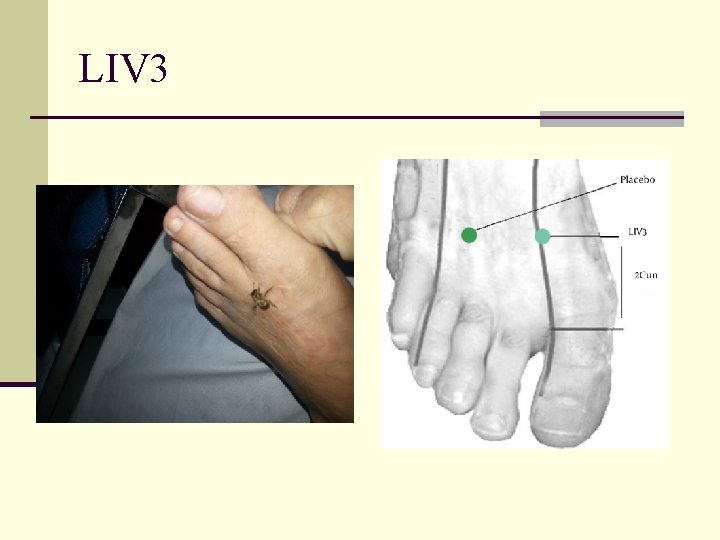
LIV 3
Group II n. Group II remains on their ordinary medical treatment only.
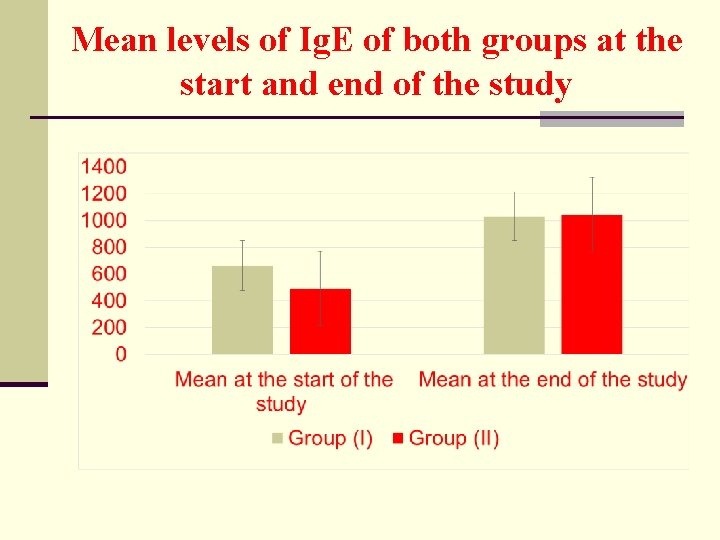
n Serum samples were obtained from patients with clinically definite RA for estimation of serum levels of immunoglobulin E (Hirano et al. , 1989) n using commercially available ELISA kits according to the manufacturers' directions.
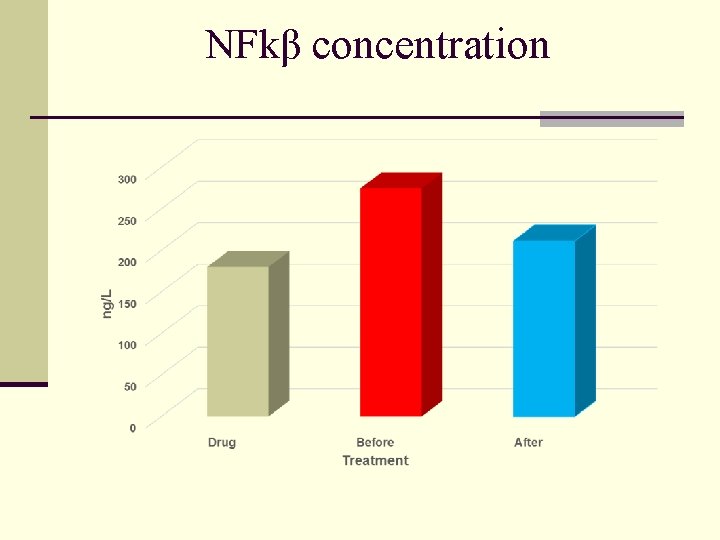
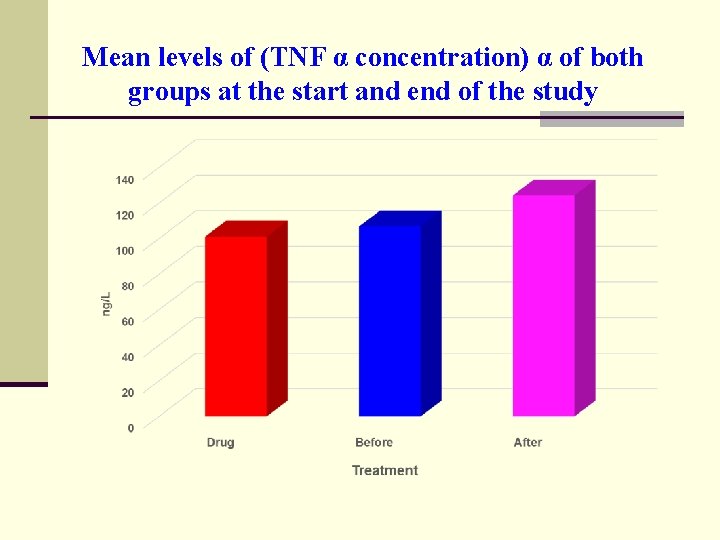
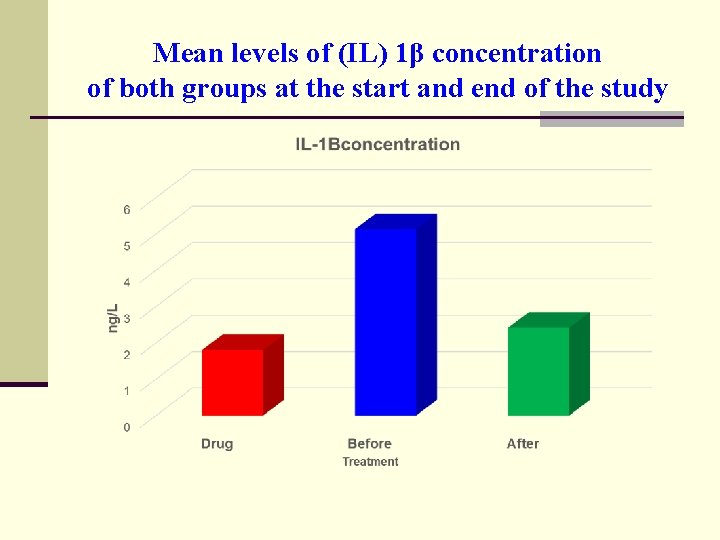
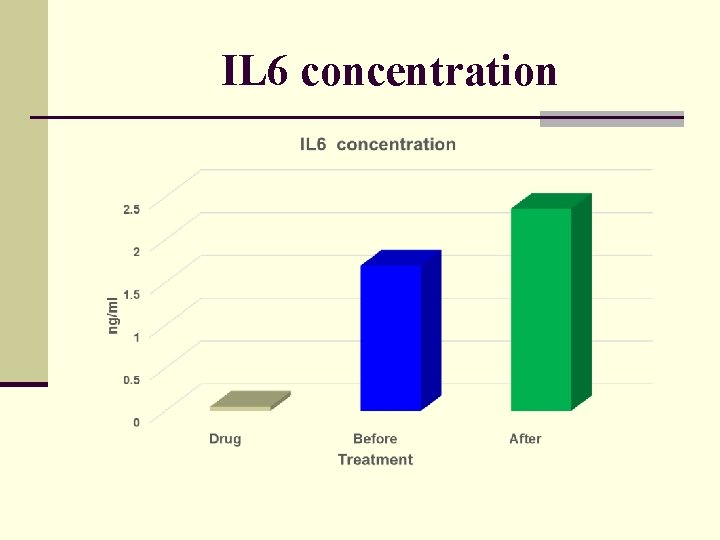
Serum cytokine levels n interleukin (IL) 1β, n IL-6, n NFkβ concentration n tumor necrosis factor alpha (TNFα)
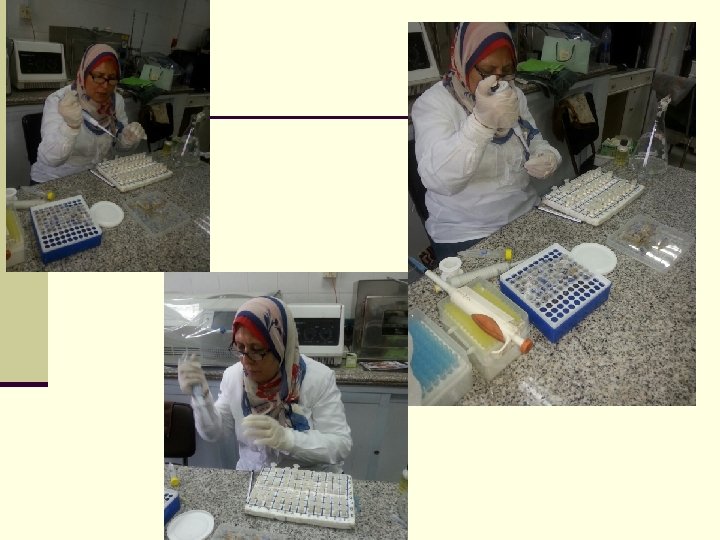
n. All these investigations were done at the beginning of the study and by the end of 12 months of bee sting sessions
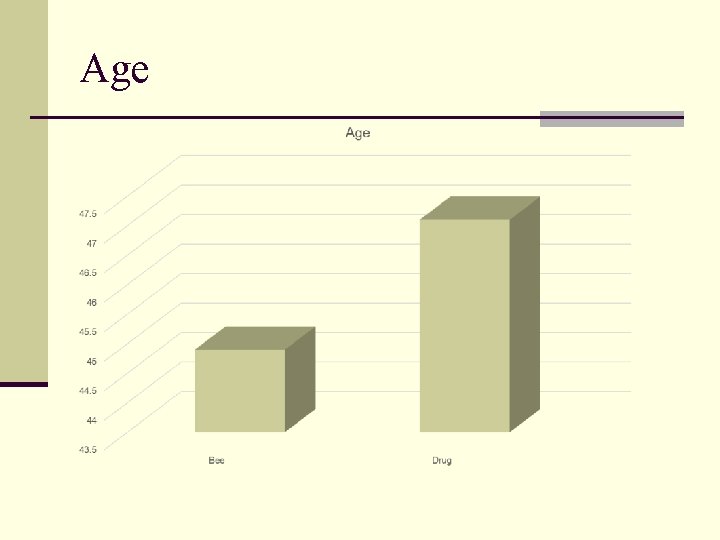
Age
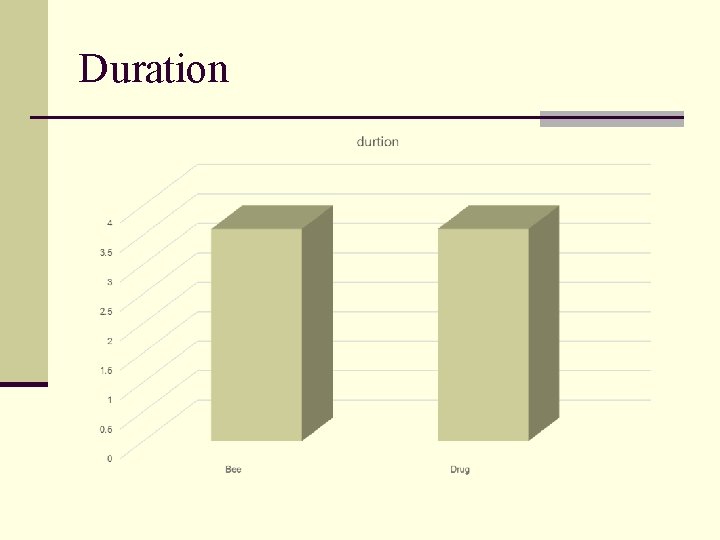
Duration
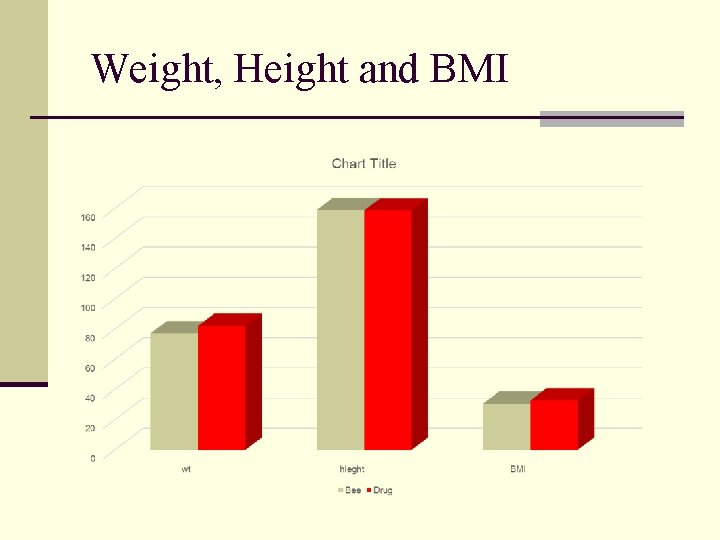
Weight, Height and BMI
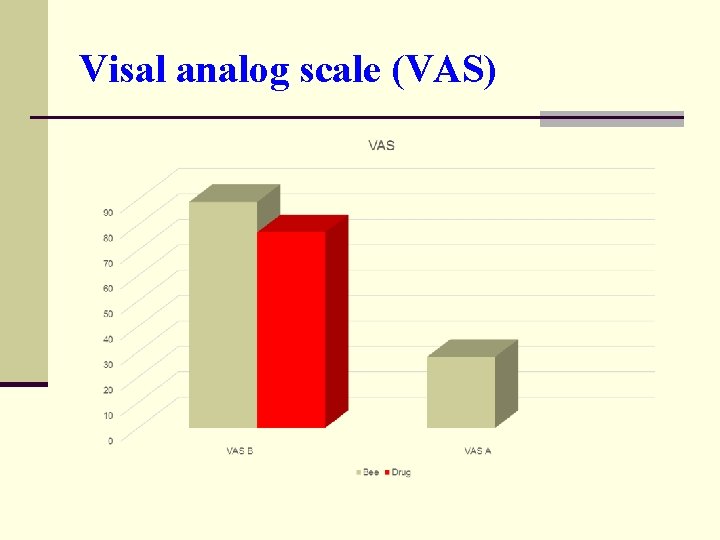
Visal analog scale (VAS)
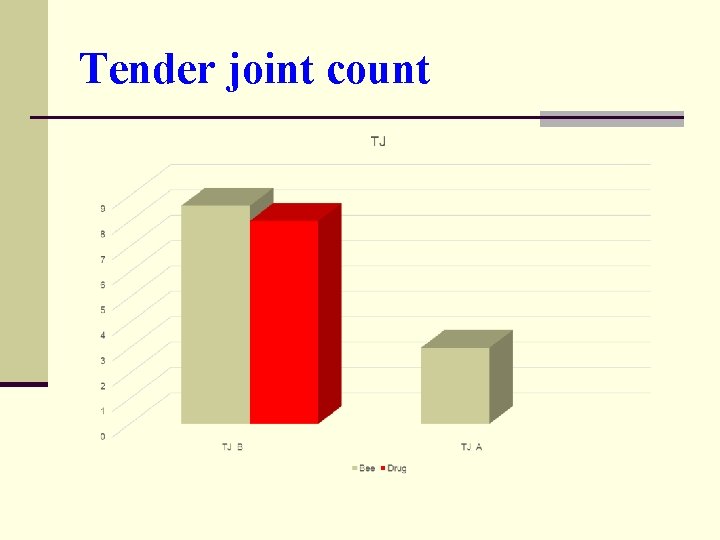
Tender joint count
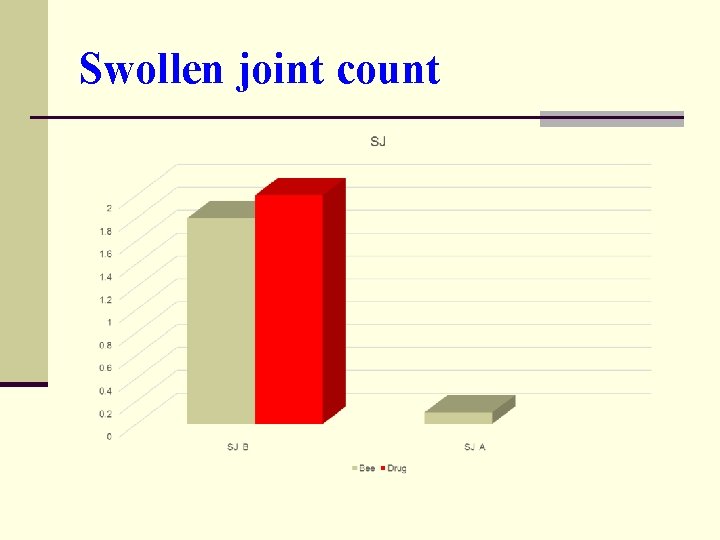
Swollen joint count
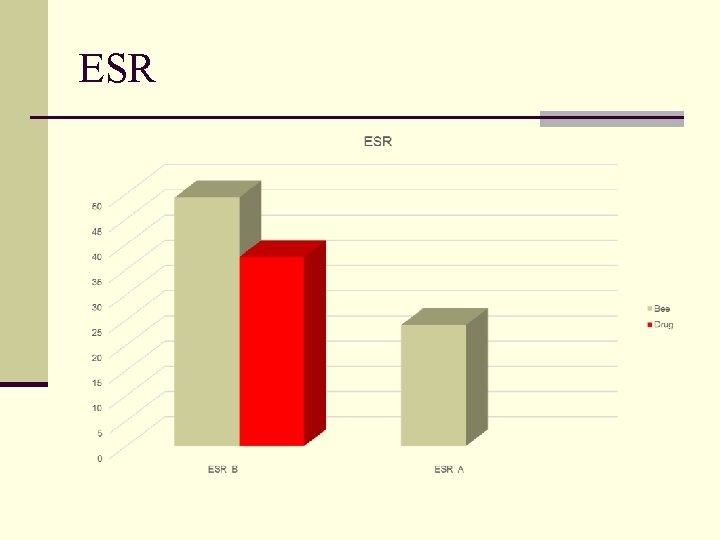
ESR
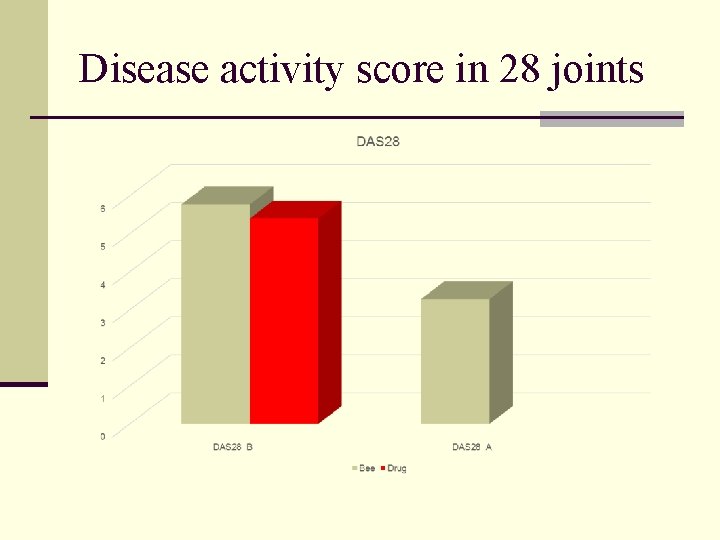
Disease activity score in 28 joints
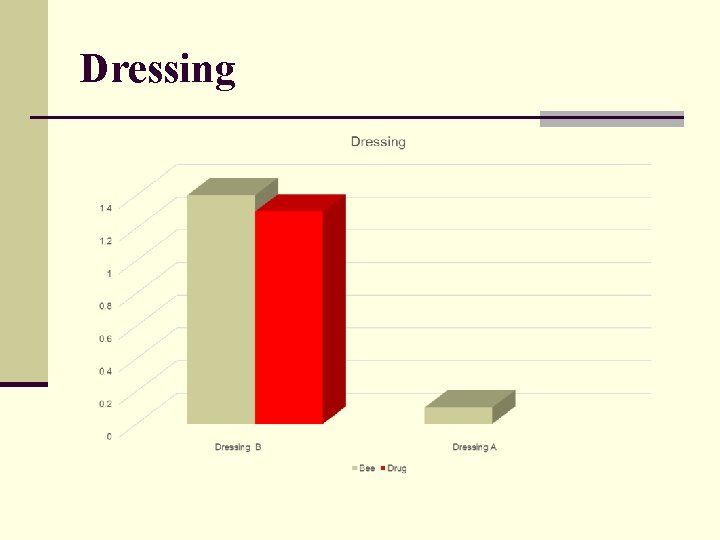
Dressing
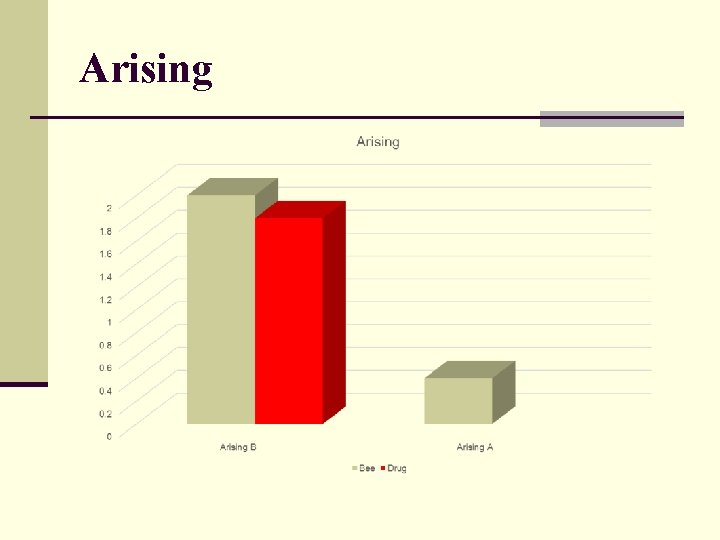
Arising
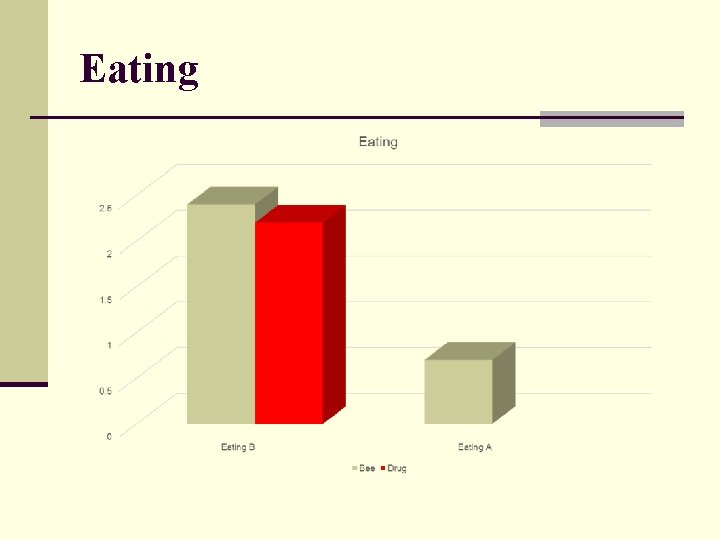
Eating
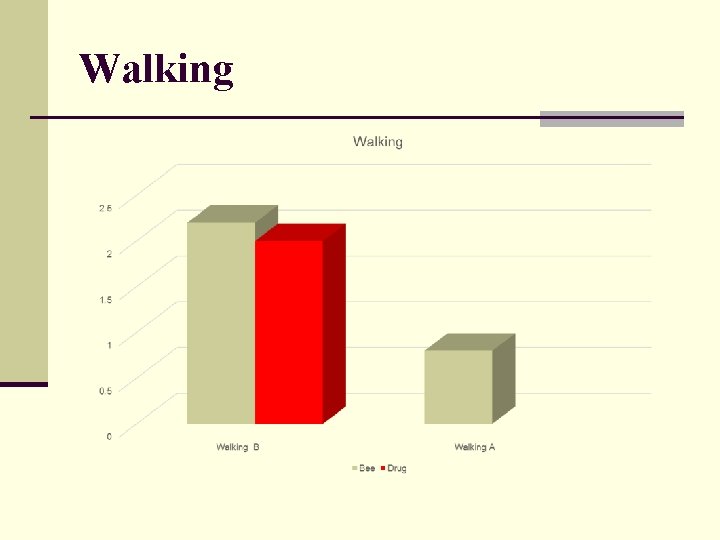
Walking
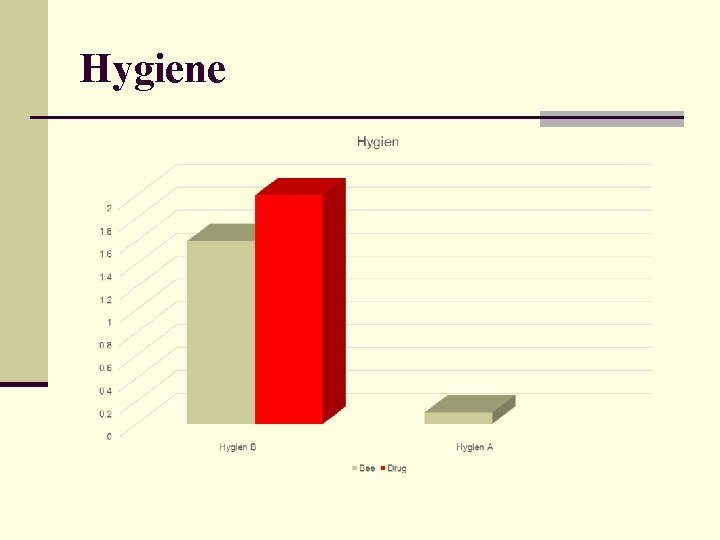
Hygiene
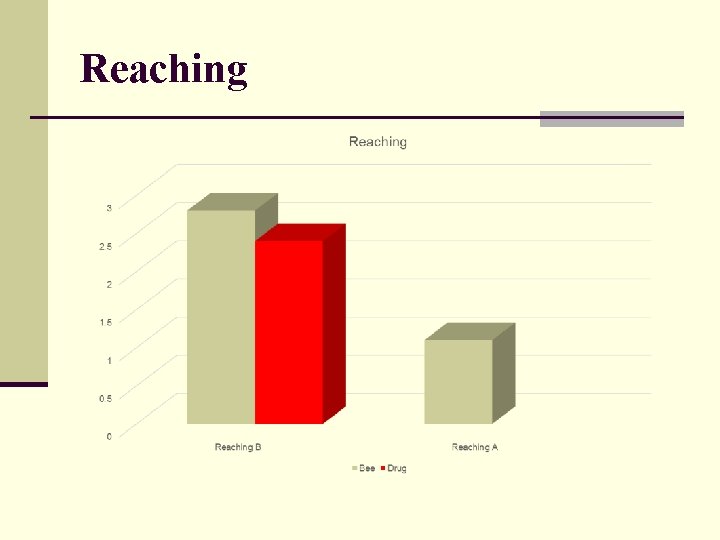
Reaching
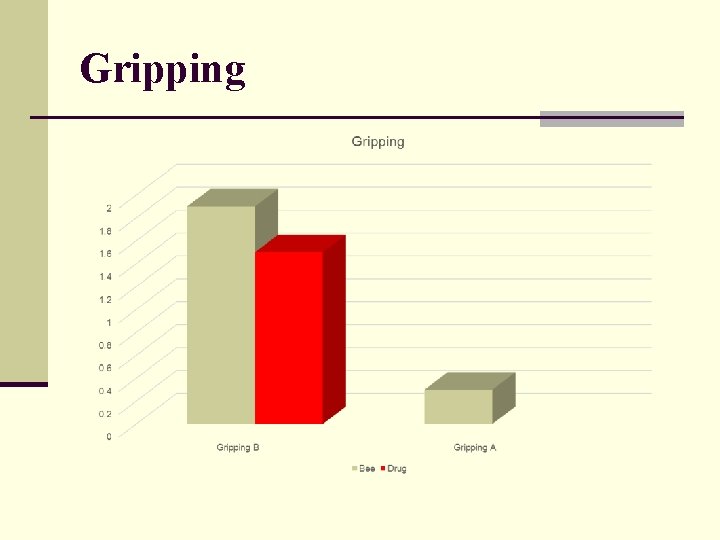
Gripping
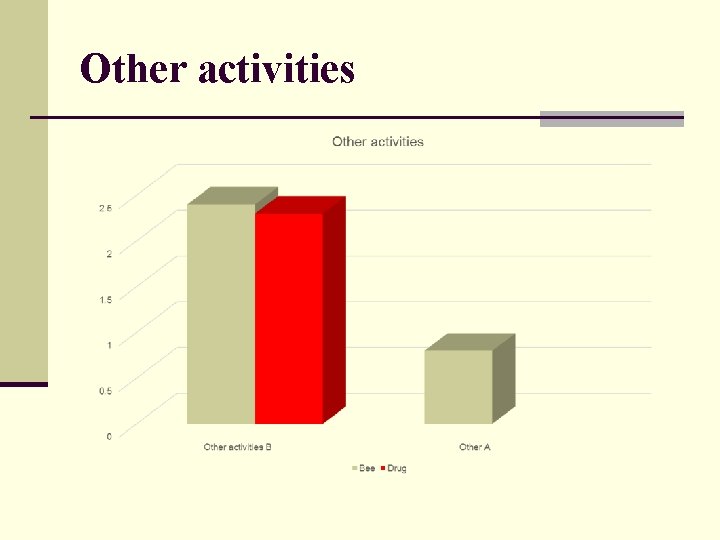
Other activities
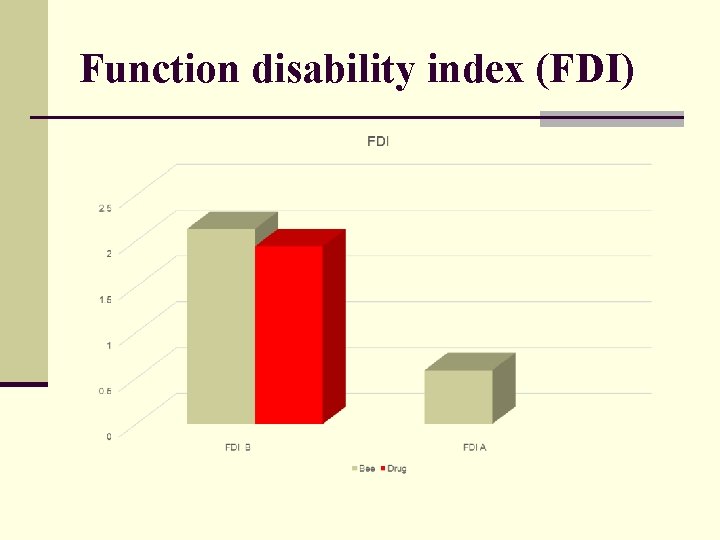
Function disability index (FDI)
Mean levels of Ig. E of both groups at the start and end of the study
NFkβ concentration
Mean levels of (TNF α concentration) α of both groups at the start and end of the study
Mean levels of (IL) 1β concentration of both groups at the start and end of the study
IL 6 concentration
Conclusion n The results revealed that the bee venom apiacupuncture showed significant improvement in patients received bee venom group compare to patients received pharmacotherapy only.
Conclusion n It is concluded that both modes of treatment for RA gave improvement regarding pain intensity, disability and quality of life being more evident in bee venom group supported with improved serum TNF, IL 1. IL 6 and NF-KB.
Conclusion n Although Apitherapy is not a curable therapy in RA, but it can be used to minimize some of the clinical symptoms of RA, and can be included among programs of RA therapy.
Influence of Bee Venom on Rheumatoid Arthritis Patients
Influence of Bee Venom on Rheumatoid Arthritis Patients Tha nk you
• Prof. Dr. Ahmed Hegazi Professor of Microbiology and Immunology National Research Center, Dokki, Giza, Egypt President of Egyptian Environmental Society for uses and production of bee products Secretary of Egyptian Society of Apitherapy Secretary General of African Federation of Apiculture Associations Member of Apitherapy Commission , APIMONDIA E mail: ahmed@ahmedhegazi. com and ahmedhegazi 128@gmail. com www. ahmedhegazi. com Tel H: + 202 37749222 Fax W: + 202 33370931 GMS: + 201 001440063