
Management of Mitral Valve Disease To Treat or



- Slides: 39
Management of Mitral Valve Disease: To Treat or Not to Treat, That is The Question **NAME**, DVM, DACVIM-Cardiology **DATE**
William Shakespeare’s “The Tragedie of Mitral” To treat or not to treat: that is the question: Whether ‘tis nobler in the heart to suffer The contractions and regurgitations of outrageous volumes Or to take fluid in the sea of lungs And by opposing end them? To cough: To faint No more: and by a cough say we failure The heart ache and the thousand natural beats That blood is reversing, tis a consumption To control sodium, to inhibit the ACE. For who would bear the whips of Pimo Must we give pause and not treat till the cough ‘tis a question we can only but try to resolve
Dr. Google Vet. Street. com Treatment for mitral valve disease relies heavily on drugs. These include specific medications to ease the burden on the heart, diuretics for removal of excess fluid, medication to help regulate blood pressure, and other medications to help relieve the symptoms of heart failure. Additional therapies include a low -sodium diet and exercise restriction. Luckily, a great many mitral valve disease patients don’t require any treatment at all until they show symptoms. And most who do tend to live well with drug therapy alone. Only the severely diseased tend to succumb, in spite of treatment Pets. webmd. com Treatment: Many dogs with uncomplicated heart murmurs associated with chronic valvular disease remain asymptomatic for years. The disease, however, is chronic and progressive. Treatment should be started at the first signs of impending heart failure (coughing, easy tiring). The outlook depends on how far the disease has progressed and the general health and age of the dog. Dogs. lovetoknow. com In many cases, no treatment is necessary. Depending on the overall health and age of the affected dog, many heart murmur problems that do not go away without treatment can be corrected via surgical procedures to repair or replace the mitral valve. Medication or dietary changes may also help treat underlying conditions causing the murmur. Healthypets. mercola. com I recommend all animals suffering from any heart pathology increase their intake of ubiquinol, the reduced form of Co. Q 10, and Omega-3 essential fatty acids, specifically krill oil. Additionally, holistic vets may recommend Chinese herbs, homeopathic remedies, supplemental amino acids, such as Taurine, Arginine, and Acetyl-LCarnitine, D-ribose and herbs, such as Hawthorne berry and Cayenne
Degenerative Valve Disease • The most common heart disease in dogs (75% of heart disease in dogs) – Greater than 60% of dogs under 30 lb and over 10 year old • Most commonly a slowly progressive disease – 40% develop CHF within 4 -5 years • Small breed dogs • Most commonly multiple valves effected • Incidence is certain breeds of dogs approaches 100%
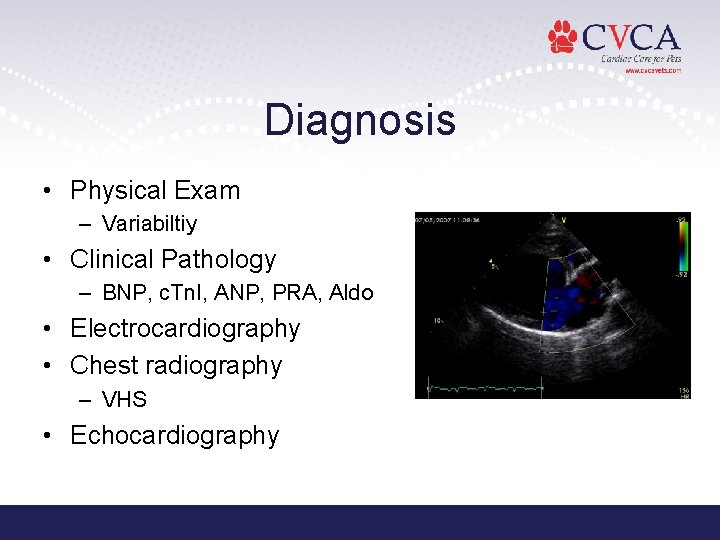
Diagnosis • Physical Exam – Variabiltiy • Clinical Pathology – BNP, c. Tn. I, ANP, PRA, Aldo • Electrocardiography • Chest radiography – VHS • Echocardiography
Treatment Options • Focus on the treatment of asymptomatic patients • Nutritional management • Surgical management • Medical management – Vasodilators – Beta blockers – Inodilators – Diuretics
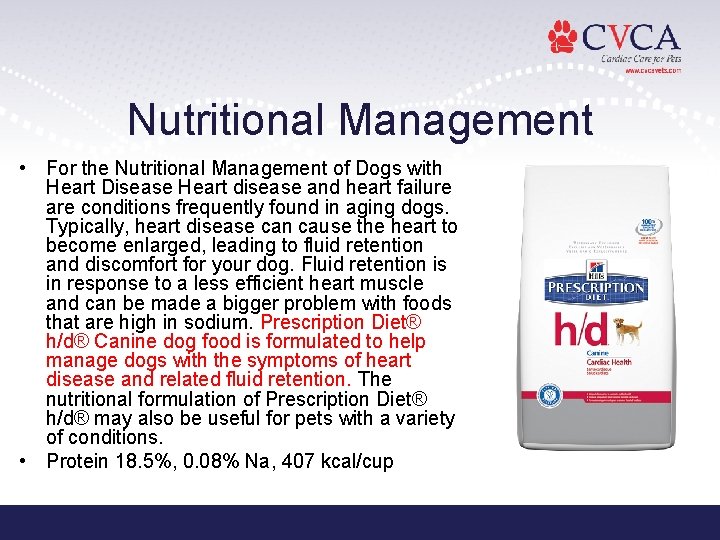
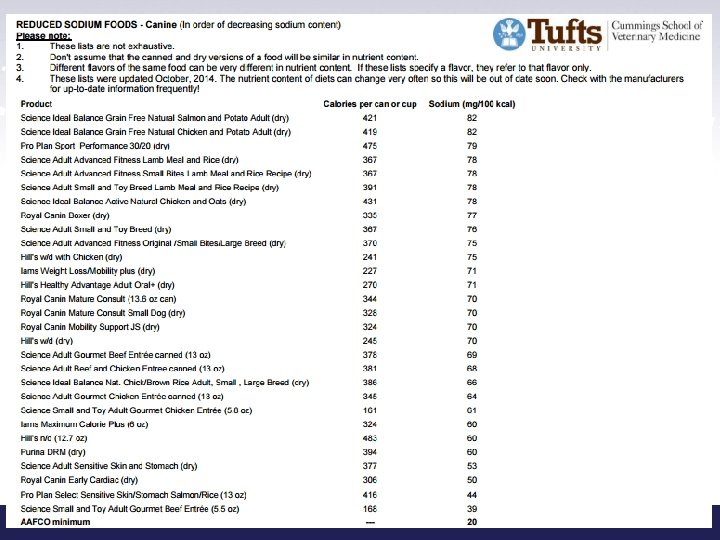
Nutritional Management • For the Nutritional Management of Dogs with Heart Disease Heart disease and heart failure are conditions frequently found in aging dogs. Typically, heart disease can cause the heart to become enlarged, leading to fluid retention and discomfort for your dog. Fluid retention is in response to a less efficient heart muscle and can be made a bigger problem with foods that are high in sodium. Prescription Diet® h/d® Canine dog food is formulated to help manage dogs with the symptoms of heart disease and related fluid retention. The nutritional formulation of Prescription Diet® h/d® may also be useful for pets with a variety of conditions. • Protein 18. 5%, 0. 08% Na, 407 kcal/cup
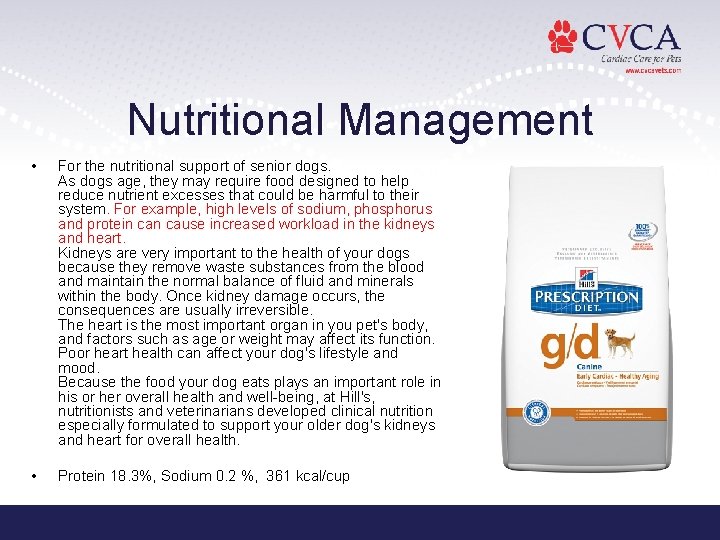
Nutritional Management • For the nutritional support of senior dogs. As dogs age, they may require food designed to help reduce nutrient excesses that could be harmful to their system. For example, high levels of sodium, phosphorus and protein cause increased workload in the kidneys and heart. Kidneys are very important to the health of your dogs because they remove waste substances from the blood and maintain the normal balance of fluid and minerals within the body. Once kidney damage occurs, the consequences are usually irreversible. The heart is the most important organ in you pet's body, and factors such as age or weight may affect its function. Poor heart health can affect your dog's lifestyle and mood. Because the food your dog eats plays an important role in his or her overall health and well-being, at Hill's, nutritionists and veterinarians developed clinical nutrition especially formulated to support your older dog's kidneys and heart for overall health. • Protein 18. 3%, Sodium 0. 2 %, 361 kcal/cup
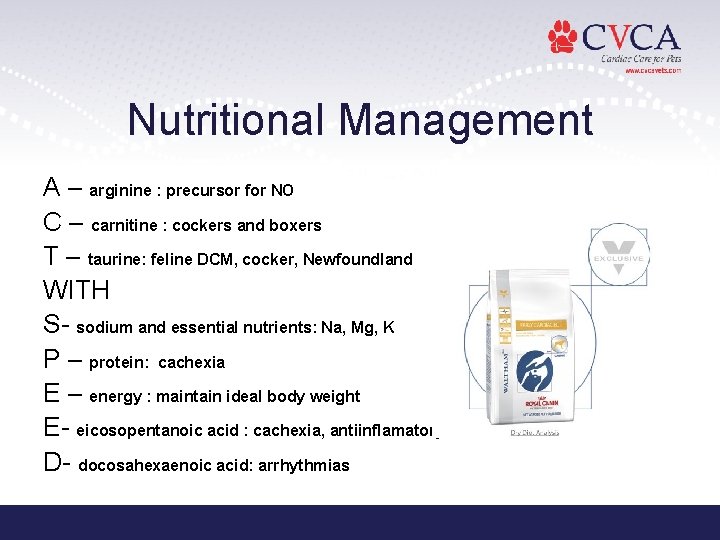
Nutritional Management A – arginine : precursor for NO C – carnitine : cockers and boxers T – taurine: feline DCM, cocker, Newfoundland WITH S- sodium and essential nutrients: Na, Mg, K P – protein: cachexia E – energy : maintain ideal body weight E- eicosopentanoic acid : cachexia, antiinflamatory D- docosahexaenoic acid: arrhythmias
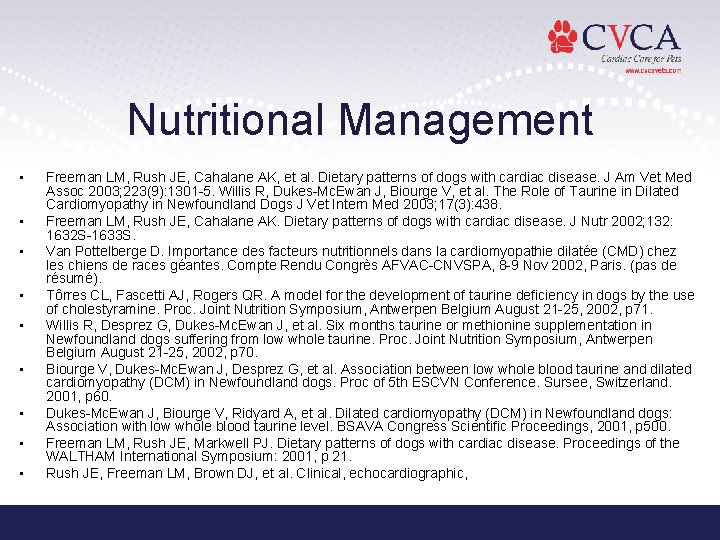
Nutritional Management • • • Freeman LM, Rush JE, Cahalane AK, et al. Dietary patterns of dogs with cardiac disease. J Am Vet Med Assoc 2003; 223(9): 1301 -5. Willis R, Dukes-Mc. Ewan J, Biourge V, et al. The Role of Taurine in Dilated Cardiomyopathy in Newfoundland Dogs J Vet Intern Med 2003; 17(3): 438. Freeman LM, Rush JE, Cahalane AK. Dietary patterns of dogs with cardiac disease. J Nutr 2002; 132: 1632 S-1633 S. Van Pottelberge D. Importance des facteurs nutritionnels dans la cardiomyopathie dilatée (CMD) chez les chiens de races géantes. Compte Rendu Congrès AFVAC-CNVSPA, 8 -9 Nov 2002, Paris. (pas de résumé). Tôrres CL, Fascetti AJ, Rogers QR. A model for the development of taurine deficiency in dogs by the use of cholestyramine. Proc. Joint Nutrition Symposium, Antwerpen Belgium August 21 -25, 2002, p 71. Willis R, Desprez G, Dukes-Mc. Ewan J, et al. Six months taurine or methionine supplementation in Newfoundland dogs suffering from low whole taurine. Proc. Joint Nutrition Symposium, Antwerpen Belgium August 21 -25, 2002, p 70. Biourge V, Dukes-Mc. Ewan J, Desprez G, et al. Association between low whole blood taurine and dilated cardiomyopathy (DCM) in Newfoundland dogs. Proc of 5 th ESCVN Conference. Sursee, Switzerland. 2001, p 60. Dukes-Mc. Ewan J, Biourge V, Ridyard A, et al. Dilated cardiomyopathy (DCM) in Newfoundland dogs: Association with low whole blood taurine level. BSAVA Congress Scientific Proceedings, 2001, p 500. Freeman LM, Rush JE, Markwell PJ. Dietary patterns of dogs with cardiac disease. Proceedings of the WALTHAM International Symposium: 2001, p 21. Rush JE, Freeman LM, Brown DJ, et al. Clinical, echocardiographic,
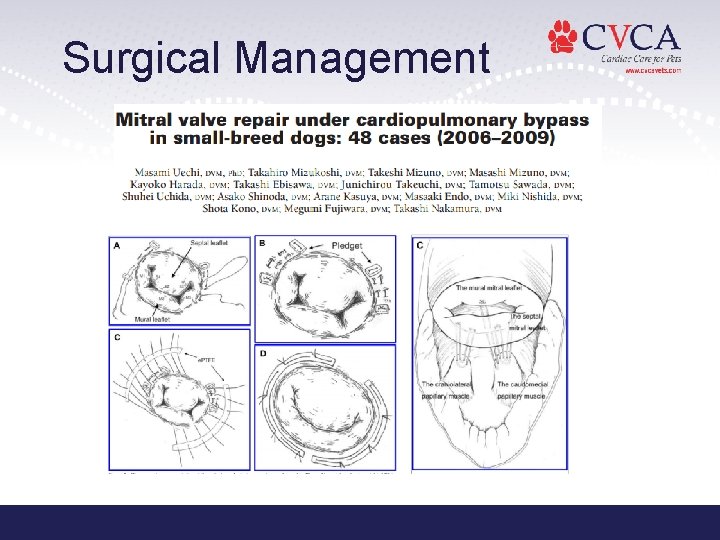
Surgical Management • Treatment of choice in people – surgical • Improved results when done earlier in the disease process • Usually recommended when moderate to severe mitral valve regurgitation • LV dimensions greater that 45 mm and EF < 60% • Various invasive and newer “less invasive” techniques
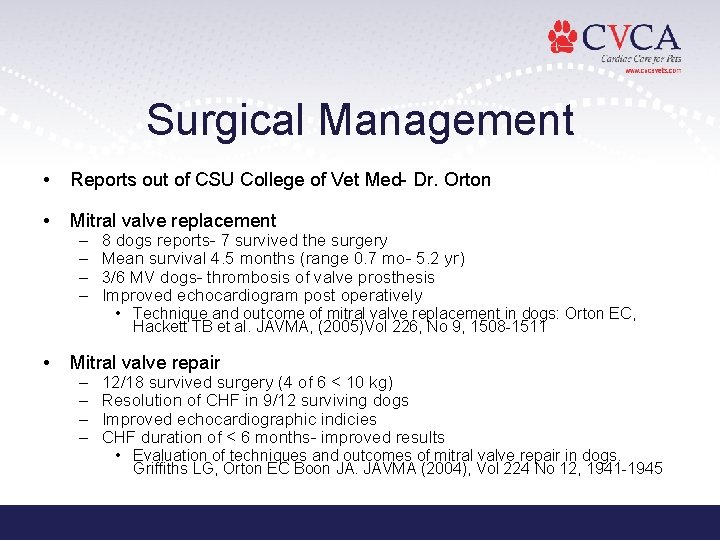
Surgical Management • Reports out of CSU College of Vet Med- Dr. Orton • Mitral valve replacement – – 8 dogs reports- 7 survived the surgery Mean survival 4. 5 months (range 0. 7 mo- 5. 2 yr) 3/6 MV dogs- thrombosis of valve prosthesis Improved echocardiogram post operatively • Technique and outcome of mitral valve replacement in dogs: Orton EC, Hackett TB et al. JAVMA, (2005)Vol 226, No 9, 1508 -1511 • Mitral valve repair – – 12/18 survived surgery (4 of 6 < 10 kg) Resolution of CHF in 9/12 surviving dogs Improved echocardiographic indicies CHF duration of < 6 months- improved results • Evaluation of techniques and outcomes of mitral valve repair in dogs. Griffiths LG, Orton EC Boon JA. JAVMA (2004), Vol 224 No 12, 1941 -1945
Surgical Management
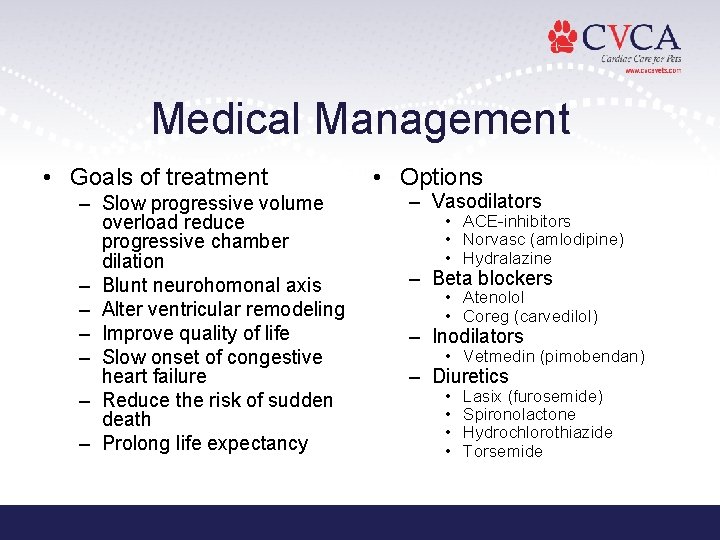
Medical Management • Goals of treatment – Slow progressive volume overload reduce progressive chamber dilation – Blunt neurohomonal axis – Alter ventricular remodeling – Improve quality of life – Slow onset of congestive heart failure – Reduce the risk of sudden death – Prolong life expectancy • Options – Vasodilators • ACE-inhibitors • Norvasc (amlodipine) • Hydralazine – Beta blockers • Atenolol • Coreg (carvedilol) – Inodilators • Vetmedin (pimobendan) – Diuretics • • Lasix (furosemide) Spironolactone Hydrochlorothiazide Torsemide
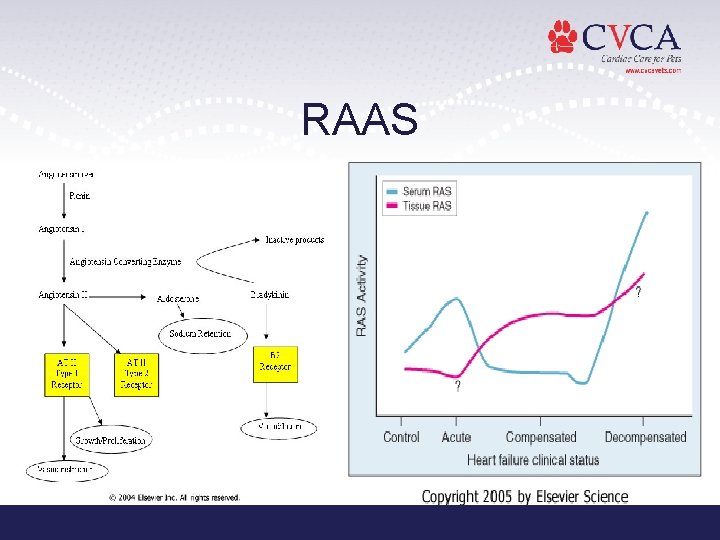
RAAS
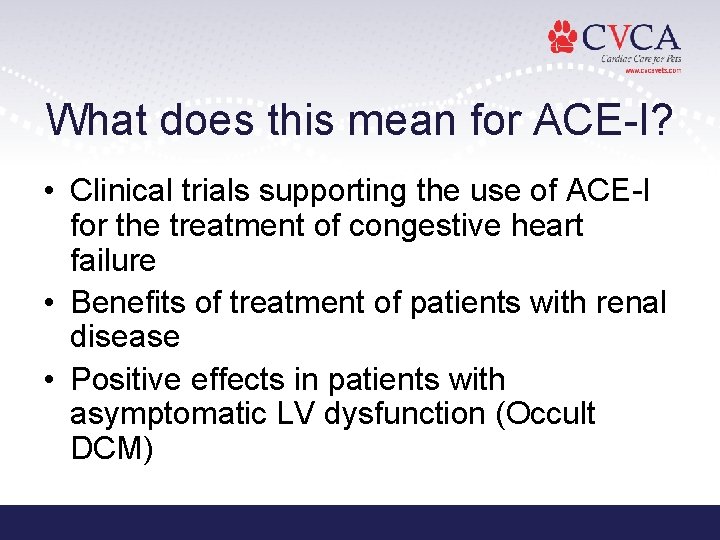
What does this mean for ACE-I? • Clinical trials supporting the use of ACE-I for the treatment of congestive heart failure • Benefits of treatment of patients with renal disease • Positive effects in patients with asymptomatic LV dysfunction (Occult DCM)
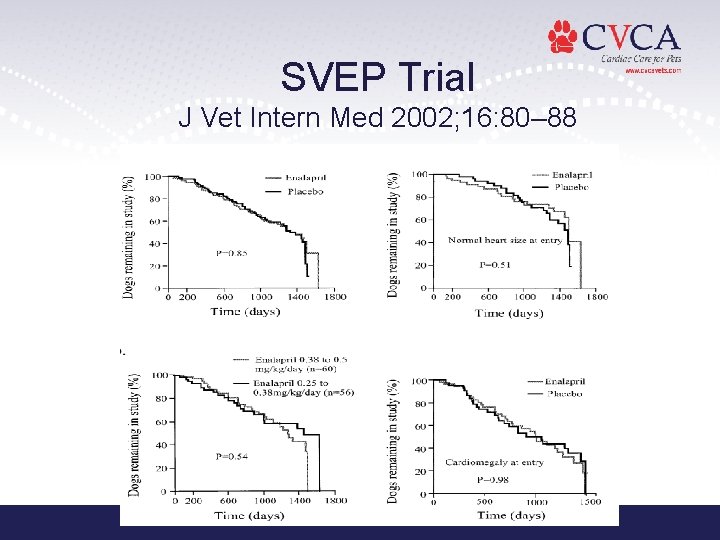
SVEP Trial J Vet Intern Med 2002; 16: 80– 88
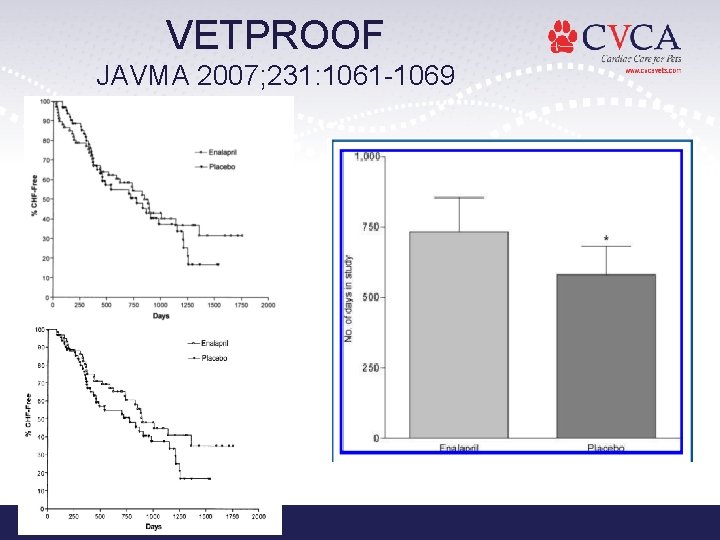
VETPROOF JAVMA 2007; 231: 1061 -1069
ACE-I Human Studies • Ramipril 10 mg/day reduced regurgitation in chronic mitral regurgitation secondary to mitral valve prolapse in patients with sinus rhythm. – Effect of ramipril on mitral regurgitation secondary to mitral valve prolapse Høst U, Kelbaek H, Hildebrandt P, Skagen K, Aldershvile J. Am J Cardiol. 1997 Sep 1; 80(5): 655 -8 • Patients with MR do not experience significant changes in MR severity, LV size, or functional status after 6 months of treatment with angiotensin-converting enzyme inhibition. – Effects of angiotensin-converting enzyme inhibition on mitral regurgitation severity, left ventricular size, and functional capacity. Harris KM, Aeppli DM, Carey CF. Am Heart J. 2005 Nov; 150(5): 1106. • The data showed that for pediatric patients single-dose treatment with oral enalapril reduces the severity of mitral regurgitation and improves left ventricular loading conditions and systolic performance without impairment of myocardial contractility. – Hemodynamic effects of a single oral dose of enalapril among children with asymptomatic chronic mitral regurgitation. Calabrò R, Pisacane C, Pacileo G, Russo MG. Am Heart J. 1999 Nov; 138(5 Pt 1): 955 -61
Norvasc (amlodipine) • Reflex tachycardia a concern • Effects of amlodipine on severity or mitral regurgitation in dogs with chronic mitral valve disease. Oyama MA, Prosek R, Sisson DD (abstract) JVIM 2003: 17: 339 – Added on conventional therapy – Reduced regurgitant fraction and orifice area – Decreased blood pressure – No change in heart rate • Comparative effects of amlodipine and benazepril on left atrial pressure in dogs with experimentally-induced mitral valve regurgitation. Suzuki S, Fukushima R et al BMC Vet Res. 2012 Sep 18; 8: 166 – Greater reduction in LA pressure over Benazepril • Dose 0. 05 -0. 25 mg/kg QD- BID – (study dose 0. 25 mg/kg)
Beta Blockers • Indicated for Rx of human CHF • Heightened cardiac specific sympathetic nervous system (SNS) activity with chronic MR • Improved LV systolic function in an experimental canine model of chronic MR – High dose atenolol therapy • Elevated concentrations of circulating norepinephrine documented in canine patients with clinical MVD and in an experimental canine model of chronic MR
Coreg (carvedilol) • Coreg – Available in 3. 125, 6. 25, 12. 5 and 25 mg tablets • Dose – 0. 2 -0. 4 mg/kg BID • 3 rd generation Beta blocker – Non-selective beta receptor blockade – Alpha 1 receptor blockade – Antioxidant properties • Slow titration of dose up to target dose • Well tolerated in preclinical disease – Gordon S, Saunders AB et al Retrosepctive review of carvedilol administration in 38 dogs with preclinical chronic valvular heart disease. J Vet Cardiol, 2012 (1): 243 -252 • No improvement in SNS activation and echo variables over 3 months in chronic MR – Marcondes-Santos, M, Tarasoutchi F et al. Effects of carvedilol treatment in dogs with chronic mitral valvular disease. JVIM 2007: 21: 996
Coreg (carvedilol) • Contraindications – Active signs of congestive heart failure – Hypotension – Bradycardia – AV block • Indications – Tachycardia – Relatively stable heart failure
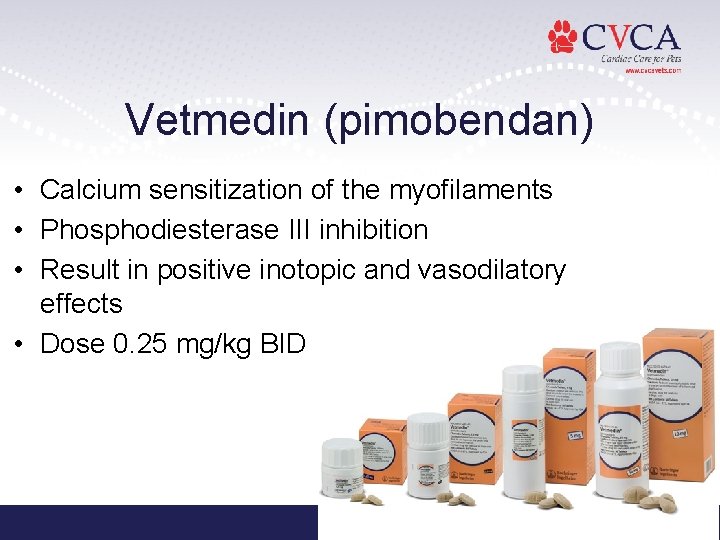
Vetmedin (pimobendan) • Calcium sensitization of the myofilaments • Phosphodiesterase III inhibition • Result in positive inotopic and vasodilatory effects • Dose 0. 25 mg/kg BID
Vetmedin (pimobendan) • A double blind randomized placebo controlled study of pimobendan in dogs with dilated cardiomyopathy. Fuetes VI, Corcoran B, French A, et al. JVIM 16: 255 -261, 2002 • Clinical efficacy of pimobendan versus benezepril for the treatment of acquired atrioventricular valvular disease in dogs. Lombard CW, Hons O, Bussadori CM. JAAHA 42: 249 -261 2006 • Efficacy and safety of pimobendan in canine heart failure caused by myxomatous mitral valve disease Smith PJ, French AT, Van Israel N et al. J Small Anim Pract 46(30: 121 -130, 2005
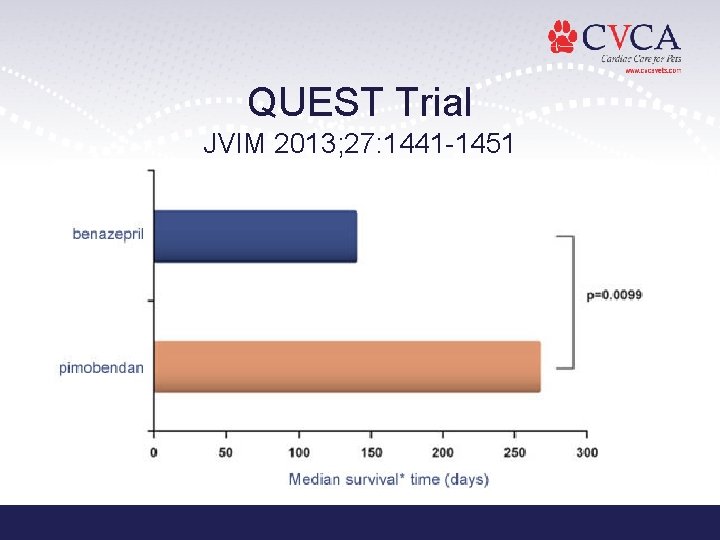
QUEST Trial JVIM 2013; 27: 1441 -1451
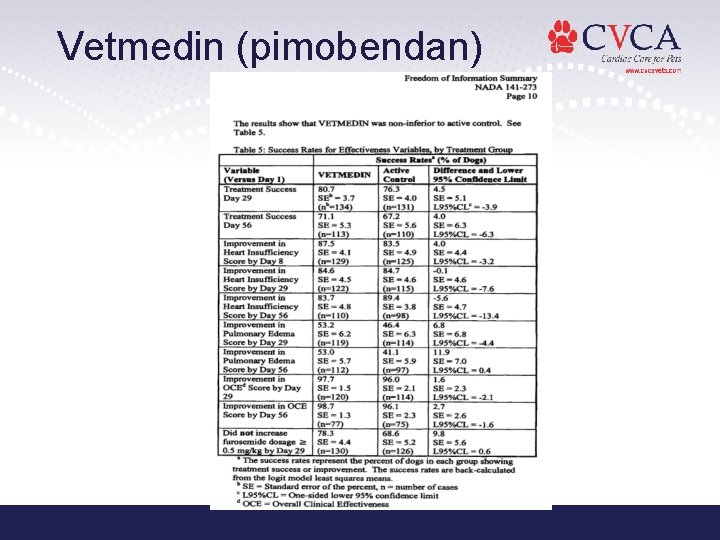
Vetmedin (pimobendan)
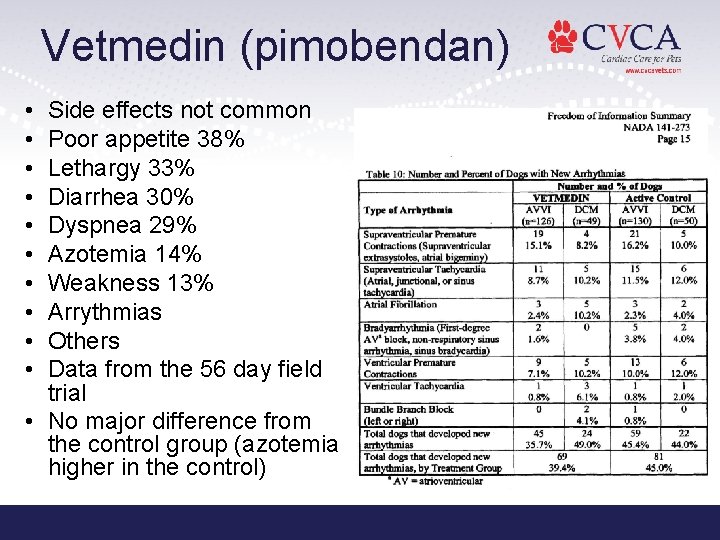
Vetmedin (pimobendan) • • • Side effects not common Poor appetite 38% Lethargy 33% Diarrhea 30% Dyspnea 29% Azotemia 14% Weakness 13% Arrythmias Others Data from the 56 day field trial • No major difference from the control group (azotemia higher in the control)
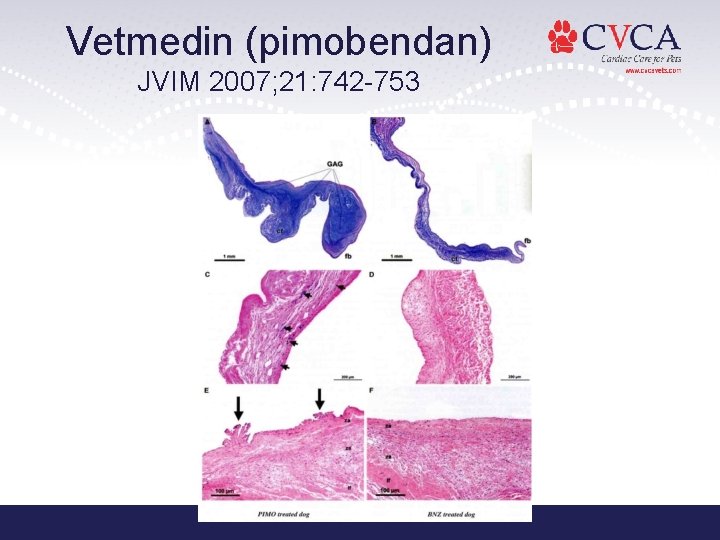
Vetmedin (pimobendan) JVIM 2007; 21: 742 -753
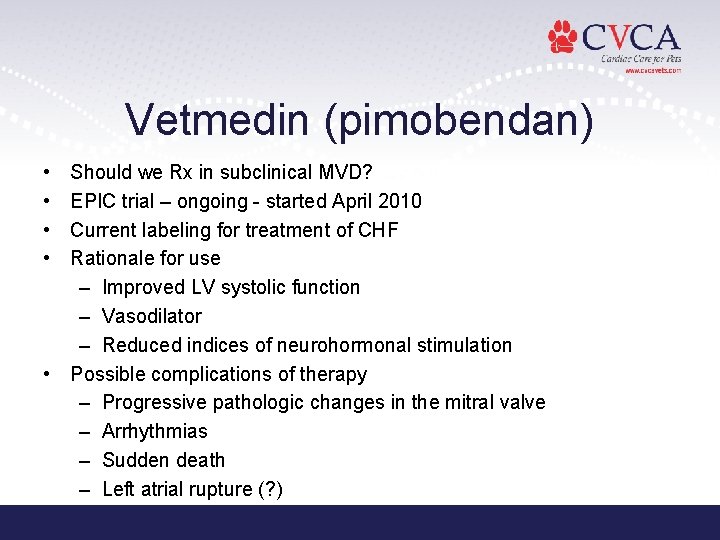
Vetmedin (pimobendan) • • Should we Rx in subclinical MVD? EPIC trial – ongoing - started April 2010 Current labeling for treatment of CHF Rationale for use – Improved LV systolic function – Vasodilator – Reduced indices of neurohormonal stimulation • Possible complications of therapy – Progressive pathologic changes in the mitral valve – Arrhythmias – Sudden death – Left atrial rupture (? )
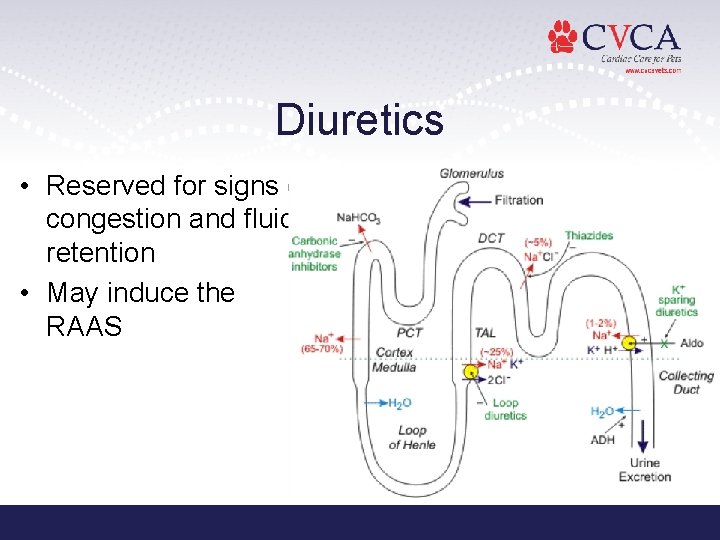
Diuretics • Reserved for signs of congestion and fluid retention • May induce the RAAS
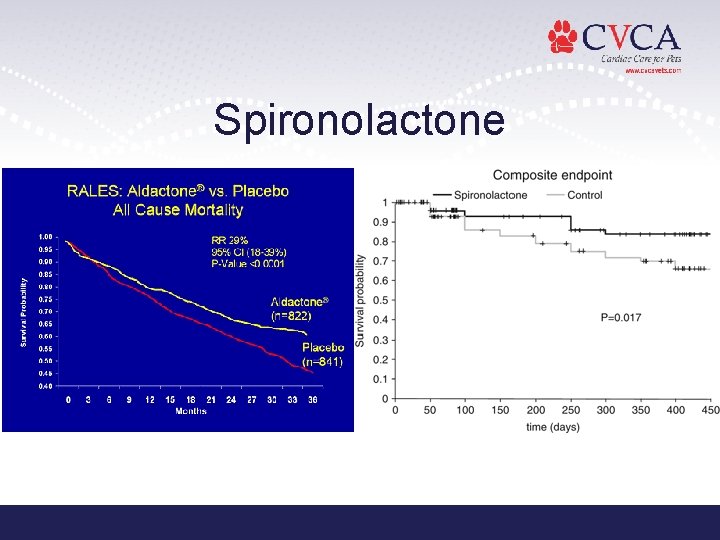
Spironolactone
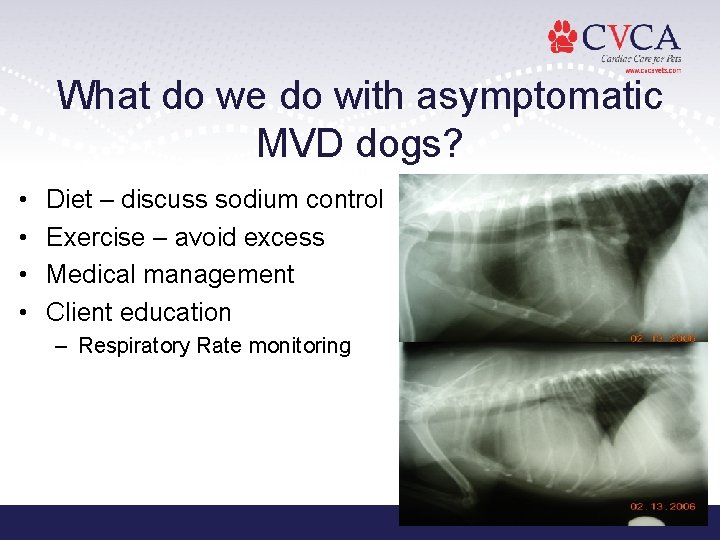
What do we do with asymptomatic MVD dogs? • • Diet – discuss sodium control Exercise – avoid excess Medical management Client education – Respiratory Rate monitoring
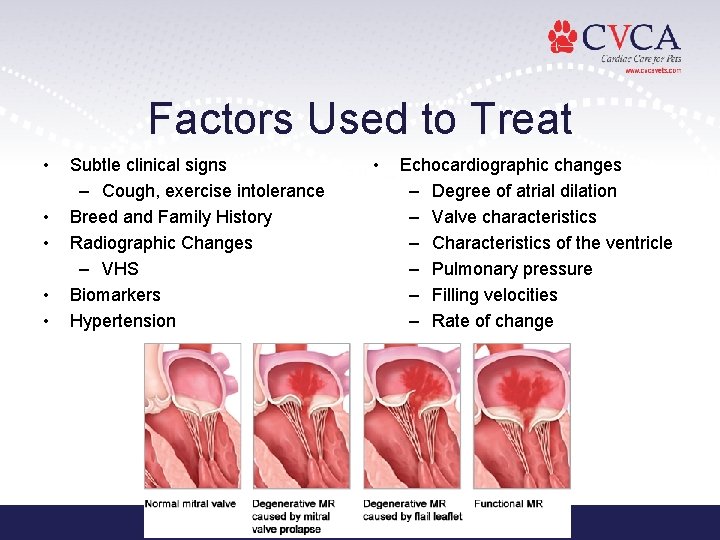
Factors Used to Treat • • • Subtle clinical signs – Cough, exercise intolerance Breed and Family History Radiographic Changes – VHS Biomarkers Hypertension • Echocardiographic changes – Degree of atrial dilation – Valve characteristics – Characteristics of the ventricle – Pulmonary pressure – Filling velocities – Rate of change
Conclusions • Still question of what is the “best” option • Will surgery be the best option? – Cost / quality of life • Modest benefit of ACE inhibitor therapy – May improve when combined with spironolactone • Unknown benefit of other agents – Pimobendan – Norvasc • Possible progressive changes with pimobendan- reserve for use in advanced valve disease
Future Therapies? • Hybrid surgical techniques – Transapical valve replacement • Mitral. Seal (Avalon Medical) • Mitrex (Infiniti Medical) – Infiniti medical • Gene therapy • Serotonin Antagonists • Role of multi-drug therapy
Comments / Questions Contact Information: info@cvcavets. com www. cvcavets. com