
Management of Iron Deficiency in Heart Failure Current

- Slides: 53
Management of Iron Deficiency in Heart Failure : Current Evidence and Practical Recommendations for the use of Ferric Carboxymaltose J. Parissis Heart Failure Unit, Attikon University Hospital, Athens, Greece
Disclosures • Grants: ALARM investigator received research grants by Abbott US and Orion Pharma • Horonaria: received horonaria for advisory boards and lectures from Novartis, Pfizer, Menarini, Servier , Roche diagnostics and Genesis Pharma • Journals: Associate Editor of EJHF • ESC HF GLs: Member of task force
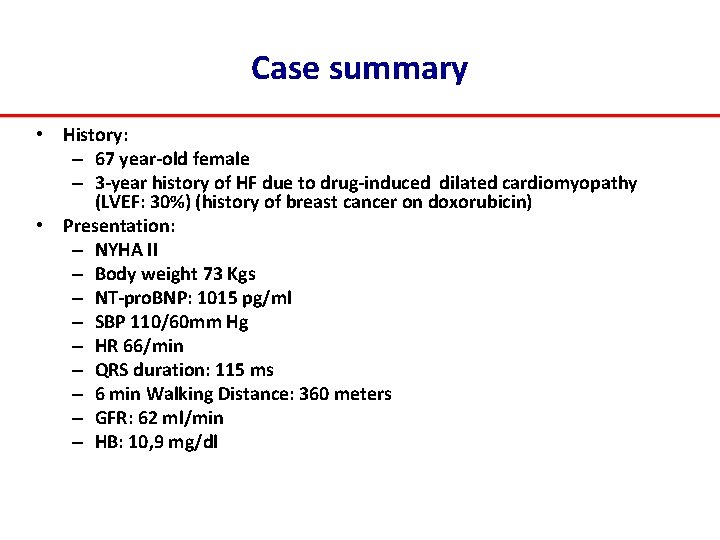
Case summary • History: – 67 year‐old female – 3‐year history of HF due to drug‐induced dilated cardiomyopathy (LVEF: 30%) (history of breast cancer on doxorubicin) • Presentation: – NYHA II – Body weight 73 Kgs – NT‐pro. BNP: 1015 pg/ml – SBP 110/60 mm Hg – HR 66/min – QRS duration: 115 ms – 6 min Walking Distance: 360 meters – GFR: 62 ml/min – HB: 10, 9 mg/dl
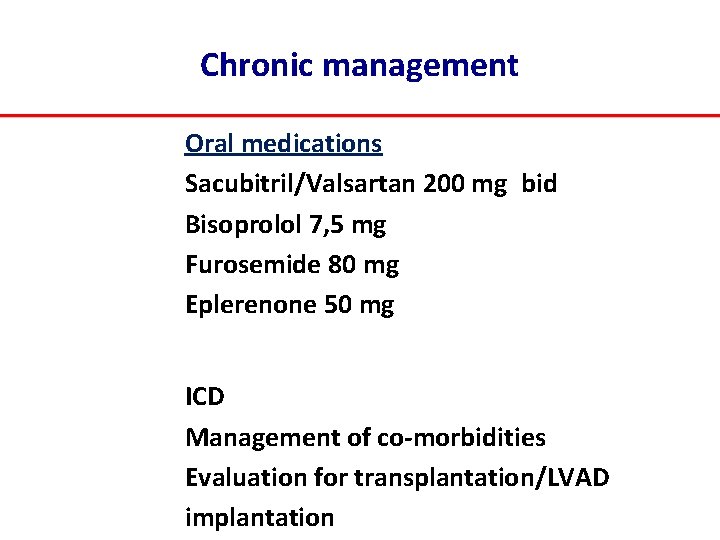
Chronic management Oral medications Sacubitril/Valsartan 200 mg bid Bisoprolol 7, 5 mg Furosemide 80 mg Eplerenone 50 mg ICD Management of co‐morbidities Evaluation for transplantation/LVAD implantation
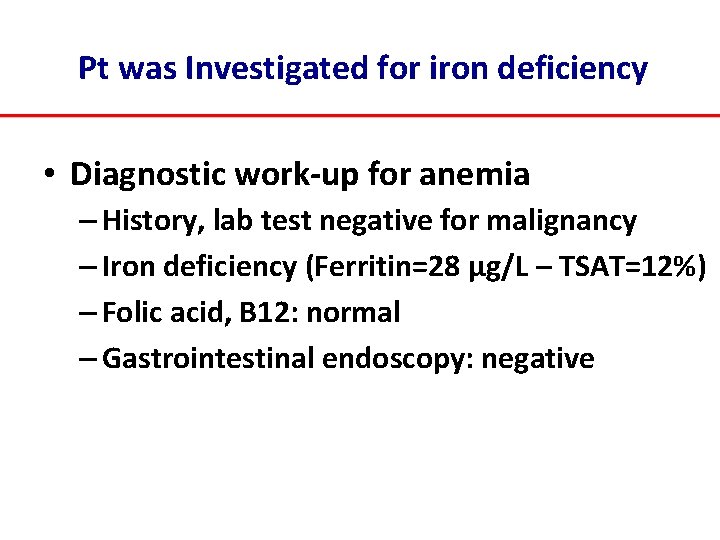
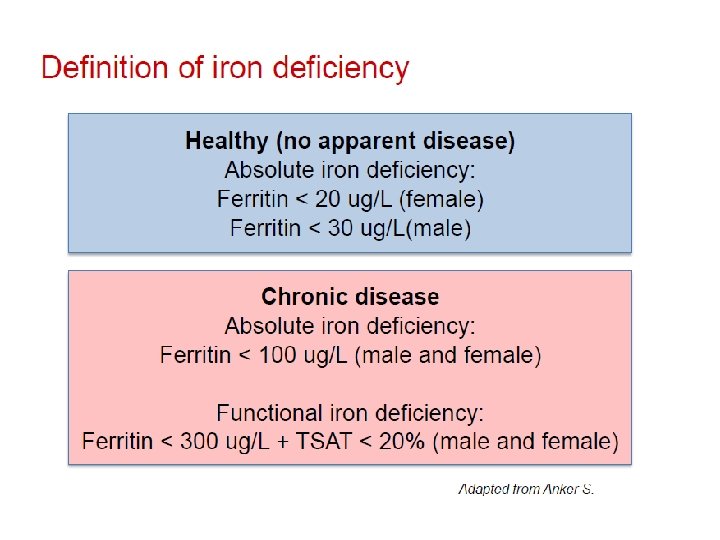
Pt was Investigated for iron deficiency • Diagnostic work‐up for anemia – History, lab test negative for malignancy – Iron deficiency (Ferritin=28 μg/L – TSAT=12%) – Folic acid, B 12: normal – Gastrointestinal endoscopy: negative
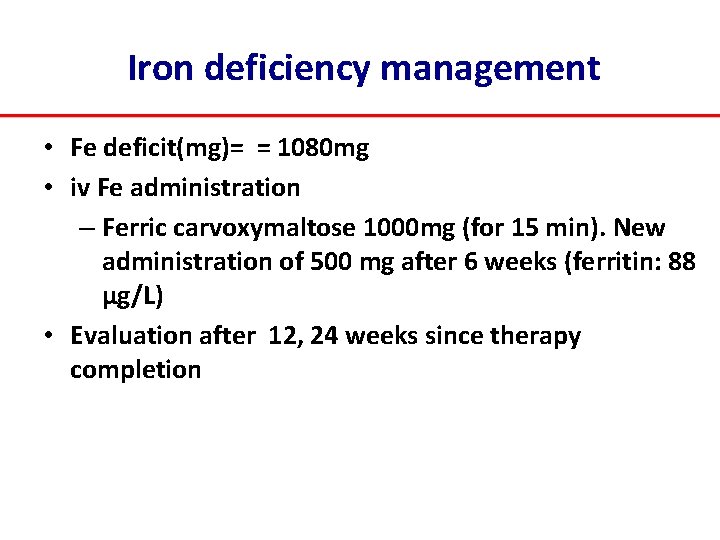
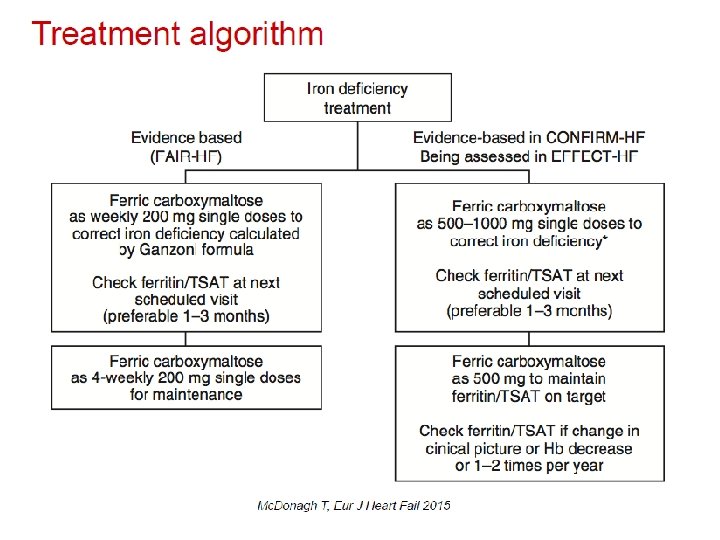
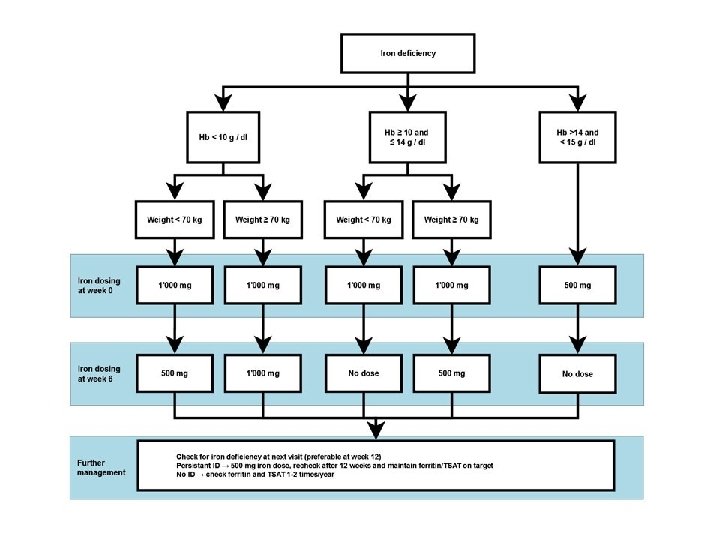
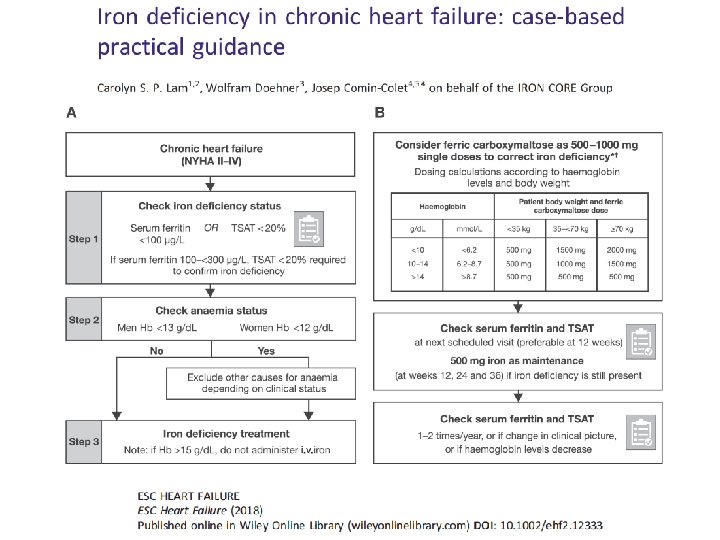
Iron deficiency management • Fe deficit(mg)= = 1080 mg • iv Fe administration – Ferric carvoxymaltose 1000 mg (for 15 min). New administration of 500 mg after 6 weeks (ferritin: 88 μg/L) • Evaluation after 12, 24 weeks since therapy completion
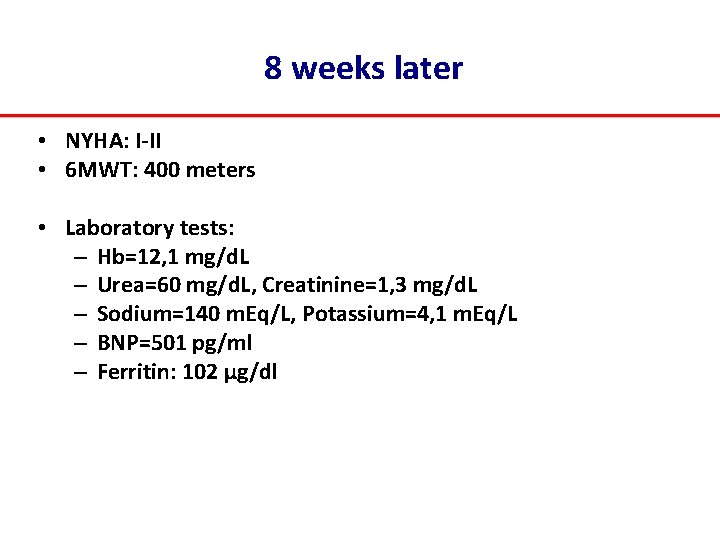
8 weeks later • NYHA: I‐II • 6 MWT: 400 meters • Laboratory tests: – Hb=12, 1 mg/d. L – Urea=60 mg/d. L, Creatinine=1, 3 mg/d. L – Sodium=140 m. Eq/L, Potassium=4, 1 m. Eq/L – BNP=501 pg/ml – Ferritin: 102 μg/dl
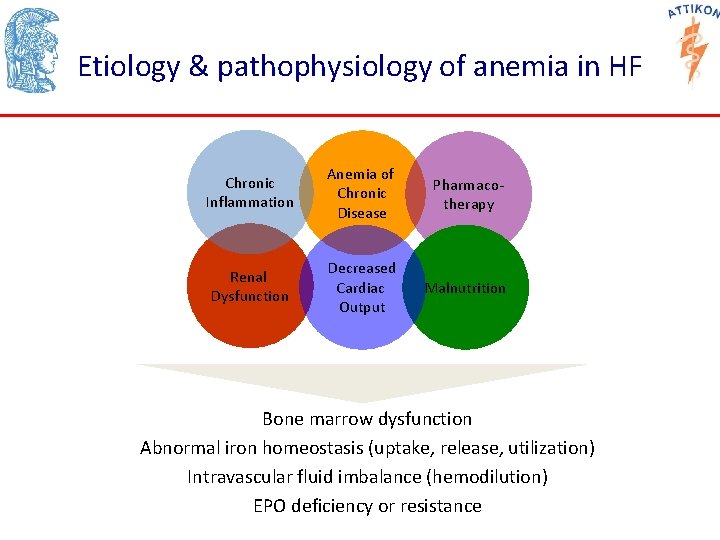
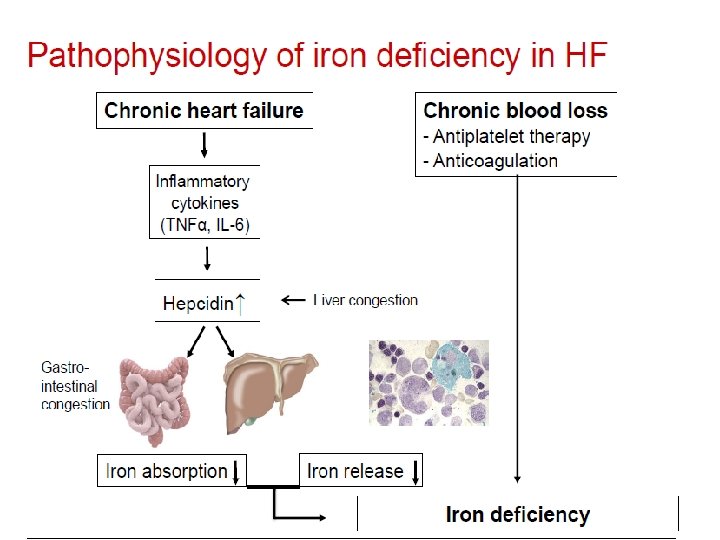
Etiology & pathophysiology of anemia in HF Chronic Inflammation Anemia of Chronic Disease Pharmacotherapy Renal Dysfunction Decreased Cardiac Output Malnutrition Bone marrow dysfunction Abnormal iron homeostasis (uptake, release, utilization) Intravascular fluid imbalance (hemodilution) EPO deficiency or resistance
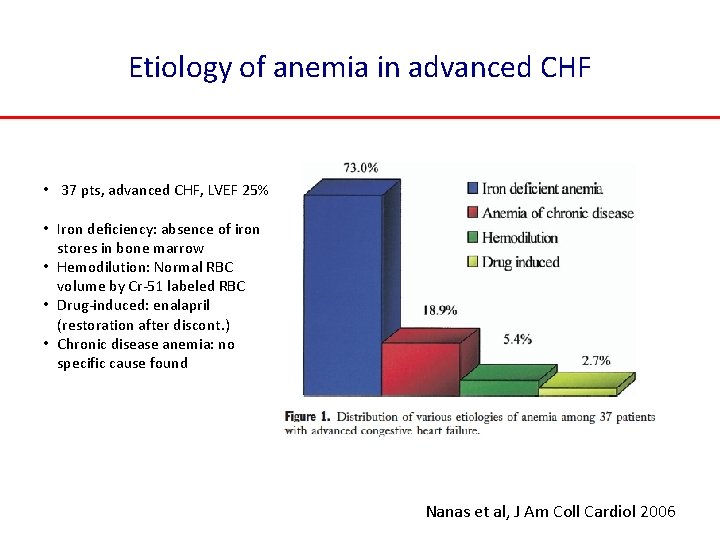
Etiology of anemia in advanced CHF • 37 pts, advanced CHF, LVEF 25% • Iron deficiency: absence of iron stores in bone marrow • Hemodilution: Normal RBC volume by Cr-51 labeled RBC • Drug-induced: enalapril (restoration after discont. ) • Chronic disease anemia: no specific cause found Nanas et al, J Am Coll Cardiol 2006
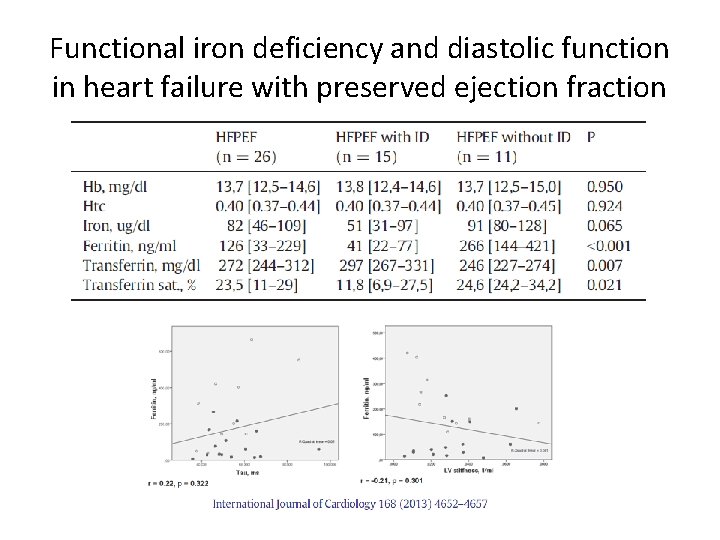
Functional iron deficiency and diastolic function in heart failure with preserved ejection fraction
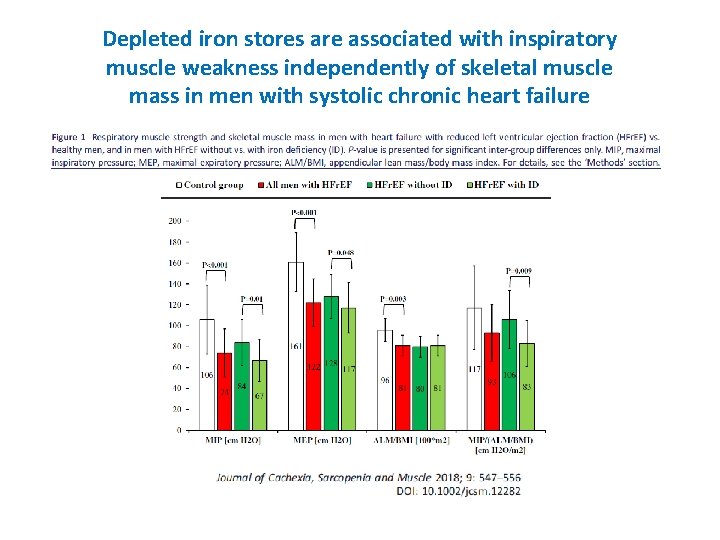
Depleted iron stores are associated with inspiratory muscle weakness independently of skeletal muscle mass in men with systolic chronic heart failure
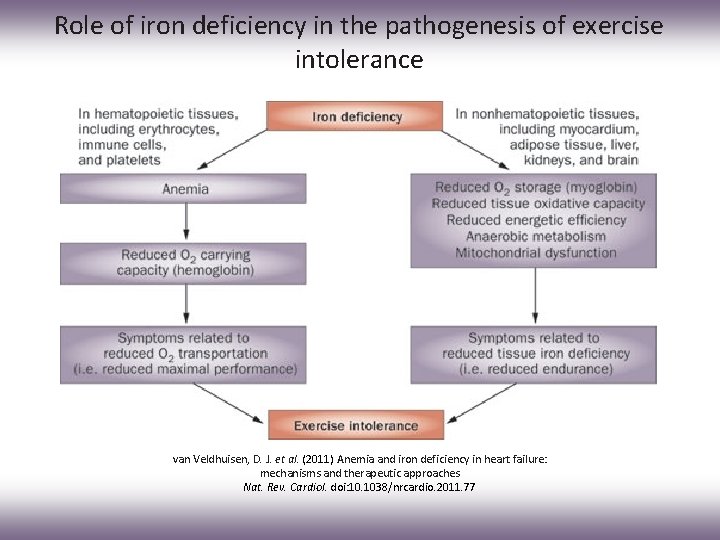
Role of iron deficiency in the pathogenesis of exercise intolerance van Veldhuisen, D. J. et al. (2011) Anemia and iron deficiency in heart failure: mechanisms and therapeutic approaches Nat. Rev. Cardiol. doi: 10. 1038/nrcardio. 2011. 77
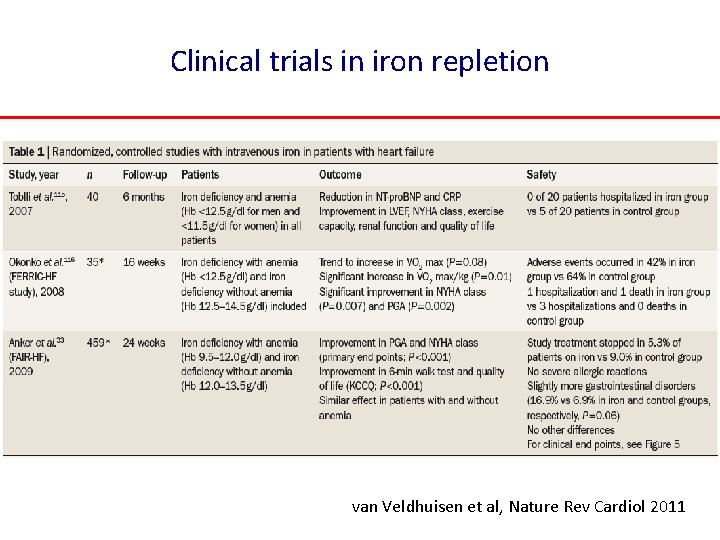
Clinical trials in iron repletion van Veldhuisen et al, Nature Rev Cardiol 2011
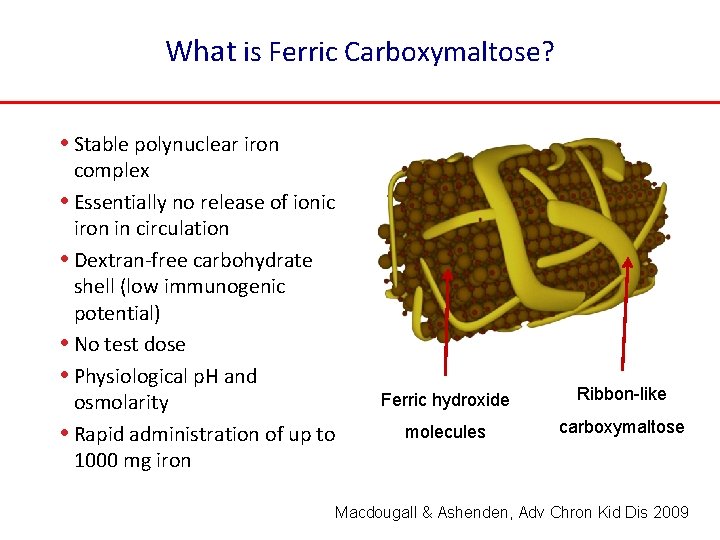
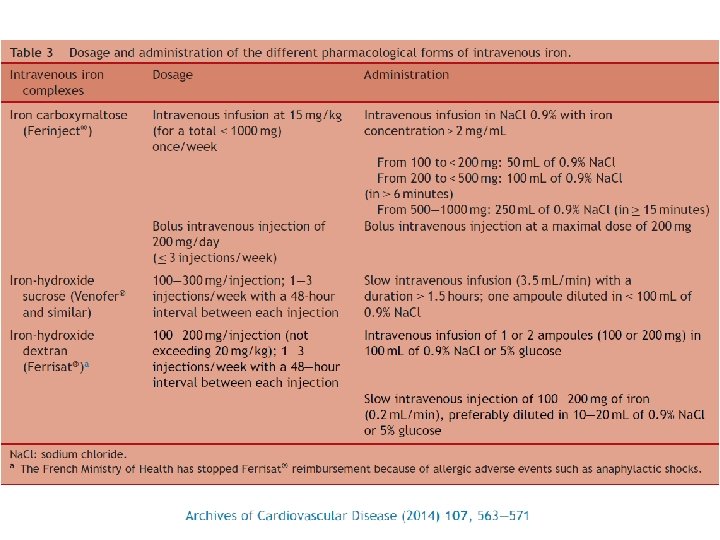
What is Ferric Carboxymaltose? • Stable polynuclear iron complex • Essentially no release of ionic iron in circulation • Dextran-free carbohydrate shell (low immunogenic potential) • No test dose • Physiological p. H and osmolarity • Rapid administration of up to 1000 mg iron Ferric hydroxide Ribbon-like molecules carboxymaltose Macdougall & Ashenden, Adv Chron Kid Dis 2009
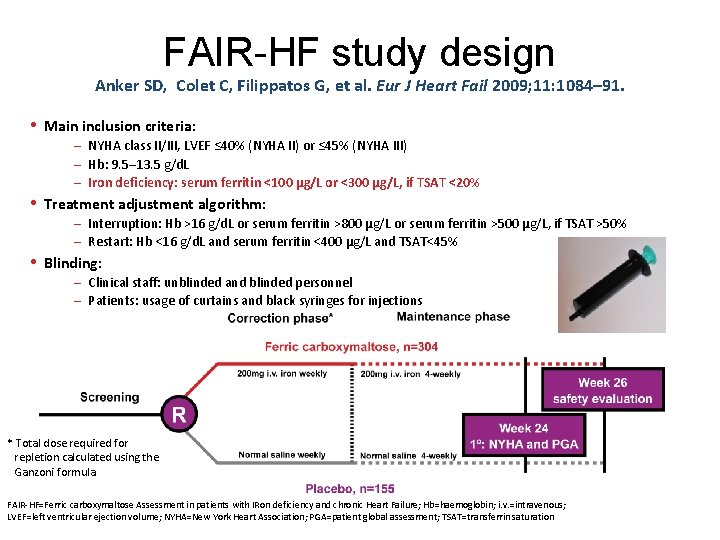
FAIR-HF study design Anker SD, Colet C, Filippatos G, et al. Eur J Heart Fail 2009; 11: 1084– 91. • Main inclusion criteria: – NYHA class II/III, LVEF ≤ 40% (NYHA II) or ≤ 45% (NYHA III) – Hb: 9. 5– 13. 5 g/d. L – Iron deficiency: serum ferritin <100 µg/L or <300 µg/L, if TSAT <20% • Treatment adjustment algorithm: – Interruption: Hb >16 g/d. L or serum ferritin >800 µg/L or serum ferritin >500 µg/L, if TSAT >50% – Restart: Hb <16 g/d. L and serum ferritin <400 µg/L and TSAT<45% • Blinding: – Clinical staff: unblinded and blinded personnel – Patients: usage of curtains and black syringes for injections * Total dose required for repletion calculated using the Ganzoni formula FAIR-HF=Ferric carboxymaltose Assessment in patients with IRon deficiency and chronic Heart Failure; Hb=haemoglobin; i. v. =intravenous; LVEF=left ventricular ejection volume; NYHA=New York Heart Association; PGA=patient global assessment; TSAT=transferrin saturation
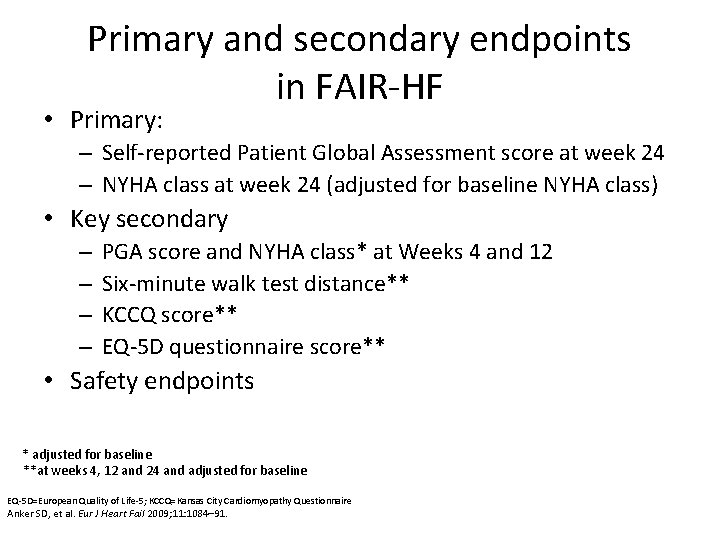
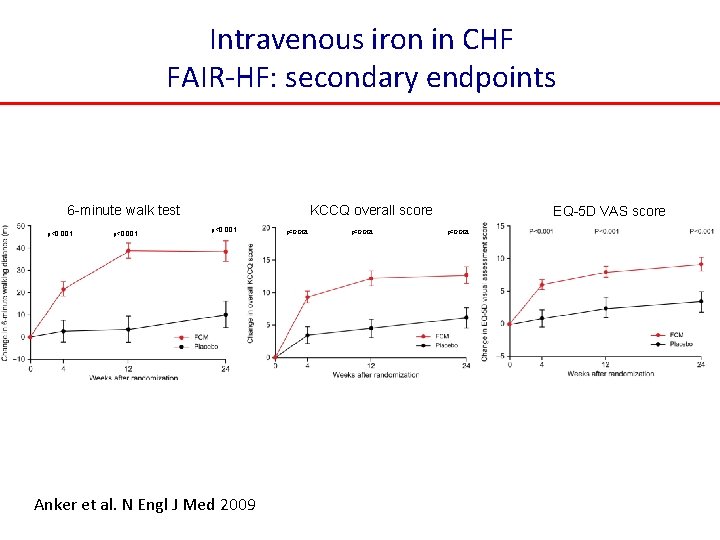
Primary and secondary endpoints in FAIR-HF • Primary: – Self-reported Patient Global Assessment score at week 24 – NYHA class at week 24 (adjusted for baseline NYHA class) • Key secondary – – PGA score and NYHA class* at Weeks 4 and 12 Six-minute walk test distance** KCCQ score** EQ-5 D questionnaire score** • Safety endpoints * adjusted for baseline **at weeks 4, 12 and 24 and adjusted for baseline EQ-5 D=European Quality of Life-5; KCCQ=Kansas City Cardiomyopathy Questionnaire Anker SD, et al. Eur J Heart Fail 2009; 11: 1084– 91.
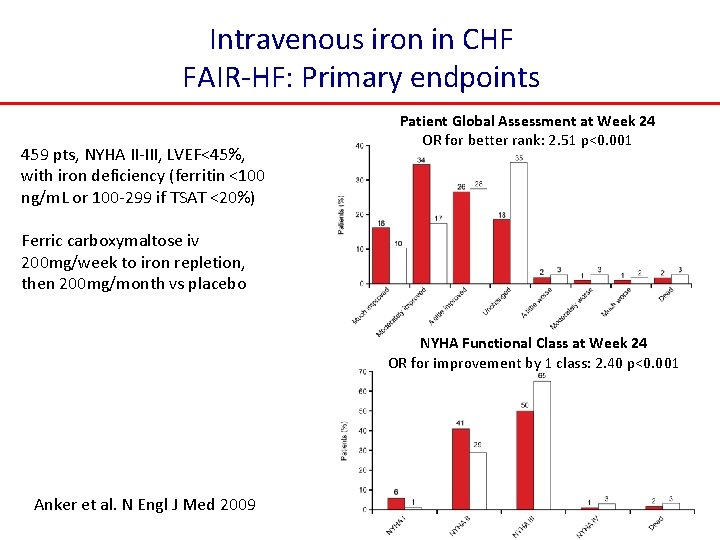
Intravenous iron in CHF FAIR-HF: Primary endpoints 459 pts, NYHA II-III, LVEF<45%, with iron deficiency (ferritin <100 ng/m. L or 100 -299 if TSAT <20%) Patient Global Assessment at Week 24 OR for better rank: 2. 51 p<0. 001 Ferric carboxymaltose iv 200 mg/week to iron repletion, then 200 mg/month vs placebo NYHA Functional Class at Week 24 OR for improvement by 1 class: 2. 40 p<0. 001 Anker et al. N Engl J Med 2009
Intravenous iron in CHF FAIR-HF: secondary endpoints 6 -minute walk test p<0. 001 KCCQ overall score p<0. 001 Anker et al. N Engl J Med 2009 p<0. 001 EQ-5 D VAS score p<0. 001
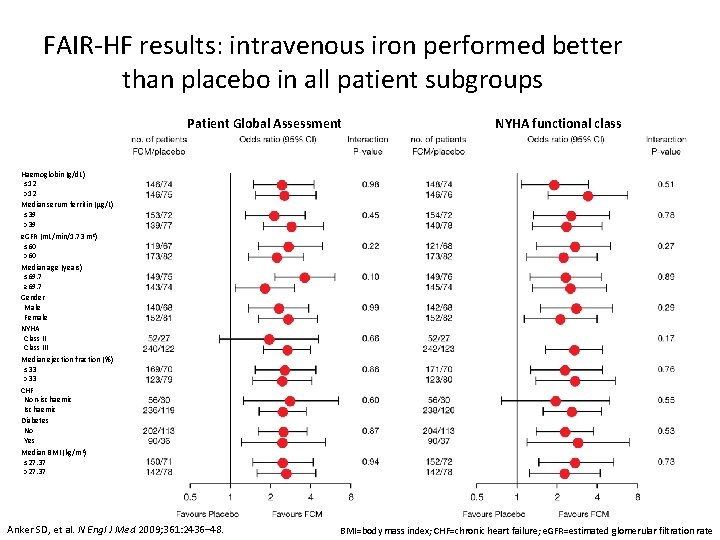
FAIR-HF results: intravenous iron performed better than placebo in all patient subgroups Patient Global Assessment NYHA functional class Haemoglobin (g/d. L) ≤ 12 >12 Median serum ferritin (μg/L) ≤ 39 >39 e. GFR (m. L/min/1. 73 m 2) ≤ 60 >60 Median age (years) ≤ 69. 7 ≥ 69. 7 Gender Male Female NYHA Class III Median ejection fraction (%) ≤ 33 >33 CHF Non-ischaemic Ischaemic Diabetes No Yes Median BMI (kg/m 2) ≤ 27. 37 >27. 37 Anker SD, et al. N Engl J Med 2009; 361: 2436– 48. BMI=body mass index; CHF=chronic heart failure; e. GFR=estimated glomerular filtration rate
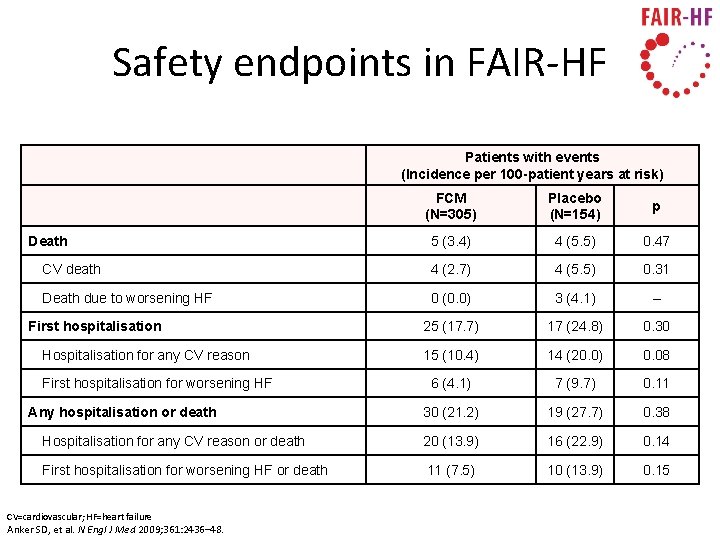
Safety endpoints in FAIR-HF Patients with events (Incidence per 100 -patient years at risk) FCM (N=305) Placebo (N=154) p 5 (3. 4) 4 (5. 5) 0. 47 CV death 4 (2. 7) 4 (5. 5) 0. 31 Death due to worsening HF 0 (0. 0) 3 (4. 1) – 25 (17. 7) 17 (24. 8) 0. 30 15 (10. 4) 14 (20. 0) 0. 08 6 (4. 1) 7 (9. 7) 0. 11 30 (21. 2) 19 (27. 7) 0. 38 Hospitalisation for any CV reason or death 20 (13. 9) 16 (22. 9) 0. 14 First hospitalisation for worsening HF or death 11 (7. 5) 10 (13. 9) 0. 15 Death First hospitalisation Hospitalisation for any CV reason First hospitalisation for worsening HF Any hospitalisation or death CV=cardiovascular; HF=heart failure Anker SD, et al. N Engl J Med 2009; 361: 2436– 48.
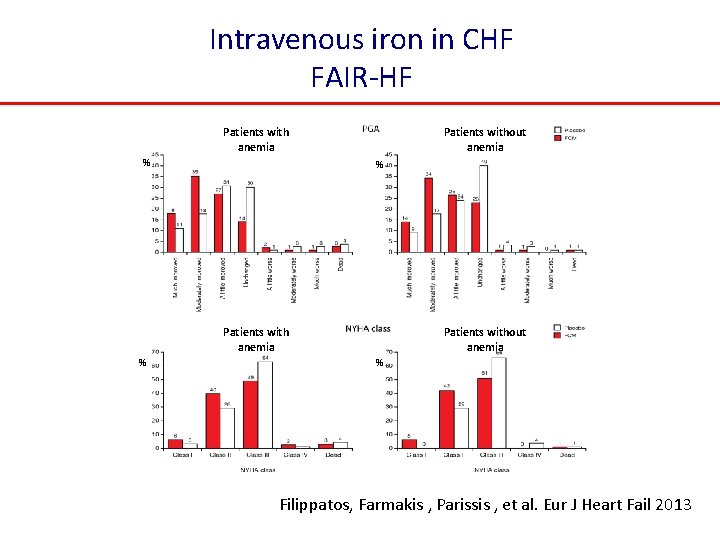
Intravenous iron in CHF FAIR-HF Patients with anemia % Patients without anemia % Filippatos, Farmakis , Parissis , et al. Eur J Heart Fail 2013
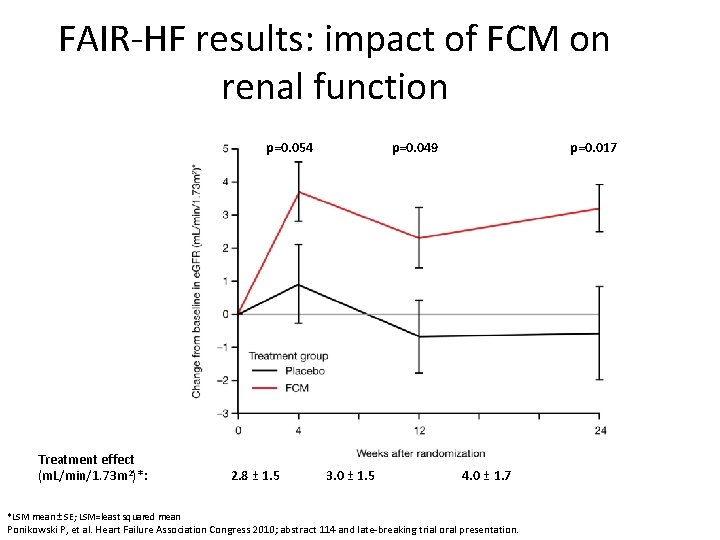
FAIR-HF results: impact of FCM on renal function p=0. 054 Treatment effect (m. L/min/1. 73 m 2)*: *LSM mean ± SE; LSM=least squared mean 2. 8 ± 1. 5 p=0. 049 3. 0 ± 1. 5 p=0. 017 4. 0 ± 1. 7 Ponikowski P, et al. Heart Failure Association Congress 2010; abstract 114 and late-breaking trial oral presentation.
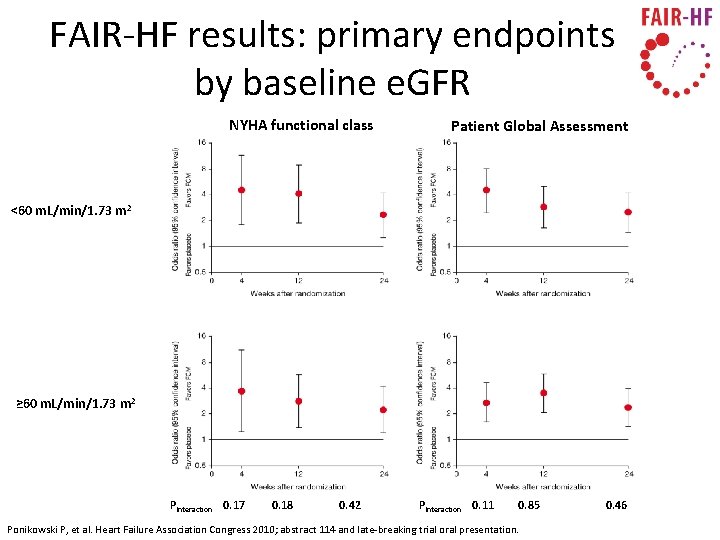
FAIR-HF results: primary endpoints by baseline e. GFR NYHA functional class Patient Global Assessment <60 m. L/min/1. 73 m 2 ≥ 60 m. L/min/1. 73 m 2 PInteraction 0. 17 0. 18 0. 42 PInteraction 0. 11 0. 85 Ponikowski P, et al. Heart Failure Association Congress 2010; abstract 114 and late-breaking trial oral presentation. 0. 46
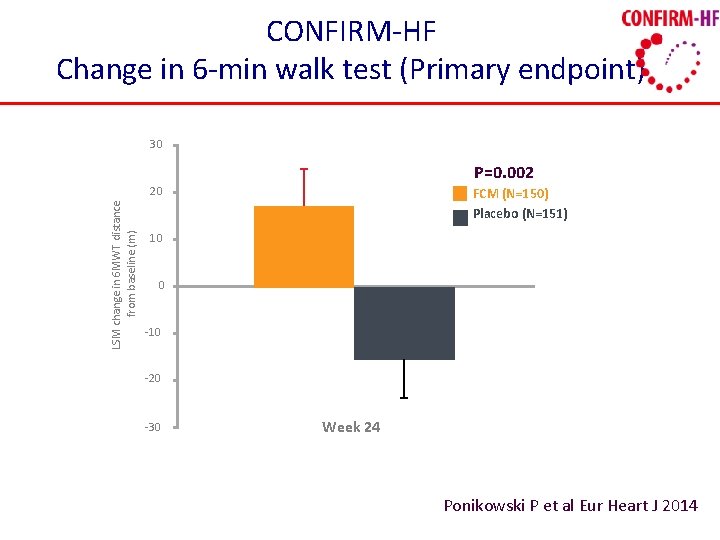
CONFIRM-HF Change in 6 -min walk test (Primary endpoint) 30 P=0. 002 LSM change in 6 MWT distance from baseline (m) 20 FCM (N=150) Placebo (N=151) 10 0 -10 -20 -30 Week 24 Ponikowski P et al Eur Heart J 2014
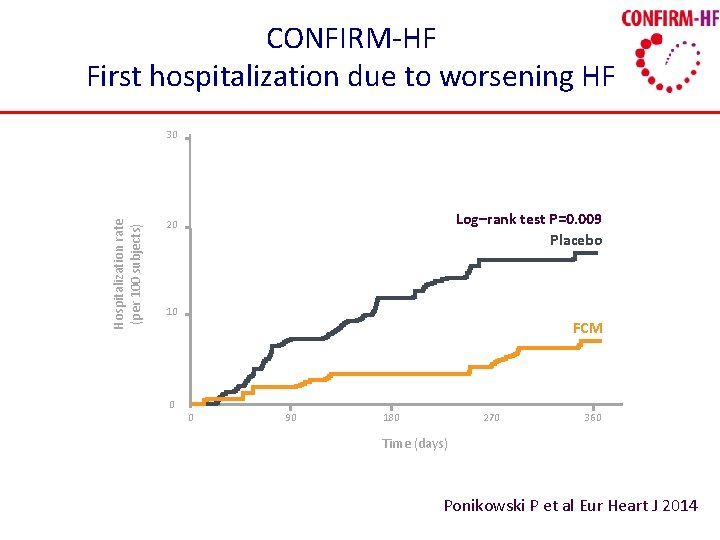
CONFIRM-HF First hospitalization due to worsening HF Hospitalization rate (per 100 subjects) 30 Log–rank test P=0. 009 Placebo 20 10 0 FCM 0 90 180 270 360 Time (days) Ponikowski P et al Eur Heart J 2014
38
39
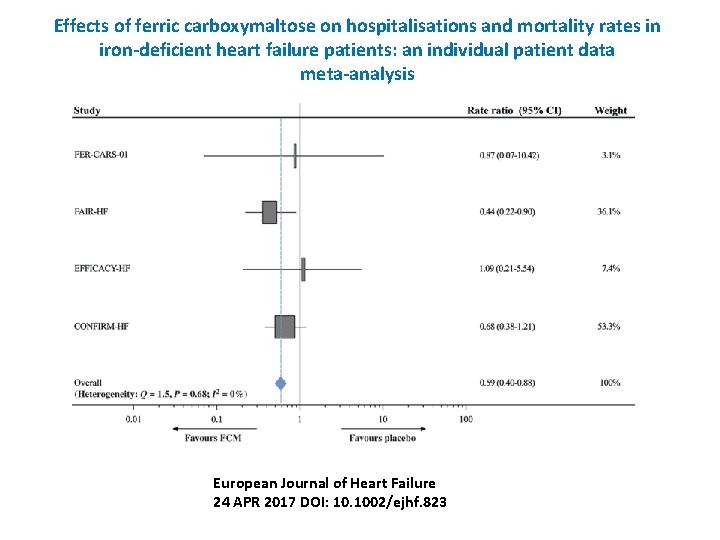
Effects of ferric carboxymaltose on hospitalisations and mortality rates in iron‐deficient heart failure patients: an individual patient data meta‐analysis European Journal of Heart Failure 24 APR 2017 DOI: 10. 1002/ejhf. 823
42
43
44
45
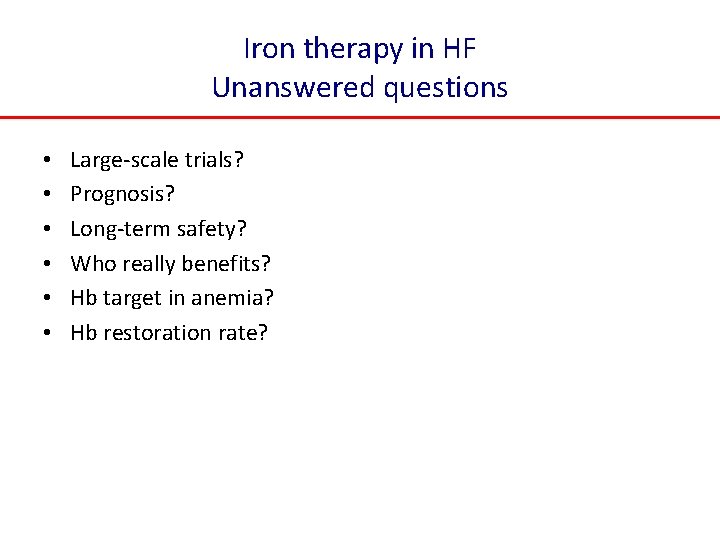
Iron therapy in HF Unanswered questions • • • Large-scale trials? Prognosis? Long-term safety? Who really benefits? Hb target in anemia? Hb restoration rate?
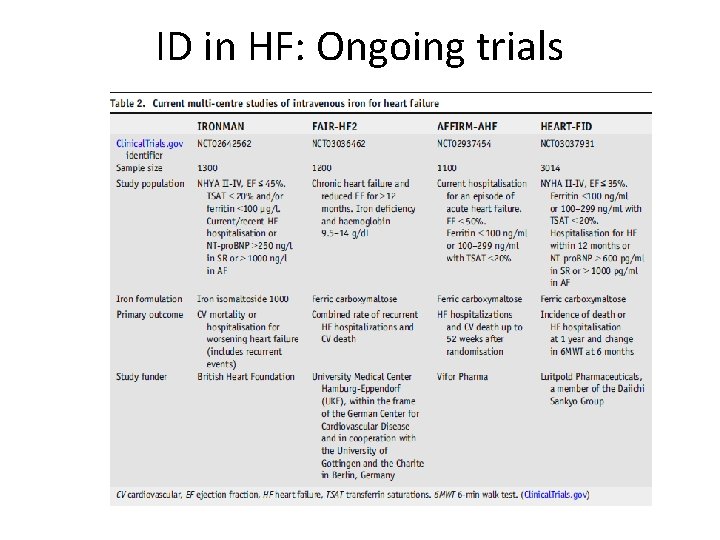
ID in HF: Ongoing trials
THANK YOU FOR ATTENDING