
Management of Hyperglycemia Endocrinology Department of Setthathirath Hospital









- Slides: 56
Management of Hyperglycemia Endocrinology Department of Setthathirath Hospital
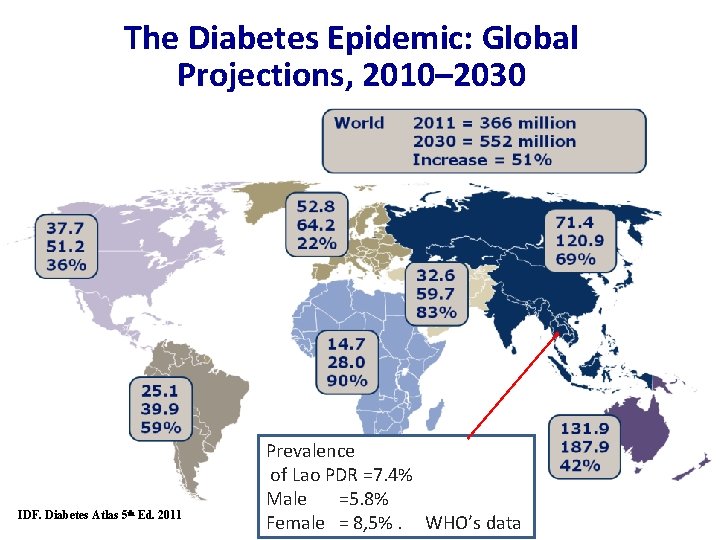
The Diabetes Epidemic: Global Projections, 2010– 2030 IDF. Diabetes Atlas 5 th Ed. 2011 Prevalence of Lao PDR =7. 4% Male =5. 8% Female = 8, 5%. WHO’s data
CLASSIFICATION AND DIAGNOSIS
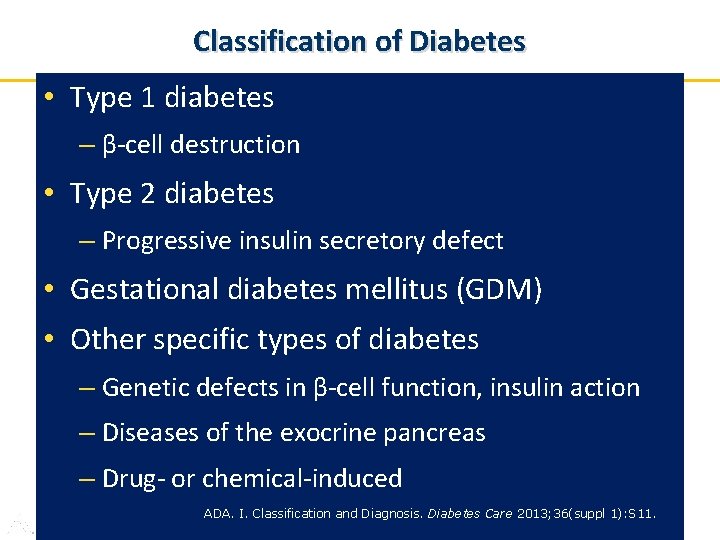
Classification of Diabetes • Type 1 diabetes – β-cell destruction • Type 2 diabetes – Progressive insulin secretory defect • Gestational diabetes mellitus (GDM) • Other specific types of diabetes – Genetic defects in β-cell function, insulin action – Diseases of the exocrine pancreas – Drug- or chemical-induced ADA. I. Classification and Diagnosis. Diabetes Care 2013; 36(suppl 1): S 11.
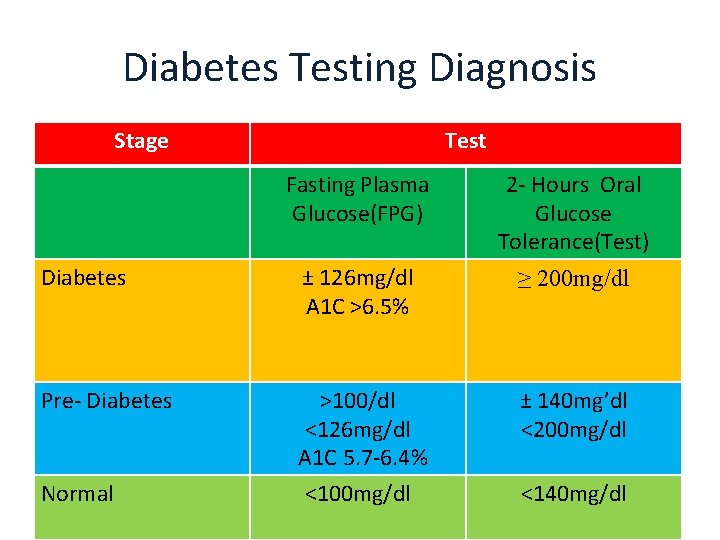
Diabetes Testing Diagnosis Stage Test Fasting Plasma Glucose(FPG) 2 - Hours Oral Glucose Tolerance(Test) Diabetes ± 126 mg/dl A 1 C >6. 5% ≥ 200 mg/dl Pre- Diabetes >100/dl <126 mg/dl A 1 C 5. 7 -6. 4% <100 mg/dl ± 140 mg’dl <200 mg/dl Normal <140 mg/dl
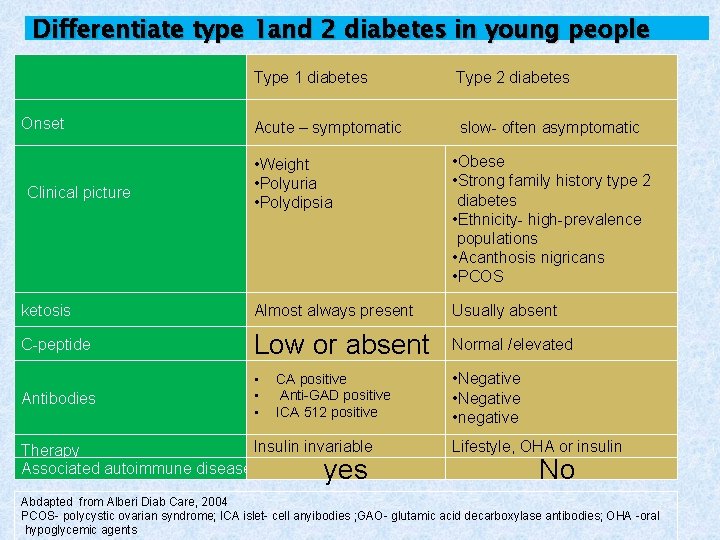
Differentiate type 1 and 2 diabetes in young people Onset Type 1 diabetes Type 2 diabetes Acute – symptomatic slow- often asymptomatic • Weight • Polyuria • Polydipsia • Obese • Strong family history type 2 diabetes • Ethnicity- high-prevalence populations • Acanthosis nigricans • PCOS ketosis Almost always present Usually absent C-peptide Low or absent Normal /elevated Antibodies • • Negative • negative Clinical picture CA positive Anti-GAD positive ICA 512 positive Insulin invariable Therapy Associated autoimmune disease yes Lifestyle, OHA or insulin No Abdapted from Alberi Diab Care, 2004 PCOS- polycystic ovarian syndrome; ICA islet- cell anyibodies ; GAO- glutamic acid decarboxylase antibodies; OHA -oral hypoglycemic agents
DETECTION AND DIAGNOSIS OF GESTATIONAL DIABETES MELLITUS (GDM)
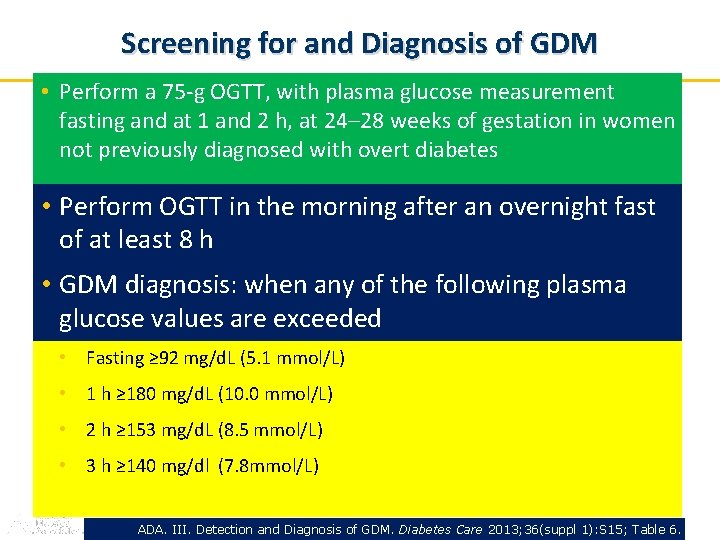
Screening for and Diagnosis of GDM • Perform a 75 -g OGTT, with plasma glucose measurement fasting and at 1 and 2 h, at 24– 28 weeks of gestation in women not previously diagnosed with overt diabetes • Perform OGTT in the morning after an overnight fast of at least 8 h • GDM diagnosis: when any of the following plasma glucose values are exceeded • Fasting ≥ 92 mg/d. L (5. 1 mmol/L) • 1 h ≥ 180 mg/d. L (10. 0 mmol/L) • 2 h ≥ 153 mg/d. L (8. 5 mmol/L) • 3 h ≥ 140 mg/dl (7. 8 mmol/L) ADA. III. Detection and Diagnosis of GDM. Diabetes Care 2013; 36(suppl 1): S 15; Table 6.
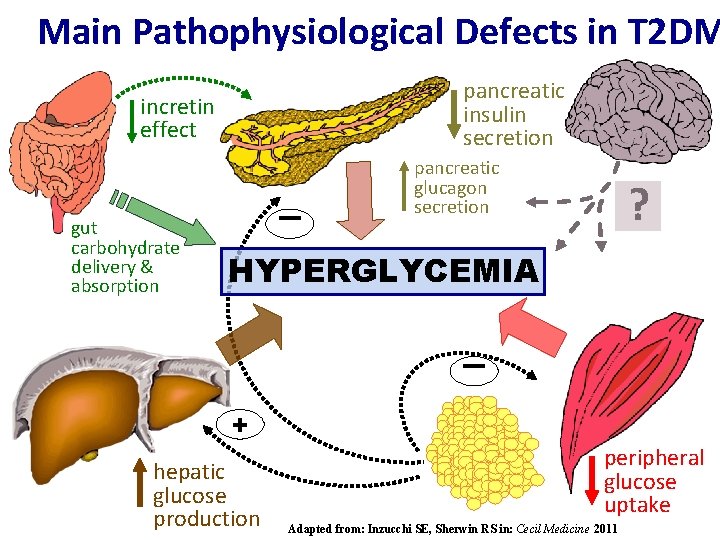
Main Pathophysiological Defects in T 2 DM pancreatic insulin secretion incretin effect - gut carbohydrate delivery & absorption pancreatic glucagon secretion ? HYPERGLYCEMIA + hepatic glucose production peripheral glucose uptake Adapted from: Inzucchi SE, Sherwin RS in: Cecil Medicine 2011
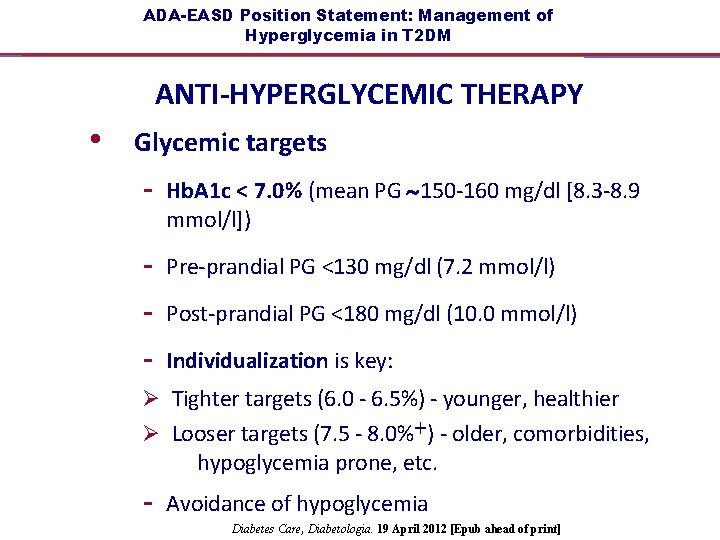
ADA-EASD Position Statement: Management of Hyperglycemia in T 2 DM ANTI-HYPERGLYCEMIC THERAPY • Glycemic targets - Hb. A 1 c < 7. 0% (mean PG 150 -160 mg/dl [8. 3 -8. 9 mmol/l]) - Pre-prandial PG <130 mg/dl (7. 2 mmol/l) - Post-prandial PG <180 mg/dl (10. 0 mmol/l) - Individualization is key: Ø Tighter targets (6. 0 - 6. 5%) - younger, healthier Ø Looser targets (7. 5 - 8. 0%+) - older, comorbidities, hypoglycemia prone, etc. - Avoidance of hypoglycemia Diabetes Care, Diabetologia. 19 April 2012 [Epub ahead of print]
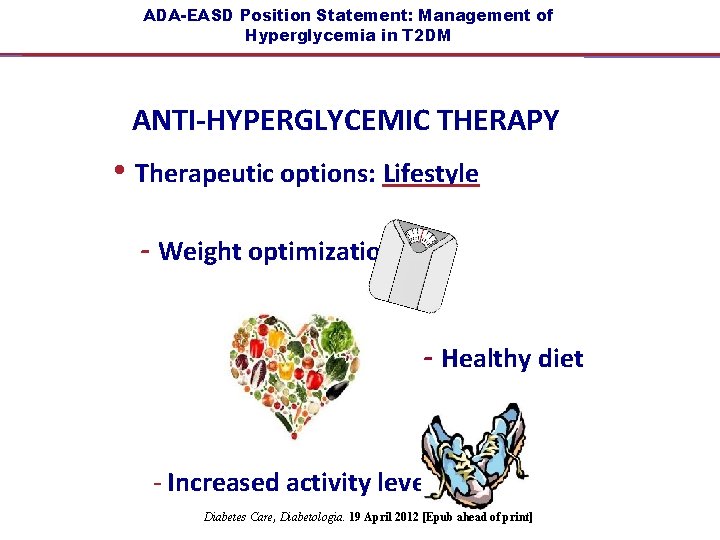
ADA-EASD Position Statement: Management of Hyperglycemia in T 2 DM ANTI-HYPERGLYCEMIC THERAPY • Therapeutic options: Lifestyle - Weight optimization - Healthy diet - Increased activity level Diabetes Care, Diabetologia. 19 April 2012 [Epub ahead of print]
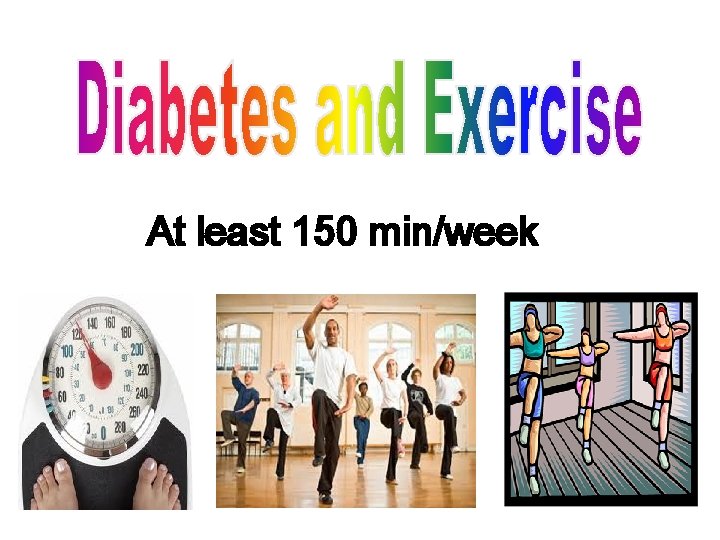
At least 150 min/week
Preparing before Exercise
Style of Exercises
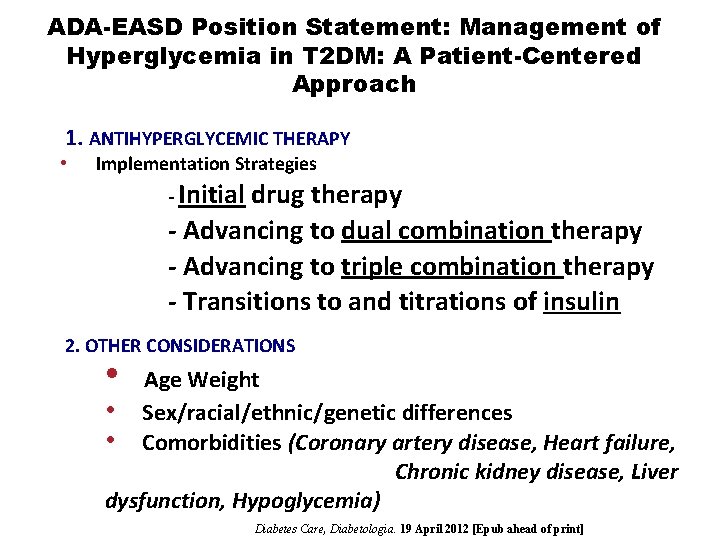
ADA-EASD Position Statement: Management of Hyperglycemia in T 2 DM: A Patient-Centered Approach 1. ANTIHYPERGLYCEMIC THERAPY • Implementation Strategies - Initial drug therapy - Advancing to dual combination therapy - Advancing to triple combination therapy - Transitions to and titrations of insulin 2. OTHER CONSIDERATIONS • Age Weight • Sex/racial/ethnic/genetic differences • Comorbidities (Coronary artery disease, Heart failure, Chronic kidney disease, Liver dysfunction, Hypoglycemia) Diabetes Care, Diabetologia. 19 April 2012 [Epub ahead of print]
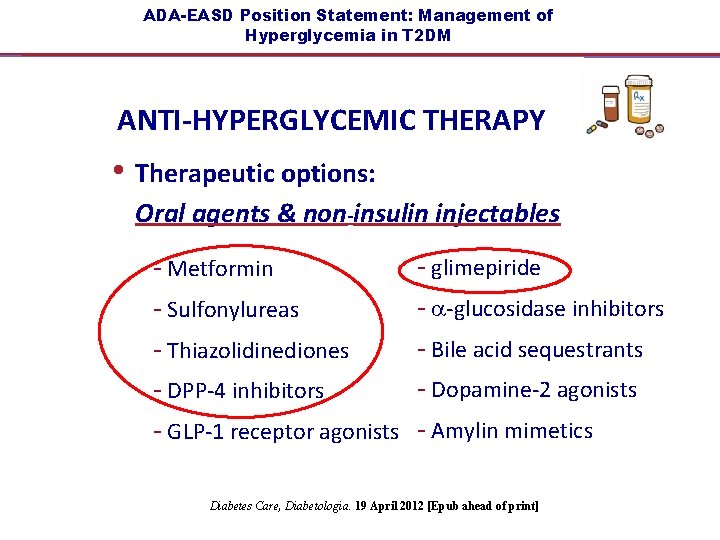
ADA-EASD Position Statement: Management of Hyperglycemia in T 2 DM ANTI-HYPERGLYCEMIC THERAPY • Therapeutic options: Oral agents & non-insulin injectables - Metformin - Sulfonylureas - Thiazolidinediones - DPP-4 inhibitors - GLP-1 receptor agonists - glimepiride - a-glucosidase inhibitors - Bile acid sequestrants - Dopamine-2 agonists - Amylin mimetics Diabetes Care, Diabetologia. 19 April 2012 [Epub ahead of print]
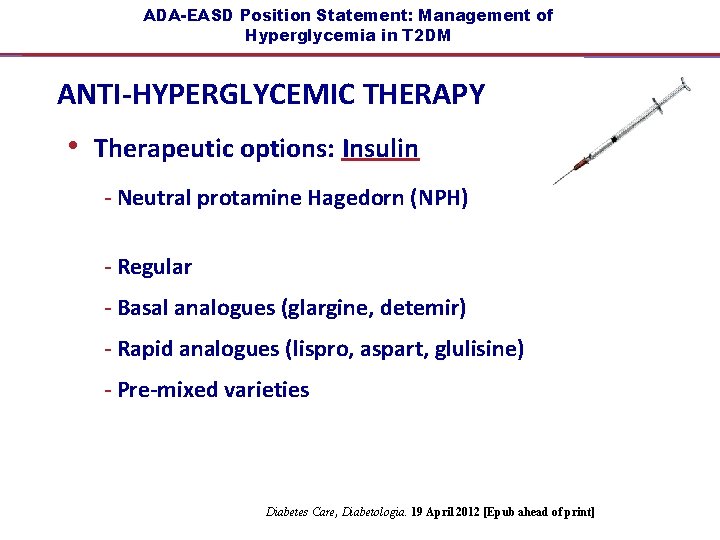
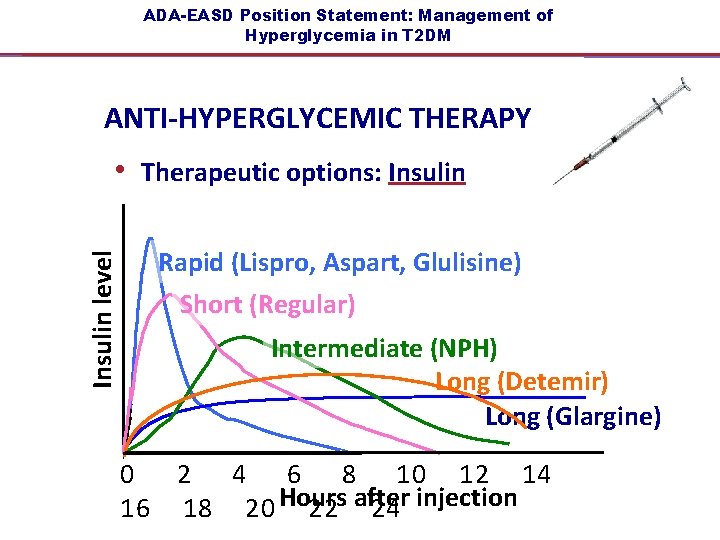
ADA-EASD Position Statement: Management of Hyperglycemia in T 2 DM ANTI-HYPERGLYCEMIC THERAPY • Therapeutic options: Insulin - Neutral protamine Hagedorn (NPH) - Regular - Basal analogues (glargine, detemir) - Rapid analogues (lispro, aspart, glulisine) - Pre-mixed varieties Diabetes Care, Diabetologia. 19 April 2012 [Epub ahead of print]
ADA-EASD Position Statement: Management of Hyperglycemia in T 2 DM ANTI-HYPERGLYCEMIC THERAPY • Implementation strategies: - Initial therapy Advancing to dual combination therapy Advancing to triple combination therapy Transitions to & titrations of insulin Diabetes Care, Diabetologia. 19 April 2012 [Epub ahead of print]
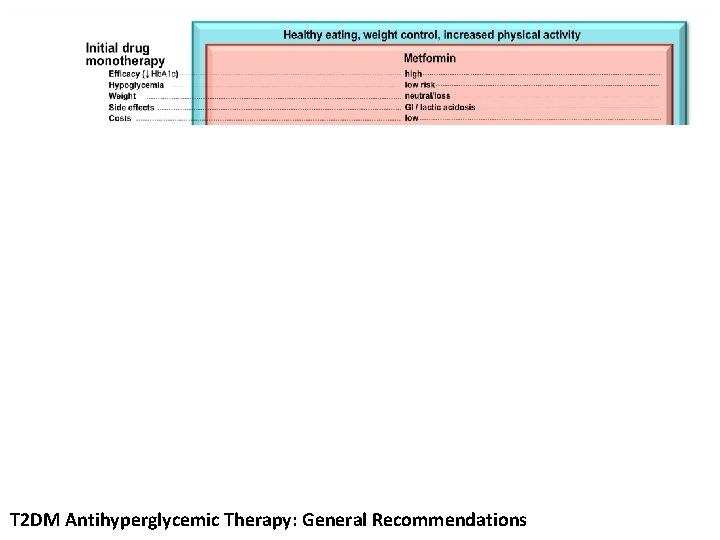
T 2 DM Antihyperglycemic Therapy: General Recommendations
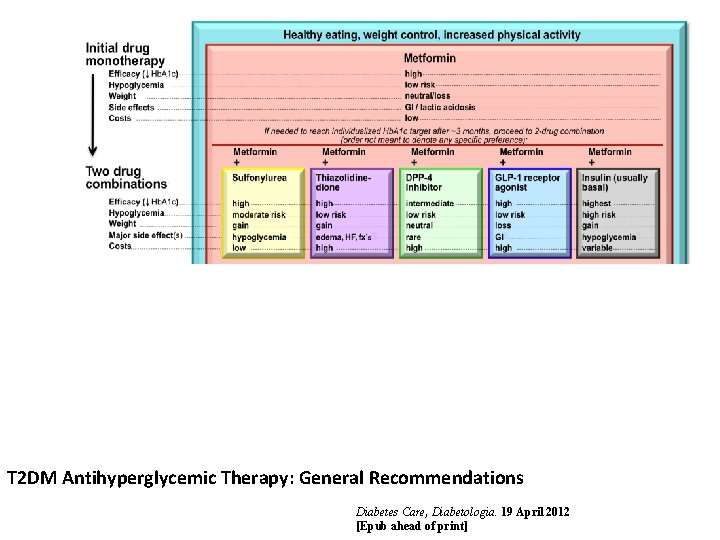
T 2 DM Antihyperglycemic Therapy: General Recommendations Diabetes Care, Diabetologia. 19 April 2012 [Epub ahead of print]
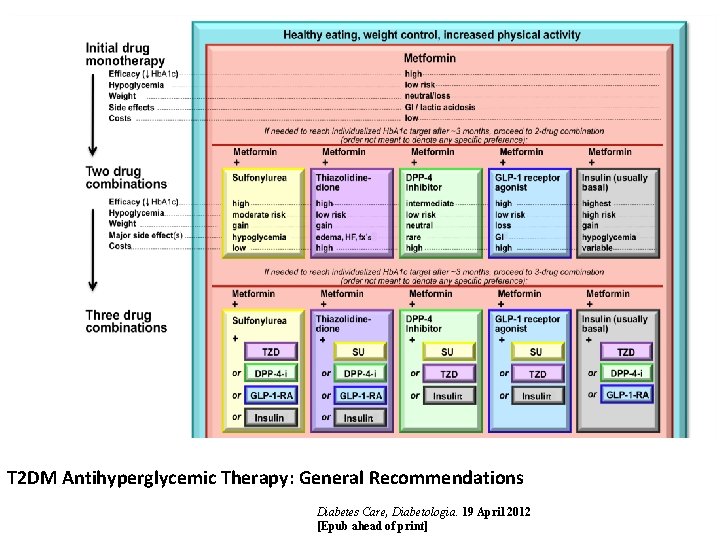
T 2 DM Antihyperglycemic Therapy: General Recommendations Diabetes Care, Diabetologia. 19 April 2012 [Epub ahead of print]
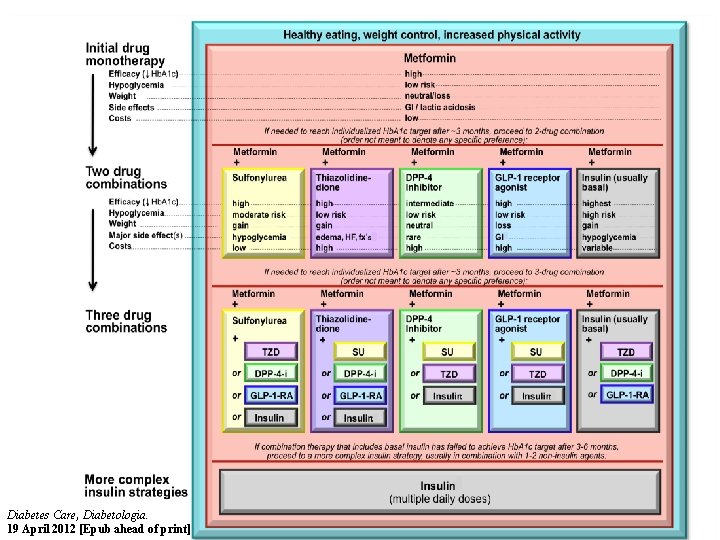
Diabetes Care, Diabetologia. 19 April 2012 [Epub ahead of print]
ADA-EASD Position Statement: Management of Hyperglycemia in T 2 DM ANTI-HYPERGLYCEMIC THERAPY Insulin level • Therapeutic options: Insulin Rapid (Lispro, Aspart, Glulisine) Short (Regular) Intermediate (NPH) Long (Detemir) Long (Glargine) Hours 0 2 4 6 8 10 12 14 16 18 20 Hours 22 after 24 injection
Recommendations: Insulin Therapy for Type 1 Diabetes • Most people with type 1 diabetes should use insulin analogues to reduce hypoglycemia risk • Consider screening those with type 1 diabetes for other autoimmune diseases (thyroid, vitamin B 12 deficiency, celiac) as appropriate ADA. V. Diabetes Care 2013; 36(suppl 1): S 21.
PREVENTION AND MANAGEMENT OF DIABETES COMPLICATIONS
Cardiovascular Disease (CVD) in Individuals with Diabetes • CVD is the major cause of morbidity, mortality for those with diabetes • Common conditions coexisting with type 2 diabetes (e. g. , hypertension, dyslipidemia) are clear risk factors for CVD • Diabetes itself confers independent risk • Benefits observed when individual cardiovascular risk factors are controlled to prevent/slow CVD in people with diabetes ADA. VI. Prevention, Management of Complications. Diabetes Care 2013; 36(suppl 1): S 28 -29.
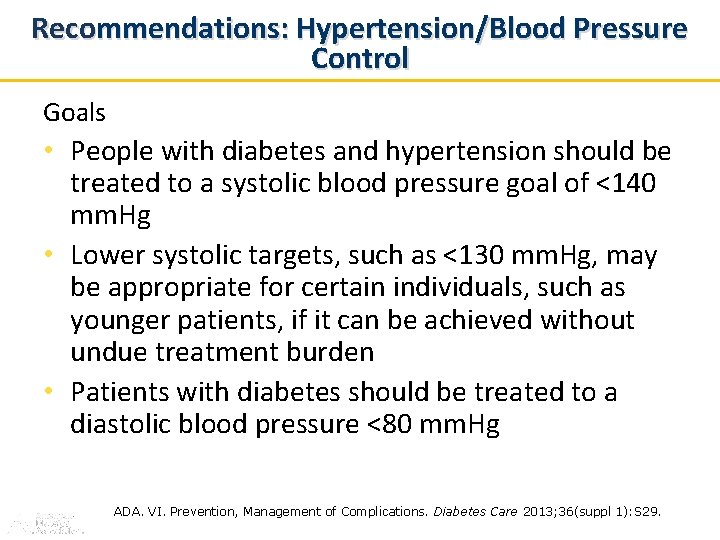
Recommendations: Hypertension/Blood Pressure Control Goals • People with diabetes and hypertension should be treated to a systolic blood pressure goal of <140 mm. Hg • Lower systolic targets, such as <130 mm. Hg, may be appropriate for certain individuals, such as younger patients, if it can be achieved without undue treatment burden • Patients with diabetes should be treated to a diastolic blood pressure <80 mm. Hg ADA. VI. Prevention, Management of Complications. Diabetes Care 2013; 36(suppl 1): S 29.
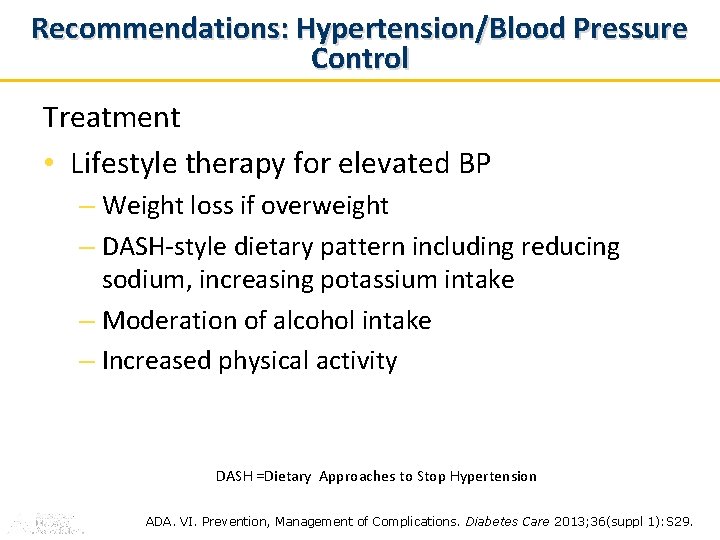
Recommendations: Hypertension/Blood Pressure Control Treatment • Lifestyle therapy for elevated BP – Weight loss if overweight – DASH-style dietary pattern including reducing sodium, increasing potassium intake – Moderation of alcohol intake – Increased physical activity DASH =Dietary Approaches to Stop Hypertension ADA. VI. Prevention, Management of Complications. Diabetes Care 2013; 36(suppl 1): S 29.
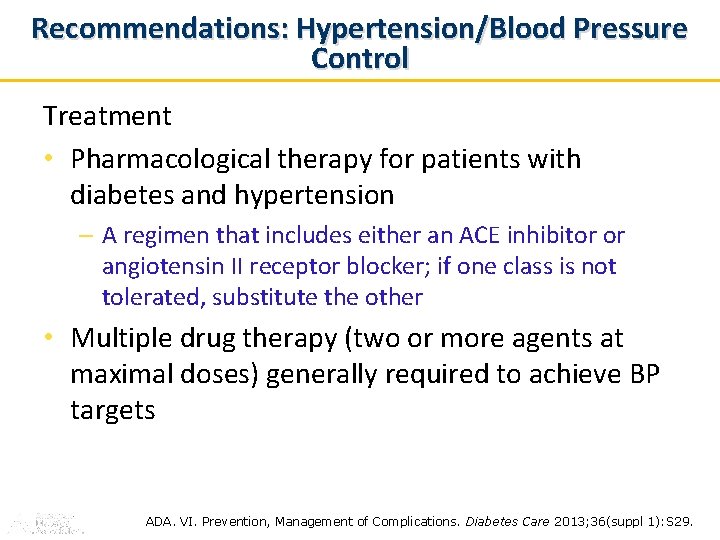
Recommendations: Hypertension/Blood Pressure Control Treatment • Pharmacological therapy for patients with diabetes and hypertension – A regimen that includes either an ACE inhibitor or angiotensin II receptor blocker; if one class is not tolerated, substitute the other • Multiple drug therapy (two or more agents at maximal doses) generally required to achieve BP targets ADA. VI. Prevention, Management of Complications. Diabetes Care 2013; 36(suppl 1): S 29.
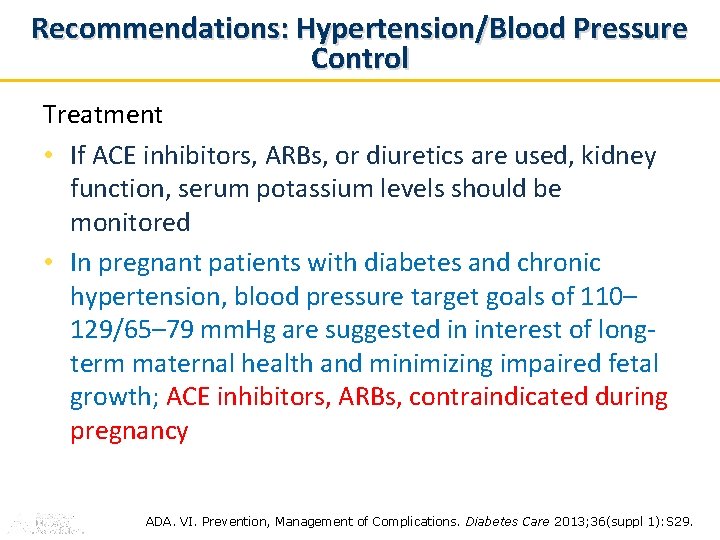
Recommendations: Hypertension/Blood Pressure Control Treatment • If ACE inhibitors, ARBs, or diuretics are used, kidney function, serum potassium levels should be monitored • In pregnant patients with diabetes and chronic hypertension, blood pressure target goals of 110– 129/65– 79 mm. Hg are suggested in interest of longterm maternal health and minimizing impaired fetal growth; ACE inhibitors, ARBs, contraindicated during pregnancy ADA. VI. Prevention, Management of Complications. Diabetes Care 2013; 36(suppl 1): S 29.
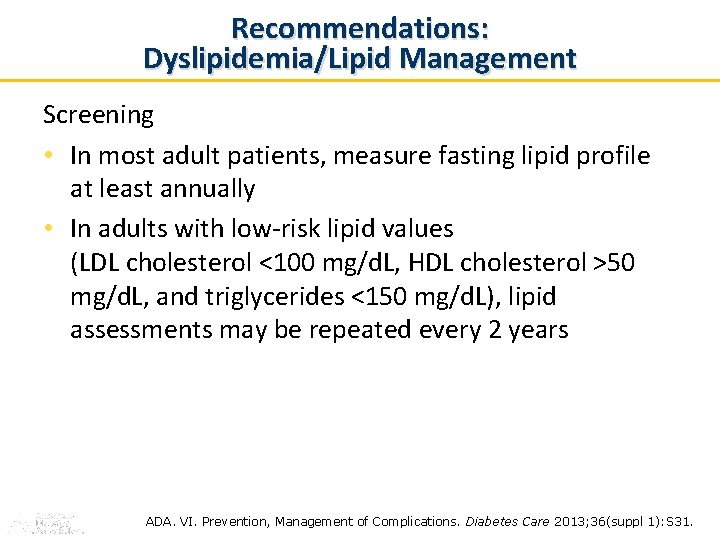
Recommendations: Dyslipidemia/Lipid Management Screening • In most adult patients, measure fasting lipid profile at least annually • In adults with low-risk lipid values (LDL cholesterol <100 mg/d. L, HDL cholesterol >50 mg/d. L, and triglycerides <150 mg/d. L), lipid assessments may be repeated every 2 years ADA. VI. Prevention, Management of Complications. Diabetes Care 2013; 36(suppl 1): S 31.
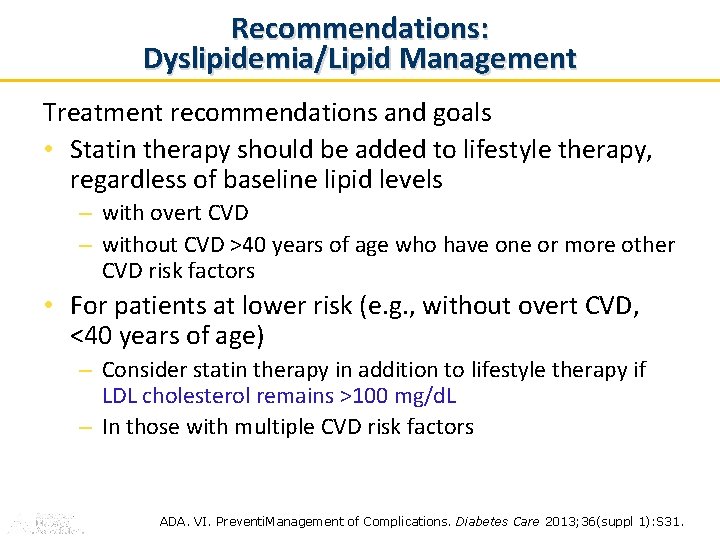
Recommendations: Dyslipidemia/Lipid Management Treatment recommendations and goals • Statin therapy should be added to lifestyle therapy, regardless of baseline lipid levels – with overt CVD – without CVD >40 years of age who have one or more other CVD risk factors • For patients at lower risk (e. g. , without overt CVD, <40 years of age) – Consider statin therapy in addition to lifestyle therapy if LDL cholesterol remains >100 mg/d. L – In those with multiple CVD risk factors ADA. VI. Preventi. Management of Complications. Diabetes Care 2013; 36(suppl 1): S 31. on,
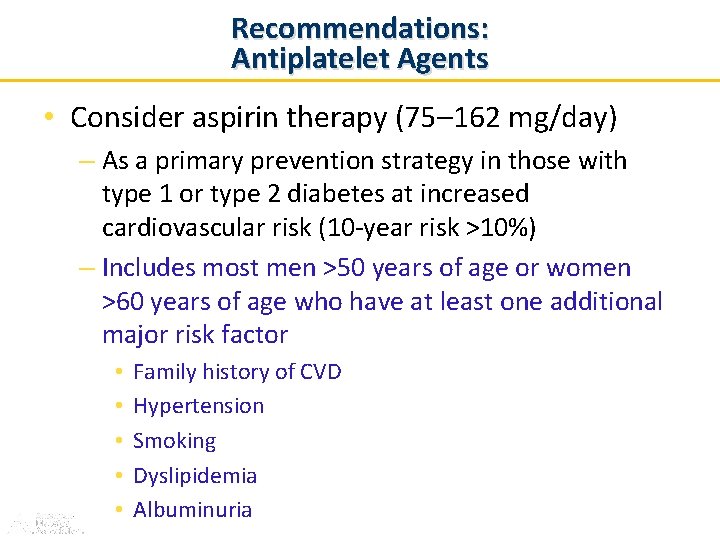
Recommendations: Antiplatelet Agents • Consider aspirin therapy (75– 162 mg/day) – As a primary prevention strategy in those with type 1 or type 2 diabetes at increased cardiovascular risk (10 -year risk >10%) – Includes most men >50 years of age or women >60 years of age who have at least one additional major risk factor • • • Family history of CVD Hypertension Smoking Dyslipidemia Albuminuria
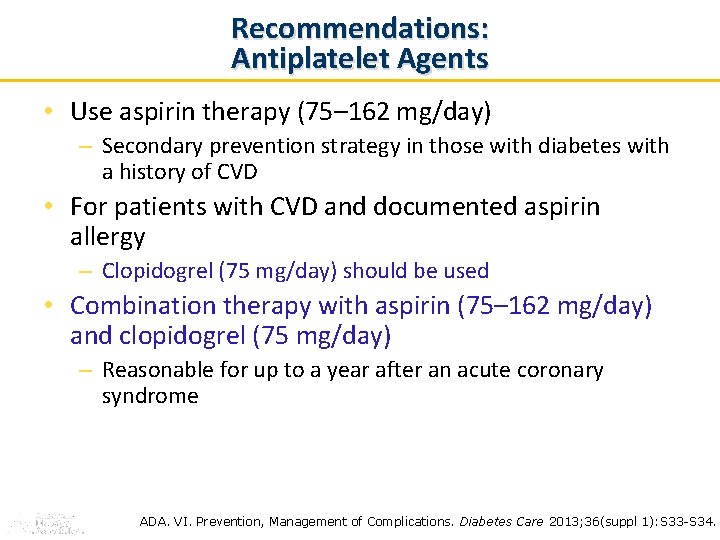
Recommendations: Antiplatelet Agents • Use aspirin therapy (75– 162 mg/day) – Secondary prevention strategy in those with diabetes with a history of CVD • For patients with CVD and documented aspirin allergy – Clopidogrel (75 mg/day) should be used • Combination therapy with aspirin (75– 162 mg/day) and clopidogrel (75 mg/day) – Reasonable for up to a year after an acute coronary syndrome ADA. VI. Prevention, Management of Complications. Diabetes Care 2013; 36(suppl 1): S 33 -S 34.
Recommendations: Smoking Cessation • Advise all patients not to smoke or use tobacco products • Include smoking cessation counseling and other forms of treatment as a routine component of diabetes care ADA. VI. Prevention, Management of Complications. Diabetes Care 2013; 36(suppl 1): S 34.
Recommendations: Coronary Heart Disease Treatment • To reduce risk of cardiovascular events in patients with known CVD, consider – ACE inhibitor – Aspirin* – Statin therapy* • In patients with a prior MI – β-blockers should be continued for at least 2 years after the event *If not contraindicated. ADA. VI. Prevention, Management of Complications. Diabetes Care 2013; 36(suppl 1): S 34.
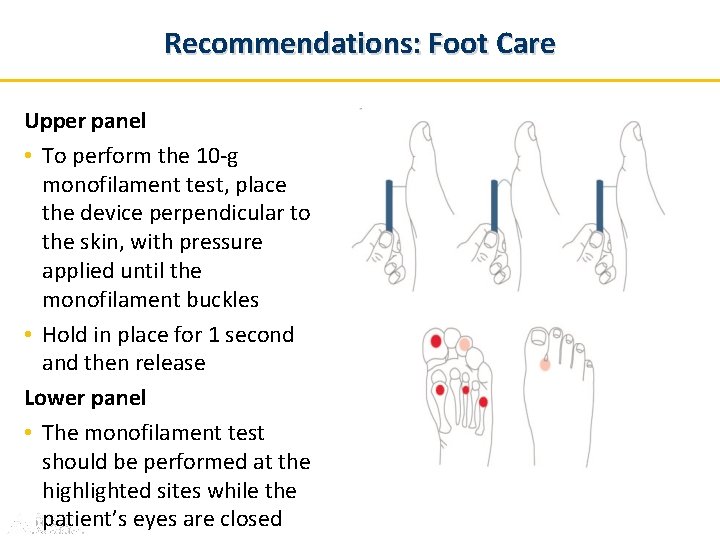
Recommendations: Foot Care Upper panel • To perform the 10 -g monofilament test, place the device perpendicular to the skin, with pressure applied until the monofilament buckles • Hold in place for 1 second and then release Lower panel • The monofilament test should be performed at the highlighted sites while the patient’s eyes are closed Boulton AJM, et al. Diabetes Care. 2008; 31: 1679 -1685.
Recommendations: Foot Care • Initial screening for peripheral arterial disease (PAD) – Include a history for claudication, assessment of pedal pulses – Consider obtaining an ankle-brachial index (ABI); many patients with PAD are asymptomatic • Refer patients with significant claudication or a positive ABI for further vascular assessment – Consider exercise, medications, surgical options ADA. VI. Prevention, Management of Complications. Diabetes Care 2013; 36(suppl 1): S 38.
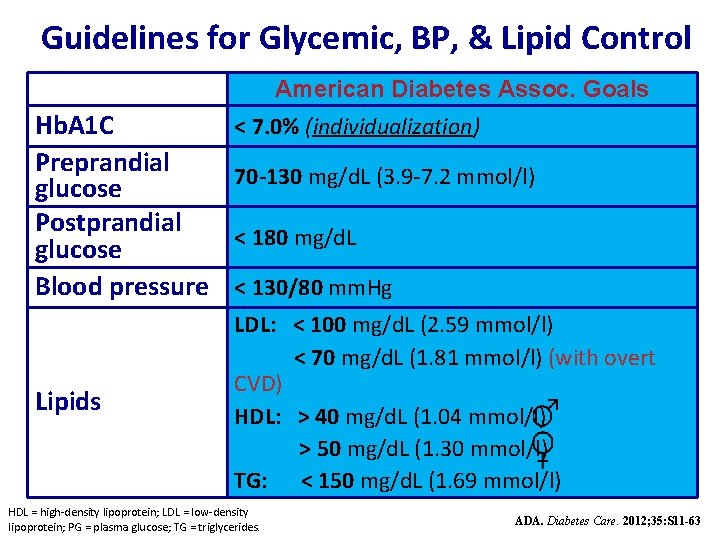
Guidelines for Glycemic, BP, & Lipid Control American Diabetes Assoc. Goals Hb. A 1 C Preprandial glucose Postprandial glucose Blood pressure Lipids < 7. 0% (individualization) 70 -130 mg/d. L (3. 9 -7. 2 mmol/l) < 180 mg/d. L < 130/80 mm. Hg LDL: < 100 mg/d. L (2. 59 mmol/l) < 70 mg/d. L (1. 81 mmol/l) (with overt CVD) HDL: > 40 mg/d. L (1. 04 mmol/l) > 50 mg/d. L (1. 30 mmol/l) TG: < 150 mg/d. L (1. 69 mmol/l) HDL = high-density lipoprotein; LDL = low-density lipoprotein; PG = plasma glucose; TG = triglycerides. ADA. Diabetes Care. 2012; 35: S 11 -63
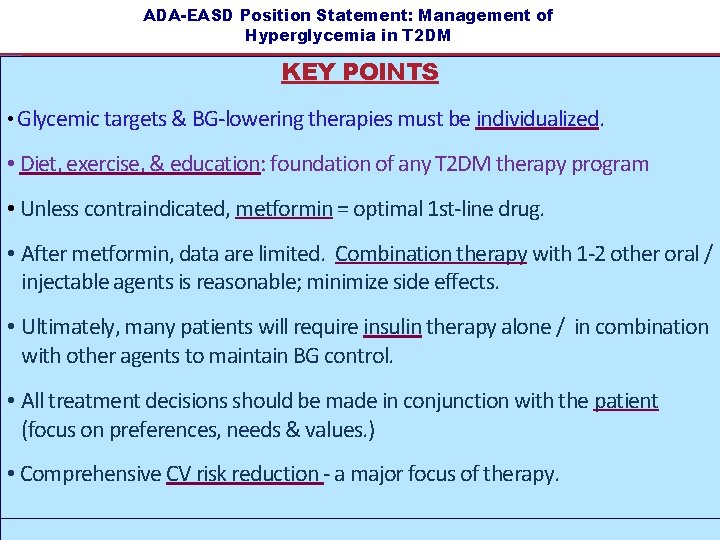
ADA-EASD Position Statement: Management of Hyperglycemia in T 2 DM KEY POINTS • Glycemic targets & BG-lowering therapies must be individualized. • Diet, exercise, & education: foundation of any T 2 DM therapy program • Unless contraindicated, metformin = optimal 1 st-line drug. • After metformin, data are limited. Combination therapy with 1 -2 other oral / injectable agents is reasonable; minimize side effects. • Ultimately, many patients will require insulin therapy alone / in combination with other agents to maintain BG control. • All treatment decisions should be made in conjunction with the patient (focus on preferences, needs & values. ) • Comprehensive CV risk reduction - a major focus of therapy.
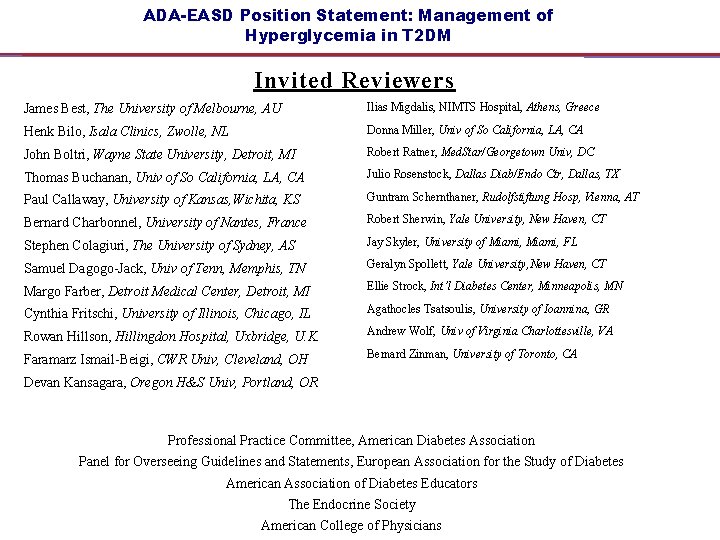
ADA-EASD Position Statement: Management of Hyperglycemia in T 2 DM Invited Reviewers James Best, The University of Melbourne, AU Ilias Migdalis, NIMTS Hospital, Athens, Greece Henk Bilo, Isala Clinics, Zwolle, NL Donna Miller, Univ of So California, LA, CA John Boltri, Wayne State University, Detroit, MI Robert Ratner, Med. Star/Georgetown Univ, DC Thomas Buchanan, Univ of So California, LA, CA Julio Rosenstock, Dallas Diab/Endo Ctr, Dallas, TX Paul Callaway, University of Kansas, Wichita, KS Guntram Schernthaner, Rudolfstiftung Hosp, Vienna, AT Bernard Charbonnel, University of Nantes, France Robert Sherwin, Yale University, New Haven, CT Stephen Colagiuri, The University of Sydney, AS Jay Skyler, University of Miami, FL Samuel Dagogo-Jack, Univ of Tenn, Memphis, TN Geralyn Spollett, Yale University, New Haven, CT Margo Farber, Detroit Medical Center, Detroit, MI Ellie Strock, Int’l Diabetes Center, Minneapolis, MN Cynthia Fritschi, University of Illinois, Chicago, IL Agathocles Tsatsoulis, University of Ioannina, GR Rowan Hillson, Hillingdon Hospital, Uxbridge, U. K. Andrew Wolf, Univ of Virginia Charlottesville, VA Faramarz Ismail-Beigi, CWR Univ, Cleveland, OH Bernard Zinman, University of Toronto, CA Devan Kansagara, Oregon H&S Univ, Portland, OR Professional Practice Committee, American Diabetes Association Panel for Overseeing Guidelines and Statements, European Association for the Study of Diabetes American Association of Diabetes Educators The Endocrine Society American College of Physicians