
Management of Exacerbations of COPD 9 A 1
Management of Exacerbations of COPD (9 -A ) 1 Dr Mazen Qusaibaty MD, DIS / Head Pulmonary and Internist Department Ibnalnafisse Hospital Ministry of Syrian health Email: qusaibaty@gmail. com
I. Risk Factors For COPD Exacerbation + Triggers II. Clinical Manifestations III. Evaluation and Diagnosis + Triage to Home or Hospital 2
Risk Factors For COPD Exacerbation 3
• Advanced age • Productive cough • Duration of COPD • History of antibiotic Therapy 4
• COPD-related hospitalization within the previous year • Chronic mucous Hypersecretion • Theophylline therapy 5
• Having one or more comorbidities : ¶Ischemic heart disease ¶Chronic heart failure ¶Diabetes mellitus 6

�FEV 1 7
Severity of COPD ↕↕ History of prior exacerbations 8
Gastroesophageal reflux disease 9
Pulmonary Hypertension 10
11
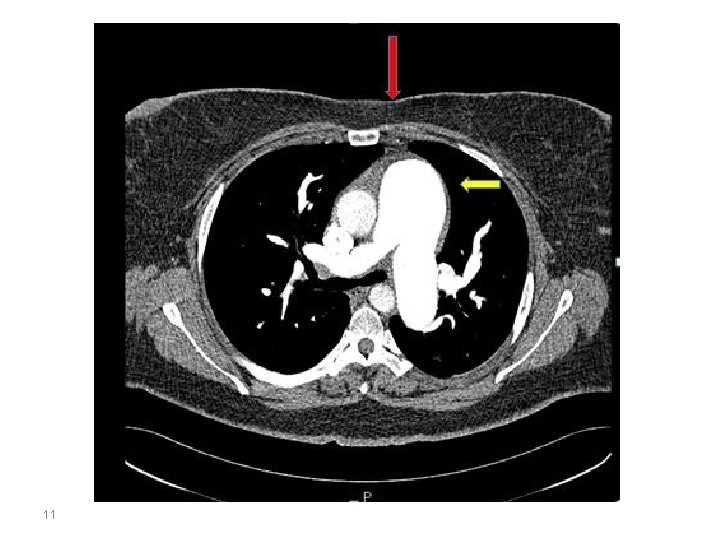
§ PA: A ratio > 1 § �severe exacerbation 12
Triggers
• Respiratory infections ¶ 70 % of COPD exacerbations • Virus • Bacteria • Atypical ? ? ? Mohan A, Chandra S, Agarwal D, et al. Prevalence of viral infection detected by PCR and RT-PCR in patients with acute exacerbation of COPD: a systematic review. Respirology 2010; 15: 536. 14
• 30 percent of COPD exacerbation ¶Environmental Pollution ¶Pulmonary Embolism (25%) ¶Unknown Etiology (Heart disorders) Barnes PJ. Chronic obstructive pulmonary disease. N Engl J Med 2000; 343: 269. 15
The clinical manifestations of exacerbations of COPD 16
Mild increase in dyspnea or productive cough Respiratory Failure • Acute Respiratory Acidosis • Hypoxemia 17

Medical History 18
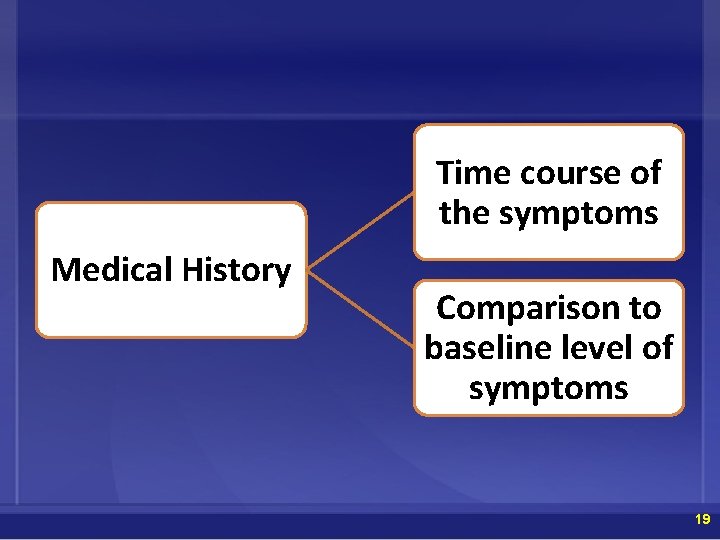
Time course of the symptoms Medical History Comparison to baseline level of symptoms 19
• Medical history: ¶Delineation of Sputum characteristics • Amount • Purulence • Blood 20
Medical history Severity of respiratory compromise Dyspnea at rest, Dyspnea climbing stairs 21
Fever, chills, night sweats Medical history Chest pain, chest pressure, or peripheral edema Upper respiratory symptoms (virus) 22

Details about The past history of exacerbations 23
• The past history of exacerbations should be ascertained ¶Number of prior exacerbations ¶Courses of systemic Glucocorticoids ¶Exacerbations requiring hospitalization or ventilatory support 24
Physical examination 25
• Physical examination ¶Wheezing ¶Tachypnea 26
• Features of respiratory compromise ¶Difficulty speaking due to respiratory effort 27
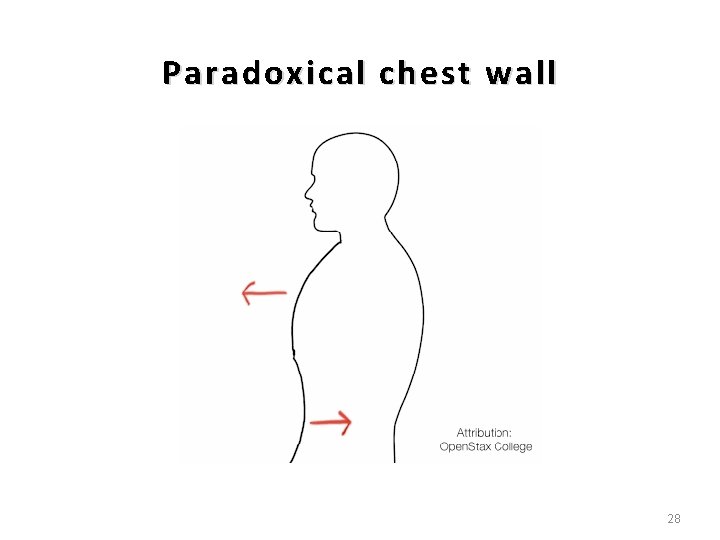
Paradoxical chest wall 28
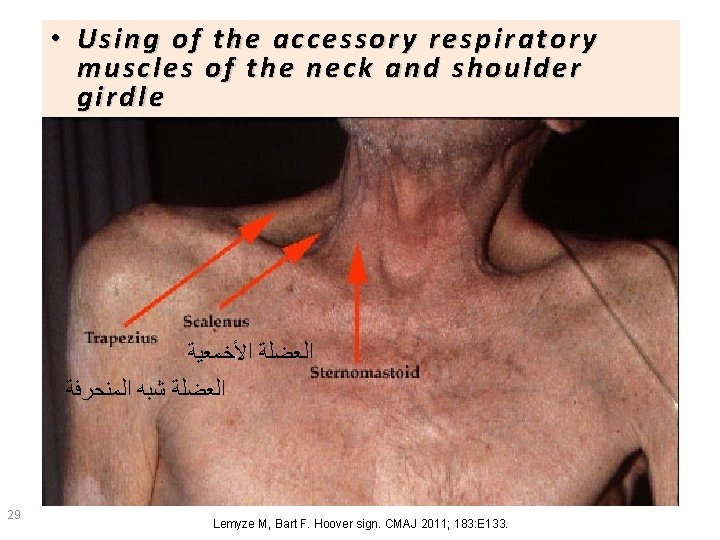
• Using of the accessory respir atory respira tory muscle muscl ess of the neck and shoulder shoul der girdle gi rdl e ﺍﻟﻌﻀﻠﺔ ﺍﻷﺨﻤﻌﻴﺔ ﺍﻟﻌﻀﻠﺔ ﺷﺒﻪ ﺍﻟﻤﻨﺤﺮﻓﺔ 29 Lemyze M, Bart F. Hoover sign. CMAJ 2011; 183: E 133.
• Decreased Mental Status ¶Hypercapnia or Hypoxemia 30
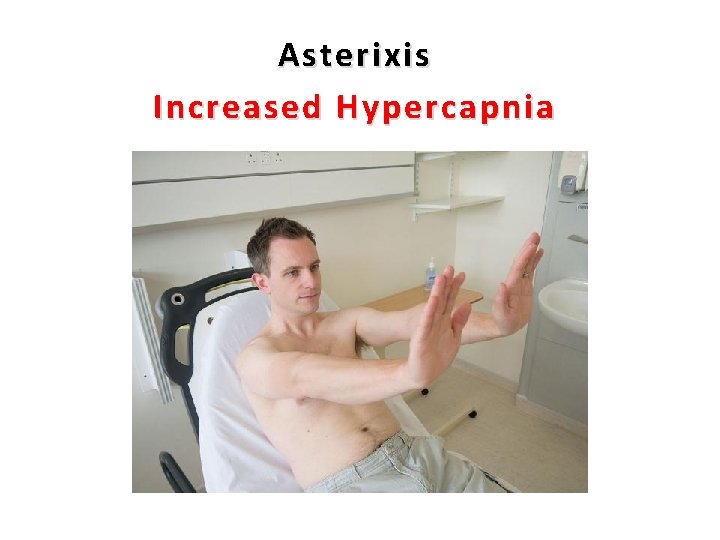
Asterixis Increased Hypercapnia
• Fever • Hypotension • Bibasilar fine crackles • Peripheral edema 32
Evaluation + Diagnosis 33
Goals • • Confirm the diagnosis Identify the cause (when possible) Assess the severity Determine whether comorbidities are contributing 34
• Initial evaluation ¶Mild exacerbation • Clinical assessment • Pulse oxygen saturation 35
• For patients who require emergency department care ¶Pulse oxygen saturation ¶A chest radiograph ¶Laboratory studies ¶Arterial blood gas analysis 36
• For patients who require emergency department care ¶Electrocardiogram ¶Cardiac Troponins ¶Plasma brain natriuretic peptide (BNP ) ¶D-dimer 37
• Sputum Gram stain and culture ¶Not useful ¶May be helpful ( Unsuccessful treatment with Antibiotic ) • PCR diagnostic panels (Viruses) 38
Differential Diagnosis 39
• Differential Diagnosis: ¶Acute worsening of dyspnea • All causes of dyspnea 40
• Acute worsening of dyspnea ¶Heart Failure ¶Pulmonary Thromboembolism ¶Pneumonia ¶Pneumothorax Zvezdin B, Milutinov S, Kojicic M, et al. A postmortem analysis of major causes of early death in patients hospitalized with COPD exacerbation. Chest 2009; 136: 376. 41
Triage to Home or Hospital 42

43 • Criteria ¶Management at Hospital
to Hospital • Inadequate response to outpatient or • Emergency department management 44
to Hospital • ���Dyspnea over baseline ¶New onset resting dyspnea 45
to Hospital • Severe underlying COPD: ¶FEV 1 ≤ 50 percent of predicted 46
to Hospital • Inability to eat or sleep due to symptoms 47
to Hospital • New cyanosis or worsening hypoxemia 48
to Hospital • Acute or acute-on-chronic respiratory acidosis 49
to Hospital • Changes in mental status 50
to Hospital • Insufficient Home support 51
to Hospital • History of frequent exacerbation 52
• High risk comorbidities including : ¶Pneumonia ¶Cardiac Arrhythmia ¶Heart Failure ¶Diabetes Mellitus ¶Renal Failure ¶Liver Failure 53

54
• Intensive Home Care ¶Nurse visits ¶Home oxygen ¶Physical therapy Hernandez C, Casas A, Escarrabill J, et al. Home hospitalisation of exacerbated chronic obstructive pulmonary disease patients. Eur Respir J 2003; 21: 58 55
• Intensive Home Care ¶Cost savings • Patient and family education Hernandez C, Casas A, Escarrabill J, et al. Home hospitalisation of exacerbated chronic obstructive pulmonary disease patients. Eur Respir J 2003; 21: 58 56

- Slides: 57