
Management of Common Neuropsychiatric Problems Mild cognitive impairment
Management of Common Neuropsychiatric Problems �. ������������������������ Mild cognitive impairment Medication-induced movement disorder
Management of Common Neuropsychiatric Problems รศ. นพ. สมศกด ภาควชาอายรศาสตร Headache เทยมเกา
Management of Common Neuropsychiatric Problems �. ������������������������ Mild cognitive impairment Medication-induced movement disorder
Mx of common neuropsychiatric problems. 1 Mild cognitive impairment. 2 Medication - induced movement disorders
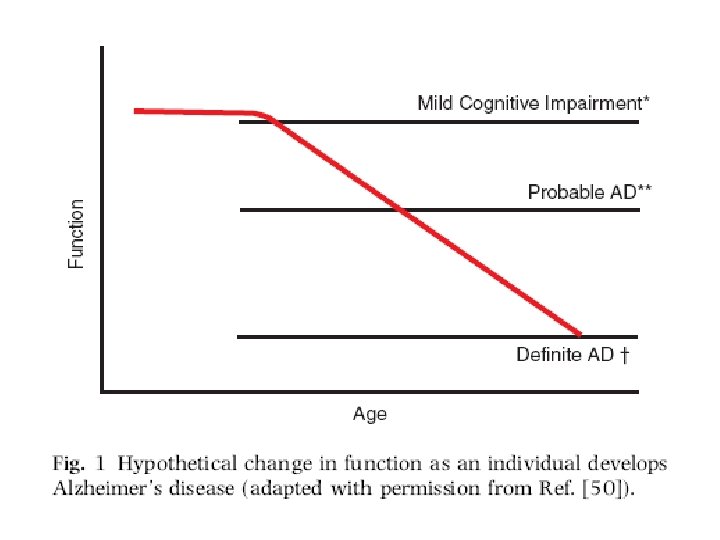
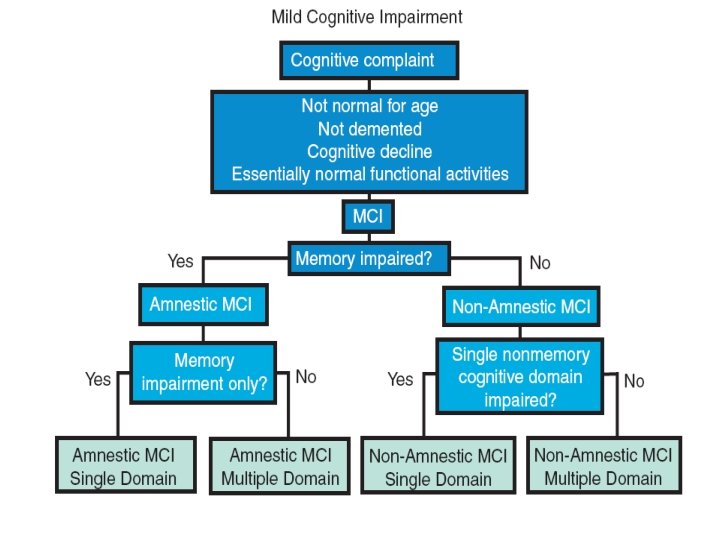
Mild Cognitive Impairment (MCI) n def • Remains a research construct • Memory loss in the transitional zone between normal aging memory loss and very early Alzheimer’s disease =Dementia prodrome, incipient dementia, isolated memory impairment, cognitive impairment no dementia. =Pathological, not a manifestation of aging
MCI its construct MCI has been proposed to identify the individual at an earlier point in the cognitive decline such that if therapeutic interventions become available, clinician can intervene at this juncture
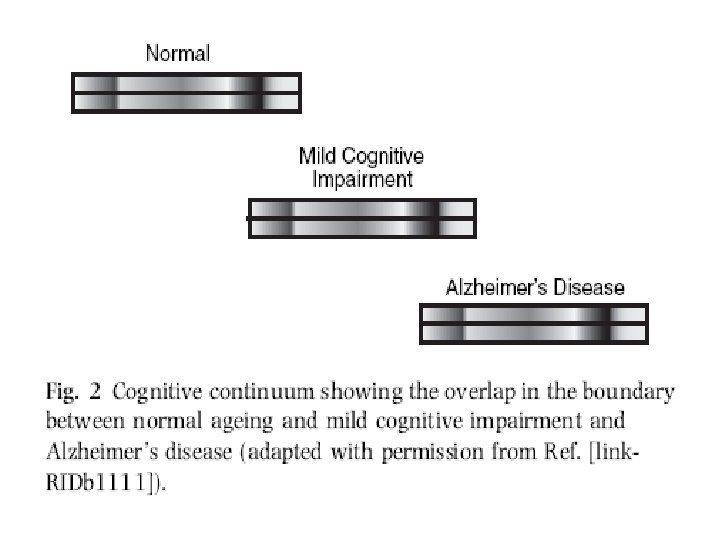
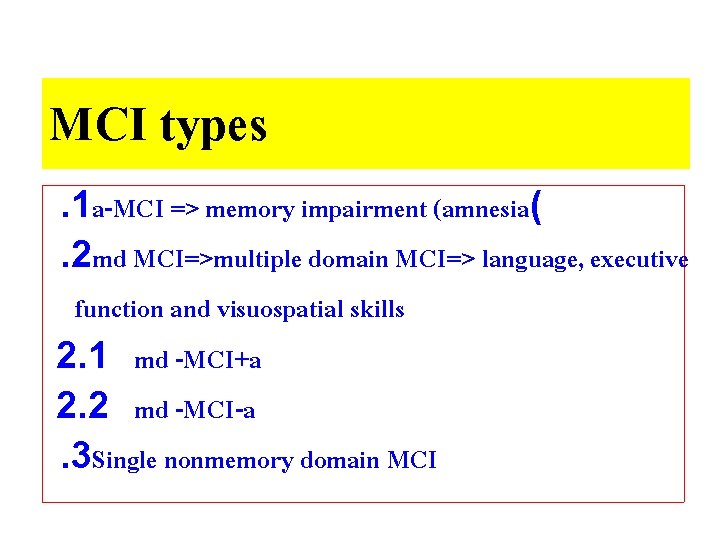
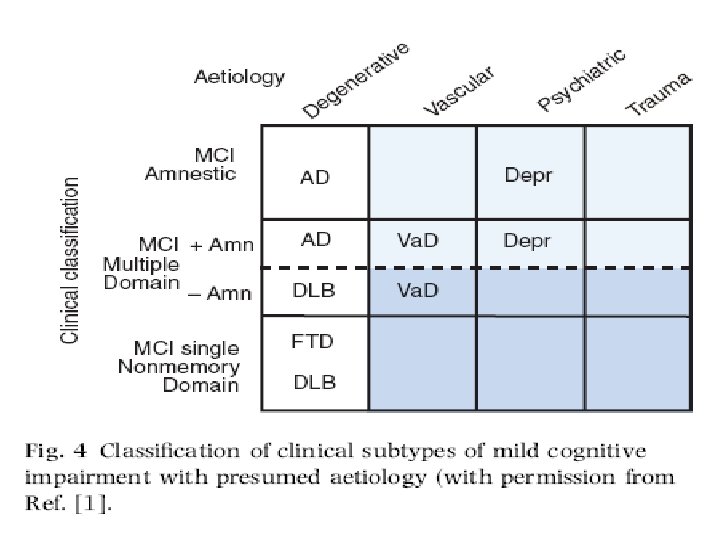
MCI types. 1 a-MCI => memory impairment (amnesia(. 2 md MCI=>multiple domain MCI=> language, executive function and visuospatial skills 2. 1 md -MCI+a 2. 2 md -MCI-a. 3 Single nonmemory domain MCI
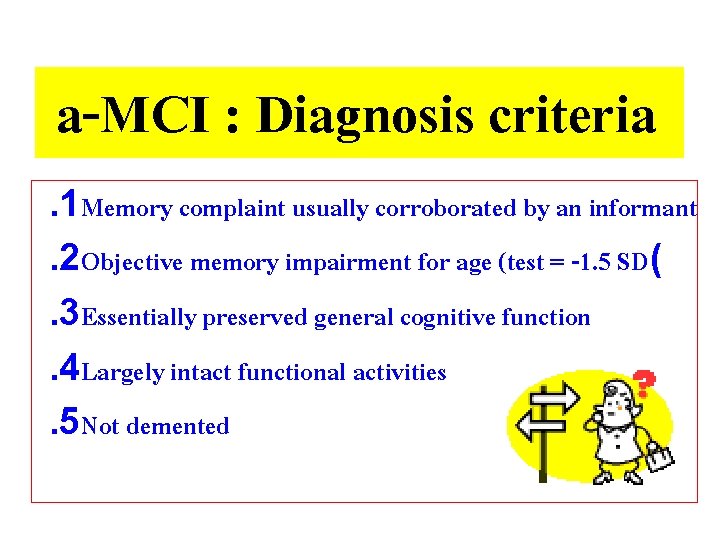
a-MCI : Diagnosis criteria. 1 Memory complaint usually corroborated by an informant. 2 Objective memory impairment for age (test = -1. 5 SD(. 3 Essentially preserved general cognitive function. 4 Largely intact functional activities. 5 Not demented
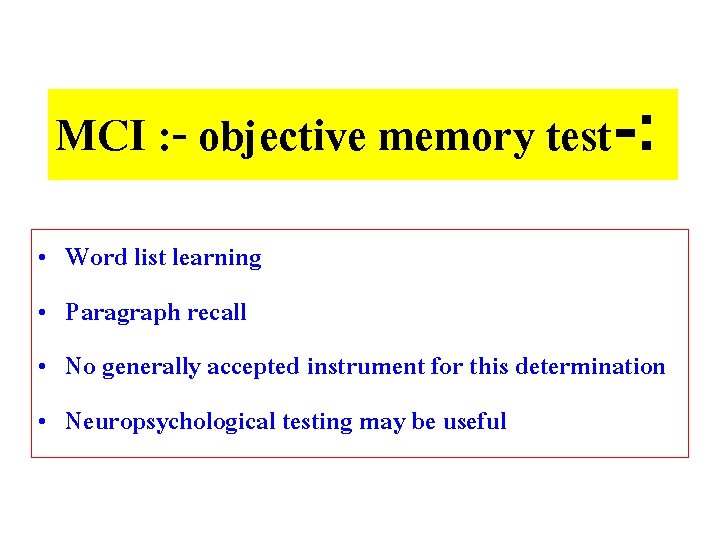
MCI : - objective memory test-: • • Word list learning Paragraph recall No generally accepted instrument for this determination Neuropsychological testing may be useful
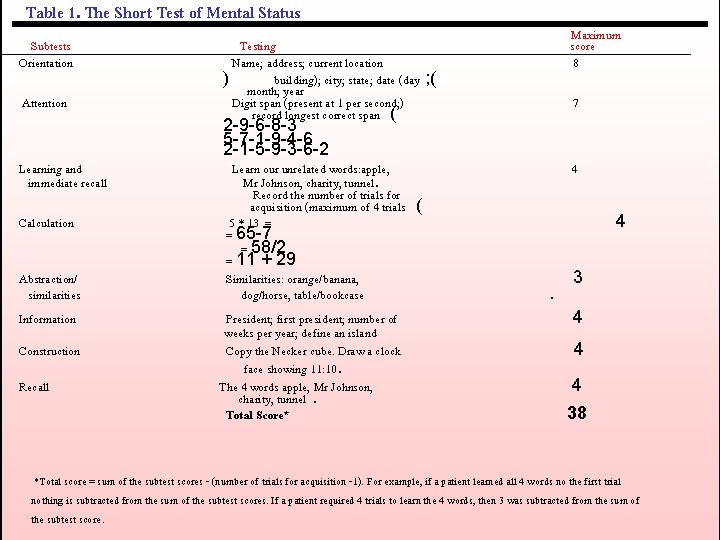
Table 1. The Short Test of Mental Status Subtests Orientation Attention Learning and immediate recall Calculation Abstraction/ similarities Information Construction Recall Testing Name; address; current location ) building); city; state; date (day ; ( month; year Digit span (present at 1 per second; ) record longest correct span ( 2 -9 -6 -8 -3 5 -7 -1 -9 -4 -6 2 -1 -5 -9 -3 -6 -2 Learn our unrelated words: apple, Mr Johnson, charity, tunnel. Record the number of trials for acquisition (maximum of 4 trials ( 5 * 13 = = 65 -7 = 58/2 = 11 + 29 Similarities: orange/banana, dog/horse, table/bookcase President; first president; number of weeks per year; define an island Copy the Necker cube. Draw a clock face showing 11: 10. The 4 words apple, Mr Johnson, charity, tunnel. Total Score* Maximum score 8 7 4 4 . 3 4 4 4 38 *Total score = sum of the subtest scores - (number of trials for acquisition -1). For example, if a patient learned all 4 words no the first trial nothing is subtracted from the sum of the subtest scores. If a patient required 4 trials to learn the 4 words, then 3 was subtracted from the sum of the subtest score.
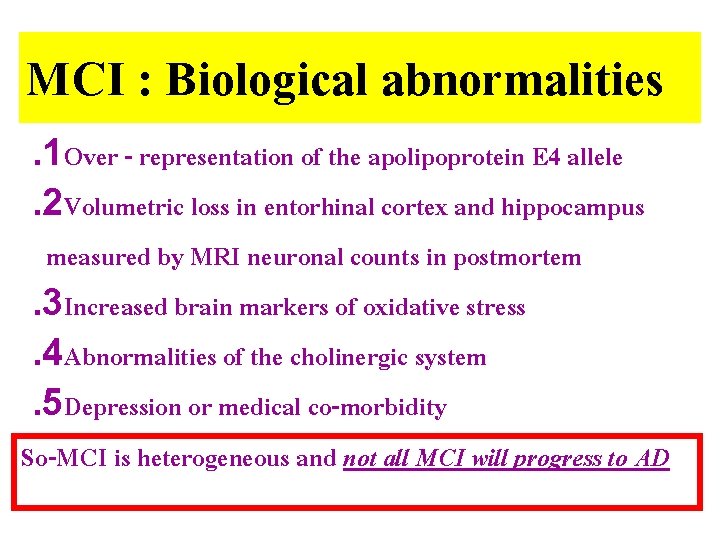
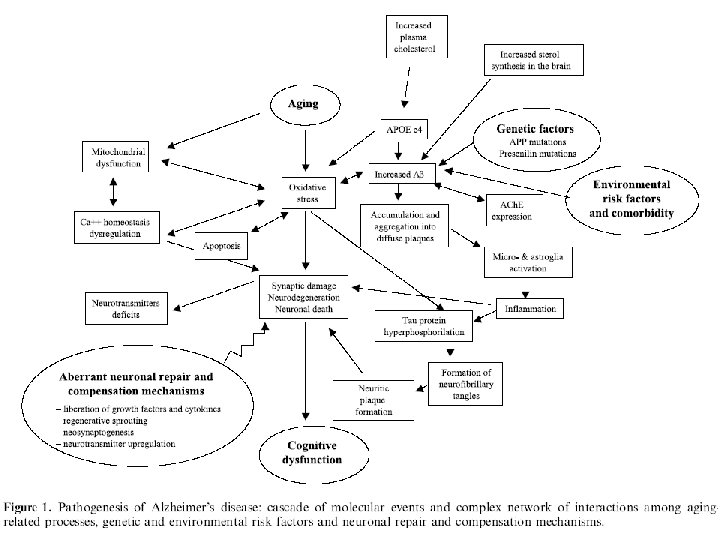
MCI : Biological abnormalities. 1 Over - representation of the apolipoprotein E 4 allele. 2 Volumetric loss in entorhinal cortex and hippocampus measured by MRI neuronal counts in postmortem. 3 Increased brain markers of oxidative stress. 4 Abnormalities of the cholinergic system. 5 Depression or medical co-morbidity So-MCI is heterogeneous and not all MCI will progress to AD
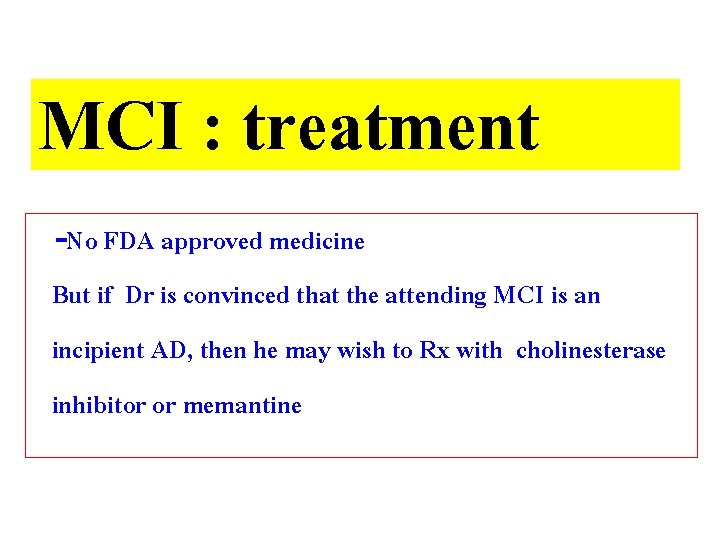
MCI : treatment -No FDA approved medicine But if Dr is convinced that the attending MCI is an incipient AD, then he may wish to Rx with cholinesterase inhibitor or memantine
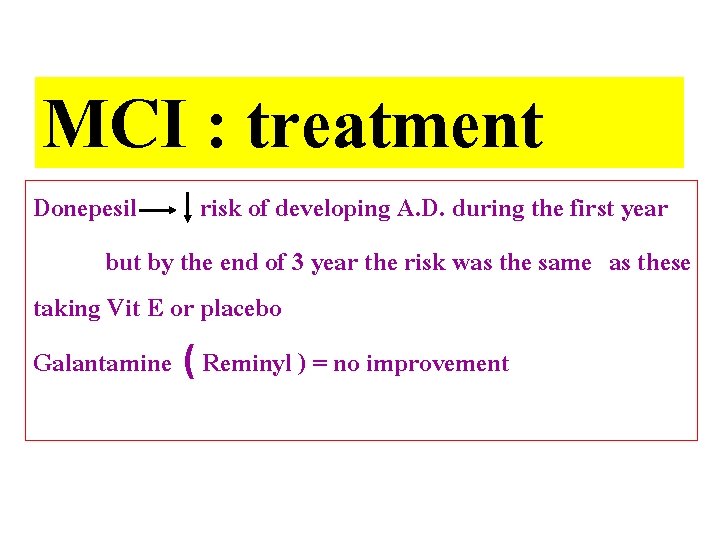
MCI : treatment Donepesil risk of developing A. D. during the first year but by the end of 3 year the risk was the same as these taking Vit E or placebo Galantamine ( Reminyl ) = no improvement
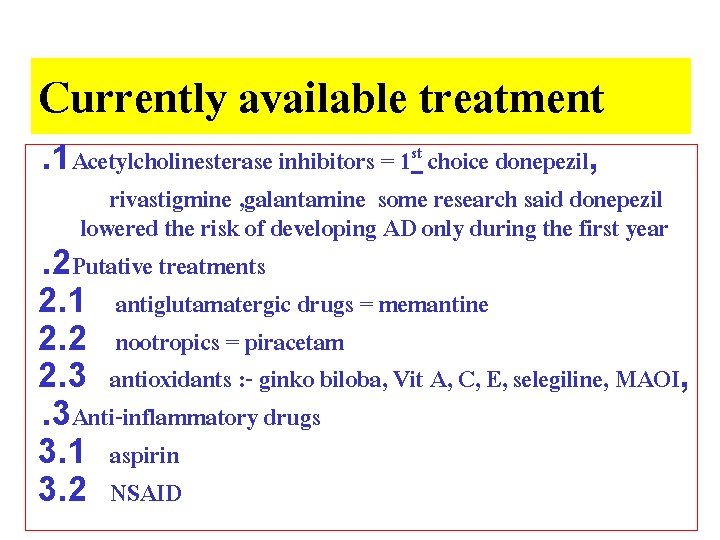
Currently available treatment . 1 Acetylcholinesterase inhibitors = 1 st choice donepezil, rivastigmine , galantamine some research said donepezil lowered the risk of developing AD only during the first year. 2 Putative treatments 2. 1 antiglutamatergic drugs = memantine 2. 2 nootropics = piracetam 2. 3 antioxidants : - ginko biloba, Vit A, C, E, selegiline, MAOI, . 3 Anti-inflammatory drugs 3. 1 aspirin 3. 2 NSAID
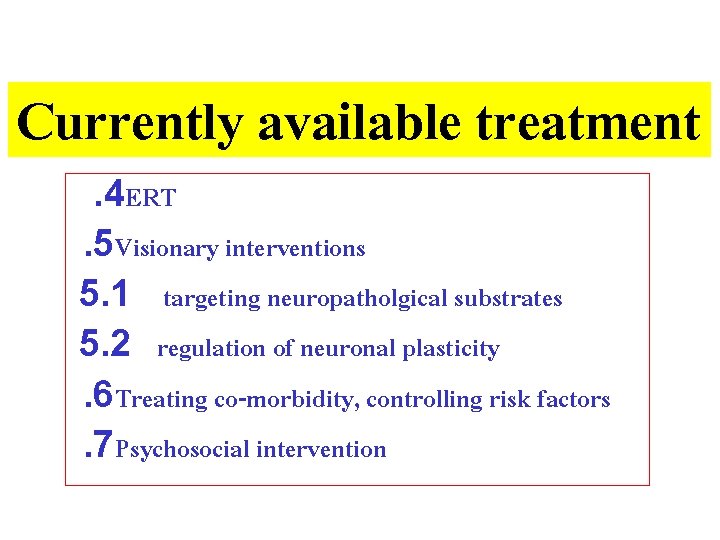
Currently available treatment. 4 ERT. 5 Visionary interventions 5. 1 targeting neuropatholgical substrates 5. 2 regulation of neuronal plasticity. 6 Treating co-morbidity, controlling risk factors. 7 Psychosocial intervention
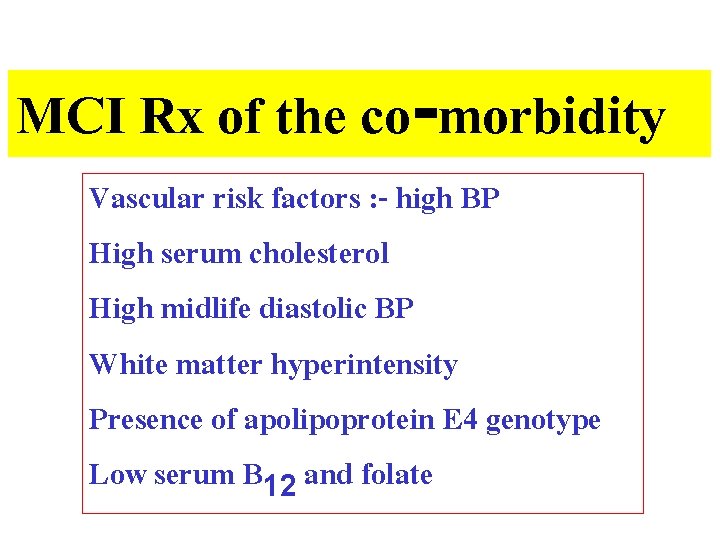
MCI Rx of the co-morbidity Vascular risk factors : - high BP High serum cholesterol High midlife diastolic BP White matter hyperintensity Presence of apolipoprotein E 4 genotype Low serum B 12 and folate
Psychosocial intervention emotional and mental stimulation . 1 Extensive social network. 2 Participating cognitively stimulating activities
MCI : Rx with ACh. E • Autopsy-based study reported similar reductions in basal forebrain immunoreactive neurons = selective loss of cholinergic neurons in MCI and AD => cholinergiic differentiation of the cerebral cortex • Long term effects will be via modification of APP metabolism • However a study observered specific upregulation of choline acetyltransferase in MCI subjects = compensatory process in preclinical phase and suggest limitation of ACh. E inhibitor efficacy at this stage
MCI : Rx with antiglutamatergic drugs • Overactivity of excitatory amino acid glutamate neurotoxcity • NMDA- mediated excitotoxicity tau phosphorylation NT = one of the major pathological substrates of AD • Memantine = NMDA - receptor antagonist
MCI : Rx with nootropics • Piracetam • Enhance memory function • Nonspecific action : - energy metabolism, cholinergic mechanism, excitatory amino acid receptor - mediated function and steroid sensitivity
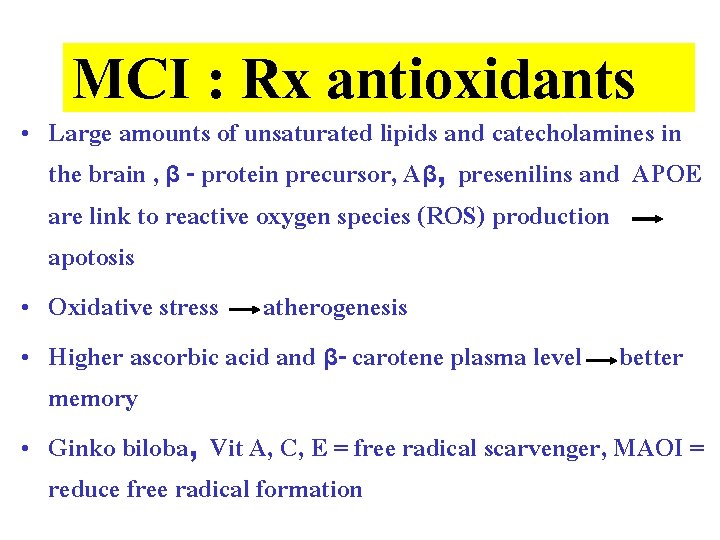
MCI : Rx antioxidants • Large amounts of unsaturated lipids and catecholamines in the brain , β - protein precursor, Aβ, presenilins and APOE are link to reactive oxygen species (ROS) production apotosis • Oxidative stress atherogenesis • Higher ascorbic acid and β- carotene plasma level better memory • Ginko biloba, Vit A, C, E = free radical scarvenger, MAOI = reduce free radical formation
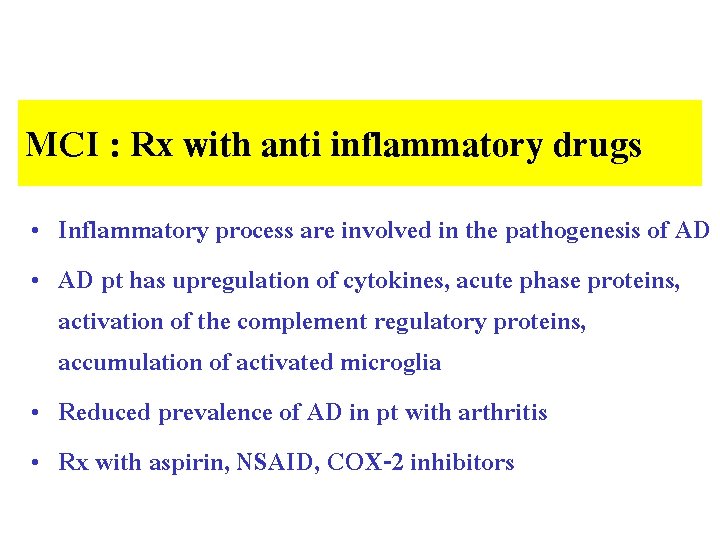
MCI : Rx with anti inflammatory drugs • Inflammatory process are involved in the pathogenesis of AD • AD pt has upregulation of cytokines, acute phase proteins, activation of the complement regulatory proteins, accumulation of activated microglia • Reduced prevalence of AD in pt with arthritis • Rx with aspirin, NSAID, COX-2 inhibitors
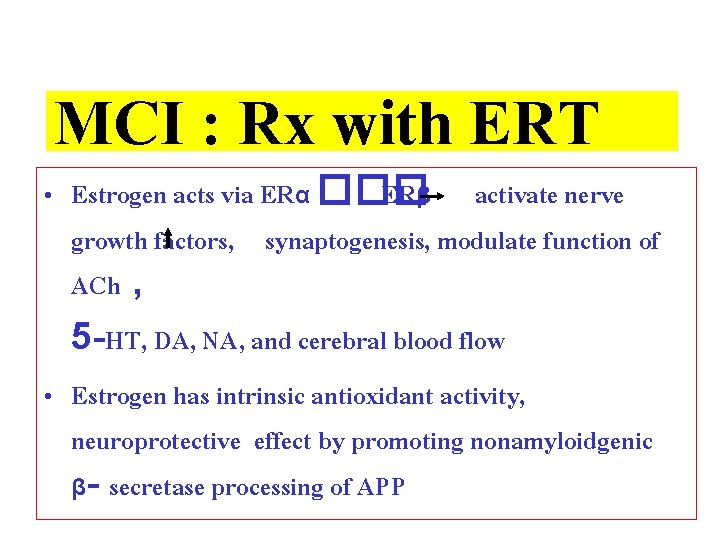
MCI : Rx with ERT • Estrogen acts via ERα ��� ERβ activate nerve growth factors, synaptogenesis, modulate function of ACh , 5 -HT, DA, NA, and cerebral blood flow • Estrogen has intrinsic antioxidant activity, neuroprotective effect by promoting nonamyloidgenic β- secretase processing of APP
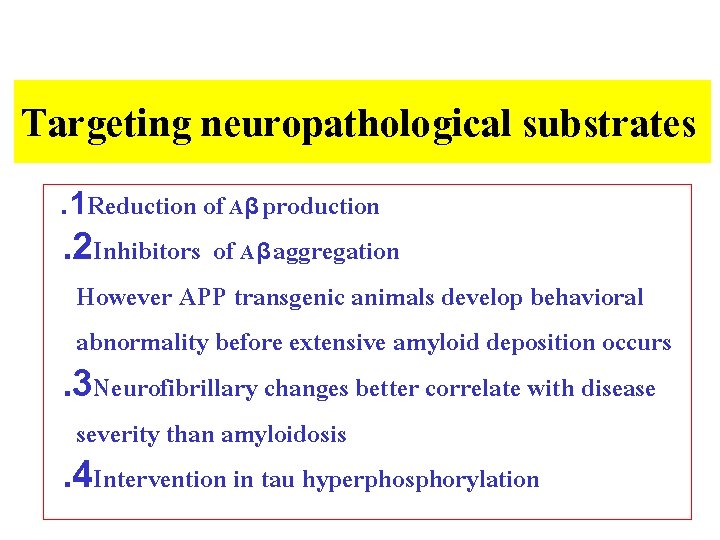
Targeting neuropathological substrates. 1 Reduction of Aβ production. 2 Inhibitors of Aβ aggregation However APP transgenic animals develop behavioral abnormality before extensive amyloid deposition occurs. 3 Neurofibrillary changes better correlate with disease severity than amyloidosis. 4 Intervention in tau hyperphosphorylation
Regulation of neuronal plasticity. 1 Nerve growth factor (NGF) =neurotropic factor for the basal forebrain cholinergic neuron
Medication - induced movement disorders. 1 All first generation antipsychotics: Chlorpromazine Thioridazine Perphenazine Haloperidol. 2 Some second generation anti-psychotics ; usually dose related
Medication - induced movement disorders. 3 Nonantipsychotic psychotripics Lithium Anticonvulsants Antidepressants. 4 Nonpsychotropics Prochlorperazine Metoclopramide
Neuroleptic - induced movement disorders. 1 Acute dystonia. 2 Akathisia. 3 Parkinsonian - like. 4 Tardive dyskinesia
Neuroleptic - induced acute dystonia : Pathophysiology =not known, may be acute saturation of D 2 receptors
Neuroleptic induced acute dystonia • Early - onset during the course of treatment with neuroleptic • M > F, age < 30 years< • Receive high potency anti-psychotic medication
Neuroleptic induced acute dystonia : Dx A. 1 (or more) of the following signs or symptoms has developed in association with the use of neuroleptic medication. 1 Abn positioning of the head and neck in relation to body (retrocollis, tortiollis (. 2 Spasms of the jaw muscles (trismus, gaping, grimacing (
Neuroleptic induced acute dystonia : Dx. 3 Impaired & wallowing (dyspepsia) speaking or breathing. 4 Thickened or slurred speech due to hypertonic or enlarged tongue. 5 Eye deviated up, down, or sideward ) oculogyric crisis (
Neuroleptic induced acute dystonia : Dx. 6 Tongue protrusion or tongue dysfunction. 7 Abn positioning of the distal limb or trunk
Neuroleptic induced acute dystonia : Dx B. A developed within 7 days of starting or rapidly raising the dose of neuroleptic medication or of reducing a medication to or prevent acute EPS
Treatment : . 1 Anticholinergic or antihistaminergic drugs. 2 If fails to respond to 3 doses of these drug with in 2 hrs, then consider other causes for the dystonia. 3 After resolution of the acute episode, give oral anticholinergic agents
Neuroleptic - induced acute akathisia : Pathophysiology = DA neurons in the ventral tegmental area
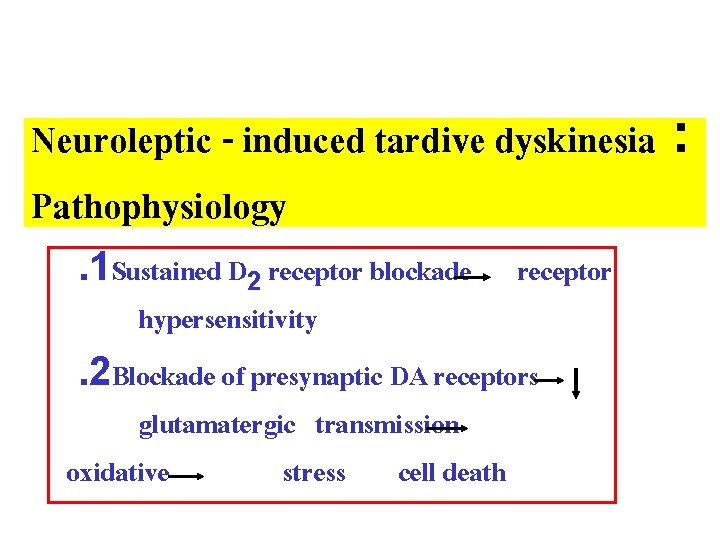
Neuroleptic - induced tardive dyskinesia : Pathophysiology. 1 Sustained D 2 receptor blockade receptor hypersensitivity. 2 Blockade of presynaptic DA receptors glutamatergic transmission oxidative stress cell death
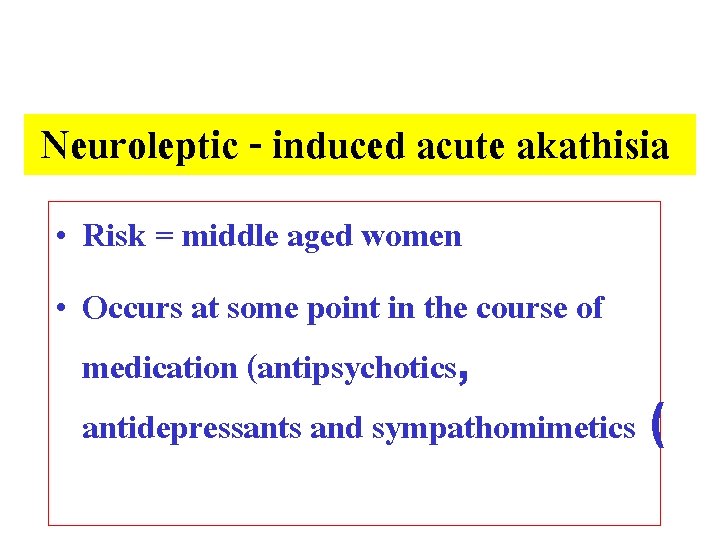
Neuroleptic - induced acute akathisia • Risk = middle aged women • Occurs at some point in the course of medication (antipsychotics, antidepressants and sympathomimetics (
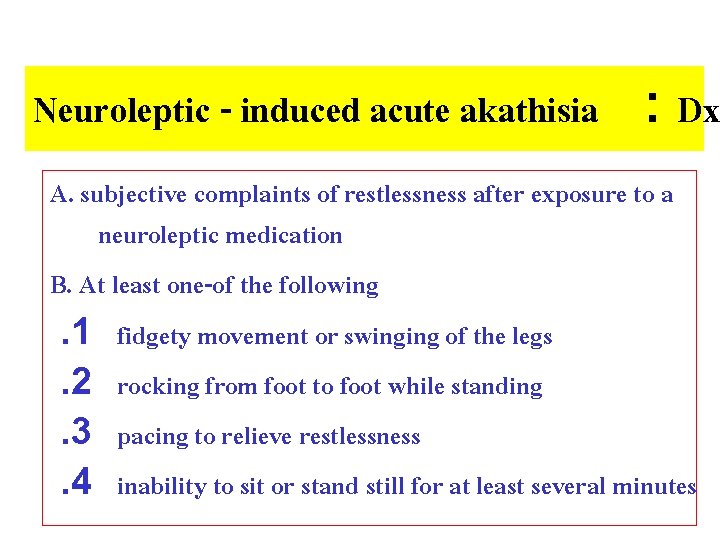
Neuroleptic - induced acute akathisia : Dx A. subjective complaints of restlessness after exposure to a neuroleptic medication B. At least one-of the following. 1 fidgety movement or swinging of the legs. 2 rocking from foot to foot while standing. 3 pacing to relieve restlessness. 4 inability to sit or stand still for at least several minutes
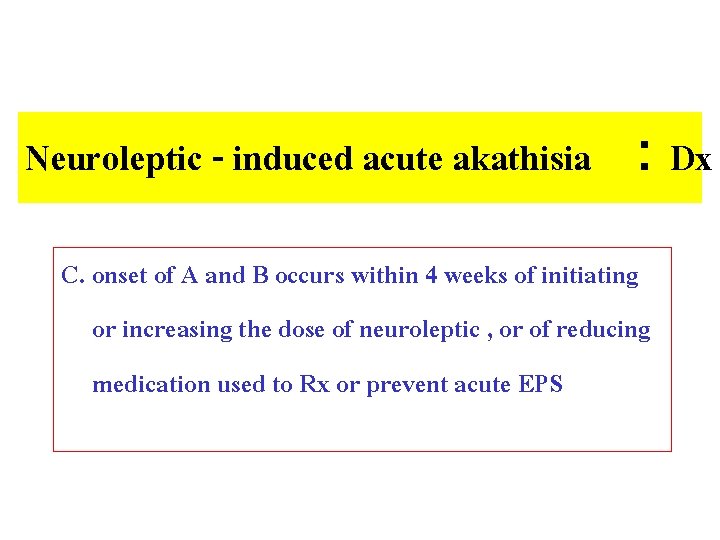
Neuroleptic - induced acute akathisia : Dx C. onset of A and B occurs within 4 weeks of initiating or increasing the dose of neuroleptic , or of reducing medication used to Rx or prevent acute EPS
Neuroleptic - induced acute akathisia : Rx. 1 Reduce neuroleptic medication dosage. 2 Attempt to treat with B - adrenergic receptor antagonists, anticholinergic drugs, cyproheptadine. 3 Considering changing the neueroleptics
Neuroleptic induced parkinsonism : Pathophysiology =DA activity, this can be induced by. 1 Depletion of DA in presynaptic stores (reserpine (. 2 DA receptor blocking = antipsychotic and atypical calcium blocking agent (cinnarizine (
Neuroleptic-induced parkinsonism; Dx A. One (-or more) of the following signs or symptoms has developed in association with use of neuroleptic medication. 1 Parkinsonian tremor. 2 Parkinsonian muscular rigidity. 3 Akinesia
Neuroleptic-induced parkinsonism; Dx B. A. developed with a few weeks of starting or raising the dose of a neuroleptic medication or of reducing a medication used to treat -) or prevent) acute EPS (anticholinergic agents (
Causes Blockade of > 80% of D 2 receptor in the caudate at the termination of the nigrostriatal dopamine neurons
Risk Elderly Female 50% of pt < Rx with long term, high potency dopamine receptor antagonists
Treatment. 1 Reduce the dosage of the neuroleptic. 2 Anti EPS medication for 14 -21 days then attempt to reduce or stop. 3 Possibly changing the neuroleptic
Medication- induced postural tremor • Pathophysilolgy : based on the class of drug implicated, eg, stimulant may cause tremor due to the resulting hyperadrenergic state
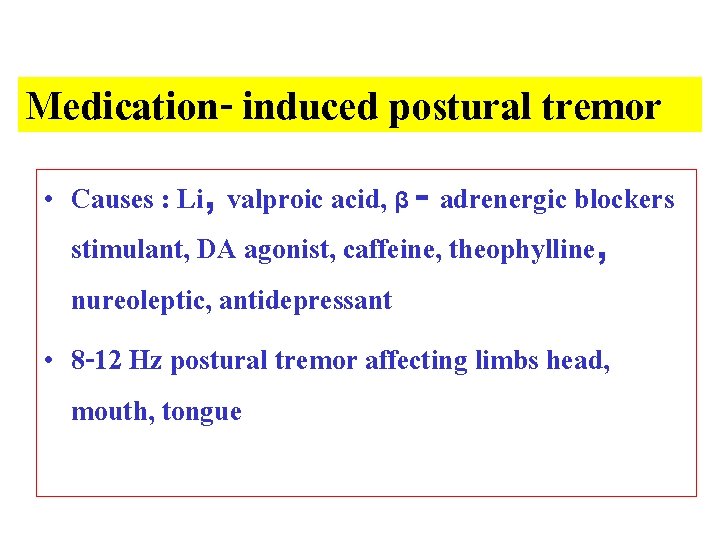
Medication- induced postural tremor • Causes : Li, valproic acid, β - adrenergic blockers stimulant, DA agonist, caffeine, theophylline, nureoleptic, antidepressant • 8 -12 Hz postural tremor affecting limbs head, mouth, tongue
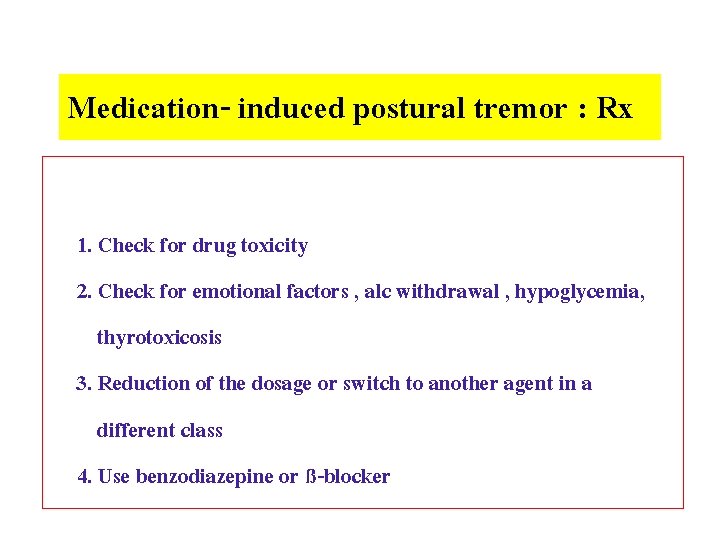
Medication- induced postural tremor : Rx 1. Check for drug toxicity 2. Check for emotional factors , alc withdrawal , hypoglycemia, thyrotoxicosis 3. Reduction of the dosage or switch to another agent in a different class 4. Use benzodiazepine or ß-blocker
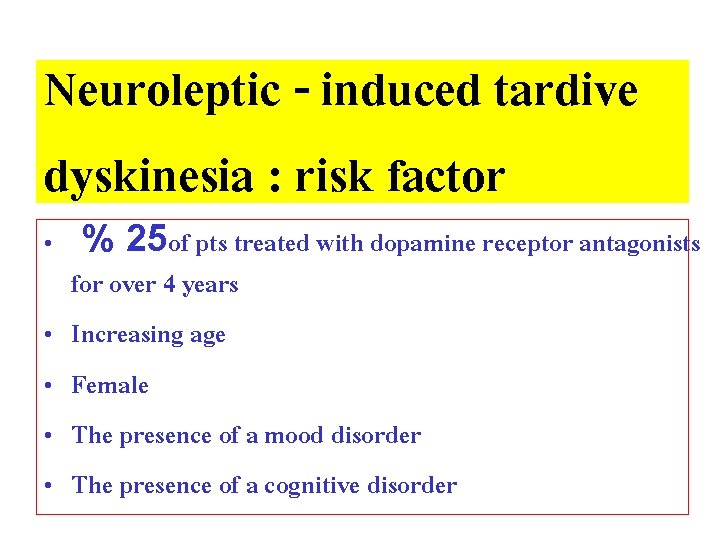
Neuroleptic - induced tardive dyskinesia : risk factor • % 25 of pts treated with dopamine receptor antagonists for over 4 years • Increasing age • Female • The presence of a mood disorder • The presence of a cognitive disorder
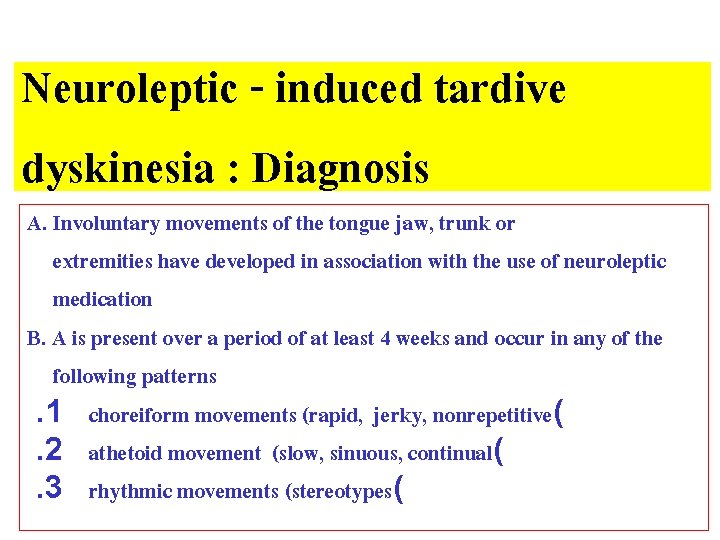
Neuroleptic - induced tardive dyskinesia : Diagnosis A. Involuntary movements of the tongue jaw, trunk or extremities have developed in association with the use of neuroleptic medication B. A is present over a period of at least 4 weeks and occur in any of the following patterns. 1 choreiform movements (rapid, jerky, nonrepetitive(. 2 athetoid movement (slow, sinuous, continual(. 3 rhythmic movements (stereotypes(
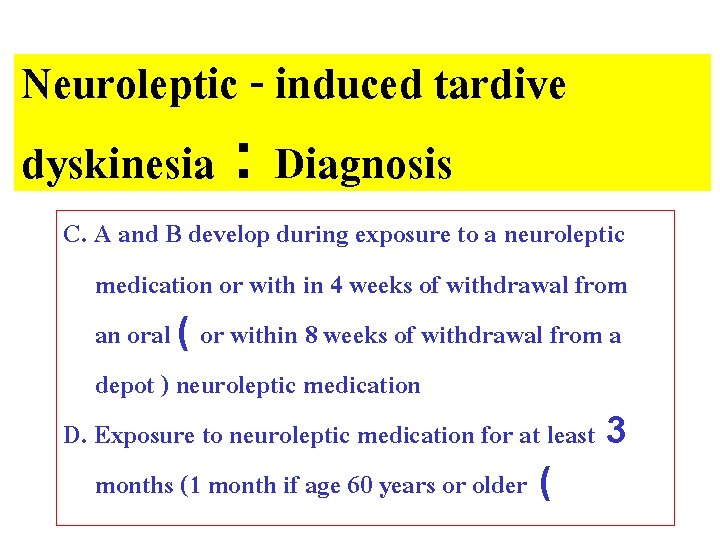
Neuroleptic - induced tardive dyskinesia : Diagnosis C. A and B develop during exposure to a neuroleptic medication or with in 4 weeks of withdrawal from an oral ( or within 8 weeks of withdrawal from a depot ) neuroleptic medication D. Exposure to neuroleptic medication for at least 3 months (1 month if age 60 years or older (
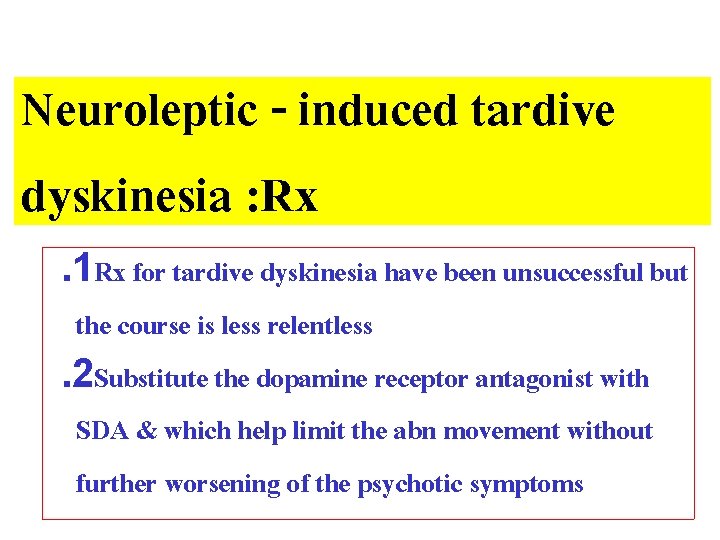
Neuroleptic - induced tardive dyskinesia : Rx. 1 Rx for tardive dyskinesia have been unsuccessful but the course is less relentless. 2 Substitute the dopamine receptor antagonist with SDA & which help limit the abn movement without further worsening of the psychotic symptoms
Common Problems in Neuropsychiatry ��. ��������� ������
Headache – Pain in various part of head – Most common pain problem in practice – 12 months period • occur 95% of young woman • occur 91% of young man
Outline 1. 2. 3. 4. 5. 6. 7. Migraine headache Cluster headache Trigeminal neuralgia Tension type headache Post traumatic headache Uncommon headache Case demonstration
Management of Migraine Diagnosis • Treatment of acute attack • Prevention of acute attack •
How Can We Best Treat Migraine? • Nonpharmacologic intervention • Pharmacologic intervention –Acute therapy –Chronic therapy
Acute Therapies for Migraine
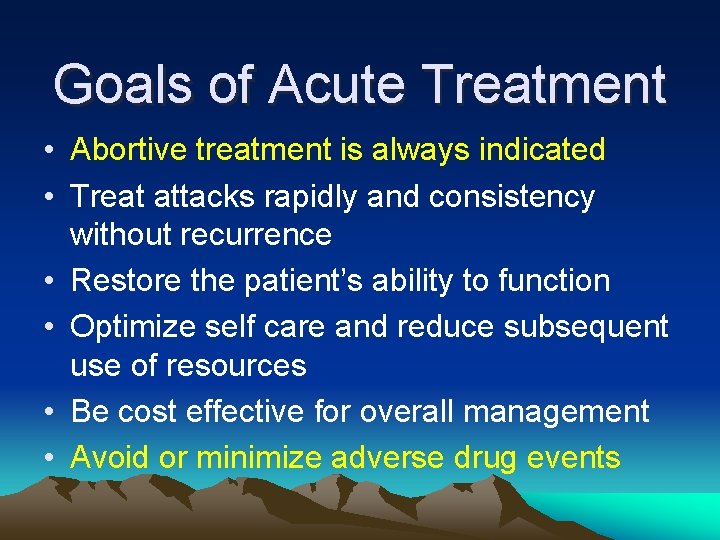
Goals of Acute Treatment • Abortive treatment is always indicated • Treat attacks rapidly and consistency without recurrence • Restore the patient’s ability to function • Optimize self care and reduce subsequent use of resources • Be cost effective for overall management • Avoid or minimize adverse drug events
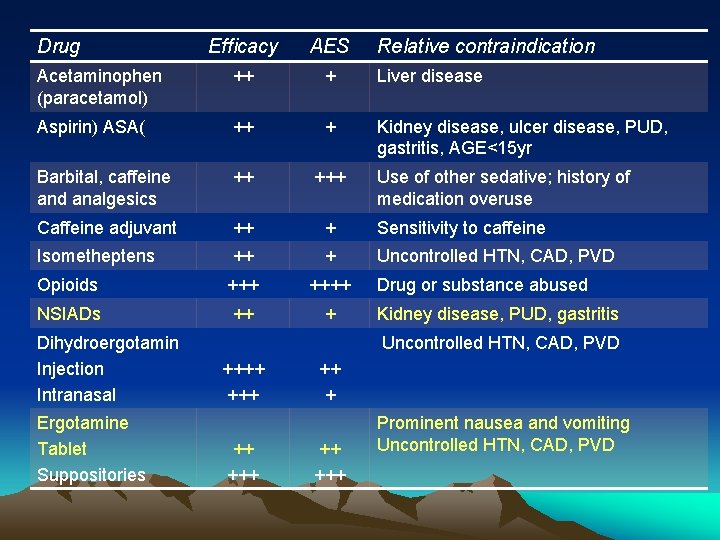
Drug Efficacy AES Acetaminophen (paracetamol) ++ + Liver disease Aspirin) ASA( ++ + Kidney disease, ulcer disease, PUD, gastritis, AGE<15 yr Barbital, caffeine and analgesics ++ +++ Caffeine adjuvant ++ + Sensitivity to caffeine Isometheptens ++ + Uncontrolled HTN, CAD, PVD Opioids ++++ NSIADs ++ + Dihydroergotamin Injection Intranasal Ergotamine Tablet Suppositories Relative contraindication Use of other sedative; history of medication overuse Drug or substance abused Kidney disease, PUD, gastritis Uncontrolled HTN, CAD, PVD ++++ ++ +++ Prominent nausea and vomiting Uncontrolled HTN, CAD, PVD
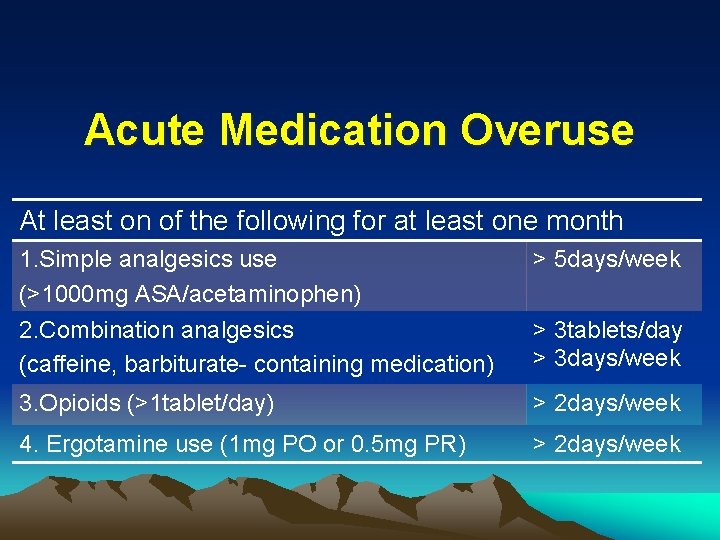
Acute Medication Overuse At least on of the following for at least one month 1. Simple analgesics use (>1000 mg ASA/acetaminophen) 2. Combination analgesics (caffeine, barbiturate- containing medication) > 5 days/week 3. Opioids (>1 tablet/day) > 2 days/week 4. Ergotamine use (1 mg PO or 0. 5 mg PR) > 2 days/week > 3 tablets/day > 3 days/week
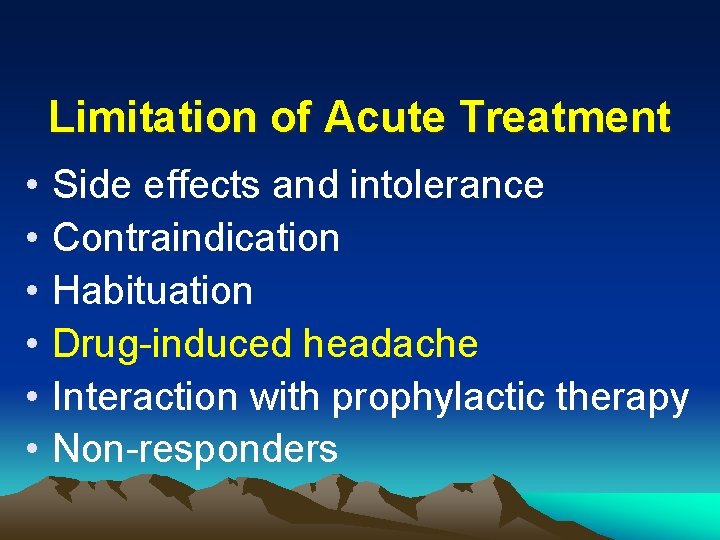
Limitation of Acute Treatment • • • Side effects and intolerance Contraindication Habituation Drug-induced headache Interaction with prophylactic therapy Non-responders
Preventive Therapies for Migraine
Goals of Preventive Treatment l Reduce attack frequency, severity, and duration l Improve responsiveness to Rx of acute attacks l Improve function and reduce disability l Prevent disease progression? l Reduce costs
Consider Preventive Therapy If Any of the Following Criteria Are Met: Migraine significantly interferes with patients' daily routine, despite acute treatment 2. Frequency of attacks (≥ 3 / month) with risk of acute medication overuse 3. Acute medications ineffective, contraindicated, troublesome AEs, or overused 1. 4. Patient preference 5. Presence of uncommon migraine conditions – – Hemiplegic migraine Basilar migraine Migraine with prolonged aura Migrainous infarction
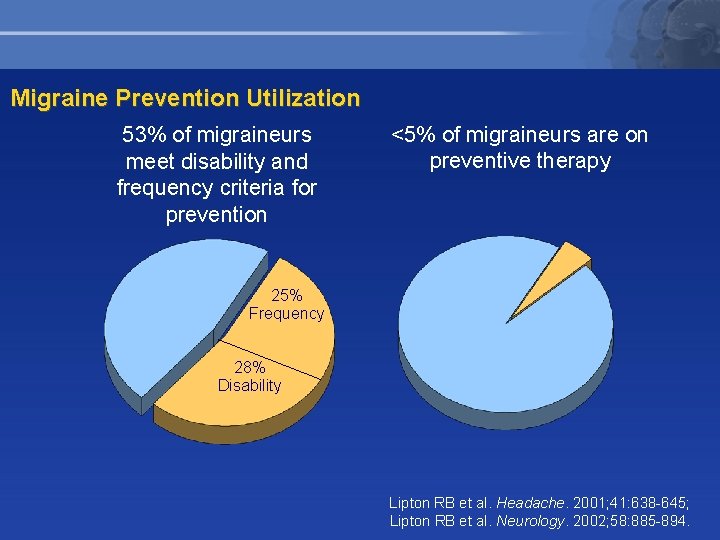
Migraine Prevention Utilization 53% of migraineurs meet disability and frequency criteria for prevention <5% of migraineurs are on preventive therapy 25% Frequency 28% Disability Lipton RB et al. Headache. 2001; 41: 638 -645; Lipton RB et al. Neurology. 2002; 58: 885 -894.
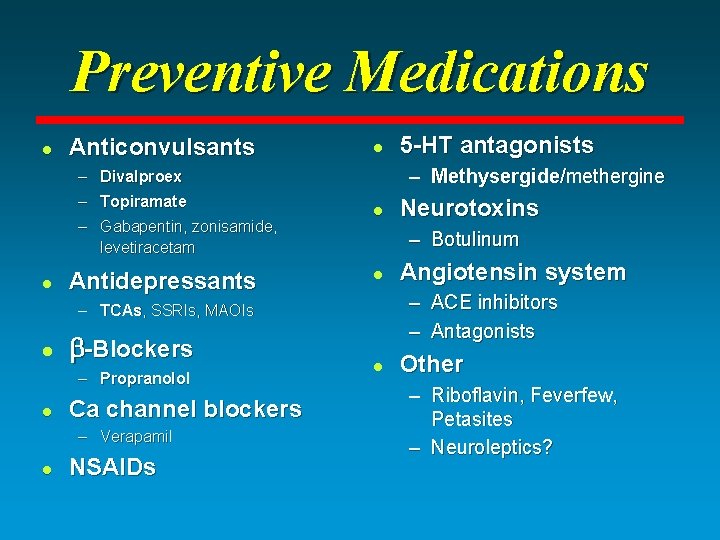
Preventive Medications l Anticonvulsants – Divalproex – Topiramate – Gabapentin, zonisamide, levetiracetam l Antidepressants l – Methysergide/methergine l -Blockers – Propranolol l Ca channel blockers – Verapamil l NSAIDs Neurotoxins – Botulinum l Angiotensin system – ACE inhibitors – Antagonists – TCAs, SSRIs, MAOIs l 5 -HT antagonists l Other – Riboflavin, Feverfew, Petasites – Neuroleptics?
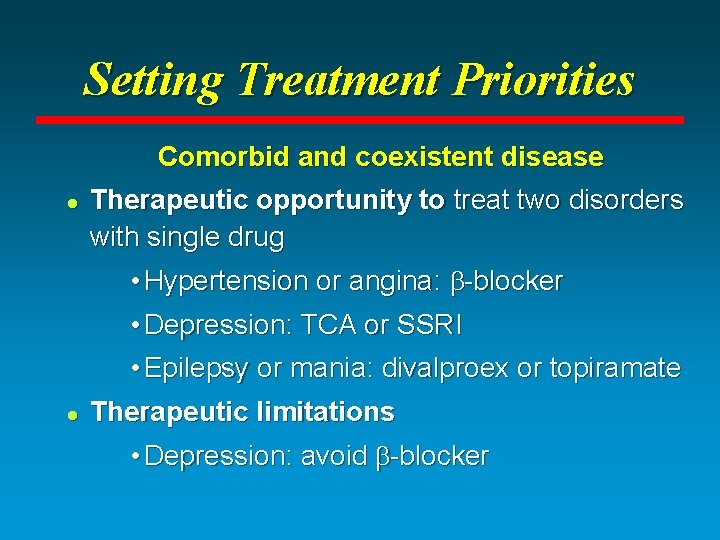
Setting Treatment Priorities Comorbid and coexistent disease l Therapeutic opportunity to treat two disorders with single drug • Hypertension or angina: -blocker • Depression: TCA or SSRI l • Epilepsy or mania: divalproex or topiramate Therapeutic limitations • Depression: avoid -blocker
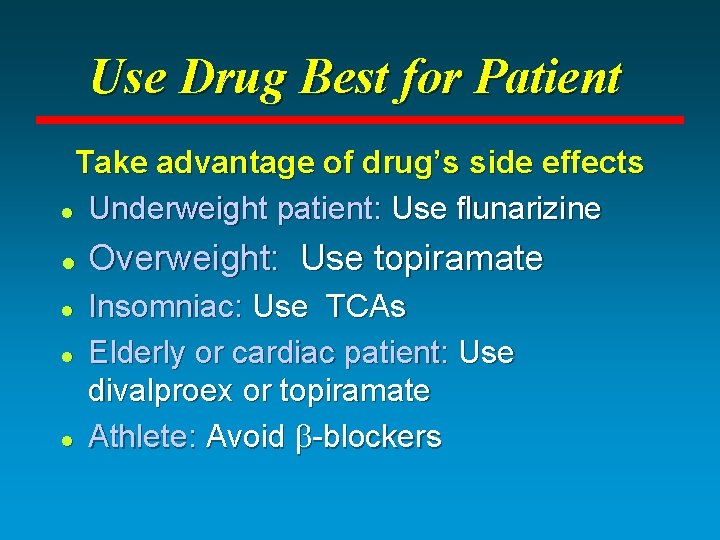
Use Drug Best for Patient Take advantage of drug’s side effects l Underweight patient: Use flunarizine l l Overweight: Use topiramate Insomniac: Use TCAs Elderly or cardiac patient: Use divalproex or topiramate Athlete: Avoid -blockers
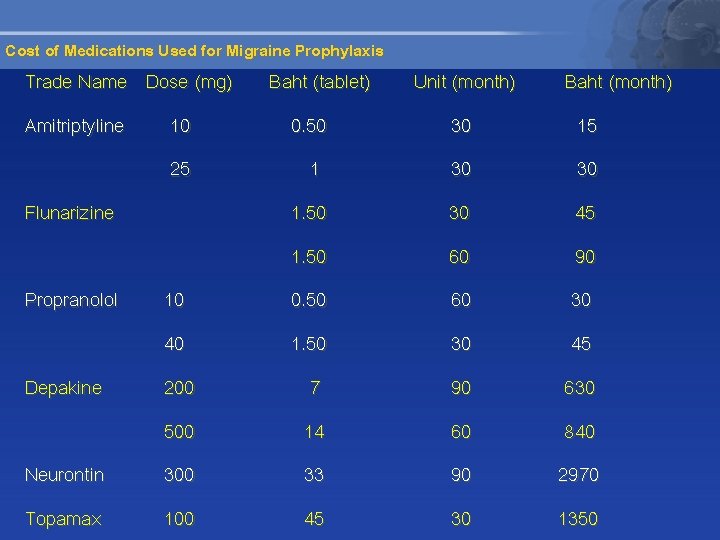
Cost of Medications Used for Migraine Prophylaxis Trade Name Dose (mg) Amitriptyline Baht (tablet) Unit (month) Baht (month) 10 0. 50 30 15 25 1 30 30 1. 50 30 45 1. 50 60 90 10 0. 50 60 30 40 1. 50 30 45 200 7 90 630 500 14 60 840 Neurontin 300 33 90 2970 Topamax 100 45 30 1350 Flunarizine Propranolol Depakine
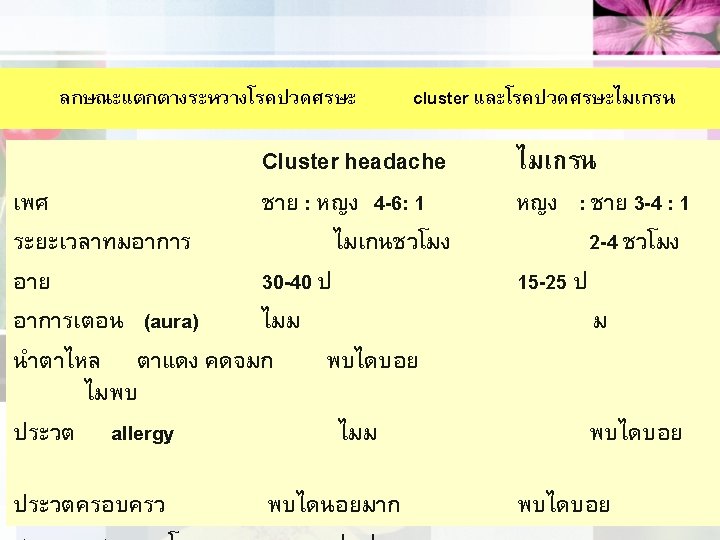
Cluster Headache • Trigeminal autonomic cephalagias • Severe head pain with cranial autonomic activation • Described in 1745 • A healthy middle aged man, pain which came on every day at the same hour, the same spot
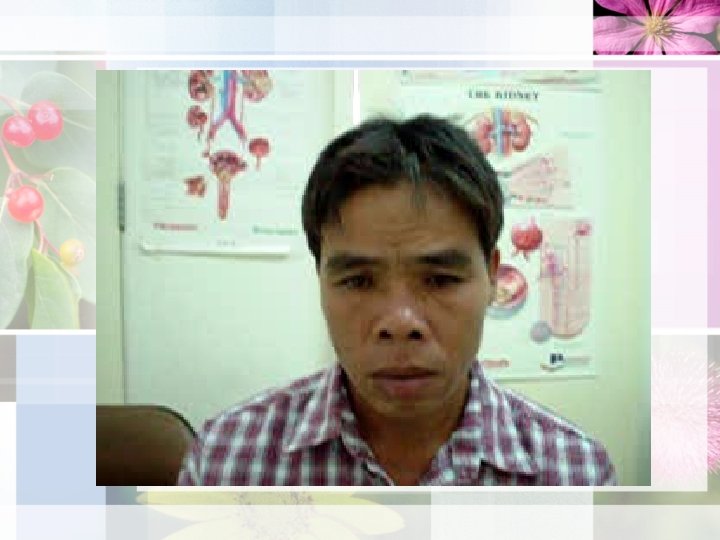
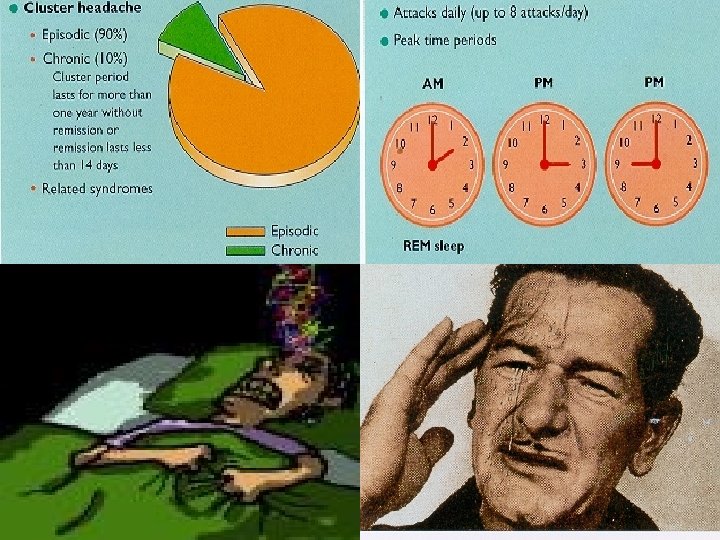
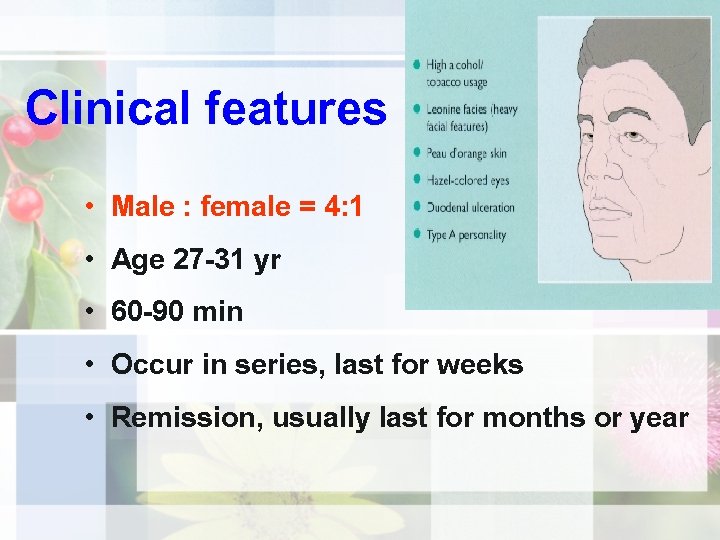
Clinical features • • • Male : female = 4: 1 Age 27 -31 yr 60 -90 min Occur in series, last for weeks Remission, usually last for months or year
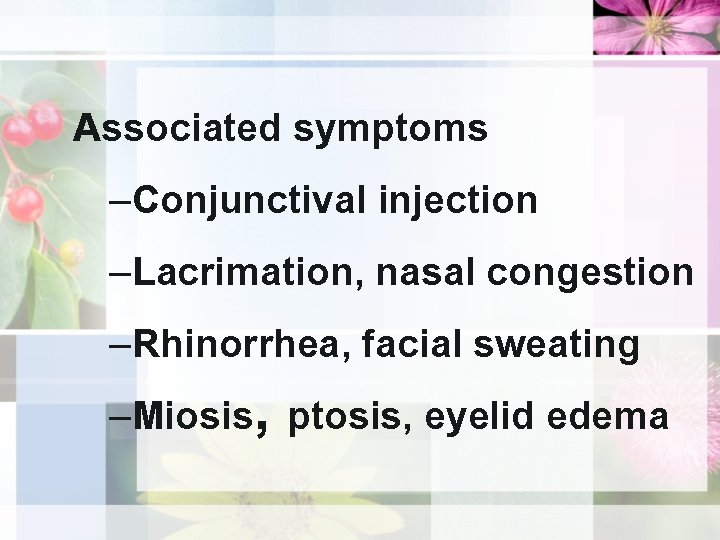
Associated symptoms –Conjunctival injection –Lacrimation, nasal congestion –Rhinorrhea, facial sweating –Miosis, ptosis, eyelid edema
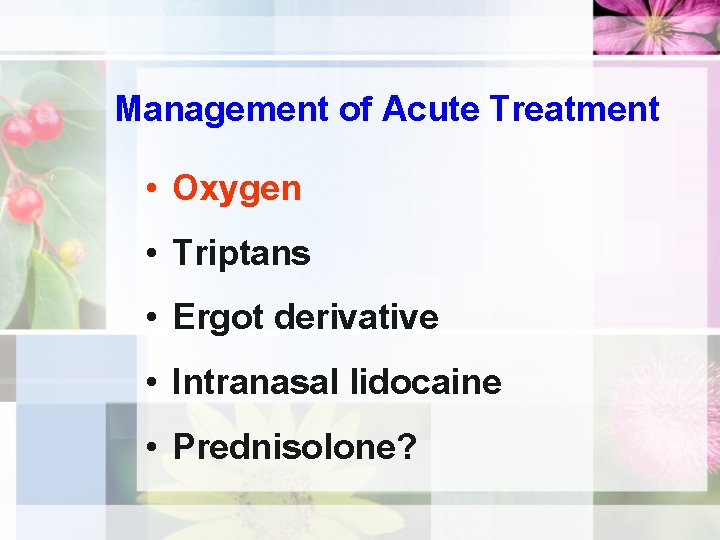
Management of Acute Treatment • Oxygen • Triptans • Ergot derivative • Intranasal lidocaine • Prednisolone?
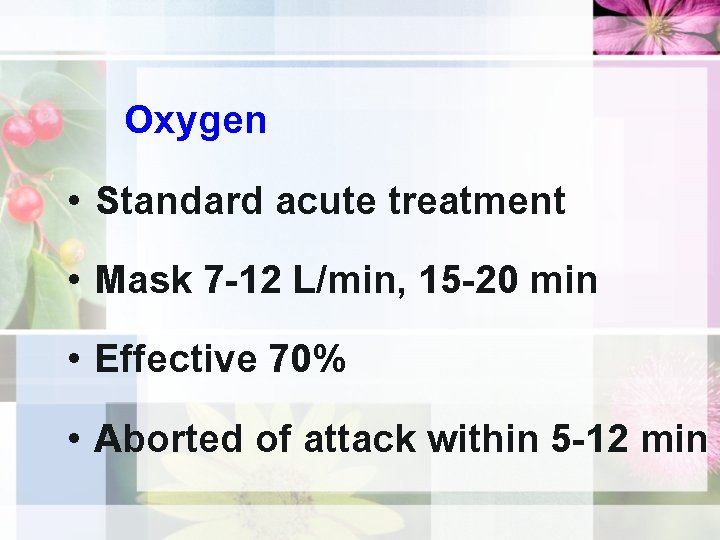
Oxygen • Standard acute treatment • Mask 7 -12 L/min, 15 -20 min • Effective 70% • Aborted of attack within 5 -12 min
Tension type headache
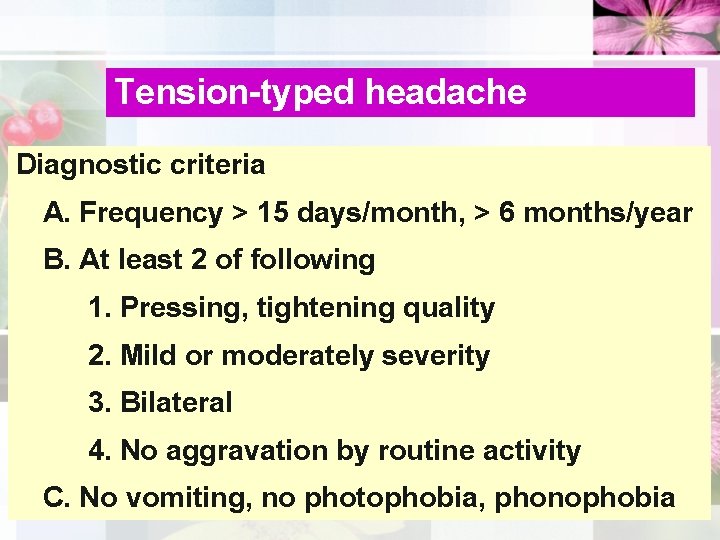
Tension-typed headache Diagnostic criteria A. Frequency > 15 days/month, > 6 months/year B. At least 2 of following 1. Pressing, tightening quality 2. Mild or moderately severity 3. Bilateral 4. No aggravation by routine activity C. No vomiting, no photophobia, phonophobia

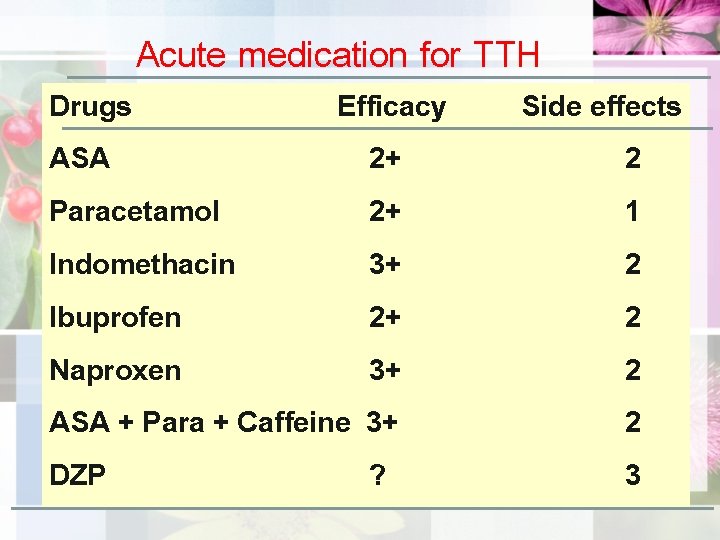
Acute medication for TTH Drugs Efficacy ASA 2+ Paracetamol 2+ Indomethacin 3+ Ibuprofen 2+ Naproxen 3+ ASA + Para + Caffeine 3+ DZP ? Side effects 2 1 2 2 3
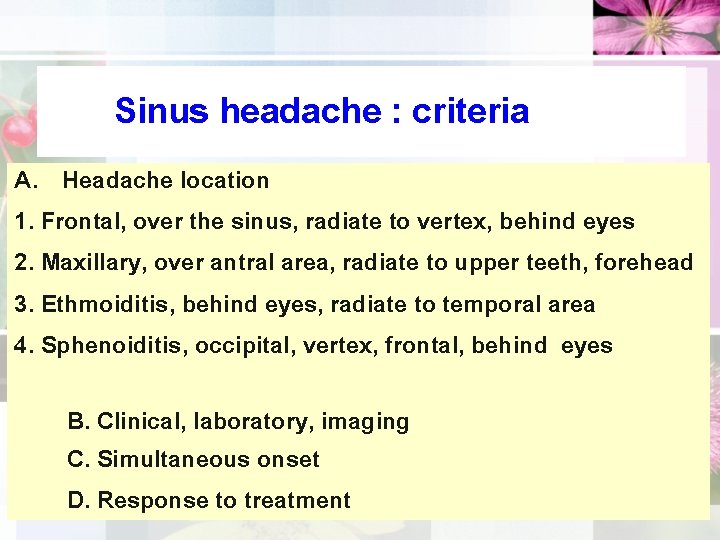
Sinus headache : criteria A. Headache location 1. Frontal, over the sinus, radiate to vertex, behind eyes 2. Maxillary, over antral area, radiate to upper teeth, forehead 3. Ethmoiditis, behind eyes, radiate to temporal area 4. Sphenoiditis, occipital, vertex, frontal, behind eyes B. Clinical, laboratory, imaging C. Simultaneous onset D. Response to treatment
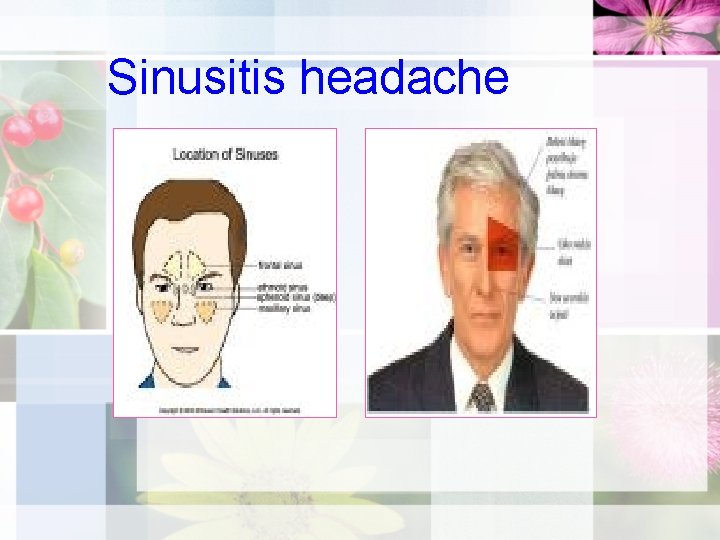
Sinusitis headache
• • Sphenoid sinusitis 3% of all sinusitis Not adequate by routine x-ray, examination Headache or facial pain 55/56 Pain worse with head movement 26/26 Nasal discharge 10/26 Fever 15/26, N/V 8/14 Cavernous sinus syndrome
• Diagnosis is frequently delayed • Periorbital pain is common, contrast to common teaching that vertex headache • A severe, intractable, new-onset headache that interferes with sleep and is not relieved by simple analgesics should alert • PE : not helpful, sinus tender : rare
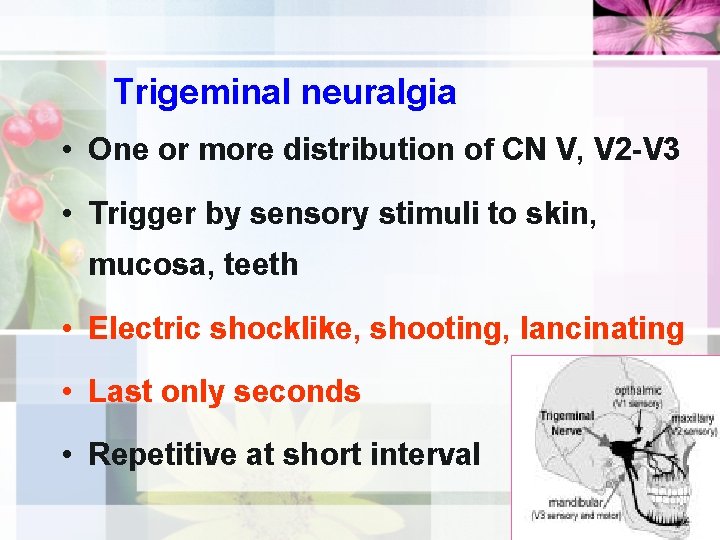
Trigeminal neuralgia • One or more distribution of CN V, V 2 -V 3 • Trigger by sensory stimuli to skin, mucosa, teeth • Electric shocklike, shooting, lancinating • Last only seconds • Repetitive at short interval
Common neuropsychiatric problems Case demonstration Nomenclature Syndromic approach
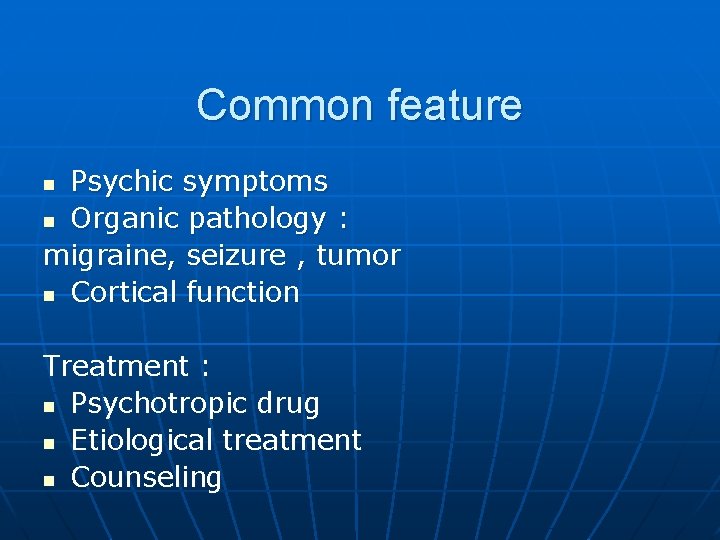
Common feature Psychic symptoms n Organic pathology : migraine, seizure , tumor n Cortical function n Treatment : n Psychotropic drug n Etiological treatment n Counseling
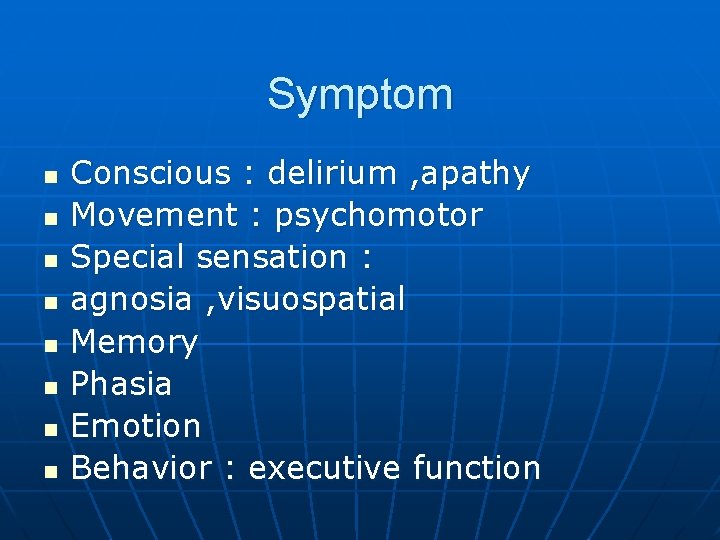
Symptom n n n n Conscious : delirium , apathy Movement : psychomotor Special sensation : agnosia , visuospatial Memory Phasia Emotion Behavior : executive function
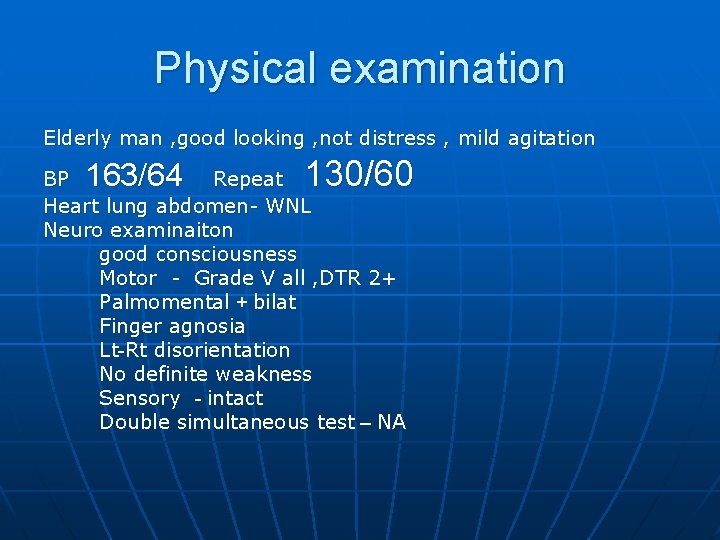
Physical examination Elderly man , good looking , not distress , mild agitation 163/64 130/60 BP Repeat Heart lung abdomen- WNL Neuro examinaiton good consciousness Motor - Grade V all , DTR 2+ Palmomental + bilat Finger agnosia Lt-Rt disorientation No definite weakness Sensory - intact Double simultaneous test – NA

Discussion
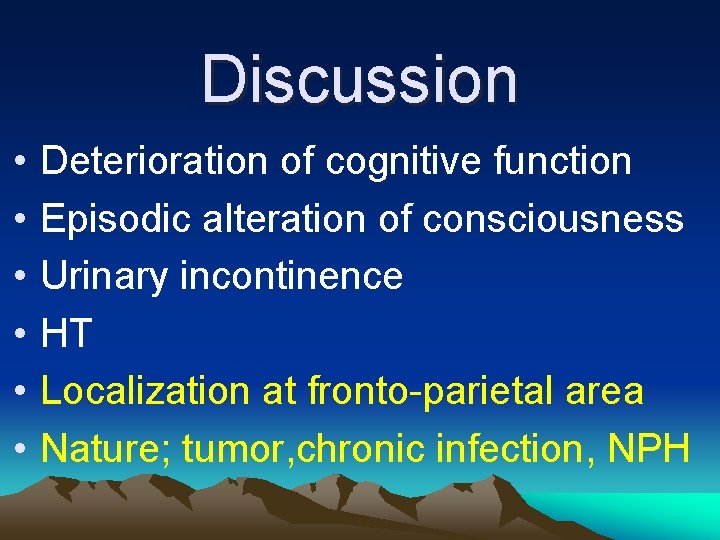
Discussion • • • Deterioration of cognitive function Episodic alteration of consciousness Urinary incontinence HT Localization at fronto-parietal area Nature; tumor, chronic infection, NPH

Discussion
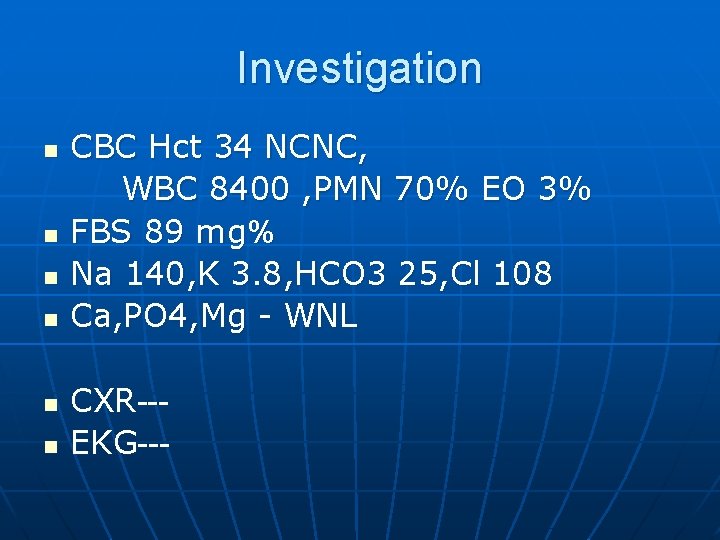
Investigation n n n CBC Hct 34 NCNC, WBC 8400 , PMN 70% EO 3% FBS 89 mg% Na 140, K 3. 8, HCO 3 25, Cl 108 Ca, PO 4, Mg - WNL CXR--EKG---
Any investigation n CT EEG – No X-ray
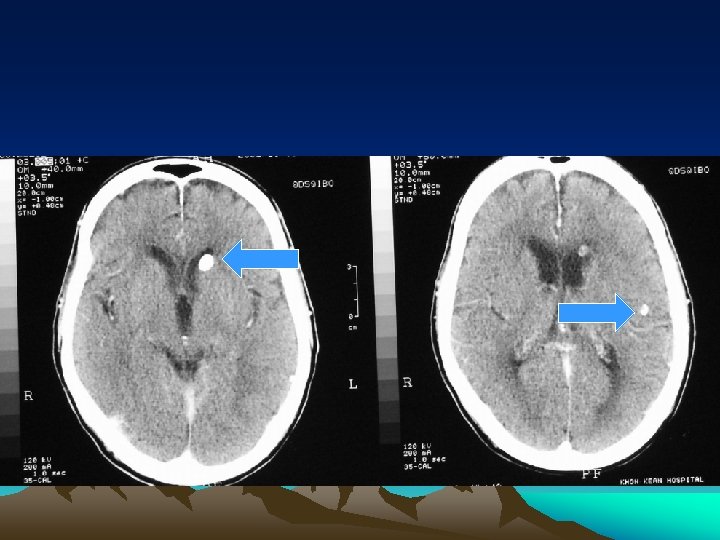
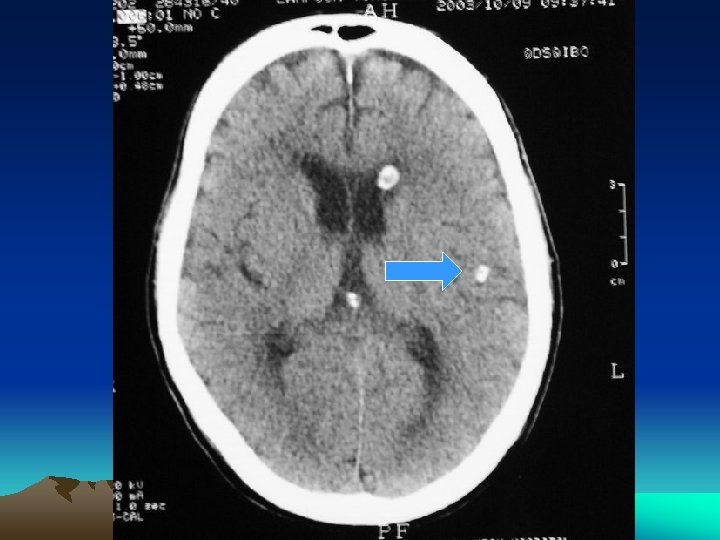
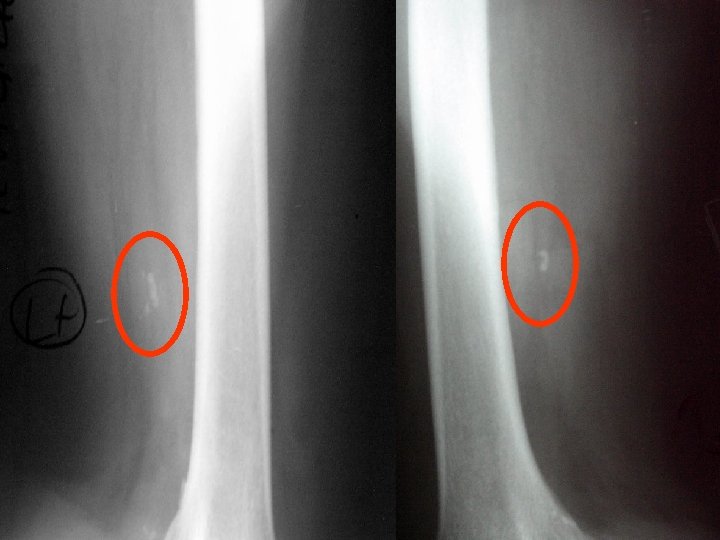
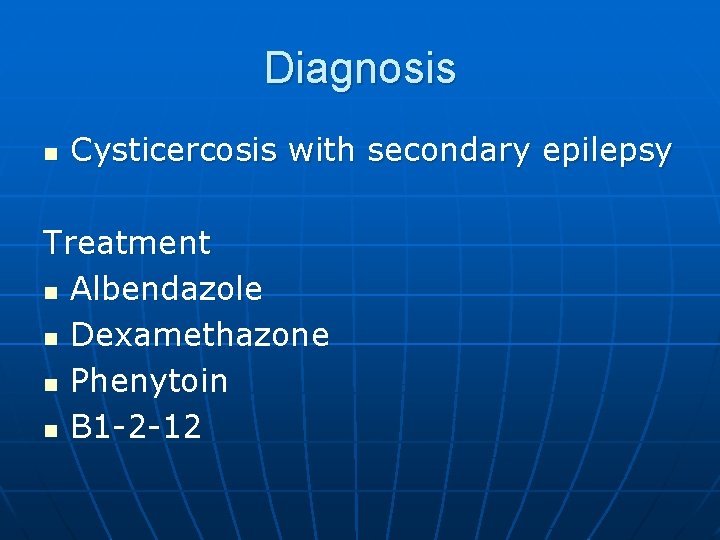
Diagnosis n Cysticercosis with secondary epilepsy Treatment n Albendazole n Dexamethazone n Phenytoin n B 1 -2 -12
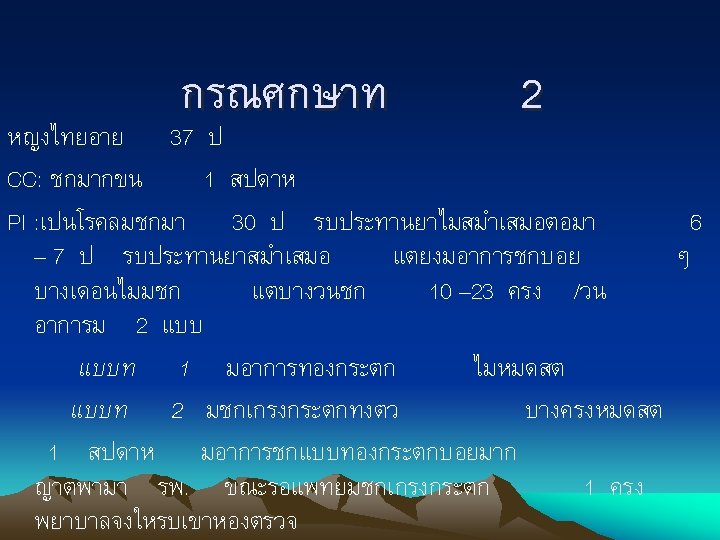
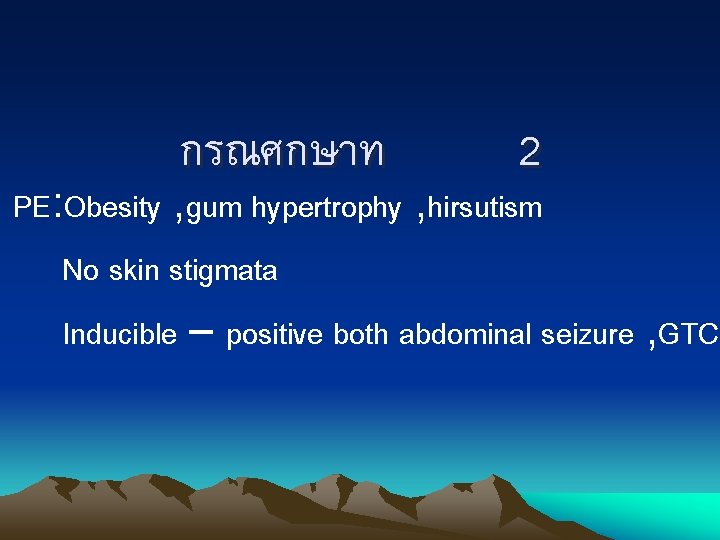
กรณศกษาท 2 PE: Obesity , gum hypertrophy , hirsutism No skin stigmata Inducible – positive both abdominal seizure , GTC

Discussion
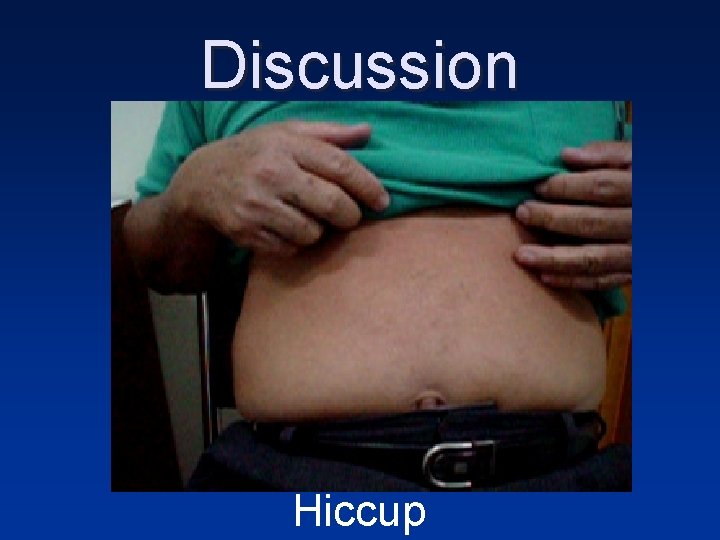
Discussion Hiccup
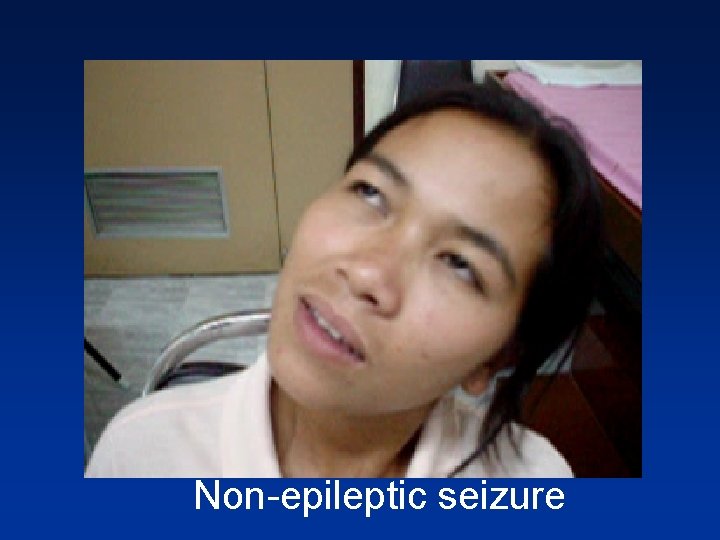
Non-epileptic seizure
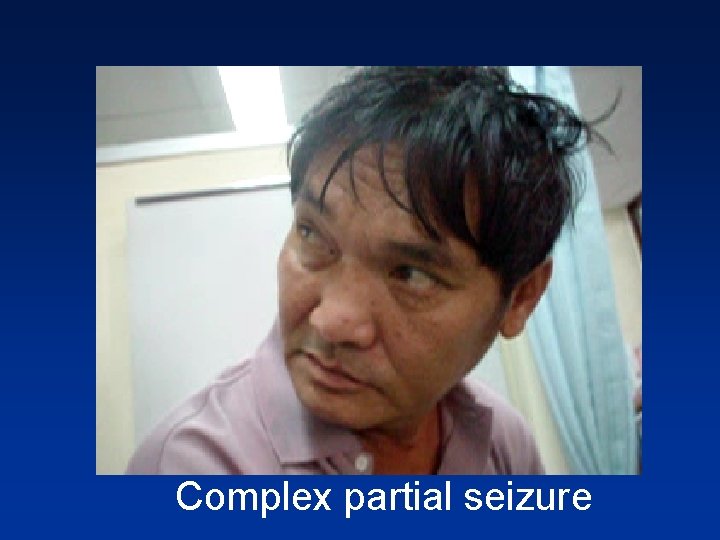
Complex partial seizure
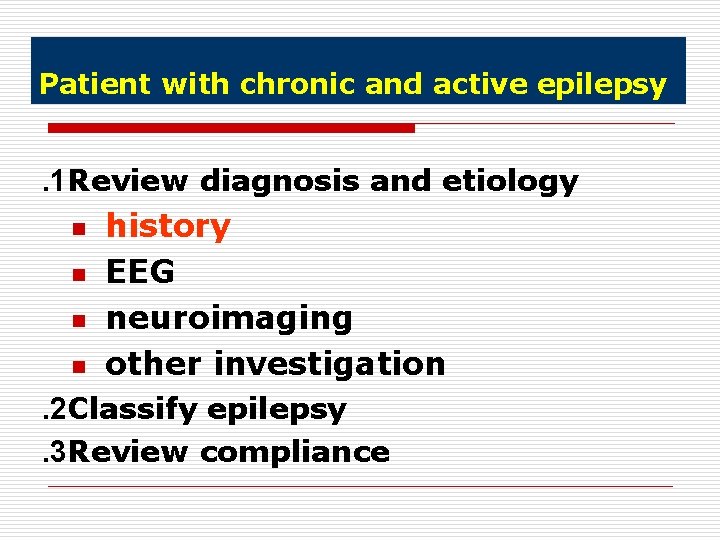
Patient with chronic and active epilepsy . 1 Review diagnosis and etiology n n history EEG neuroimaging other investigation . 2 Classify epilepsy. 3 Review compliance

Discussion
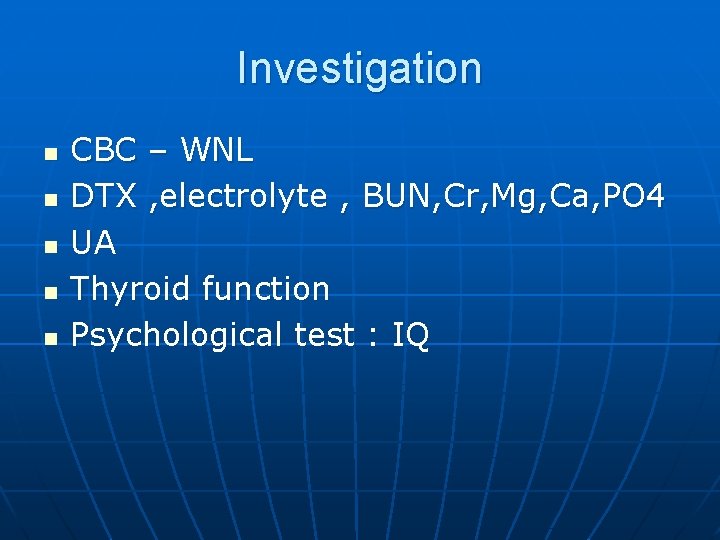
Investigation n n CBC – WNL DTX , electrolyte , BUN, Cr, Mg, Ca, PO 4 UA Thyroid function Psychological test : IQ
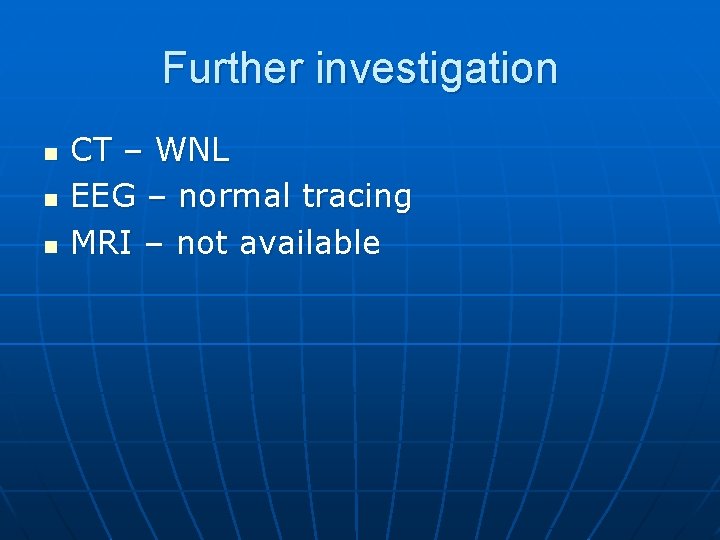
Further investigation n CT – WNL EEG – normal tracing MRI – not available
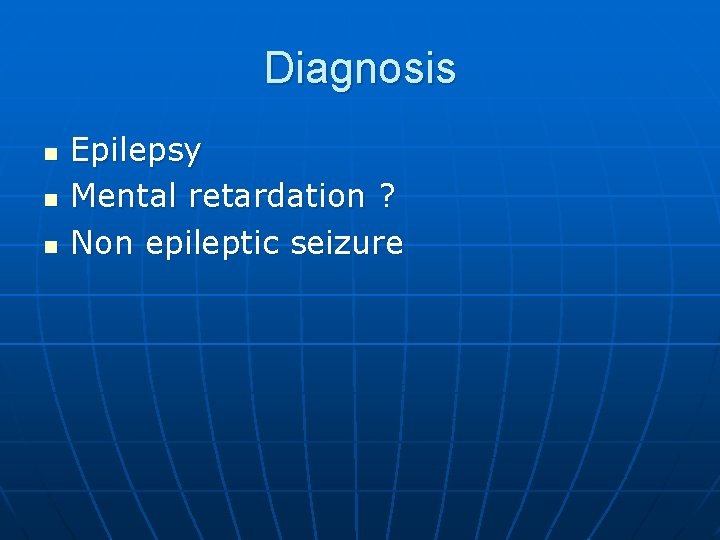
Diagnosis n n n Epilepsy Mental retardation ? Non epileptic seizure
Treatment n n Carbamazepine 1 x 3 counseling

Thank you for your interest
- Slides: 130