
MANAGEMENT OF A SEPTICEMIC FOAL Jenna Donaldson PO

- Slides: 32
MANAGEMENT OF A SEPTICEMIC FOAL Jenna Donaldson PO Box 1200 Nobleton, Ontario, Canada L 0 G 1 N 0 Mentor: Dr. Joanne Hewson, DVM, Ph. D, DACVIM Ontario Veterinary College, University of Guelph, Ontario, Canada
SIGNALMENT & HISTORY • • • Thoroughbred colt bred for racing Born April 30 th, 2011 - normal, unassisted parturition Received ~100 m. L of colostrum in first 12 hours 2 nd foal from dam, who rejected first foal Did not allow this foal to nurse without restraint
FURTHER HISTORY • May 2 nd, 2011 (2 days old) – Ig. G inadequate (SNAP test: <400 mg/d. L) – 1 L of commercial equine plasma IV – Began therapy with trimethoprim-sulfa IV • May 5 th, 2011 (6 days old) – Low heart rate and poor body condition score – r. DVM gave procaine penicillin G and amikacin IM – Referred to the Ontario Veterinary College
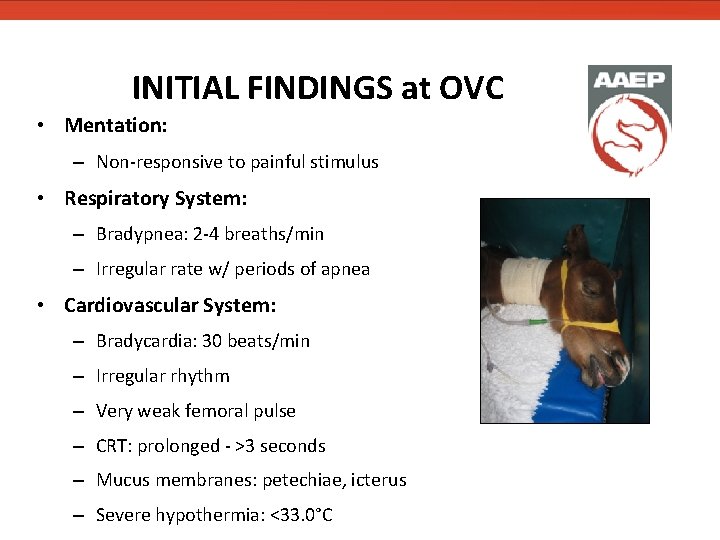
INITIAL FINDINGS at OVC • Mentation: – Non-responsive to painful stimulus • Respiratory System: – Bradypnea: 2 -4 breaths/min – Irregular rate w/ periods of apnea • Cardiovascular System: – Bradycardia: 30 beats/min – Irregular rhythm – Very weak femoral pulse – CRT: prolonged - >3 seconds – Mucus membranes: petechiae, icterus – Severe hypothermia: <33. 0°C
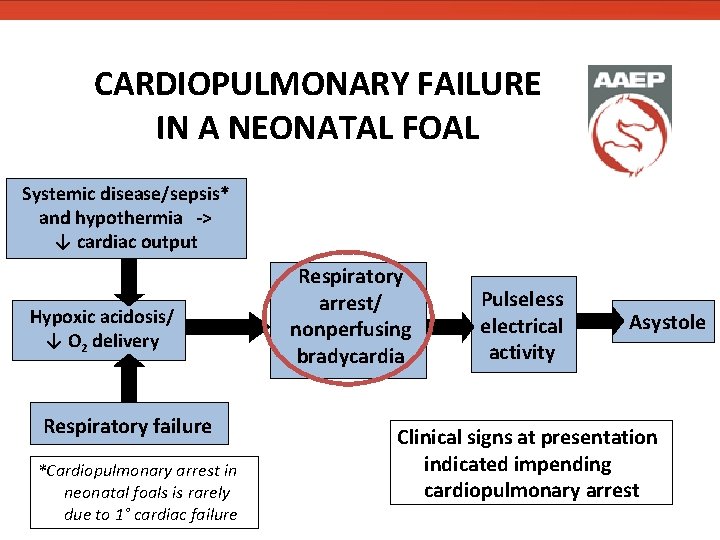
CARDIOPULMONARY FAILURE IN A NEONATAL FOAL Systemic disease/sepsis* and hypothermia -> ↓ cardiac output Hypoxic acidosis/ ↓ O 2 delivery Respiratory failure *Cardiopulmonary arrest in neonatal foals is rarely due to 1° cardiac failure Respiratory arrest/ nonperfusing bradycardia Pulseless electrical activity Asystole Clinical signs at presentation indicated impending cardiopulmonary arrest
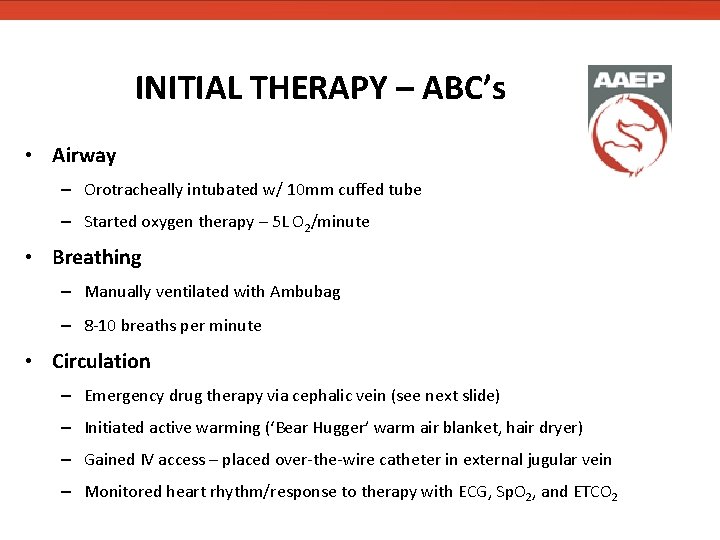
INITIAL THERAPY – ABC’s • Airway – Orotracheally intubated w/ 10 mm cuffed tube – Started oxygen therapy – 5 L O 2/minute • Breathing – Manually ventilated with Ambubag – 8 -10 breaths per minute • Circulation – Emergency drug therapy via cephalic vein (see next slide) – Initiated active warming (‘Bear Hugger’ warm air blanket, hair dryer) – Gained IV access – placed over-the-wire catheter in external jugular vein – Monitored heart rhythm/response to therapy with ECG, Sp. O 2, and ETCO 2
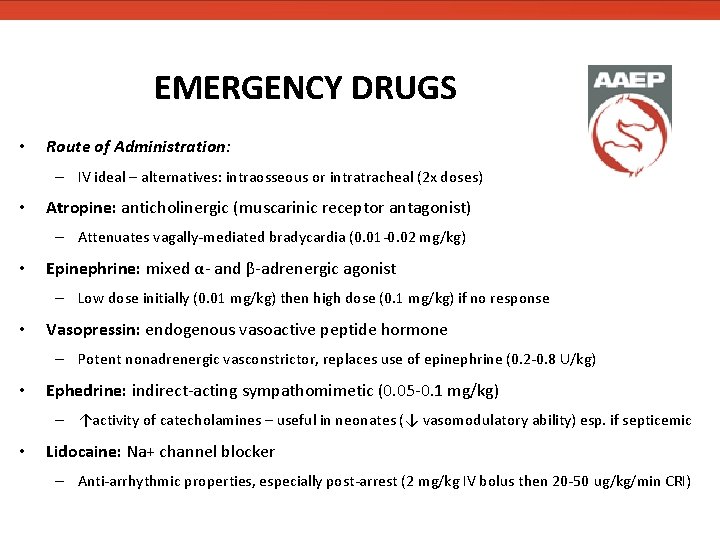
EMERGENCY DRUGS • Route of Administration: – IV ideal – alternatives: intraosseous or intratracheal (2 x doses) • Atropine: anticholinergic (muscarinic receptor antagonist) – Attenuates vagally-mediated bradycardia (0. 01 -0. 02 mg/kg) • Epinephrine: mixed α- and β-adrenergic agonist – Low dose initially (0. 01 mg/kg) then high dose (0. 1 mg/kg) if no response • Vasopressin: endogenous vasoactive peptide hormone – Potent nonadrenergic vasconstrictor, replaces use of epinephrine (0. 2 -0. 8 U/kg) • Ephedrine: indirect-acting sympathomimetic (0. 05 -0. 1 mg/kg) – ↑activity of catecholamines – useful in neonates (↓ vasomodulatory ability) esp. if septicemic • Lidocaine: Na+ channel blocker – Anti-arrhythmic properties, especially post-arrest (2 mg/kg IV bolus then 20 -50 ug/kg/min CRI)
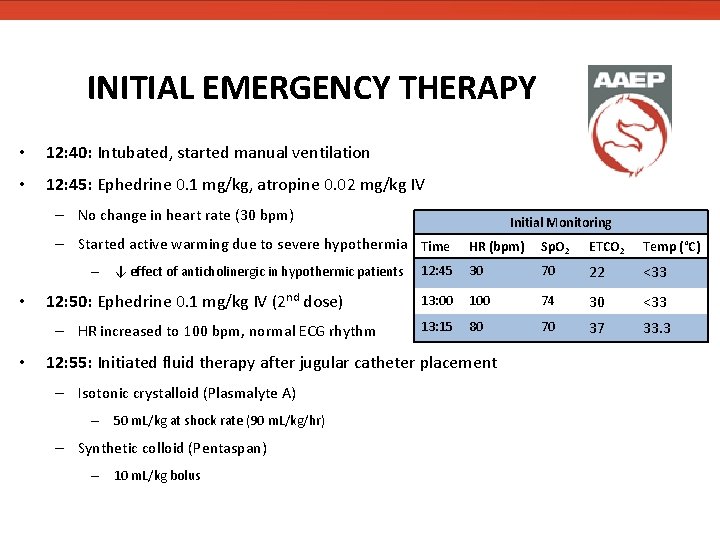
INITIAL EMERGENCY THERAPY • 12: 40: Intubated, started manual ventilation • 12: 45: Ephedrine 0. 1 mg/kg, atropine 0. 02 mg/kg IV – No change in heart rate (30 bpm) Initial Monitoring – Started active warming due to severe hypothermia Time – ↓ effect of anticholinergic in hypothermic patients • 12: 50: Ephedrine 0. 1 mg/kg IV (2 nd dose) – HR increased to 100 bpm, normal ECG rhythm • HR (bpm) Sp. O 2 ETCO 2 Temp (°C) 12: 45 30 70 22 <33 13: 00 100 74 30 <33 13: 15 80 70 37 33. 3 12: 55: Initiated fluid therapy after jugular catheter placement – Isotonic crystalloid (Plasmalyte A) – 50 m. L/kg at shock rate (90 m. L/kg/hr) – Synthetic colloid (Pentaspan) – 10 m. L/kg bolus
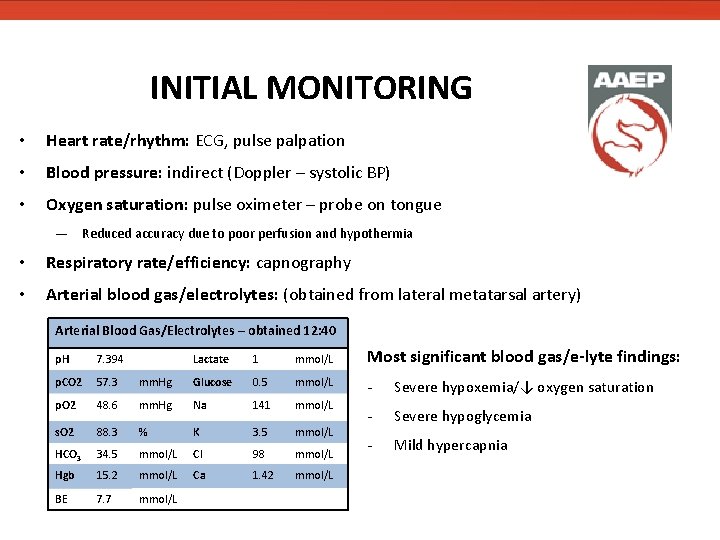
INITIAL MONITORING • Heart rate/rhythm: ECG, pulse palpation • Blood pressure: indirect (Doppler – systolic BP) • Oxygen saturation: pulse oximeter – probe on tongue — Reduced accuracy due to poor perfusion and hypothermia • Respiratory rate/efficiency: capnography • Arterial blood gas/electrolytes: (obtained from lateral metatarsal artery) Arterial Blood Gas/Electrolytes – obtained 12: 40 Lactate 1 mmol/L Most significant blood gas/e-lyte findings: mm. Hg Glucose 0. 5 mmol/L - Severe hypoxemia/↓ oxygen saturation 48. 6 mm. Hg Na 141 mmol/L s. O 2 88. 3 % K 3. 5 mmol/L - Severe hypoglycemia HCO 3 34. 5 mmol/L Cl 98 mmol/L - Mild hypercapnia Hgb 15. 2 mmol/L Ca 1. 42 mmol/L BE 7. 7 mmol/L p. H 7. 394 p. CO 2 57. 3 p. O 2
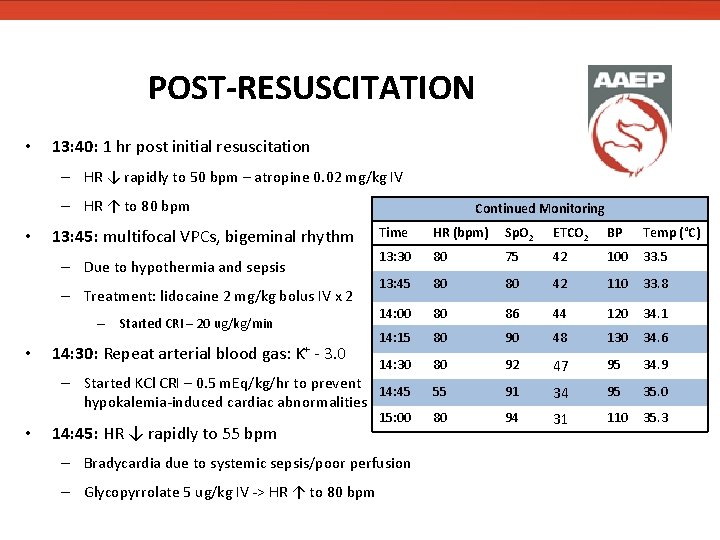
POST-RESUSCITATION • 13: 40: 1 hr post initial resuscitation – HR ↓ rapidly to 50 bpm – atropine 0. 02 mg/kg IV – HR ↑ to 80 bpm • Continued Monitoring 13: 45: multifocal VPCs, bigeminal rhythm – Due to hypothermia and sepsis – Treatment: lidocaine 2 mg/kg bolus IV x 2 – Started CRI – 20 ug/kg/min • 14: 30: Repeat arterial blood gas: K+ - 3. 0 Time HR (bpm) Sp. O 2 ETCO 2 BP Temp (°C) 13: 30 80 75 42 100 33. 5 13: 45 80 80 42 110 33. 8 14: 00 80 86 44 120 34. 1 14: 15 80 90 48 130 34. 6 14: 30 80 92 47 95 34. 9 55 91 34 95 35. 0 80 94 31 110 35. 3 – Started KCl CRI – 0. 5 m. Eq/kg/hr to prevent 14: 45 hypokalemia-induced cardiac abnormalities • 14: 45: HR ↓ rapidly to 55 bpm 15: 00 – Bradycardia due to systemic sepsis/poor perfusion – Glycopyrrolate 5 ug/kg IV -> HR ↑ to 80 bpm
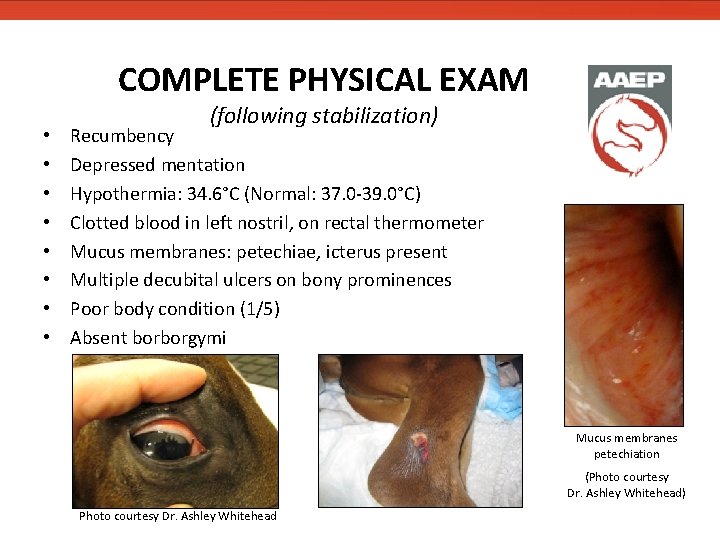
COMPLETE PHYSICAL EXAM • • (following stabilization) Recumbency Depressed mentation Hypothermia: 34. 6°C (Normal: 37. 0 -39. 0°C) Clotted blood in left nostril, on rectal thermometer Mucus membranes: petechiae, icterus present Multiple decubital ulcers on bony prominences Poor body condition (1/5) Absent borborgymi Mucus membranes petechiation (Photo courtesy Dr. Ashley Whitehead) Photo courtesy Dr. Ashley Whitehead
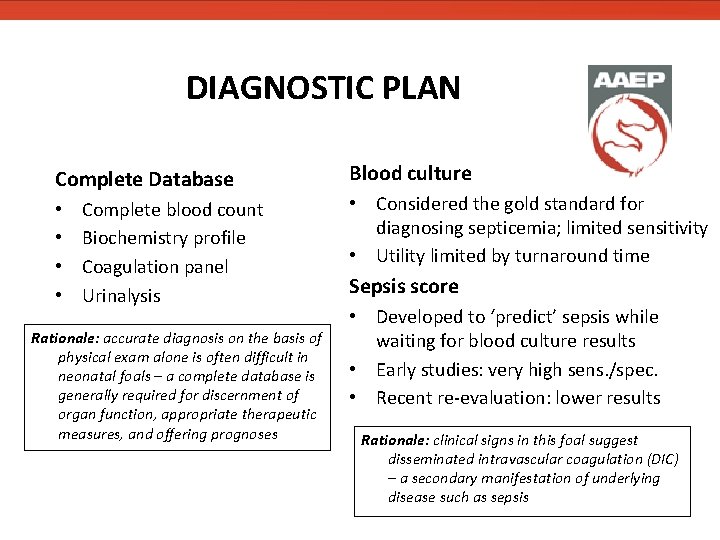
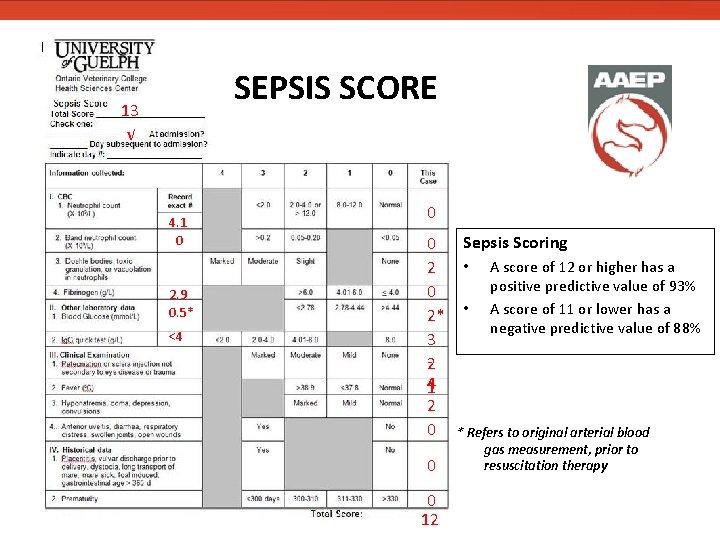
DIAGNOSTIC PLAN Complete Database • • Complete blood count Biochemistry profile Coagulation panel Urinalysis Rationale: accurate diagnosis on the basis of physical exam alone is often difficult in neonatal foals – a complete database is generally required for discernment of organ function, appropriate therapeutic measures, and offering prognoses Blood culture • Considered the gold standard for diagnosing septicemia; limited sensitivity • Utility limited by turnaround time Sepsis score • Developed to ‘predict’ sepsis while waiting for blood culture results • Early studies: very high sens. /spec. • Recent re-evaluation: lower results Rationale: clinical signs in this foal suggest disseminated intravascular coagulation (DIC) – a secondary manifestation of underlying disease such as sepsis
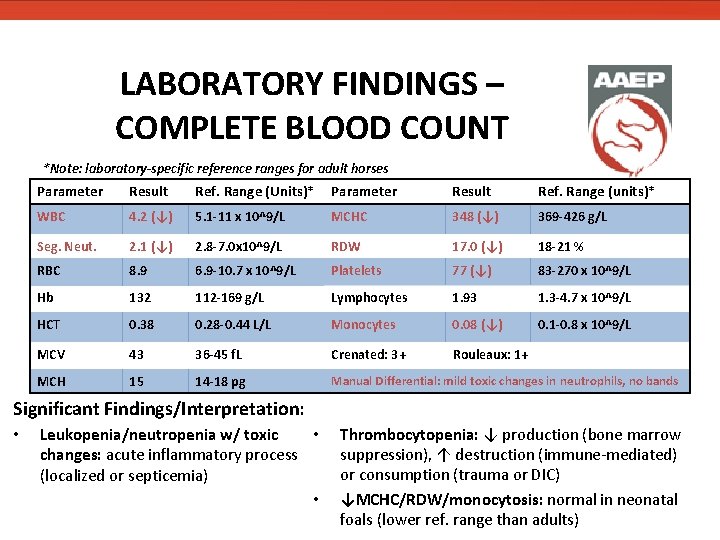
LABORATORY FINDINGS – COMPLETE BLOOD COUNT *Note: laboratory-specific reference ranges for adult horses Parameter Result Ref. Range (Units)* Parameter Result Ref. Range (units)* WBC 4. 2 (↓) 5. 1 -11 x 10^9/L MCHC 348 (↓) 369 -426 g/L Seg. Neut. 2. 1 (↓) 2. 8 -7. 0 x 10^9/L RDW 17. 0 (↓) 18 -21 % RBC 8. 9 6. 9 -10. 7 x 10^9/L Platelets 77 (↓) 83 -270 x 10^9/L Hb 132 112 -169 g/L Lymphocytes 1. 93 1. 3 -4. 7 x 10^9/L HCT 0. 38 0. 28 -0. 44 L/L Monocytes 0. 08 (↓) 0. 1 -0. 8 x 10^9/L MCV 43 36 -45 f. L Crenated: 3+ Rouleaux: 1+ MCH 15 14 -18 pg Manual Differential: mild toxic changes in neutrophils, no bands Significant Findings/Interpretation: • • Leukopenia/neutropenia w/ toxic changes: acute inflammatory process (localized or septicemia) • Thrombocytopenia: ↓ production (bone marrow suppression), ↑ destruction (immune-mediated) or consumption (trauma or DIC) ↓MCHC/RDW/monocytosis: normal in neonatal foals (lower ref. range than adults)
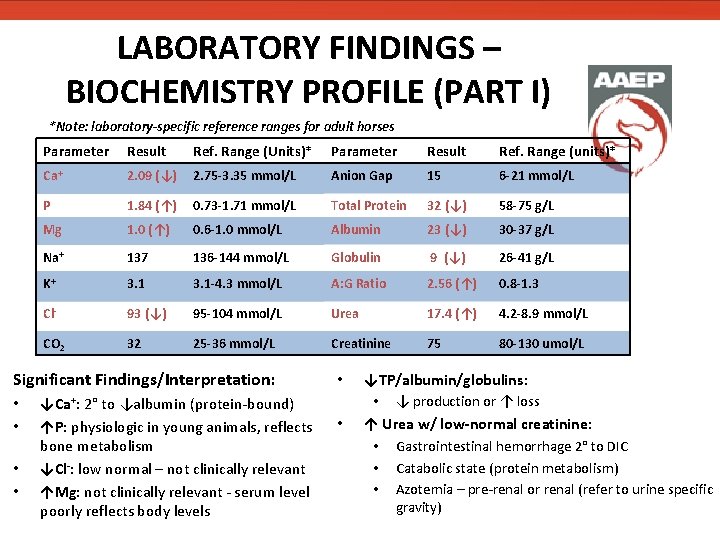
LABORATORY FINDINGS – BIOCHEMISTRY PROFILE (PART I) *Note: laboratory-specific reference ranges for adult horses Parameter Result Ref. Range (Units)* Parameter Result Ref. Range (units)* Ca+ 2. 09 (↓) 2. 75 -3. 35 mmol/L Anion Gap 15 6 -21 mmol/L P 1. 84 (↑) 0. 73 -1. 71 mmol/L Total Protein 32 (↓) 58 -75 g/L Mg 1. 0 (↑) 0. 6 -1. 0 mmol/L Albumin 23 (↓) 30 -37 g/L Na+ 137 136 -144 mmol/L Globulin 9 (↓) 26 -41 g/L K+ 3. 1 -4. 3 mmol/L A: G Ratio 2. 56 (↑) 0. 8 -1. 3 Cl- 93 (↓) 95 -104 mmol/L Urea 17. 4 (↑) 4. 2 -8. 9 mmol/L CO 2 32 25 -36 mmol/L Creatinine 75 80 -130 umol/L Significant Findings/Interpretation: • • ↓Ca+: 2° to ↓albumin (protein-bound) ↑P: physiologic in young animals, reflects bone metabolism ↓Cl-: low normal – not clinically relevant ↑Mg: not clinically relevant - serum level poorly reflects body levels • • ↓TP/albumin/globulins: • ↓ production or ↑ loss ↑ Urea w/ low-normal creatinine: • Gastrointestinal hemorrhage 2° to DIC • Catabolic state (protein metabolism) • Azotemia – pre-renal or renal (refer to urine specific gravity)
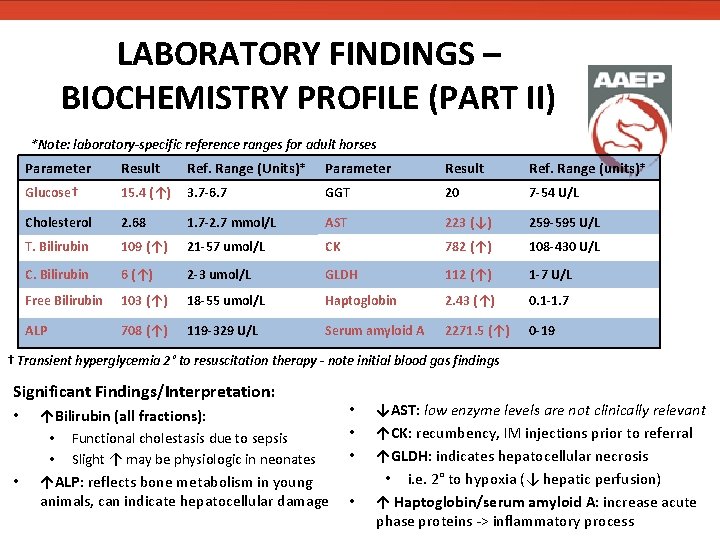
LABORATORY FINDINGS – BIOCHEMISTRY PROFILE (PART II) *Note: laboratory-specific reference ranges for adult horses Parameter Result Ref. Range (Units)* Parameter Result Ref. Range (units)* Glucose† 15. 4 (↑) 3. 7 -6. 7 GGT 20 7 -54 U/L Cholesterol 2. 68 1. 7 -2. 7 mmol/L AST 223 (↓) 259 -595 U/L T. Bilirubin 109 (↑) 21 -57 umol/L CK 782 (↑) 108 -430 U/L C. Bilirubin 6 (↑) 2 -3 umol/L GLDH 112 (↑) 1 -7 U/L Free Bilirubin 103 (↑) 18 -55 umol/L Haptoglobin 2. 43 (↑) 0. 1 -1. 7 ALP 708 (↑) 119 -329 U/L Serum amyloid A 2271. 5 (↑) 0 -19 † Transient hyperglycemia 2° to resuscitation therapy - note initial blood gas findings Significant Findings/Interpretation: • • ↑Bilirubin (all fractions): • Functional cholestasis due to sepsis • Slight ↑ may be physiologic in neonates ↑ALP: reflects bone metabolism in young animals, can indicate hepatocellular damage • • ↓AST: low enzyme levels are not clinically relevant ↑CK: recumbency, IM injections prior to referral ↑GLDH: indicates hepatocellular necrosis • i. e. 2° to hypoxia (↓ hepatic perfusion) ↑ Haptoglobin/serum amyloid A: increase acute phase proteins -> inflammatory process
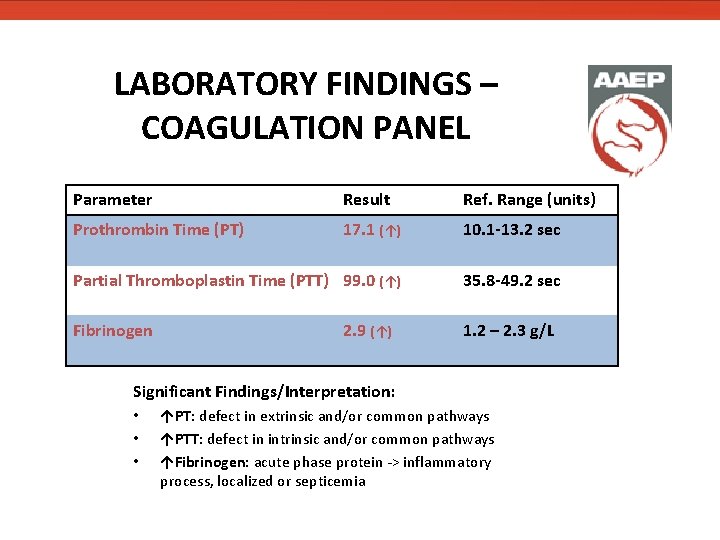
LABORATORY FINDINGS – COAGULATION PANEL Parameter Result Ref. Range (units) Prothrombin Time (PT) 17. 1 (↑) 10. 1 -13. 2 sec Partial Thromboplastin Time (PTT) 99. 0 (↑) 35. 8 -49. 2 sec Fibrinogen 1. 2 – 2. 3 g/L 2. 9 (↑) Significant Findings/Interpretation: • • • ↑PT: defect in extrinsic and/or common pathways ↑PTT: defect in intrinsic and/or common pathways ↑Fibrinogen: acute phase protein -> inflammatory process, localized or septicemia
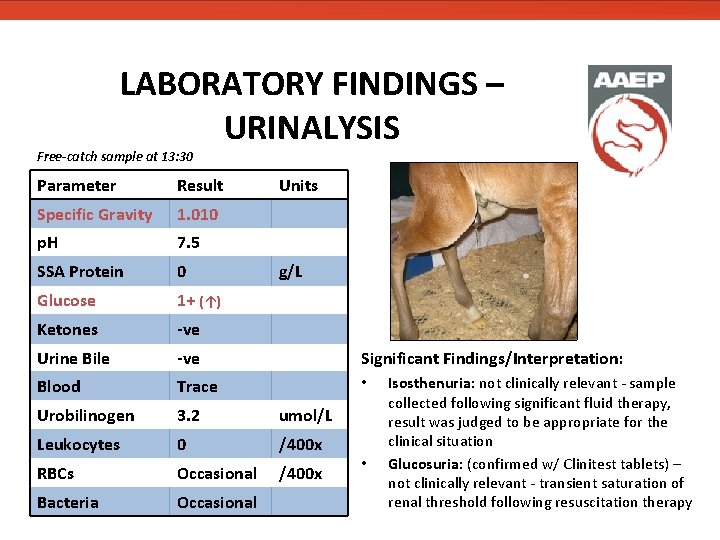
LABORATORY FINDINGS – URINALYSIS Free-catch sample at 13: 30 Parameter Result Units Specific Gravity 1. 010 p. H 7. 5 SSA Protein 0 Glucose 1+ (↑) Ketones -ve Urine Bile -ve Significant Findings/Interpretation: Blood Trace • Urobilinogen 3. 2 umol/L Leukocytes 0 /400 x RBCs Occasional /400 x Bacteria Occasional g/L • Isosthenuria: not clinically relevant - sample collected following significant fluid therapy, result was judged to be appropriate for the clinical situation Glucosuria: (confirmed w/ Clinitest tablets) – not clinically relevant - transient saturation of renal threshold following resuscitation therapy
SEPSIS SCORE 13 √ 4. 1 0 2. 9 0. 5* <4 0 0 Sepsis Scoring 2 • A score of 12 or higher has a positive predictive value of 93% 0 2* • A score of 11 or lower has a negative predictive value of 88% 3 -2 4 1 2 0 * Refers to original arterial blood 0 0 12 gas measurement, prior to resuscitation therapy
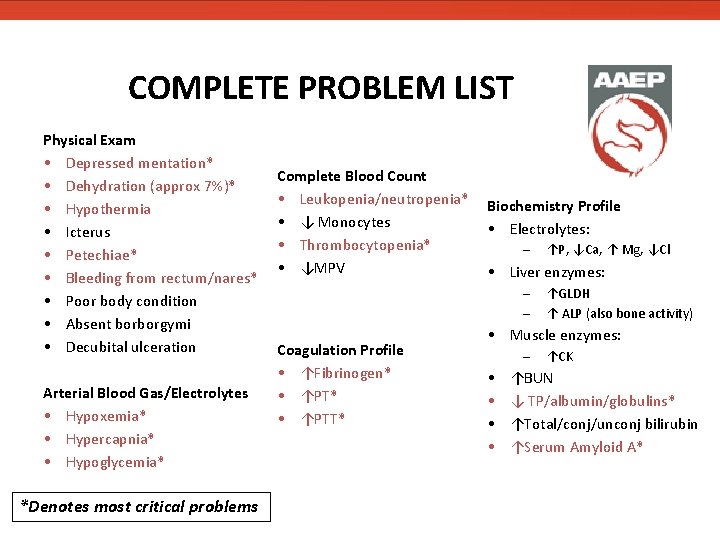
COMPLETE PROBLEM LIST Physical Exam • Depressed mentation* • Dehydration (approx 7%)* • Hypothermia • Icterus • Petechiae* • Bleeding from rectum/nares* • Poor body condition • Absent borborgymi • Decubital ulceration Arterial Blood Gas/Electrolytes • Hypoxemia* • Hypercapnia* • Hypoglycemia* *Denotes most critical problems Complete Blood Count • Leukopenia/neutropenia* • ↓ Monocytes • Thrombocytopenia* • ↓MPV Biochemistry Profile • Electrolytes: – • Liver enzymes: – – Coagulation Profile • ↑Fibrinogen* • ↑PTT* ↑P, ↓Ca, ↑ Mg, ↓Cl ↑GLDH ↑ ALP (also bone activity) • Muscle enzymes: – • • ↑CK ↑BUN ↓ TP/albumin/globulins* ↑Total/conj/unconj bilirubin ↑Serum Amyloid A*
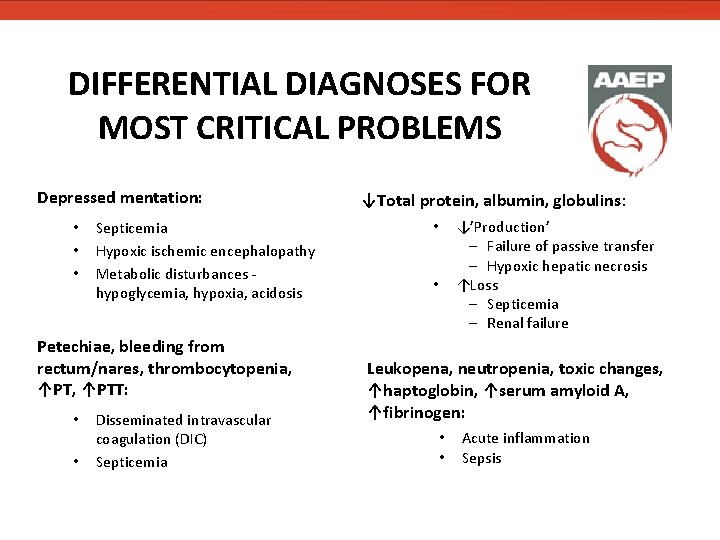
DIFFERENTIAL DIAGNOSES FOR MOST CRITICAL PROBLEMS Depressed mentation: • • • Septicemia Hypoxic ischemic encephalopathy Metabolic disturbances hypoglycemia, hypoxia, acidosis Petechiae, bleeding from rectum/nares, thrombocytopenia, ↑PTT: • • Disseminated intravascular coagulation (DIC) Septicemia ↓Total protein, albumin, globulins: ↓’Production’ – Failure of passive transfer – Hypoxic hepatic necrosis ↑Loss – Septicemia – Renal failure • • Leukopena, neutropenia, toxic changes, ↑haptoglobin, ↑serum amyloid A, ↑fibrinogen: • • Acute inflammation Sepsis
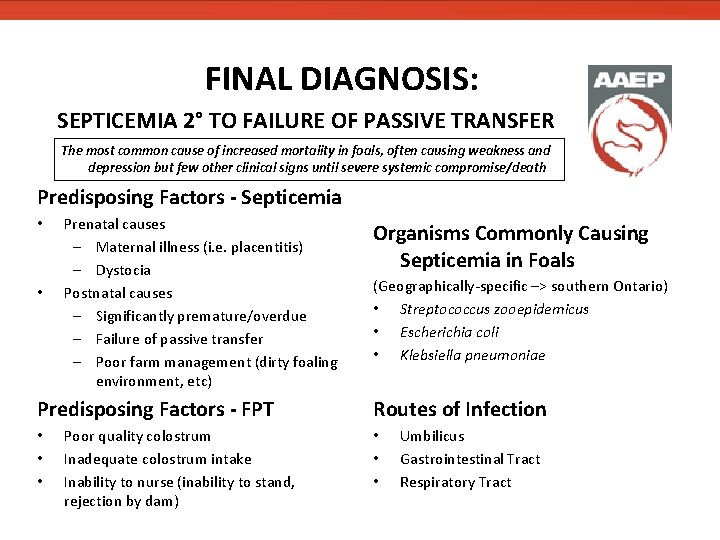
FINAL DIAGNOSIS: SEPTICEMIA 2° TO FAILURE OF PASSIVE TRANSFER The most common cause of increased mortality in foals, often causing weakness and depression but few other clinical signs until severe systemic compromise/death Predisposing Factors - Septicemia • • Prenatal causes – Maternal illness (i. e. placentitis) – Dystocia Postnatal causes – Significantly premature/overdue – Failure of passive transfer – Poor farm management (dirty foaling environment, etc) Predisposing Factors - FPT • • • Poor quality colostrum Inadequate colostrum intake Inability to nurse (inability to stand, rejection by dam) Organisms Commonly Causing Septicemia in Foals (Geographically-specific –> southern Ontario) • Streptococcus zooepidemicus • Escherichia coli • Klebsiella pneumoniae Routes of Infection • • • Umbilicus Gastrointestinal Tract Respiratory Tract
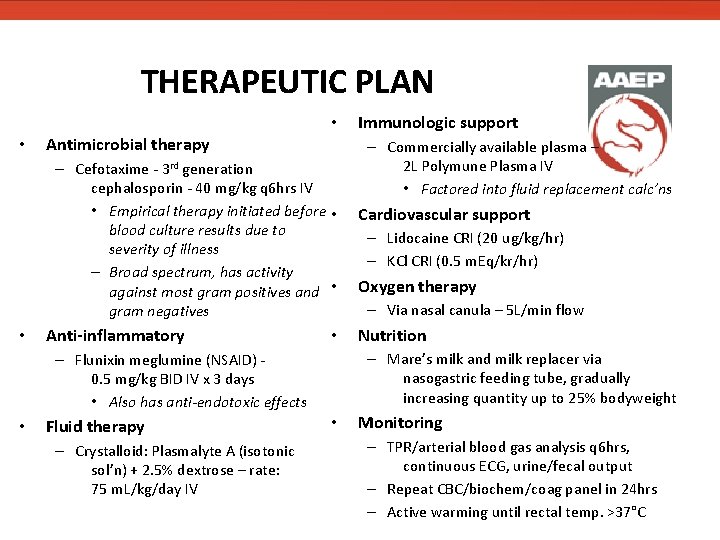
THERAPEUTIC PLAN • • Antimicrobial therapy – Cefotaxime - 3 rd generation cephalosporin - 40 mg/kg q 6 hrs IV • Empirical therapy initiated before • blood culture results due to severity of illness – Broad spectrum, has activity against most gram positives and • gram negatives • Anti-inflammatory • Fluid therapy – Crystalloid: Plasmalyte A (isotonic sol’n) + 2. 5% dextrose – rate: 75 m. L/kg/day IV – Commercially available plasma – 2 L Polymune Plasma IV • Factored into fluid replacement calc’ns Cardiovascular support – Lidocaine CRI (20 ug/kg/hr) – KCl CRI (0. 5 m. Eq/kr/hr) Oxygen therapy – Via nasal canula – 5 L/min flow Nutrition – Mare’s milk and milk replacer via nasogastric feeding tube, gradually increasing quantity up to 25% bodyweight – Flunixin meglumine (NSAID) 0. 5 mg/kg BID IV x 3 days • Also has anti-endotoxic effects • Immunologic support • Monitoring – TPR/arterial blood gas analysis q 6 hrs, continuous ECG, urine/fecal output – Repeat CBC/biochem/coag panel in 24 hrs – Active warming until rectal temp. >37°C
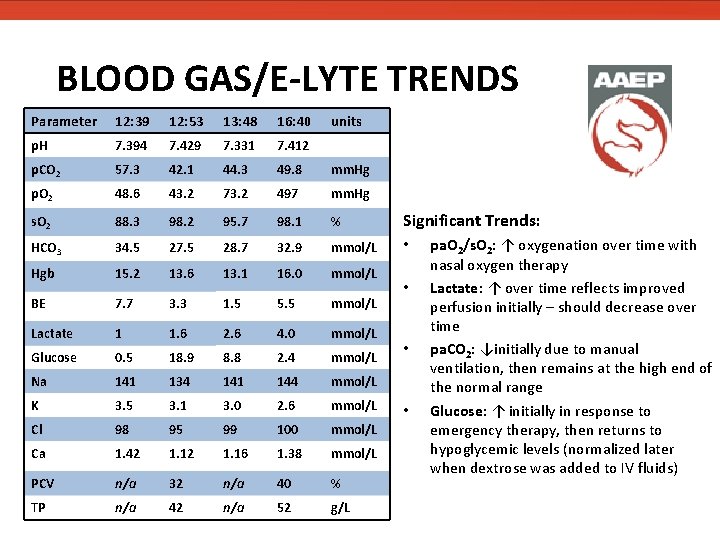
BLOOD GAS/E-LYTE TRENDS Parameter 12: 39 12: 53 13: 48 16: 40 units p. H 7. 394 7. 429 7. 331 7. 412 p. CO 2 57. 3 42. 1 44. 3 49. 8 mm. Hg p. O 2 48. 6 43. 2 73. 2 497 mm. Hg s. O 2 88. 3 98. 2 95. 7 98. 1 % Significant Trends: HCO 3 34. 5 27. 5 28. 7 32. 9 mmol/L • Hgb 15. 2 13. 6 13. 1 16. 0 mmol/L BE 7. 7 3. 3 1. 5 5. 5 mmol/L Lactate 1 1. 6 2. 6 4. 0 mmol/L Glucose 0. 5 18. 9 8. 8 2. 4 mmol/L Na 141 134 141 144 mmol/L K 3. 5 3. 1 3. 0 2. 6 mmol/L Cl 98 95 99 100 mmol/L Ca 1. 42 1. 16 1. 38 mmol/L PCV n/a 32 n/a 40 % TP n/a 42 n/a 52 g/L • • • pa. O 2/s. O 2: ↑ oxygenation over time with nasal oxygen therapy Lactate: ↑ over time reflects improved perfusion initially – should decrease over time pa. CO 2: ↓initially due to manual ventilation, then remains at the high end of the normal range Glucose: ↑ initially in response to emergency therapy, then returns to hypoglycemic levels (normalized later when dextrose was added to IV fluids)
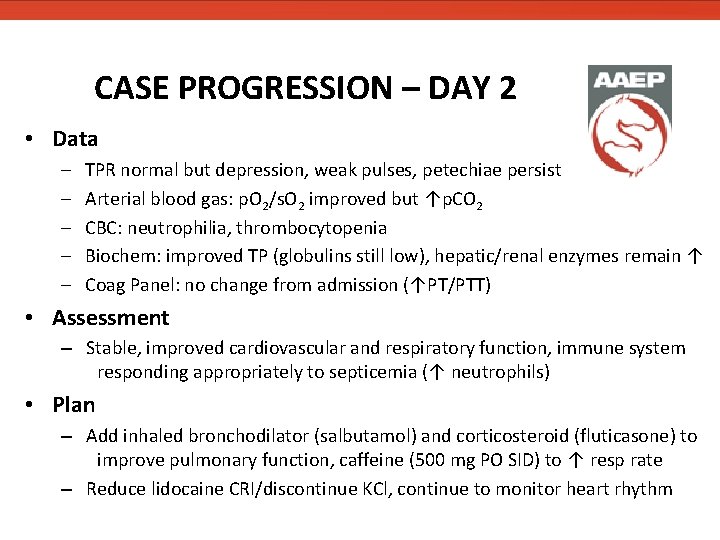
CASE PROGRESSION – DAY 2 • Data – – – TPR normal but depression, weak pulses, petechiae persist Arterial blood gas: p. O 2/s. O 2 improved but ↑p. CO 2 CBC: neutrophilia, thrombocytopenia Biochem: improved TP (globulins still low), hepatic/renal enzymes remain ↑ Coag Panel: no change from admission (↑PT/PTT) • Assessment – Stable, improved cardiovascular and respiratory function, immune system responding appropriately to septicemia (↑ neutrophils) • Plan – Add inhaled bronchodilator (salbutamol) and corticosteroid (fluticasone) to improve pulmonary function, caffeine (500 mg PO SID) to ↑ resp rate – Reduce lidocaine CRI/discontinue KCl, continue to monitor heart rhythm
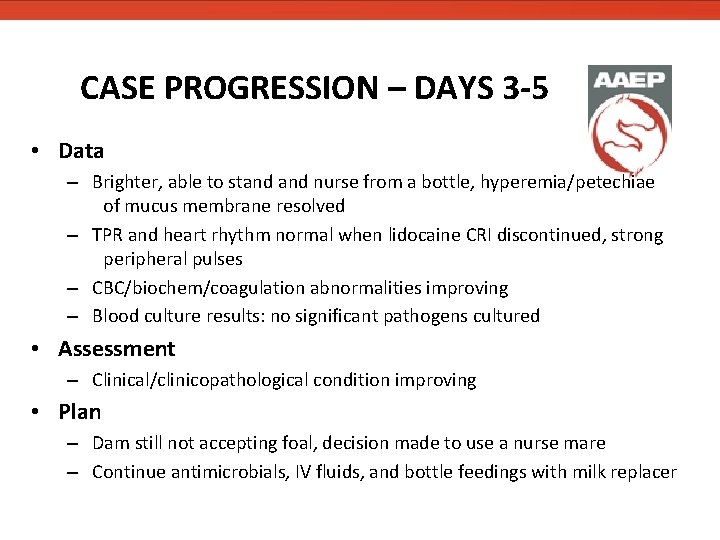
CASE PROGRESSION – DAYS 3 -5 • Data – Brighter, able to stand nurse from a bottle, hyperemia/petechiae of mucus membrane resolved – TPR and heart rhythm normal when lidocaine CRI discontinued, strong peripheral pulses – CBC/biochem/coagulation abnormalities improving – Blood culture results: no significant pathogens cultured • Assessment – Clinical/clinicopathological condition improving • Plan – Dam still not accepting foal, decision made to use a nurse mare – Continue antimicrobials, IV fluids, and bottle feedings with milk replacer
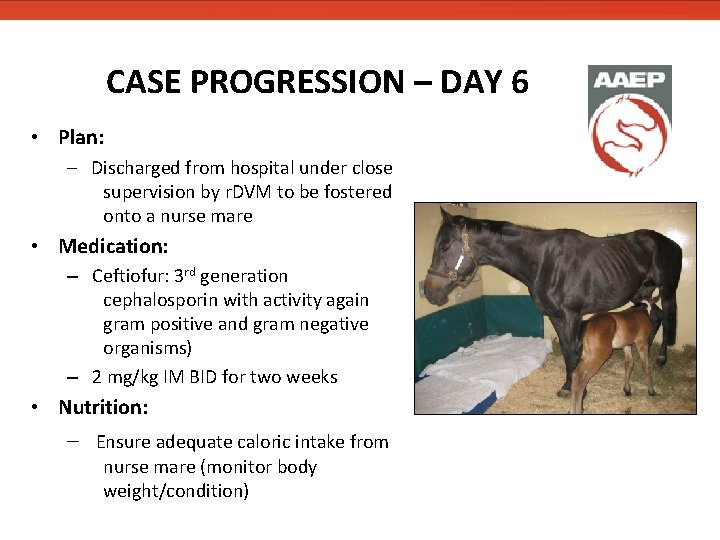
CASE PROGRESSION – DAY 6 • Plan: – Discharged from hospital under close supervision by r. DVM to be fostered onto a nurse mare • Medication: – Ceftiofur: 3 rd generation cephalosporin with activity again gram positive and gram negative organisms) – 2 mg/kg IM BID for two weeks • Nutrition: – Ensure adequate caloric intake from nurse mare (monitor body weight/condition)
PROGNOSIS • Post-resuscitation: – Prognosis following a rapid resuscitation can be quite good – Negative prognostic indicators: use of multiple drugs, ETCO 2 <15 mm. Hg • Septicemic foals: – Several studies have looked at prognosis of septicemic foals – Survival to discharge varies from 30 -75% (50 -60% is common) • Prognosis for future performance: – Long term survival has not been closely studied – New Bolton Centre study: fewer NICU survivors are registered/enter one race than a matched control population – However, there was no difference in number of starts/winnings for those that started in at least one race
CLIENT EDUCATION – PREVENTION OF SEPTICEMIA Ensure adequate passive transfer (Quality, Quantity, Timing) • • Assess quality of colostrum – measure specific gravity – >1. 050 is adequate, >1. 090 is ideal Ensure sufficient quantity has been ingested (test Ig. G levels at 12 -24 hrs of age) Timing: should nurse by 3 hrs (ideal), significantly ↓ gut absorption by 12 hrs Administer plasma promptly if required (Ig. G <800 mg/d. L) Maintain a clean environment • • Disinfect foaling stall between mares Wash mare’s perineum, vulva, and udder after foaling before nursing Attention to the umbilicus • • Chlorhexidine umbilical dip (ideal) or povidone-iodine 2 x/day for 3 days Observe umbilicus for signs of omphalophlebitis or patent urachus
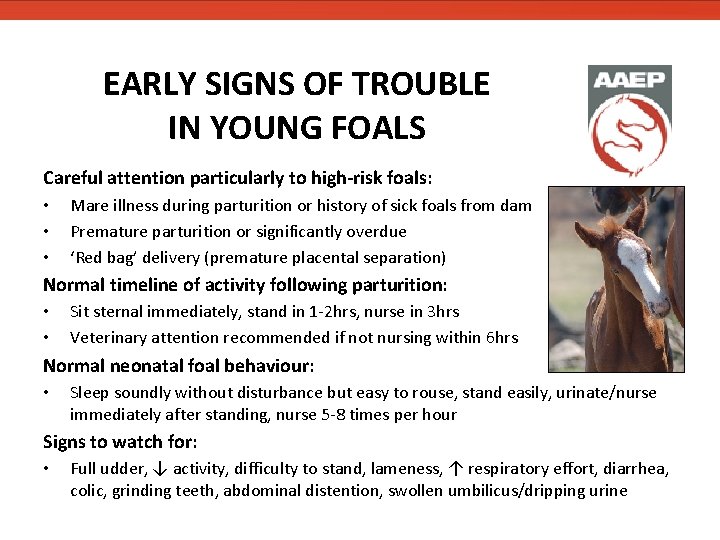
EARLY SIGNS OF TROUBLE IN YOUNG FOALS Careful attention particularly to high-risk foals: • • • Mare illness during parturition or history of sick foals from dam Premature parturition or significantly overdue ‘Red bag’ delivery (premature placental separation) Normal timeline of activity following parturition: • • Sit sternal immediately, stand in 1 -2 hrs, nurse in 3 hrs Veterinary attention recommended if not nursing within 6 hrs Normal neonatal foal behaviour: • Sleep soundly without disturbance but easy to rouse, stand easily, urinate/nurse immediately after standing, nurse 5 -8 times per hour Signs to watch for: • Full udder, ↓ activity, difficulty to stand, lameness, ↑ respiratory effort, diarrhea, colic, grinding teeth, abdominal distention, swollen umbilicus/dripping urine
OUTCOME This foal did not survive to weaning – indicated in mare’s production record when sold at auction in the fall– cause of death not available
ACKNOWLEDGMENTS Thanks to Dr. Joanne Hewson, DVM, Ph. D, DACVIM (senior clinician and mentor) Thanks to Dr. Darren Wood, DVM, DVSc, DACVP for assistance with clinical pathology interpretation Thanks to Dr. Ashley Whitehead for providing images
REFERENCES & FURTHER READING 1. 2. 3. 4. 5. 6. Axon, JE, Palmer, JE. Clinical pathology of the foal. Vet Clin Equine 2008; 24: 357 -385. Axon, JE, Palmer, JE. Short- and long-term athletic outcome of neonatal intensive care unit survivors. Proceedings of the 45 th AAEP Annual Convention, Albuquerque, New Mexico, 1999. Palmer, JE. Neonatal foal resuscitation. Vet Clin Equine 2007; 23: 159 -182 Pierce, S. Foal care from birth to 30 days: a practitioner’s perspective. Proceedings of the 49 th AAEP Annual Convention, New Orleans, Louisiana, 2003. Sanchez, LC. Equine neonatal sepsis. Vet Clin Equine 2005; 21: 273 -293. Vaala, WE, House, JK. Perinatal adaptation, asphyxia, and resuscitation. In: Large Animal Internal Medicine, 3 rd ed. Ed: Smith B, Mosby, St. Louis. 2002. Pp. 272 -275.