
Management Information Systems MIS 1 12242021 Learning Objectives
Management Information Systems (MIS) 1 12/24/2021
Learning Objectives (Cont’d) Understand what enterprise resource 2 planning systems are and the reasons for their popularity. Know how to tailor information systems to managers based on where they are located in the organizational structure and what they do. Understand the relationship between problem solving and decision making and know the basic problem-solving 12/24/2021
History of Information Systems Evolution in Computer Hardware Mainframe Multitasking Smaller Computers Minicomputers Microcomputers Personal computers (PC) 3 12/24/2021
Introduction to Computer Architecture Hardware-processor, keyboard, monitor, mouse, printer, etc. Software-application, operating, etc. Used to support managerial decision making. 4 12/24/2021
Introduction to Computer Architecture (Cont’d) Modem-hardware device that modulates the digital signals from a computer into analog signals (telephone system), and vice versa. Direct communication standards Between computers is much faster. Wireless networks 5 12/24/2021
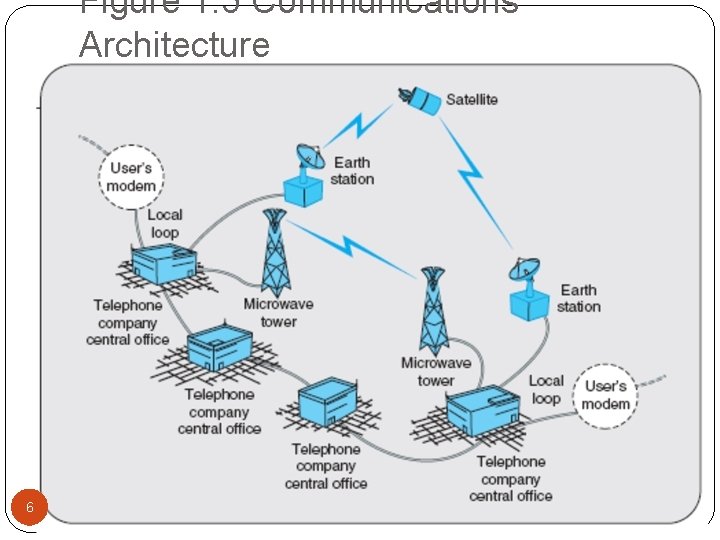
Figure 1. 5 Communications Architecture 6 12/24/2021
The Evolution in Computer Applications Information systems are virtual systems 7 that enable management to control the operations of the physical system of the firm. Physical system-tangible resources such as materials, personnel, machines, and money. Virtual system-information resources that are used to represent the physical system. 12/24/2021
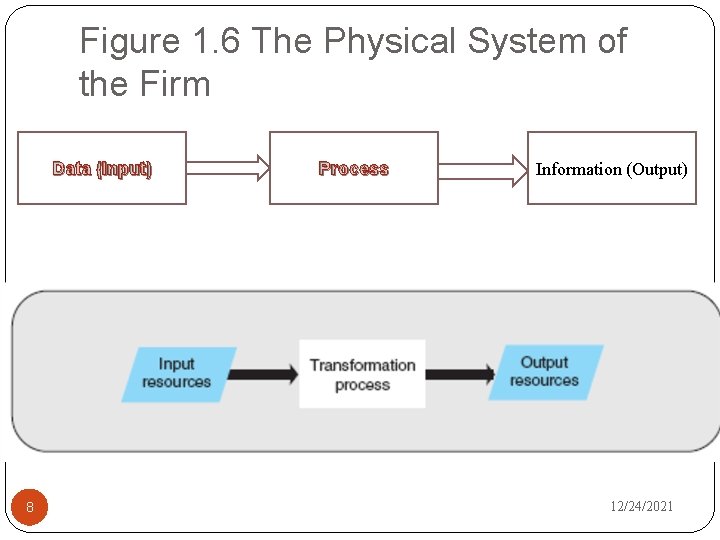
Figure 1. 6 The Physical System of the Firm Data (Input) 8 Process Information (Output) 12/24/2021
The Evolution of Computer Applications (Cont’d) Open system is a firm’s physical system that interacts with its environment by means of physical resource flows. E. g. an accounting system that records accounts receivable, accounts payable and cash flow is open if it receives its payroll figures from the payroll systems Subsystems, by definition areaways open systems, because as a component of a bigger system they must receive info from and give info to other subsystems 12/24/2021 9 Other examples is connecting suppliers and
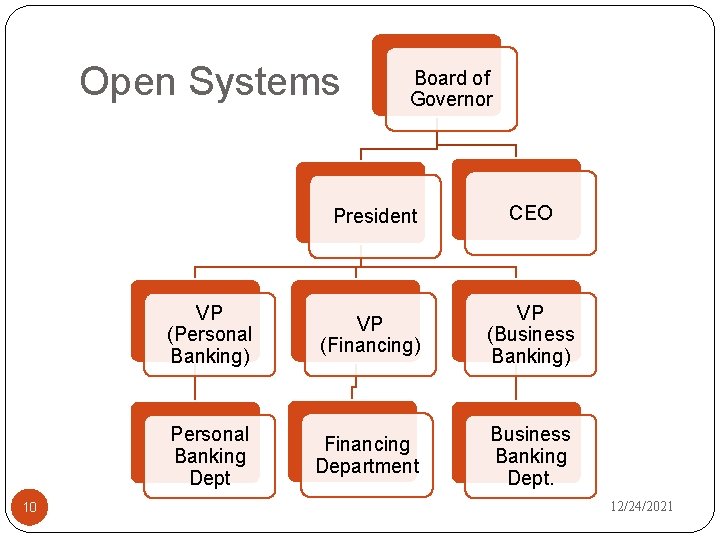
Open Systems 10 Board of Governor President CEO VP (Personal Banking) VP (Financing) VP (Business Banking) Personal Banking Dept Financing Department Business Banking Dept. 12/24/2021
Closed system is a standalone system, one that does not communicate with its environment. Nothing flows in from another system and nothing flows out to another system. 11 12/24/2021
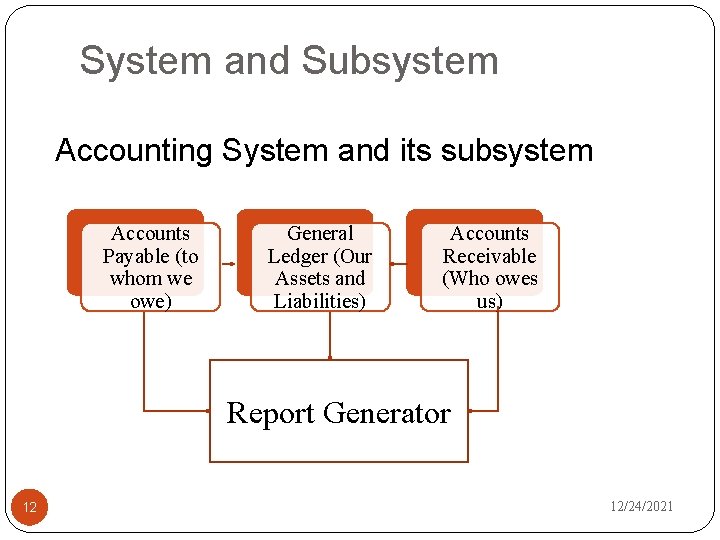
System and Subsystem Accounting System and its subsystem Accounts Payable (to whom we owe) General Ledger (Our Assets and Liabilities) Accounts Receivable (Who owes us) Report Generator 12 12/24/2021
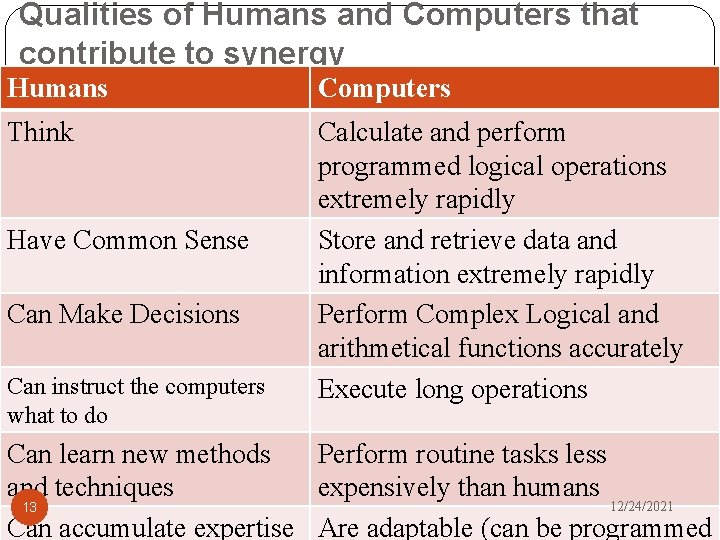
Qualities of Humans and Computers that contribute to synergy Humans Computers Think Calculate and perform programmed logical operations extremely rapidly Store and retrieve data and information extremely rapidly Perform Complex Logical and arithmetical functions accurately Execute long operations Have Common Sense Can Make Decisions Can instruct the computers what to do Can learn new methods Perform routine tasks less and techniques expensively than humans 12/24/2021 13 Can accumulate expertise Are adaptable (can be programmed
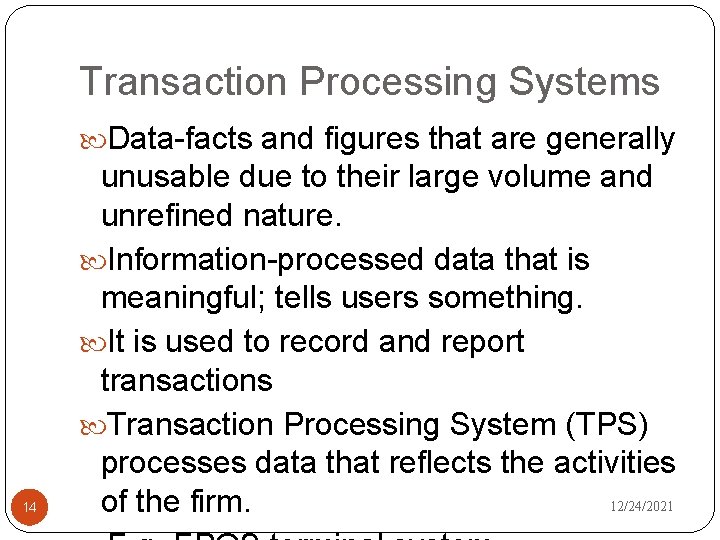
Transaction Processing Systems Data-facts and figures that are generally 14 unusable due to their large volume and unrefined nature. Information-processed data that is meaningful; tells users something. It is used to record and report transactions Transaction Processing System (TPS) processes data that reflects the activities 12/24/2021 of the firm.
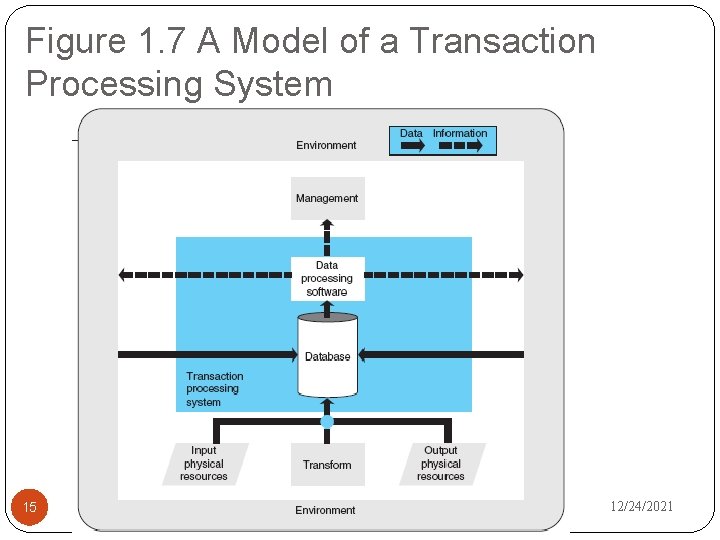
Figure 1. 7 A Model of a Transaction Processing System 15 12/24/2021
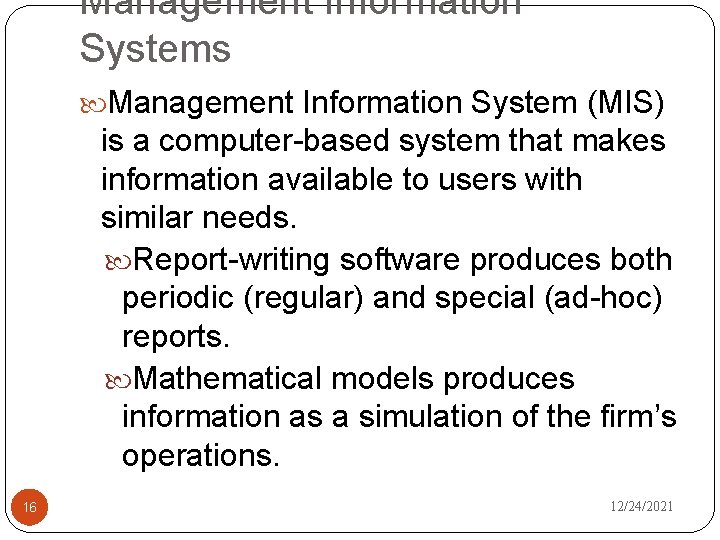
Management Information Systems Management Information System (MIS) is a computer-based system that makes information available to users with similar needs. Report-writing software produces both periodic (regular) and special (ad-hoc) reports. Mathematical models produces information as a simulation of the firm’s operations. 16 12/24/2021
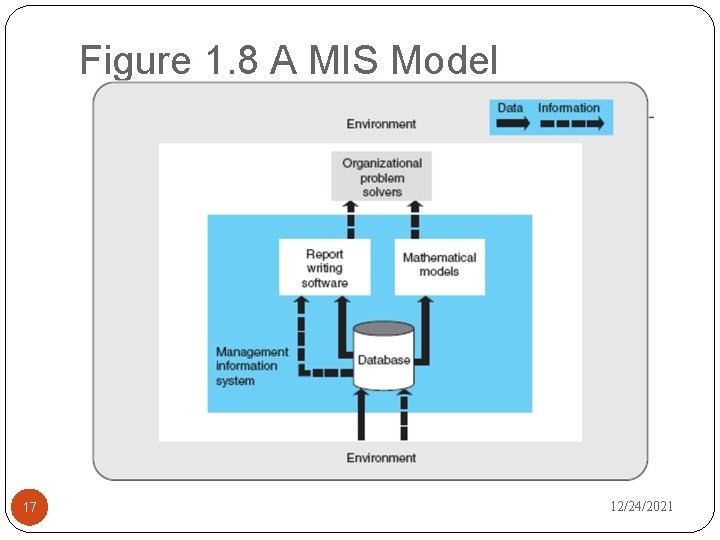
Figure 1. 8 A MIS Model 17 12/24/2021
Management Information Systems (Cont’d) Information provided by MIS describes the firm or one of its major systems. What has happened in the past. What is happening now. What is likely to happen in the future. Interorganizational information system (IOS)–is formed when a firm interacts with others, such as suppliers. 18 12/24/2021
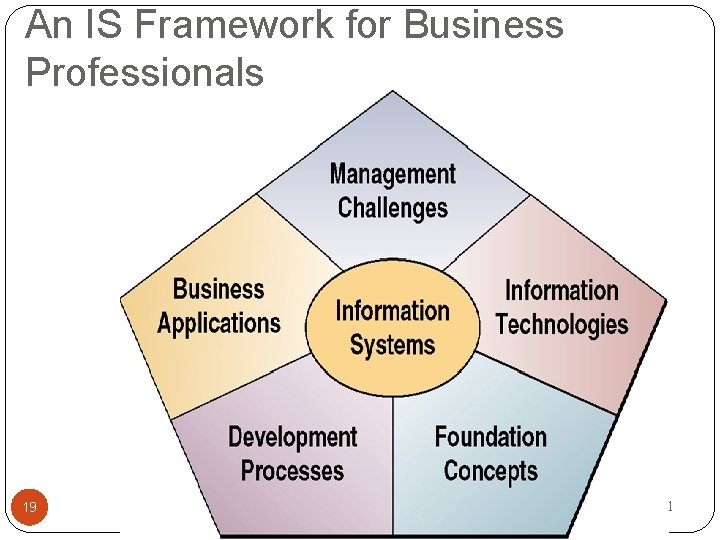
An IS Framework for Business Professionals 19 12/24/2021
Five areas of knowledge are important to end users in order to understand information systems: Foundation Concepts. End users must be familiar with the basic components and types of information systems there are. But they also need to be familiar with general systems theory and theories of information processing (machine and human). These topics are Information Technology. End users should 20 understand technology, more precisely, the information technology of hardware, software, telecommunications, database management, and how all these elements interaction in a dynamic process of very rapid change, development, and new ways of doing business (See Chapters 3 -6). 12/24/2021
Business Applications. How information systems are applied to business problems is more complex than it might seem. The informed end users seeks to learn both about how to use information systems to solve existing problems and to begin using IS as a new way of defining problems and meeting business opportunities. End users should gain a basic understanding in the areas of user needs, office automation, transaction processing, the functional areas of business, management reporting, decision support, executive support, competitive advantage, and artificial intelligence Development Processes. End users of IS need to know 21 the fundamental concepts of problem-solving and development. Here you should become familiar with methodologies such as the systems approach, the systems development life cycle, and prototyping 12/24/2021
Five areas of knowledge Management Challenges. How managers make use of IS resources is a key concern for end users. More than ever, a knowledge of management methods is required by each end users, as IT demands that end users make more independent decisions that support the company's overall objectives. Key issues such as information resource management, global IT management, and information systems planning, implementation, and control 22 12/24/2021
Virtual Office Systems Applications like email, voice mail, electronic calendaring, audio conferencing, video conferencing, computer conferencing and faxing etc. has made it possible to setup virtual office. Office automation-use of electronics to facilitate communication. Personal productivity systems(like PDAsuse technology to self-manage clerical tasks such as calendars, address books, etc. Virtual office-performing office activities 12/24/2021 23 independent of a particular physical location.
Virtual Office Systems For example a manager can engage in a video conferencing without all employees gathering at the same physical location. Virtual office systems have made managers more available to customers and to others within the firm. 24 12/24/2021
Decision Support Systems (DSS) A Decision Support Systems (DSS) is a class of information systems (including but not limited to computerized systems) that support business and organizational decision-making activities. A properly designed DSS is an interactive software-based system intended to help decision makers compile useful information from a combination of raw data, documents, personal knowledge, or business models to identify and solve problems and make decisions. 12/24/2021 25
Decision Support Systems Decision Support System (DSS)–assists management in solving a problem. Typical information that a decision support application might gather and present are: an inventory of all of your current information assets (including legacy and relational data sources, cubes, data warehouses, and data marts), comparative sales figures between one week and the next, Groupware–group-oriented software. Group decision support system (GDSS) combines groupware and the DSS. 12/24/2021 26 Artificial intelligence (AI)–the science of providing
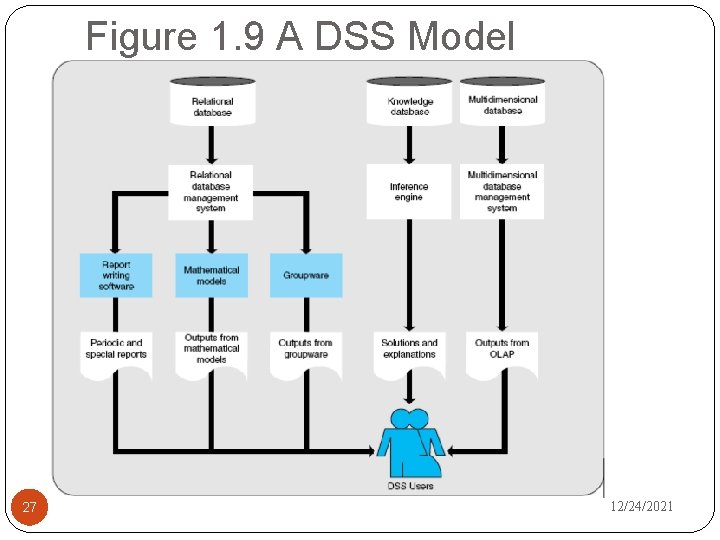
Figure 1. 9 A DSS Model 27 12/24/2021
Enterprise Resource Planning Systems Enterprise Resource Planning System (ERP) is a computer-based system that enables the management of all of the firm’s resources on an organization-wide basis. Y 2 K compliant SAP–ERP Provider 28 12/24/2021
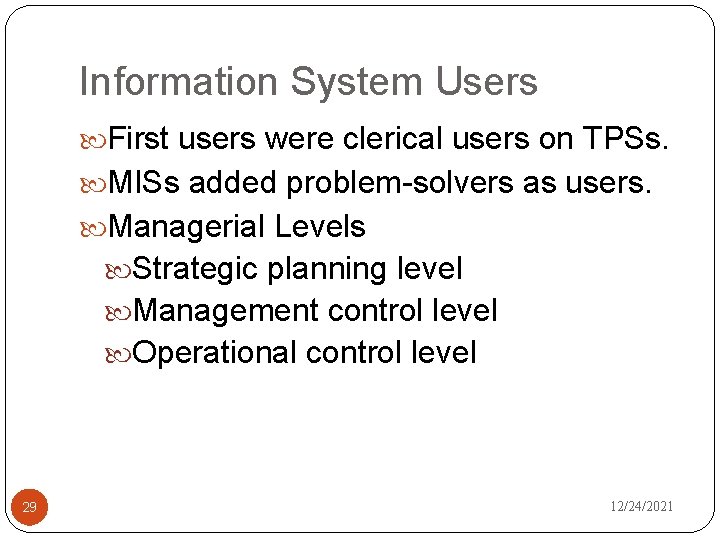
Information System Users First users were clerical users on TPSs. MISs added problem-solvers as users. Managerial Levels Strategic planning level Management control level Operational control level 29 12/24/2021
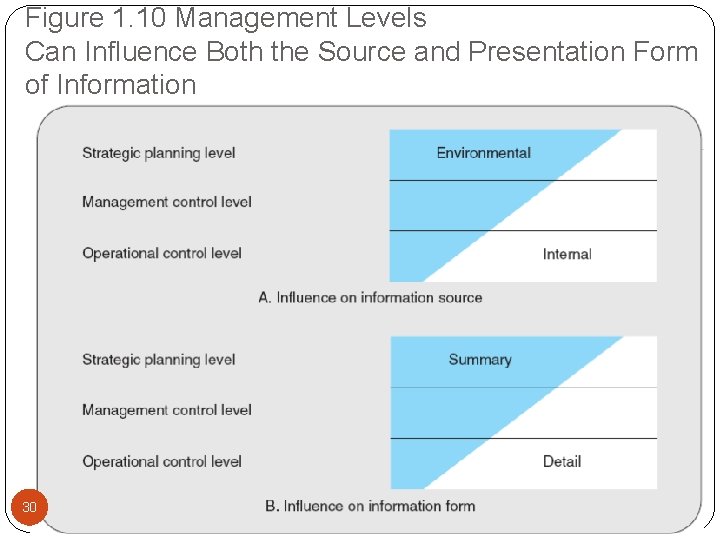
Figure 1. 10 Management Levels Can Influence Both the Source and Presentation Form of Information 30 12/24/2021
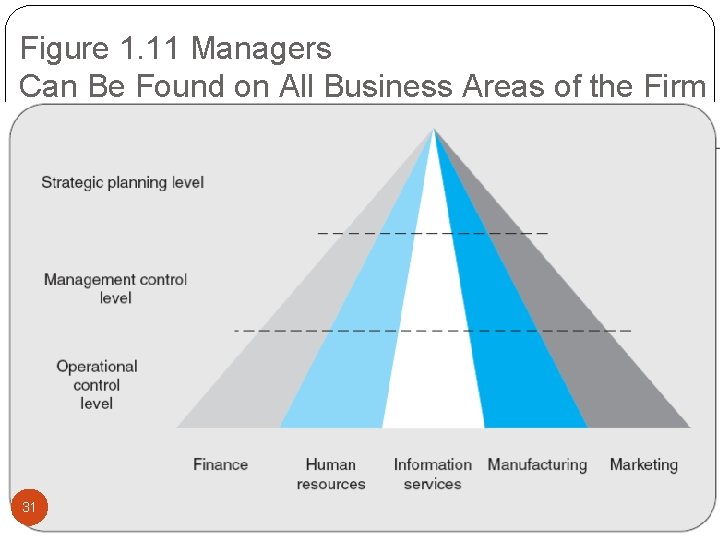
Figure 1. 11 Managers Can Be Found on All Business Areas of the Firm 31 12/24/2021
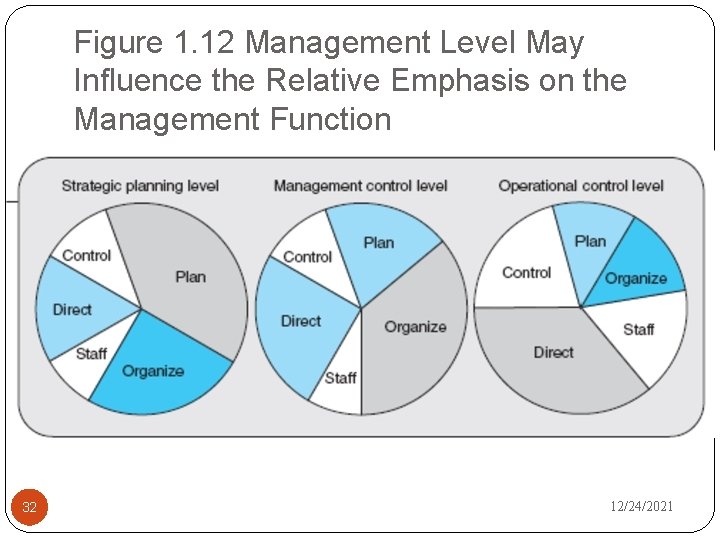
Figure 1. 12 Management Level May Influence the Relative Emphasis on the Management Function 32 12/24/2021
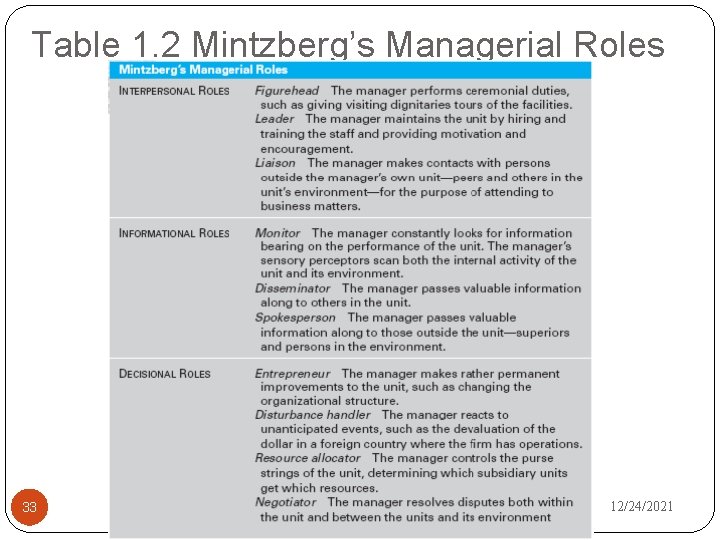
Table 1. 2 Mintzberg’s Managerial Roles 33 12/24/2021
Problem Solving and Decision Making Problem– condition or event that is harmful or potentially harmful to a firm or that is beneficial or potentially beneficial. Solution–outcome of the problemsolving activity. Decision–a particular selected course of action. 34 12/24/2021
Problem-Solving Phases The four phases are: Intelligence activity. Search the environment for conditions calling for a solution. Design activity. Invent, develop, and analyze possible courses of action. Choice activity. Select a particular course of action from those available. Review activity. Assess past choices. 35 12/24/2021
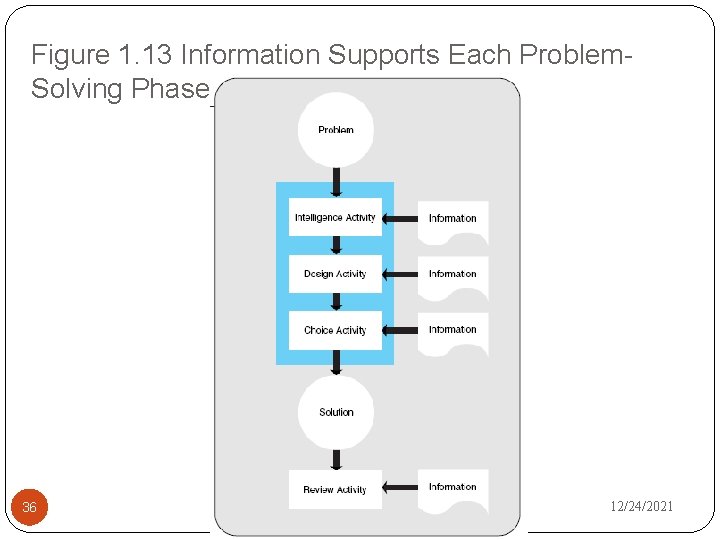
Figure 1. 13 Information Supports Each Problem. Solving Phase 36 12/24/2021
- Slides: 36