
MANAGEMENT INFORMATION SYSTEMS Lesson 3 Dr Joan P

- Slides: 28
MANAGEMENT INFORMATION SYSTEMS Lesson 3 Dr. Joan P. Lazaro
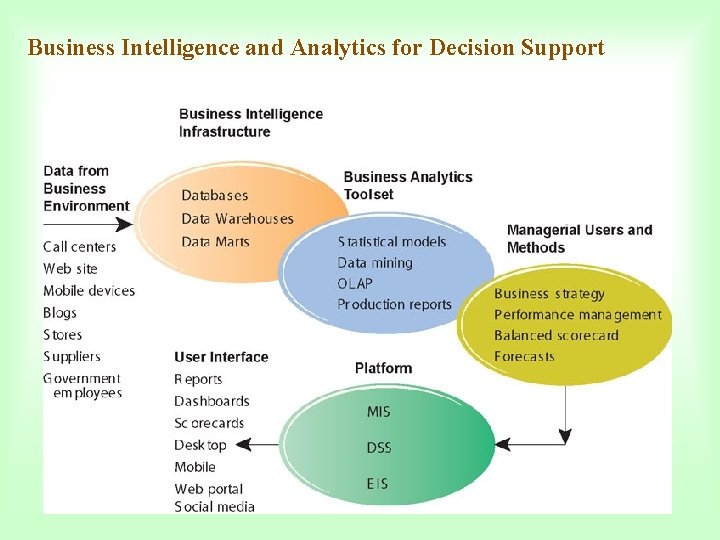
Six elements in business intelligence environment • Data from the business environment: Businesses must deal with both structured and unstructured data from many different sources, including mobile devices and the Internet. The data need to be integrated and organized so that they can be analyzed and used by human decision makers • Business intelligence infrastructure: The underlying foundation of business intelligence is a powerful database system that captures all the relevant data to operate the business. The data may be stored in transactional databases or combined and integrated into an enterprisedata warehouse or series of interrelated data marts • Business analytics toolset: A set of software tools are used to analyze data and produce reports, respond to questions posed by managers, and track the progress of the business using key indicators of performance
Six elements in business intelligence environment • Managerial users and methods: Business intelligence hardware and software only as intelligent as the human beings who use them. o Managers impose order on the analysis of data using a variety of managerial methods that define strategic business goals and specify how progress will be measured. o These include business performance management and balanced scorecard approaches focusing on key performance indicators and industry strategic analyses focusing on changes in the general business environment, with special attention to competitors. o Without strong senior management over-sight, business analytics can produce a great deal of information, reports, and online screens that focus on the wrong matters and divert attention from the real issues. o You need to remember that, so far, only humans can ask intelligent questions.
Six elements in business intelligence environment • • Delivery platform - MIS, DSS, ESS. The results from business intelligence and analytics are delivered to managers and employees in a variety of ways, depending on what they need to know to perform their jobs. MIS, DSS, and ESS, deliver information and knowledge to different people and levels in the firm— operational employees, middle managers, and senior executives. In the past, these systems could not share data and operated as independent systems. Today, one suite of hardware and software tools in the form of a business intelligence and analytics package is able to integrate all this information and bring it to managers’ desktop or mobile platforms. User interface: Business people are no longer tied to their desks and desktops. They often learn quicker from a visual representation of data than from a dry report with columns and rows of information. Today’s business analytics software suites emphasize visual techniques such as dashboards and scorecards. They also are able to deliver reports on Blackberrys, i. Phones, and other mobile handhelds as well as on the firm’s Web portal. BA software is adding capabilities to post information on Twitter, Facebook, or internal social media to support decision making in an online group setting rather than in a face-to-face meeting.
Business Intelligence and Analytics for Decision Support
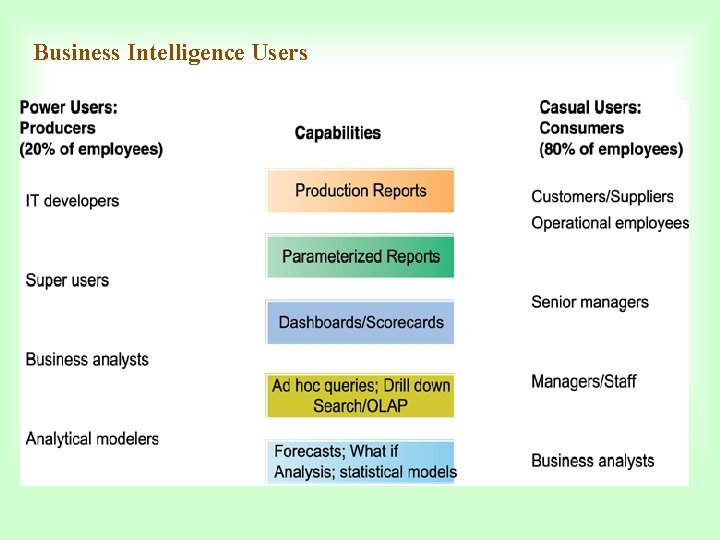
Business Intelligence Users
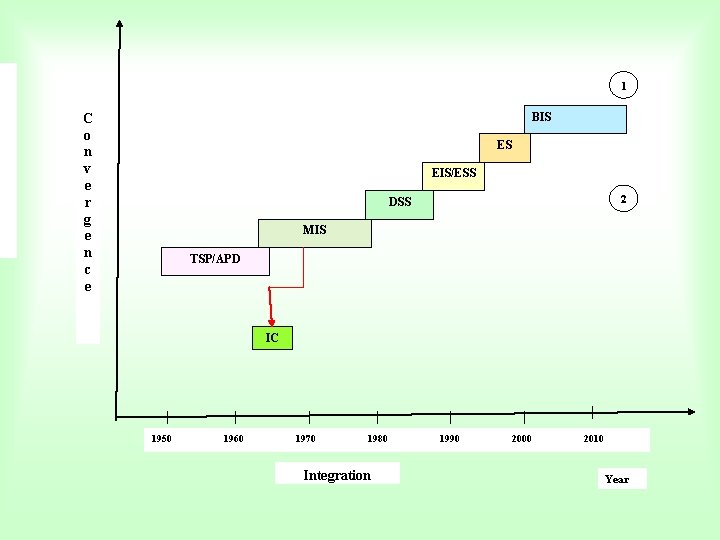
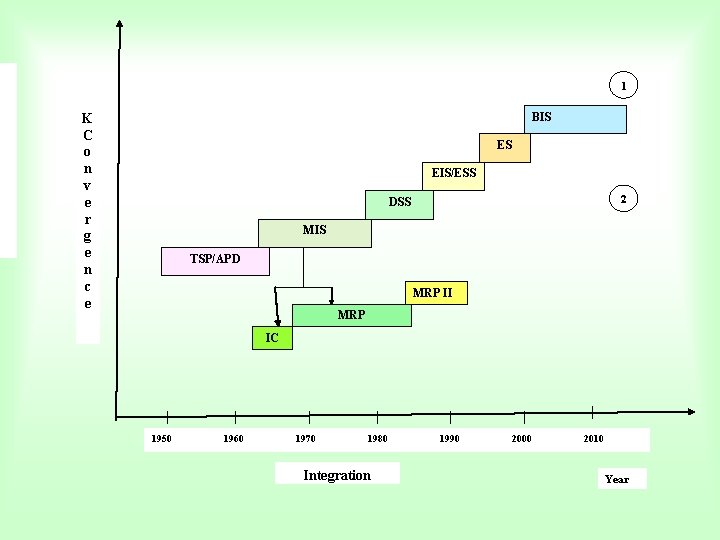
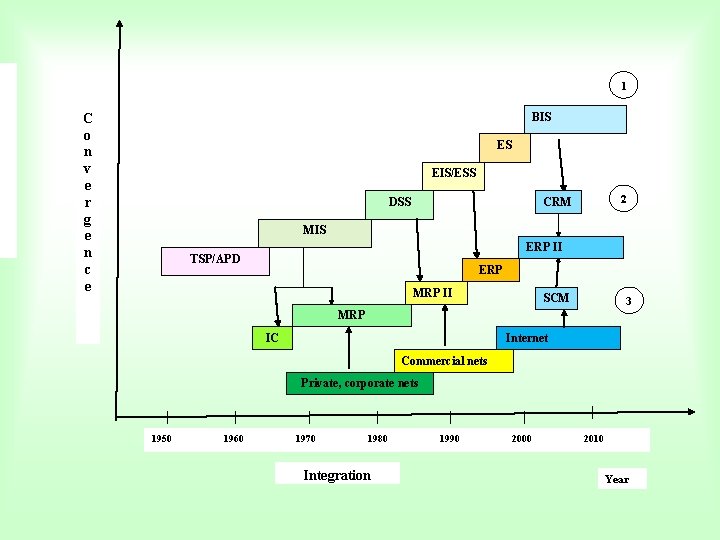
1 BIS C o n v e r g e n c e ES EIS/ESS 2 DSS MIS TSP/APD IC 1950 1960 1970 1980 Integration 1990 2000 2010 Year
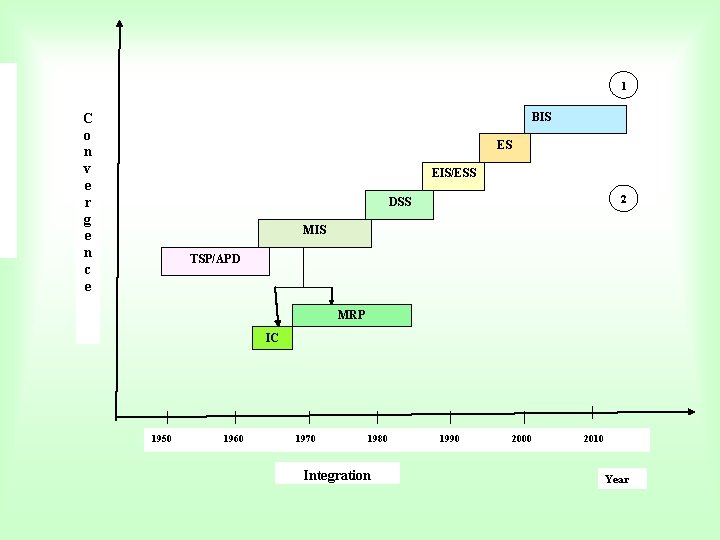
1 BIS C o n v e r g e n c e ES EIS/ESS 2 DSS MIS TSP/APD MRP IC 1950 1960 1970 1980 Integration 1990 2000 2010 Year
1 BIS K C o n v e r g e n c e ES EIS/ESS 2 DSS MIS TSP/APD MRP II MRP IC 1950 1960 1970 1980 Integration 1990 2000 2010 Year
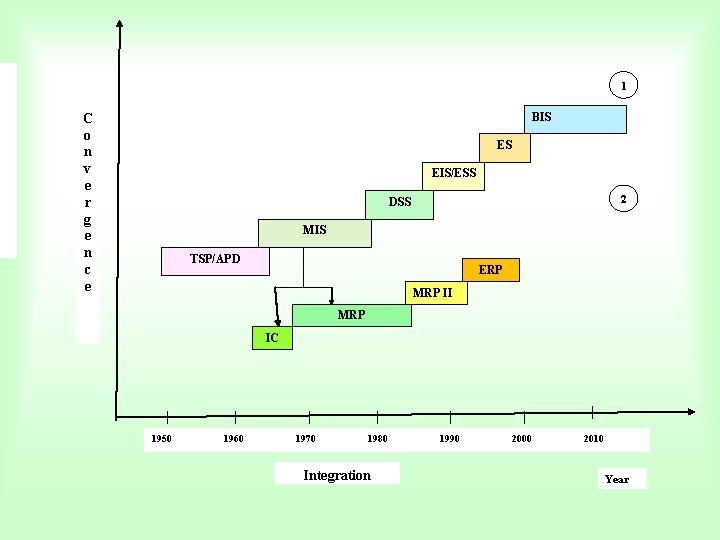
1 BIS C o n v e r g e n c e ES EIS/ESS 2 DSS MIS TSP/APD ERP MRP II MRP IC 1950 1960 1970 1980 Integration 1990 2000 2010 Year
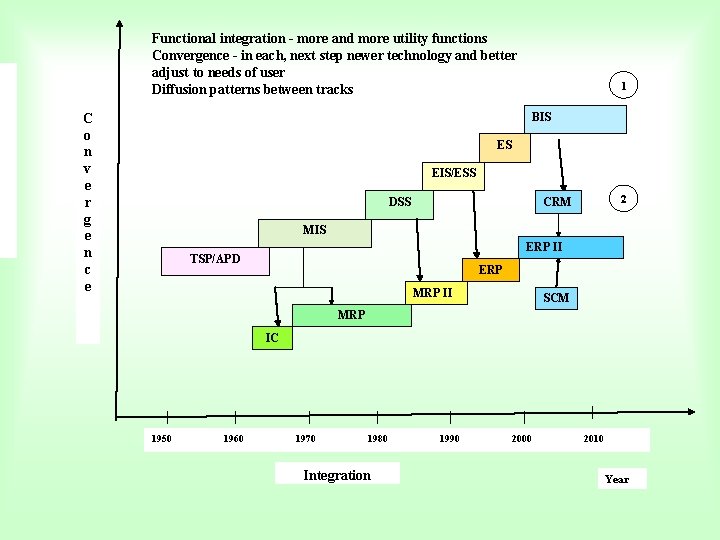
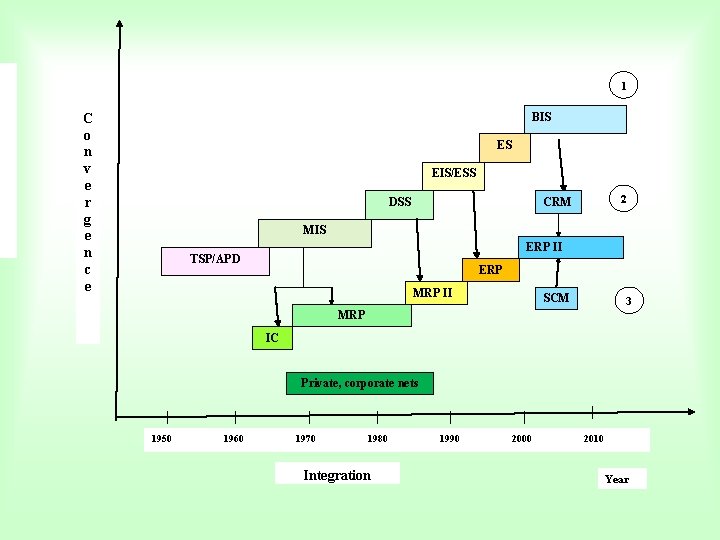
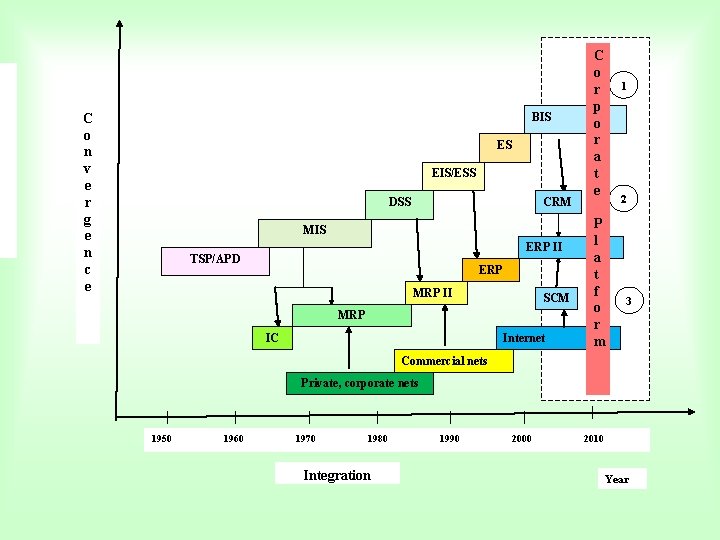
Functional integration - more and more utility functions Convergence - in each, next step newer technology and better adjust to needs of user Diffusion patterns between tracks 1 BIS C o n v e r g e n c e ES EIS/ESS DSS 2 CRM MIS ERP II TSP/APD ERP MRP II SCM MRP IC 1950 1960 1970 1980 Integration 1990 2000 2010 Year
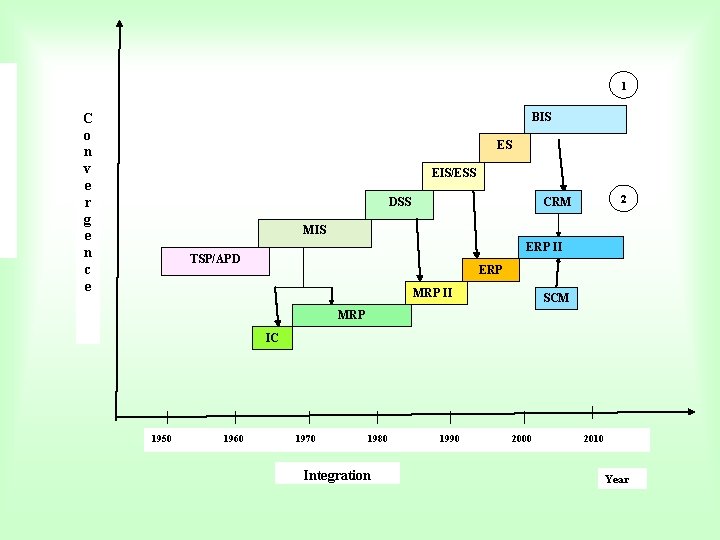
1 BIS C o n v e r g e n c e ES EIS/ESS DSS 2 CRM MIS ERP II TSP/APD ERP MRP II SCM MRP IC 1950 1960 1970 1980 Integration 1990 2000 2010 Year
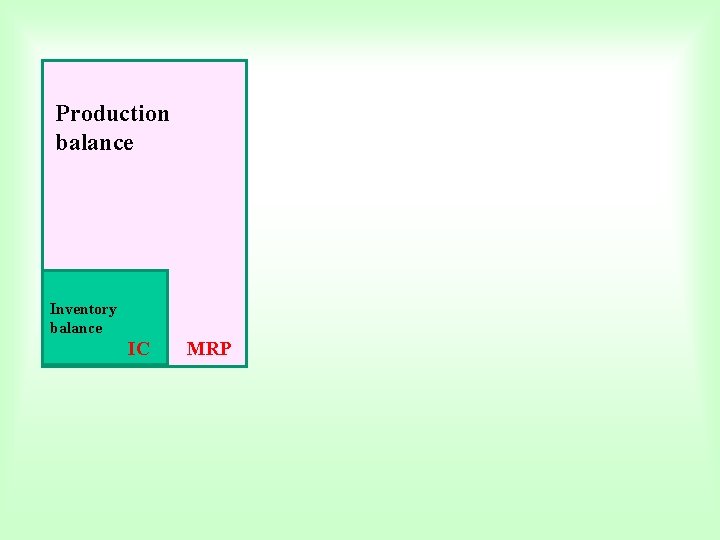
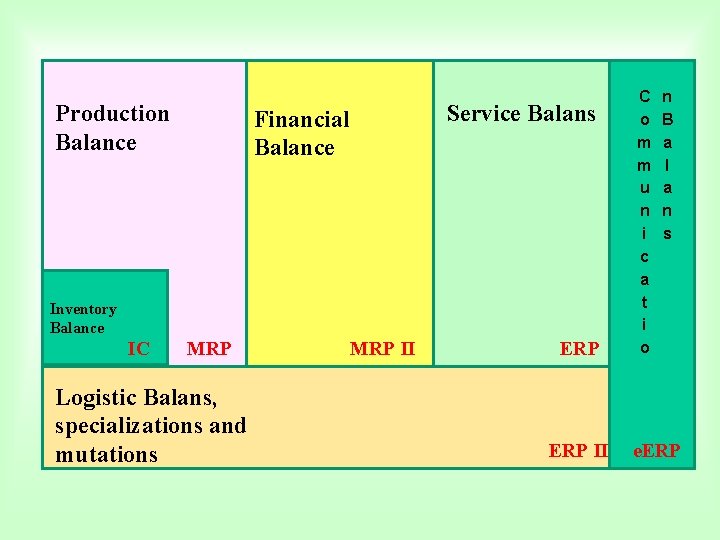
Inventory balance IC
Production balance Inventory balance IC MRP
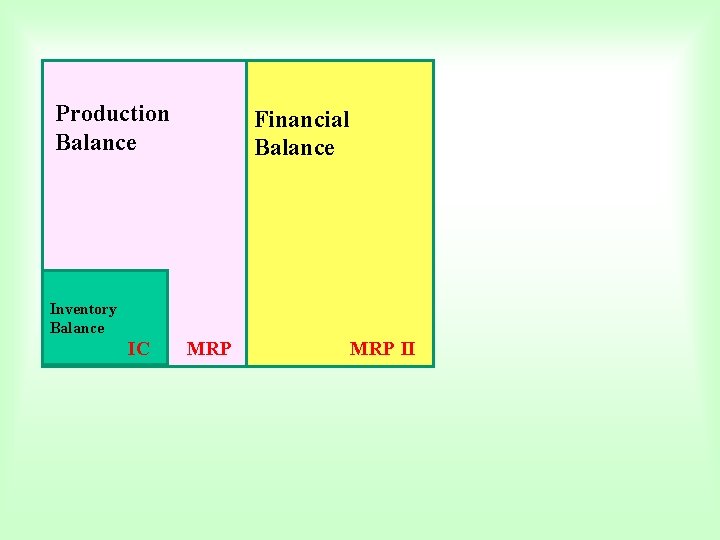
Production Balance Financial Balance Inventory Balance IC MRP II
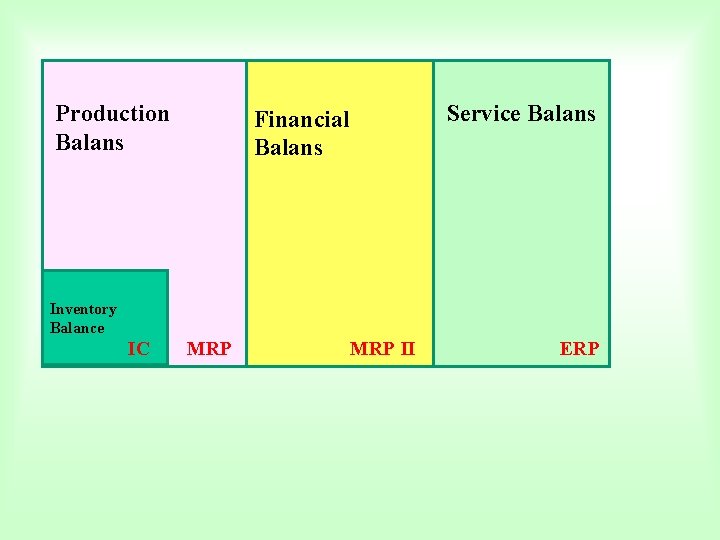
Production Balans Service Balans Financial Balans Inventory Balance IC MRP II ERP
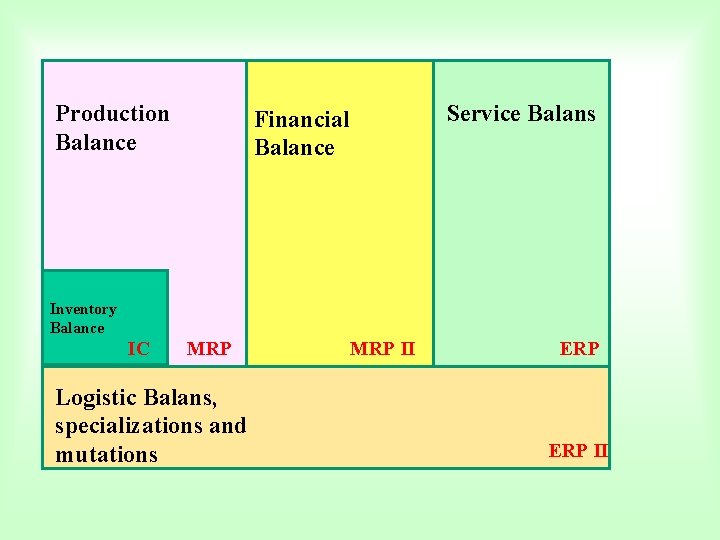
Production Balance Service Balans Financial Balance Inventory Balance IC MRP Logistic Balans, specializations and mutations MRP II ERP II
Production Balance Service Balans Financial Balance Inventory Balance IC MRP Logistic Balans, specializations and mutations MRP II ERP II C o m m u n i c a t i o n B a l a n s e. ERP
1 BIS C o n v e r g e n c e ES EIS/ESS DSS 2 CRM MIS ERP II TSP/APD ERP MRP II SCM 3 MRP IC Private, corporate nets 1950 1960 1970 1980 Integration 1990 2000 2010 Year
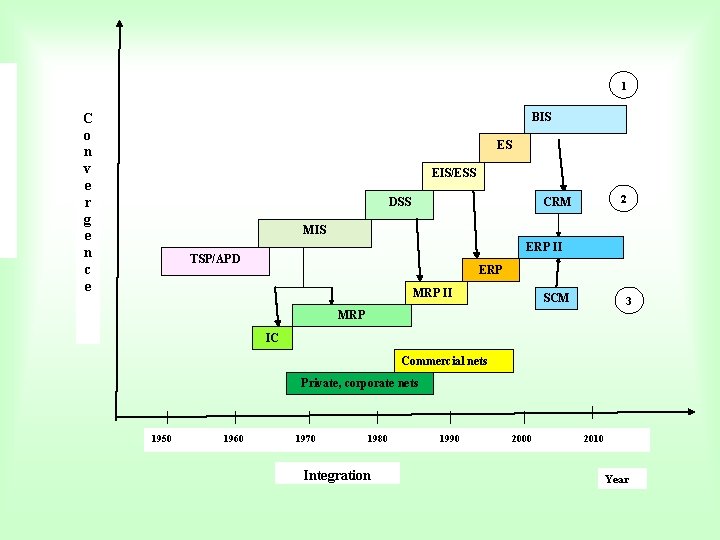
1 BIS C o n v e r g e n c e ES EIS/ESS DSS 2 CRM MIS ERP II TSP/APD ERP MRP II SCM 3 MRP IC Commercial nets Private, corporate nets 1950 1960 1970 1980 Integration 1990 2000 2010 Year
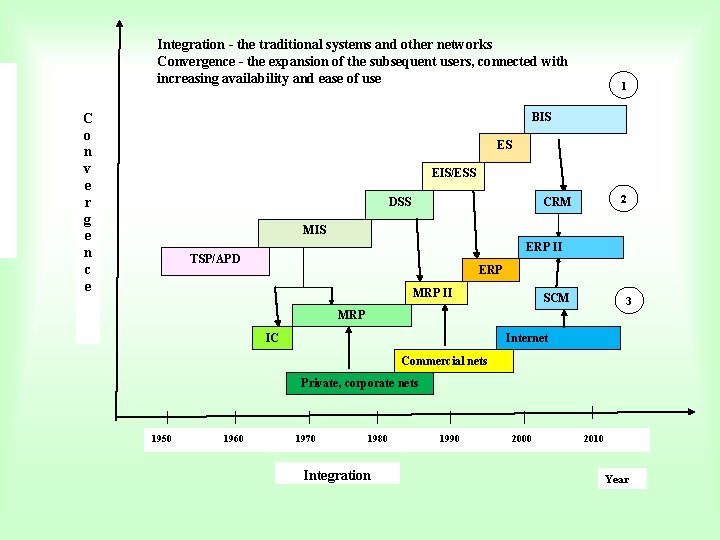
Integration - the traditional systems and other networks Convergence - the expansion of the subsequent users, connected with increasing availability and ease of use 1 BIS C o n v e r g e n c e ES EIS/ESS DSS 2 CRM MIS ERP II TSP/APD ERP MRP II SCM 3 MRP IC Internet Commercial nets Private, corporate nets 1950 1960 1970 1980 Integration 1990 2000 2010 Year
1 BIS C o n v e r g e n c e ES EIS/ESS DSS 2 CRM MIS ERP II TSP/APD ERP MRP II SCM 3 MRP IC Internet Commercial nets Private, corporate nets 1950 1960 1970 1980 Integration 1990 2000 2010 Year
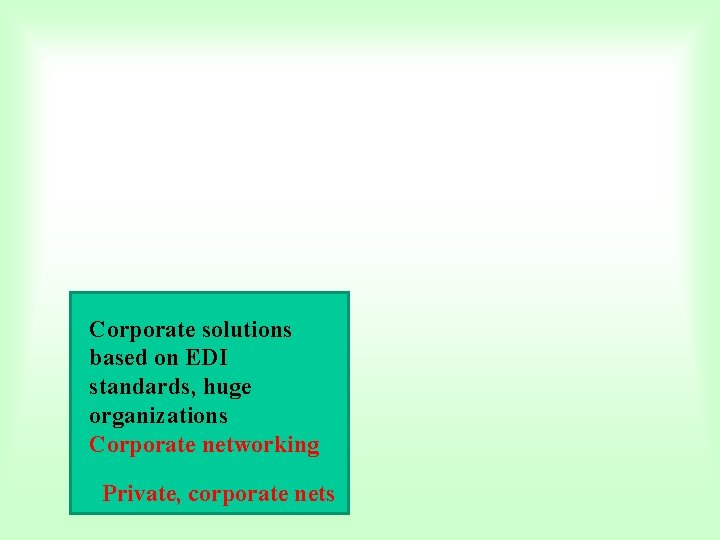
Corporate solutions based on EDI standards, huge organizations Corporate networking Private, corporate nets
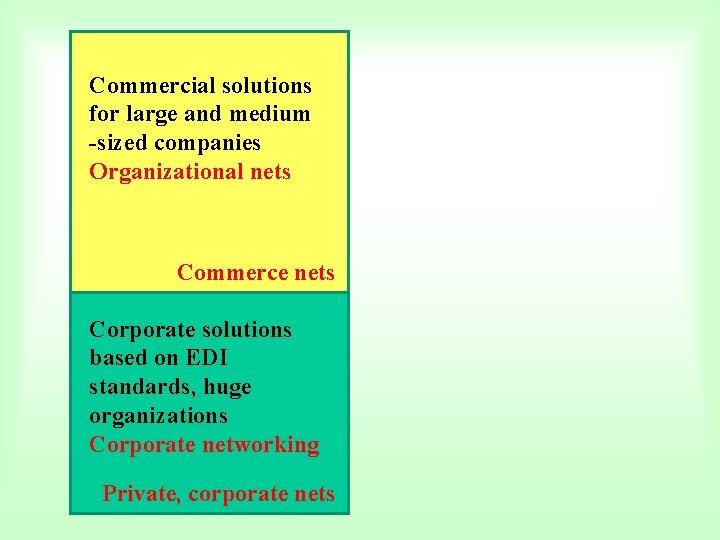
Commercial solutions for large and medium -sized companies Organizational nets Commerce nets Corporate solutions based on EDI standards, huge organizations Corporate networking Private, corporate nets
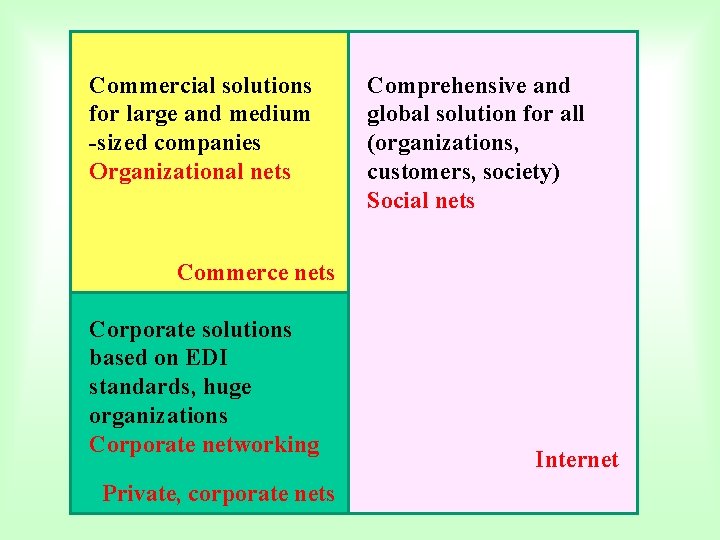
Commercial solutions for large and medium -sized companies Organizational nets Comprehensive and global solution for all (organizations, customers, society) Social nets Commerce nets Corporate solutions based on EDI standards, huge organizations Corporate networking Private, corporate nets Internet
BIS C o n v e r g e n c e ES EIS/ESS DSS CRM MIS ERP II TSP/APD ERP MRP II SCM MRP IC Internet C o r p o r a t e 1 2 P l a t f o r m 3 Commercial nets Private, corporate nets 1950 1960 1970 1980 Integration 1990 2000 2010 Year
Conclusions • • The solution which under the conditions of the development of internet systems started to be applied in lieu of internal integration was external integration through external corporate portals. A corporate portal is …a platform which integrates systems and information technology, data, information and knowledge in an organization and its environment in order to provide users with a personalised and convenient access to data, information and knowledge, in accordance with the needs, at any time and in any place, in a secure manner and through a unified web interface …. The main objective of a corporate portal are improvements with regard to access to data, information and knowledge and their sources according to user requirements; regardless of time and location of the web interface, and in a secure manner. The main feature of corporate platforms is the integration of data from internal resources with external data, their conversion into common and jointly processed formats; integration of heterogeneous applications; integration of communication between particular users and providing them with personalized information and knowledge.
• • • The emergence of corporate portals is connected with the development of internet network technologies, and the portals operate mainly in an intranet corporate environment. Through this environment – web interface - they are distributed to users, as required information and knowledge. The impression is that a corporate platform is both an integration instrument and at the same time a convergence tool - on the level, cooperation of both complementary and parallel systems is possible. The author believed that this tendency was a process of intensifying of a previously examined complexity of the logical architecture structure in particular types of the systems, and therefore it does not require further analysis. Also, the author did not illustrate the development of particular internet tools in such a great detail as in the article, assuming that they are still developing very intensively. Nevertheless, there is a clearly visible - possible thanks to a corporate platform - tendency to connect everything with everything (multi-dimensional integration) in terms of transmissivity of the idea of interaction between various information systems on all presented development paths.