
Management Care of Chickens Objectives Name describe systems

Management & Care of Chickens
Objectives • Name & describe systems of poultry management. • Caring for growing chickens. • Feeding of Broilers & Layers.
Systems of Poultry Management The houses where birds are kept should give them protection from bad weather & ptedators therefore some of the following systems are taken into consideration when starting poultry production. • • • Extensive – Free range system Semi-intensive system Raised floor Intensive system Battery cage Intenaive system Deep litter Intensive system
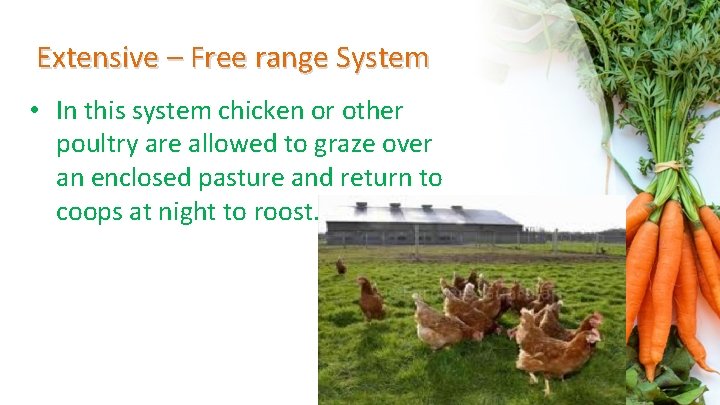
Extensive – Free range System • In this system chicken or other poultry are allowed to graze over an enclosed pasture and return to coops at night to roost.

Semi-intensive System • In this system temporary &/ movable coops are placed in fenced fields and extra feed is provided to encourage faster egg production & growth. • This system uses a lot of labour and maintenance of buildings can be costly. Egg collection is not good.
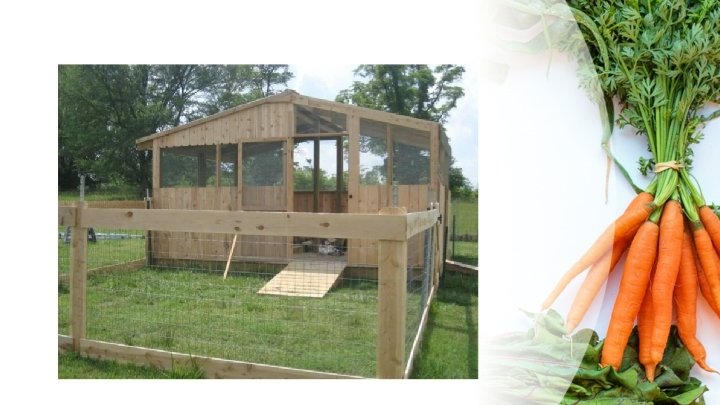
Intensive System • With intensive systems birds are kept all the time in pens/cages. There are three types of Intensive Systems. 1. Raised floor system. 2. Battery cage system. 3. Deep litter system.
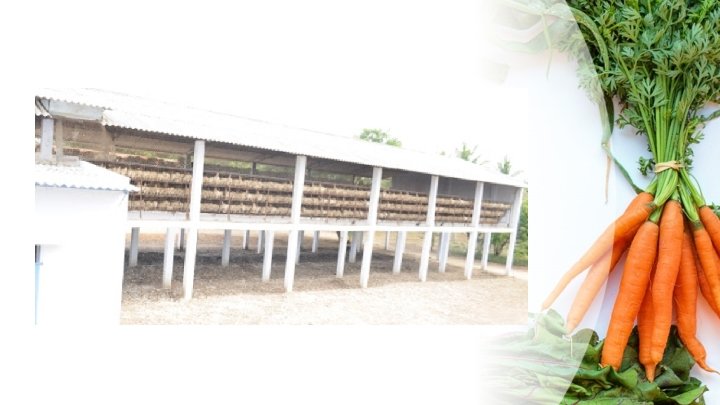
Raised floor System • This system made within a coop/shed a raised floor of wire mesh is made that allows birds to walk and droppings fall through. • This system is most beneficial when it comes to cleanliness & health of the bird.
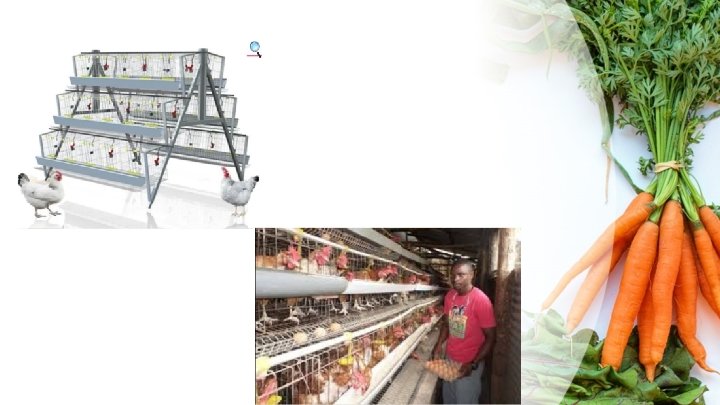
Battery cage System • This system is the most expensive initially since birds are kept in individually built cages set up in tiers. These tiered cages are housed within large buildings. • The cages are made of wire so droppings are collected on trays beneath each tier. • This system is best for layers to limit egg damage.
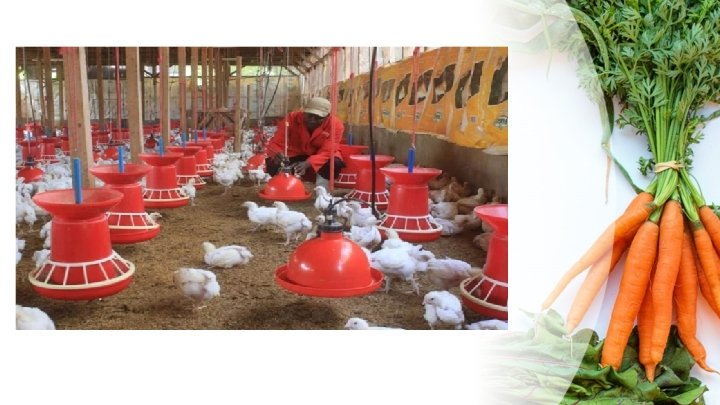
Deep litter system • This system birds, either broiler/layer, are confined to a building whose numbers are based on the floor size of the building • On the floor of this building litter made of wood shavings or chopped straw is placed to absorb droooings. • These structures have to be well ventilated & litter turned regularly & continuously added.
Points to consider when caring for Poultry 1. Always buy healthy chicks that are vaccinated against common poultry diseases. 2. Debeak chicks where practical to prevent cannibalism. 3. Ensure there is adequate supply of feed and fresh water. 4. Feed birds the proper rations at the right stage of their life. 5. Deworm birds periodically.
6. Avoid overcrowding in poultry houses. 7. Clean and disinfect poultry houses before introducing new chicks and never mix old birds with younger ones. 8. Ensure sanitary measures are maintained with persons visiting the farm. 9. Remove infected or sick birds and bury or burn all dead birds. 10. Good poultry keeping is a result of good sanitation and management exercises.
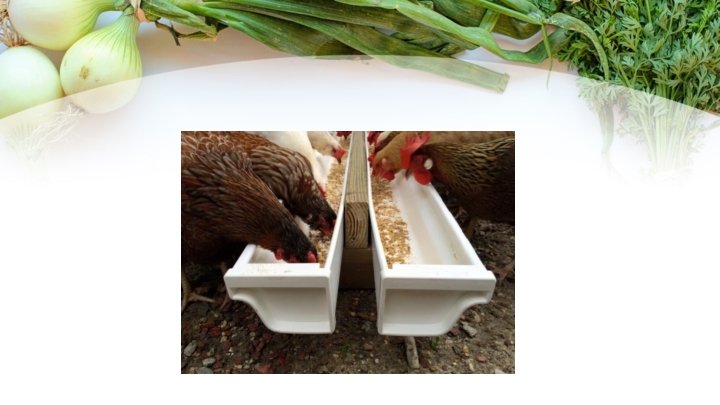
Feeding Poultry • The poultry farmer must make sure his/her birds are well fed and fed good quality feed. Good quality feed ensures better health, more eggs and faster growth of birds. • Feed must be stored properly by keeping it dry, elevated from the floor & safe from rodents. • A good quality feed contains five (5) nutrients i. e. Protein, carbohydrates, fats, minerals & vitamins. • Birds are usually fed without limitation ‘ad lib’ through feed hoppers or troughs.
Types of Poultry rations (feeds) Poultry rations (feed) should suit the purpose for which the birds are reared eg. Meat or eggs. 1. Starter rations: these rations are fed to baby chicks up to five or six weeks old. 2. Laying rations: these are fed to layers when they are twenty to twenty–two weeks old. 3. Finisher rations: these rations are fed to broiler birds after the age of five to six weeks.
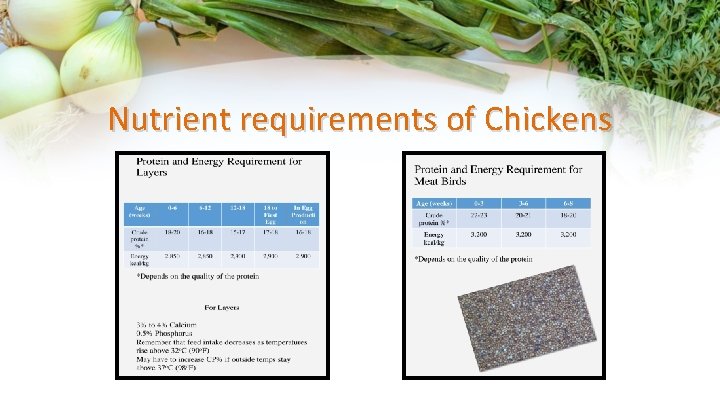
Nutrient requirements of Chickens
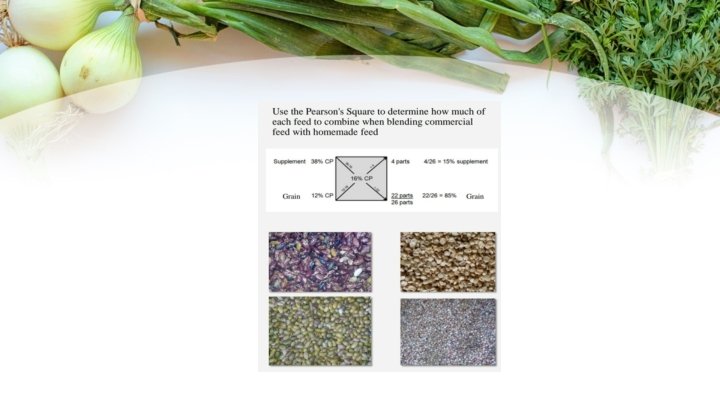
Questions 1. Name three main systems of poultry management. 2. Which of the systems of Poultry management would be best suited for the current time we live in and your particular location? Give reasons for your answer. 3. List three things to consider when caring for Poultry. 4. What is the general make up of poultry feeds 5. Why is the protein requirement for meat birds(broiler) greater than that of layers at 0 to 6 weeks old.
- Slides: 22