
MANAGEMENT AND TREATMENT OF GLOMERULAR DISEASES NEPHROTIC SYNDROME









- Slides: 54
MANAGEMENT AND TREATMENT OF GLOMERULAR DISEASES NEPHROTIC SYNDROME IN CHILDREN, AND MINIMAL CHANGE DISEASE AND FOCAL SEGMENTAL GLOMERULOSCLEROSIS IN ADULTS CONCLUSIONS FROM A KDIGO CONTROVERSIES CONFERENCE
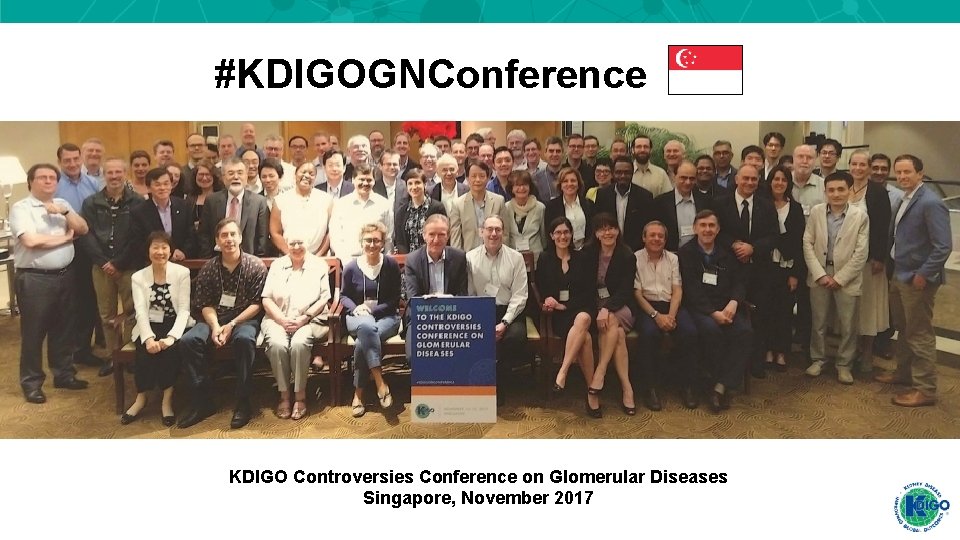
#KDIGOGNConference KDIGO Controversies Conference on Glomerular Diseases Singapore, November 2017
Minimal Change Disease and Focal Segmental Glomerulosclerosis • Terminology • Pathogenesis • Biomarkers and Prediction of Prognosis • Genetic Testing • Treatment • Future studies • Clinical Vignettes
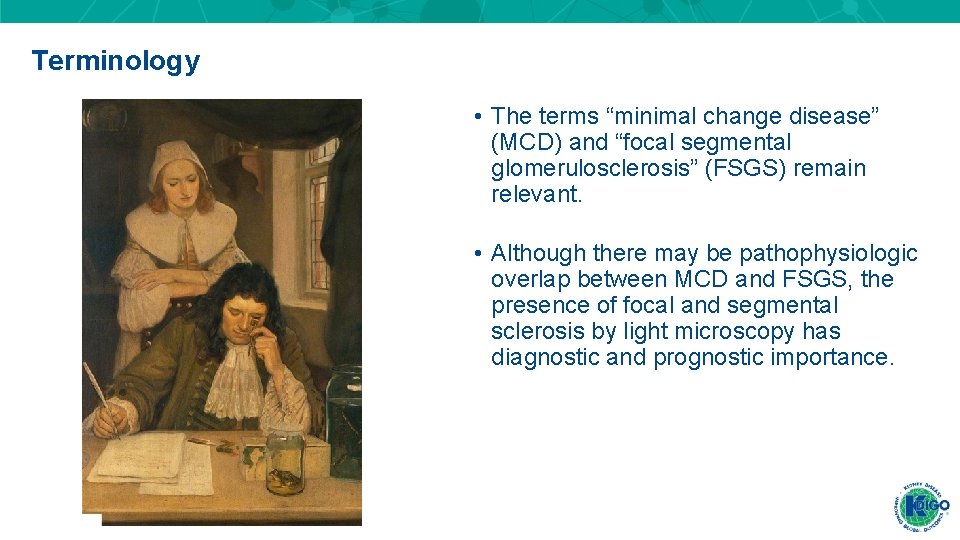
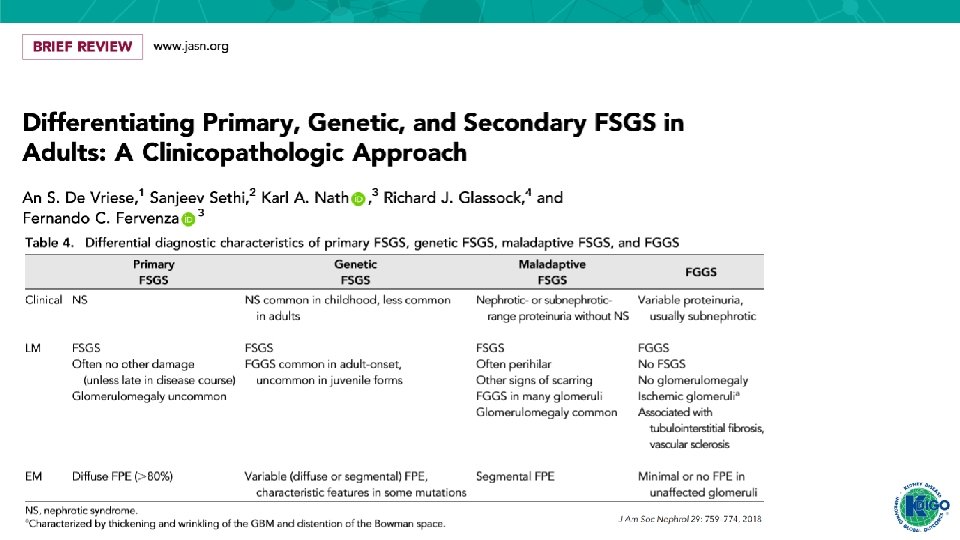
Terminology • The terms “minimal change disease” (MCD) and “focal segmental glomerulosclerosis” (FSGS) remain relevant. • Although there may be pathophysiologic overlap between MCD and FSGS, the presence of focal and segmental sclerosis by light microscopy has diagnostic and prognostic importance.
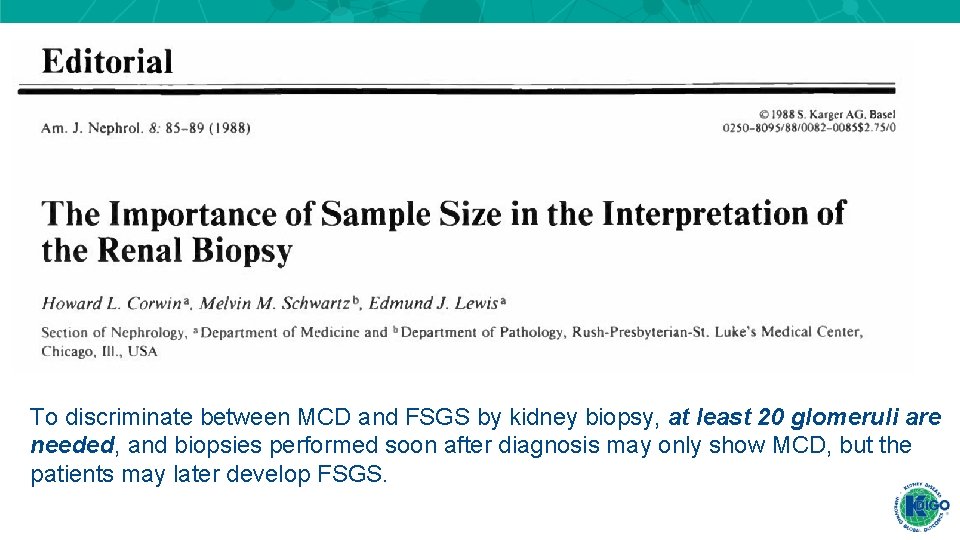
To discriminate between MCD and FSGS by kidney biopsy, at least 20 glomeruli are needed, and biopsies performed soon after diagnosis may only show MCD, but the patients may later develop FSGS.
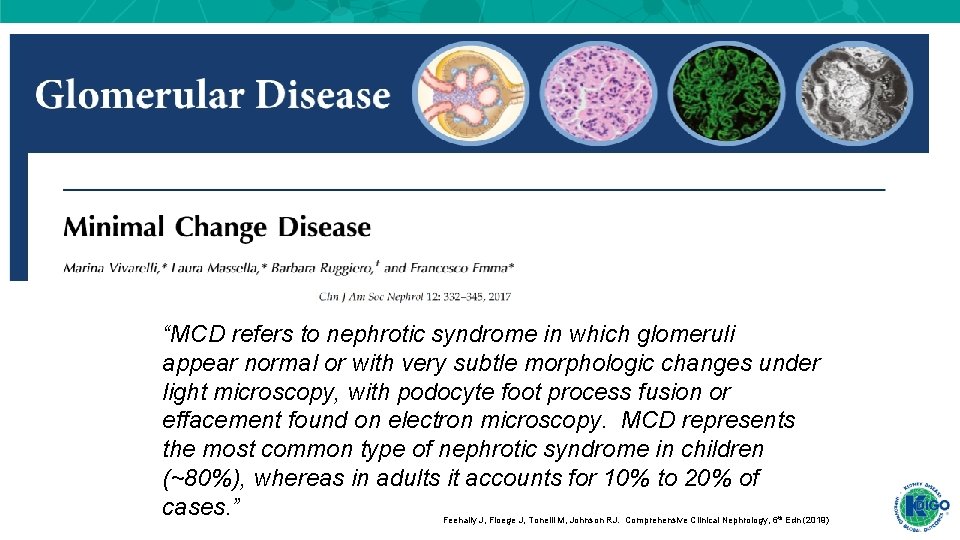
“MCD refers to nephrotic syndrome in which glomeruli appear normal or with very subtle morphologic changes under light microscopy, with podocyte foot process fusion or effacement found on electron microscopy. MCD represents the most common type of nephrotic syndrome in children (~80%), whereas in adults it accounts for 10% to 20% of cases. ” Feehally J, Floege J, Tonelli M, Johnson RJ. Comprehensive Clinical Nephrology, 6 th Edn (2019)
In children, kidney biopsy is not usually performed in patients that respond to prednisone treatment. • Response to prednisone treatment and timing of relapses allows classification of childhood nephrotic syndrome
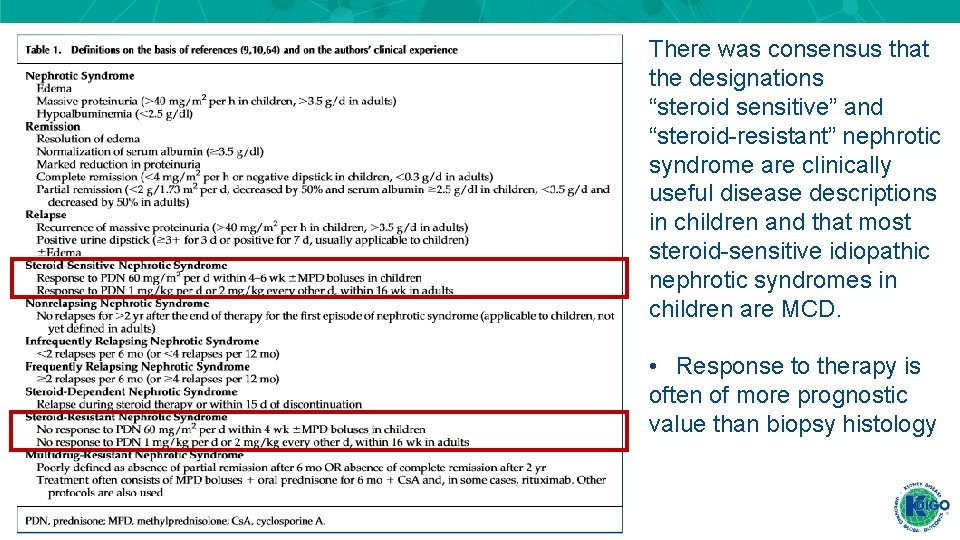
There was consensus that the designations “steroid sensitive” and “steroid-resistant” nephrotic syndrome are clinically useful disease descriptions in children and that most steroid-sensitive idiopathic nephrotic syndromes in children are MCD. • Response to therapy is often of more prognostic value than biopsy histology
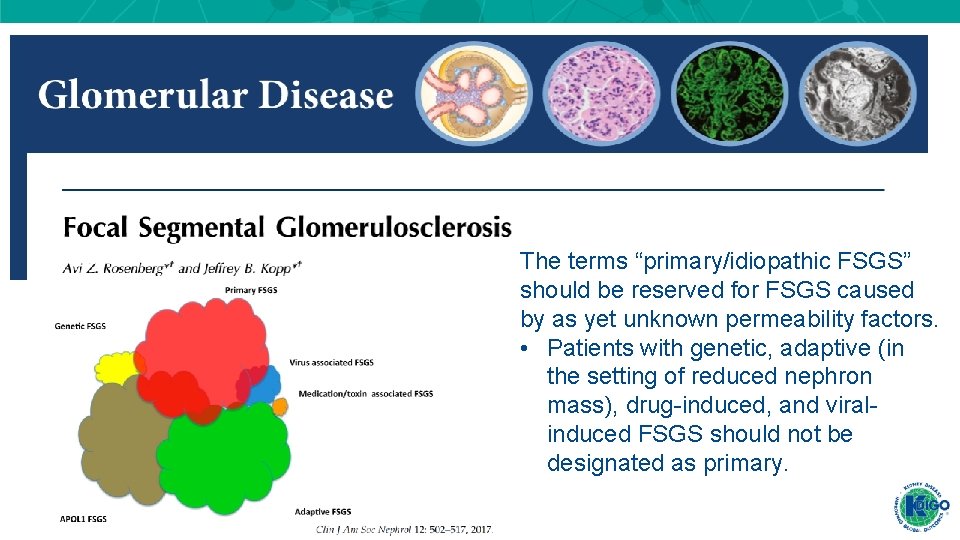
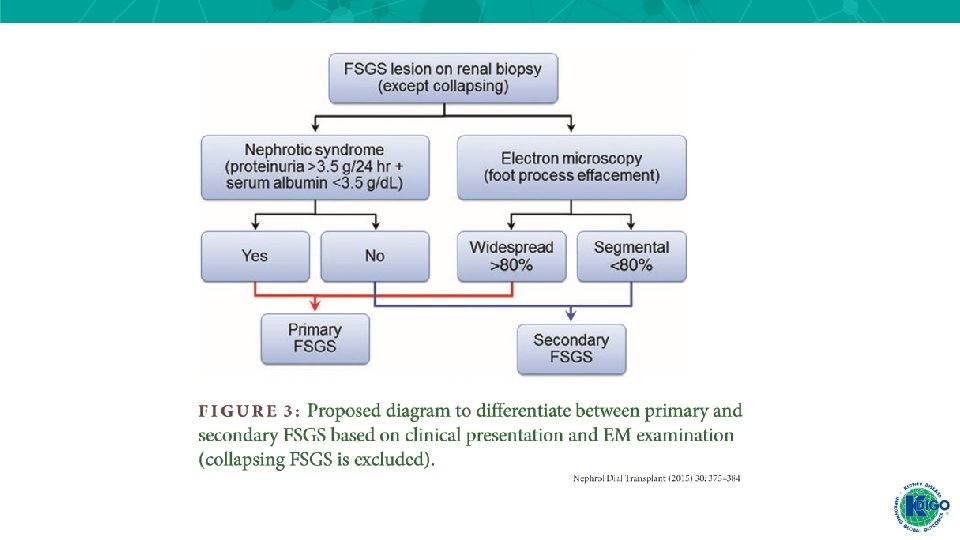
The terms “primary/idiopathic FSGS” should be reserved for FSGS caused by as yet unknown permeability factors. • Patients with genetic, adaptive (in the setting of reduced nephron mass), drug-induced, and viralinduced FSGS should not be designated as primary.
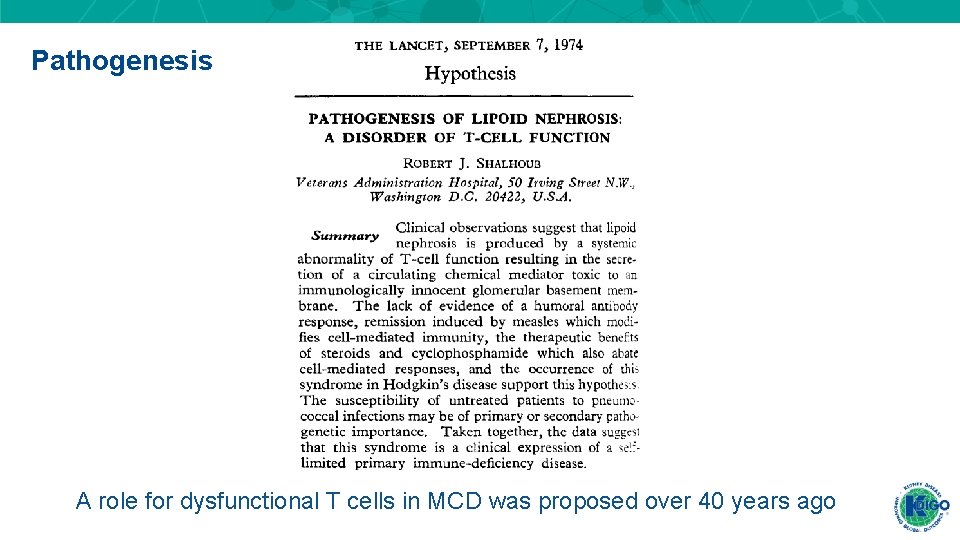
Pathogenesis A role for dysfunctional T cells in MCD was proposed over 40 years ago
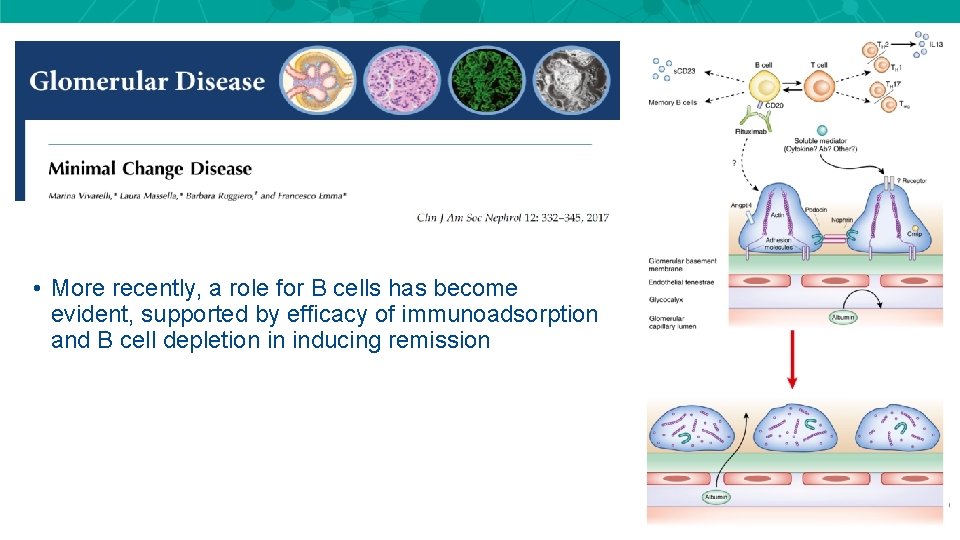
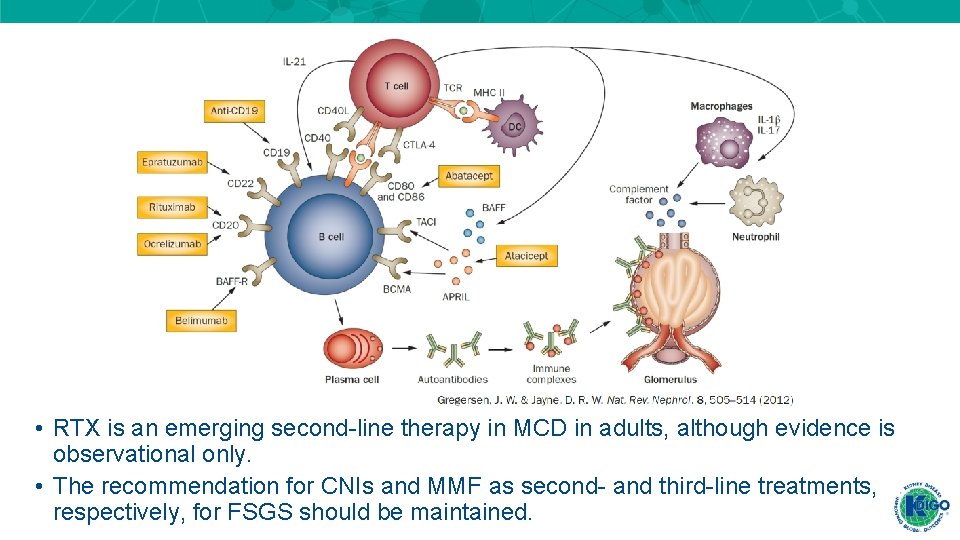
• More recently, a role for B cells has become evident, supported by efficacy of immunoadsorption and B cell depletion in inducing remission
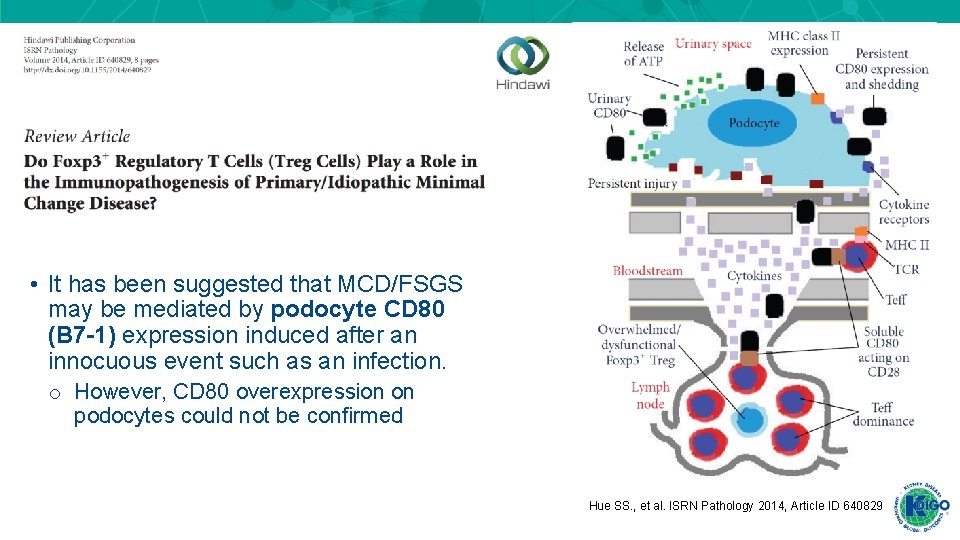
• It has been suggested that MCD/FSGS may be mediated by podocyte CD 80 (B 7 -1) expression induced after an innocuous event such as an infection. o However, CD 80 overexpression on podocytes could not be confirmed Hue SS. , et al. ISRN Pathology 2014, Article ID 640829
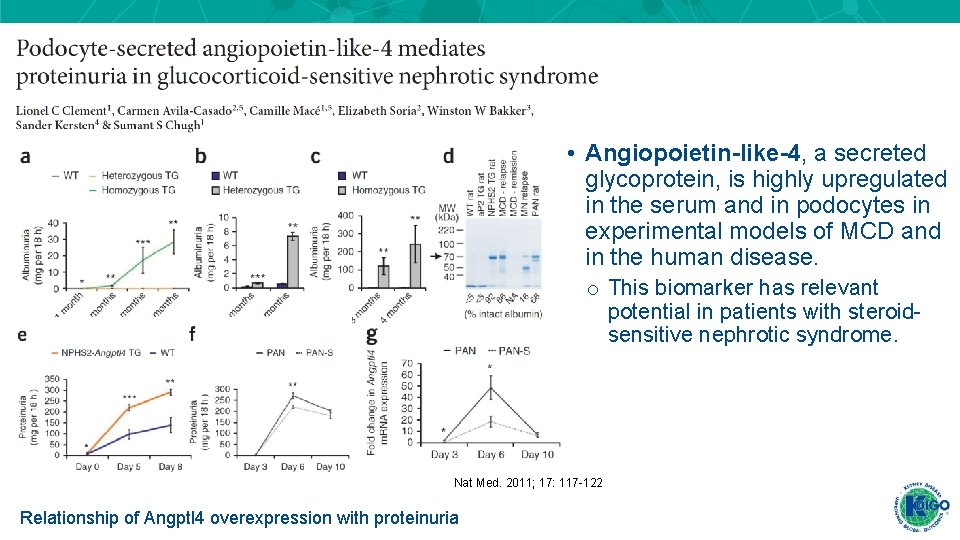
• Angiopoietin-like-4, a secreted glycoprotein, is highly upregulated in the serum and in podocytes in experimental models of MCD and in the human disease. o This biomarker has relevant potential in patients with steroidsensitive nephrotic syndrome. Nat Med. 2011; 17: 117 -122 Relationship of Angptl 4 overexpression with proteinuria
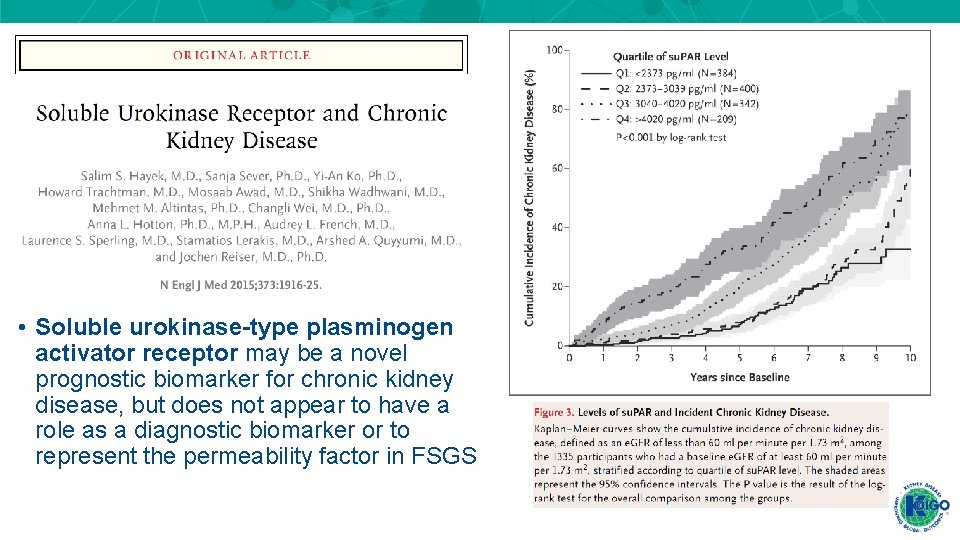
• Soluble urokinase-type plasminogen activator receptor may be a novel prognostic biomarker for chronic kidney disease, but does not appear to have a role as a diagnostic biomarker or to represent the permeability factor in FSGS
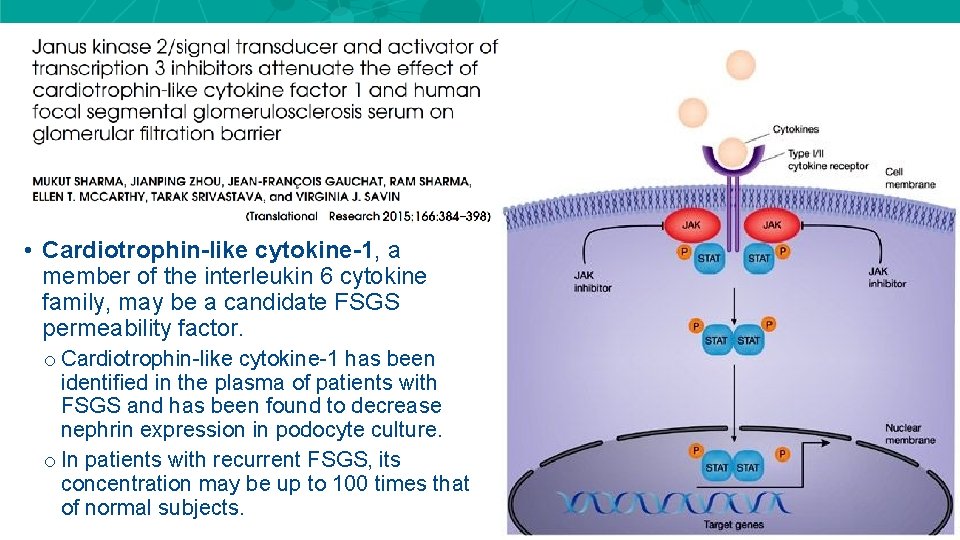
• Cardiotrophin-like cytokine-1, a member of the interleukin 6 cytokine family, may be a candidate FSGS permeability factor. o Cardiotrophin-like cytokine-1 has been identified in the plasma of patients with FSGS and has been found to decrease nephrin expression in podocyte culture. o In patients with recurrent FSGS, its concentration may be up to 100 times that of normal subjects.
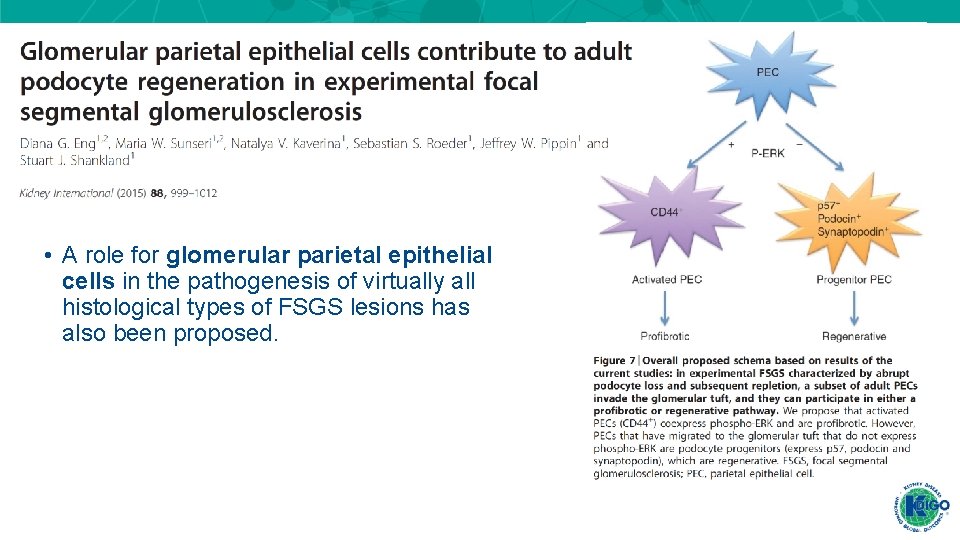
• A role for glomerular parietal epithelial cells in the pathogenesis of virtually all histological types of FSGS lesions has also been proposed.
BIOMARKERS AND PREDICTION OF PROGNOSIS
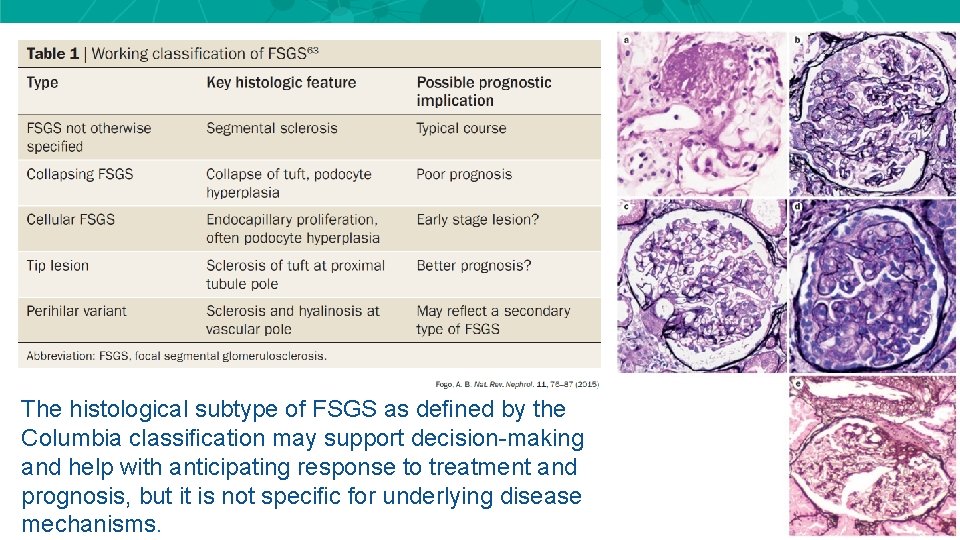
The histological subtype of FSGS as defined by the Columbia classification may support decision-making and help with anticipating response to treatment and prognosis, but it is not specific for underlying disease mechanisms.
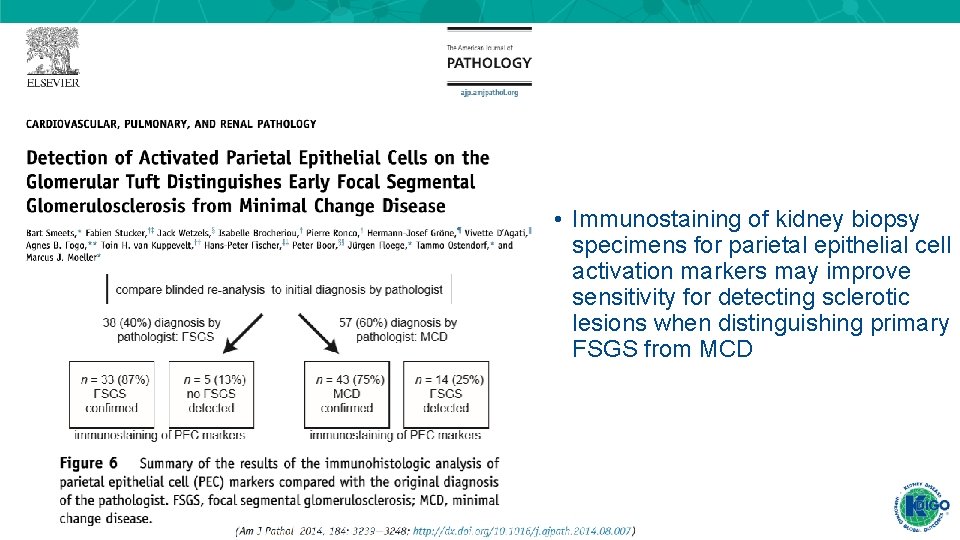
• Immunostaining of kidney biopsy specimens for parietal epithelial cell activation markers may improve sensitivity for detecting sclerotic lesions when distinguishing primary FSGS from MCD
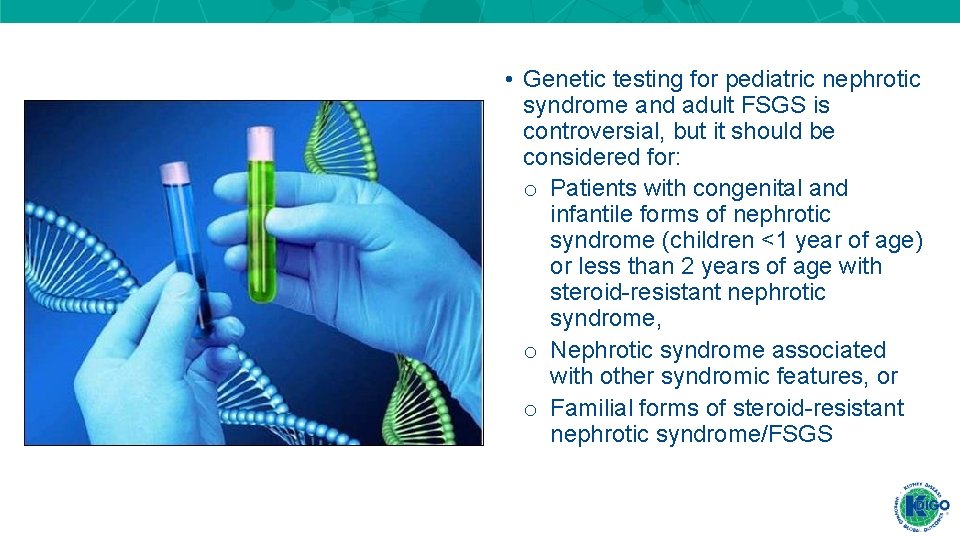
• Genetic testing for pediatric nephrotic syndrome and adult FSGS is controversial, but it should be considered for: o Patients with congenital and infantile forms of nephrotic syndrome (children <1 year of age) or less than 2 years of age with steroid-resistant nephrotic syndrome, o Nephrotic syndrome associated with other syndromic features, or o Familial forms of steroid-resistant nephrotic syndrome/FSGS
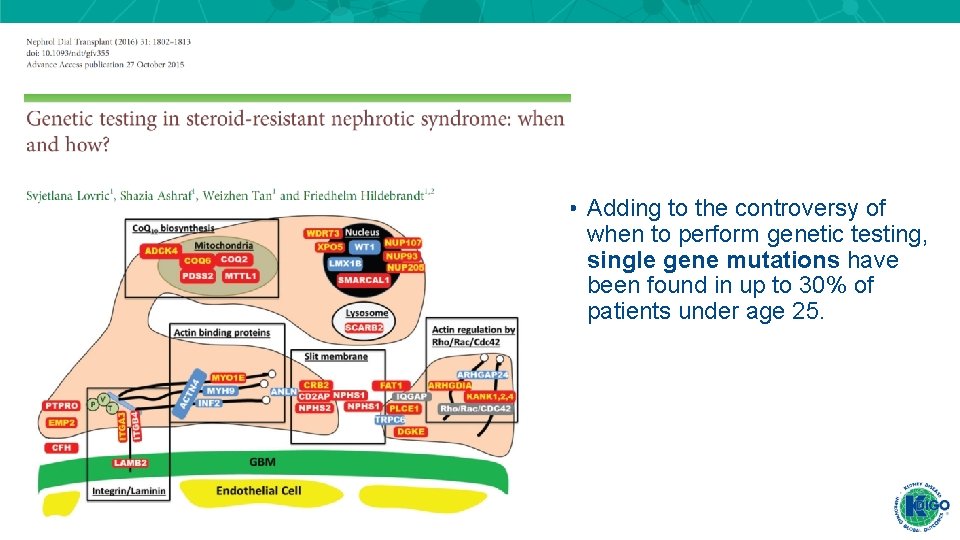
• Adding to the controversy of when to perform genetic testing, single gene mutations have been found in up to 30% of patients under age 25.
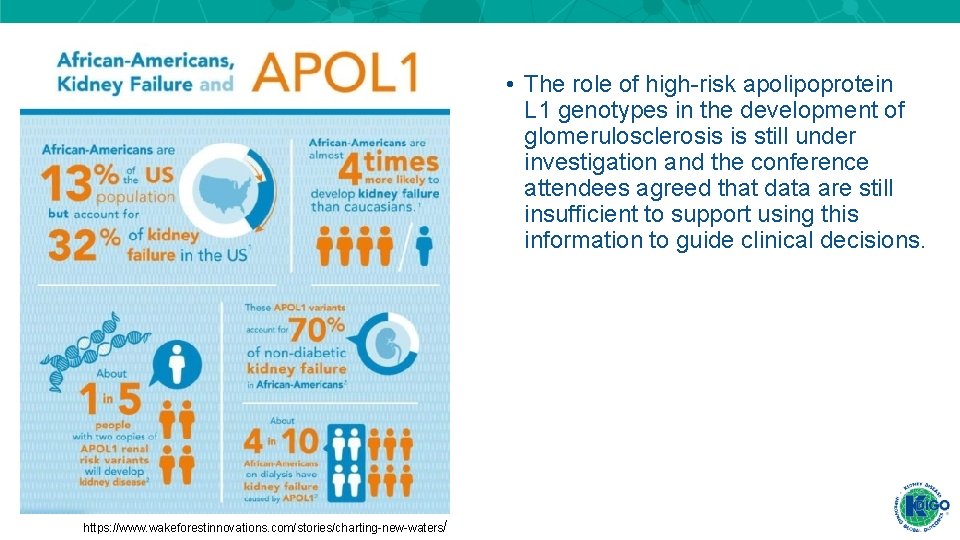
• The role of high-risk apolipoprotein L 1 genotypes in the development of glomerulosclerosis is still under investigation and the conference attendees agreed that data are still insufficient to support using this information to guide clinical decisions. https: //www. wakeforestinnovations. com/stories/charting-new-waters/
TREATMENT
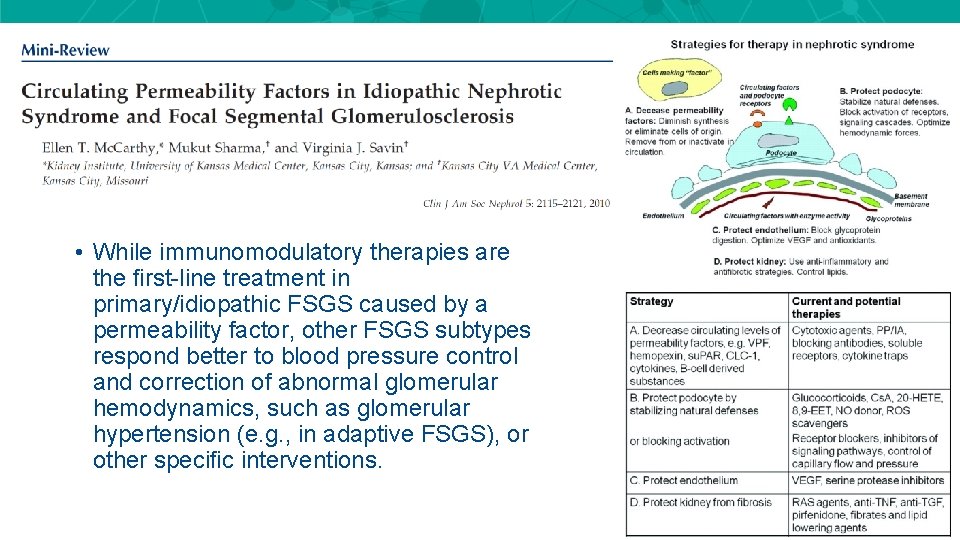
• While immunomodulatory therapies are the first-line treatment in primary/idiopathic FSGS caused by a permeability factor, other FSGS subtypes respond better to blood pressure control and correction of abnormal glomerular hemodynamics, such as glomerular hypertension (e. g. , in adaptive FSGS), or other specific interventions.
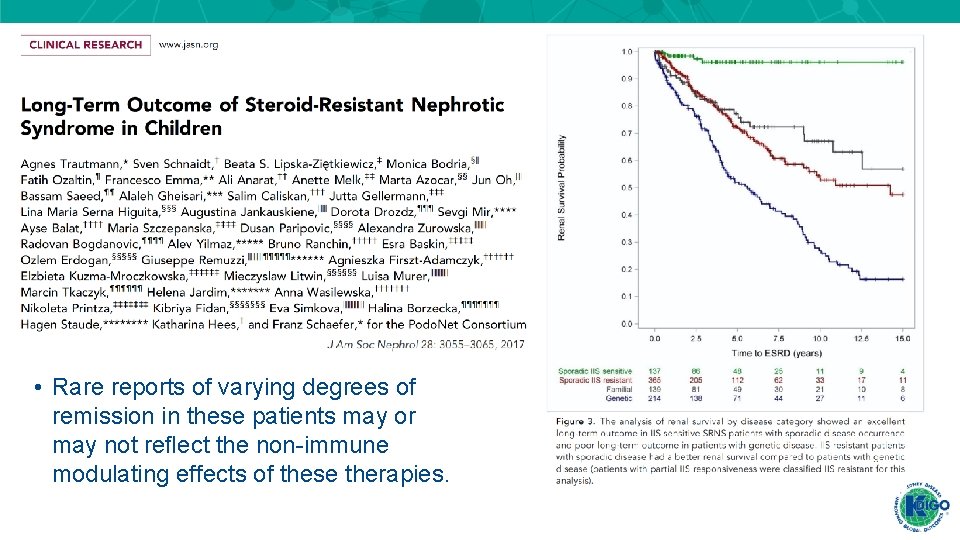
• Rare reports of varying degrees of remission in these patients may or may not reflect the non-immune modulating effects of these therapies.
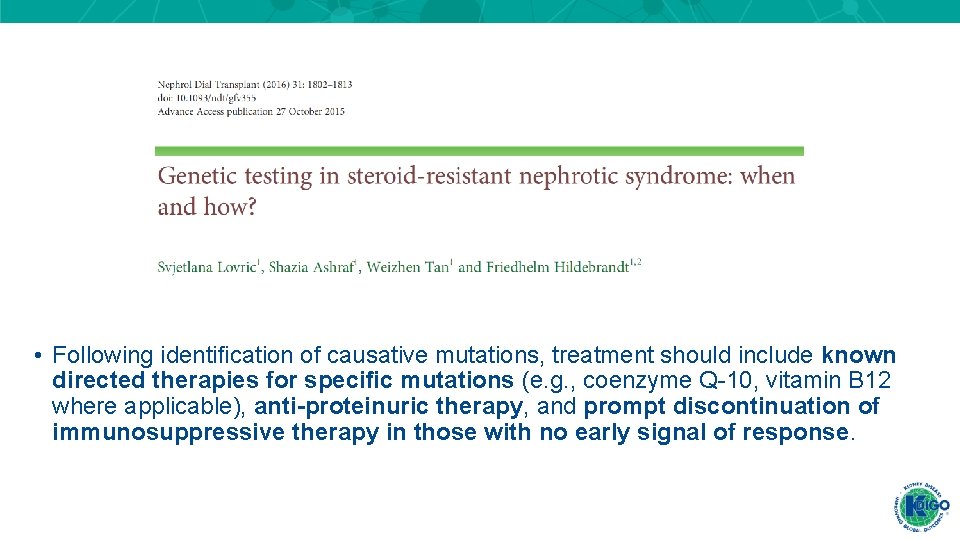
• Following identification of causative mutations, treatment should include known directed therapies for specific mutations (e. g. , coenzyme Q-10, vitamin B 12 where applicable), anti-proteinuric therapy, and prompt discontinuation of immunosuppressive therapy in those with no early signal of response.
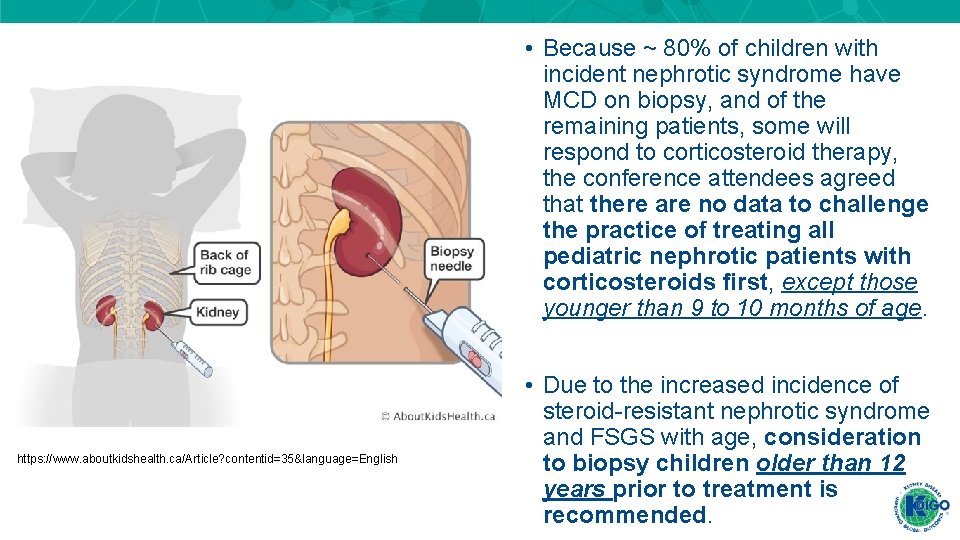
• Because ~ 80% of children with incident nephrotic syndrome have MCD on biopsy, and of the remaining patients, some will respond to corticosteroid therapy, the conference attendees agreed that there are no data to challenge the practice of treating all pediatric nephrotic patients with corticosteroids first, except those younger than 9 to 10 months of age. https: //www. aboutkidshealth. ca/Article? contentid=35&language=English • Due to the increased incidence of steroid-resistant nephrotic syndrome and FSGS with age, consideration to biopsy children older than 12 years prior to treatment is recommended.
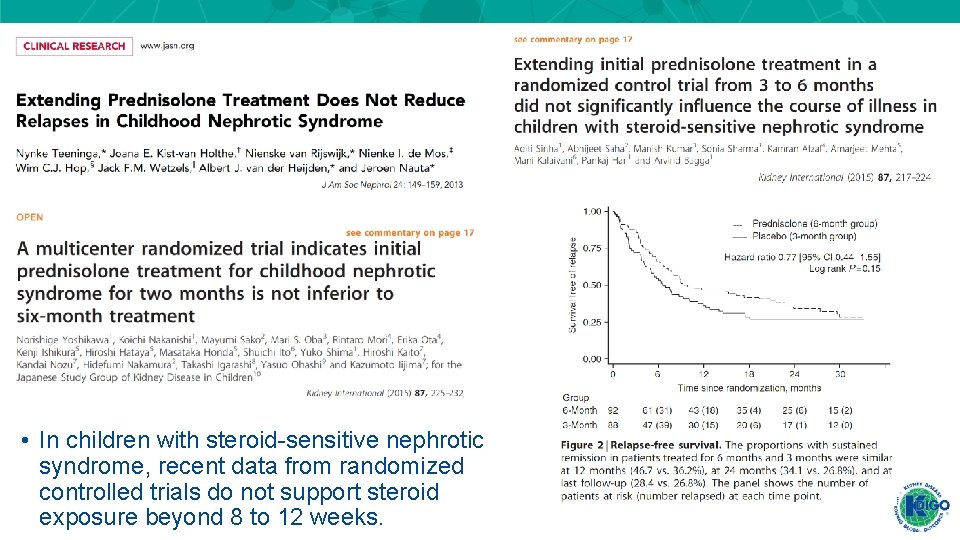
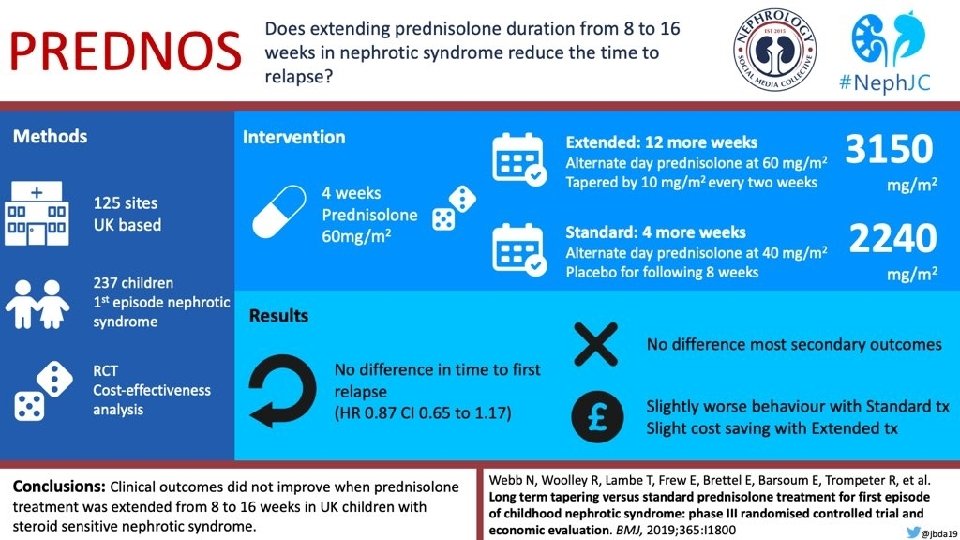
• In children with steroid-sensitive nephrotic syndrome, recent data from randomized controlled trials do not support steroid exposure beyond 8 to 12 weeks.
Controversies remain about the minimum duration of corticosteroid therapy required to define steroid resistance.
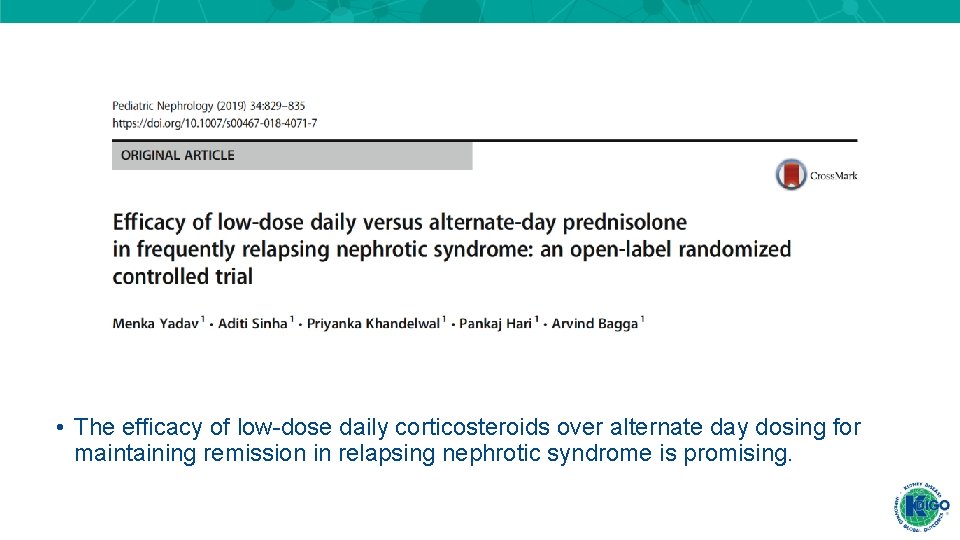
• The efficacy of low-dose daily corticosteroids over alternate day dosing for maintaining remission in relapsing nephrotic syndrome is promising.
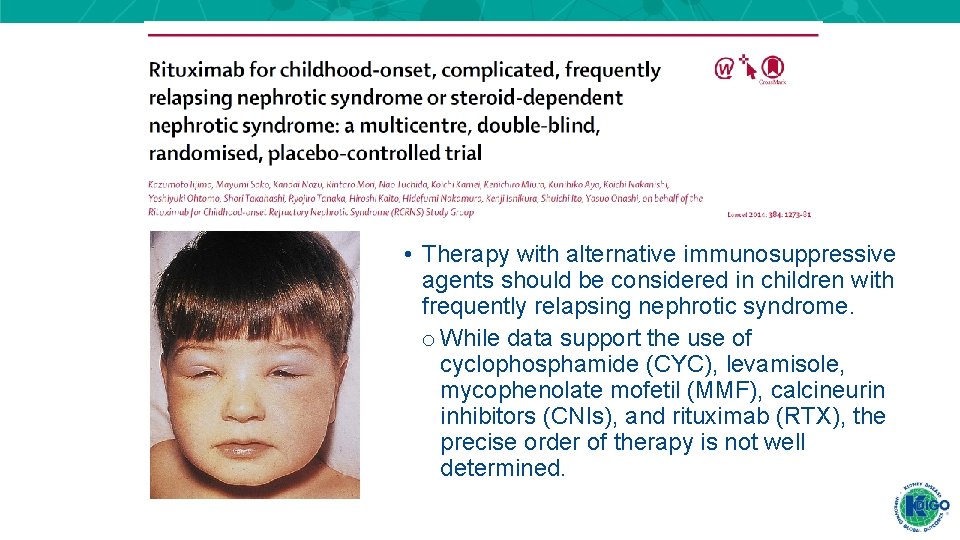
• Therapy with alternative immunosuppressive agents should be considered in children with frequently relapsing nephrotic syndrome. o While data support the use of cyclophosphamide (CYC), levamisole, mycophenolate mofetil (MMF), calcineurin inhibitors (CNIs), and rituximab (RTX), the precise order of therapy is not well determined.
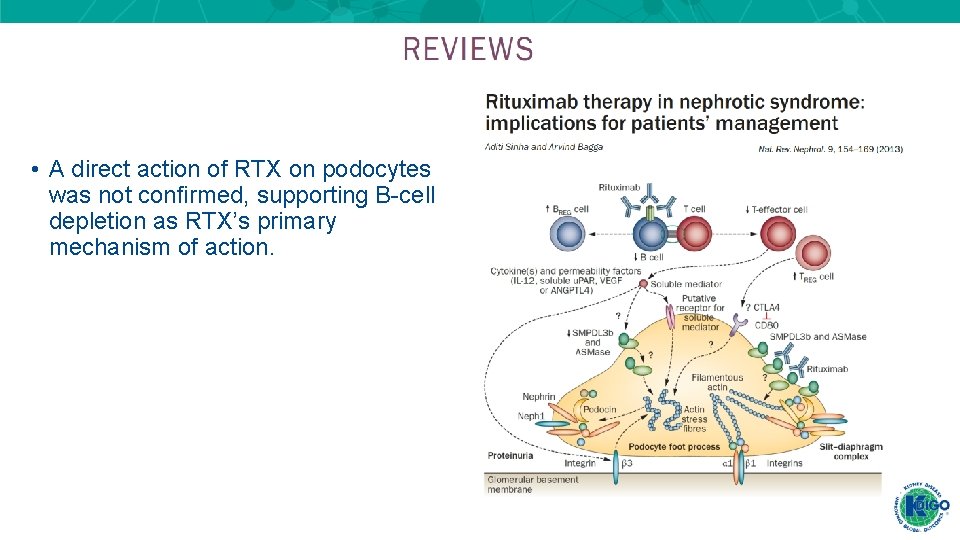
• A direct action of RTX on podocytes was not confirmed, supporting B-cell depletion as RTX’s primary mechanism of action.
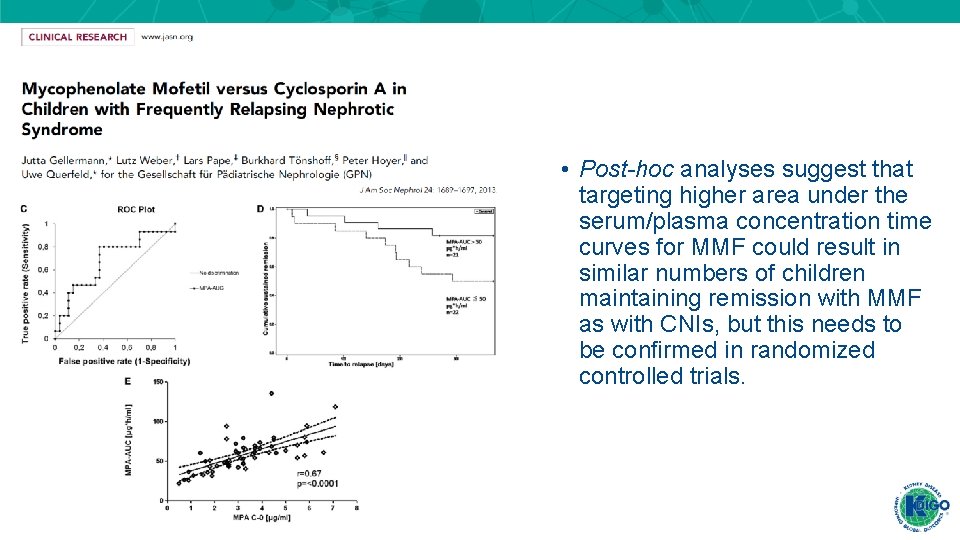
• Post-hoc analyses suggest that targeting higher area under the serum/plasma concentration time curves for MMF could result in similar numbers of children maintaining remission with MMF as with CNIs, but this needs to be confirmed in randomized controlled trials.
• Nephrotic patients have a high risk of infection regardless of immunosuppression. o The 2012 KDIGO guideline provides some recommendations regarding vaccinations in children but does not highlight the importance of hepatitis B screening and vaccination, especially in those receiving B-cell depleting therapies. o Vaccination against meningococci should also be included as based on expert opinion.
• In adults, recommending a minimum duration of 16 weeks of high-dose corticosteroids as first-line therapy for FSGS or MCD was felt to be controversial, given its potential for toxicity. o However, data to support alternative first-line agents or combination therapies with lower doses of corticosteroids are insufficient. o The conference attendees agreed that CNIs or CYC should remain as second-line agents in adults with frequently relapsing or steroiddependent MCD.
• RTX is an emerging second-line therapy in MCD in adults, although evidence is observational only. • The recommendation for CNIs and MMF as second- and third-line treatments, respectively, for FSGS should be maintained.
FUTURE STUDIES
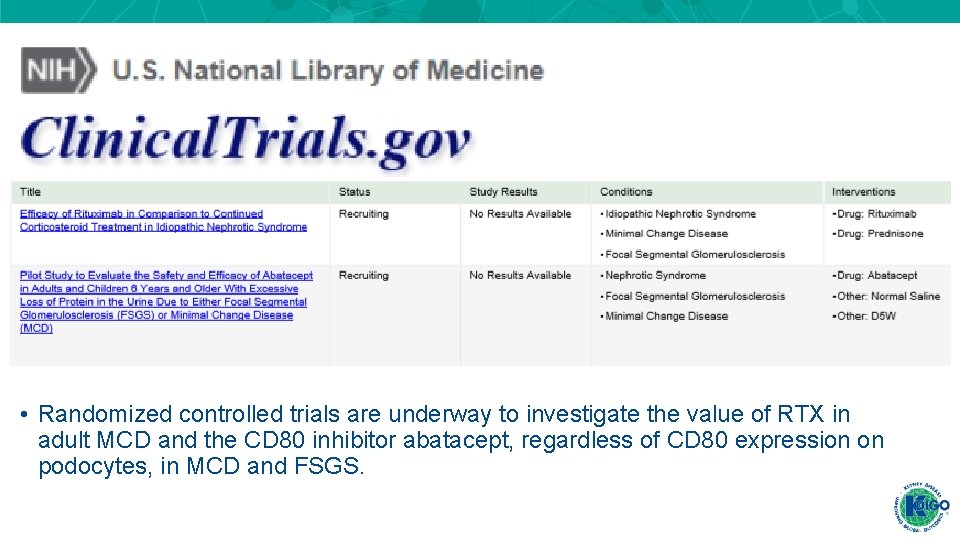
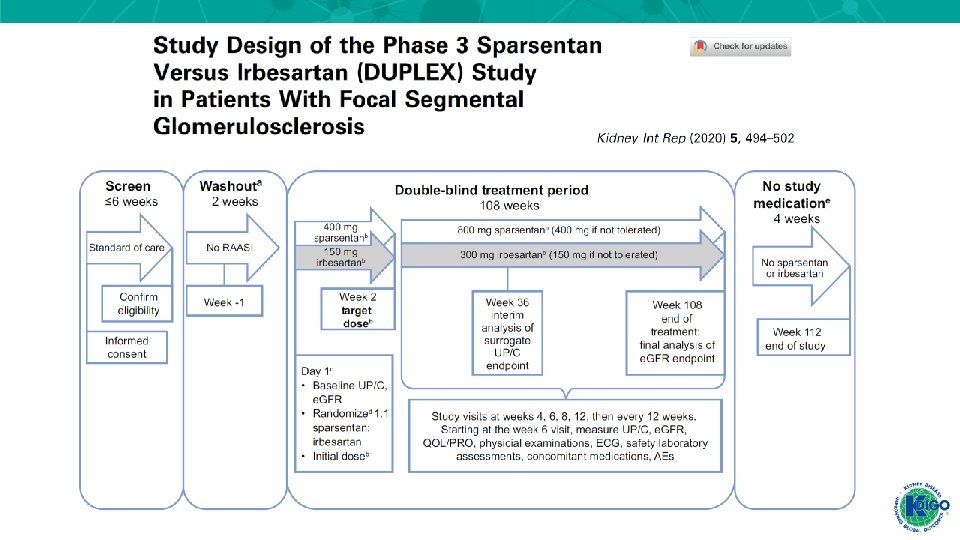
• Randomized controlled trials are underway to investigate the value of RTX in adult MCD and the CD 80 inhibitor abatacept, regardless of CD 80 expression on podocytes, in MCD and FSGS.
CLINICAL VIGNETTES
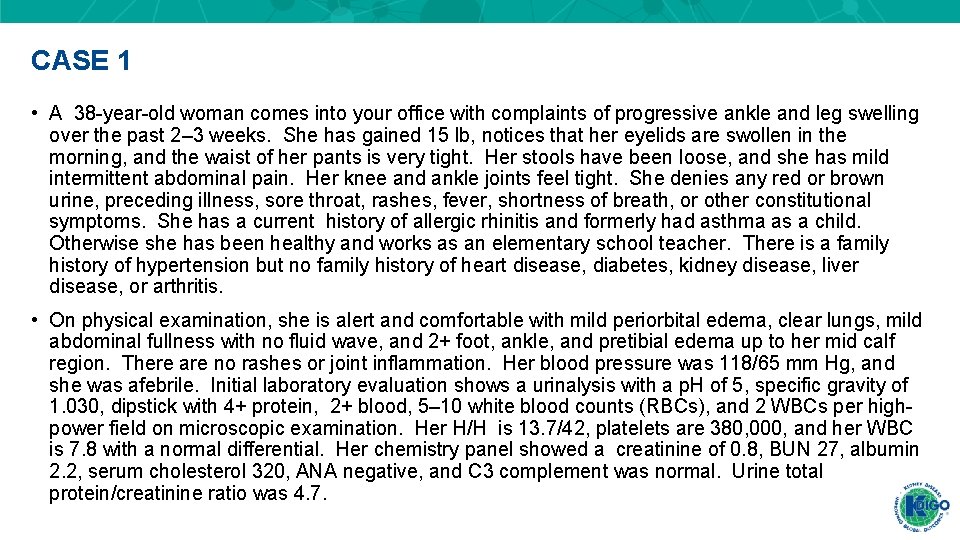
CASE 1 • A 38 -year-old woman comes into your office with complaints of progressive ankle and leg swelling over the past 2– 3 weeks. She has gained 15 lb, notices that her eyelids are swollen in the morning, and the waist of her pants is very tight. Her stools have been loose, and she has mild intermittent abdominal pain. Her knee and ankle joints feel tight. She denies any red or brown urine, preceding illness, sore throat, rashes, fever, shortness of breath, or other constitutional symptoms. She has a current history of allergic rhinitis and formerly had asthma as a child. Otherwise she has been healthy and works as an elementary school teacher. There is a family history of hypertension but no family history of heart disease, diabetes, kidney disease, liver disease, or arthritis. • On physical examination, she is alert and comfortable with mild periorbital edema, clear lungs, mild abdominal fullness with no fluid wave, and 2+ foot, ankle, and pretibial edema up to her mid calf region. There are no rashes or joint inflammation. Her blood pressure was 118/65 mm Hg, and she was afebrile. Initial laboratory evaluation shows a urinalysis with a p. H of 5, specific gravity of 1. 030, dipstick with 4+ protein, 2+ blood, 5– 10 white blood counts (RBCs), and 2 WBCs per highpower field on microscopic examination. Her H/H is 13. 7/42, platelets are 380, 000, and her WBC is 7. 8 with a normal differential. Her chemistry panel showed a creatinine of 0. 8, BUN 27, albumin 2. 2, serum cholesterol 320, ANA negative, and C 3 complement was normal. Urine total protein/creatinine ratio was 4. 7.
What is the next appropriate step? A. After checking a tuberculosis (TB) test, begin empiric therapy with daily prednisone 2 mg/kg daily B. Schedule a kidney biopsy C. Check serologies for hepatitis B and C D. Start therapy with a diuretic
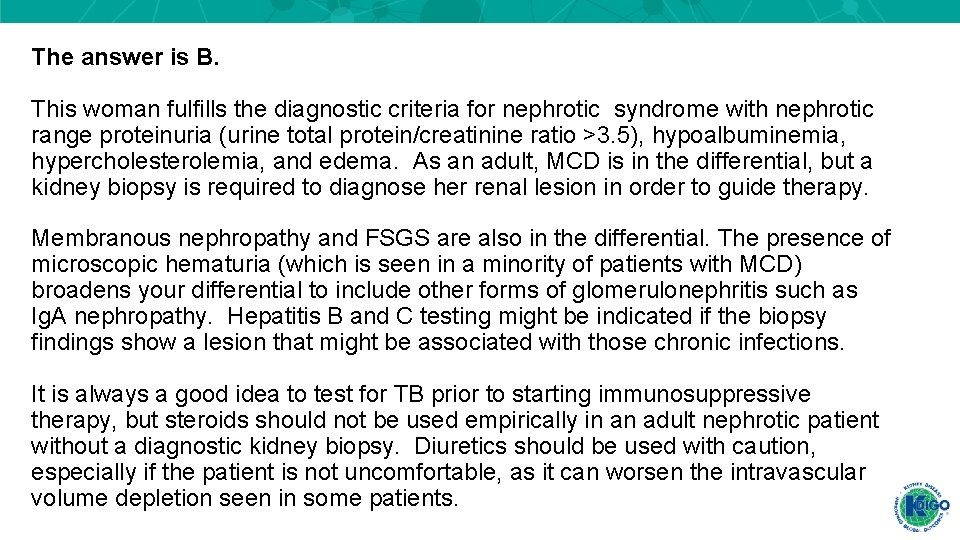
The answer is B. This woman fulfills the diagnostic criteria for nephrotic syndrome with nephrotic range proteinuria (urine total protein/creatinine ratio >3. 5), hypoalbuminemia, hypercholesterolemia, and edema. As an adult, MCD is in the differential, but a kidney biopsy is required to diagnose her renal lesion in order to guide therapy. Membranous nephropathy and FSGS are also in the differential. The presence of microscopic hematuria (which is seen in a minority of patients with MCD) broadens your differential to include other forms of glomerulonephritis such as Ig. A nephropathy. Hepatitis B and C testing might be indicated if the biopsy findings show a lesion that might be associated with those chronic infections. It is always a good idea to test for TB prior to starting immunosuppressive therapy, but steroids should not be used empirically in an adult nephrotic patient without a diagnostic kidney biopsy. Diuretics should be used with caution, especially if the patient is not uncomfortable, as it can worsen the intravascular volume depletion seen in some patients.
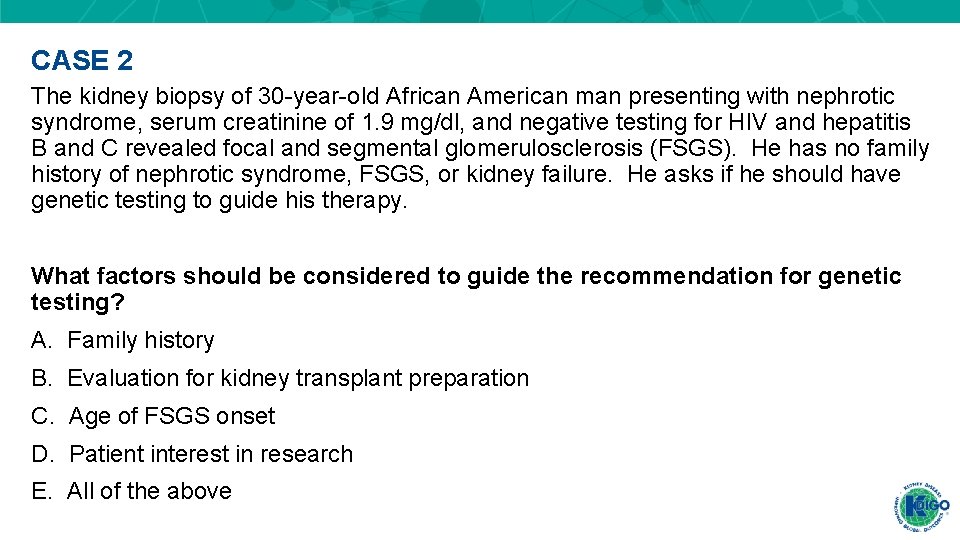
CASE 2 The kidney biopsy of 30 -year-old African American man presenting with nephrotic syndrome, serum creatinine of 1. 9 mg/dl, and negative testing for HIV and hepatitis B and C revealed focal and segmental glomerulosclerosis (FSGS). He has no family history of nephrotic syndrome, FSGS, or kidney failure. He asks if he should have genetic testing to guide his therapy. What factors should be considered to guide the recommendation for genetic testing? A. Family history B. Evaluation for kidney transplant preparation C. Age of FSGS onset D. Patient interest in research E. All of the above
The answer is E. In adults with FSGS and no family history of disease, genetic testing may be considered as part of the FSGS recurrence post-transplant risk assessment. Specifically, causative genetic polymorphisms confer a lower risk for FSGS recurrence. Genetic testing has been incorporated in many research studies that support discovery of disease mechanisms, novel therapeutic targets, and phenotype/genotype associations.
KDIGO THANKS THE FOLLOWING PARTNERS FOR THEIR SUPPORT OF THIS SPEAKER’S GUIDE
FOLLOW KDIGO www. kdigo. org /go. KDIGO @go. KDIGO