
MANAGEMENT AND TREATMENT OF GLOMERULAR DISEASES MEMBRANOPROLIFERATIVE GLOMERULONEPHRITIS
MANAGEMENT AND TREATMENT OF GLOMERULAR DISEASES MEMBRANOPROLIFERATIVE GLOMERULONEPHRITIS CONCLUSIONS FROM A KDIGO CONTROVERSIES CONFERENCE
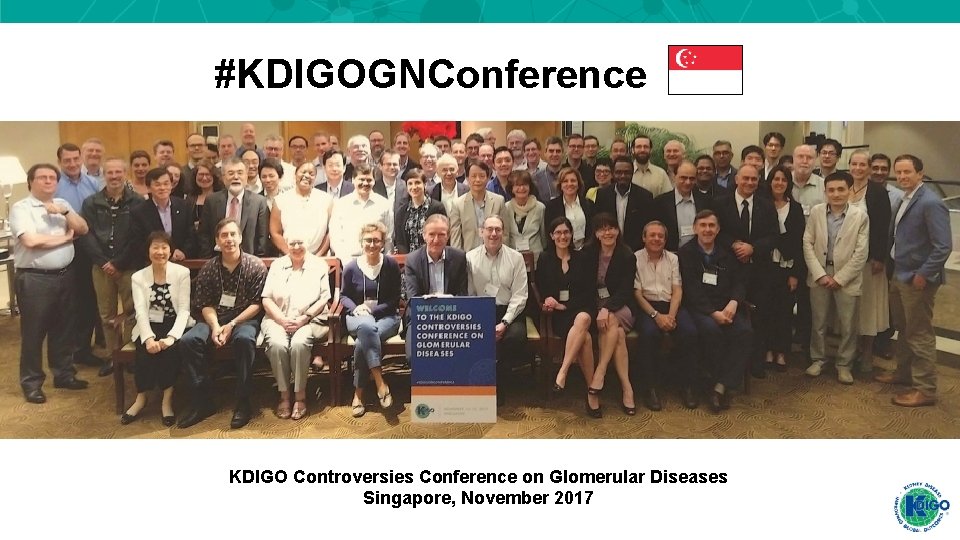
#KDIGOGNConference KDIGO Controversies Conference on Glomerular Diseases Singapore, November 2017
Membranoproliferative Glomerulonephritis • Terminology • Pathogenesis • Biomarkers and Prediction of Prognosis • Treatment • Future Studies • Clinical Vignette

TERMINOLOGY
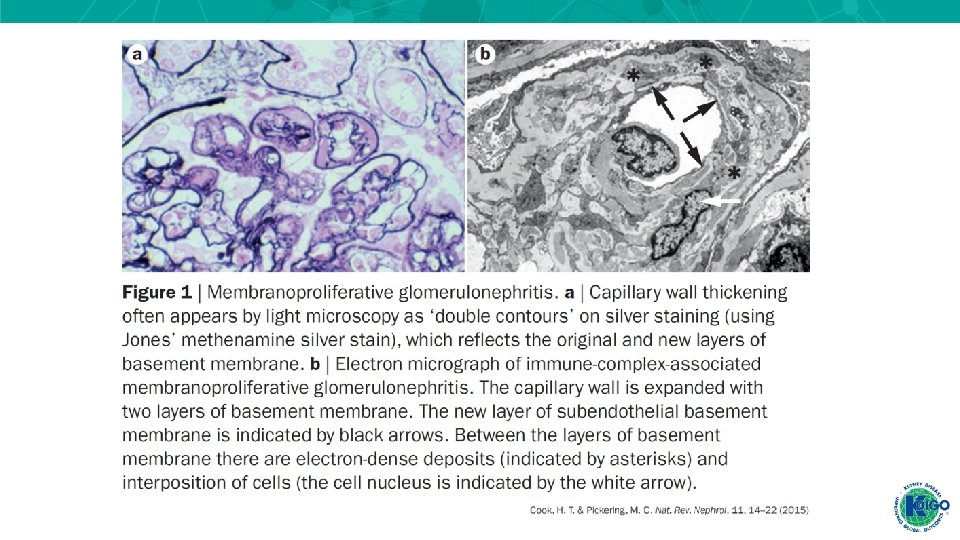
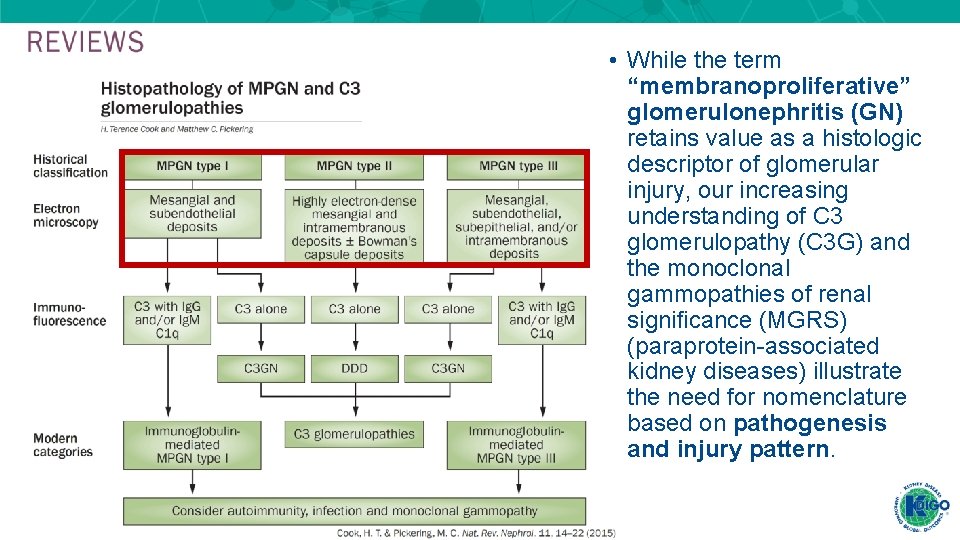
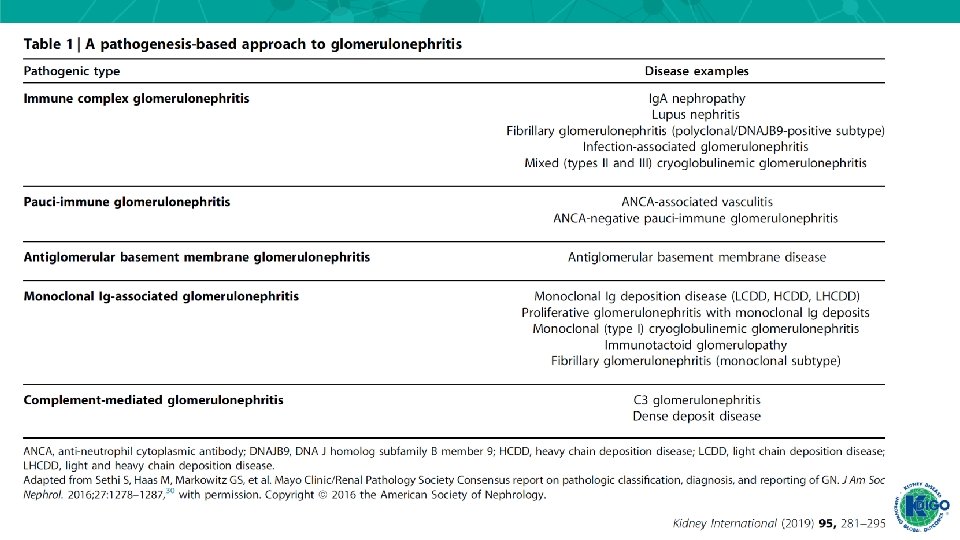
• While the term “membranoproliferative” glomerulonephritis (GN) retains value as a histologic descriptor of glomerular injury, our increasing understanding of C 3 glomerulopathy (C 3 G) and the monoclonal gammopathies of renal significance (MGRS) (paraprotein-associated kidney diseases) illustrate the need for nomenclature based on pathogenesis and injury pattern.
Over time, and with greater understanding of these diseases, using such a scheme may lead to the elimination of membranoproliferative GN as a distinct category of GN in clinical practice guidelines
C 3 Glomerulopathies • Pathogenesis • Biomarkers and prediction of prognosis • Treatment
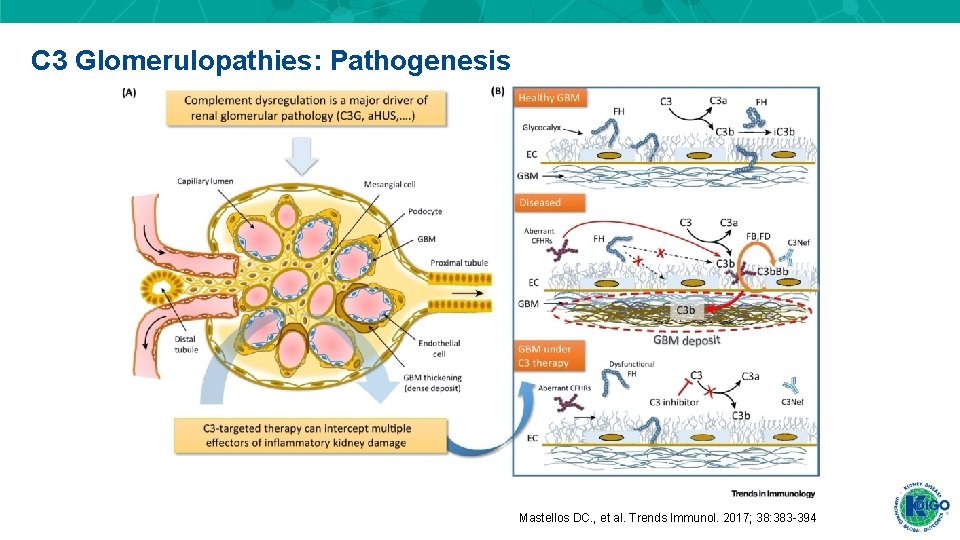
C 3 Glomerulopathies: Pathogenesis Mastellos DC. , et al. Trends Immunol. 2017; 38: 383 -394
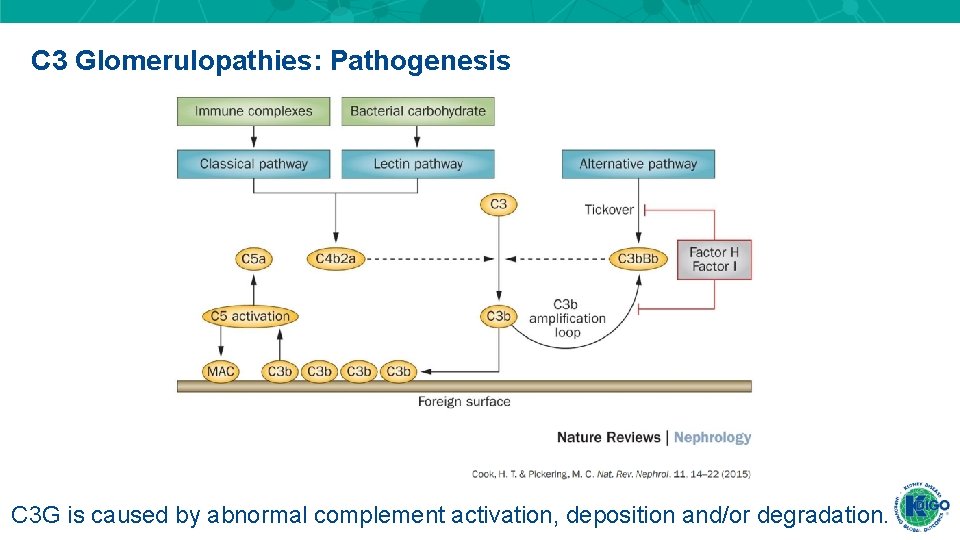
C 3 Glomerulopathies: Pathogenesis C 3 G is caused by abnormal complement activation, deposition and/or degradation.
Biomarkers and Prediction of Prognosis • The utility of biomarkers such as soluble C 5 b-9 levels for predicting treatment response remains unclear. o Controversy remains regarding the clinical utility of an extended biomarker assessment at diagnosis, and the use of serial complement testing requires further study. o Testing for paraproteins in C 3 G has also received increased attention.
C 3 G: TREATMENT
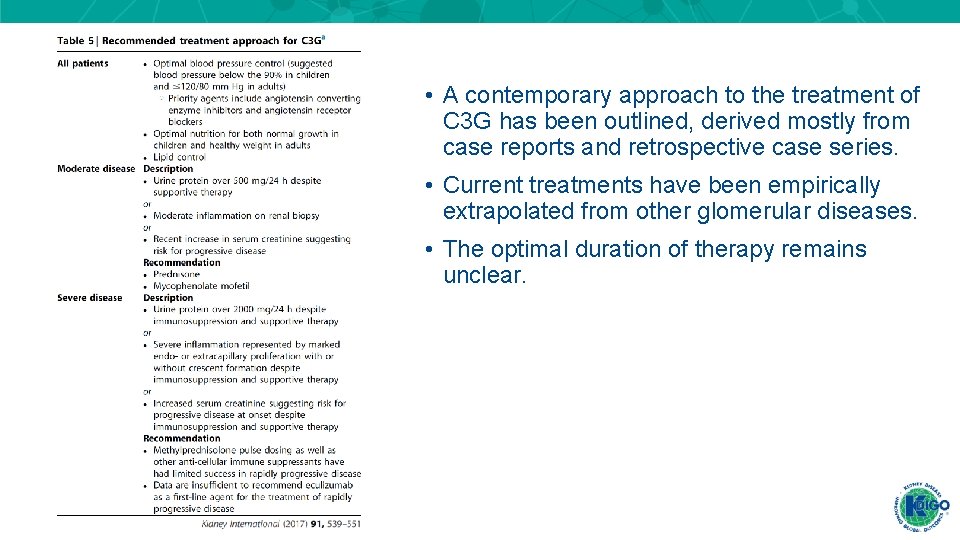
• A contemporary approach to the treatment of C 3 G has been outlined, derived mostly from case reports and retrospective case series. • Current treatments have been empirically extrapolated from other glomerular diseases. • The optimal duration of therapy remains unclear.
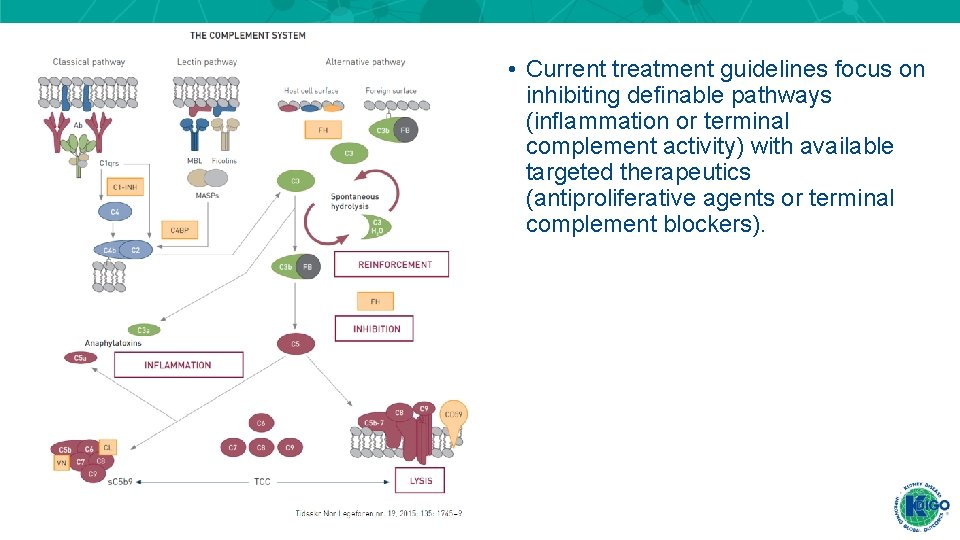
• Current treatment guidelines focus on inhibiting definable pathways (inflammation or terminal complement activity) with available targeted therapeutics (antiproliferative agents or terminal complement blockers).
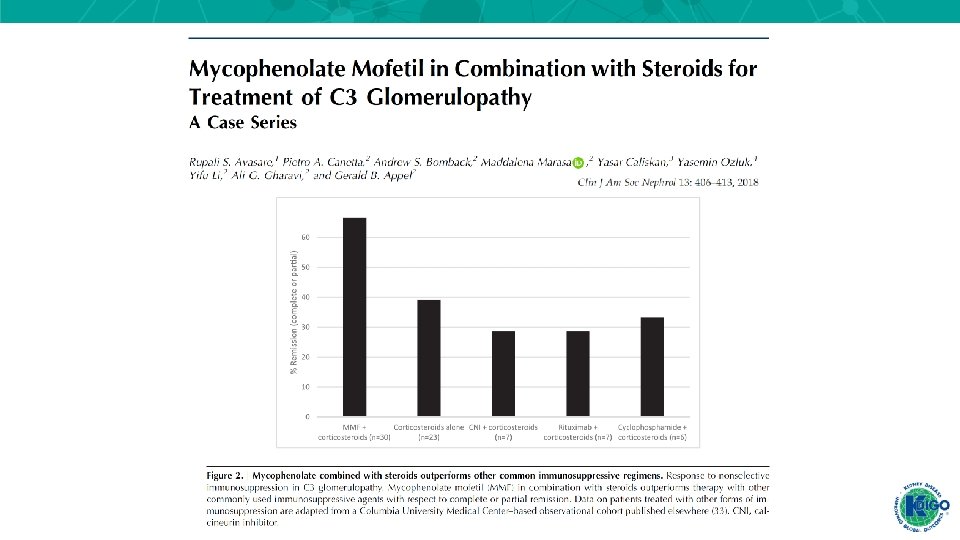
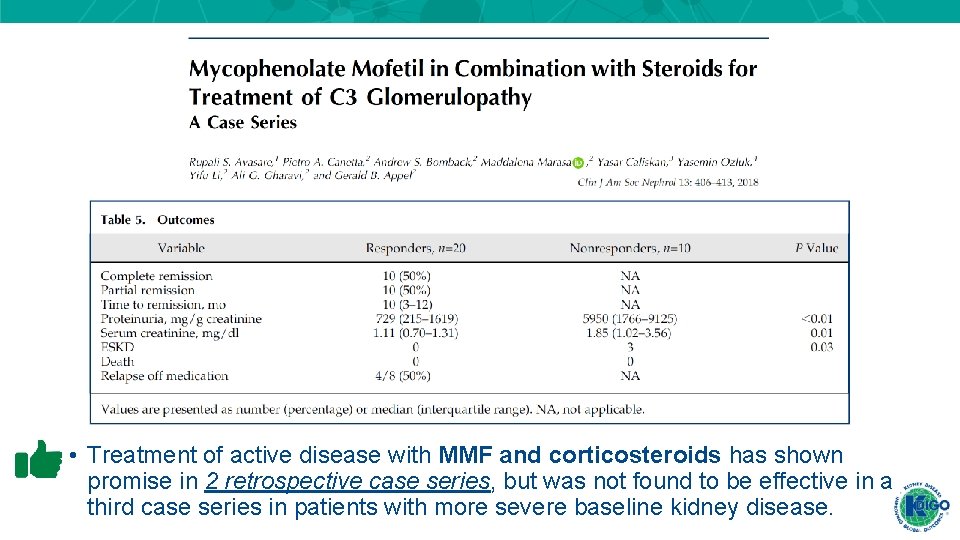
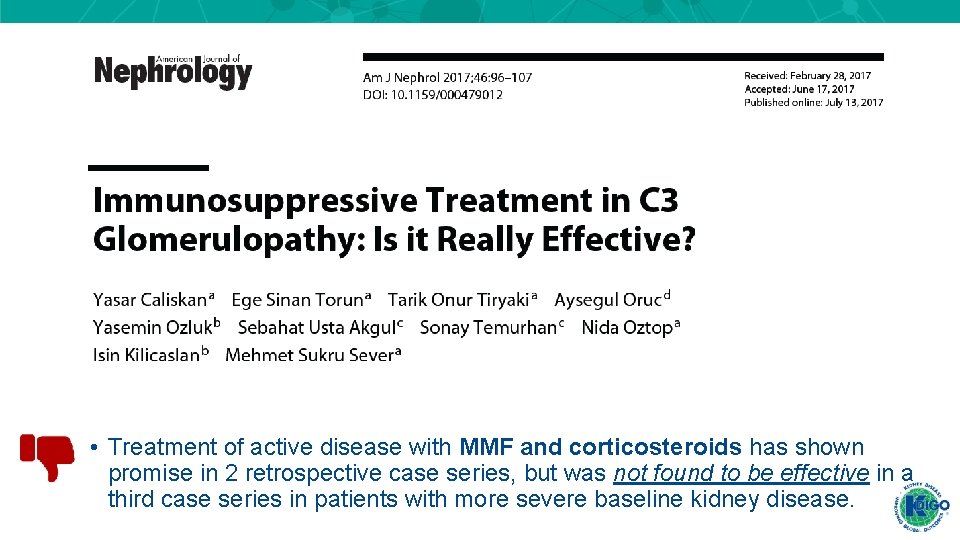
• Treatment of active disease with MMF and corticosteroids has shown promise in 2 retrospective case series, but was not found to be effective in a third case series in patients with more severe baseline kidney disease.
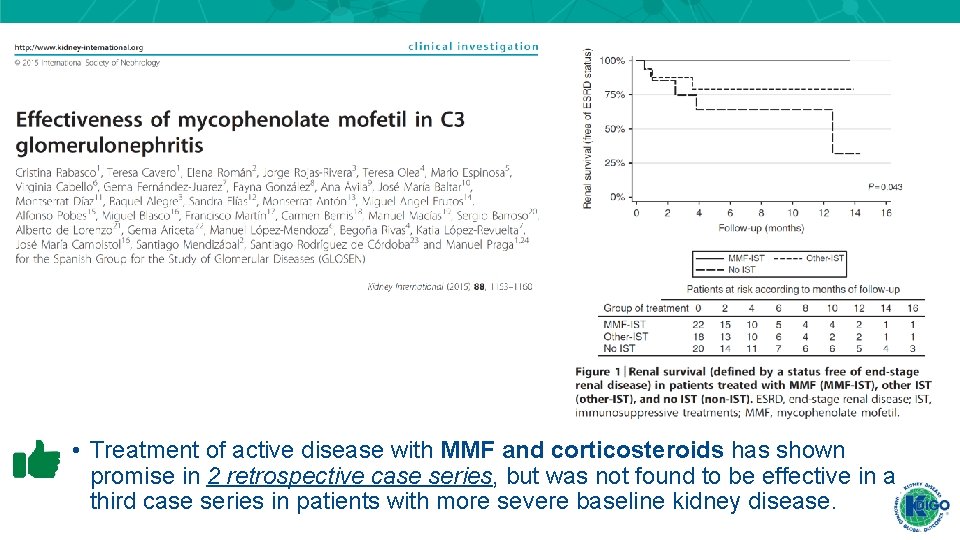
• Treatment of active disease with MMF and corticosteroids has shown promise in 2 retrospective case series, but was not found to be effective in a third case series in patients with more severe baseline kidney disease.
• Treatment of active disease with MMF and corticosteroids has shown promise in 2 retrospective case series, but was not found to be effective in a third case series in patients with more severe baseline kidney disease.
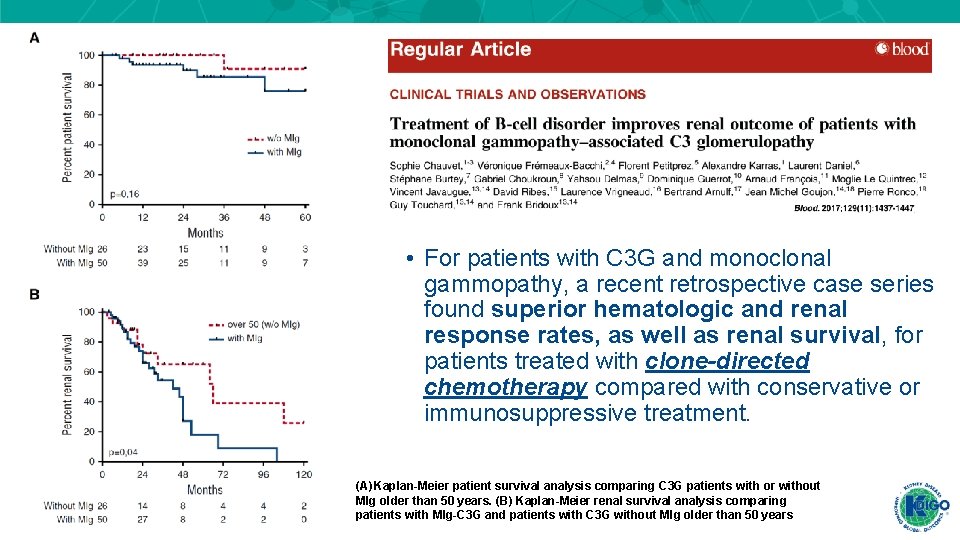
• For patients with C 3 G and monoclonal gammopathy, a recent retrospective case series found superior hematologic and renal response rates, as well as renal survival, for patients treated with clone-directed chemotherapy compared with conservative or immunosuppressive treatment. (A) Kaplan-Meier patient survival analysis comparing C 3 G patients with or without MIg older than 50 years. (B) Kaplan-Meier renal survival analysis comparing patients with MIg-C 3 G and patients with C 3 G without MIg older than 50 years
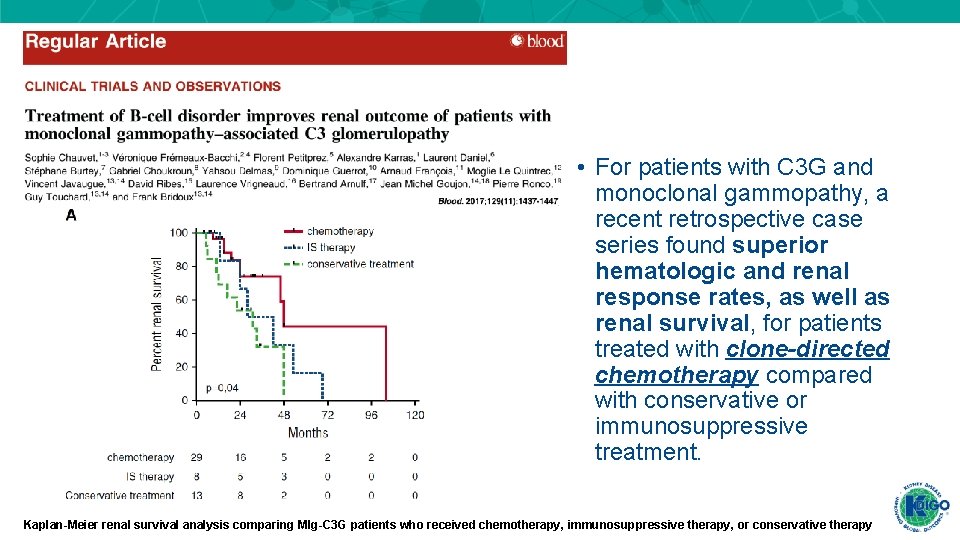
• For patients with C 3 G and monoclonal gammopathy, a recent retrospective case series found superior hematologic and renal response rates, as well as renal survival, for patients treated with clone-directed chemotherapy compared with conservative or immunosuppressive treatment. Kaplan-Meier renal survival analysis comparing MIg-C 3 G patients who received chemotherapy, immunosuppressive therapy, or conservative therapy

Monoclonal Gammopathies of Renal Significance (MGRS) • Pathogenesis • Biomarkers and prediction of prognosis • Treatment
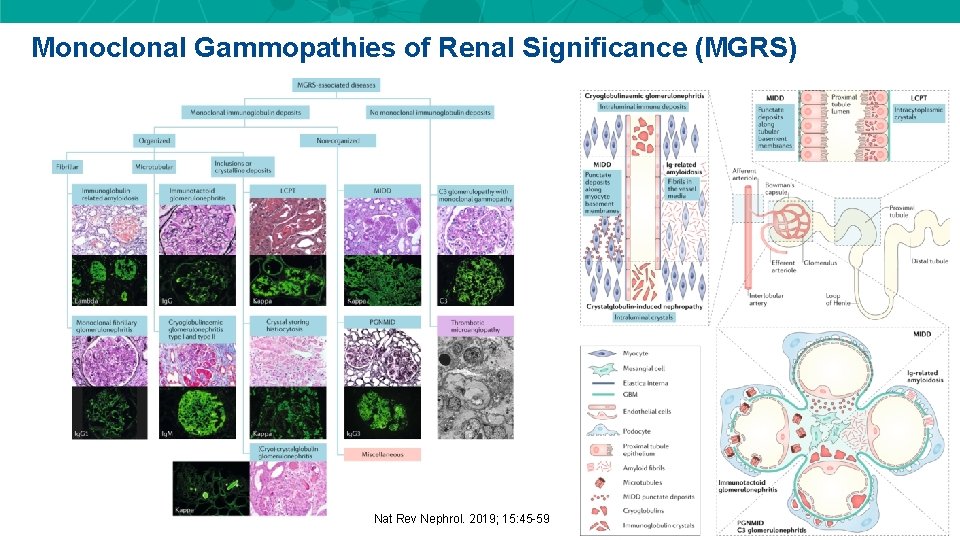
Monoclonal Gammopathies of Renal Significance (MGRS) Nat Rev Nephrol. 2019; 15: 45 -59

MGRS - Pathogenesis • Preclinical and clinical studies have elucidated the pathogenesis of some paraprotein-associated kidney diseases. For example, heavy chain deposition disease is caused by a truncated Ig heavy chain that lacks the first constant domain (CH 1 deletion). • Specific physiochemical properties of the truncated heavy chain may explain its tropism for the kidney.

MGRS - Pathogenesis Most patients with heavy chain deposition disease have an underlying plasma cell clone that does not meet criteria for multiple myeloma (i. e. , a MGRS), and evidence of the truncated heavy chain can be found in the serum and bone marrow.

MGRS - Pathogenesis Nat Rev Nephrol. 2019; 15: 45 -59
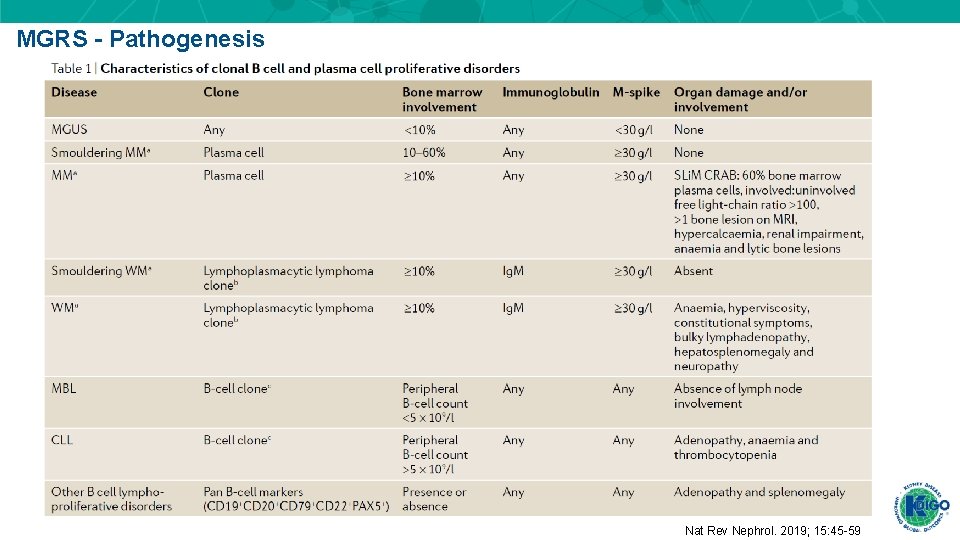
MGRS - Pathogenesis Nat Rev Nephrol. 2019; 15: 45 -59
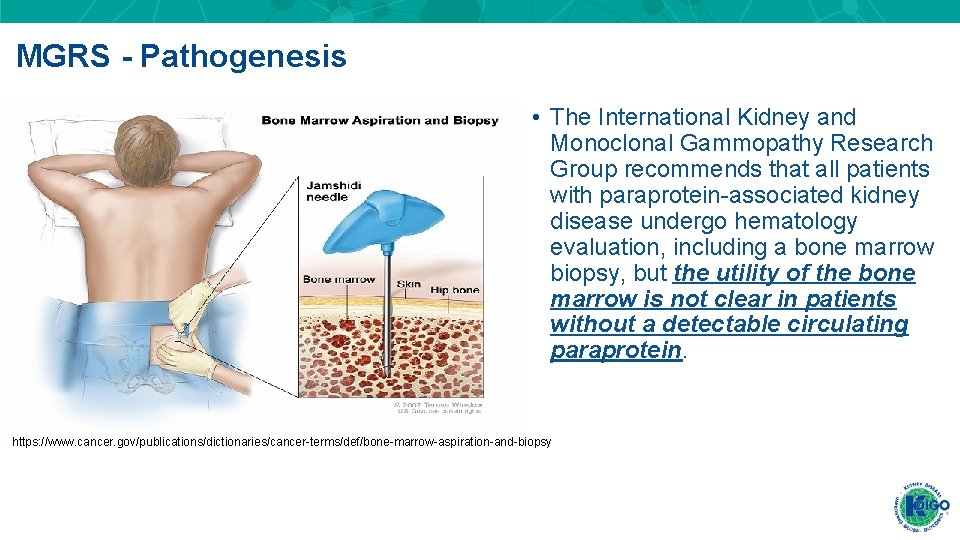
MGRS - Pathogenesis • The International Kidney and Monoclonal Gammopathy Research Group recommends that all patients with paraprotein-associated kidney disease undergo hematology evaluation, including a bone marrow biopsy, but the utility of the bone marrow is not clear in patients without a detectable circulating paraprotein. https: //www. cancer. gov/publications/dictionaries/cancer-terms/def/bone-marrow-aspiration-and-biopsy
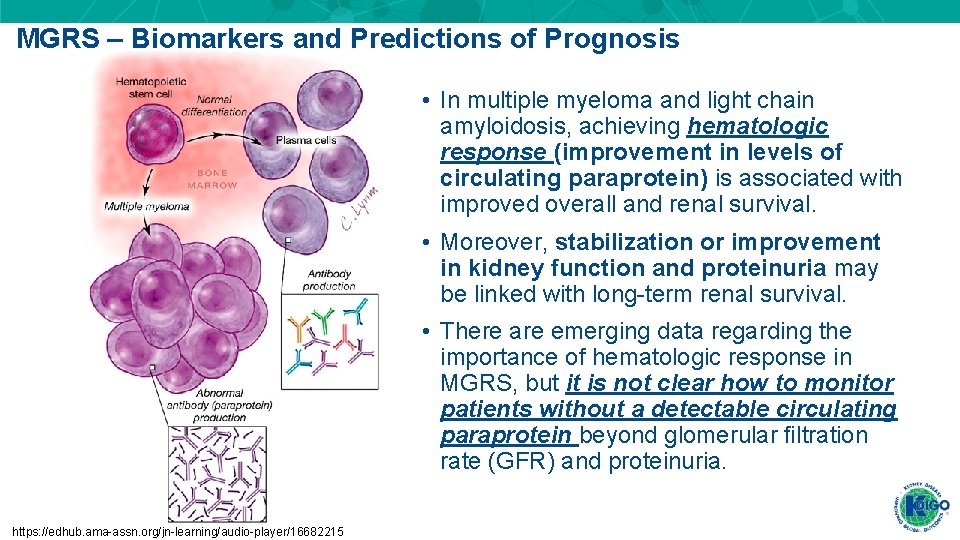
MGRS – Biomarkers and Predictions of Prognosis • In multiple myeloma and light chain amyloidosis, achieving hematologic response (improvement in levels of circulating paraprotein) is associated with improved overall and renal survival. • Moreover, stabilization or improvement in kidney function and proteinuria may be linked with long-term renal survival. • There are emerging data regarding the importance of hematologic response in MGRS, but it is not clear how to monitor patients without a detectable circulating paraprotein beyond glomerular filtration rate (GFR) and proteinuria. https: //edhub. ama-assn. org/jn-learning/audio-player/16682215

MGRS - Treatment • The International Kidney and Monoclonal Gammopathy Research Group published an approach to managing MGRS based on expert opinion. • Risk stratification was based on kidney dysfunction and proteinuria, and treatment strategies utilized a clone-directed approach similar to that employed for multiple myeloma and lymphomas (i. e. , chemotherapeutic regimens, autologous stem cell transplant)
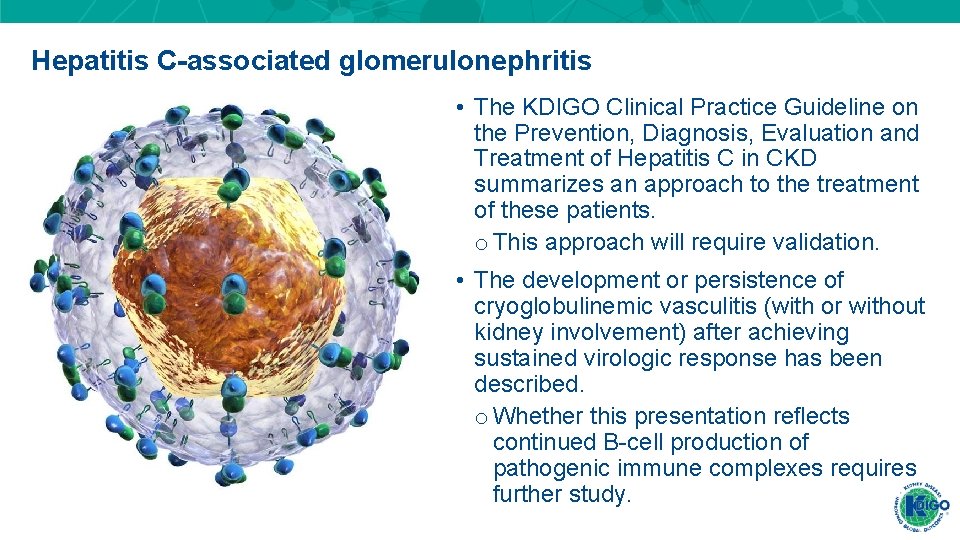
Hepatitis C-associated glomerulonephritis • The KDIGO Clinical Practice Guideline on the Prevention, Diagnosis, Evaluation and Treatment of Hepatitis C in CKD summarizes an approach to the treatment of these patients. o This approach will require validation. • The development or persistence of cryoglobulinemic vasculitis (with or without kidney involvement) after achieving sustained virologic response has been described. o Whether this presentation reflects continued B-cell production of pathogenic immune complexes requires further study.
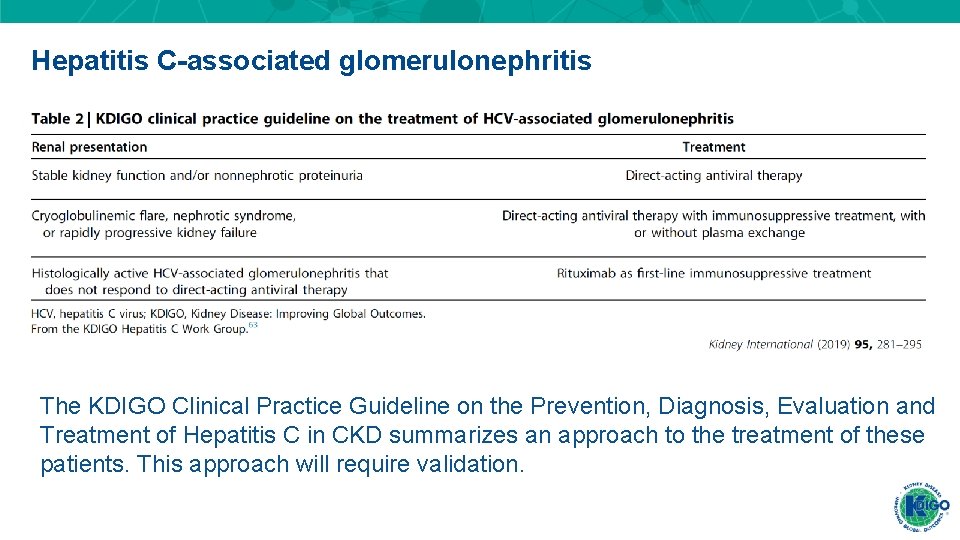
Hepatitis C-associated glomerulonephritis The KDIGO Clinical Practice Guideline on the Prevention, Diagnosis, Evaluation and Treatment of Hepatitis C in CKD summarizes an approach to the treatment of these patients. This approach will require validation.
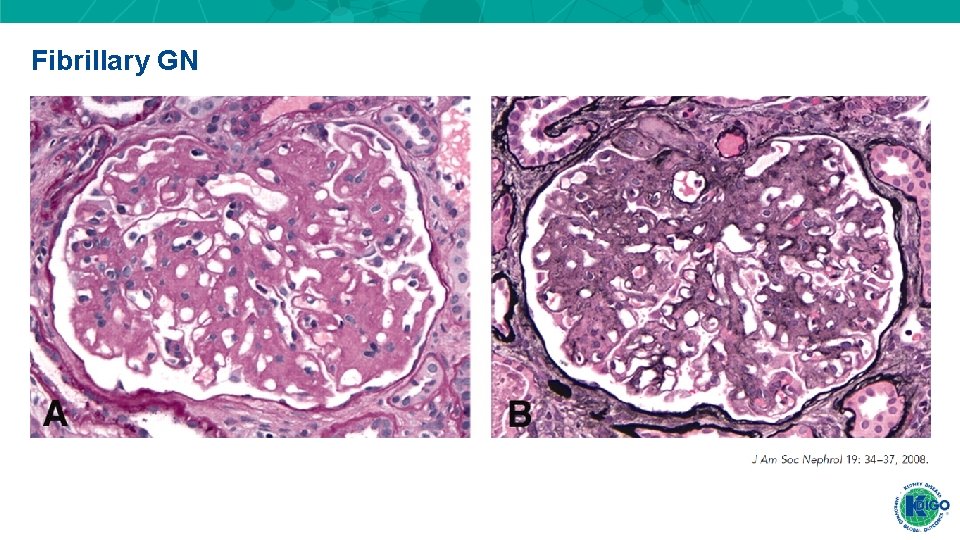
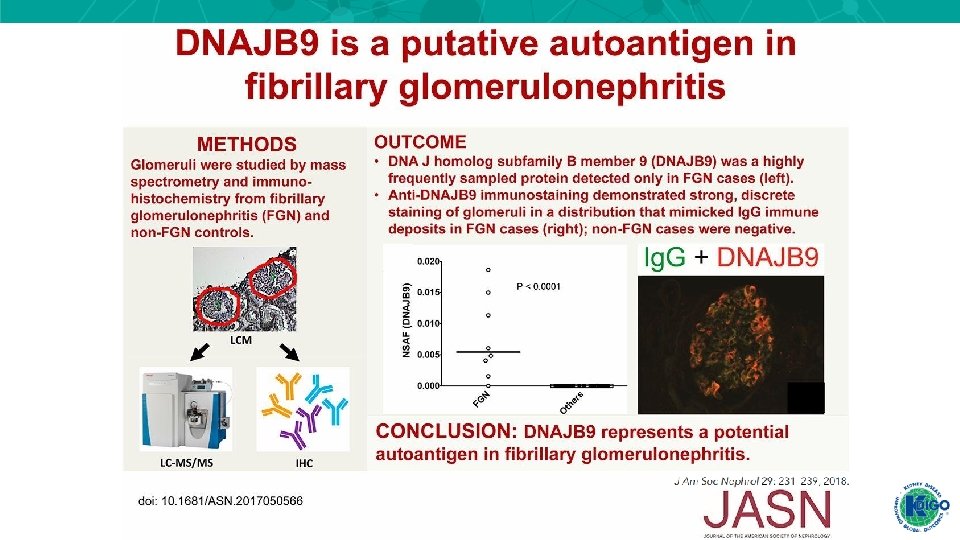
Fibrillary GN

FUTURE STUDIES
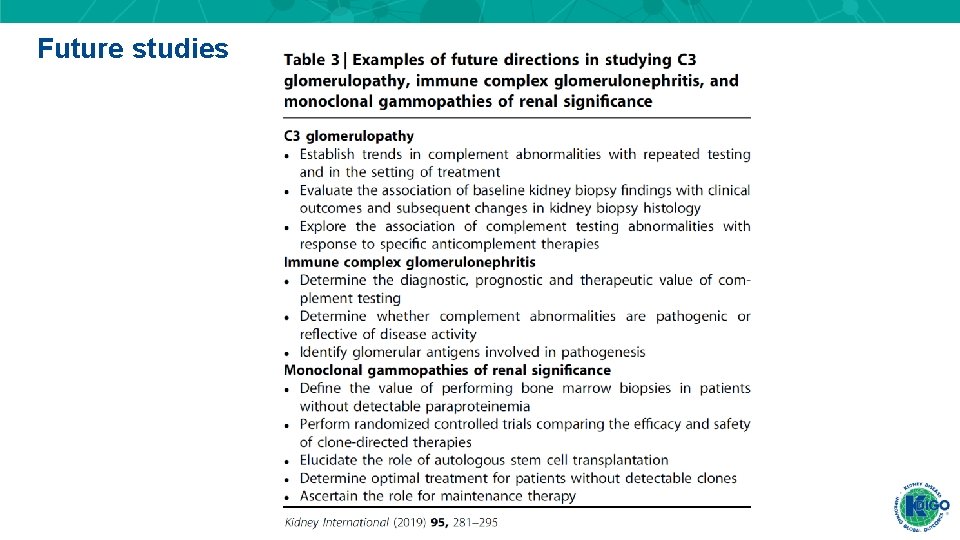
Future studies

CLINICAL VIGNETTE
CASE A 62 -year-old man is noted to have fatigue and impaired kidney function. e. GFR 46 ml/min/1. 73 m 2. He has not traveled recently. He has nephrotic range proteinuria. He has no fever and his BP is 148/86. He has no jaundice and is breathing comfortably. The cardiac examination is normal. The ANA and ANCA titers are negative. A kidney biopsy reveals type 1 MPGN. The most likely cause is: A. Sarcoidosis B. Monoclonal gammopathy C. Malaria D. Hepatitis B E. Endocarditis
The answer is B. This older man has no pulmonary or hepatic complaints, making sarcoidosis and hepatitis unlikely. The absence of travel makes malaria an unlikely diagnosis. He has no fever or murmur which would exclude endocarditis. The presence of MPGN with nephrotic range proteinuria is most consistent with the presence of a monoclonal gammopathy.

KDIGO THANKS THE FOLLOWING PARTNERS FOR THEIR SUPPORT OF THIS SPEAKER’S GUIDE

FOLLOW KDIGO www. kdigo. org /go. KDIGO @go. KDIGO
- Slides: 44