
MANAGEMENT AND TREATMENT OF GLOMERULAR DISEASES LUPUS NEPHRITIS










- Slides: 69
MANAGEMENT AND TREATMENT OF GLOMERULAR DISEASES LUPUS NEPHRITIS CONCLUSIONS FROM A KDIGO CONTROVERSIES CONFERENCE
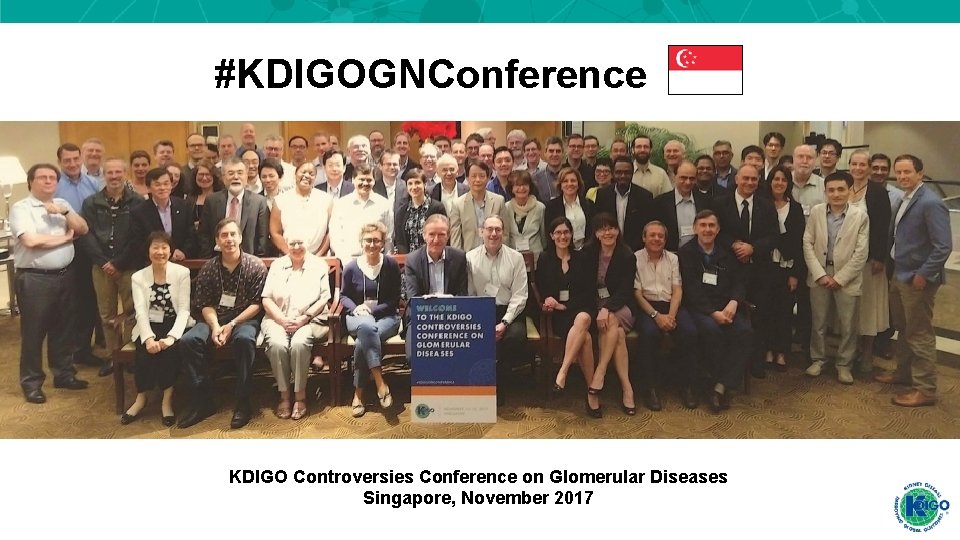
#KDIGOGNConference KDIGO Controversies Conference on Glomerular Diseases Singapore, November 2017
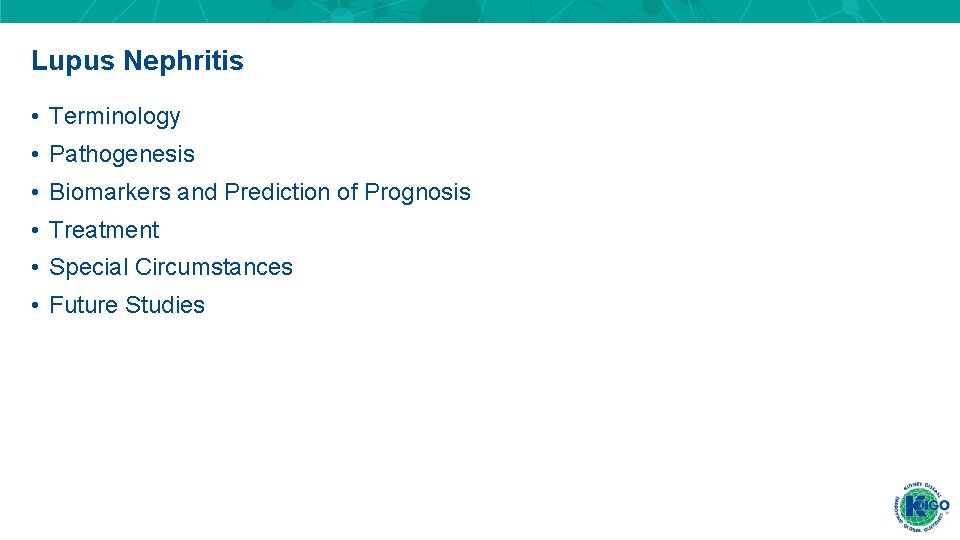
Lupus Nephritis • Terminology • Pathogenesis • Biomarkers and Prediction of Prognosis • Treatment • Special Circumstances • Future Studies
TERMINOLOGY
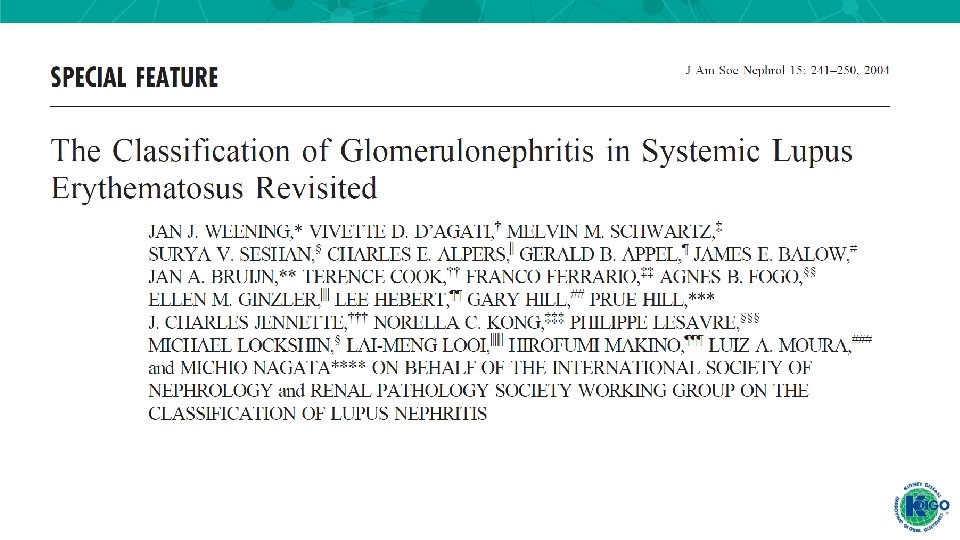
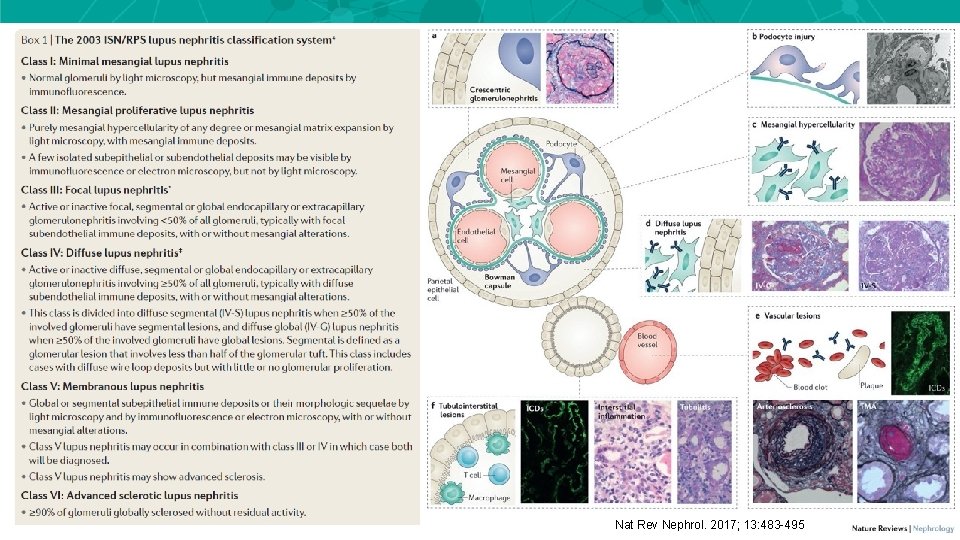
Nat Rev Nephrol. 2017; 13: 483 -495
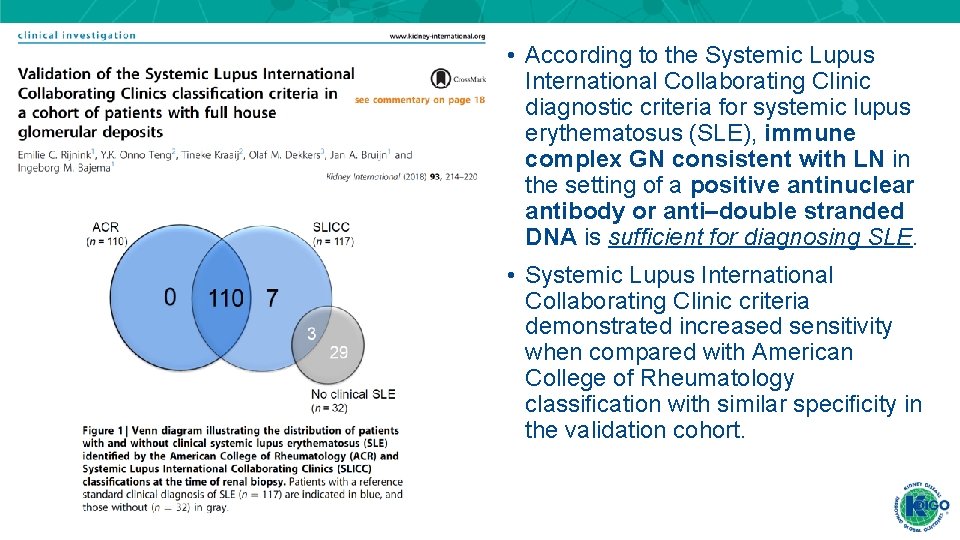
• According to the Systemic Lupus International Collaborating Clinic diagnostic criteria for systemic lupus erythematosus (SLE), immune complex GN consistent with LN in the setting of a positive antinuclear antibody or anti–double stranded DNA is sufficient for diagnosing SLE. • Systemic Lupus International Collaborating Clinic criteria demonstrated increased sensitivity when compared with American College of Rheumatology classification with similar specificity in the validation cohort.
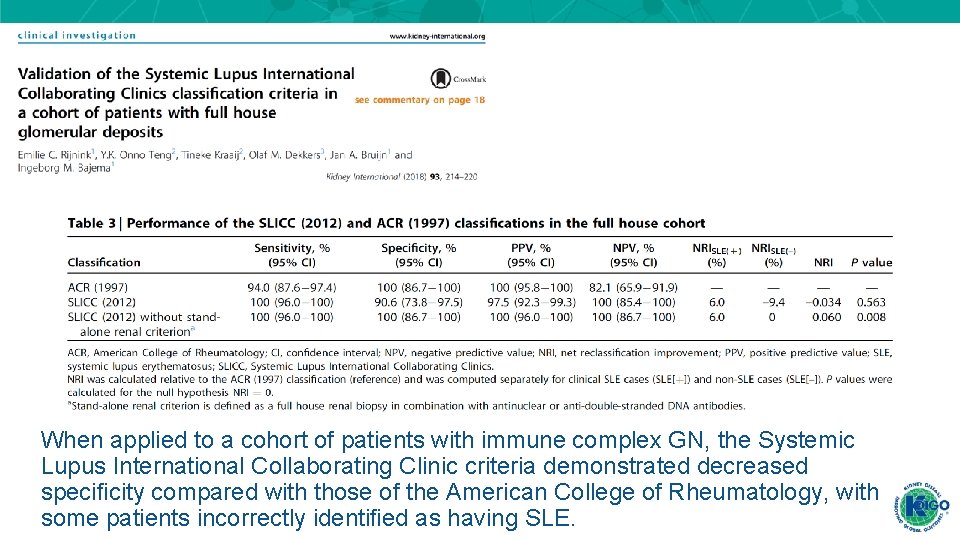
When applied to a cohort of patients with immune complex GN, the Systemic Lupus International Collaborating Clinic criteria demonstrated decreased specificity compared with those of the American College of Rheumatology, with some patients incorrectly identified as having SLE.
PATHOGENESIS
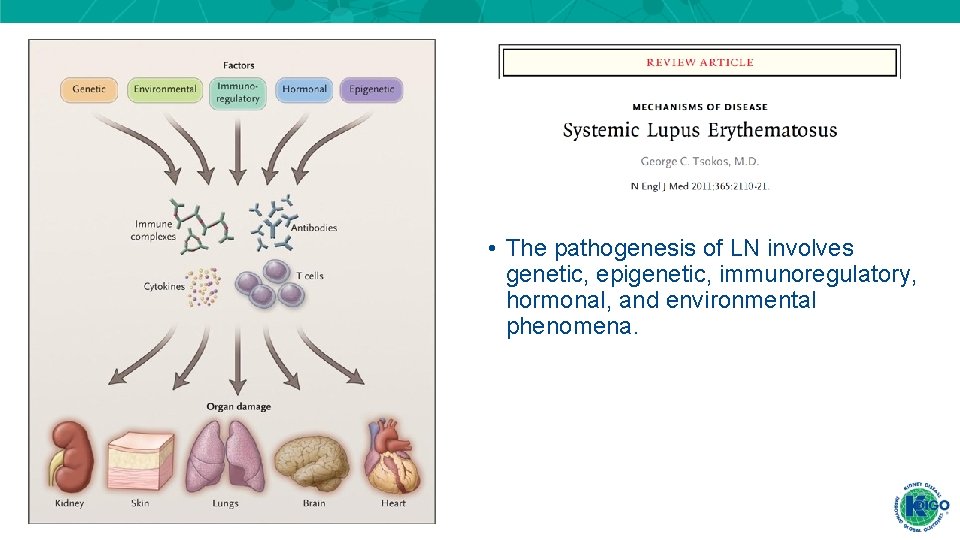
• The pathogenesis of LN involves genetic, epigenetic, immunoregulatory, hormonal, and environmental phenomena.
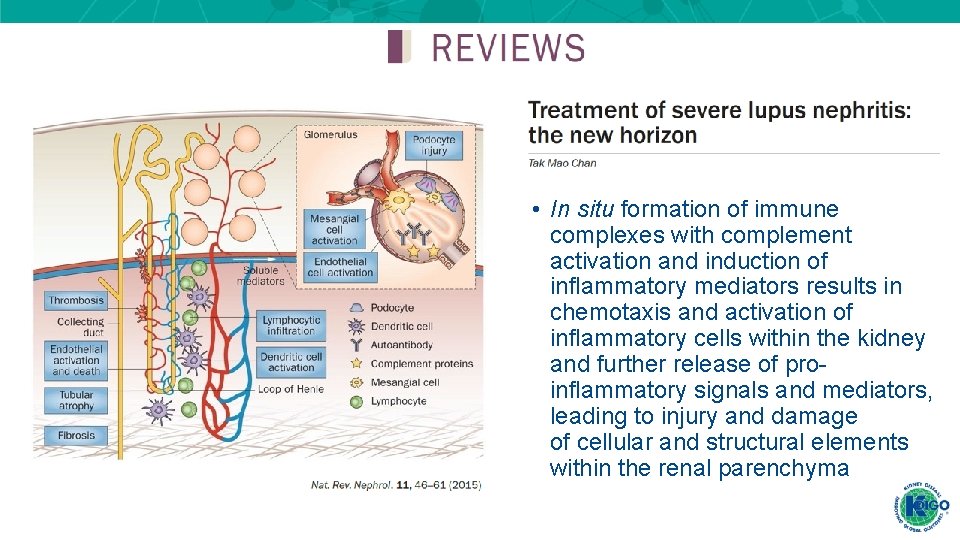
• In situ formation of immune complexes with complement activation and induction of inflammatory mediators results in chemotaxis and activation of inflammatory cells within the kidney and further release of proinflammatory signals and mediators, leading to injury and damage of cellular and structural elements within the renal parenchyma
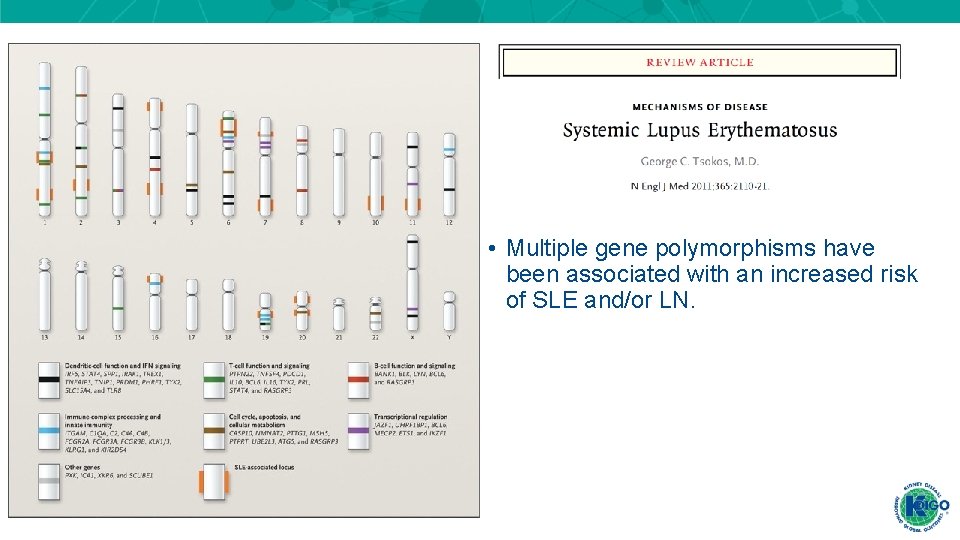
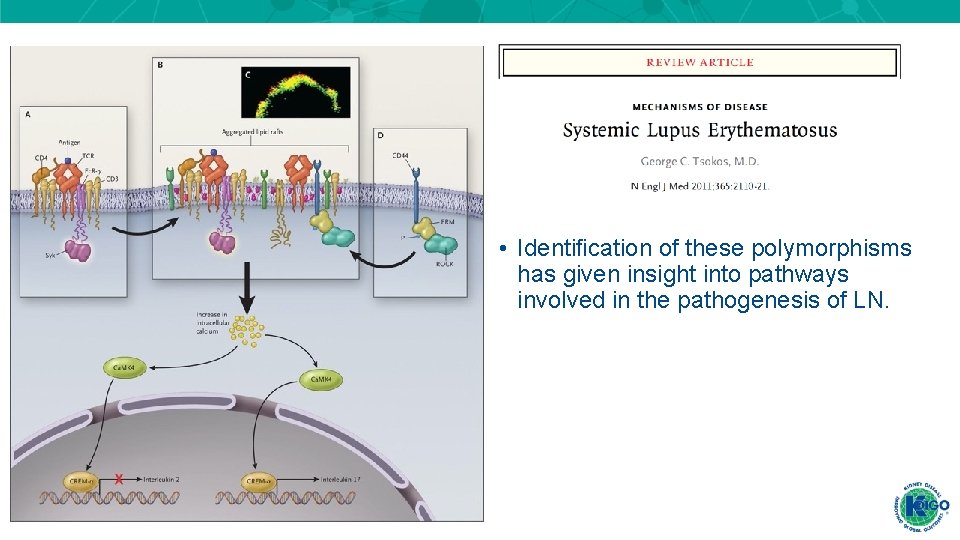
• Multiple gene polymorphisms have been associated with an increased risk of SLE and/or LN.
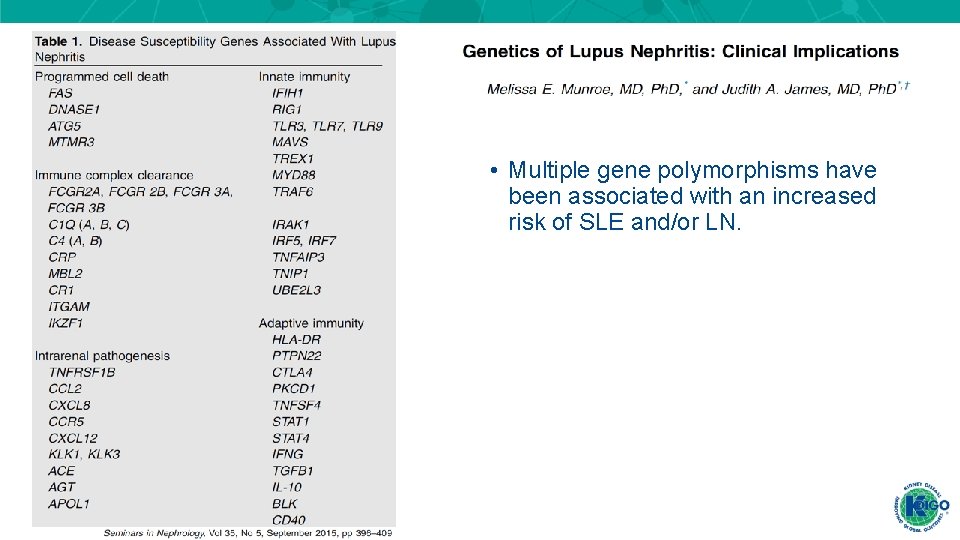
• Multiple gene polymorphisms have been associated with an increased risk of SLE and/or LN.
• Identification of these polymorphisms has given insight into pathways involved in the pathogenesis of LN.
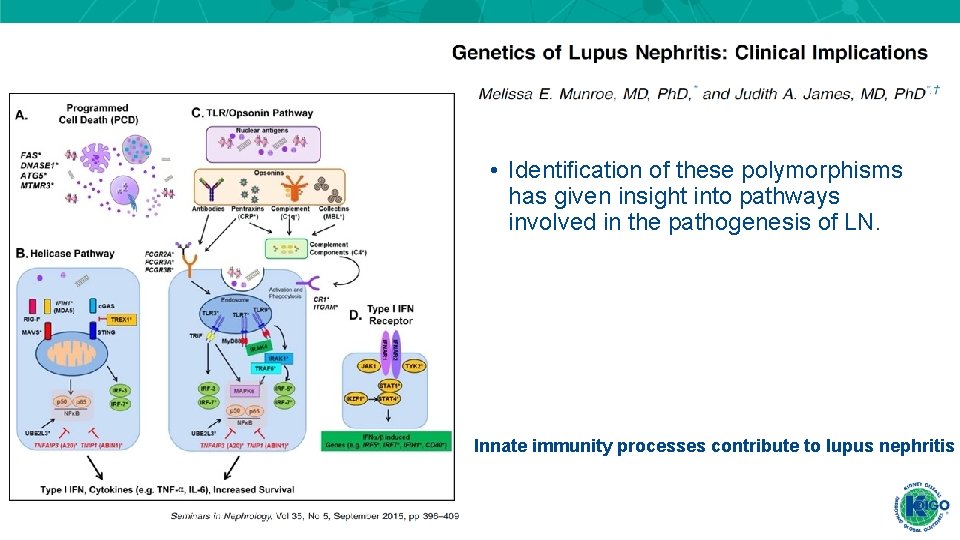
• Identification of these polymorphisms has given insight into pathways involved in the pathogenesis of LN. Innate immunity processes contribute to lupus nephritis
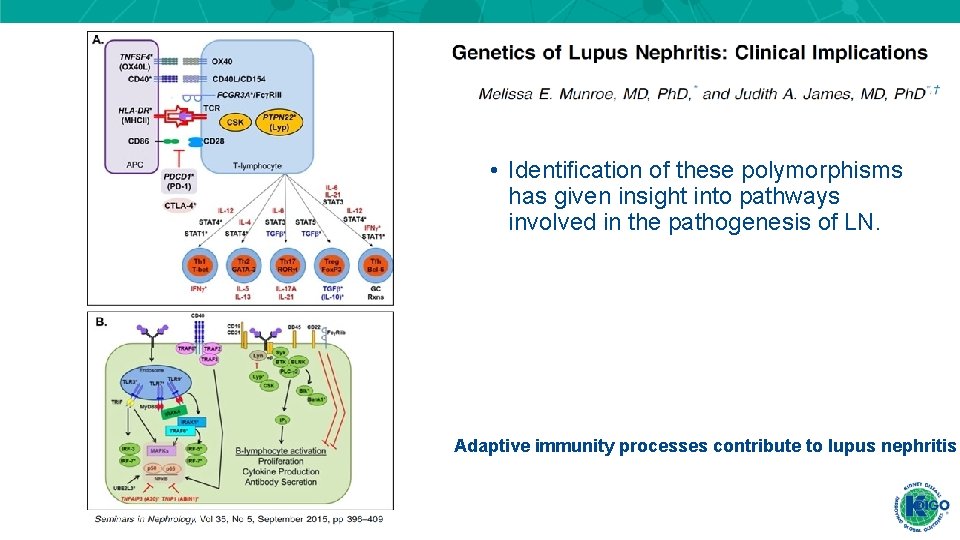
• Identification of these polymorphisms has given insight into pathways involved in the pathogenesis of LN. Adaptive immunity processes contribute to lupus nephritis
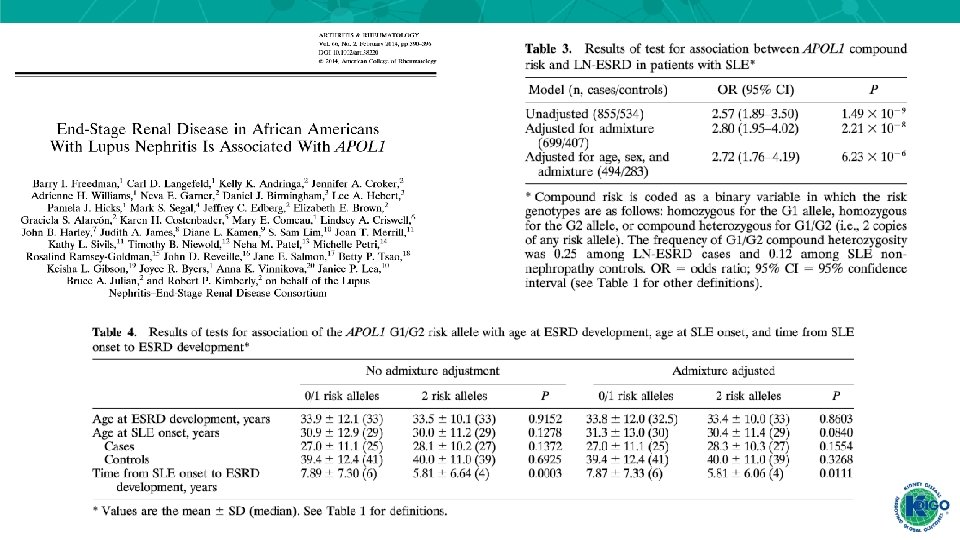
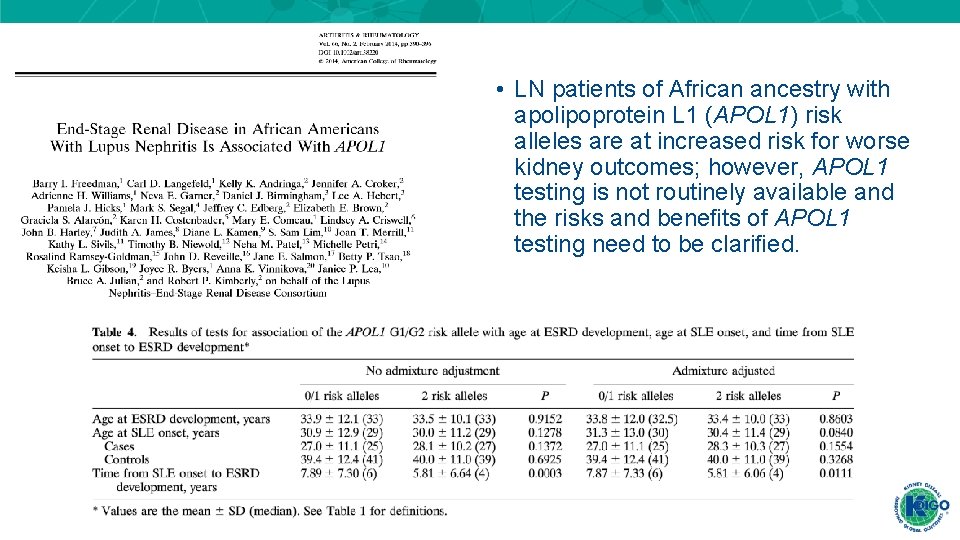
• LN patients of African ancestry with apolipoprotein L 1 (APOL 1) risk alleles are at increased risk for worse kidney outcomes; however, APOL 1 testing is not routinely available and the risks and benefits of APOL 1 testing need to be clarified.
BIOMARKERS AND PREDICTION OF PROGNOSIS
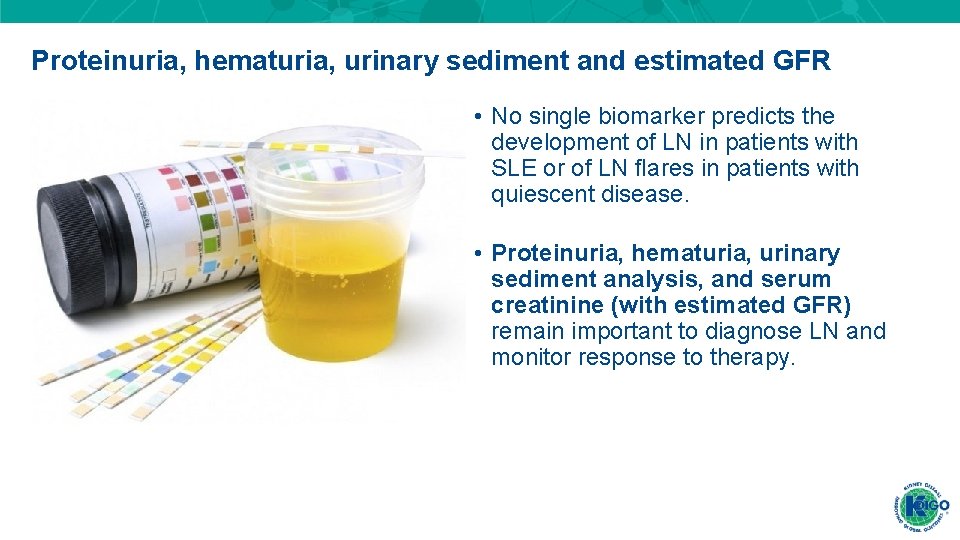
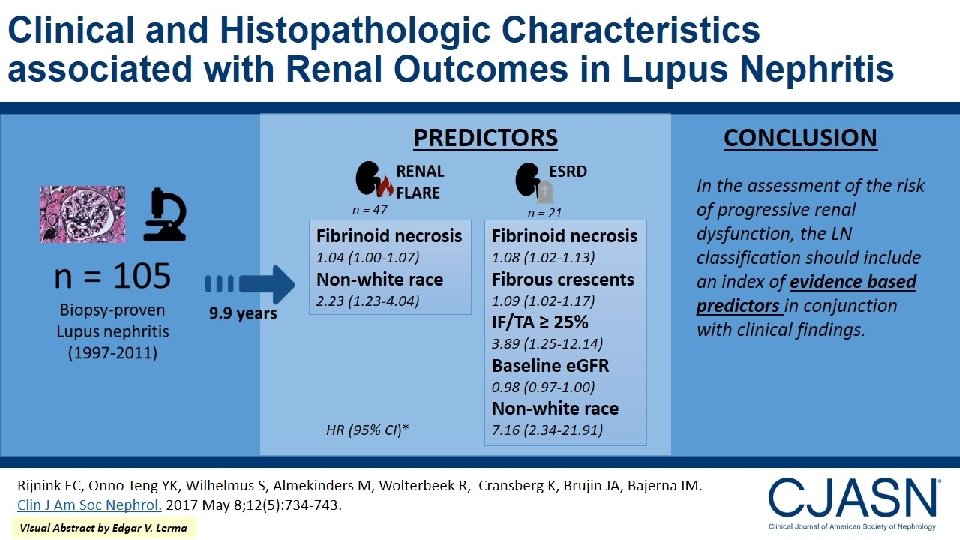
Proteinuria, hematuria, urinary sediment and estimated GFR • No single biomarker predicts the development of LN in patients with SLE or of LN flares in patients with quiescent disease. • Proteinuria, hematuria, urinary sediment analysis, and serum creatinine (with estimated GFR) remain important to diagnose LN and monitor response to therapy.
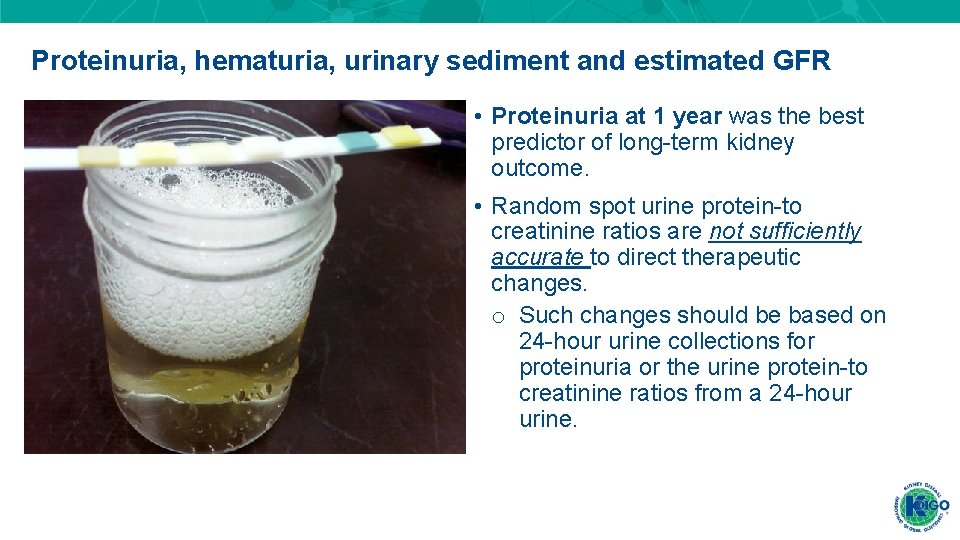
Proteinuria, hematuria, urinary sediment and estimated GFR • Proteinuria at 1 year was the best predictor of long-term kidney outcome. • Random spot urine protein-to creatinine ratios are not sufficiently accurate to direct therapeutic changes. o Such changes should be based on 24 -hour urine collections for proteinuria or the urine protein-to creatinine ratios from a 24 -hour urine.
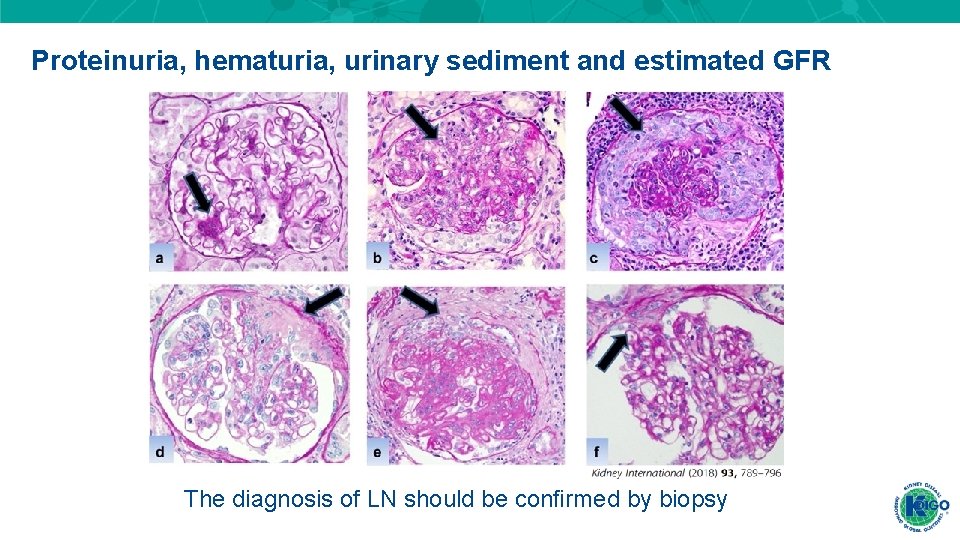
Proteinuria, hematuria, urinary sediment and estimated GFR The diagnosis of LN should be confirmed by biopsy
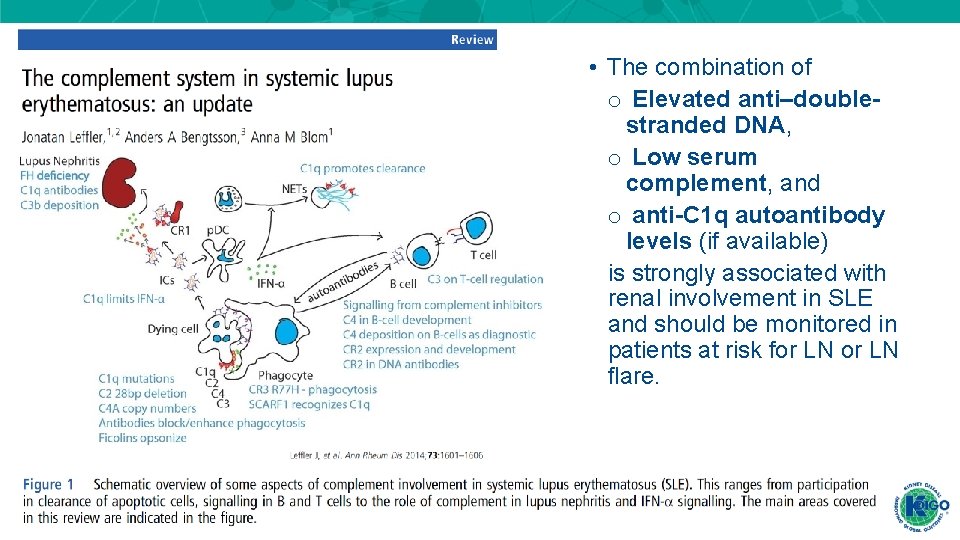
• The combination of o Elevated anti–doublestranded DNA, o Low serum complement, and o anti-C 1 q autoantibody levels (if available) is strongly associated with renal involvement in SLE and should be monitored in patients at risk for LN flare.
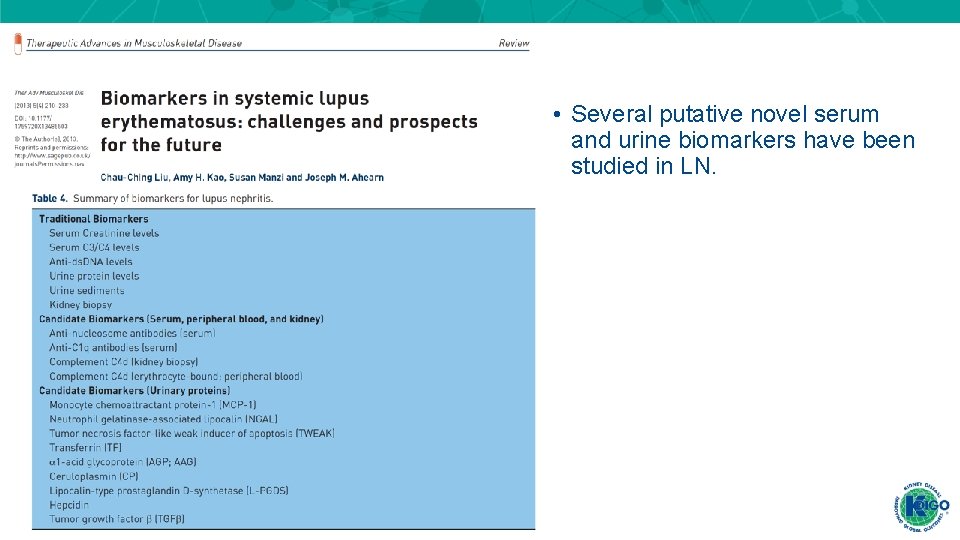
• Several putative novel serum and urine biomarkers have been studied in LN.
TREATMENT
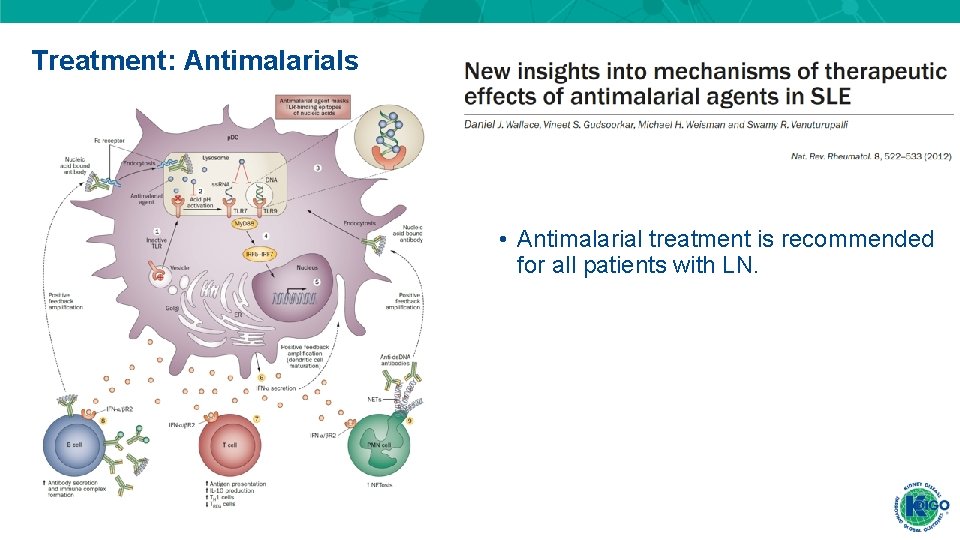
Treatment: Antimalarials • Antimalarial treatment is recommended for all patients with LN.
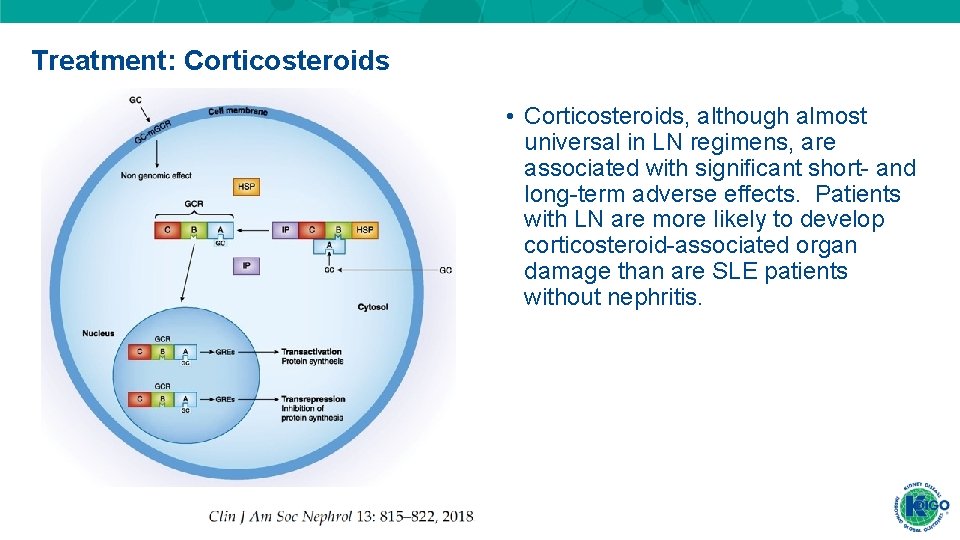
Treatment: Corticosteroids • Corticosteroids, although almost universal in LN regimens, are associated with significant short- and long-term adverse effects. Patients with LN are more likely to develop corticosteroid-associated organ damage than are SLE patients without nephritis.
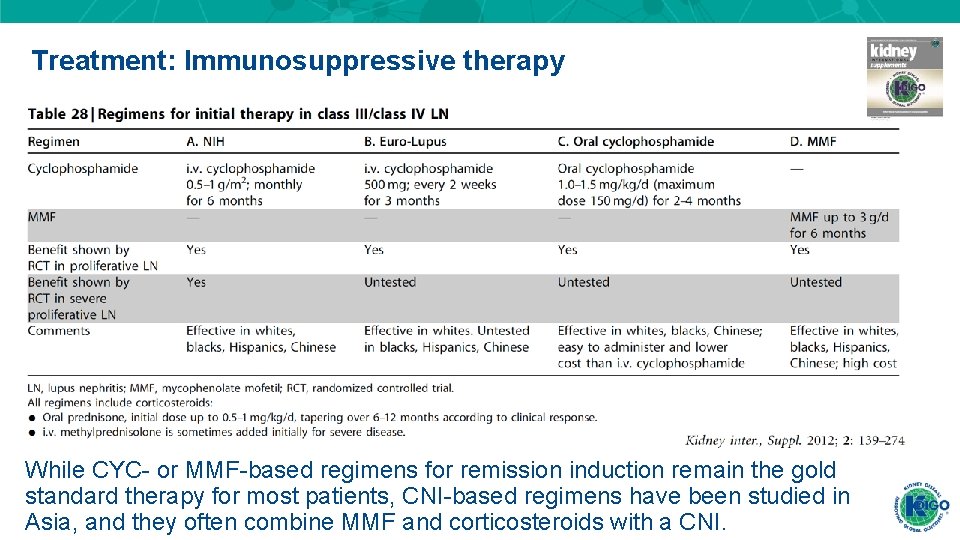
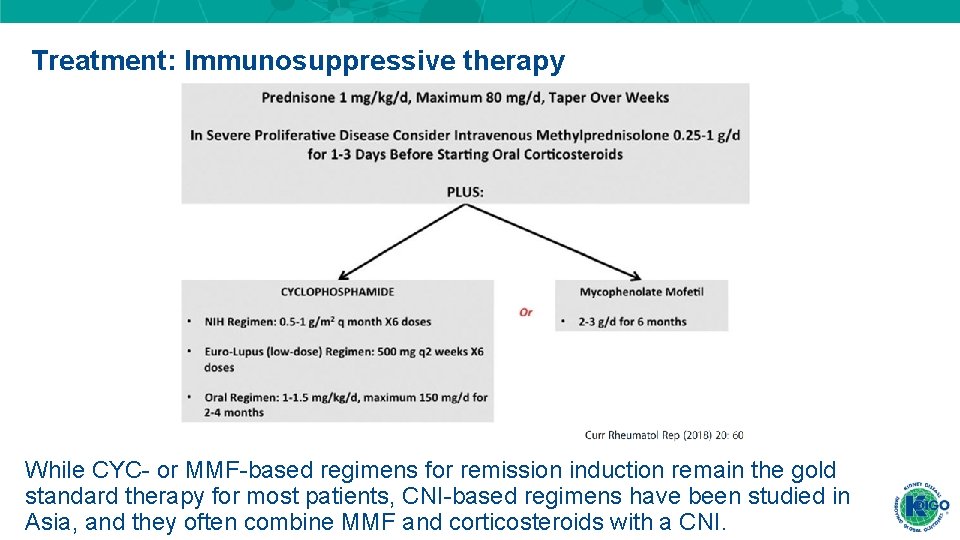
Treatment: Immunosuppressive therapy While CYC- or MMF-based regimens for remission induction remain the gold standard therapy for most patients, CNI-based regimens have been studied in Asia, and they often combine MMF and corticosteroids with a CNI.
Treatment: Immunosuppressive therapy While CYC- or MMF-based regimens for remission induction remain the gold standard therapy for most patients, CNI-based regimens have been studied in Asia, and they often combine MMF and corticosteroids with a CNI.
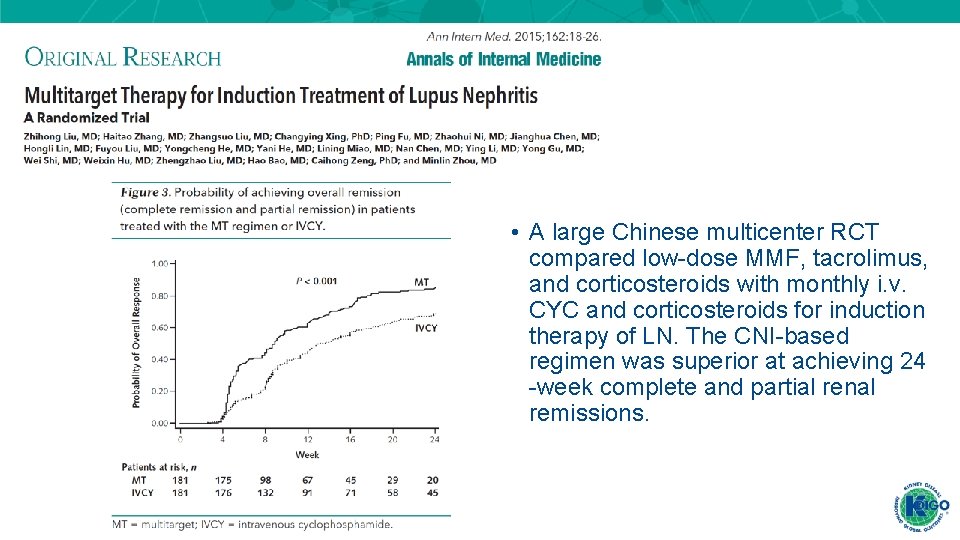
• A large Chinese multicenter RCT compared low-dose MMF, tacrolimus, and corticosteroids with monthly i. v. CYC and corticosteroids for induction therapy of LN. The CNI-based regimen was superior at achieving 24 -week complete and partial renal remissions.
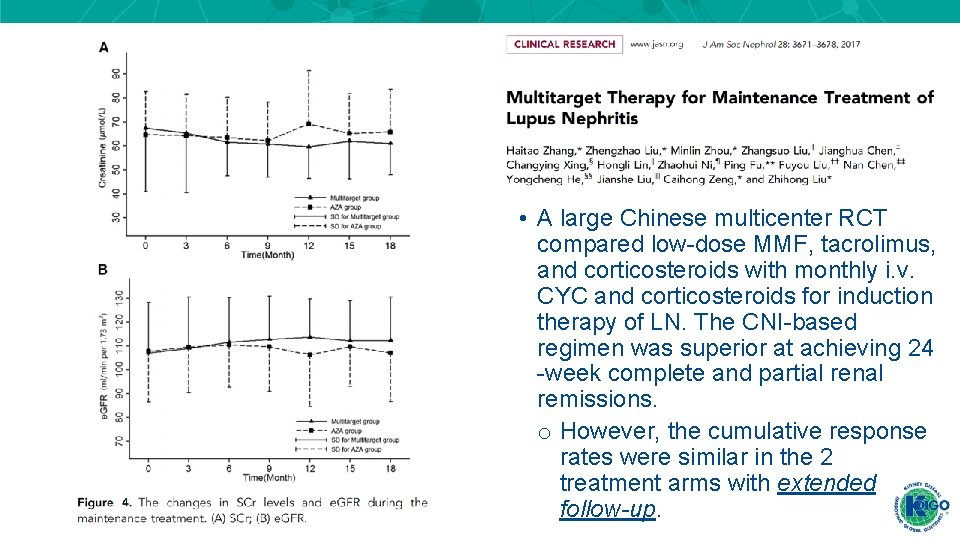
• A large Chinese multicenter RCT compared low-dose MMF, tacrolimus, and corticosteroids with monthly i. v. CYC and corticosteroids for induction therapy of LN. The CNI-based regimen was superior at achieving 24 -week complete and partial renal remissions. o However, the cumulative response rates were similar in the 2 treatment arms with extended follow-up.
Treatment: Maintenance treatment • Maintenance treatment after induction typically consists of MMF or azathioprine (AZA) with or without lowdose corticosteroids. o It is not clear how long to continue maintenance. o In recent clinical trials, the duration of maintenance has been 3 to 5 years, and many patients remained on maintenance therapy for 10 years. o A minimum of 3 years is suggested.
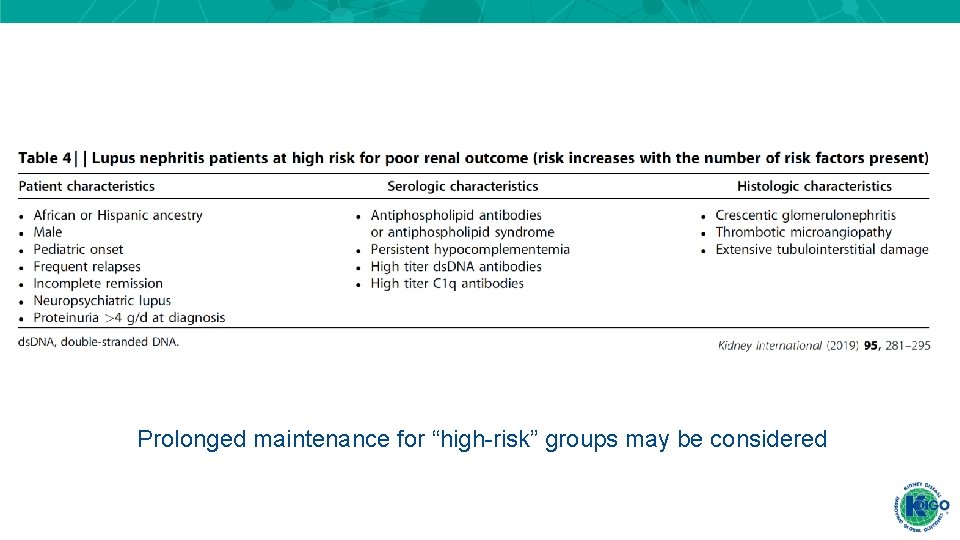
Prolonged maintenance for “high-risk” groups may be considered
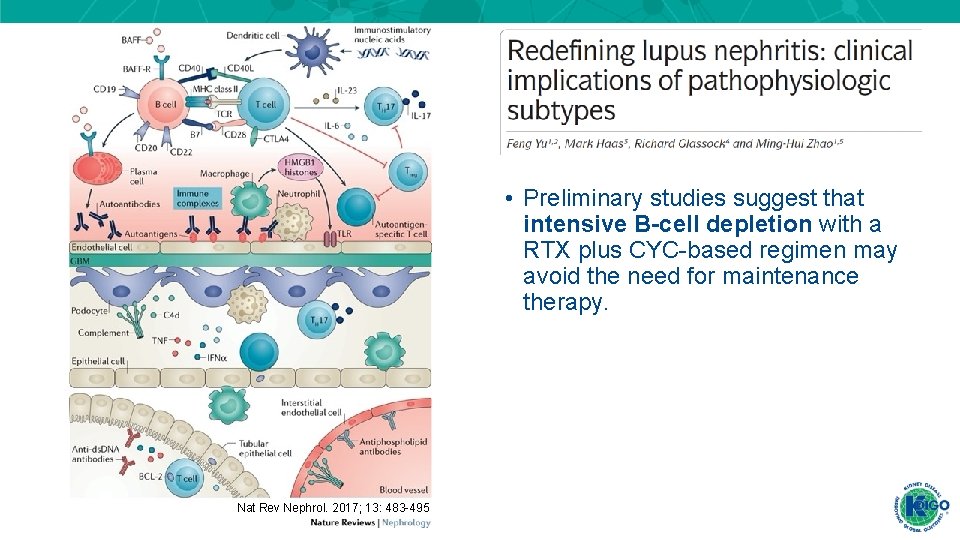
• Preliminary studies suggest that intensive B-cell depletion with a RTX plus CYC-based regimen may avoid the need for maintenance therapy. Nat Rev Nephrol. 2017; 13: 483 -495
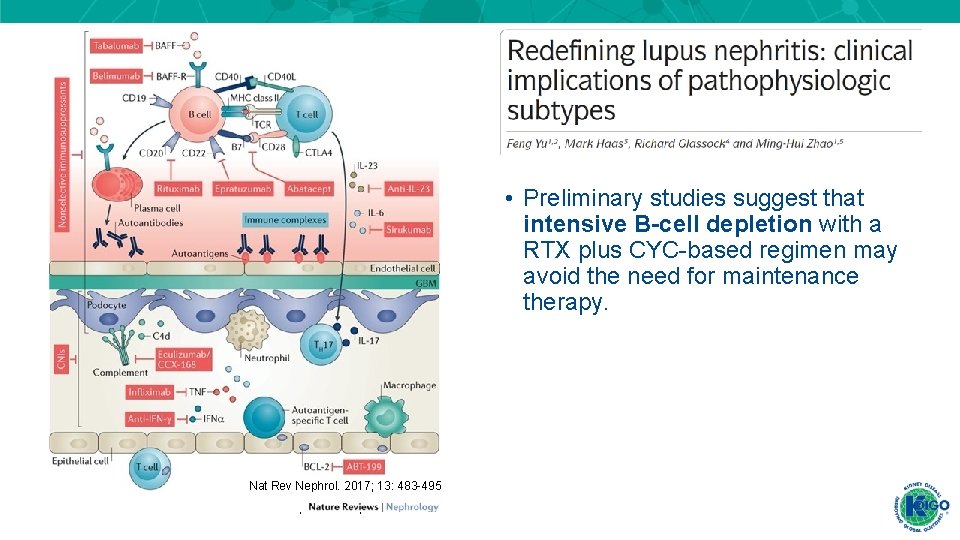
• Preliminary studies suggest that intensive B-cell depletion with a RTX plus CYC-based regimen may avoid the need for maintenance therapy. Nat Rev Nephrol. 2017; 13: 483 -495
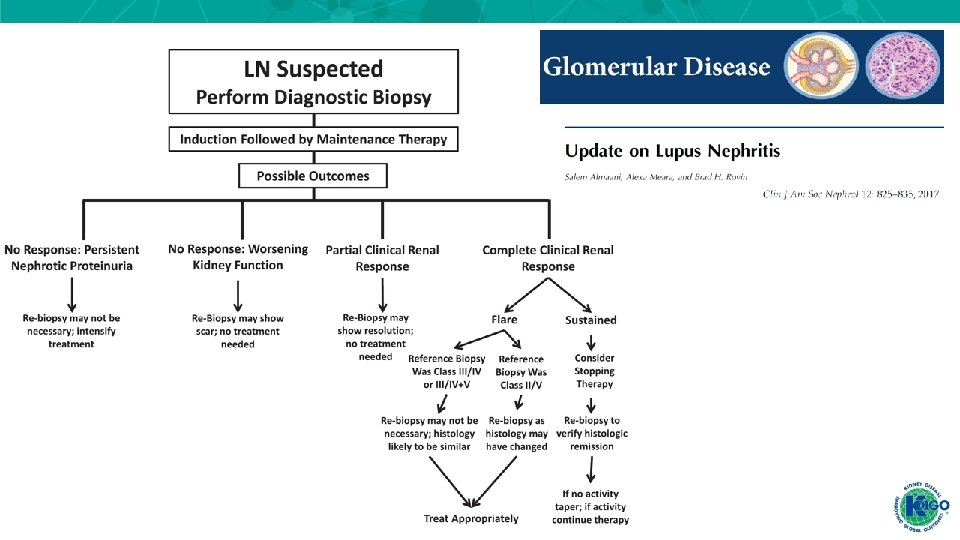
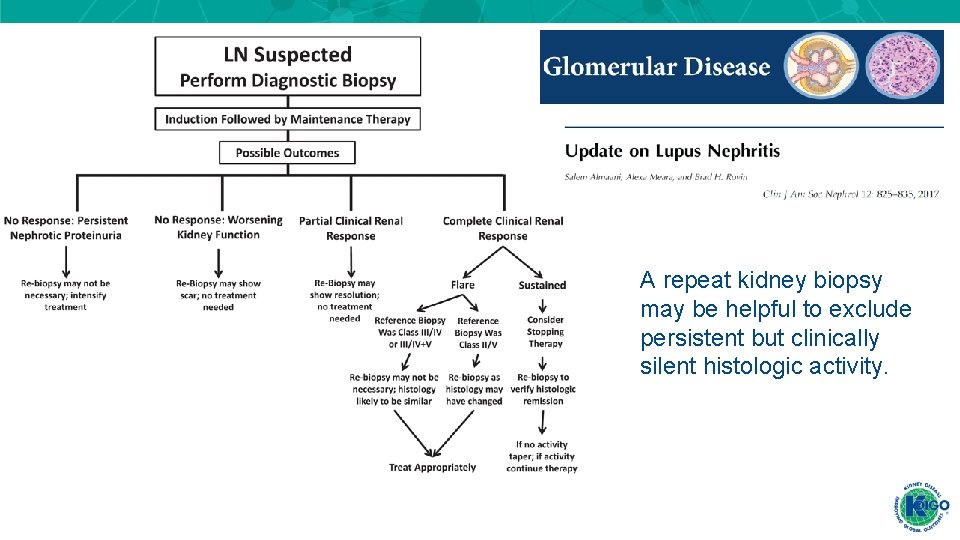
A repeat kidney biopsy may be helpful to exclude persistent but clinically silent histologic activity.
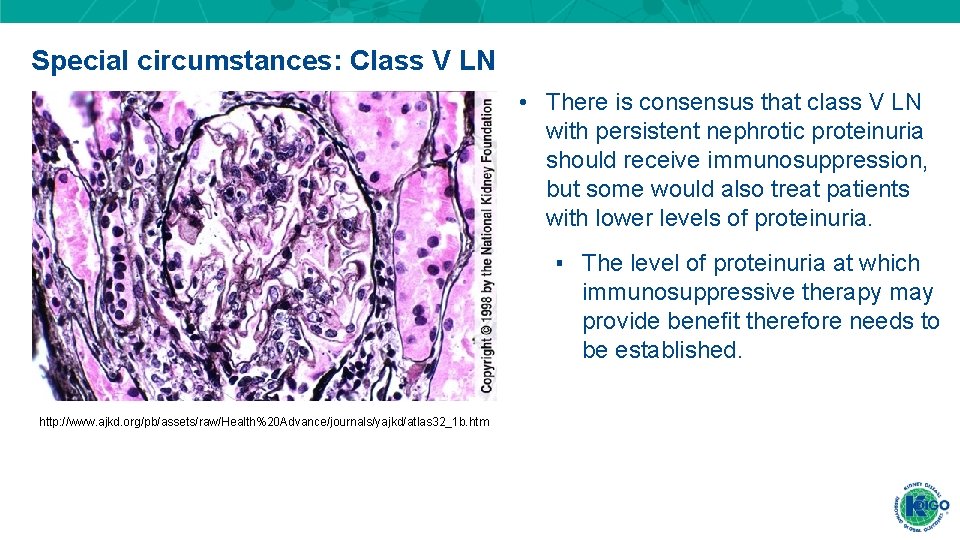
Special circumstances: Class V LN • There is consensus that class V LN with persistent nephrotic proteinuria should receive immunosuppression, but some would also treat patients with lower levels of proteinuria. ▪ The level of proteinuria at which immunosuppressive therapy may provide benefit therefore needs to be established. http: //www. ajkd. org/pb/assets/raw/Health%20 Advance/journals/yajkd/atlas 32_1 b. htm
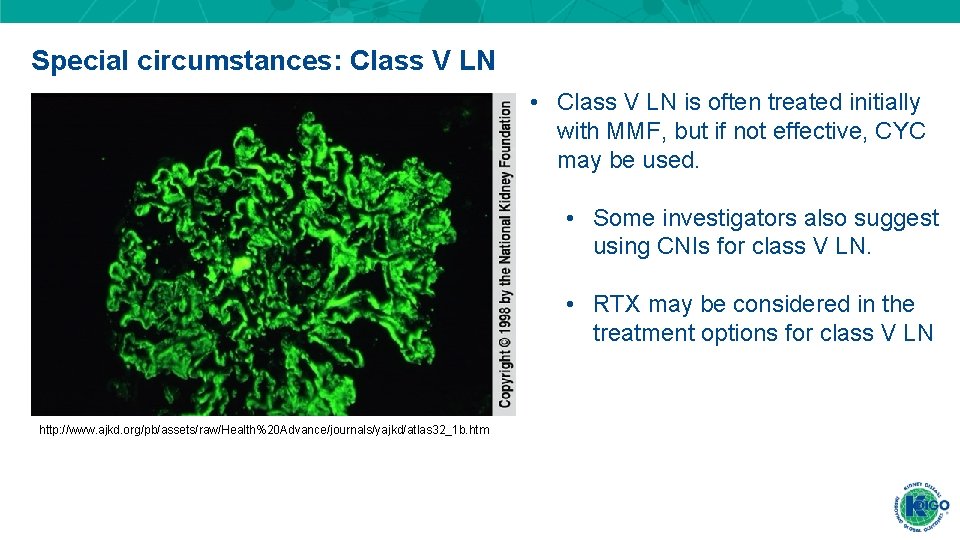
Special circumstances: Class V LN • Class V LN is often treated initially with MMF, but if not effective, CYC may be used. • Some investigators also suggest using CNIs for class V LN. • RTX may be considered in the treatment options for class V LN http: //www. ajkd. org/pb/assets/raw/Health%20 Advance/journals/yajkd/atlas 32_1 b. htm
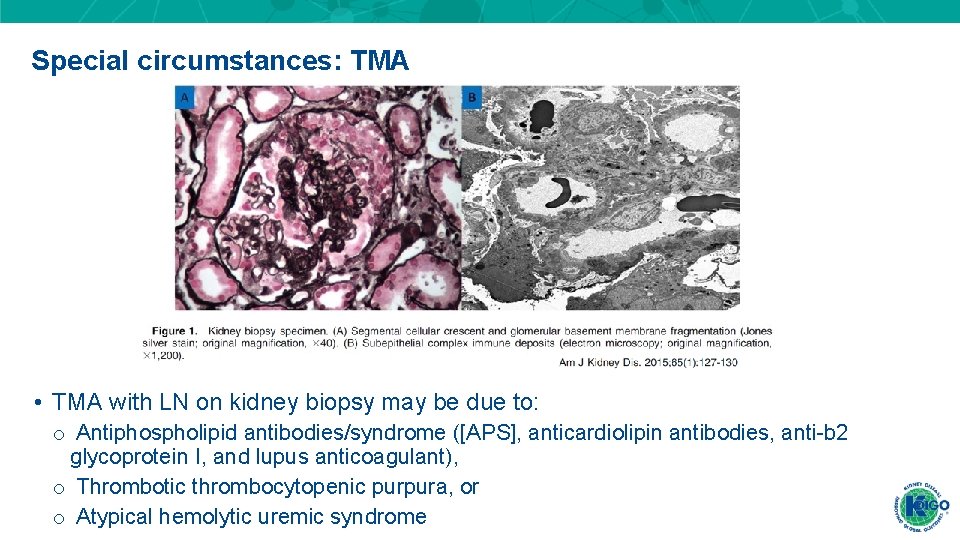
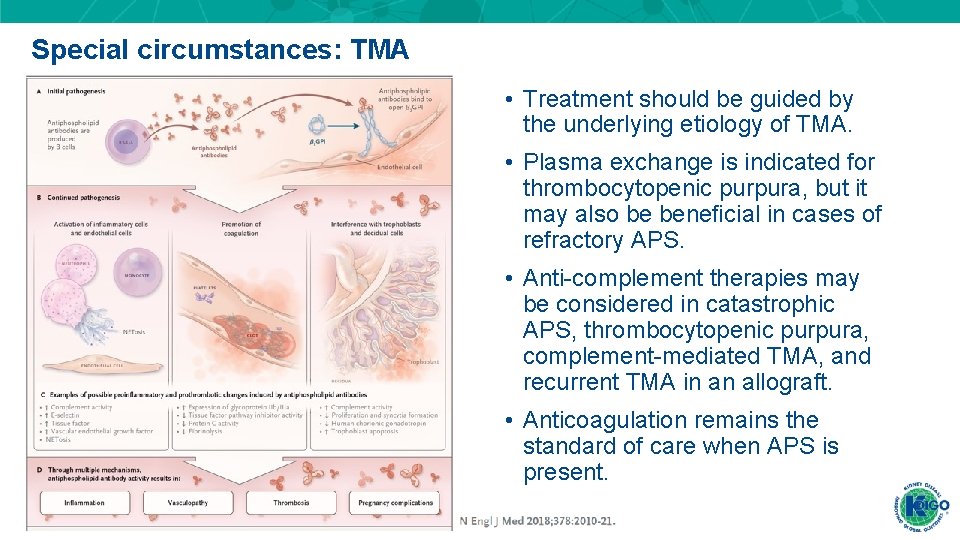
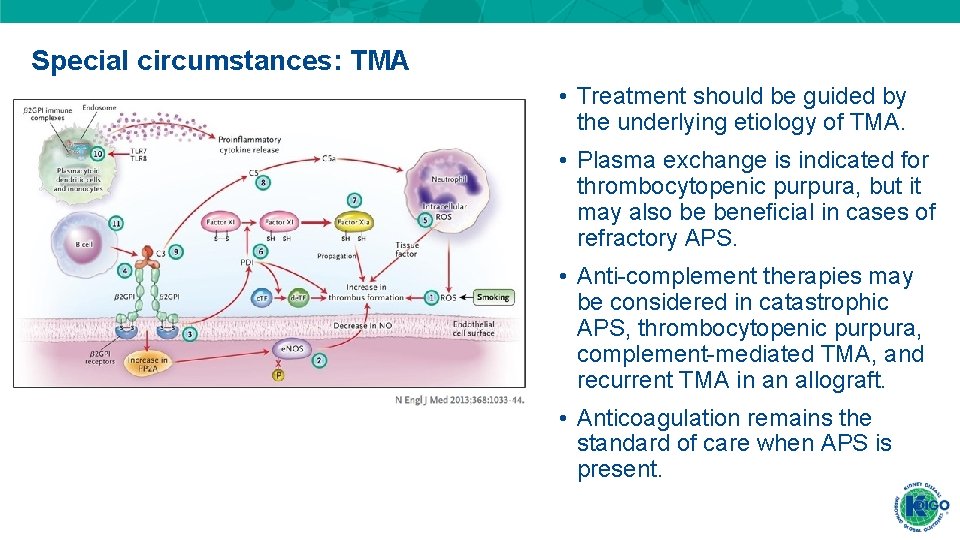
Special circumstances: TMA • TMA with LN on kidney biopsy may be due to: o Antiphospholipid antibodies/syndrome ([APS], anticardiolipin antibodies, anti-b 2 glycoprotein I, and lupus anticoagulant), o Thrombotic thrombocytopenic purpura, or o Atypical hemolytic uremic syndrome
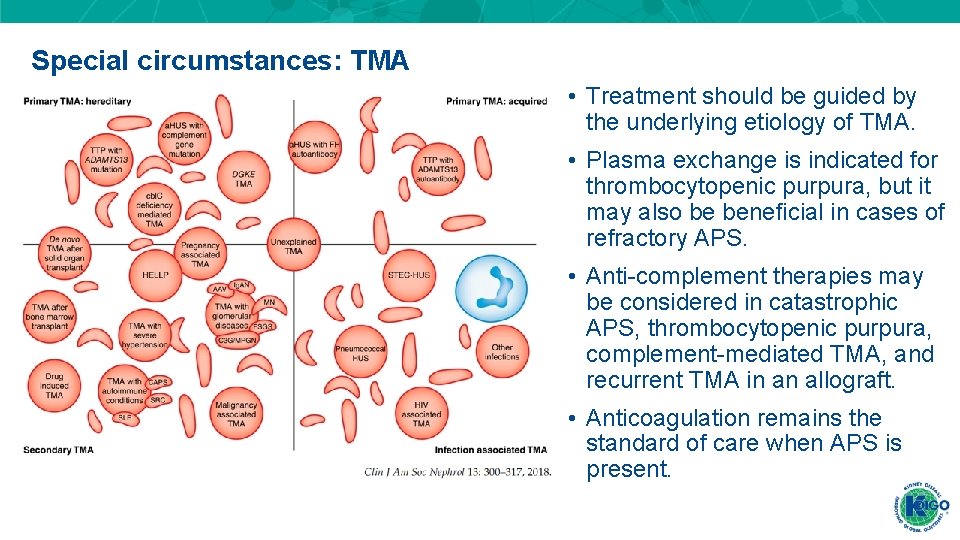
Special circumstances: TMA • Treatment should be guided by the underlying etiology of TMA. • Plasma exchange is indicated for thrombocytopenic purpura, but it may also be beneficial in cases of refractory APS. • Anti-complement therapies may be considered in catastrophic APS, thrombocytopenic purpura, complement-mediated TMA, and recurrent TMA in an allograft. • Anticoagulation remains the standard of care when APS is present.
Special circumstances: TMA • Treatment should be guided by the underlying etiology of TMA. • Plasma exchange is indicated for thrombocytopenic purpura, but it may also be beneficial in cases of refractory APS. • Anti-complement therapies may be considered in catastrophic APS, thrombocytopenic purpura, complement-mediated TMA, and recurrent TMA in an allograft. • Anticoagulation remains the standard of care when APS is present.
Special circumstances: TMA • Treatment should be guided by the underlying etiology of TMA. • Plasma exchange is indicated for thrombocytopenic purpura, but it may also be beneficial in cases of refractory APS. • Anti-complement therapies may be considered in catastrophic APS, thrombocytopenic purpura, complement-mediated TMA, and recurrent TMA in an allograft. • Anticoagulation remains the standard of care when APS is present.
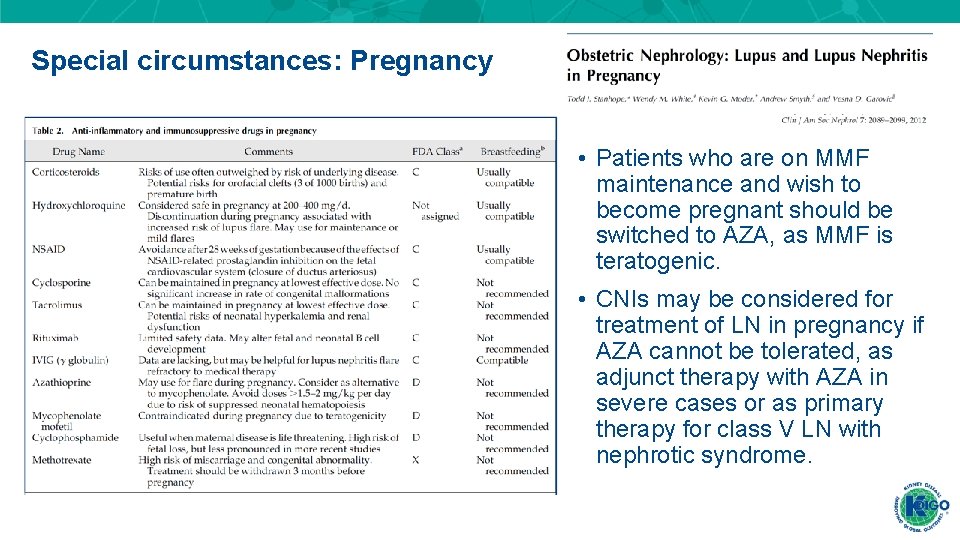
Special circumstances: Pregnancy • Patients who are on MMF maintenance and wish to become pregnant should be switched to AZA, as MMF is teratogenic. • CNIs may be considered for treatment of LN in pregnancy if AZA cannot be tolerated, as adjunct therapy with AZA in severe cases or as primary therapy for class V LN with nephrotic syndrome.
Special circumstances: Post-transplant • Patients with LN have equivalent or better outcomes following kidney transplantation compared with other primary glomerular diseases. • Clinically significant LN posttransplant recurs in <20% of patients.
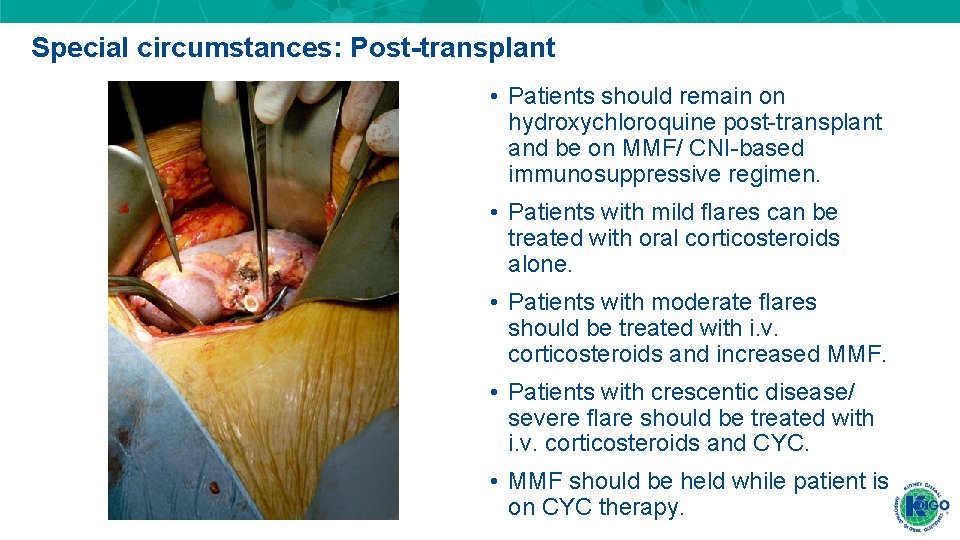
Special circumstances: Post-transplant • Patients should remain on hydroxychloroquine post-transplant and be on MMF/ CNI-based immunosuppressive regimen. • Patients with mild flares can be treated with oral corticosteroids alone. • Patients with moderate flares should be treated with i. v. corticosteroids and increased MMF. • Patients with crescentic disease/ severe flare should be treated with i. v. corticosteroids and CYC. • MMF should be held while patient is on CYC therapy.
Special circumstances: Pediatric-onset disease • Pediatric-onset LN, occurring before age 16, needs further study but children are excluded from adult trials. o Children often have few comorbidities, but they exhibit more severe disease with a higher genetic contribution. o There is consensus for response, relapse, and treatment for children with proliferative LN. o Children with class V LN tend to need additional immunosuppression even with sub-nephrotic proteinuria.
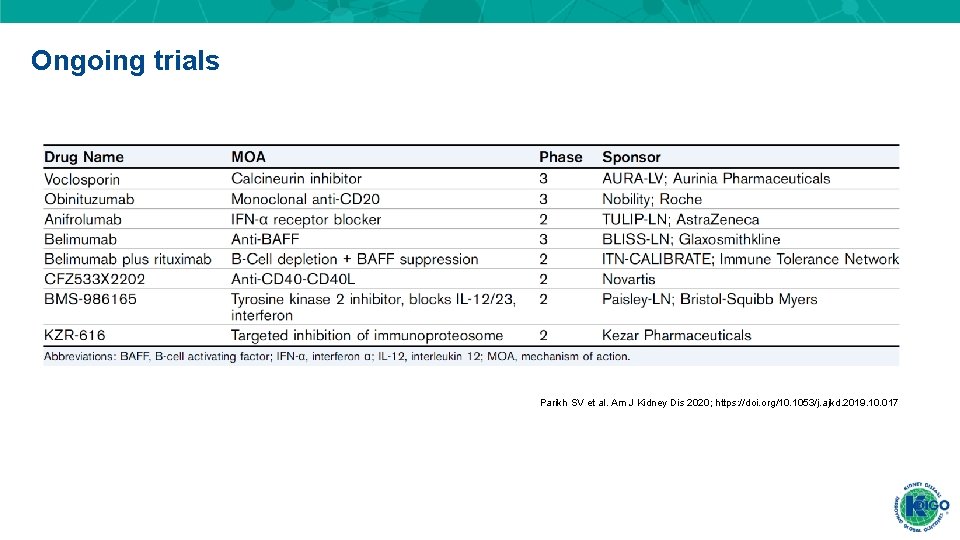
Ongoing trials Parikh SV et al. Am J Kidney Dis 2020; https: //doi. org/10. 1053/j. ajkd. 2019. 10. 017
Future studies • Class III/IV LN should be studied separately from class V LN in view of their different disease courses. • Data are needed to assess benefits of treating class V LN patients with subnephrotic proteinuria. • Validated histological activity indices are also needed. • Clinical trials should require a recent (≤ 3 months) kidney biopsy, and trial duration should be at least 12 months for induction therapies and longer to assess relapse rates. • Patient-reported outcomes should be integrated into future studies and biomarkers of prognosis and response are needed.
CLINICAL VIGNETTE
CASE A 23 -year-old woman with a 3 -year history of SLE and biopsy-proven Class IV Diffuse Proliferative LN (high-activity index, low-chronicity index) received induction therapy with pulse cyclophosphamide monthly for 6 months, and then switched to mycophenolate mofetil 1 g twice daily and low dose prednisone as maintenance therapy. Extrarenal disease remitted and lupus serologies and kidney function had normalized by the 1 year follow-up visit. Despite excellent compliance with the treatment regimen, between months 12 and 16, proteinuria steadily rose from a nadir, partial-remission value of 0. 6 g/day to 5. 6 g/day and creatinine increased from a nadir value of 1. 3 mg/dl to 2. 4 mg/dl. Urinalysis showed minimal hematuria along with granular, broad and waxy casts. Anti-DNA and complement that had normalized during induction therapy remained unchanged.
Which of the following would represent the best approach to the escalating proteinuria and deteriorating kidney function? A. Consider that the latest clinical scenario represents a flare of Class IV LN and reinstitute the previously successful induction regimen B. Consider that the new clinical scenario might represent a change in class of LN and proceed to a repeat kidney biopsy to gather evidence that will determine the need for possible change in therapies C. Consider that the patient has failed the best available therapies and prepare the patient for the inevitable need for kidney failure therapies D. Switch to a completely different therapeutic approach to the flare using a combination of calcineurin inhibitor and rituximab
The answer is B. There is rather broad experience showing that proteinuric flares can arise during maintenance therapy. In cases such as this, the renal pathology may reflect attenuated expression (related to the ongoing immunosuppression) of flares arising from the same original class of proliferative disease. Quite often, proteinuric flares in such cases may represent transition to class V lupus membranous nephropathy, or a combination of mixed membranous and proliferative LN. Kidney biopsy is usually needed to distinguish these pathways, to assess the degree of cumulative damage, and to redirect therapies.
KDIGO THANKS THE FOLLOWING PARTNERS FOR THEIR SUPPORT OF THIS SPEAKER’S GUIDE
FOLLOW KDIGO www. kdigo. org /go. KDIGO @go. KDIGO