
MAN HIS ORIGIN AND NATURE BY DR FRANCIS
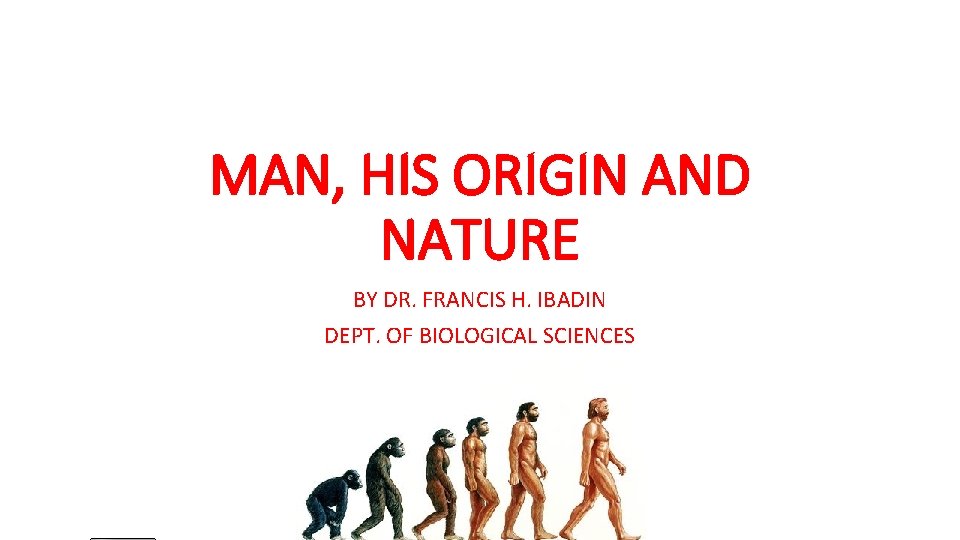
MAN, HIS ORIGIN AND NATURE BY DR. FRANCIS H. IBADIN DEPT. OF BIOLOGICAL SCIENCES
1. 1. 0 INTRODUCTION The nature of life, its origin, the diversity of living organisms and the unifying morphological and physical relationships which underline this diversity from a central point within the study of biology. Traditionally the study of the history of life has been laddened with a conscious effort to inculcate an unshakable commitment to a belief of doctrine. Such an approach is not only unscientific but also intellectually dishonest. A brief outline of the main theories of the origin of life will be presented. It is stressed that theories presented here represent current views. These are constantly under review.
1. 2. 0 THEORIES OF THE ORIGIN OF LIFE Theories concerned with the origin of the earth, and indeed the universe, are diverse and uncertain. Steady-state cosmologists maintain that the universe never had an origin. Other hypothesis suggest that it may have begun as a ball of neutrons, explode in the “big bang”, emerged from one of several black holes, or may be the design of a creator. The major theories accounting for the origin of life on earth are:
(1)Life was created by a supernatural being at particular time (special creation). (2)Life arose from non-living matter on numerous occasions (spontaneous generation). (3)Life has no origin (steady-state) (4)Life came to this planet from elsewhere (cosmozoan) (5)Life arose according to chemical and physical laws (biochemical evolution)
1. 2. 1 Special Creation This theory is upheld by most of the world’s major religion and civilization which attributes the origin of life or man to supernatural event at particular time in the past. Archbishop Usser and Armagh calculated in 1650 that God created the world in October 4004 BC, and finished with Man at 9. 00 a. m. This places Adam as having lived at a time when archeological evidence suggests that there was a well-established urban civilization in the Middle East or Garden of Eden. This Traditional Judaeo-Christian account of creation, Genesis (1: 1 -26), believes that the world and all species were created in six days.
While science broadly relies on observation and experiment to seek truth, theology draws its insight from divine revelation and faith. “Faith is the substance of things hoped for, the evidence of things not seen… by faith we understand that the universe was created by God’s words, so that what can be seen was made out of what cannot be seen. ” (Hebrews 11: 13).
1. 2. 2 Spontaneous Generation This theory was prevalent in ancient Chinese, Babylonian and Egyptian thought as an alternative to special creation, with which it coexisted. Aristotle (384 – 322 BC), often hailed as the founder of Biology, believed that life arose spontaneously. On the basis of his personal observations he developed his belief further in relating all organisms to a continuum a scala natura (ladder of life).
Aristotle’s hypothesis of spontaneous generation assumed that certain “particles” of matter contained in an “active principle” which could produce a living organism when conditions were suitable. Van Helmonth (1577 – 1644), a much – acclaimed and successful scientist by a series of experiments produced evidence to support the idea that life can arise only from pre-existing life, the concept of biogenesis.
1. 2. 3 Steady-State Theory This theory asserts that the Earth had no origin, had always been able to support life, have changed remarkably little, if at all, and that species have no origin. The theory proposes that species never originated, they have always existed and that in the history of a species, the only alternatives are for its numbers to vary, or for it to become extinct.
1. 2. 4 Cosmozoan Theory This theory does not offer a mechanism to account for the origin of life but favours the idea that it had extraterrestrial origin. It does not therefore constitute a theory of origin as such but merely transposes the problem elsewhere in the universe. The theory states that life could have arisen once or several times, at various times and in various parts of the Galaxy or Universe, its alternative name is theory of panspermia.
Repeated sightings of UFOs, cave drawings of rocket-like objects and reports of encounters with aliens provide the background evidence for theory. Space probes have provided evidence that the likelihood of finding life within our solar system is remote but cannot comment on the nature of life outside our solar system.
1. 2. 5 Biochemical Evolution Many biologists believe that the original state of the Earth bore little resemblance to its present-day form and had the following probable appearance: it was hot (about 4000 – 80000 C) and as it cooled, carbon and less volatile metals condensed and formed the Earth’s core. Alexander Oparin (1932) argued that if one considered the multitude of simple molecules present in the oceans, the surface area of the Earth, the energy available and time scale, it was conceivable that oceans would gradually accumulate organic molecules to produce the “primeval soup” in which life could have arisen.
Oparin considered the protein molecules ability to form colloidal hydrophilic complexes which attract and become surrounded by, envelops of water molecules. These bodies could separate from the aqueous phase and form a type of emulsion. These structures coalesce resulting in separation of colloids from their aqueous phase, a process called coacervation, clump or heap. These colloid – rich coacervates may have been to exchange substances within their environment and may have been able to exchange substances within them, particularly crystalloids. The varying composition of the “soup” in the different areas would lead to variation in the chemical composition of coacervates, producing the raw material for “biochemical natural selection. ”

1. 3. 0 THE ORIGIN OF MAN’S PHYSICAL EVOLUTION Human beings are unusual in being the only living species representing an entire biological family, the Hominidae or hominids. The human species is exceptionally wide-spread, having colonized most land masses of the world. Although closely related to the great apes, such as the gorilla and chimpanzee, humans are distinct from them and other mammals in many important features.
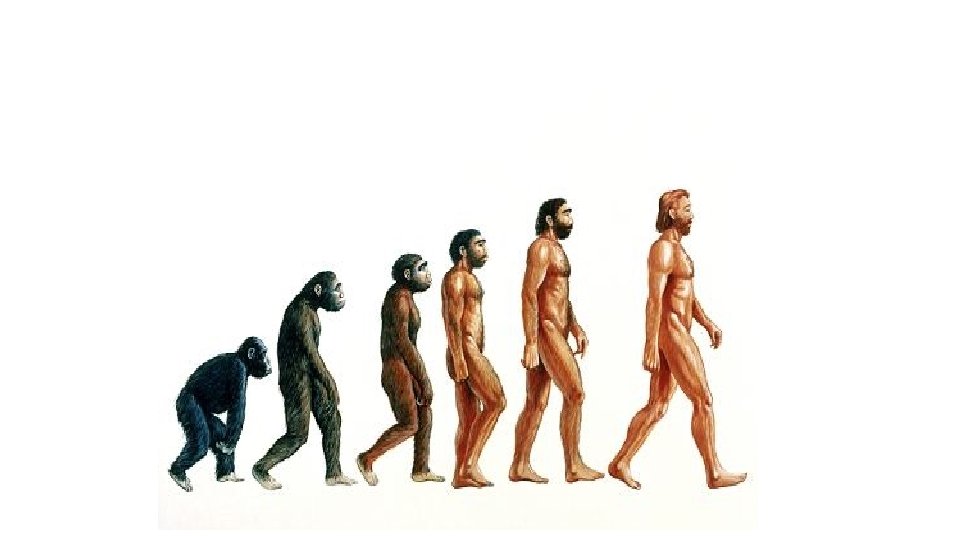
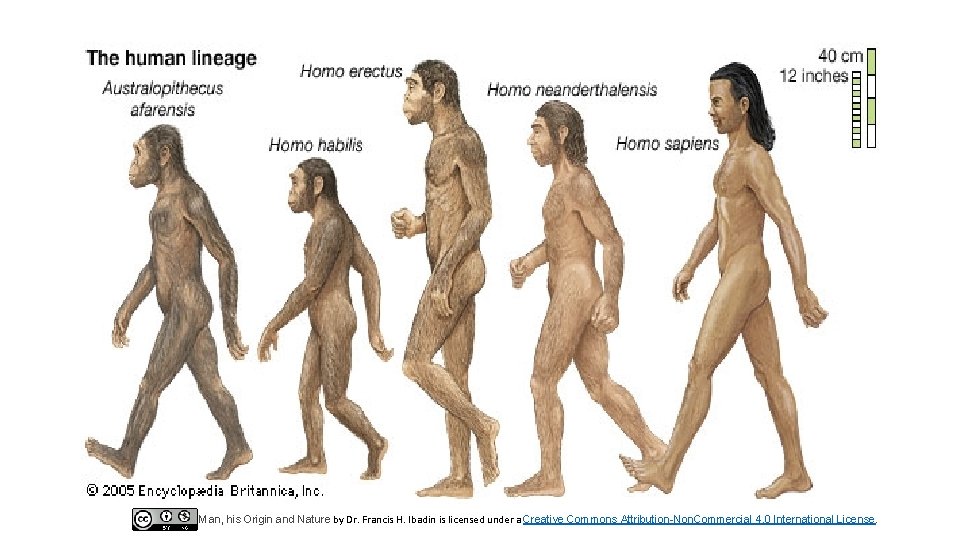
1. 3. 1 The Origin of Man Palaeanthropology is the branch of learning concerned with investigating the origins and evolution of the hominids, which in the past have been represented by at least several species. This includes the study of early apes, but much of the interest is centered on the period since our ancestors diverged from the apes. This separation is now generally believed to have occurred 6 -8 million years ago. Detailed pictures have been built up of ape species living in East Africa 18 -14 million years ago. Species in the genus Proconsul may be typical of the common ancestors of the African apes and the hominids.
Other work in Pakistan, in sediments about 8 million years old, has shown the presence of apes in southern Asia related to Orangutan.
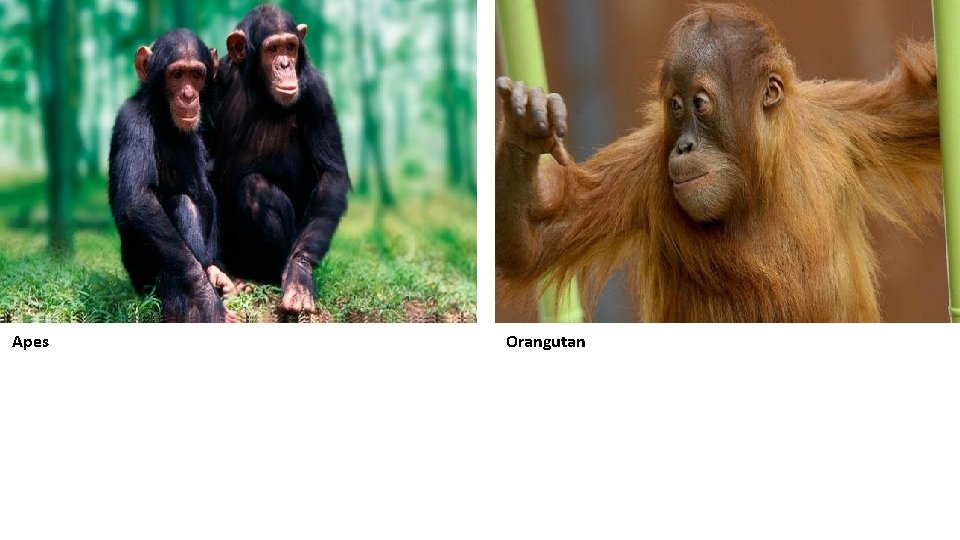
Apes Orangutan
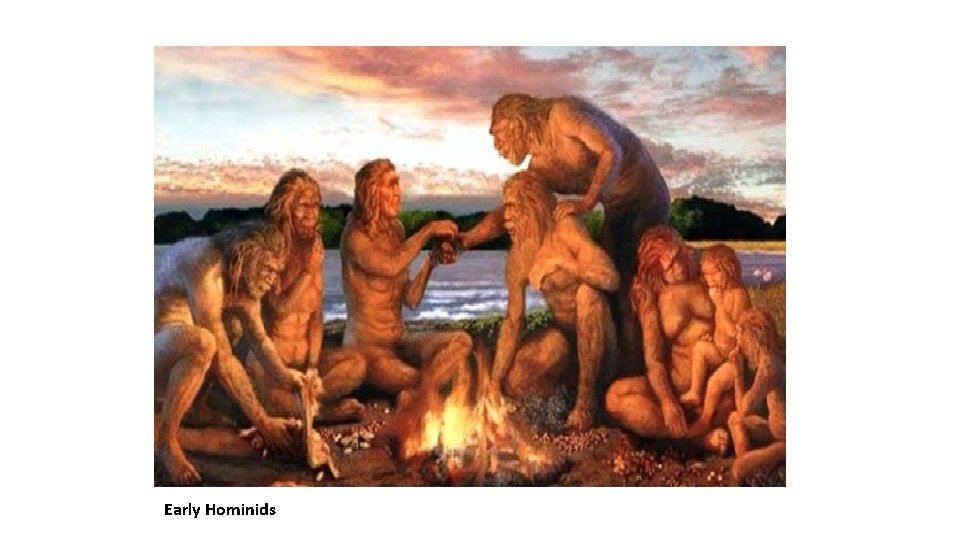
Early Hominids
1. 3. 3 The Australopithecines All earlier hominids known so far are normally grouped in the genus Australopithecus (Southern ape). This name was given because the first discovery of the remains was made in South Africa in 1924. The findings are restricted to Eastern and Southern Africa. It is likely that the hominids lived in more open country than the great apes, but returned to the trees to avoid danger.
1. 3. 4 Early Homo In the late Piliocene epoch about 2 million years ago, one line of the Australopitheomes began to develop a larger brain. Fossil of these hominids are sufficiently human-like that they are classed in the genus, Homo (man). The best known specimens of this lines are Homo habilis (handy man) found in Olduvia Gorge in Tanzania. It is the same general period stone tools began to appear, giving the first direct archeological evidence of behaviour. Species of hominids such as Australopithecus robustus and Australopithecus boisei survived until 1 million years ago. They might have made tools.
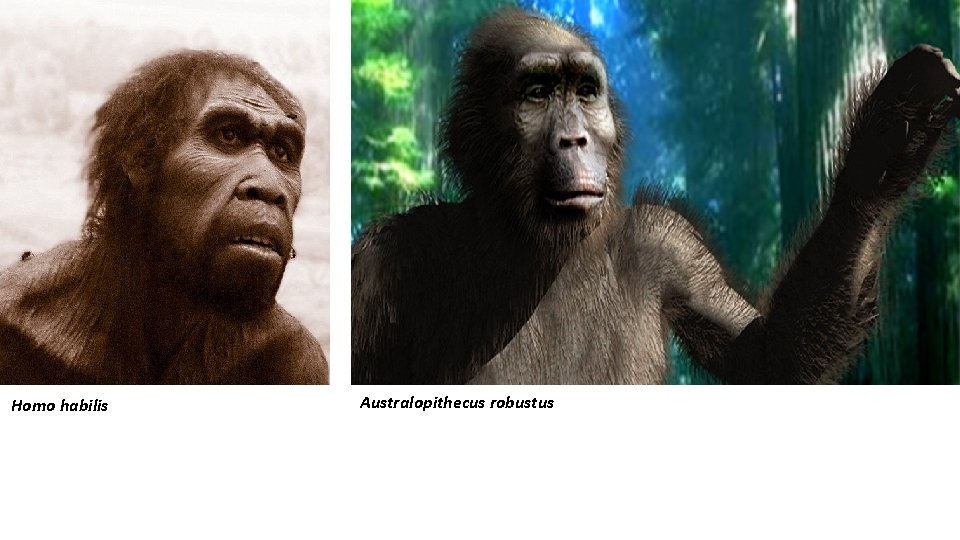
Homo habilis Australopithecus robustus
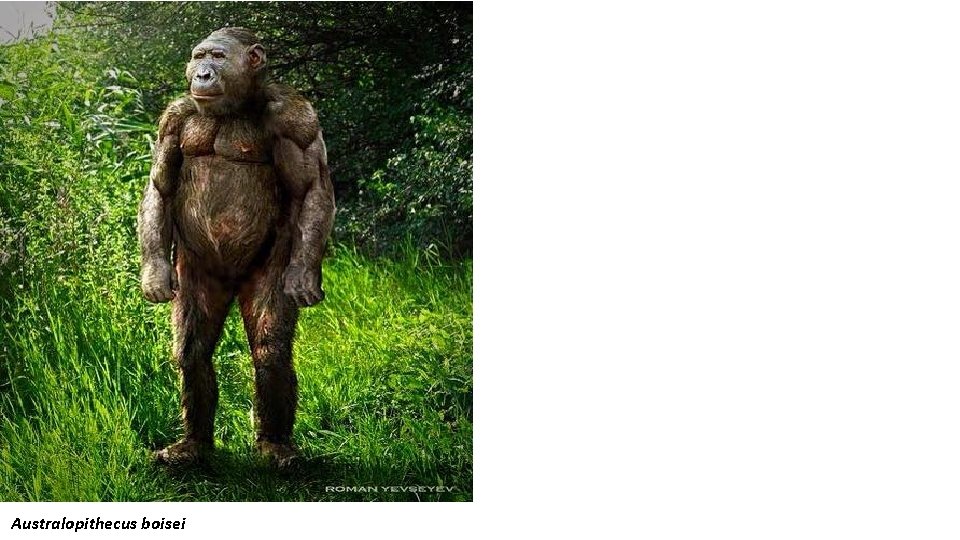
Australopithecus boisei
1. 3. 5 Homo erectus By 1. 7 million years ago, a variety of Homo rapidly achieved stature similar to that of modern human beings. Brain size increased to about 800 – 1000 cc (cubic centimetres), compared with the modern average of about 1500 cc. Homo erectus (upright man), first known from sites in Java and China, is the principal species of this age. Most of the Asian specimens are little more than 500, 000 years old. Homo erectus is found in Africa, Asia and Europe.

Homo erectus
1. 3. 6 Early Homo Species Homo sapiens (wise man) appeared about 300, 000 years ago as the successor of Homo erectus. Early specimens are known from Europe and Africa with traces in India and China. By this period, 250, 000 years ago, techniques of manufacture had reached a sophisticated level. This include word, club (from Kalambo Falls in Africa) and a spear from Essex in England are among the most suggestive evidence that hunting was now practiced.
1. 3. 7 The Neanderthals Neanderthal man (named after a valley in Germany) is the best known variety of early Homo sapiens. Widespread in Europe and parts of Asia, they flourished between about 100, 000 and 30, 000 years ago, but appear to have evolved gradually from about 200, 000 years ago. The Neanderthals are easily recognizable by their combinations of long low skull, large face and robust bodily skeleton. It remains likely that modern Homo sapiens obtained some genes from them through interbreeding.
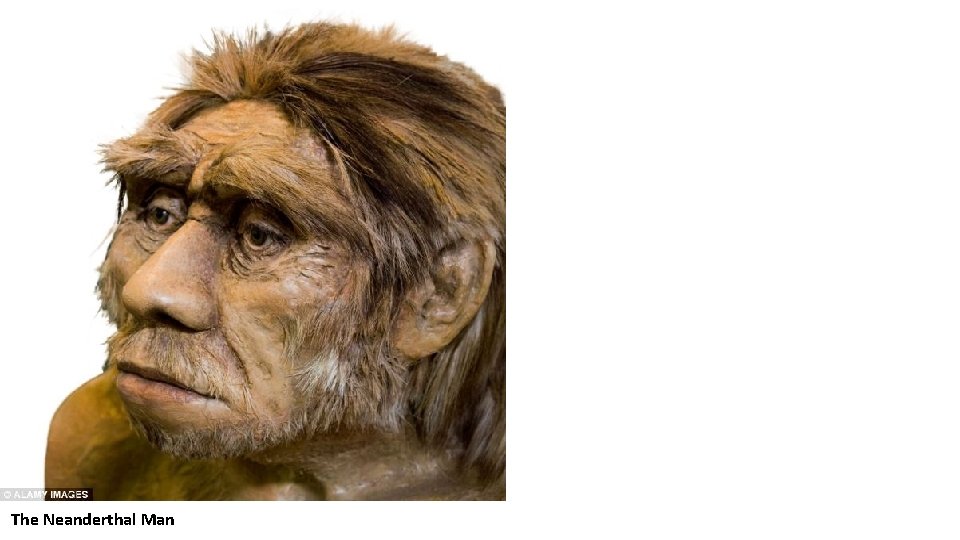
The Neanderthal Man
1. 3. 8 Modern Man The most plentiful evidence of early specimens of anatomically modern human beings (Homo sapiens) comes from Ice age Europe. It is in Europe that remains of Cro-Magnon men were found, dating from about 30, 000 years ago. The Cro-Magnons are named after a cave in France, but other specimens are distributed across Europe. The spread outside the Old World probably happened within the last 100, 000 years and can be linked with the relatively advanced skills and technologies associated with Homo sapiens
Man, his Origin and Nature by Dr. Francis H. Ibadin is licensed under a Creative Commons Attribution-Non. Commercial 4. 0 International License.
- Slides: 30