
Mamalian transport system Chapter overview Complexity of different





- Slides: 34
Mamalian transport system
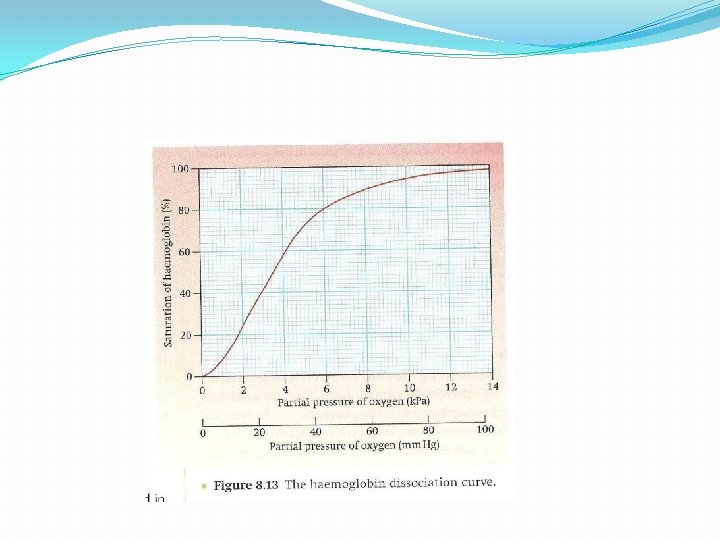
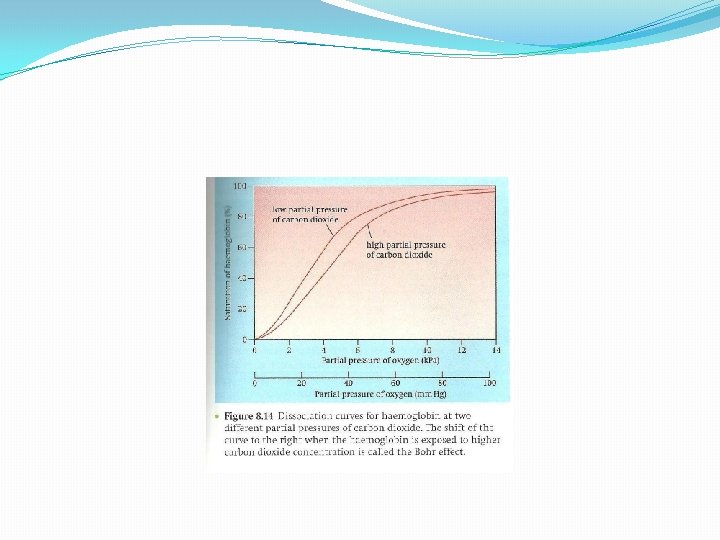
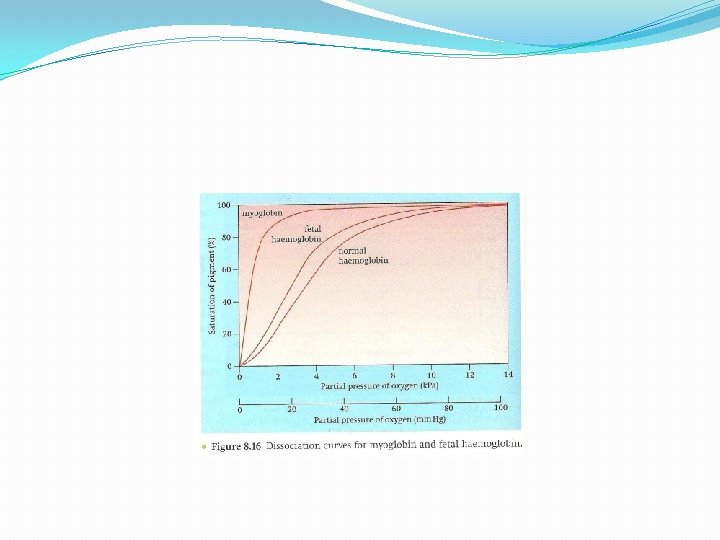
Chapter overview �Complexity of different organisms and transport systems. �Comparaisin of circulatory system of human and fish. �Roles and structures of arteries cappilaries and veins. �Composition of blood and tissue fluid. �Composition of Lymph �Activity of Haemoglobin �Difference between adult and faetal heamoglobin. �Factors affecting haemoglobin efficiency.
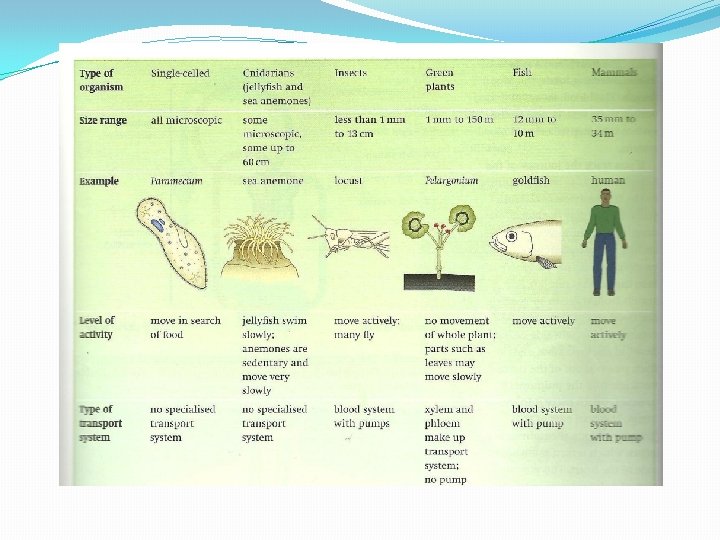
Transport systems in different organisms �Transport systems are needed to get oxygen and other nutrients needed for life distributed throughout the organism. �Size of the organism and amount of activity will affect the complexity of its transport systems.
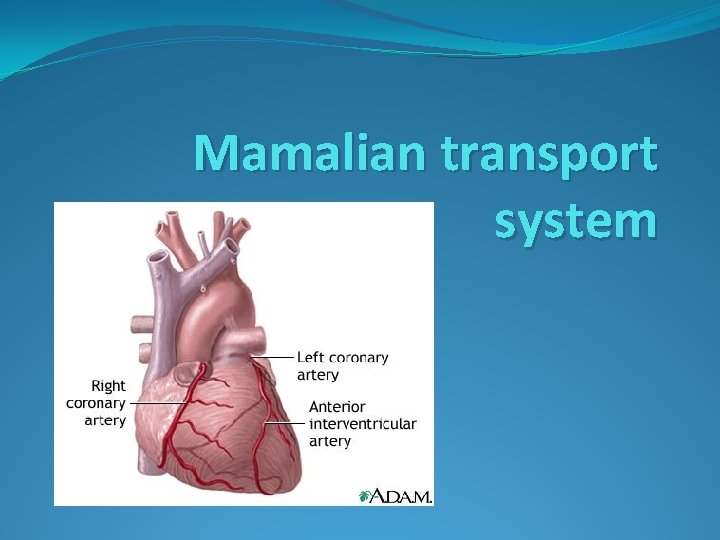
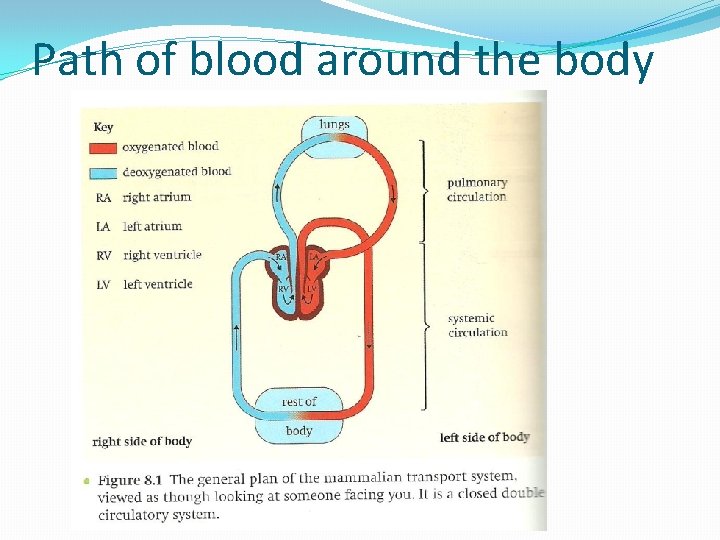
Cardiovascular system �The major transport system of mammals. �Blood always stays within an enclosed system of blood vessels. �O 2, CO 2 and other nutrients diffuse accross cappilary walls to get to muscles and organs. �Our heart is considered to be a double circulatory system, since blood passes through our heart twice on its trip around the body. �Arteries carry blood away from the heart, veins towards the heart and tiny vessels allowing substances to cross are called cappilaries.
Path of blood around the body
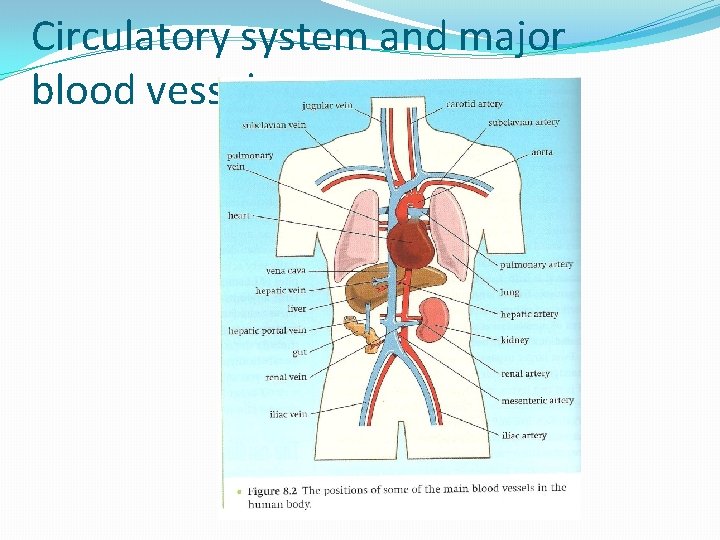
Circulatory system and major blood vessels
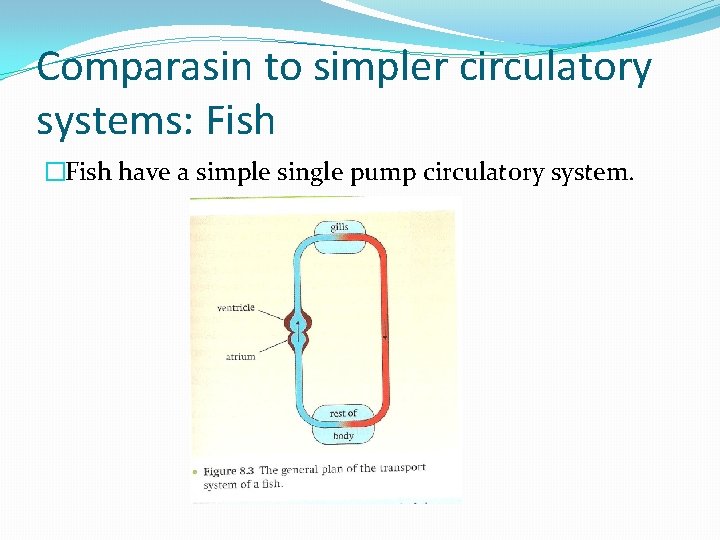
Comparasin to simpler circulatory systems: Fish �Fish have a simple single pump circulatory system.
Structure of arteries
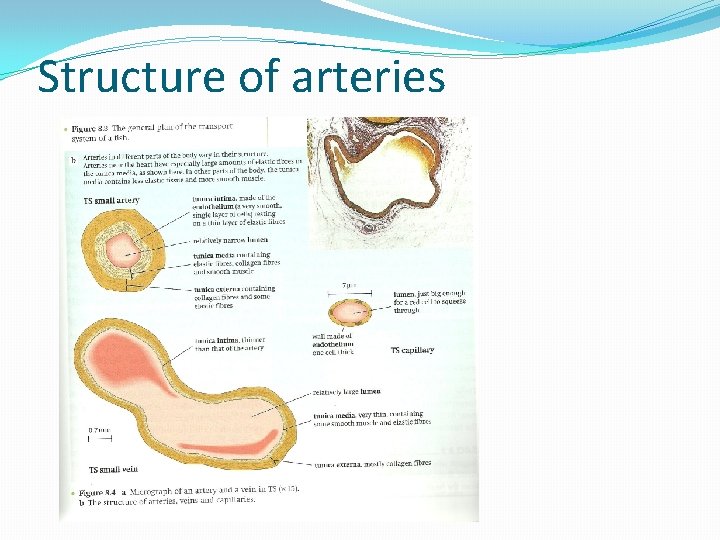
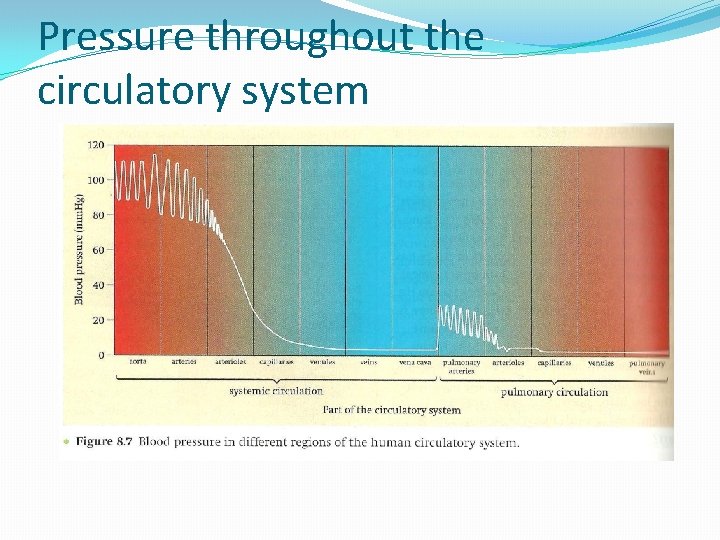
Arteries �Endothelium : The smoth layer of cells on the inner wall, allowing blood to pass with very little friction. �Tunica media: smooth muscle, elastic fibre and collagen, allowing the artery to stretch as required with the pulse, and contract behind the pulse �Tunica externa: Outer coat containing elastic fibres and collagen. �The structure of arteries is adapted to retain pressure of blood coming directly from the heart. �Pressures can be around 120 mm hg (16 kpa) highest of any blood vessel.
Capillaries �Arterioles continue to branch until they form the smallest blood vessels- capillaries. �Capillaries bring blood cells to within 1 microme of every cell in the body. �Capillaries are just on cell thick, and the diameter of the red blood cell. �Pressure in capillaries is down to 10 mm HG or 1. 3 kpa
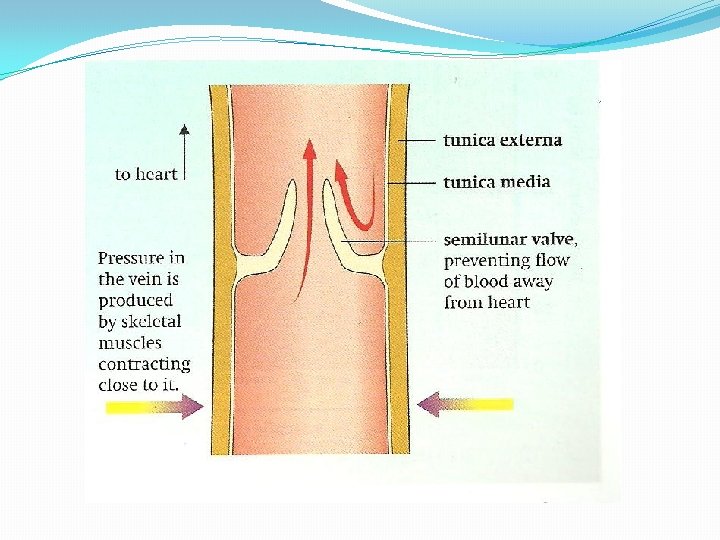
Veins �Veins follow capillaries in the network, returning blood to the heart. �They have much lower pressure (5 mm/mg), and run close to muscles, using muscular contractions to increase pressure. �They have semilunar valves, formed from endothelium) to prevent blood flowing back the wrong way.
Pressure throughout the circulatory system
Blood plasma and tissue fluid �Blood is composed of red cells, white cells and plasma. �Plasma is mostly water but also contains disolved nutrients such as glucose and urea. �Blood cells are too big to leave the capillaries, but plasma is able to leak from capillaries to spaces between the surrounding cells. In these spaces it is called tissue fluid. �Blood plasma / tissue fluid are carefully balanced by osmosis
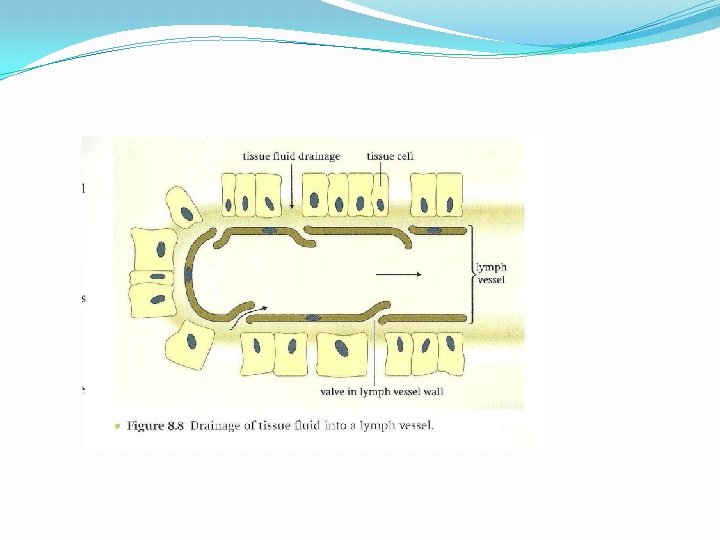
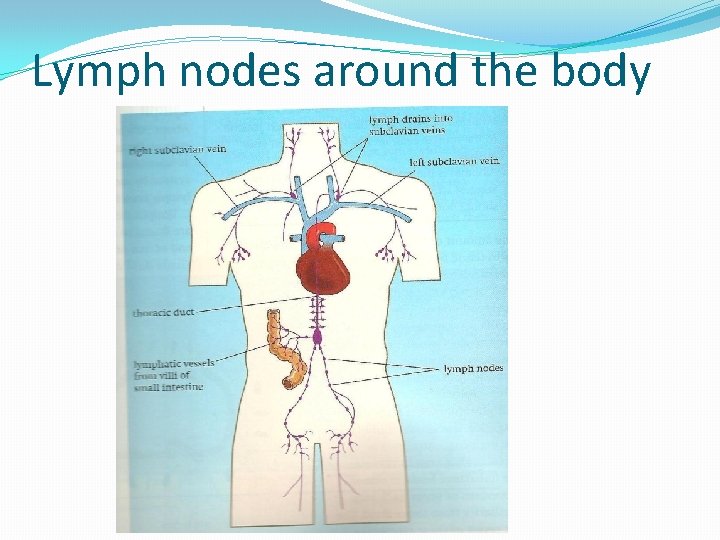
Lymph �Most of the fluid leaking into tissues is absorbed back into the capillaries �Some of the fluid leaking into tissues is absorbed into the lymphatic network through lymph vessels (This fluid is then known as Lymph). �Lymph vessels specificaly reabsorb proteins from the tissue fluid, which are too big to be absorbed by capillaries �It is moved under very low pressure by muscular contractions around the body. �Lymphatic vessels join to veins and allow substances to pass back to the blood under low pressure.
Lymph composition �Lymph varies depending on its location in the lymphatic system. �It is high in proteins near the liver, lipids near the small intestine (following a meal). �Lymph nodes are involved in fighting disease, and secrete antibodies into the lympahtic system. �Lymph movement is aided by muscular contractions of the body, as well as the lymph vessels own smooth muscle. �Pressure and movement are very slow- 100 cm 3 per hour. �Lymph nodes
Lymph nodes around the body
Blood
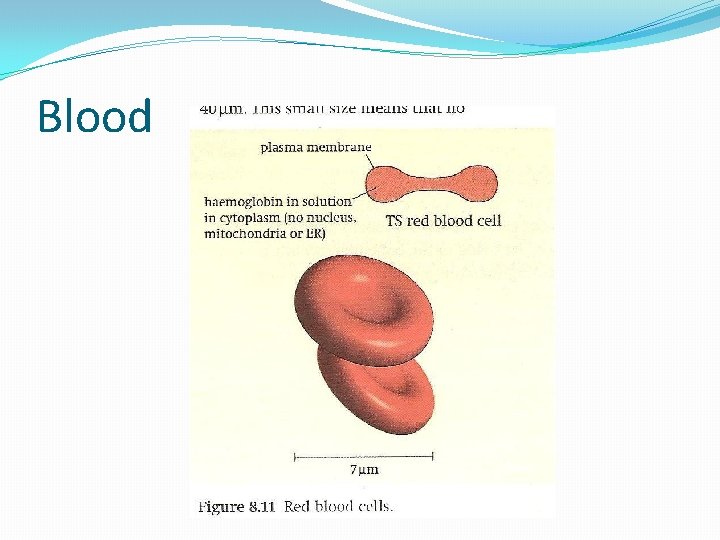
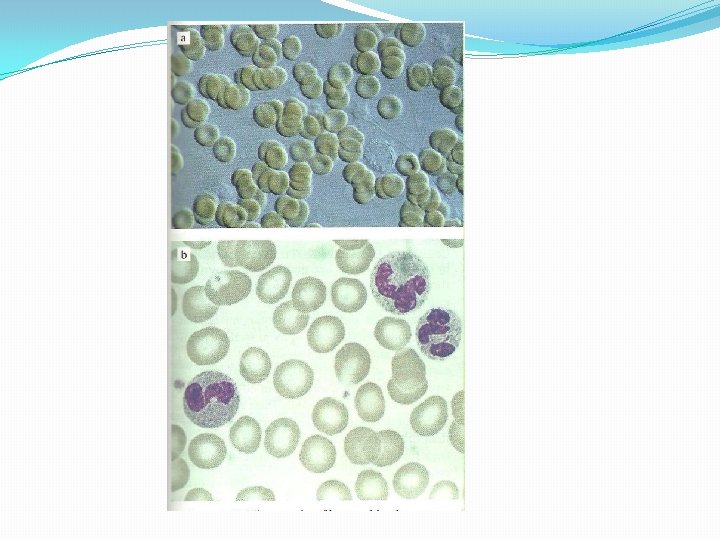
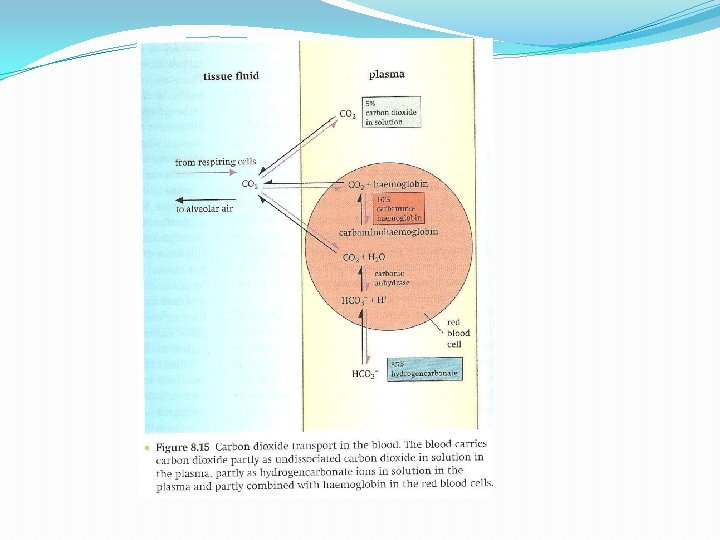
Blood �The human body has around 5 litres of blood. �This contains around 2. 5 x 10 red cells and 6 x 10 platelets. �Red cells are known as erthrocytes and are coloured by the pigment haemoglobin ( a globular protein) �Heamoglobin transports oxygen and CO 2 �Red blood cells are formed in the liver of the unborn baby, and in the bone marrow of long bones of the body after birth. �Red cells last between 90 – 120 days before rupturing and needing to be replaced. 13 12
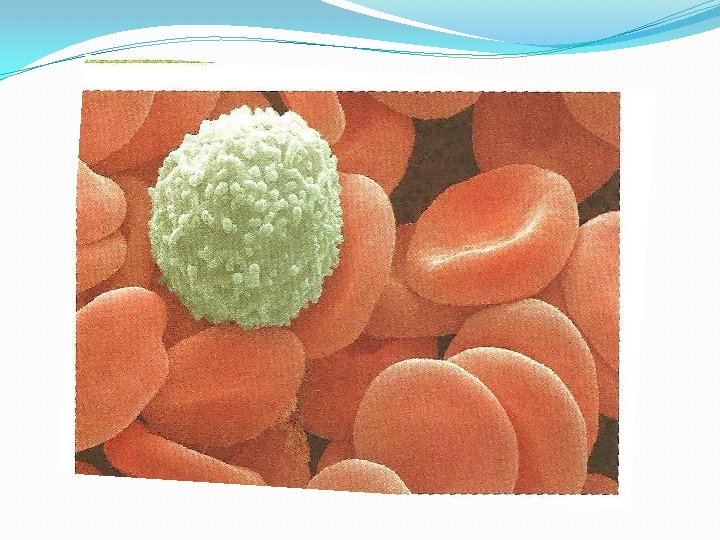
Structure of Red blood cells �Red cells are very small (7 micromes) which allows them to get very close to every cell in the body. �Their small size also increases the efficiency of absorbing and releasing oxygen. �They are a bioconcave disc shape which increases their surface area. �They have no nucleus no mitochondria and no ER, this increases the space available for carrying oxygen.
Structure of white blood cells. �White cells are also called Leucocytes. �They are also produced in the bone marrow. �White cells have a nucleus, are mostly larger than red cells, and are spherical or irregular in shape. �There are many different types, all involved in the immune system. �There are two main groups- Phagocytes and Lymphosites �Phagocytes work by phagocytosis, Lymphosites use antibodies.
Haemoglobin