
MALDI TOF analysis of Streptococcus pneumoniae from Cerebrospinal
MALDI TOF analysis of Streptococcus pneumoniae from Cerebrospinal Fluid for the diagnosis of Acute Bacterial Meningitis Dr. R. Ravikumar, M. D. , Professor of Neuromicrobiology Dept. of Neuromicrobiology National Institute of Mental Health & Neuro Sciences Institute of National Importance Bangalore, Karnataka. ravikumarbly@yahoo. co. uk 1
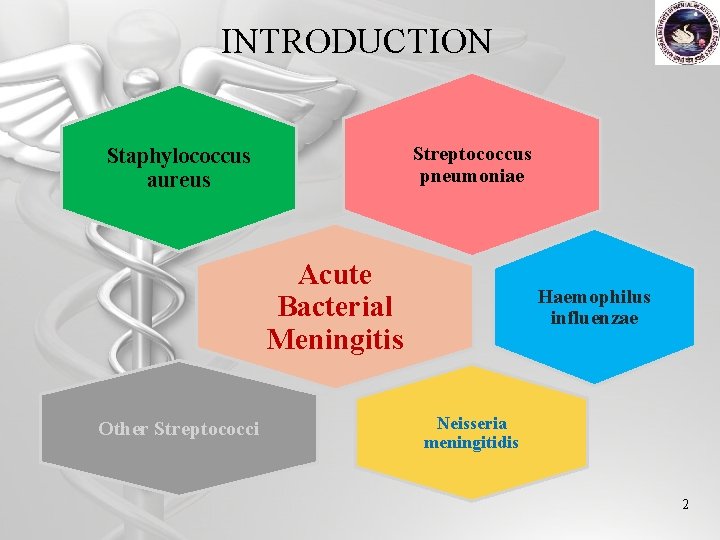
INTRODUCTION Streptococcus pneumoniae Staphylococcus aureus Acute Bacterial Meningitis Other Streptococci Haemophilus influenzae Neisseria meningitidis 2
Ø As of March 2012, the World Health Organization estimates that globally 476, 000 (333, 000 – 529, 000) HIV negative child deaths under five years of age occurred during 2008 due to pneumococcal (Streptococcus pneumoniae) infections Ø Some reports have suggested that this bacterium causes: • More than 50% of cases of community-acquired pneumonia admitted to hospitals • About 20– 40% of all pyogenic meningitis. 3
Ø In India, Pneumonia is the single most important cause of death among children in the post neonatal period, contributing as much as 27. 5% of total under-five mortality Ø In 1999, as per a prospective multicentre surveillance study by the IBIS group, the meningitis associated with pneumococcal infection had a case fatality rate of 34%. 4
Ø In India, an 8 year study (Khan 2011) showed that 8. 2% of the bacterial meningitis cases were caused by Streptococcus pneumoniae. Ø According to the Pneumo. NET study conducted in Bangalore certain serotypes such as 6 A and 19 A are most prevalent. Globally 19 A represents 5% of all cases. 5
Ø In a study done in USA , it was observed that pneumococcal isolates from 9% of the cases were resistant to cefotaxime, and isolates from 11% had intermediate susceptibility. 6
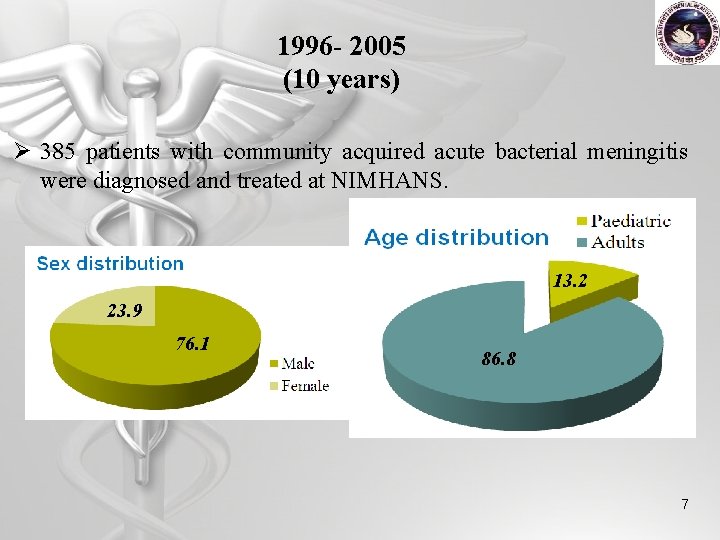
1996 - 2005 (10 years) Ø 385 patients with community acquired acute bacterial meningitis were diagnosed and treated at NIMHANS. 13. 2 23. 9 76. 1 86. 8 7
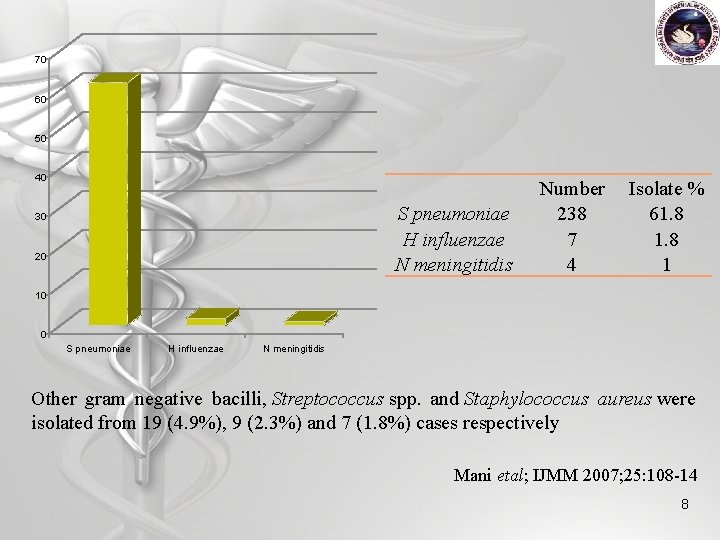
70 60 50 40 S pneumoniae H influenzae N meningitidis 30 20 Number 238 7 4 Isolate % 61. 8 1 10 0 S pneumoniae H influenzae N meningitidis Other gram negative bacilli, Streptococcus spp. and Staphylococcus aureus were isolated from 19 (4. 9%), 9 (2. 3%) and 7 (1. 8%) cases respectively Mani etal; IJMM 2007; 25: 108 -14 8
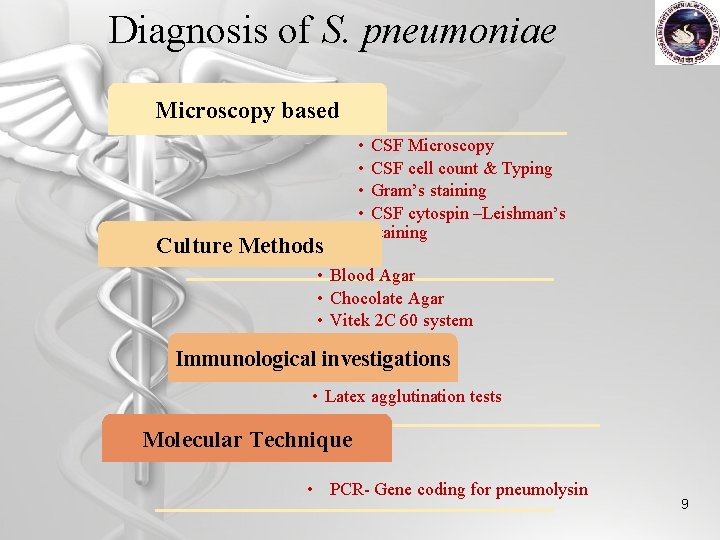
Diagnosis of S. pneumoniae Microscopy based • • Culture Methods CSF Microscopy CSF cell count & Typing Gram’s staining CSF cytospin –Leishman’s staining • Blood Agar • Chocolate Agar • Vitek 2 C 60 system Immunological investigations • Latex agglutination tests Molecular Technique • PCR- Gene coding for pneumolysin 9
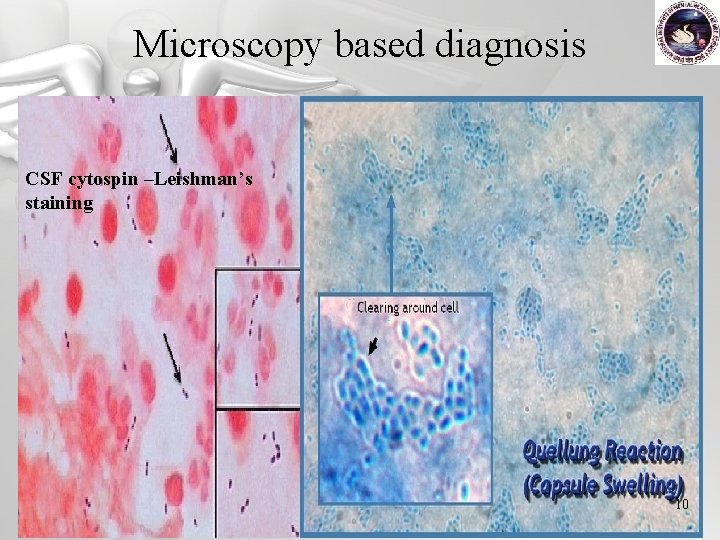
Microscopy based diagnosis CSF cytospin –Leishman’s staining 10
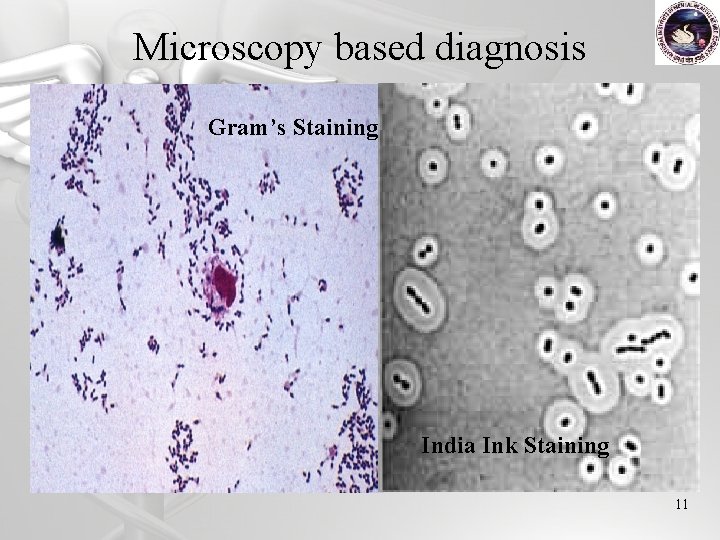
Microscopy based diagnosis Gram’s Staining India Ink Staining 11

Gram’s stained CSF smear 12

CSF smear : Cytospin Preparation 13
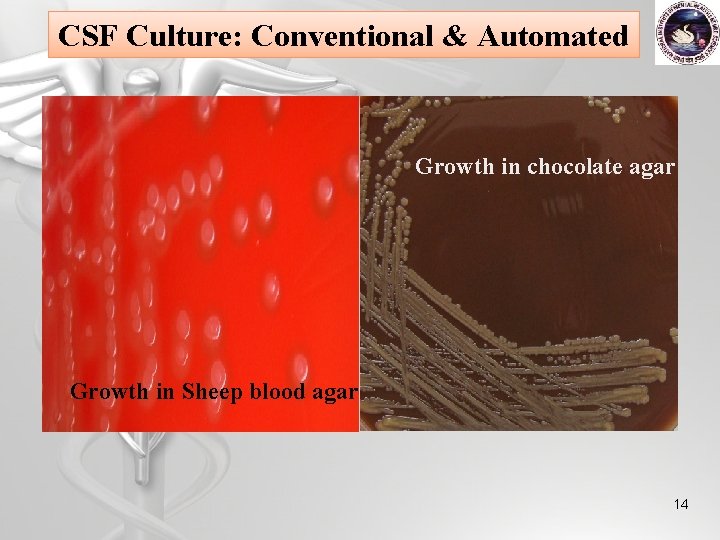
CSF Culture: Conventional & Automated Growth in chocolate agar Growth in Sheep blood agar 14
Vitek Ø Automated system for microbial identification and antibiotic sensitivity testing Ø Biochemical basis of identification Ø Minimum Inhibitory Concentration is the basis of AST 15

VITEK 2 C 60 AUTOMATED CULTURE MACHINE
Antigen Detection of soluble antigens of S. pneumoniae in CSF is performed by latex agglutination tests (LAT), using commercial kits PCR The gene coding for pneumolysin, a 52 k. Da pneumococcal toxin protein, is chosen as a target for amplification. 17
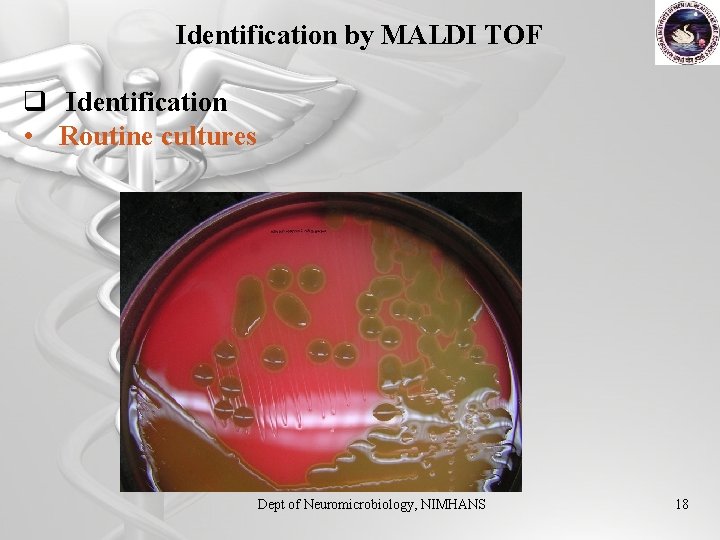
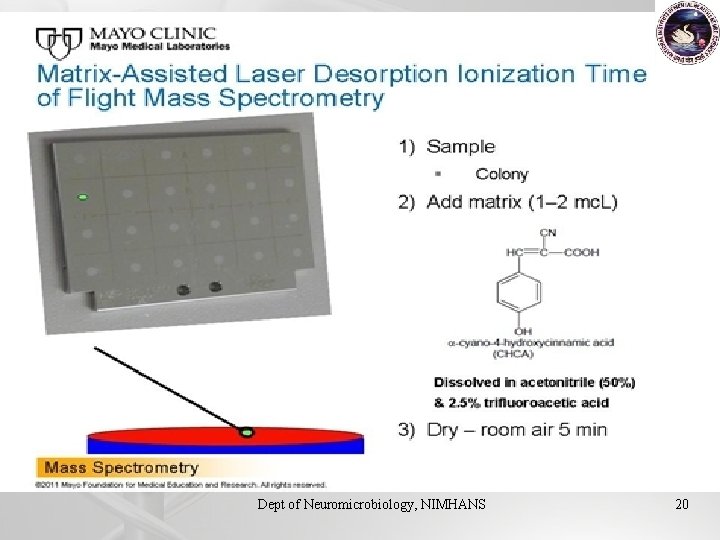
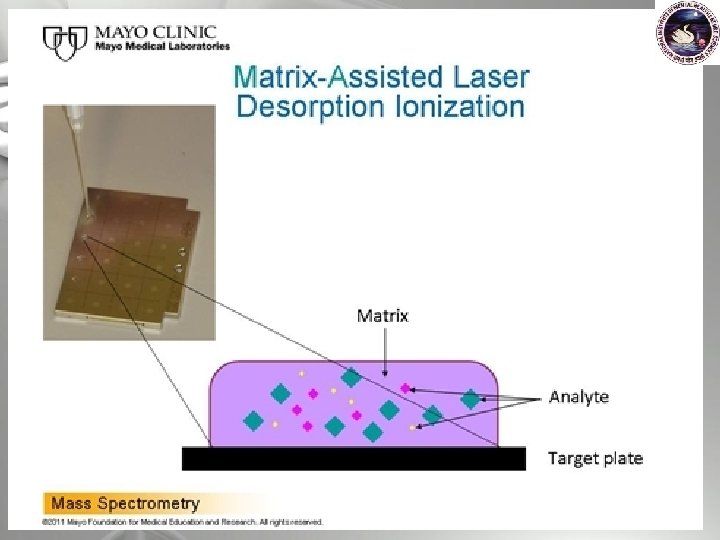
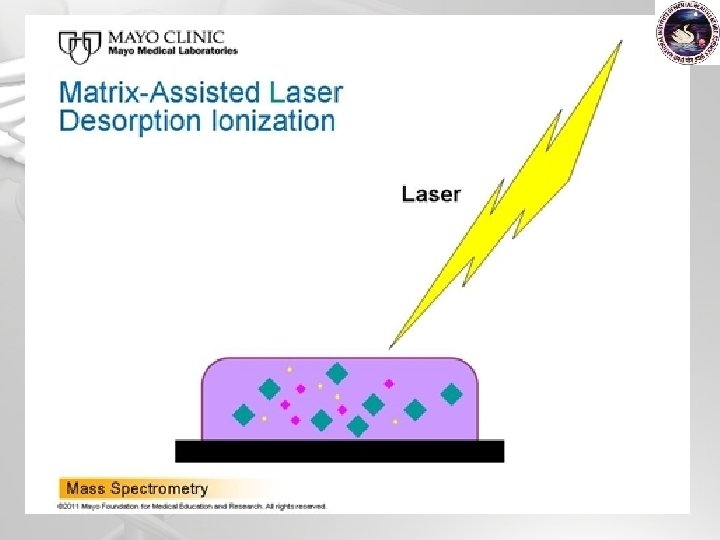
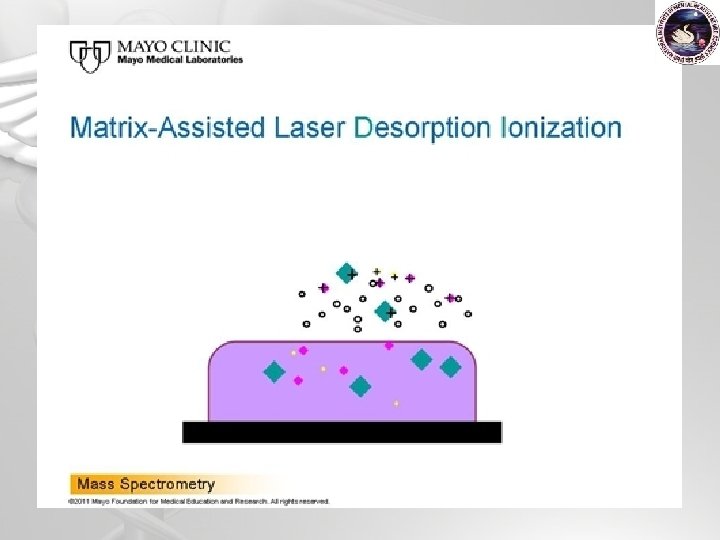
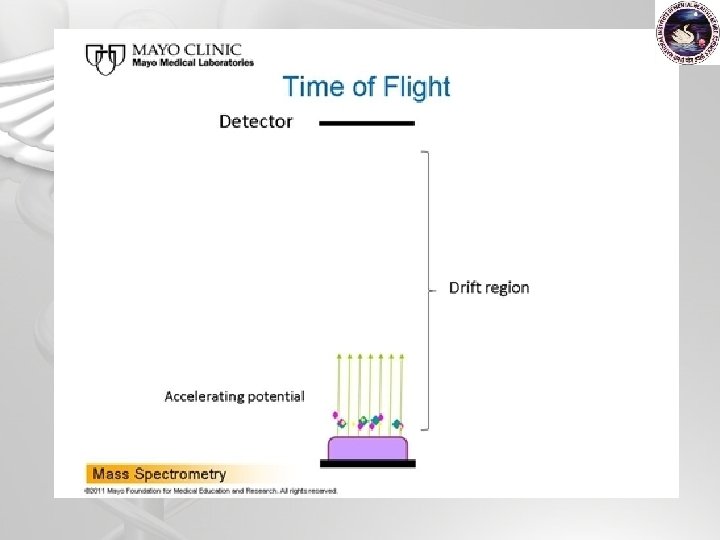
Identification by MALDI TOF q Identification • Routine cultures Dept of Neuromicrobiology, NIMHANS 18
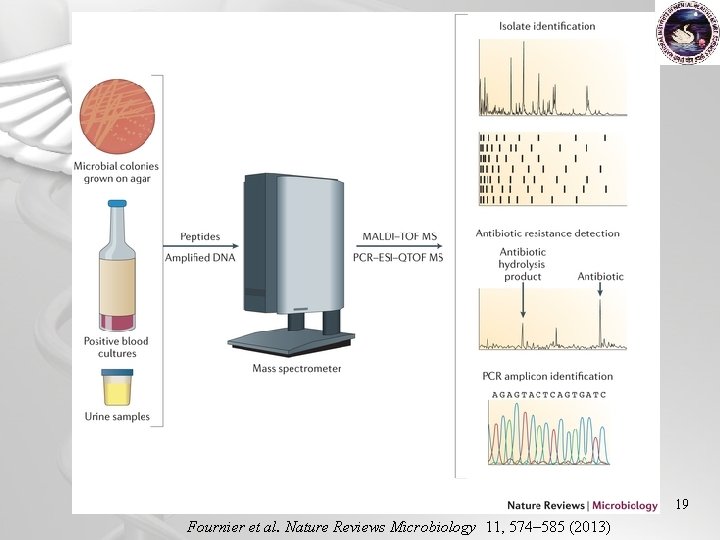
19 Fournier et al. Nature Reviews Microbiology 11, 574– 585 (2013)
Dept of Neuromicrobiology, NIMHANS 20
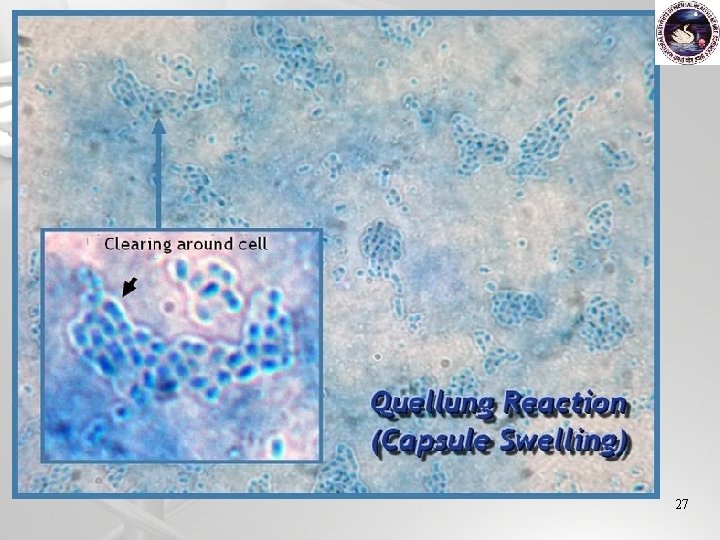
Streptococcus pneumoniae typing • S Pneumoniae poses antigenic capsule with more than 80 different subtypes. • Serotyping is done using Latex agglutination, Quelling reavtion or Sequencing. • The World Health Organization has recommended latex agglutination or Quelling reaction as a test for serotyping pneumococci. • Serotyping pneumococcal isolates is important for assessing the impact of vaccination programs and for epidemiological purposes. 26
27
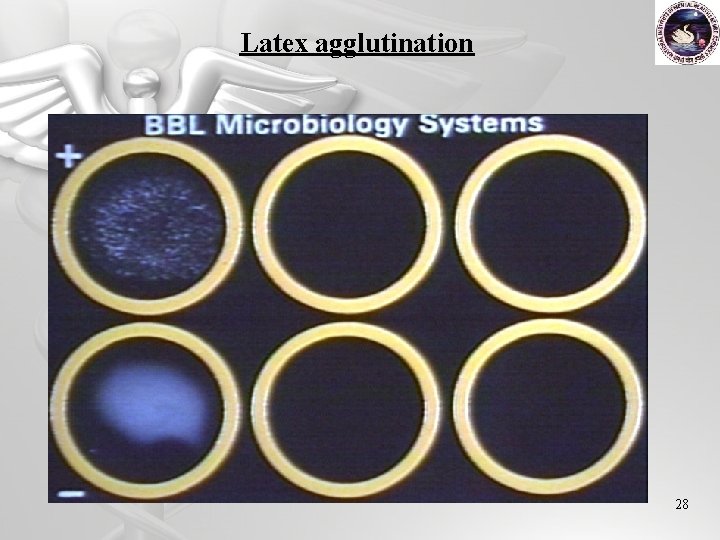
Latex agglutination 28
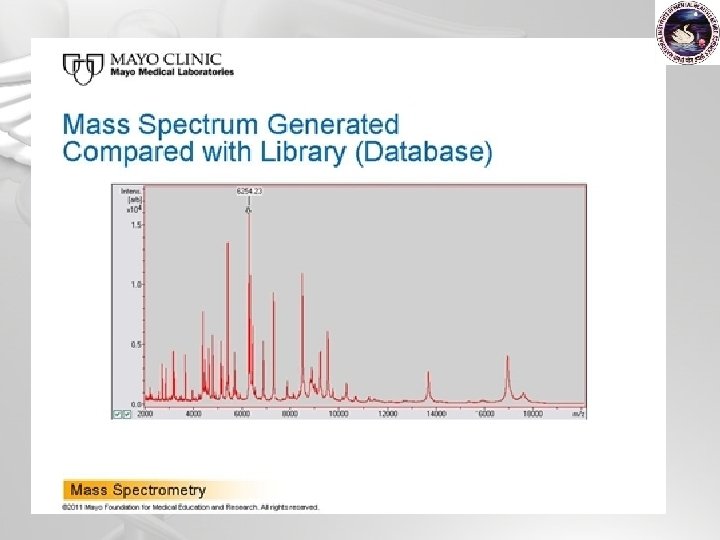
Results Ø From the CSF samples received for acute meningitis workup for one year, 13 cultures were positive for Streptococcus pneumoniae. Ø The identification was confirmed by conventional and automated method by Vitek 2 C and Mass Spectrometry. Ø MALDI TOF mass spectrometry scores for Streptococcus pneumoniae obtained were more than 1. 900 (1. 926 to 2. 345) indicating good identification confidence. 29
Ø Serotyping showed that 4 of 13 strains belonged to type 1 and two type 9 strains. Ø Other strains belong to type 22 F, 33, 6 B, 15 B, 7 F, 19 and one non typeable strain was identified. Ø Of the 13 strains tested for drug susceptibility, 7 were sensitive strains, 3 strains were resistant to cotrimoxazole and 2 strains to erythromycin, one strain was resistant to cotrimoxazole, erythromycin, penicillin and clindamycin. 30
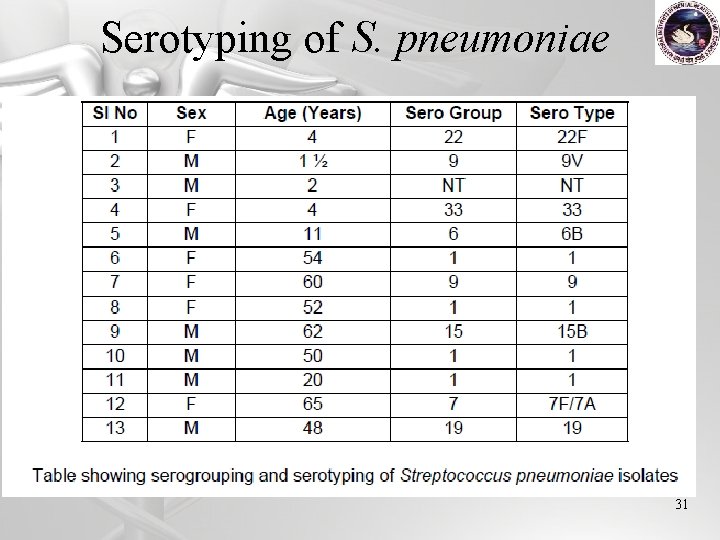
Serotyping of S. pneumoniae 31
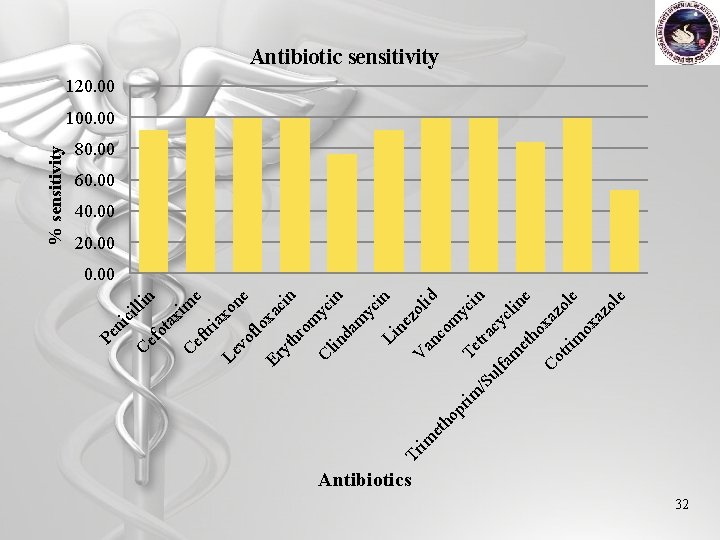
lid zo co m V an n pr yc Te im tra in /S ul cy fa cl m in et e ho xa Co zo tri le m ox az ol e ho im et Tr Li ne n yc i n ci yc i m in da Cl ro m th Er y e xo ne lo xa vo f Le ia ftr Ce in ill ax im ot Ce f ni c Pe % sensitivity Antibiotic sensitivity 120. 00 100. 00 80. 00 60. 00 40. 00 20. 00 Antibiotics 32
w Penicillin resistance was low at 7. 7% overall. w Resistance to co-trimoxazole was noted to be high 46. 2% in 1993 to 85. 2% in 2008 w Streptococcus pneumoniae is naturally highly susceptible to penicillin G, which has been the main therapeutic agent over the past 40 years. However, penicillin-resistant pneumococci (PRP) are becoming more prevalent world 33
Acknowledgements • Dr. Keshav Prasad, Faculty Scientist, Institute of Bioinformatics, Bangalore. • All faculties, students and other staff, Dept. of Neuromicrobiology, NIMHANS, Bangalore. • Centre of Excellence, Bruker Daltonics, Bangalore. • bio. Merieux, India. Dept of Neuromicrobiology, NIMHANS 34


36
- Slides: 36