
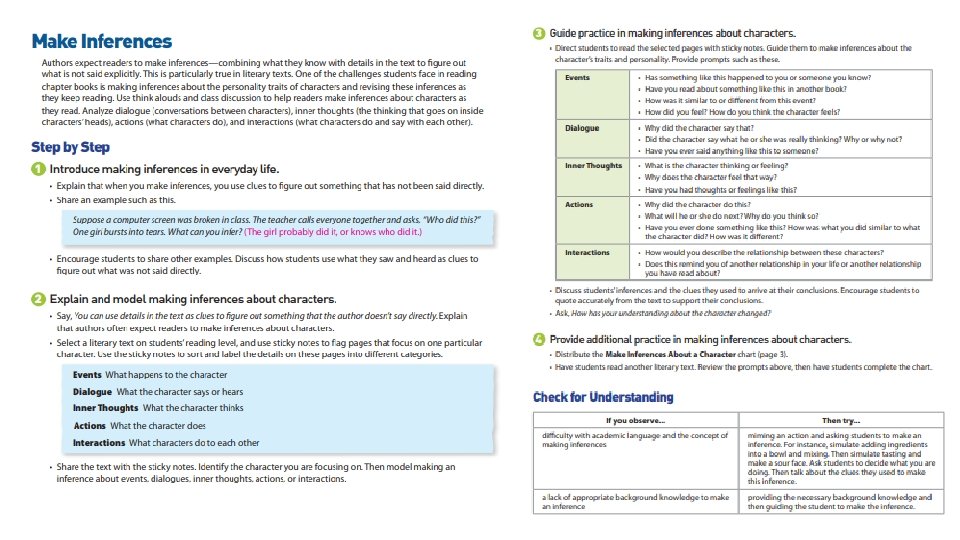
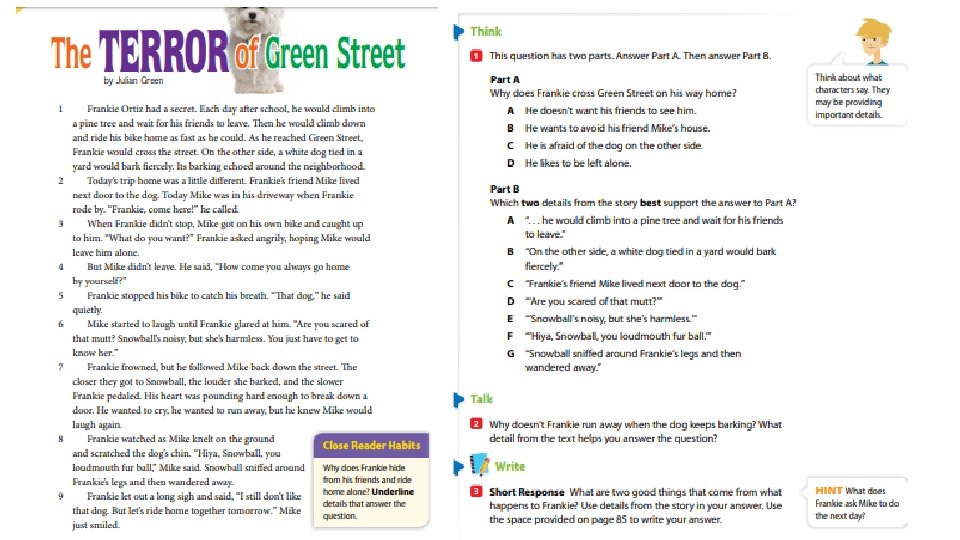
Making Inferences What do you see What do
- Slides: 10
Making Inferences
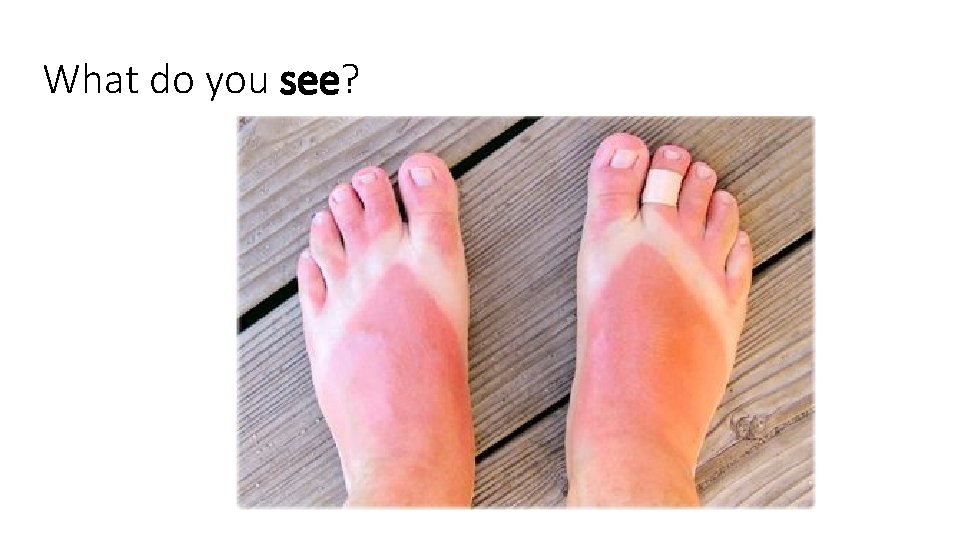
What do you see?
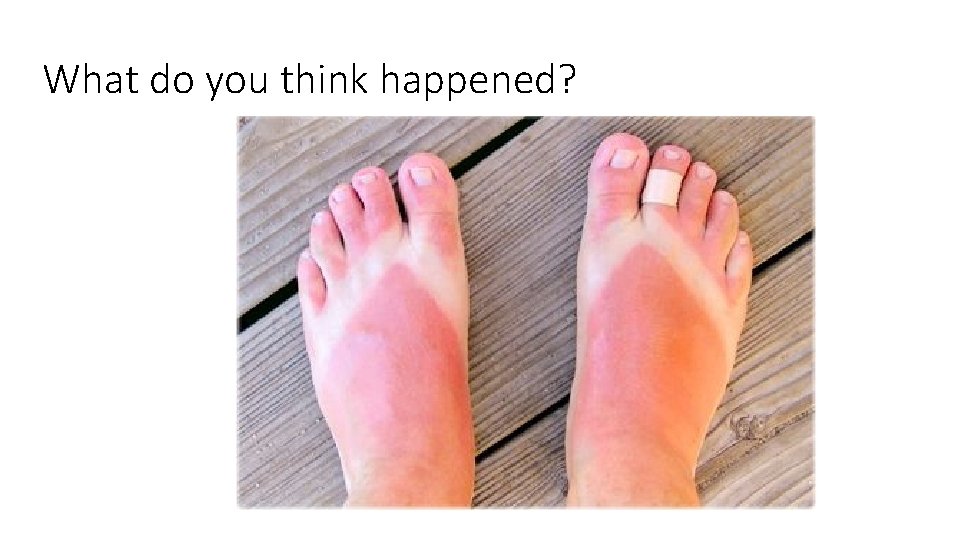
What do you think happened?
Making an Inference Making an inference means to use facts, observations, and logic or reasoning to come to an assumption or conclusion. To make an inference, notice what you see or read, and use your background knowledge to make a conclusion about what you notice. Example: I see: Someone has red feet with lines on them that look like flip flop straps. I infer: Someone has gotten a sunburn on their feet!
I see bubbles rising. I hear my own breathing. There are fish swimming above me. I feel the seaweed swaying. What do you notice happening in the scene?
I see bubbles rising. I hear my own breathing. There are fish swimming above me. I feel the seaweed swaying. What inferences can you make about the scene? Can you infer where I am or what I am doing?
Making Inferences in Informational Texts ● ● Today we will use inferencing to answer a question that is always important to ask when reading informational texts: Why did the author publish this article? Use clues from the text to find evidence that supports your inference ○ Text features Images ○ Facts included in the article ○ ● Questions to ask: ■ ■ What do I know about why this topic is important? Who published this article? What do I notice about the text? What inferences can I make about the text?