
Making Human eukaryote proteins in Bacteria prokaryote Nucleus
Making Human (eukaryote) proteins in Bacteria (prokaryote)
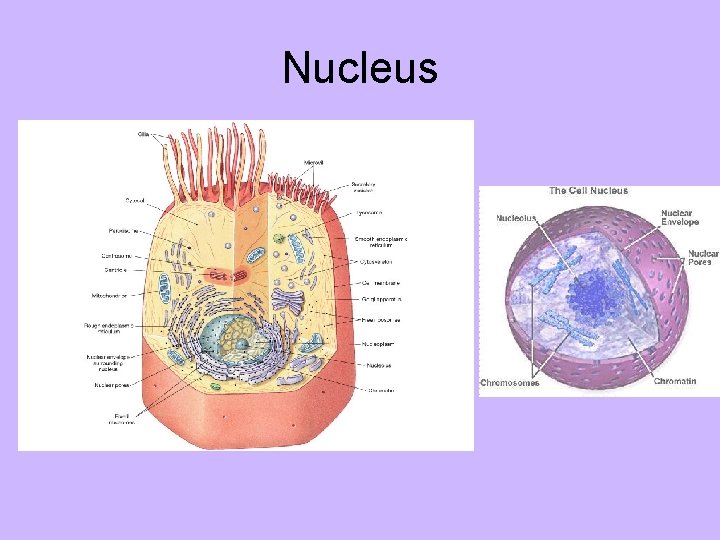
Nucleus
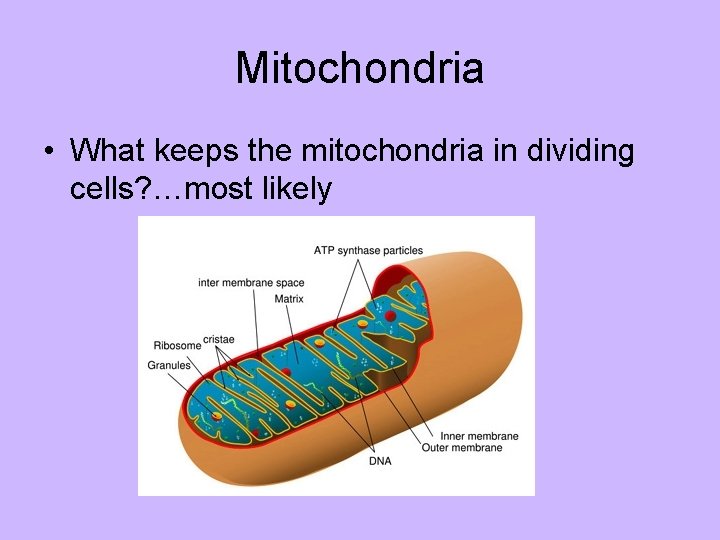
Mitochondria • What keeps the mitochondria in dividing cells? …most likely
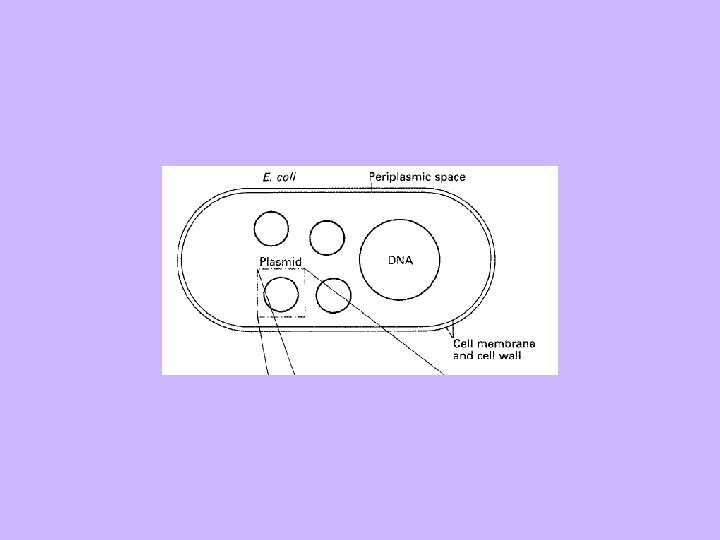
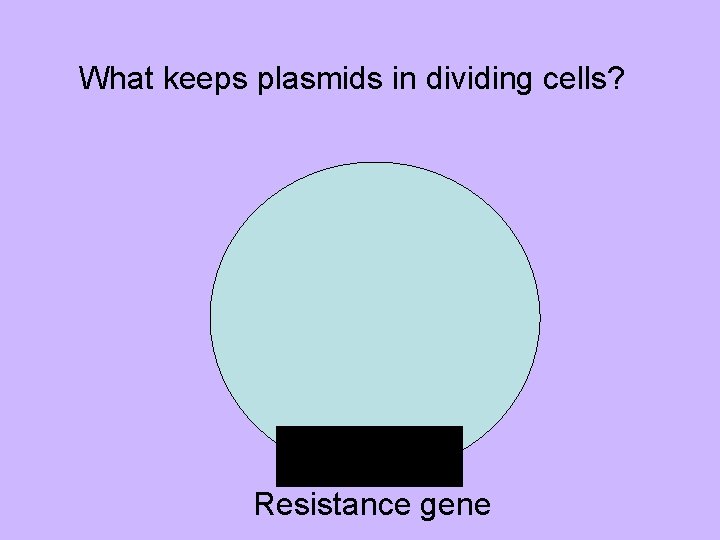
What keeps plasmids in dividing cells? Resistance gene
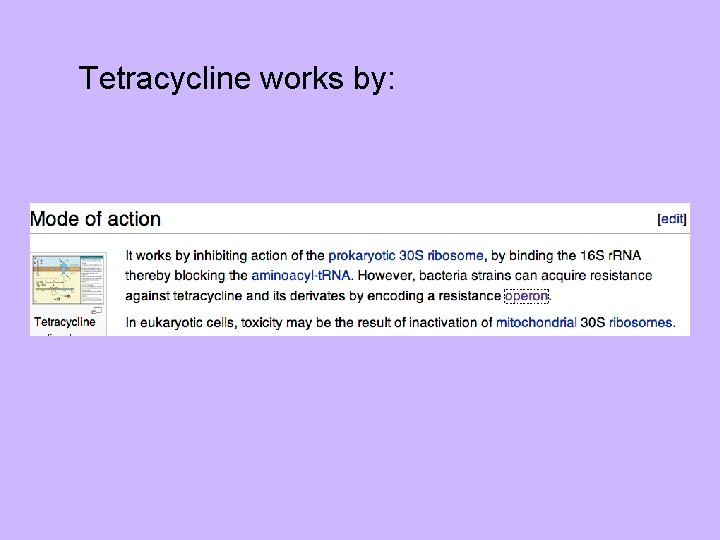
Tetracycline works by:
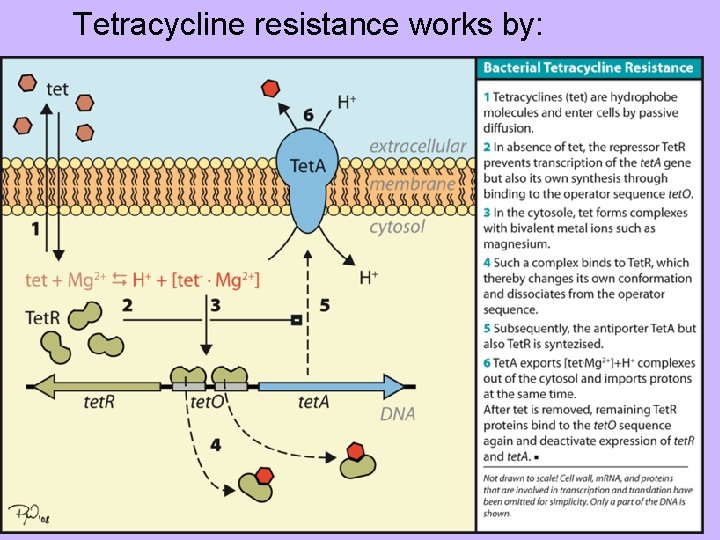
Tetracycline resistance works by:

What allows for DNA replication in plasmid? Origin of Replication Resistance gene
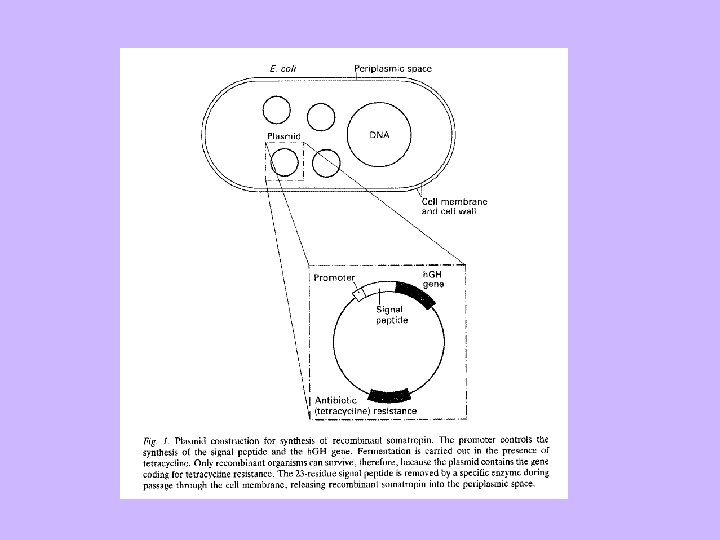
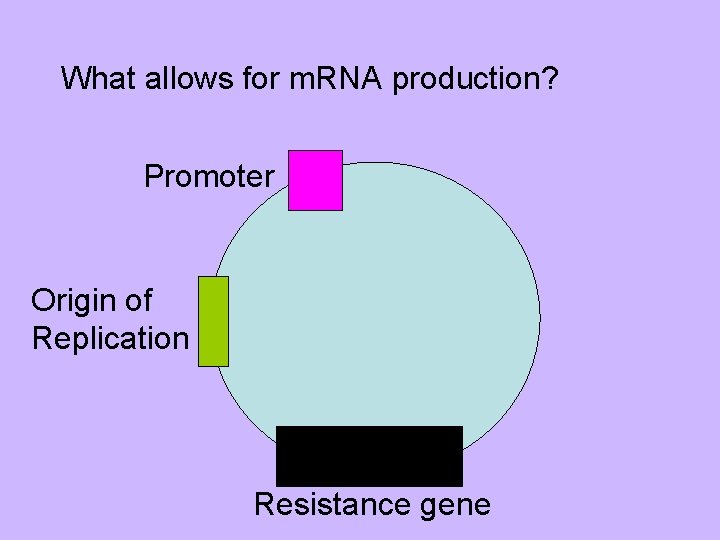
What allows for m. RNA production? Promoter Origin of Replication Resistance gene
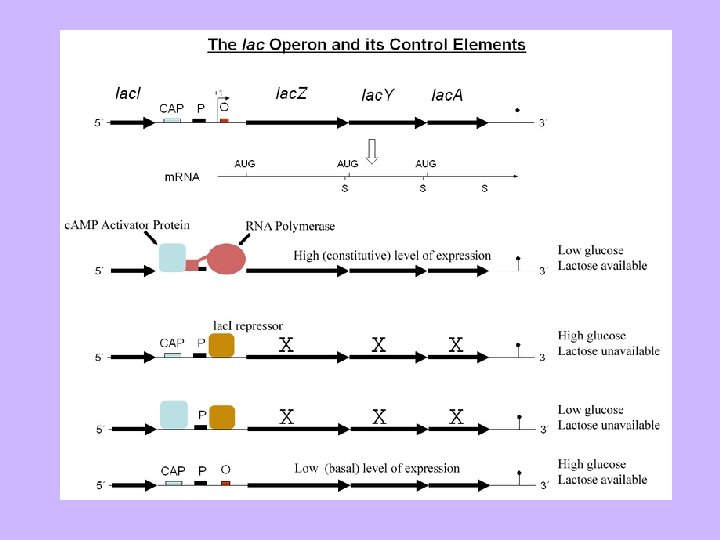
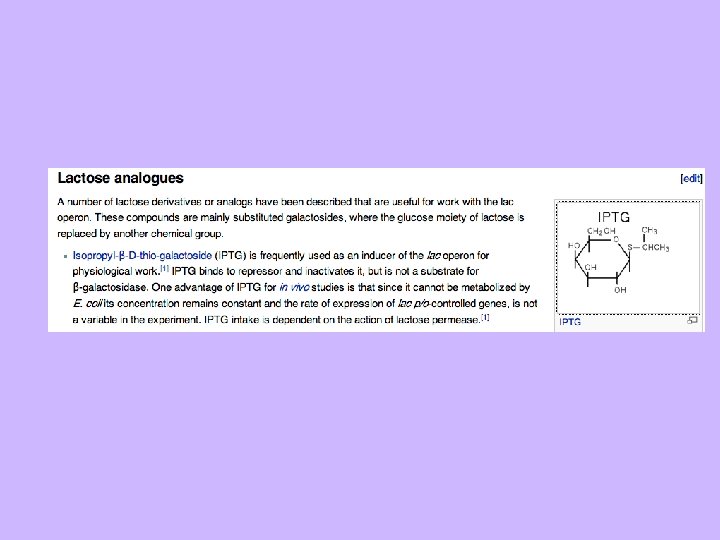
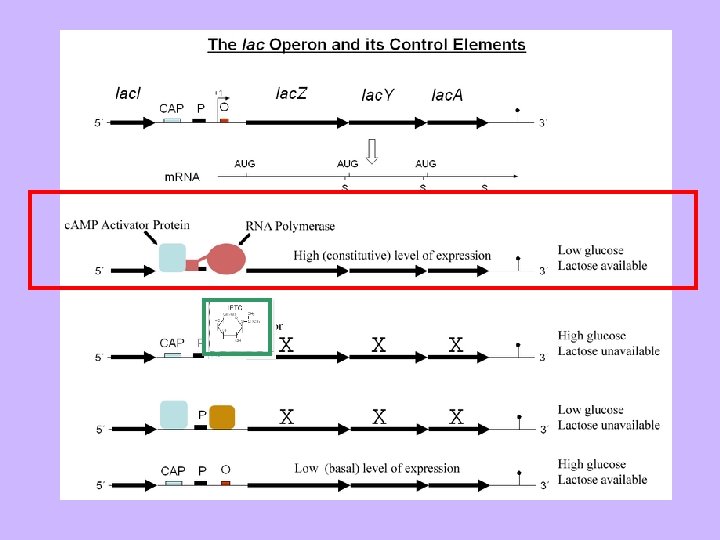
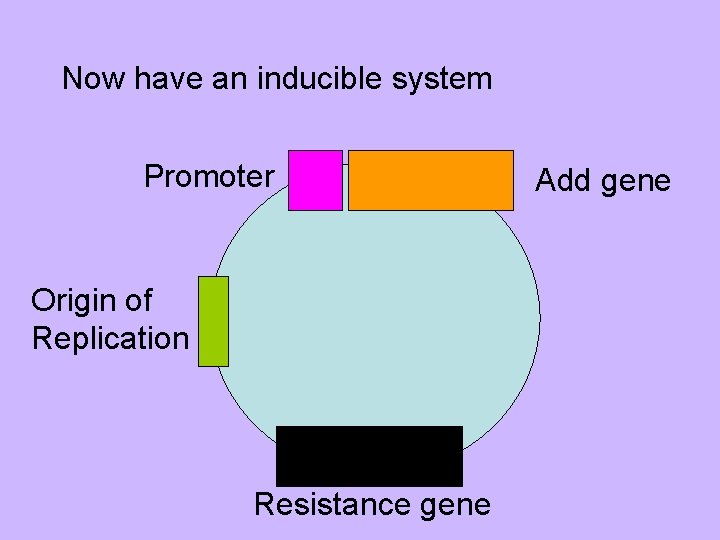
Now have an inducible system Promoter Origin of Replication Resistance gene Add gene
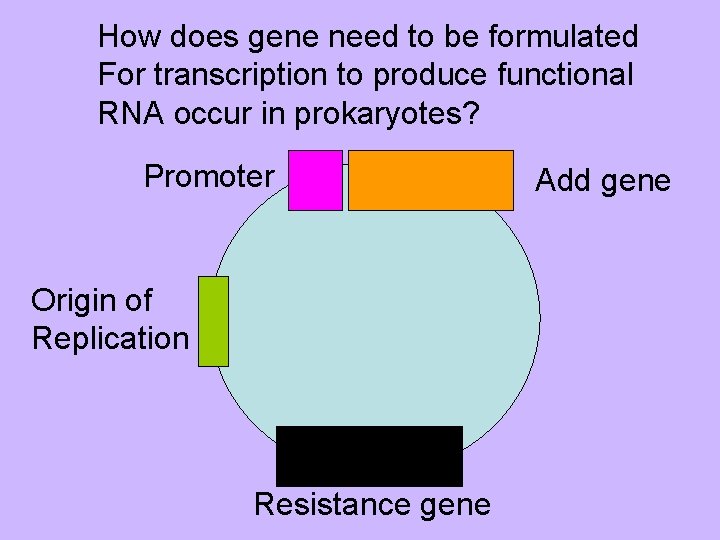
How does gene need to be formulated For transcription to produce functional RNA occur in prokaryotes? Promoter Origin of Replication Resistance gene Add gene
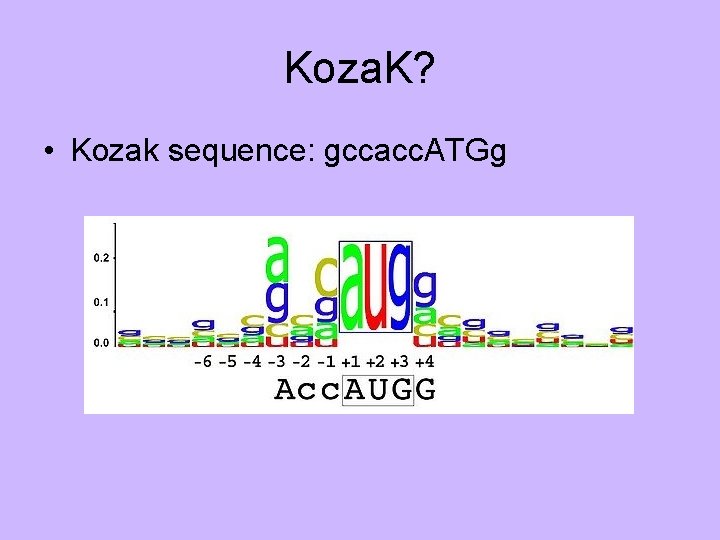
Koza. K? • Kozak sequence: gccacc. ATGg
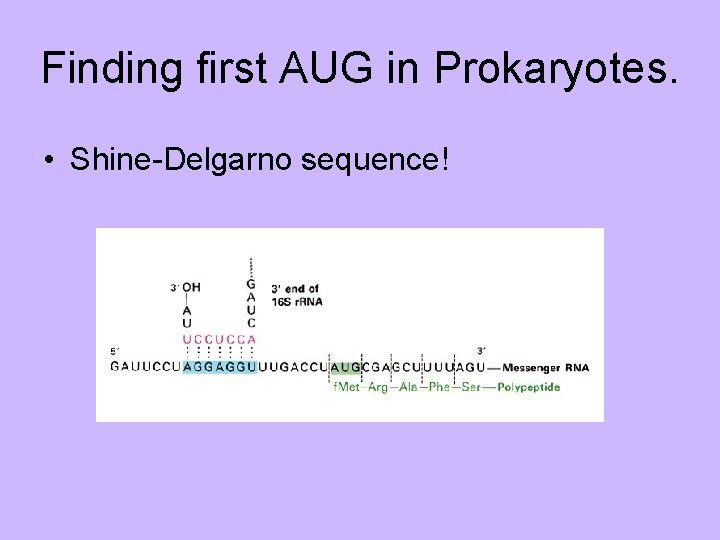
Finding first AUG in Prokaryotes. • Shine-Delgarno sequence!
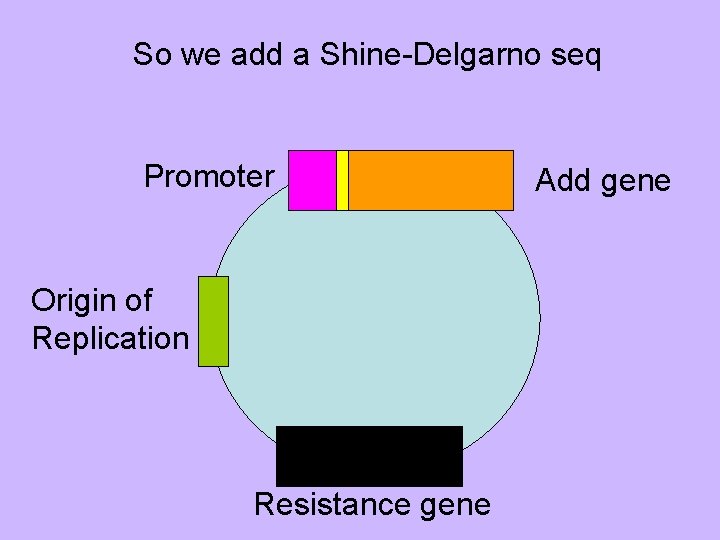
So we add a Shine-Delgarno seq Promoter Origin of Replication Resistance gene Add gene
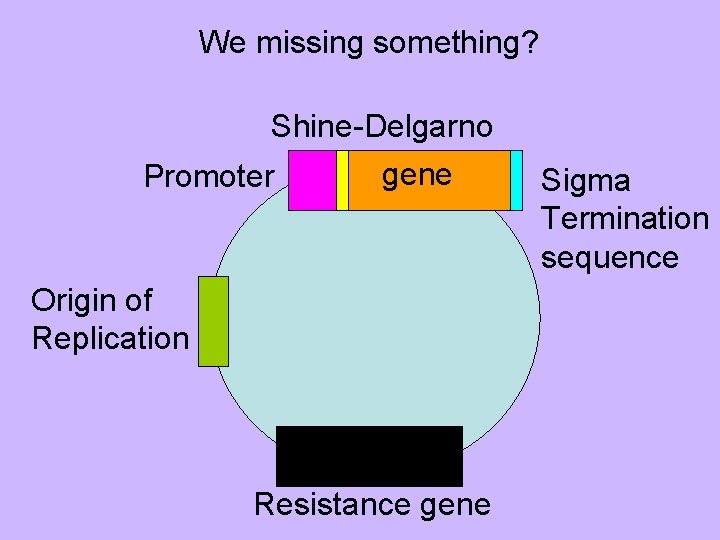
We missing something? Shine-Delgarno Promoter gene Origin of Replication Resistance gene Sigma Termination sequence
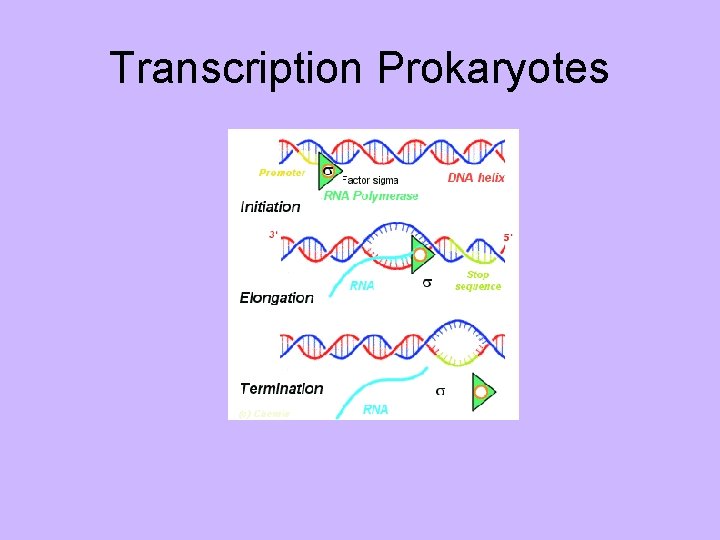
Transcription Prokaryotes
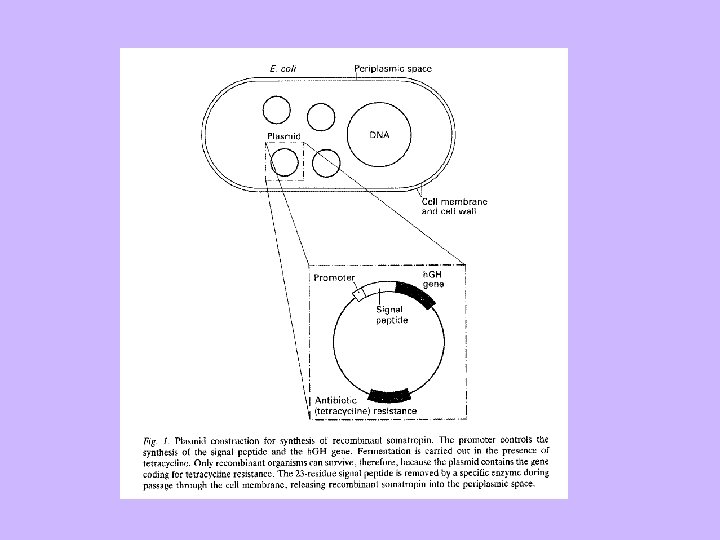
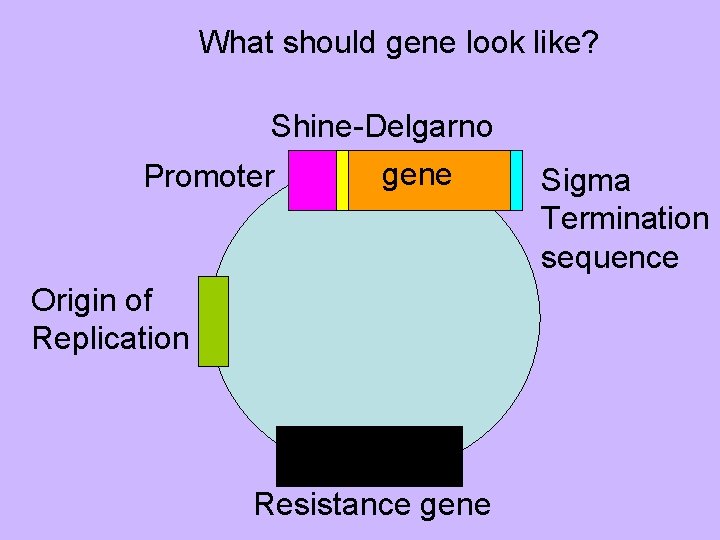
What should gene look like? Shine-Delgarno Promoter gene Origin of Replication Resistance gene Sigma Termination sequence
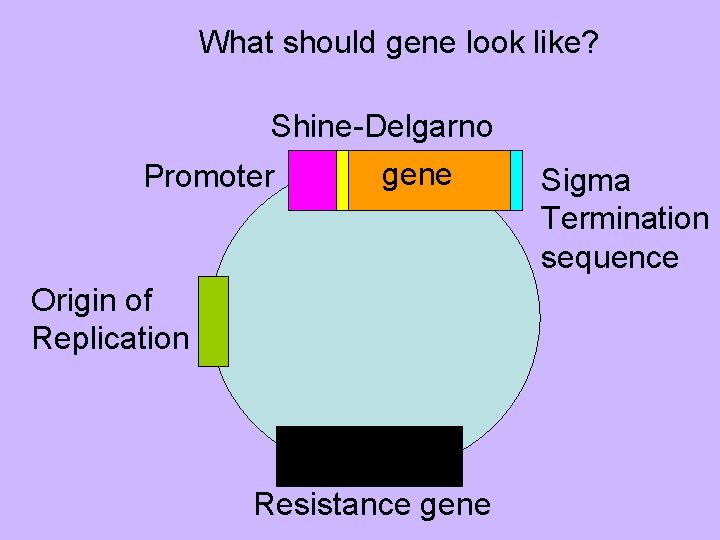
What should gene look like? Shine-Delgarno Promoter gene Origin of Replication Resistance gene Sigma Termination sequence
After Transcription • In prokaryotes, the RNA copy of a gene is messenger RNA, ready to be translated into protein. In fact, translation starts even before transcription is finished. • In eukaryotes, the primary RNA transcript of a gene needs further processing before it can be translated. This step is called “RNA processing”. Also, it needs to be transported out of the nucleus into the cytoplasm. • Steps in RNA processing: – 1. Add a cap to the 5’ end – 2. Add a poly-A tail to the 3’ end – 3. splice out introns.
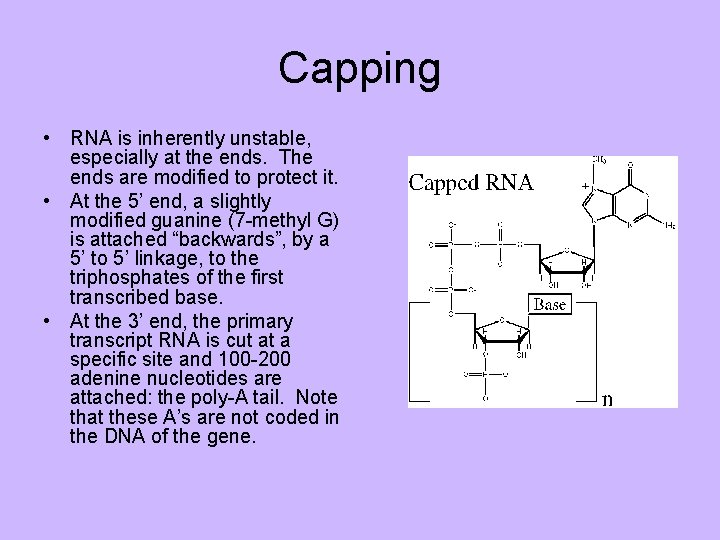
Capping • RNA is inherently unstable, especially at the ends. The ends are modified to protect it. • At the 5’ end, a slightly modified guanine (7 -methyl G) is attached “backwards”, by a 5’ to 5’ linkage, to the triphosphates of the first transcribed base. • At the 3’ end, the primary transcript RNA is cut at a specific site and 100 -200 adenine nucleotides are attached: the poly-A tail. Note that these A’s are not coded in the DNA of the gene.
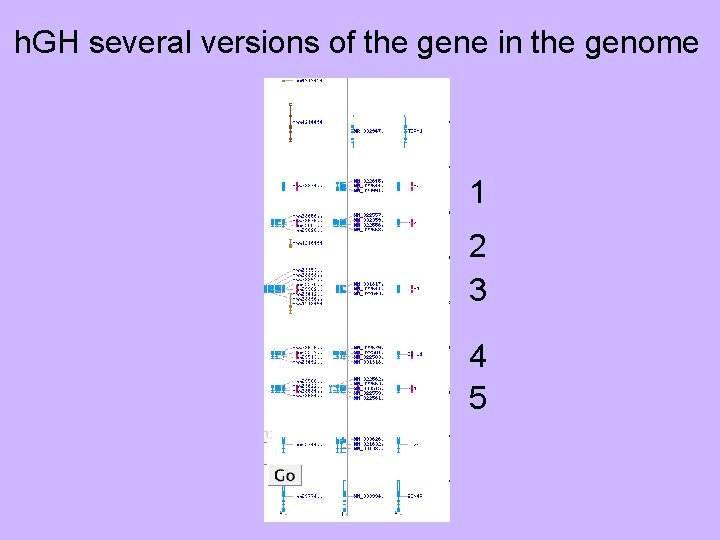
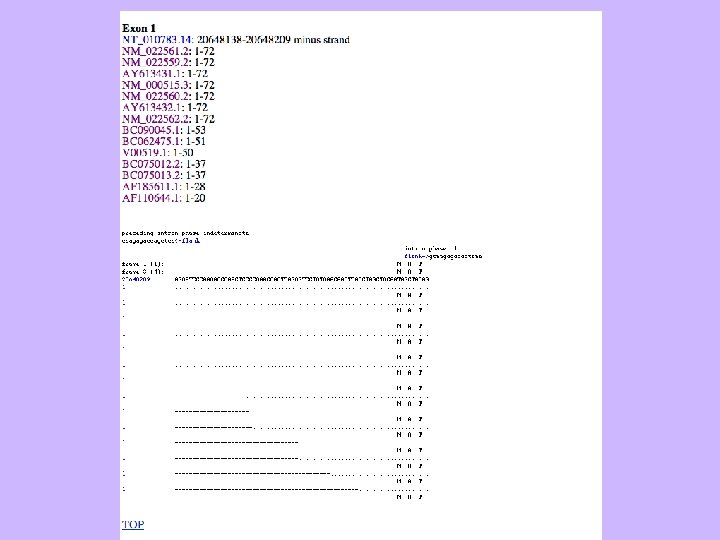
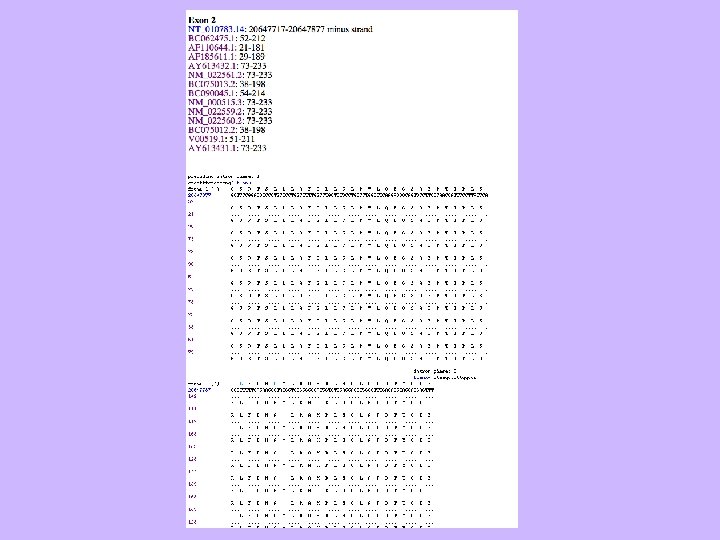
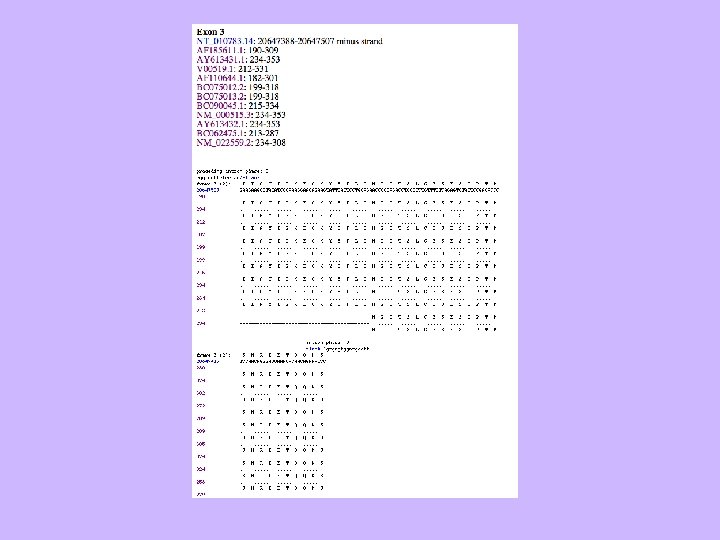
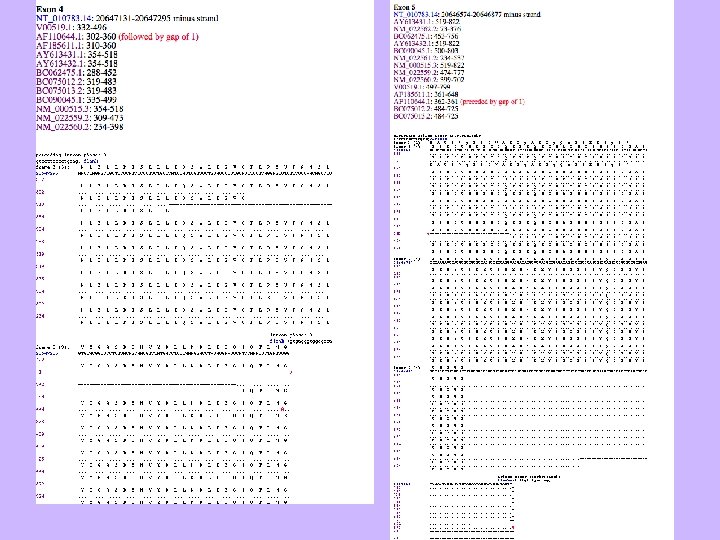
h. GH several versions of the gene in the genome 1 2 3 4 5

h. GH several genes in the genome
Introns • Introns are regions within a gene that don’t code for protein and don’t appear in the final m. RNA molecule. Protein-coding sections of a gene (called exons) are interrupted by introns. • The function of introns remains unclear. They may help is RNA transport or in control of gene expression in some cases, and they make it easier for sections of genes to be shuffled in evolution. But , no generally accepted reason for the existence of introns exists. • There a few prokaryotic examples, but most introns are found in eukaryotes. • Some genes have many long introns: the dystrophin gene (mutants cause muscular dystrophy) has more than 70 introns that make up more than 99% of the gene’s sequence. However, not all eukaryotic genes have introns: histone genes, for example, lack introns.

Intron Splicing • Introns are removed from the primary RNA transcript while it is still in the nucleus. • Introns are “spliced out” by RNA/protein hybrids called “spliceosomes”. The intron sequences are removed, and the remaining ends are reattached so the final RNA consists of exons only.

Eukaryotes Splice Signals CAG/NT AG/GT exon 1 intron 1 exon 2

Summary of RNA processing • • • In eukaryotes, RNA polymerase produces a “primary transcript”, an exact RNA copy of the gene. A cap is put on the 5’ end. The RNA is terminated and poly-A is added to the 3’ end. All introns are spliced out. At this point, the RNA can be called messenger RNA. It is then transported out of the nucleus into the cytoplasm, where it is translated.
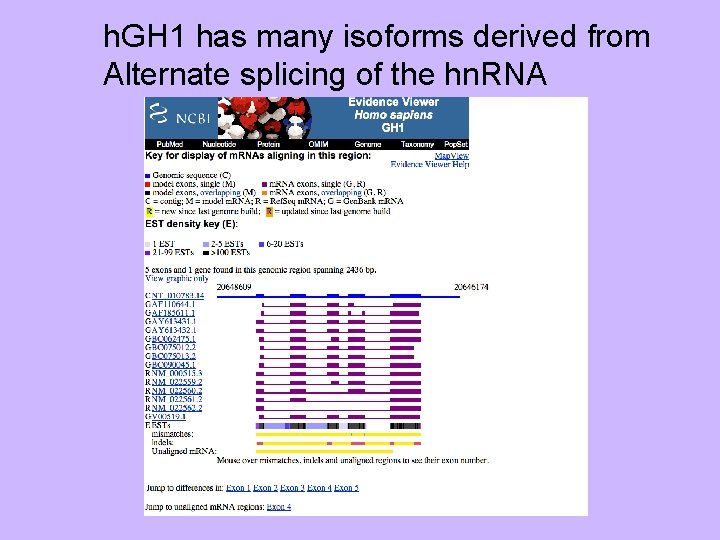
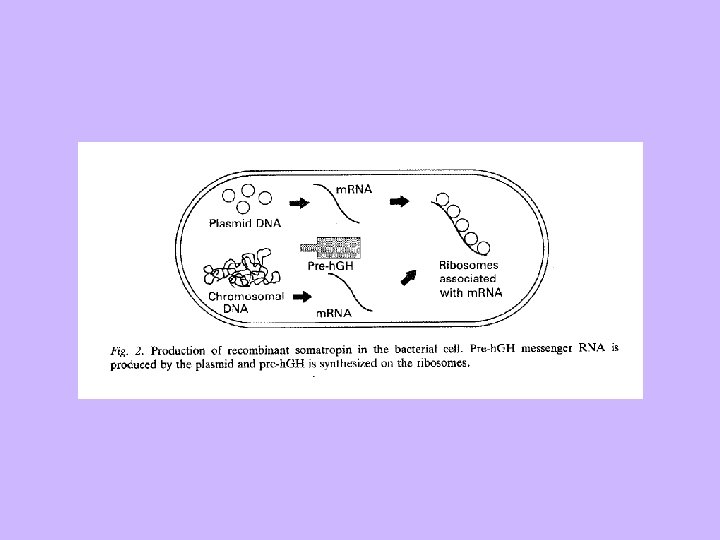
h. GH 1 has many isoforms derived from Alternate splicing of the hn. RNA
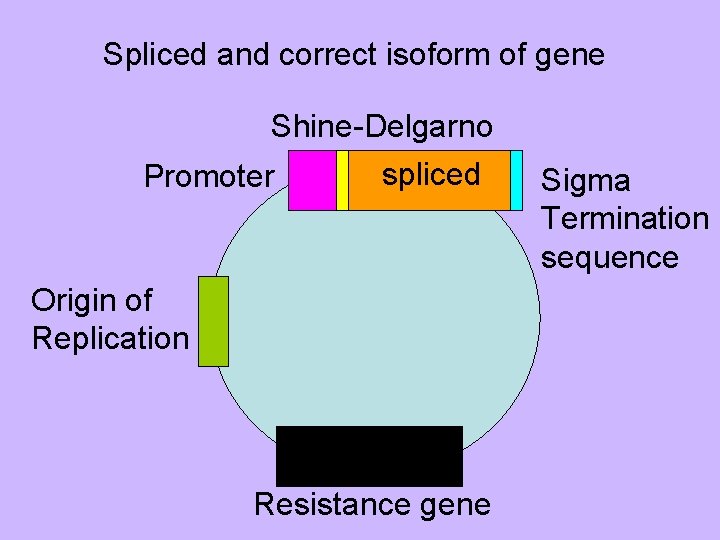
Spliced and correct isoform of gene Shine-Delgarno Promoter spliced Origin of Replication Resistance gene Sigma Termination sequence
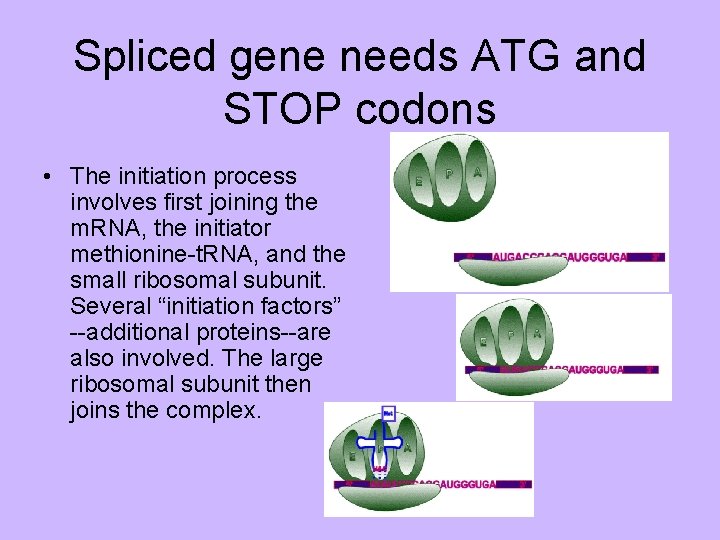
Spliced gene needs ATG and STOP codons • The initiation process involves first joining the m. RNA, the initiator methionine-t. RNA, and the small ribosomal subunit. Several “initiation factors” --additional proteins--are also involved. The large ribosomal subunit then joins the complex.

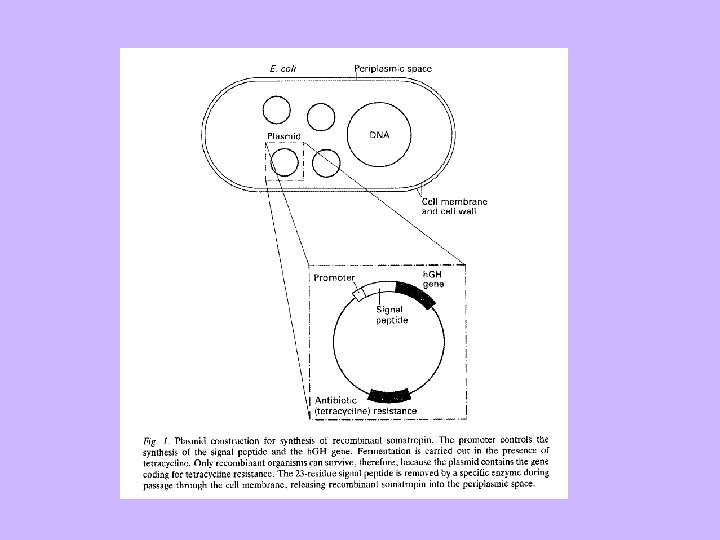
They did something extra clever…. Shine-Delgarno Promoter spliced Origin of Replication Resistance gene Sigma Termination sequence
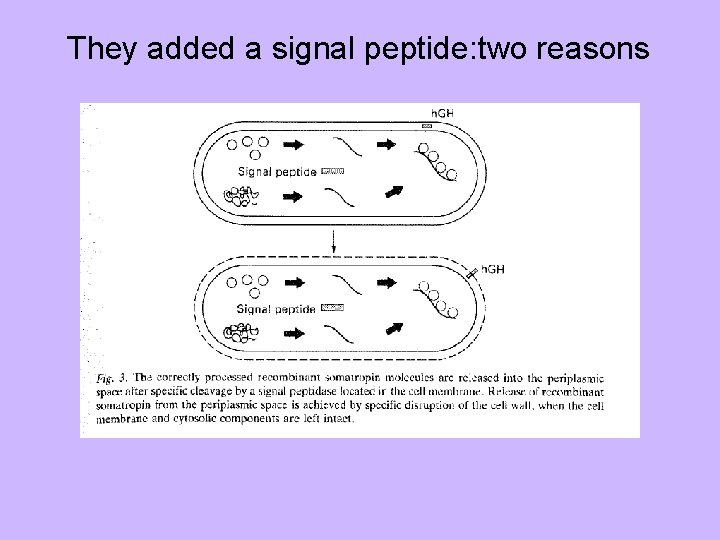
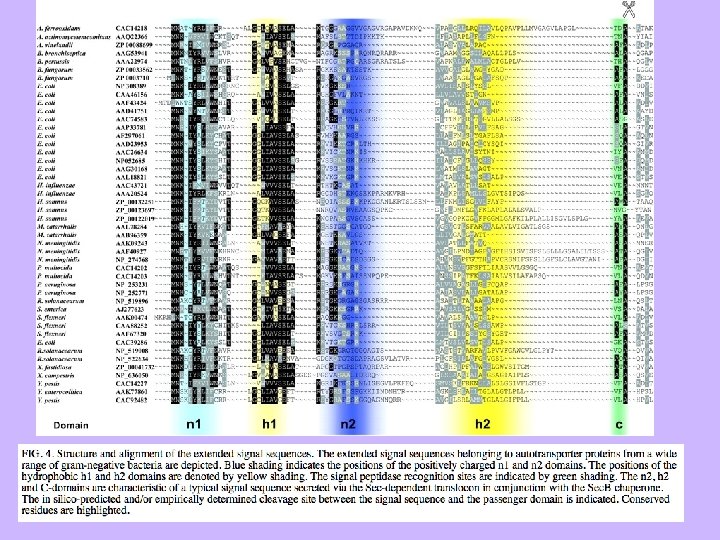
They added a signal peptide: two reasons
-secrete protein…. to ease purification -active form of h. GH is a cleavage product

Use a signal peptide
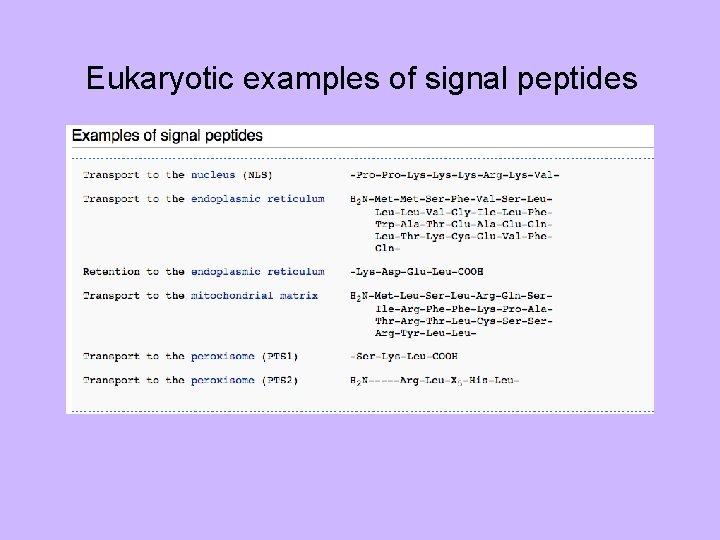
Eukaryotic examples of signal peptides
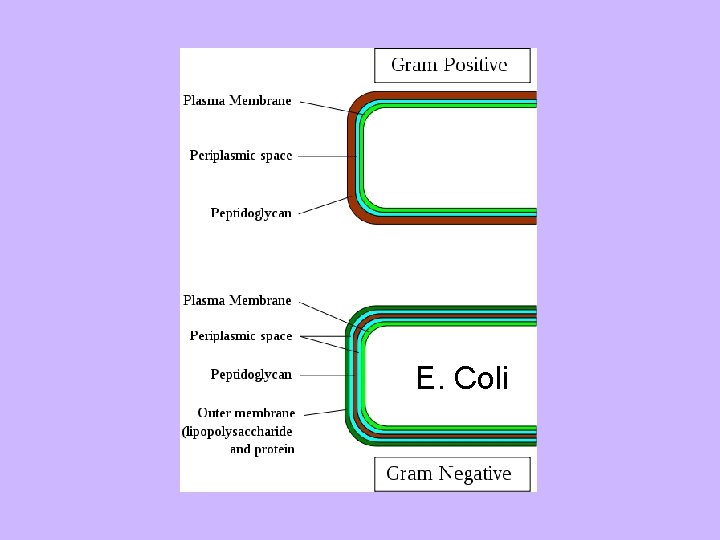
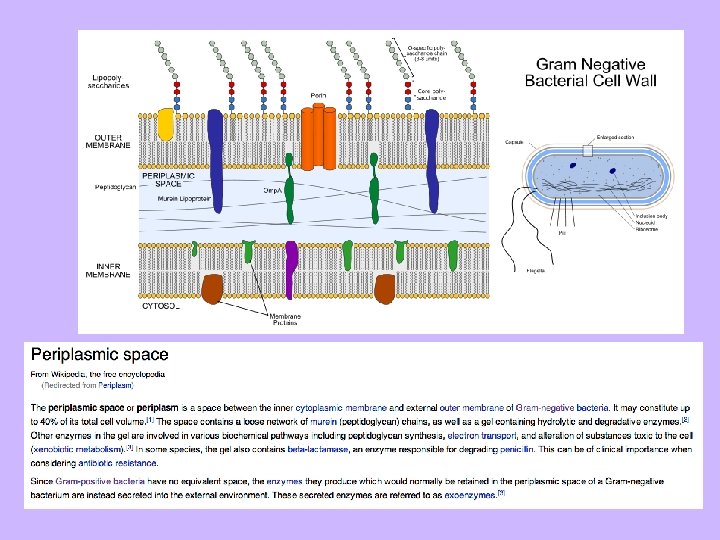
E. Coli

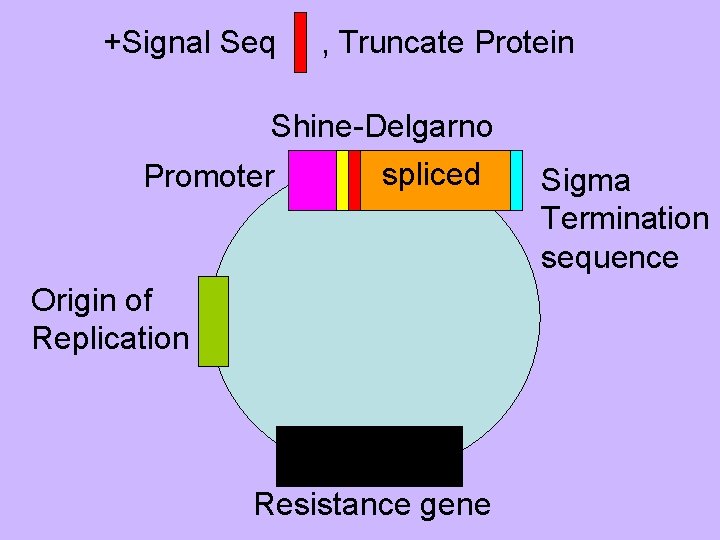
+Signal Seq , Truncate Protein Shine-Delgarno Promoter spliced Origin of Replication Resistance gene Sigma Termination sequence
Post-Translational Modification? • New polypeptides usually fold themselves spontaneously into their active conformation. However, some proteins are helped and guided in the folding process by chaperone proteins • Many proteins have sugars, phosphate groups, fatty acids, and other molecules covalently attached to certain amino acids. Most of this is done in the endoplasmic reticulum.
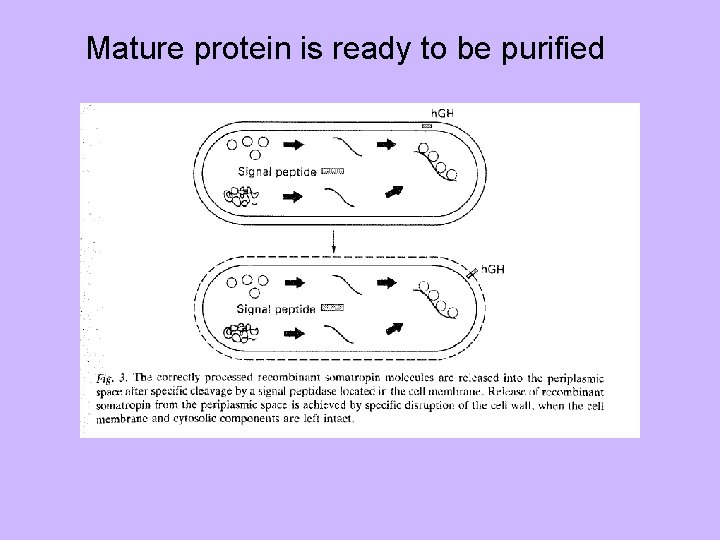
Mature protein is ready to be purified
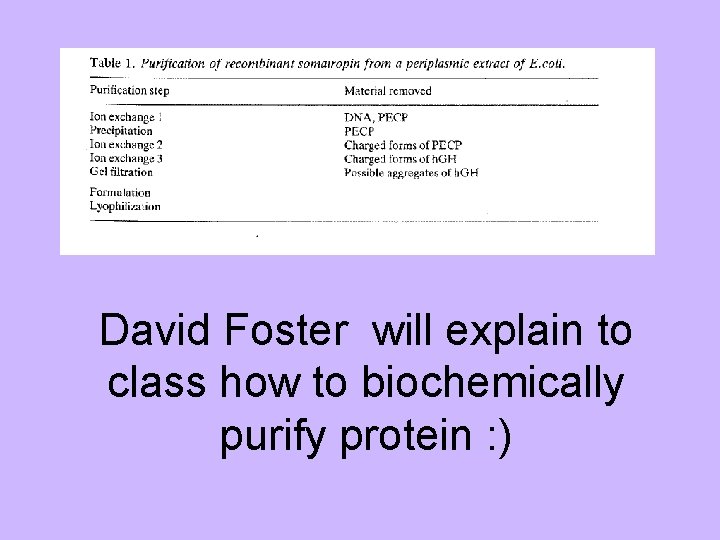
David Foster will explain to class how to biochemically purify protein : )
- Slides: 53