
Making Grammar Lessons Fun with examples from Grammar
- Slides: 20
Making Grammar Lessons Fun with examples from Grammar Tour and Grammar Goals Magdalena Panova BETA Conference, May 2008, Sofia
Main Points w Identifying the problematic areas w Ideas on how to deal with specific aspects of teaching grammar w Making grammar lessons more interesting w Conclusions
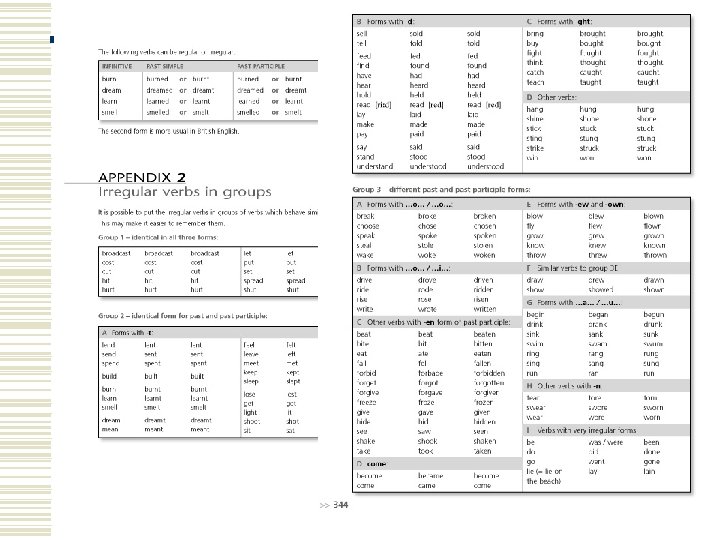
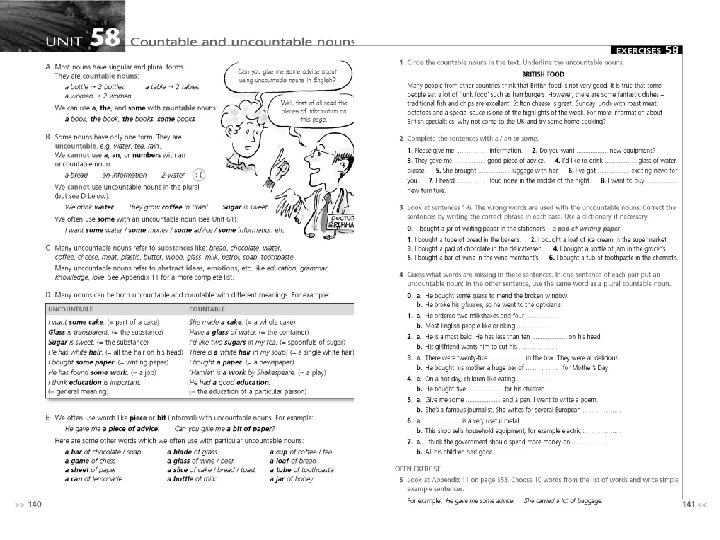
Make Learning Load Lighter w Draw students’ attention to helpful patterns. w Help them discover those patterns for themselves. w The ability to recognise items which are similar will make it easier for the student to learn.
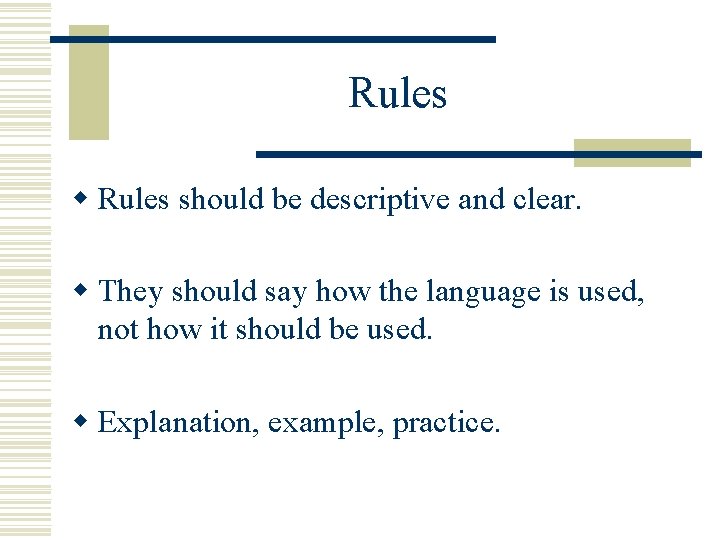
Rules w Rules should be descriptive and clear. w They should say how the language is used, not how it should be used. w Explanation, example, practice.
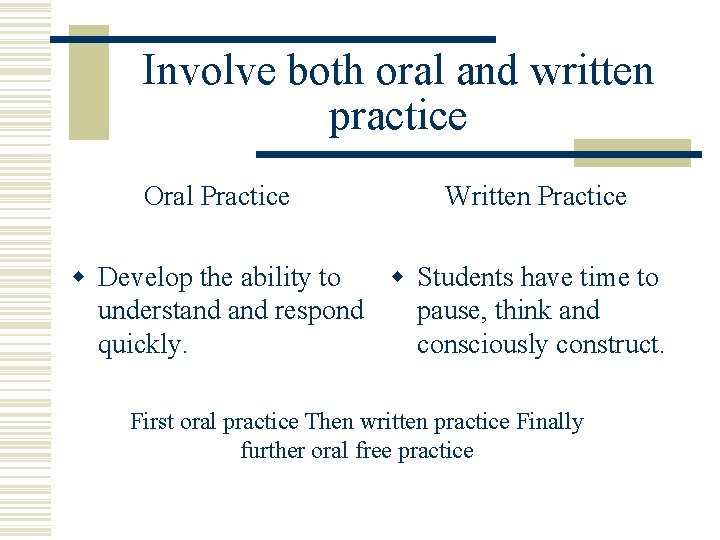
Involve both oral and written practice Oral Practice Written Practice w Develop the ability to w Students have time to understand respond pause, think and quickly. consciously construct. First oral practice Then written practice Finally further oral free practice
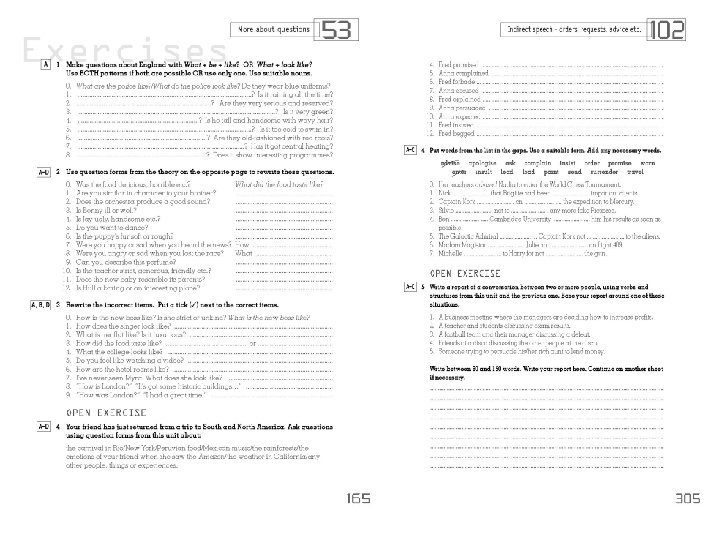
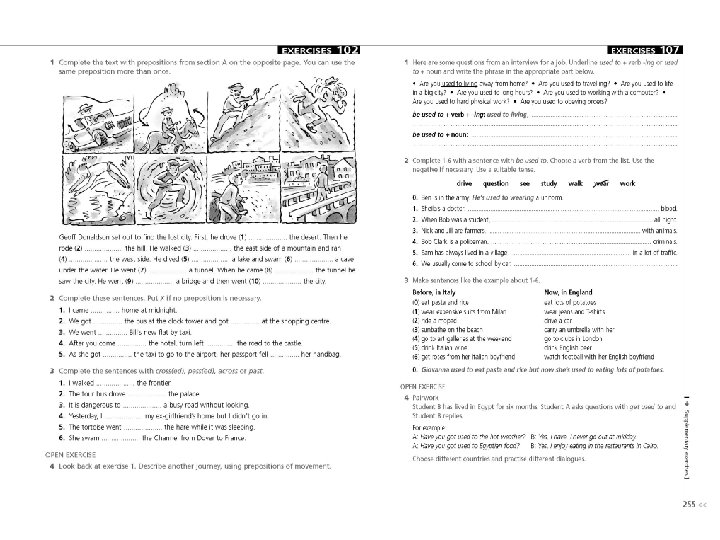
Move from controlled to free practice w Controlled practice – the first step w Free practice – teacher has least control, students have the chance to make mistakes (show what they have not learned) w Free practice (situations, dialogue building, information gap-based pair work, discussion, writing/talking about student’s own interest) essential part of learning
Different Games w Beehive practice w Hangman w Who am I?
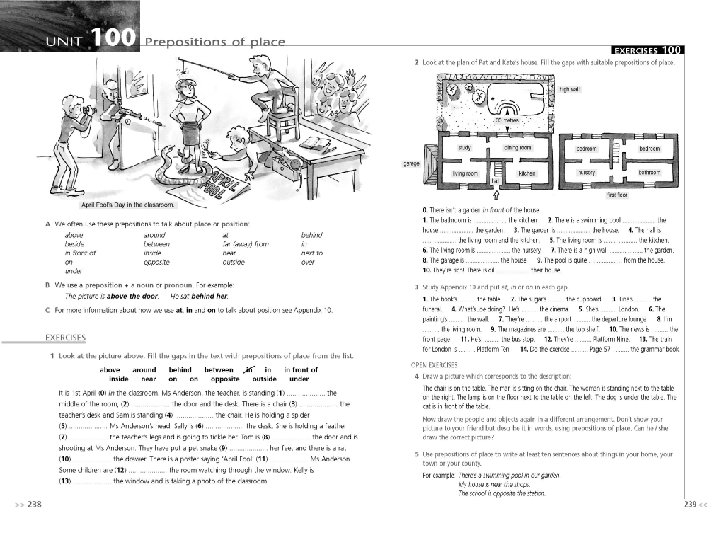
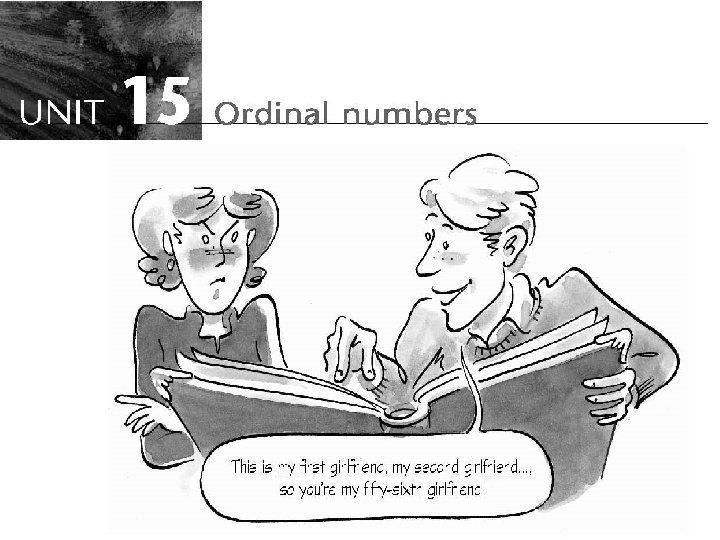
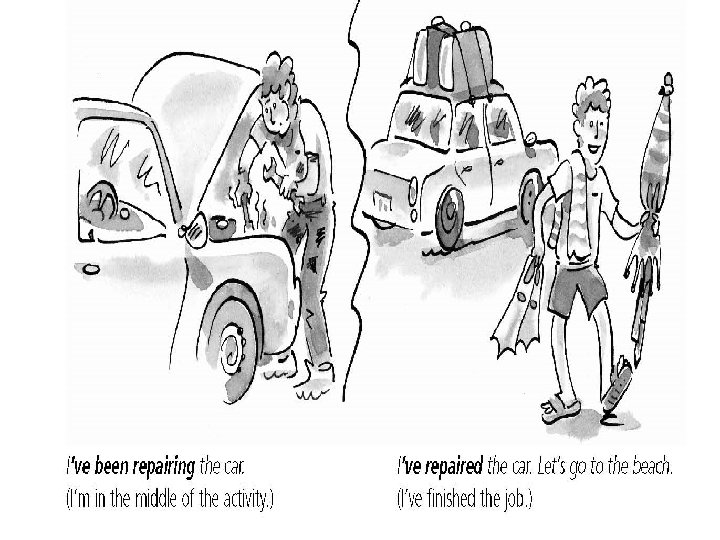
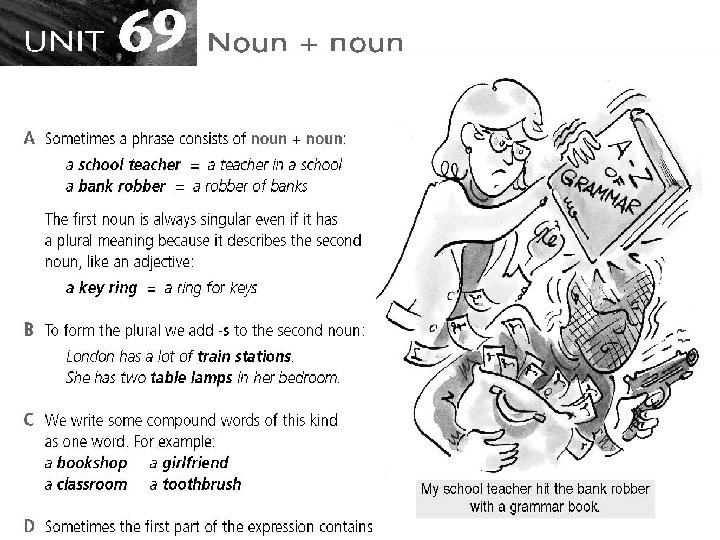
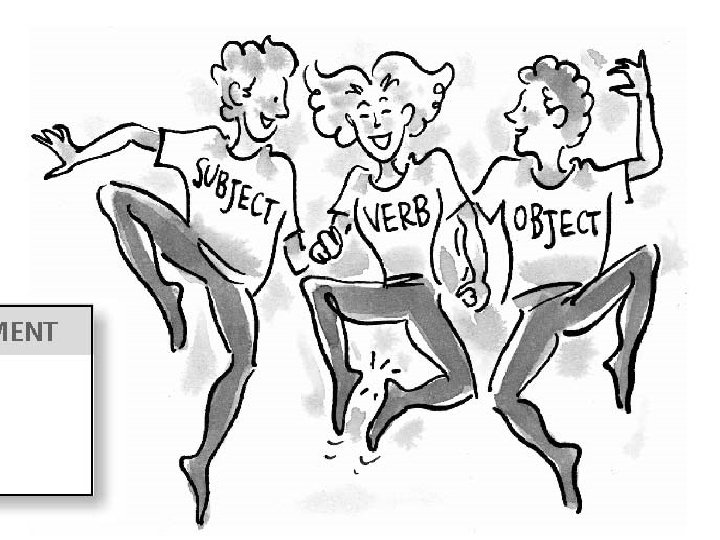
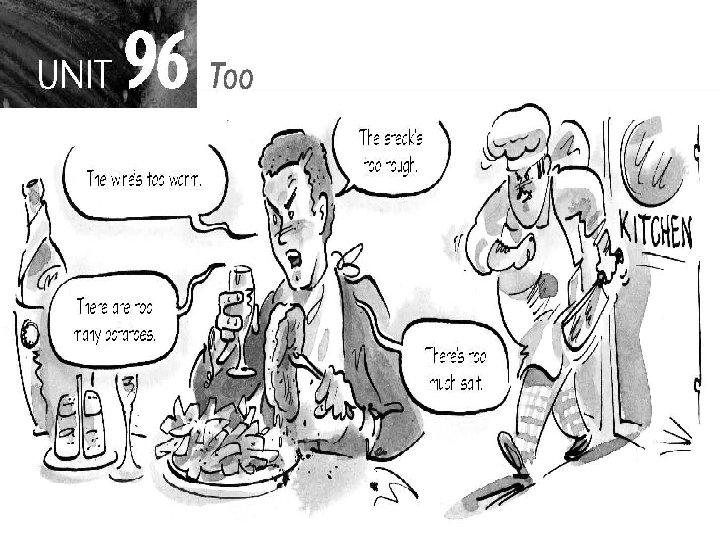
Illustrations w Create more friendly and relaxed atmosphere w Help learn better w Lots of fun
Conclusions w Grammar practice can be lively and amusing – it should be done frequently, briskly and with a touch of humour. w The teaching of structure can be made fun if students can be encouraged to explore and discover for themselves. w Emphasis should be on the student exploring rather than on the teacher explaining.
THANK YOU FOR YOUR ATTENTION!