
Major Energy Sources Primary energy sources Secondary Energy
- Slides: 16
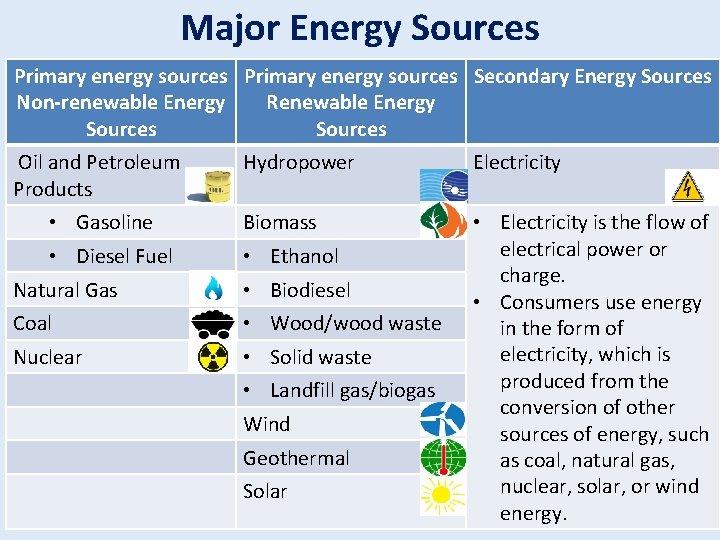
Major Energy Sources Primary energy sources Secondary Energy Sources Non-renewable Energy Renewable Energy Sources Oil and Petroleum Products Hydropower Electricity • Gasoline • Diesel Fuel Natural Gas Coal Nuclear Biomass • Electricity is the flow of electrical power or charge. • Consumers use energy in the form of electricity, which is produced from the conversion of other sources of energy, such as coal, natural gas, nuclear, solar, or wind energy. • Ethanol • Biodiesel • Wood/wood waste • Solid waste • Landfill gas/biogas Wind Geothermal Solar
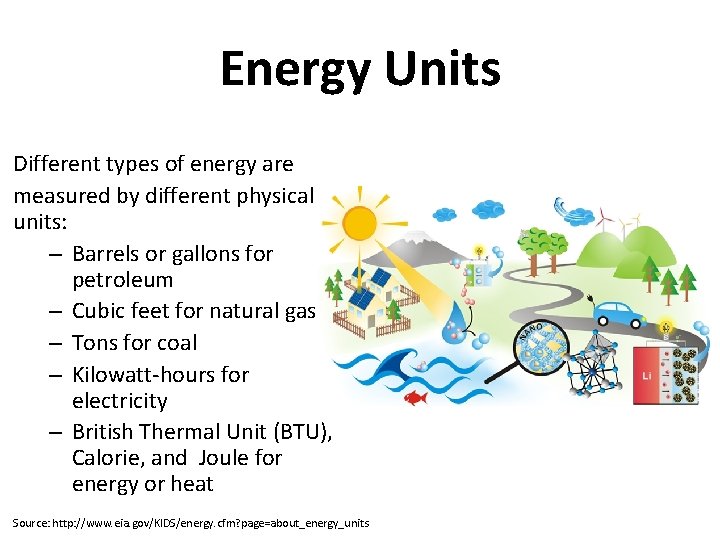
Energy Units Different types of energy are measured by different physical units: – Barrels or gallons for petroleum – Cubic feet for natural gas – Tons for coal – Kilowatt-hours for electricity – British Thermal Unit (BTU), Calorie, and Joule for energy or heat Source: http: //www. eia. gov/KIDS/energy. cfm? page=about_energy_units
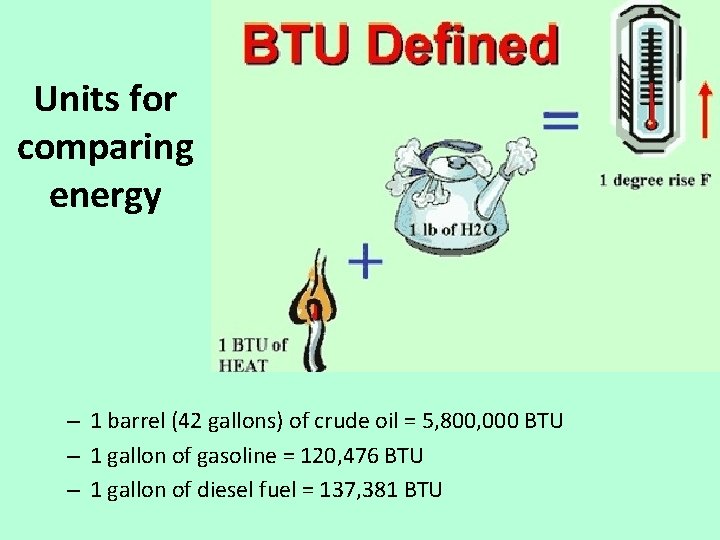
Units for comparing energy – 1 barrel (42 gallons) of crude oil = 5, 800, 000 BTU – 1 gallon of gasoline = 120, 476 BTU – 1 gallon of diesel fuel = 137, 381 BTU
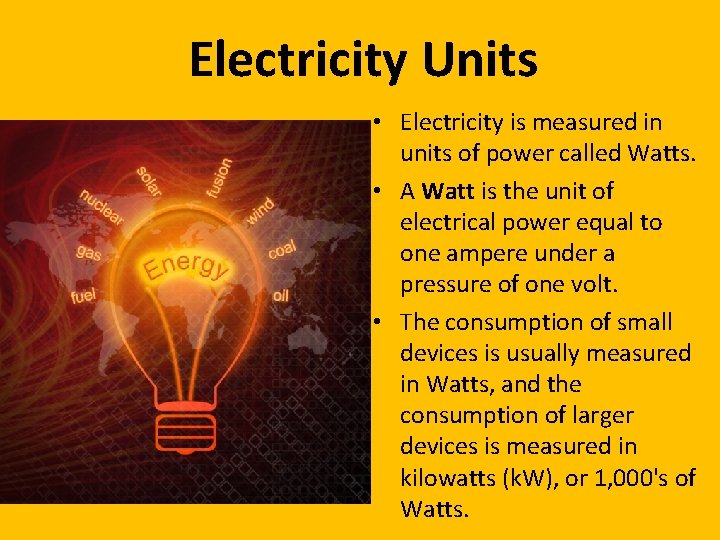
Electricity Units • Electricity is measured in units of power called Watts. • A Watt is the unit of electrical power equal to one ampere under a pressure of one volt. • The consumption of small devices is usually measured in Watts, and the consumption of larger devices is measured in kilowatts (k. W), or 1, 000's of Watts.
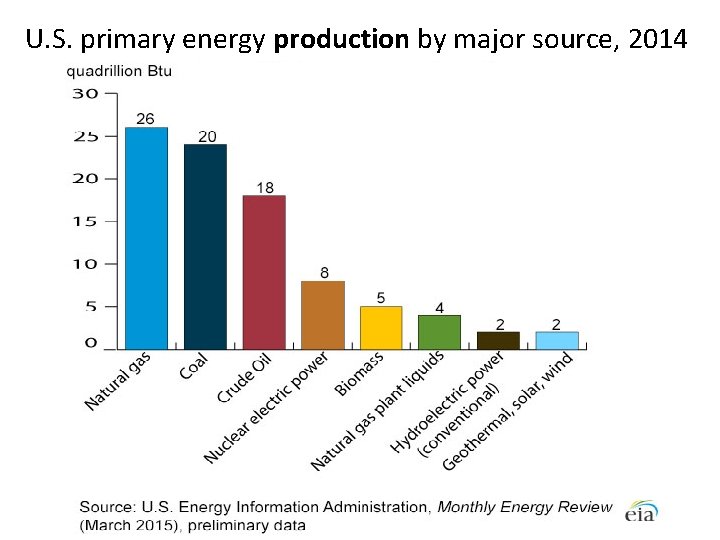
U. S. primary energy production by major source, 2014
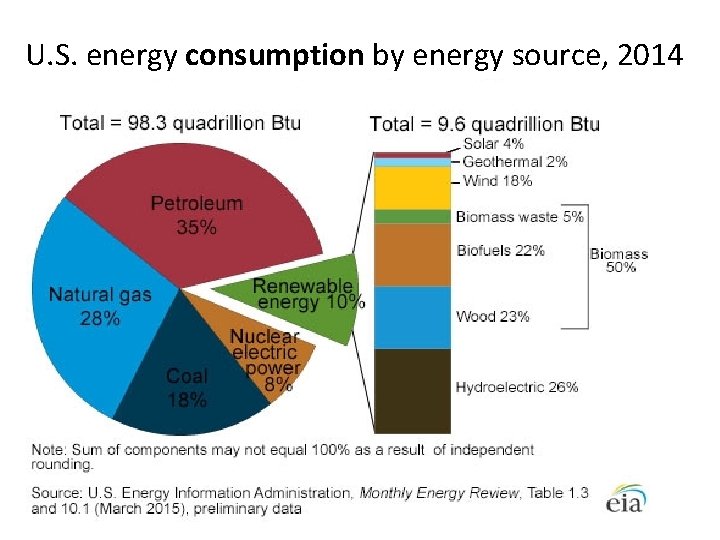
U. S. energy consumption by energy source, 2014
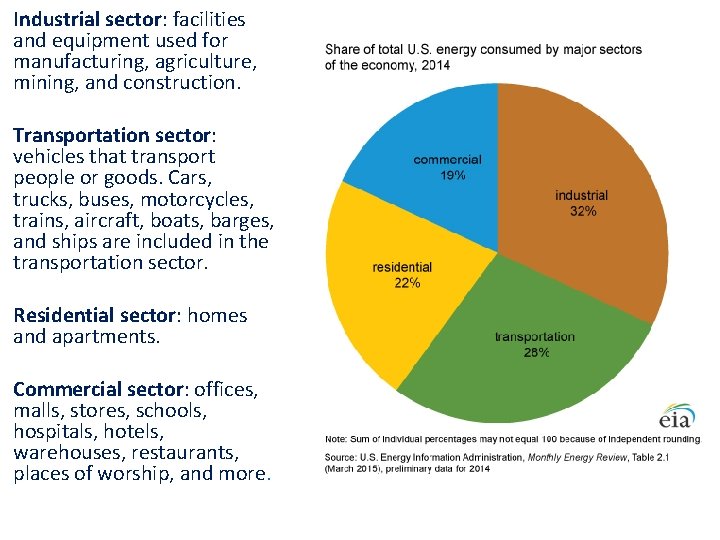
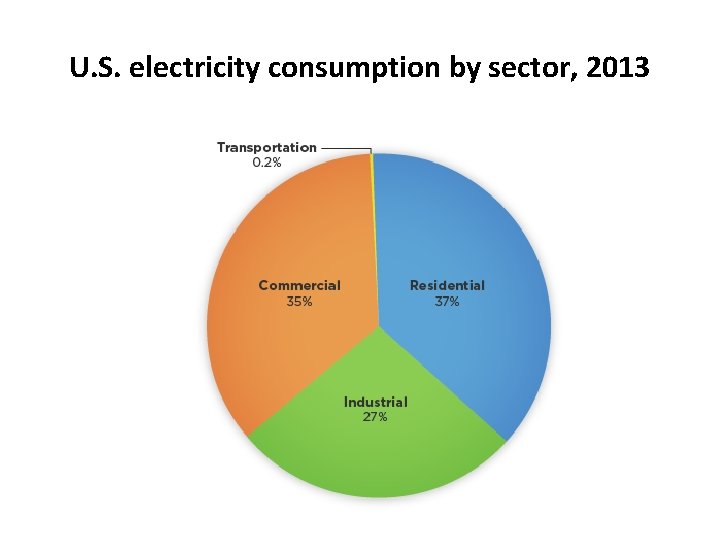
Industrial sector: facilities and equipment used for manufacturing, agriculture, mining, and construction. Transportation sector: vehicles that transport people or goods. Cars, trucks, buses, motorcycles, trains, aircraft, boats, barges, and ships are included in the transportation sector. Residential sector: homes and apartments. Commercial sector: offices, malls, stores, schools, hospitals, hotels, warehouses, restaurants, places of worship, and more.
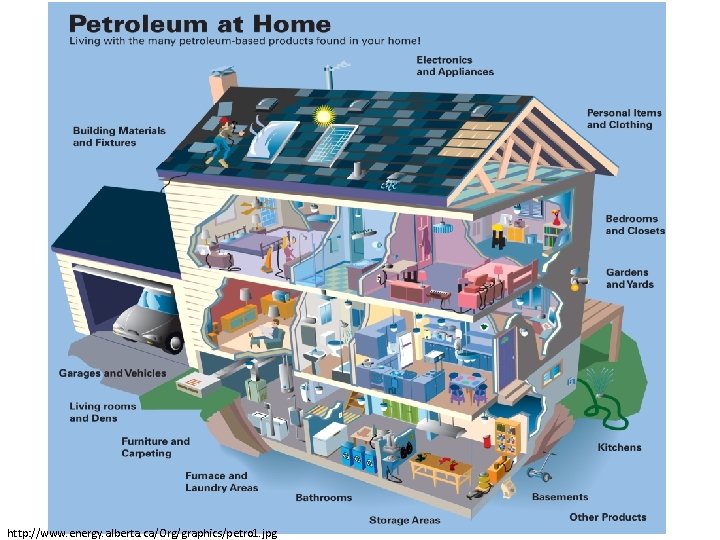
http: //www. energy. alberta. ca/Org/graphics/petro 1. jpg
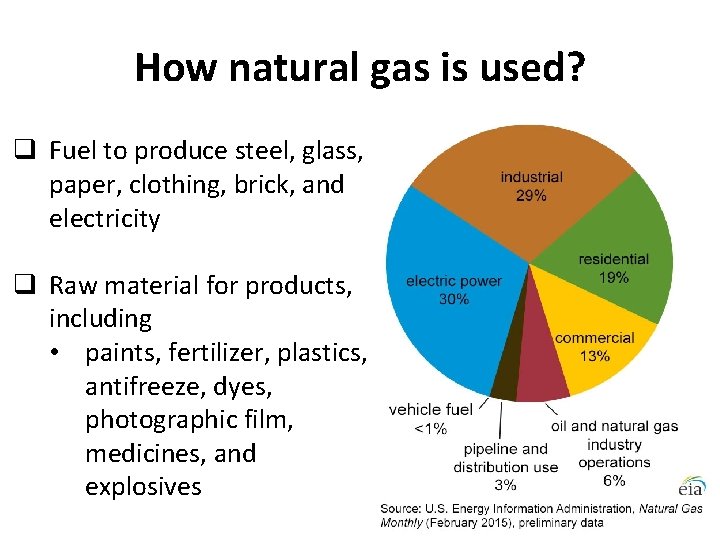
How natural gas is used? q Fuel to produce steel, glass, paper, clothing, brick, and electricity q Raw material for products, including • paints, fertilizer, plastics, antifreeze, dyes, photographic film, medicines, and explosives
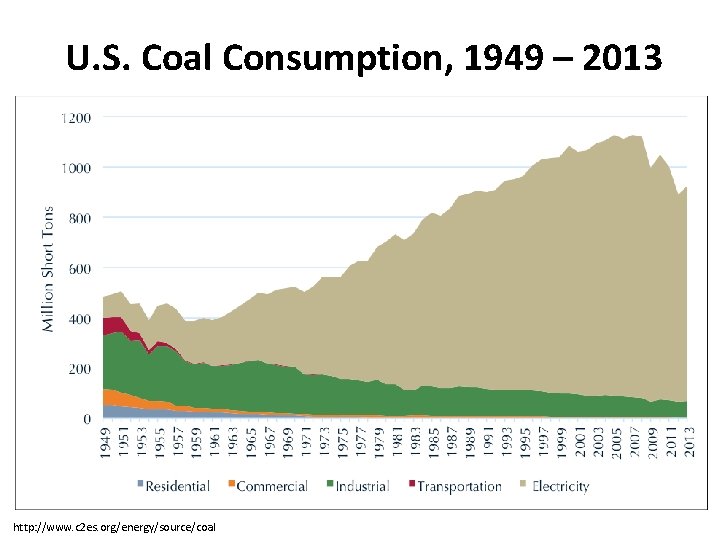
U. S. Coal Consumption, 1949 – 2013 http: //www. c 2 es. org/energy/source/coal
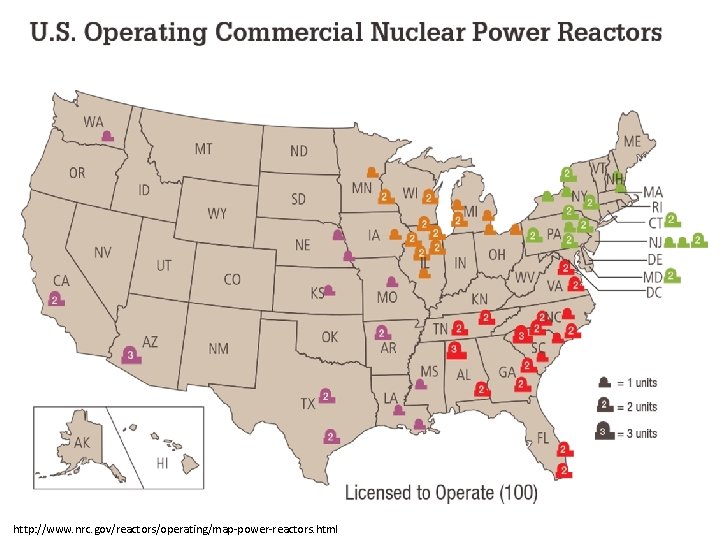
http: //www. nrc. gov/reactors/operating/map-power-reactors. html
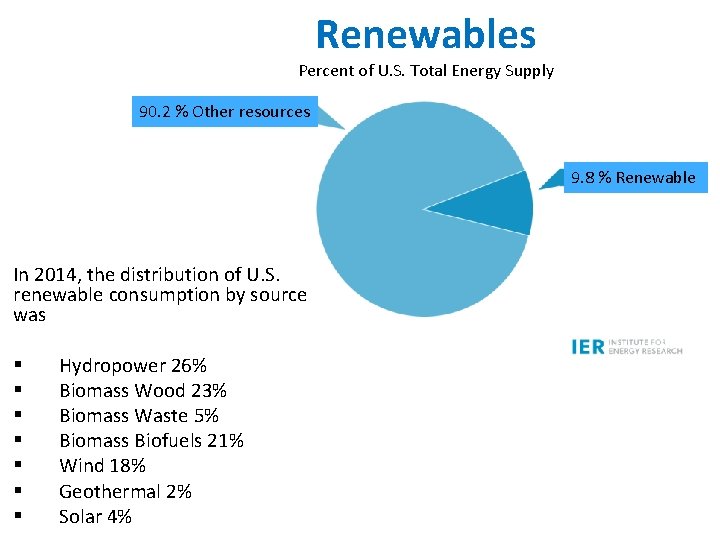
Renewables Percent of U. S. Total Energy Supply 90. 2 % Other resources 9. 8 % Renewable In 2014, the distribution of U. S. renewable consumption by source was § § § § Hydropower 26% Biomass Wood 23% Biomass Waste 5% Biomass Biofuels 21% Wind 18% Geothermal 2% Solar 4%
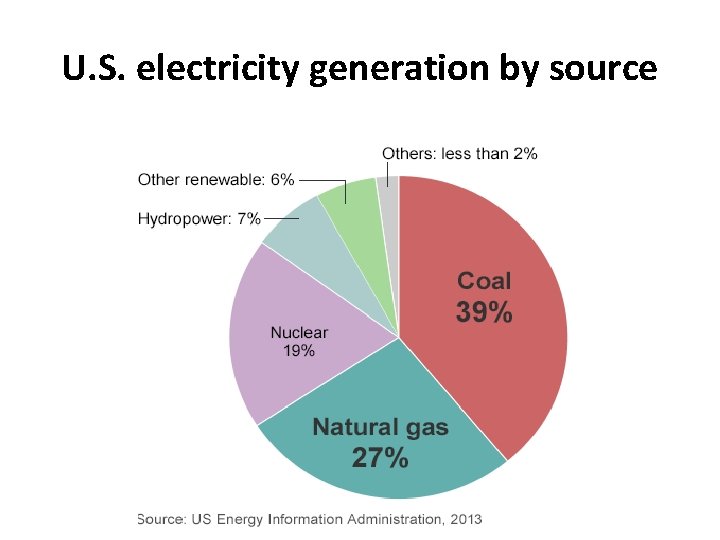
U. S. electricity generation by source
U. S. electricity consumption by sector, 2013
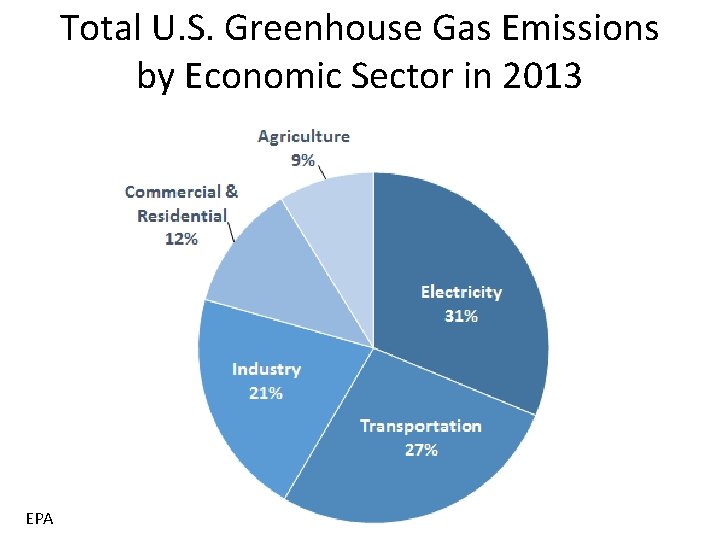
Total U. S. Greenhouse Gas Emissions by Economic Sector in 2013 EPA
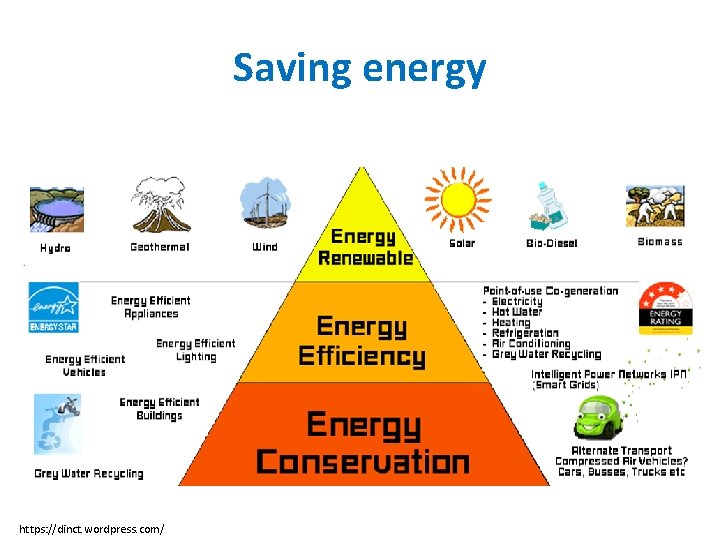
Saving energy Energy Pyramid https: //dinct. wordpress. com/