
Magnets Push Magnets Pull This Photo by Unknown
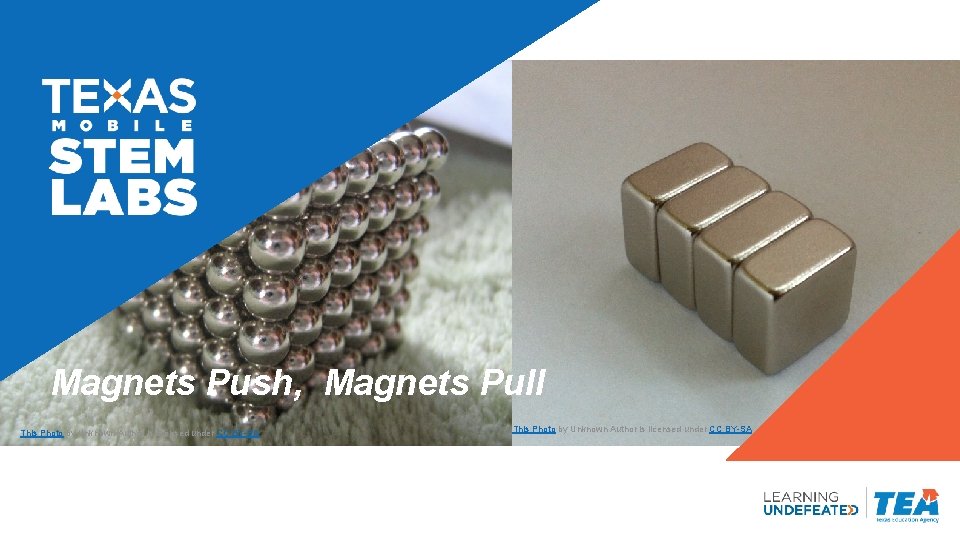
Magnets Push, Magnets Pull This Photo by Unknown Author is licensed under CC BY-SA
Objectives The students will be able to: • • • Read Magnets Push, Magnets Pull Explore interactions between magnets and various materials Predict and describe how a magnet can be used to push or pull an object Count forward and backward to the number 20 with and without objects Solve a problem using the engineering design process
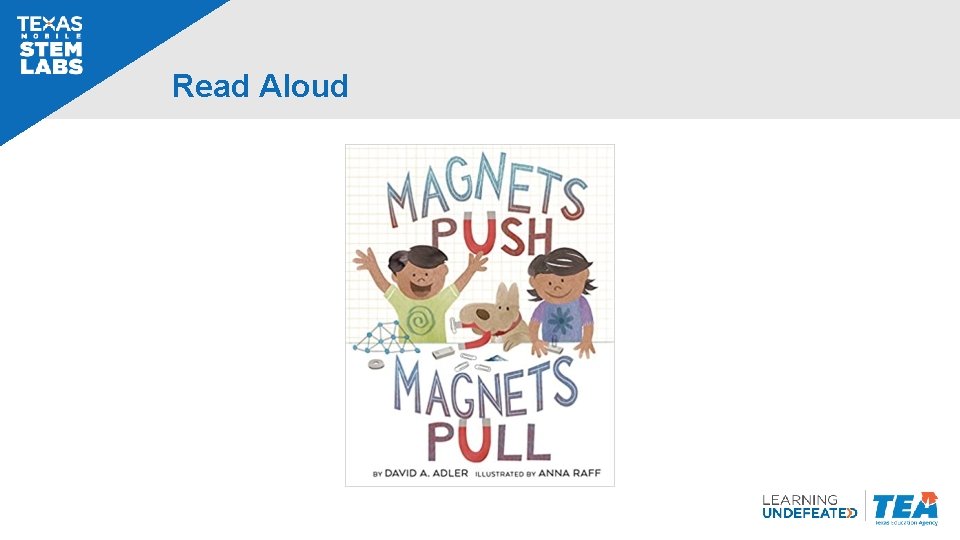
Read Aloud
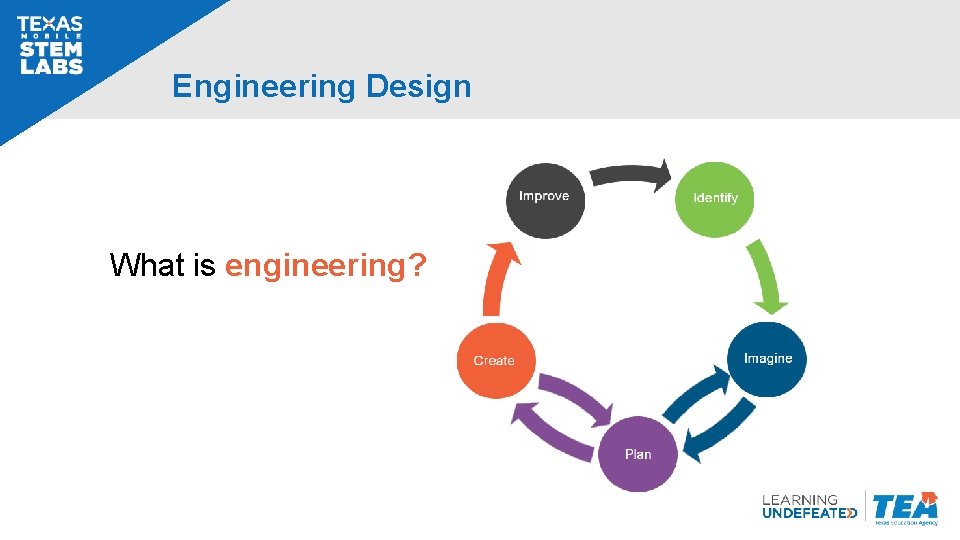
Engineering Design What is engineering?
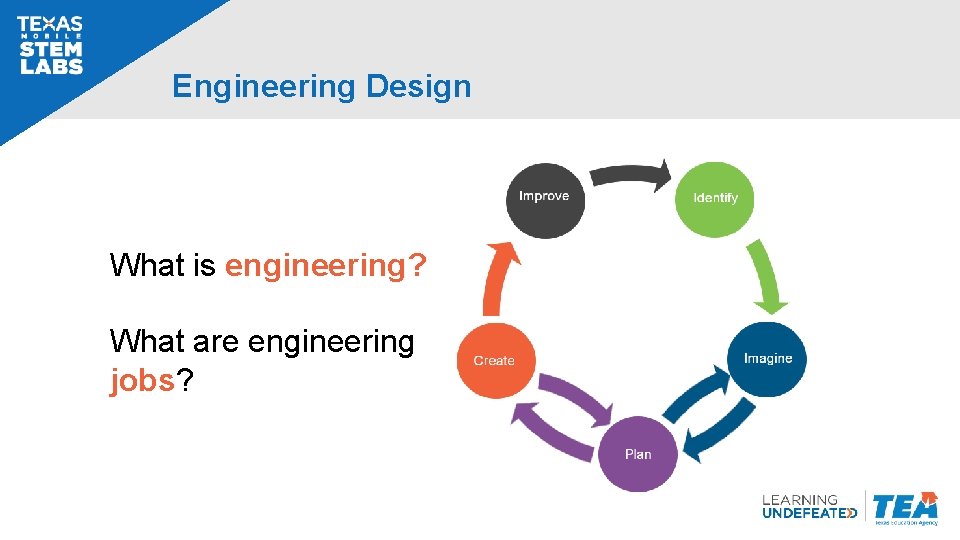
Engineering Design What is engineering? What are engineering jobs?
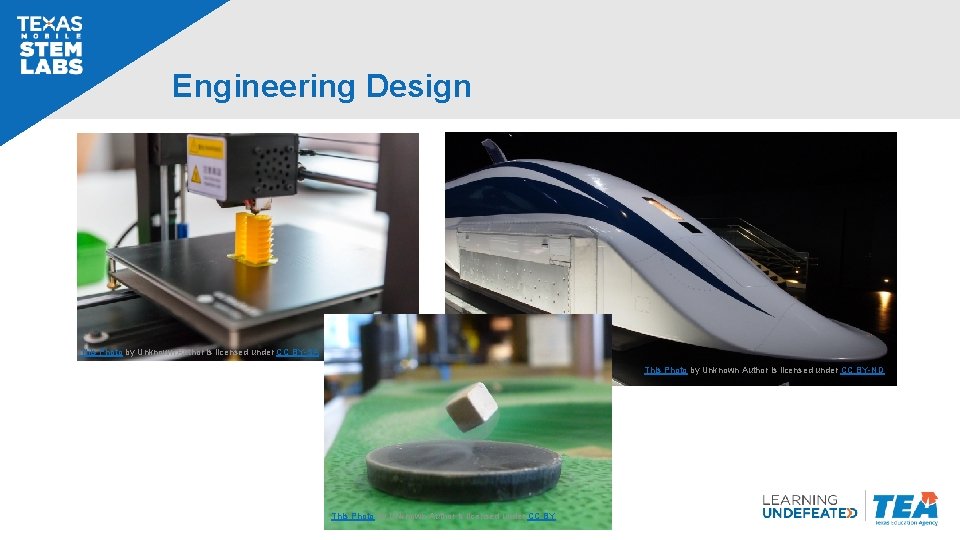
Engineering Design This Photo by Unknown Author is licensed under CC BY-SA This Photo by Unknown Author is licensed under CC BY-ND This Photo by Unknown Author is licensed under CC BY
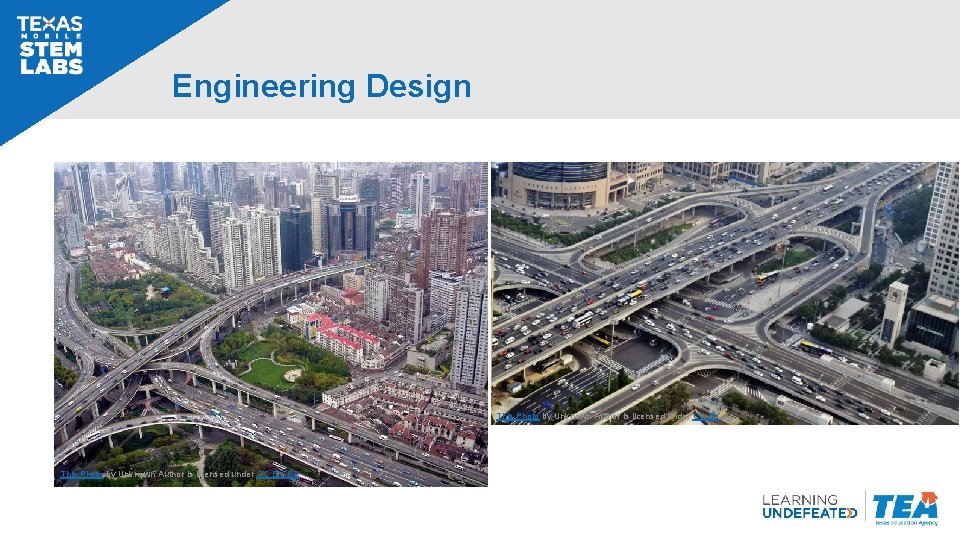
Engineering Design This Photo by Unknown Author is licensed under CC BY-SA
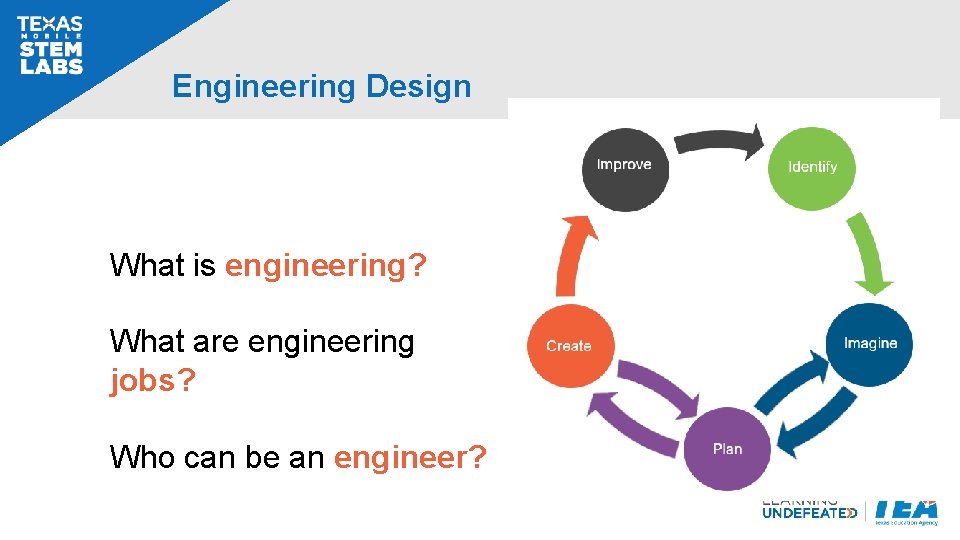
Engineering Design What is engineering? What are engineering jobs? Who can be an engineer?
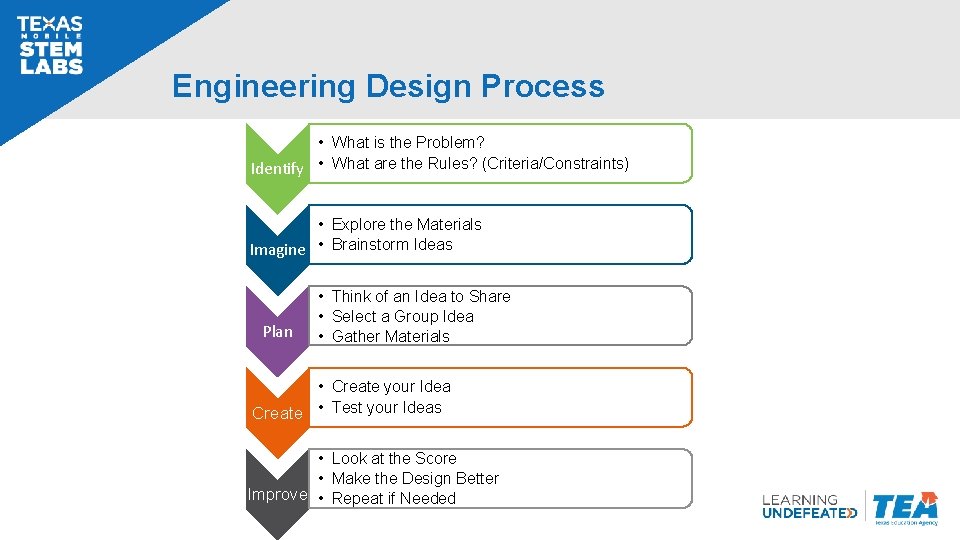
Engineering Design Process • What is the Problem? Identify • What are the Rules? (Criteria/Constraints) • Explore the Materials Imagine • Brainstorm Ideas Plan • Think of an Idea to Share • Select a Group Idea • Gather Materials • Create your Idea Create • Test your Ideas • Look at the Score • Make the Design Better Improve • Repeat if Needed
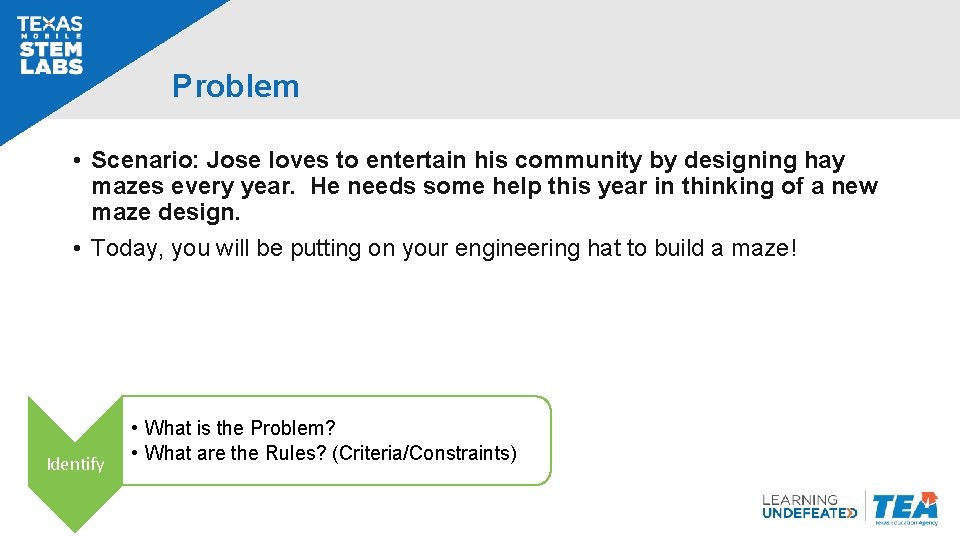
Problem • Scenario: Jose loves to entertain his community by designing hay mazes every year. He needs some help this year in thinking of a new maze design. • Today, you will be putting on your engineering hat to build a maze! Identify • What is the Problem? • What are the Rules? (Criteria/Constraints)
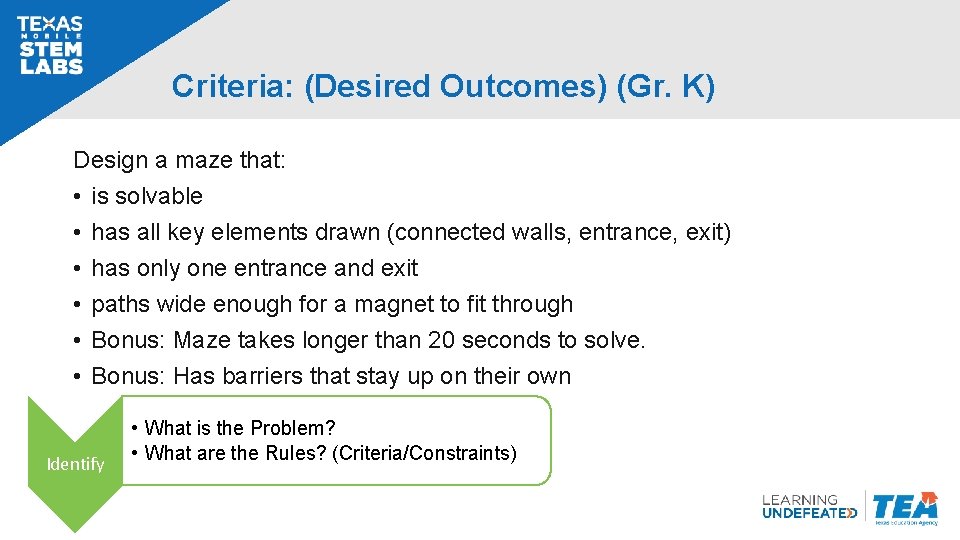
Criteria: (Desired Outcomes) (Gr. K) Design a maze that: • is solvable • has all key elements drawn (connected walls, entrance, exit) • has only one entrance and exit • paths wide enough for a magnet to fit through • Bonus: Maze takes longer than 20 seconds to solve. • Bonus: Has barriers that stay up on their own Identify • What is the Problem? • What are the Rules? (Criteria/Constraints)
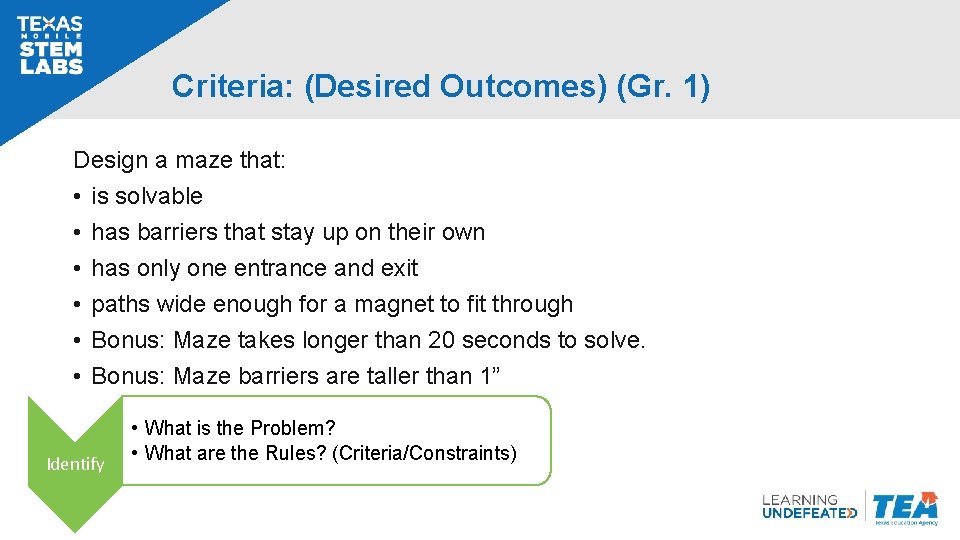
Criteria: (Desired Outcomes) (Gr. 1) Design a maze that: • is solvable • has barriers that stay up on their own • has only one entrance and exit • paths wide enough for a magnet to fit through • Bonus: Maze takes longer than 20 seconds to solve. • Bonus: Maze barriers are taller than 1” Identify • What is the Problem? • What are the Rules? (Criteria/Constraints)
Constraints: (Limitations) • • Time Limit: You will have 25 minutes to build the maze. Materials: You can only use the materials available. Cost: You will have 20 counters to complete this challenge. Collaboration: One design element from each team member must be used in the final design. • Redesign: Each team can test their prototype as many times as needed during the 25 -minute design phase. Identify • What is the Problem? • What are the Rules? (Criteria/Constraints)
Explore Materials Here are the materials we will be using. Can you classify them? What do they have in common? • • • Paper plate Chopsticks Marker Colored pencils Magnets Imagine • Explore the Materials • Brainstorm Ideas • • • Chenille stick Glue stick Scissors Construction paper Paper rolls
Brainstorm • 1 minute: Individual Design • Draw a plan of how you think Jose should design his maze and what materials would be used in the design. • 5 minutes: Each member presents their ideas to the group. • Share your ideas and focus on things you like the most about your idea that you would like to see be used as a design element for the final design. Imagine • Explore the Materials • Brainstorm Ideas
Plan Development (Gr. K) • Score card and criteria • Design a maze that: • is solvable • has all key elements drawn (connected walls, entrance, exit) • has only one entrance and exit • has paths wide enough for a magnet to fit through • Bonus: Maze takes longer than 20 seconds to solve • Bonus: Has barriers that stay up on their own • Select what materials will be used for the design Plan • Think of an Idea to Share • Select a Group Idea • Gather Materials
Plan Development (Gr. 1) • Score card and criteria • Design a maze that: • is solvable • has barriers that stay up on their own • has only one entrance and exit • has paths wide enough for a magnet to fit through • Bonus: Maze takes longer than 20 seconds to solve • Bonus: Maze barriers are taller than 1” • Select what materials will be used for the design Plan • Think of an Idea to Share • Select a Group Idea • Gather Materials
Team Member Responsibilities • Assign responsibilities of each team member during the process • Materials collector • Budget manager • Match the maze to the prototype Plan • Think of an Idea to Share • Select a Group Idea • Gather Materials
Design Your Maze! HAVE FUN BE CREATIVE WORK TOGETHER Create • Create your Idea • Test your Idea
Criteria: (Desired Outcomes) (Gr. K) Design a maze that: • is solvable • has all key elements drawn (connected walls, entrance, exit) • paths wide enough for a magnet to fit through • Bonus: Maze takes longer than 20 seconds to solve. • Bonus: Has barriers that stay up on their own Identify • What is the Problem? • What are the Rules? (Criteria/Constraints)
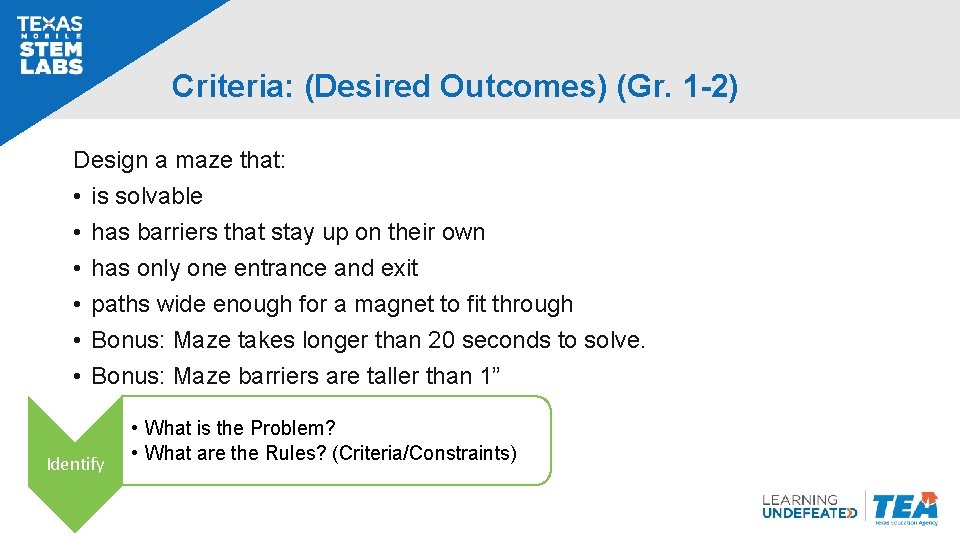
Criteria: (Desired Outcomes) (Gr. 1 -2) Design a maze that: • is solvable • has barriers that stay up on their own • has only one entrance and exit • paths wide enough for a magnet to fit through • Bonus: Maze takes longer than 20 seconds to solve. • Bonus: Maze barriers are taller than 1” Identify • What is the Problem? • What are the Rules? (Criteria/Constraints)
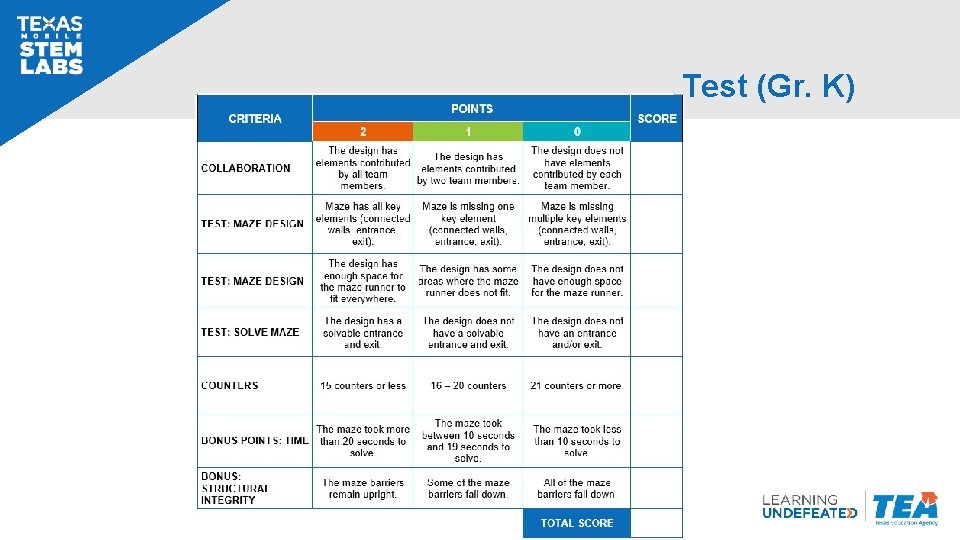
Test (Gr. K)
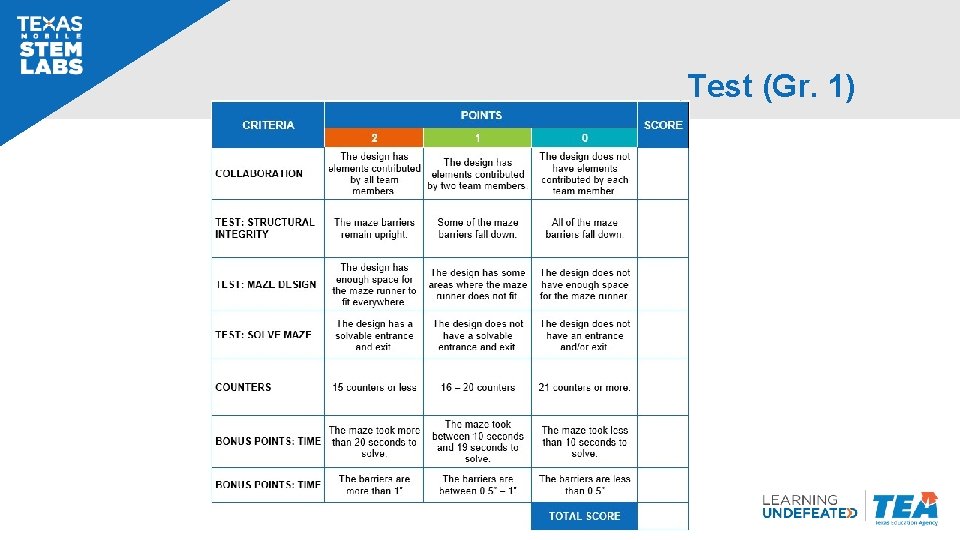
Test (Gr. 1)
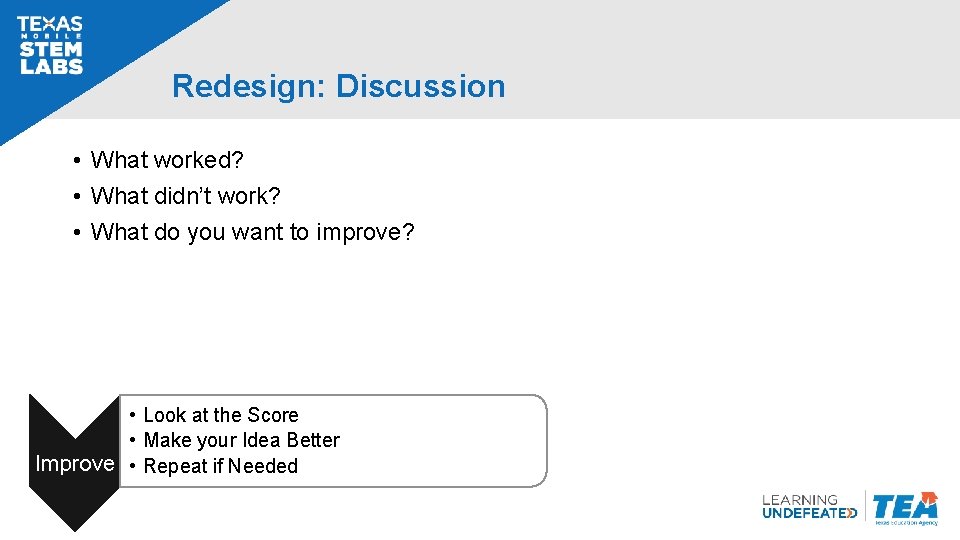
Redesign: Discussion • What worked? • What didn’t work? • What do you want to improve? • Look at the Score • Make your Idea Better Improve • Repeat if Needed
- Slides: 24