
Magnetic Resonance Imaging I Basic Concepts Lorenz Mitschang
Magnetic Resonance Imaging I. Basic Concepts Lorenz Mitschang Physikalisch-Technische Bundesanstalt, www. ptb. de 23 rd February 2009
Literature H. Morneburg (Ed. ) Siemens AG “Bildgebende Systeme für die medizinische Diagnostik” P. T. Callaghan “Principles of Nuclear Magnetic Resonance Microscopy” Oxford University Press R. A. de Graaf “In vivo NMR Spectroscopy” J. Wiley & Sons Radiology books Material partly courtesy of R. Brühl, F. Schubert, F. Seifert
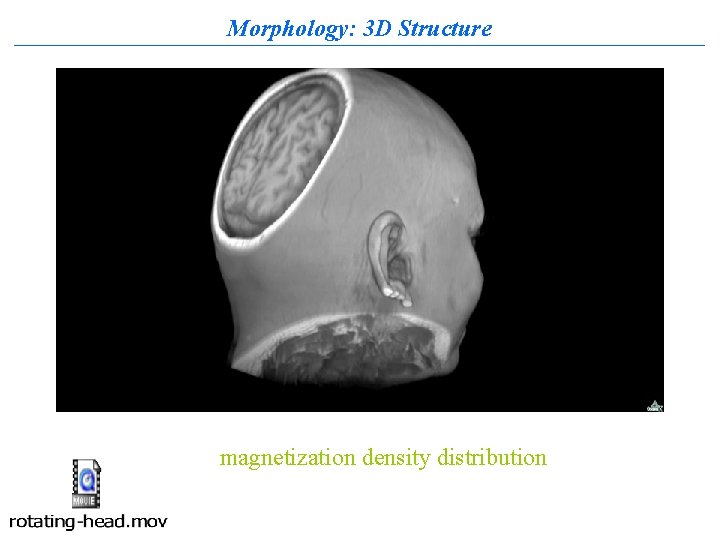
Morphology: 3 D Structure magnetization density distribution
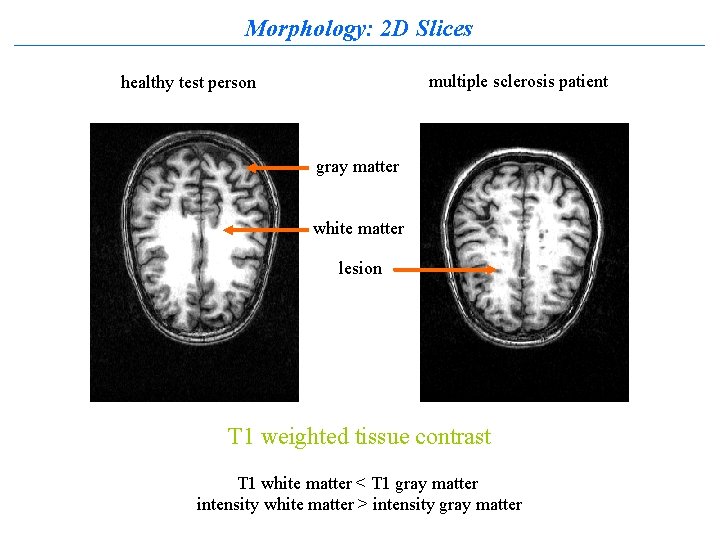
Morphology: 2 D Slices multiple sclerosis patient healthy test person gray matter white matter lesion T 1 weighted tissue contrast T 1 white matter < T 1 gray matter intensity white matter > intensity gray matter
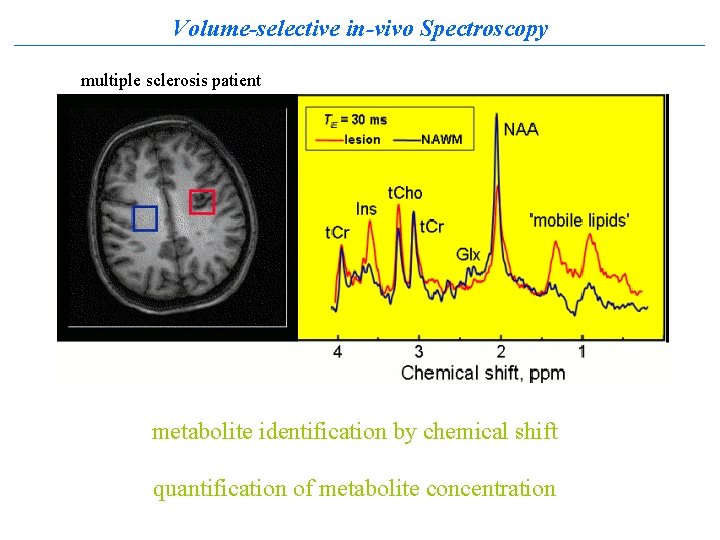
Volume-selective in-vivo Spectroscopy multiple sclerosis patient metabolite identification by chemical shift quantification of metabolite concentration
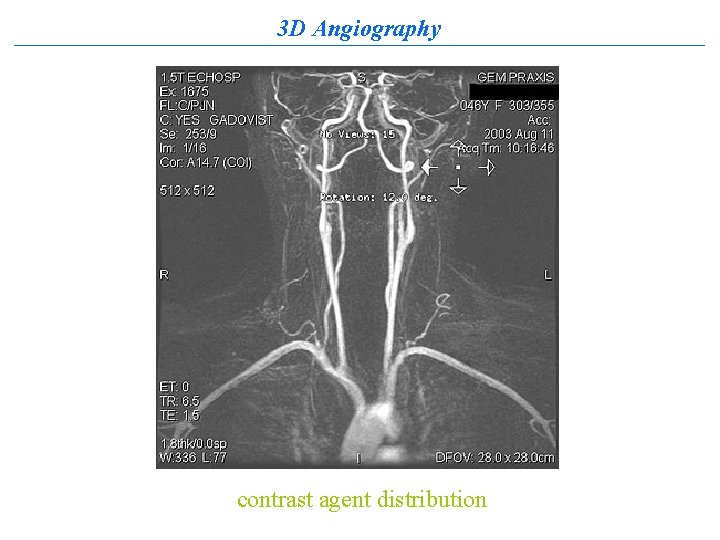
3 D Angiography contrast agent distribution
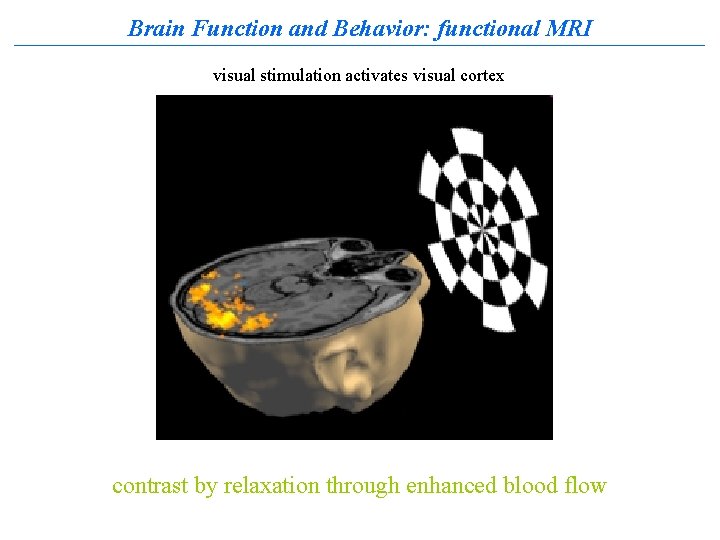
Brain Function and Behavior: functional MRI visual stimulation activates visual cortex contrast by relaxation through enhanced blood flow
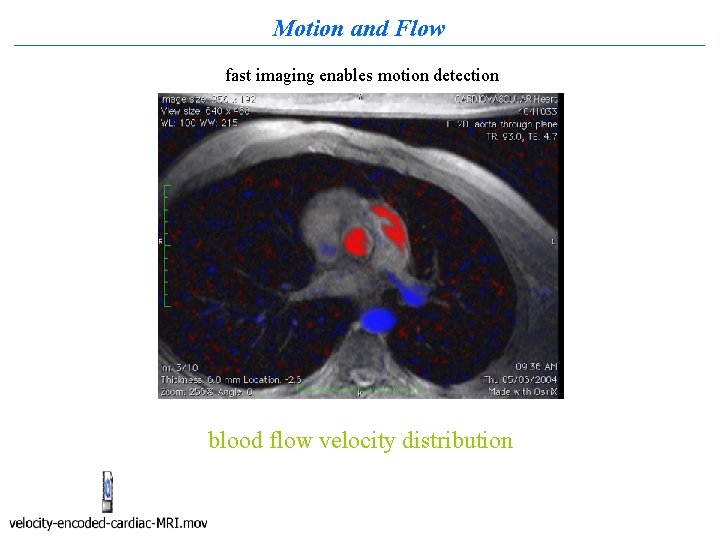
Motion and Flow fast imaging enables motion detection blood flow velocity distribution
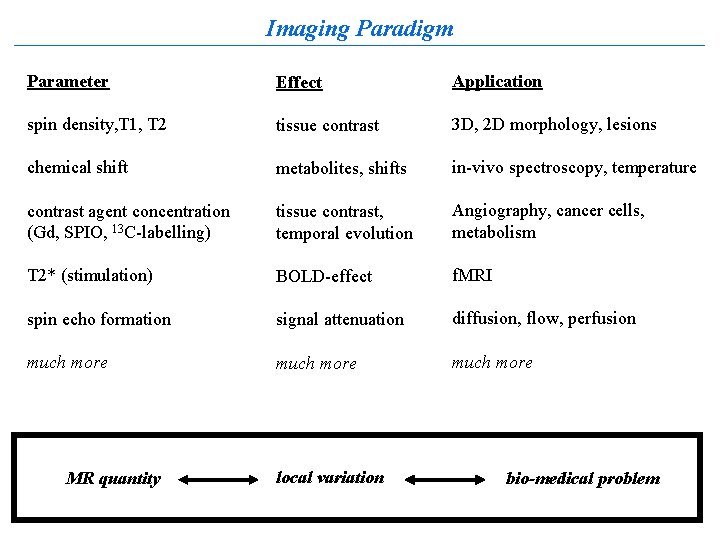
Imaging Paradigm Parameter Effect Application spin density, T 1, T 2 tissue contrast 3 D, 2 D morphology, lesions chemical shift metabolites, shifts in-vivo spectroscopy, temperature contrast agent concentration (Gd, SPIO, 13 C-labelling) tissue contrast, temporal evolution Angiography, cancer cells, metabolism T 2* (stimulation) BOLD-effect f. MRI spin echo formation signal attenuation diffusion, flow, perfusion much more MR quantity local variation bio-medical problem
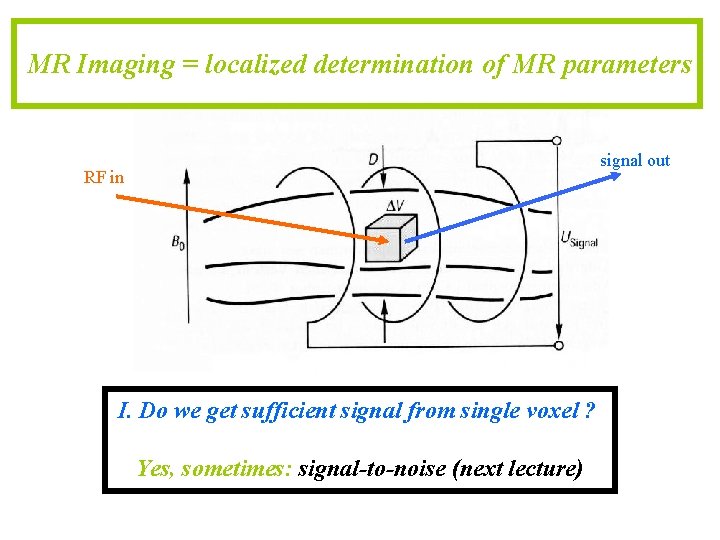
MR Imaging = localized determination of MR parameters signal out RF in I. Do we get sufficient signal from single voxel ? Yes, sometimes: signal-to-noise (next lecture)
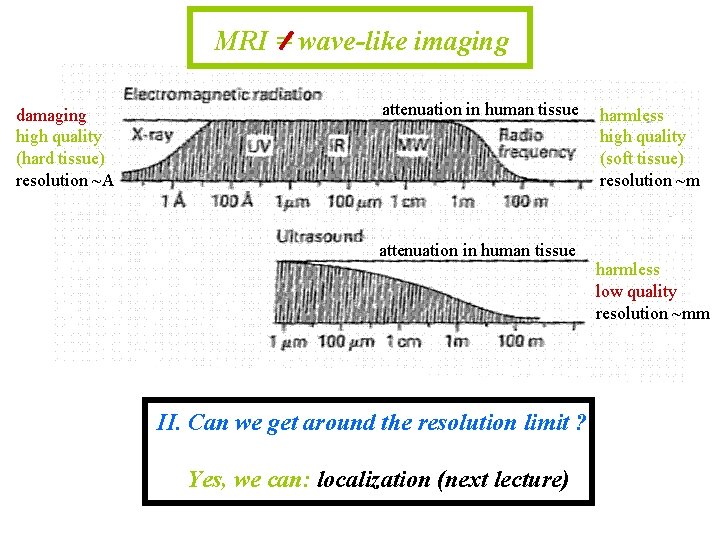
MRI = wave-like imaging damaging high quality (hard tissue) resolution ~A attenuation in human tissue II. Can we get around the resolution limit ? Yes, we can: localization (next lecture) harmless high quality (soft tissue) resolution ~m harmless low quality resolution ~mm
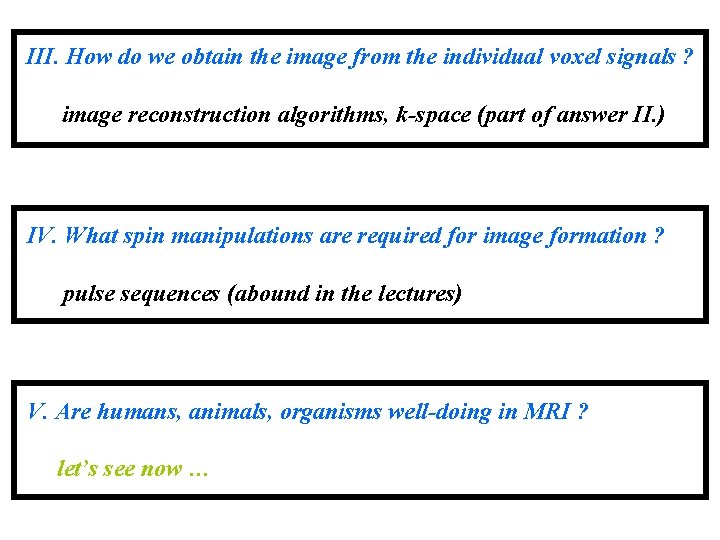
III. How do we obtain the image from the individual voxel signals ? image reconstruction algorithms, k-space (part of answer II. ) IV. What spin manipulations are required for image formation ? pulse sequences (abound in the lectures) V. Are humans, animals, organisms well-doing in MRI ? let’s see now …
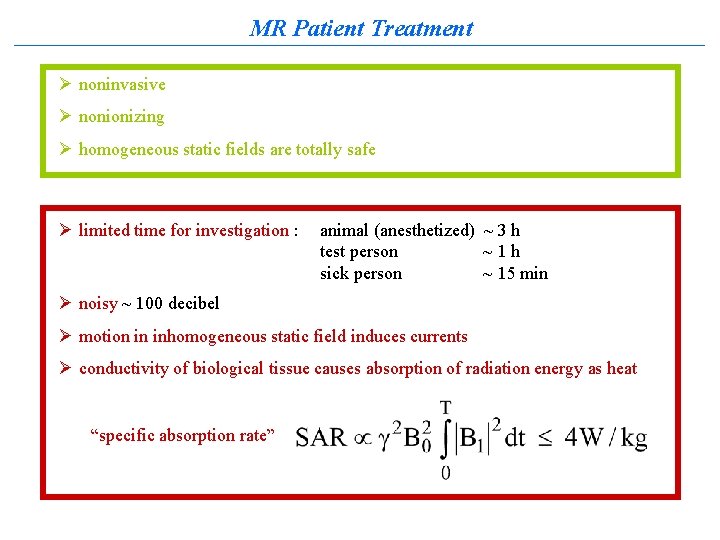
MR Patient Treatment Ø noninvasive Ø nonionizing Ø homogeneous static fields are totally safe Ø limited time for investigation : animal (anesthetized) ~ 3 h test person ~1 h sick person ~ 15 min Ø noisy ~ 100 decibel Ø motion in inhomogeneous static field induces currents Ø conductivity of biological tissue causes absorption of radiation energy as heat “specific absorption rate”
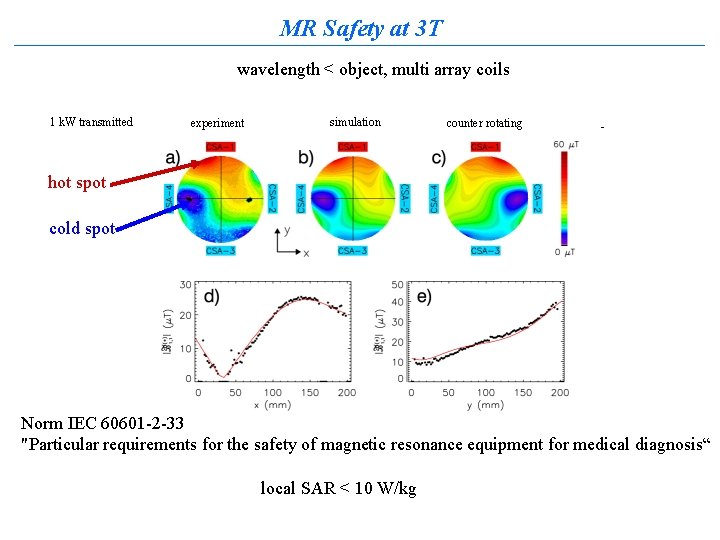
MR Safety at 3 T wavelength < object, multi array coils 1 k. W transmitted experiment simulation counter rotating hot spot cold spot Norm IEC 60601 -2 -33 "Particular requirements for the safety of magnetic resonance equipment for medical diagnosis“ local SAR < 10 W/kg
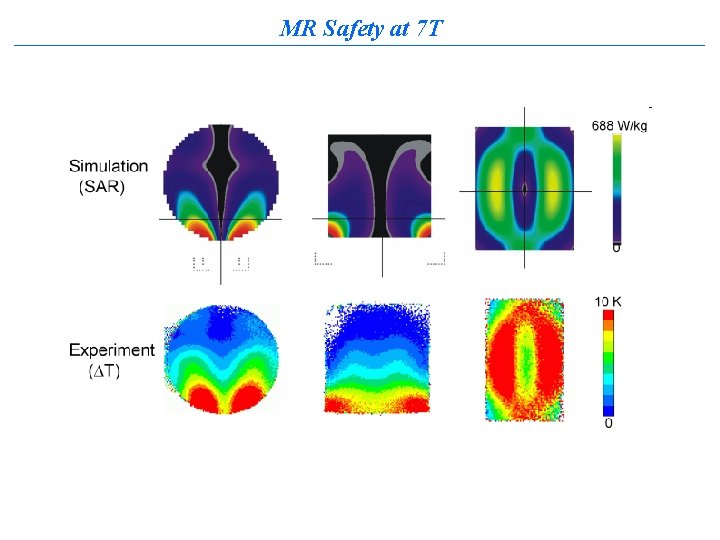
MR Safety at 7 T
Next Lectures Ø basic signal-to-noise and resolution in MRI Ø basic localization methods (including reconstruction) Ø basic pulse sequences (2 D, 3 D morphology; in-vivo spectroscopy) Ø specific applications Ø visit of MRI scanner ? ? ?
- Slides: 16