
Magnetic helicity at the solar surface Thisand is
- Slides: 32
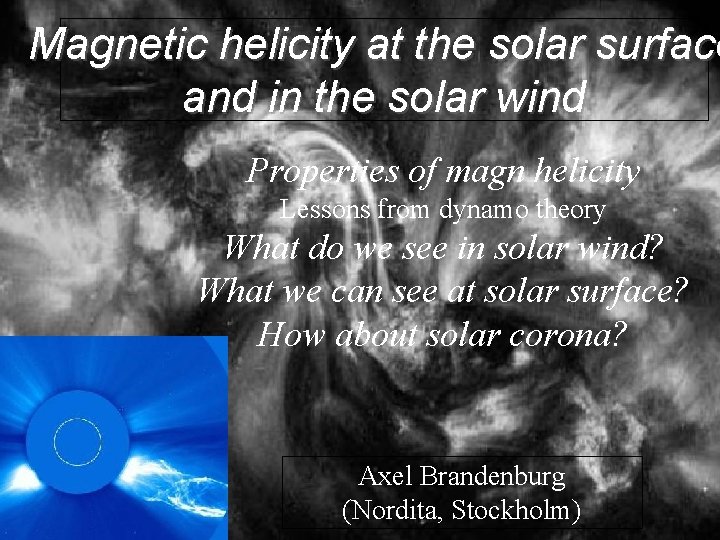
Magnetic helicity at the solar surface Thisand is how it looks like… in the solar wind Properties of magn helicity Lessons from dynamo theory What do we see in solar wind? What we can see at solar surface? How about solar corona? Axel Brandenburg (Nordita, Stockholm) 1
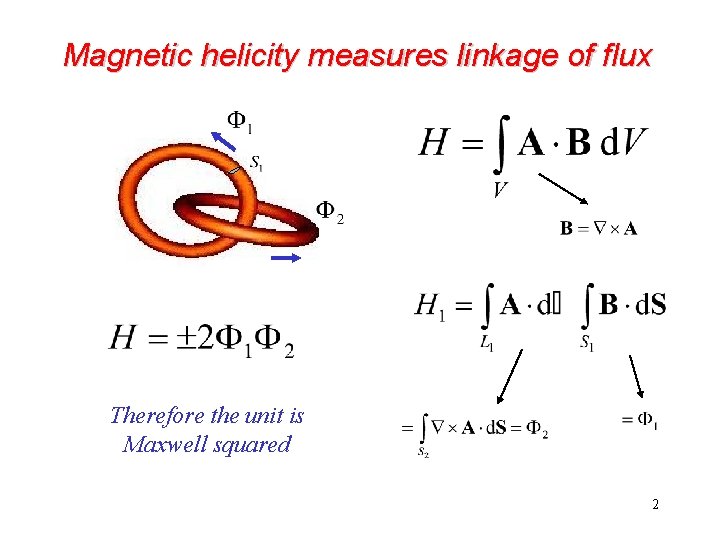
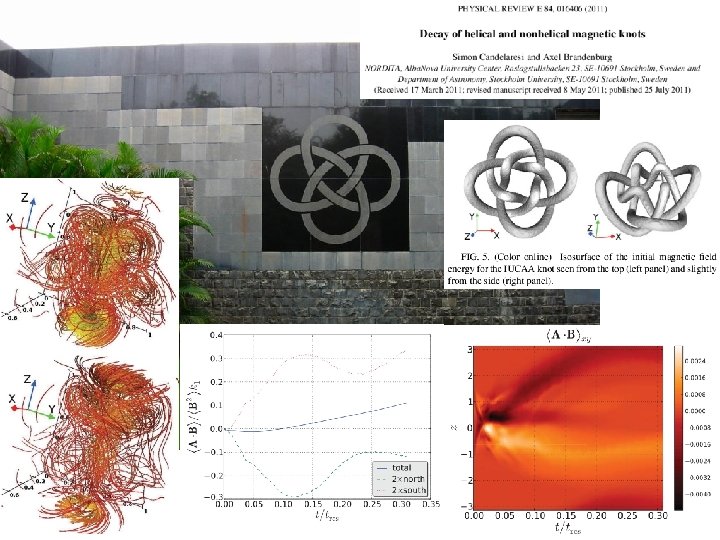
Magnetic helicity measures linkage of flux Therefore the unit is Maxwell squared 2
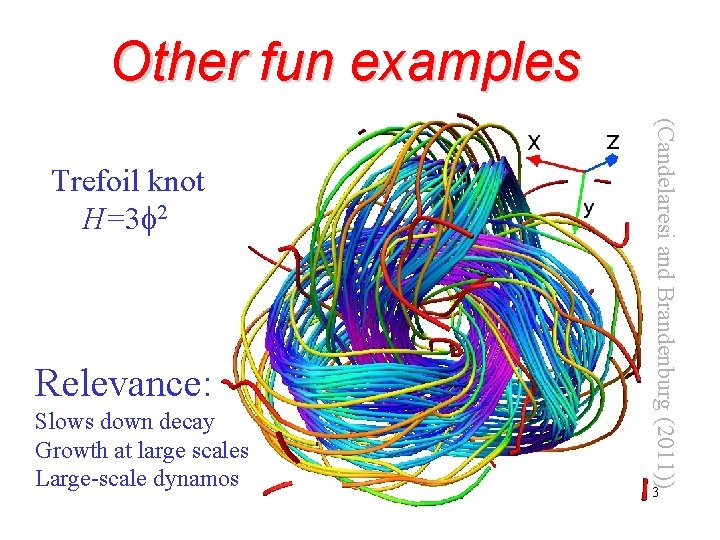
Other fun examples Relevance: Slows down decay Growth at large scales Large-scale dynamos (Candelaresi and Brandenburg (2011)) Trefoil knot H=3 f 2 3
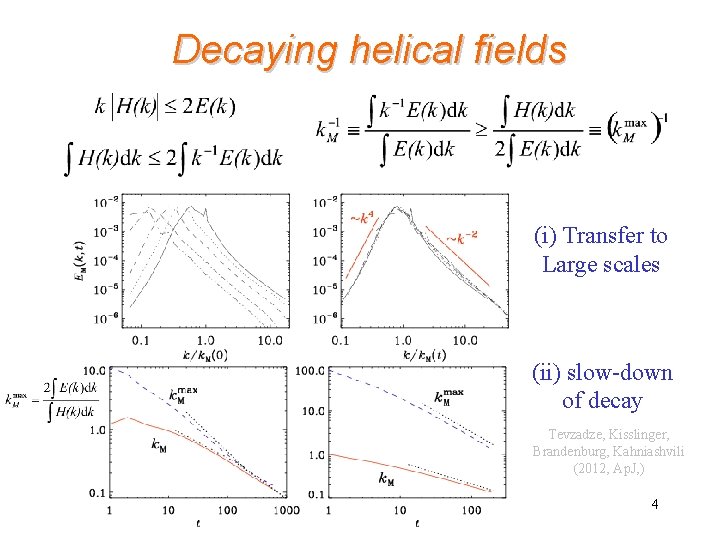
Decaying helical fields (i) Transfer to Large scales (ii) slow-down of decay Tevzadze, Kisslinger, Brandenburg, Kahniashvili (2012, Ap. J, ) 4
5
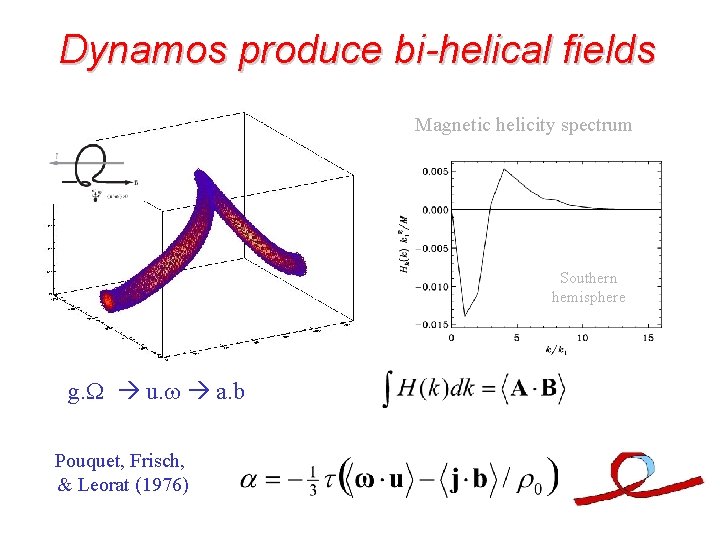
Dynamos produce bi-helical fields Magnetic helicity spectrum Southern hemisphere g. W u. w a. b Pouquet, Frisch, & Leorat (1976)
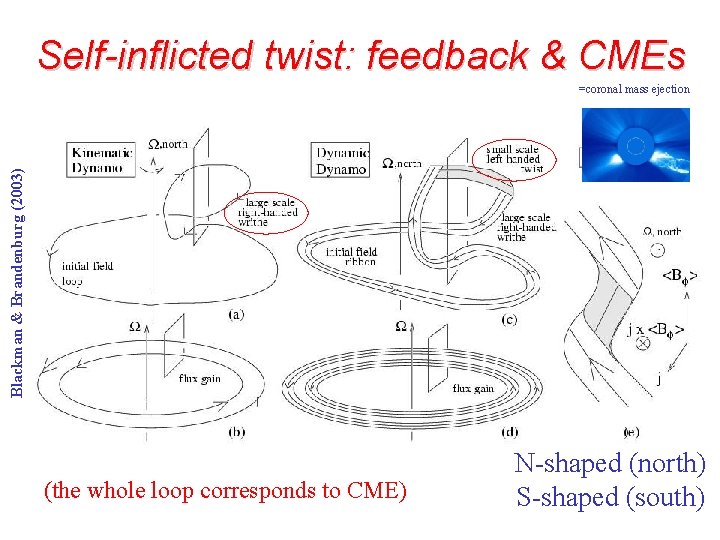
Self-inflicted twist: feedback & CMEs Blackman & Brandenburg (2003) =coronal mass ejection (the whole loop corresponds to CME) N-shaped (north) S-shaped (south)
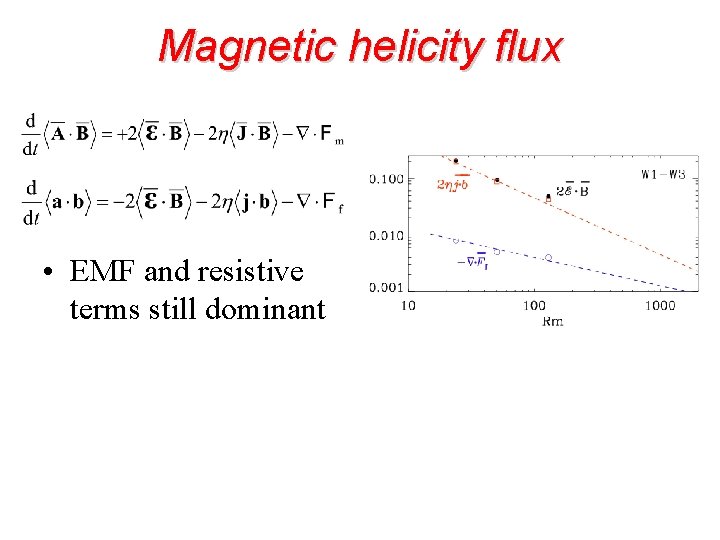
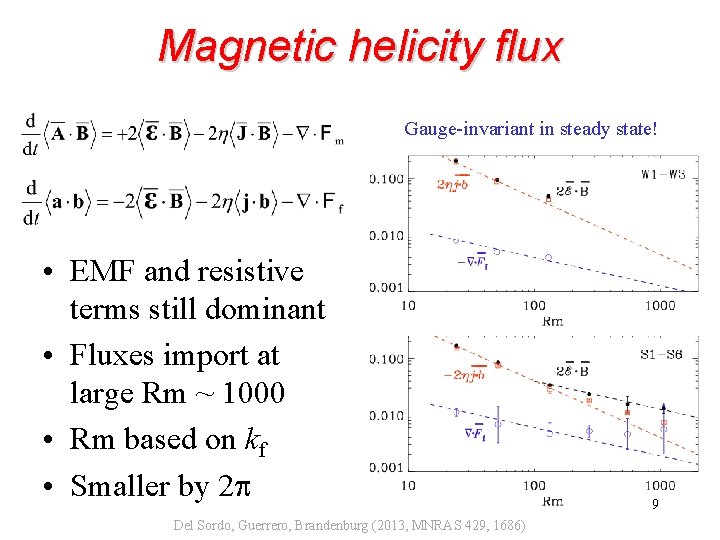
Magnetic helicity flux • EMF and resistive terms still dominant • Fluxes import at large Rm ~ 1000 • Rm based on kf • Smaller by 2 p 8
Magnetic helicity flux Gauge-invariant in steady state! • EMF and resistive terms still dominant • Fluxes import at large Rm ~ 1000 • Rm based on kf • Smaller by 2 p Del Sordo, Guerrero, Brandenburg (2013, MNRAS 429, 1686) 9
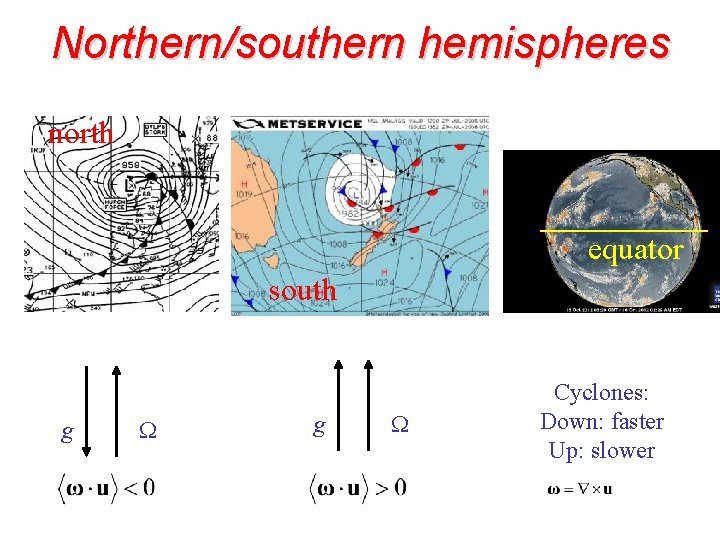
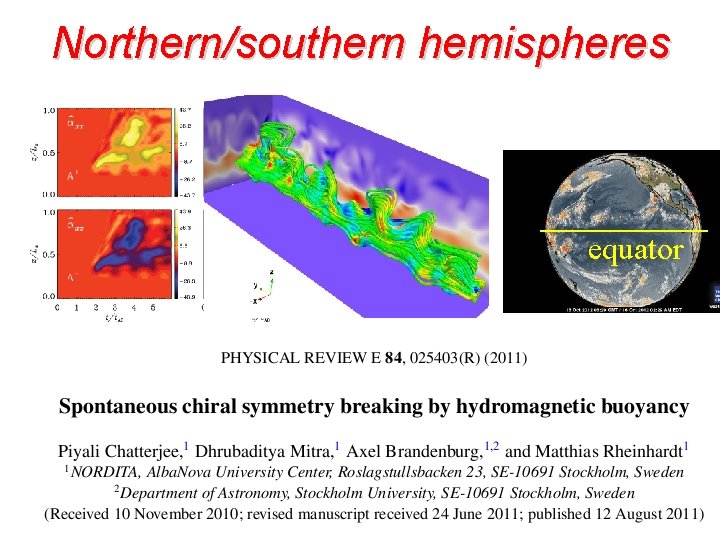
Northern/southern hemispheres north equator south g W Cyclones: Down: faster Up: slower
Northern/southern hemispheres north equator south g W Cyclones: Down: faster Up: slower
Lessons from dynamo theory • Helicity – Not just a measure of complexity – Critically important in dynamos • To confirm observationally – Opposite signs at different scales – Opposite signs in different hemispheres 12
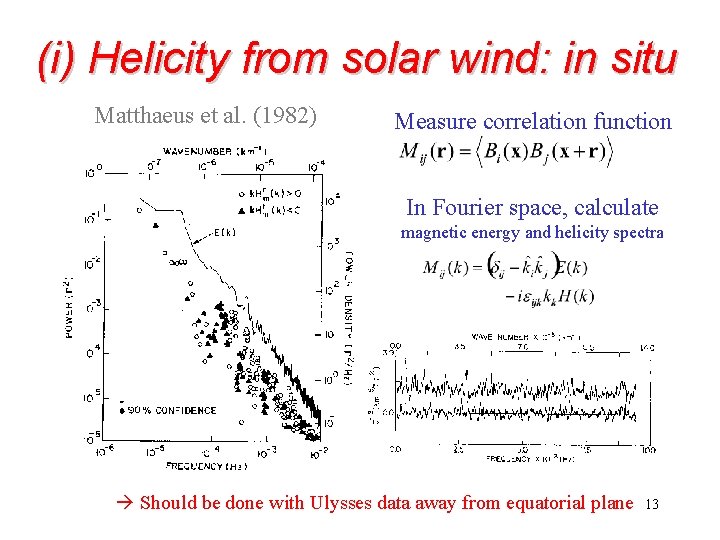
(i) Helicity from solar wind: in situ Matthaeus et al. (1982) Measure correlation function In Fourier space, calculate magnetic energy and helicity spectra Should be done with Ulysses data away from equatorial plane 13
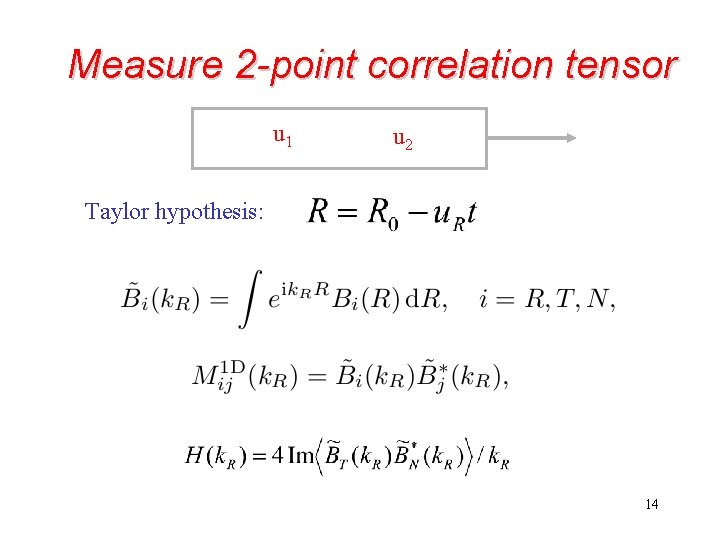
Measure 2 -point correlation tensor u 1 u 2 Taylor hypothesis: 14
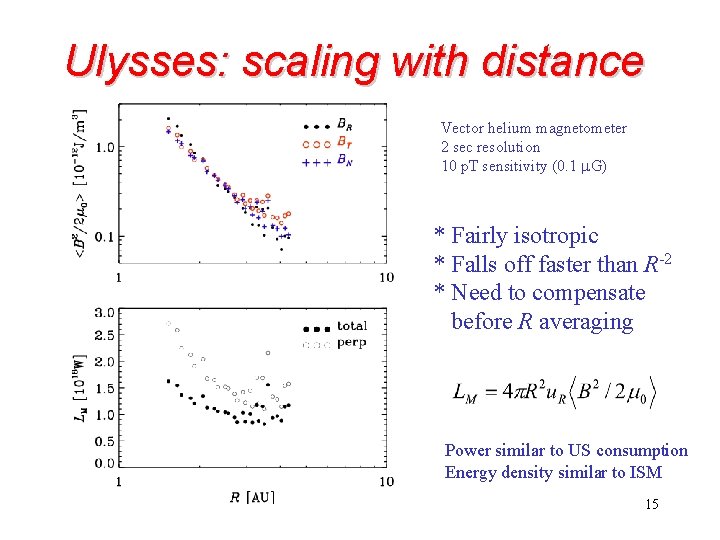
Ulysses: scaling with distance Vector helium magnetometer 2 sec resolution 10 p. T sensitivity (0. 1 m. G) * Fairly isotropic * Falls off faster than R-2 * Need to compensate before R averaging Power similar to US consumption Energy density similar to ISM 15
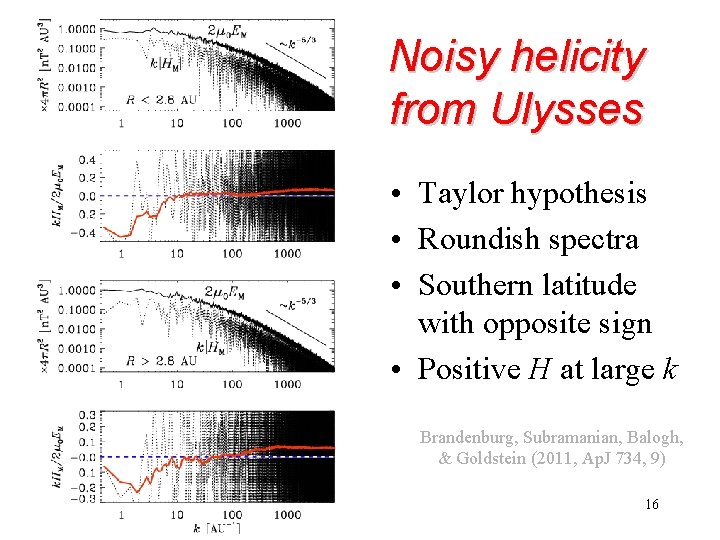
Noisy helicity from Ulysses • Taylor hypothesis • Roundish spectra • Southern latitude with opposite sign • Positive H at large k Brandenburg, Subramanian, Balogh, & Goldstein (2011, Ap. J 734, 9) 16
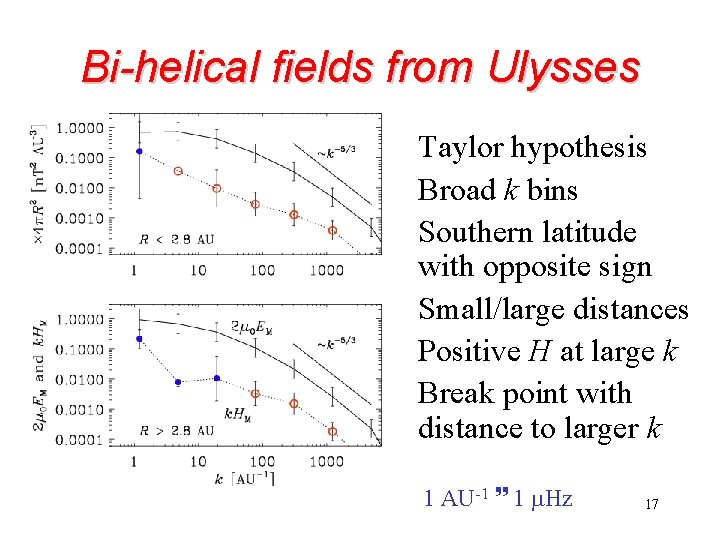
Bi-helical fields from Ulysses • Taylor hypothesis • Broad k bins • Southern latitude with opposite sign • Small/large distances • Positive H at large k • Break point with distance to larger k 1 AU-1 ~ 1 m. Hz 17
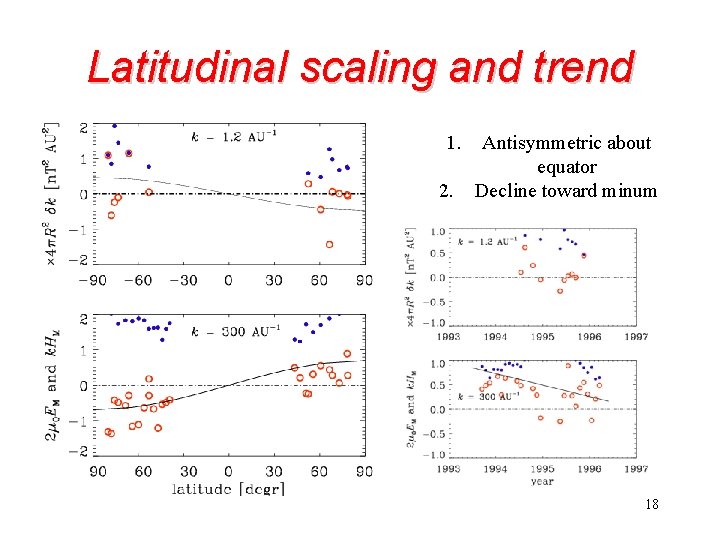
Latitudinal scaling and trend 1. 2. Antisymmetric about equator Decline toward minum 18
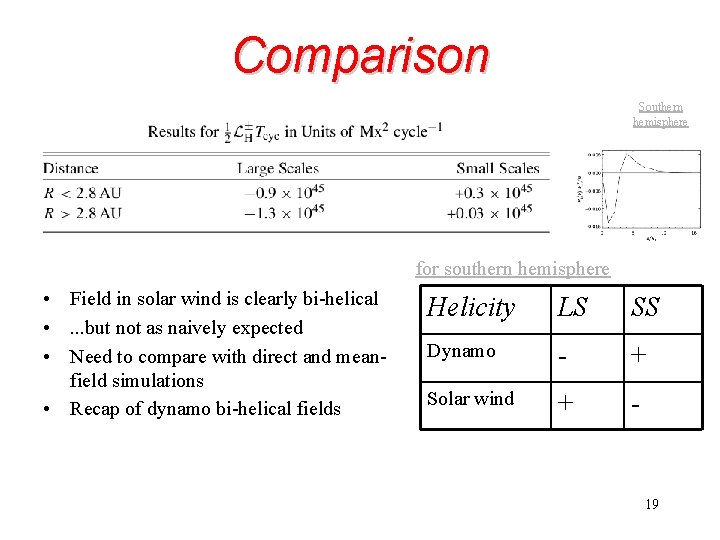
Comparison Southern hemisphere for southern hemisphere • Field in solar wind is clearly bi-helical • . . . but not as naively expected • Need to compare with direct and meanfield simulations • Recap of dynamo bi-helical fields Helicity LS SS Dynamo - + Solar wind + - 19
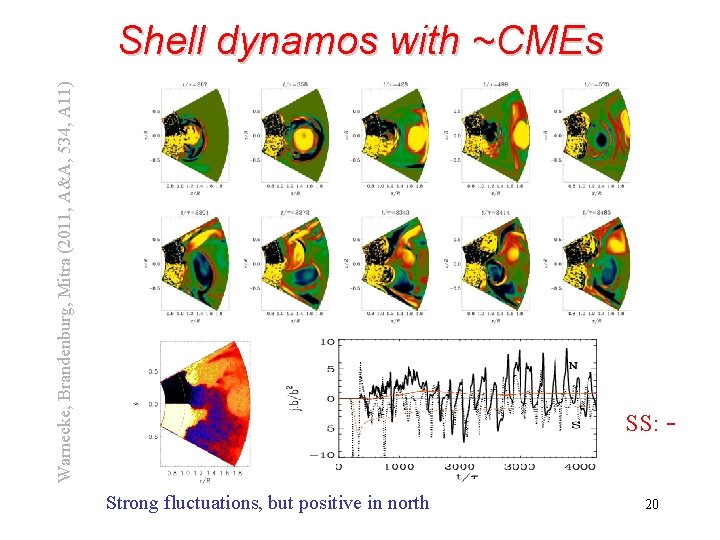
Warnecke, Brandenburg, Mitra (2011, A&A, 534, A 11) Shell dynamos with ~CMEs SS: Strong fluctuations, but positive in north 20
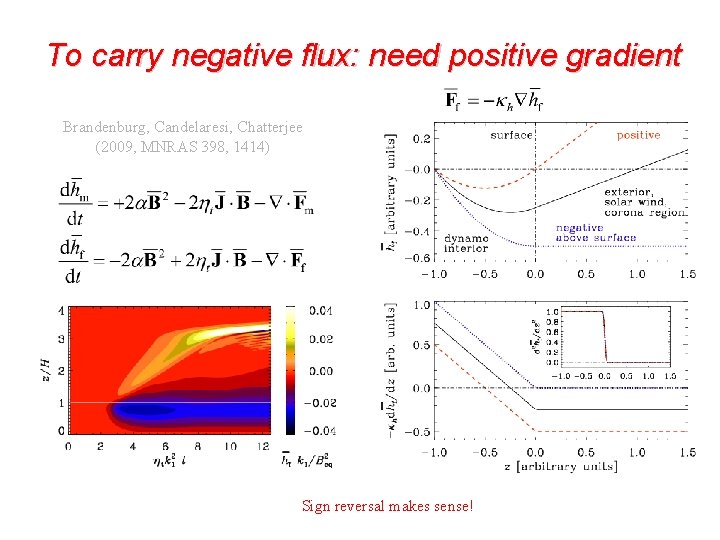
To carry negative flux: need positive gradient Brandenburg, Candelaresi, Chatterjee (2009, MNRAS 398, 1414) Sign reversal makes sense!
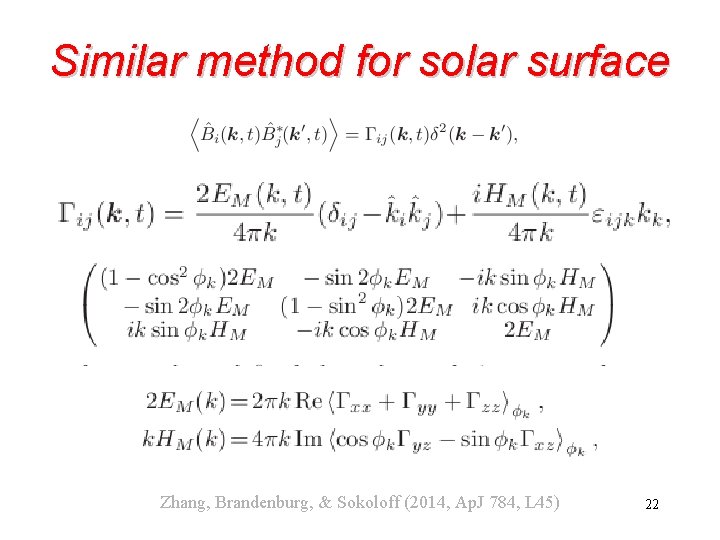
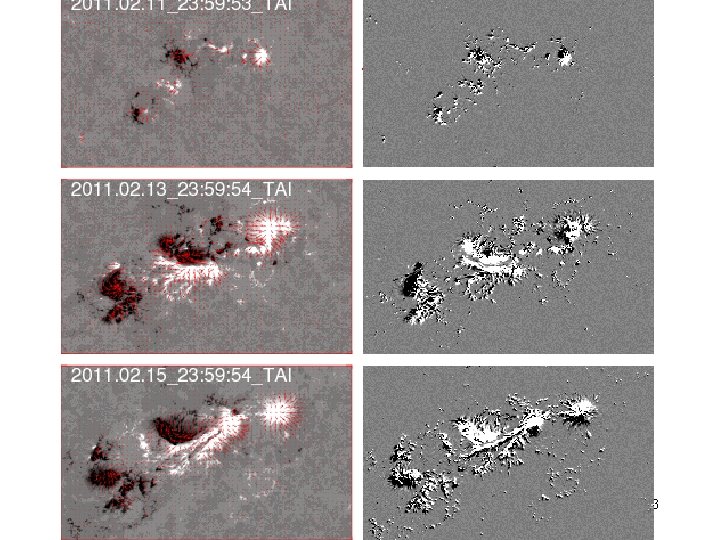
Similar method for solar surface Zhang, Brandenburg, & Sokoloff (2014, Ap. J 784, L 45) 22
E 23
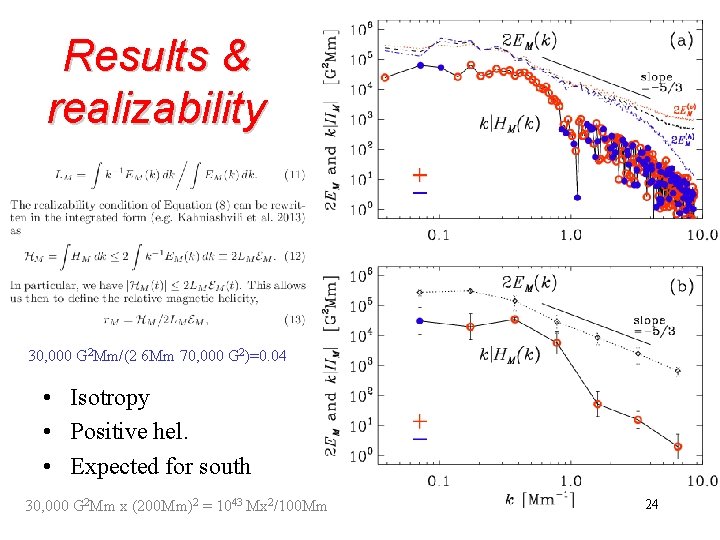
Results & realizability 30, 000 G 2 Mm/(2 6 Mm 70, 000 G 2)=0. 04 • Isotropy • Positive hel. • Expected for south 30, 000 G 2 Mm x (200 Mm)2 = 1043 Mx 2/100 Mm 24
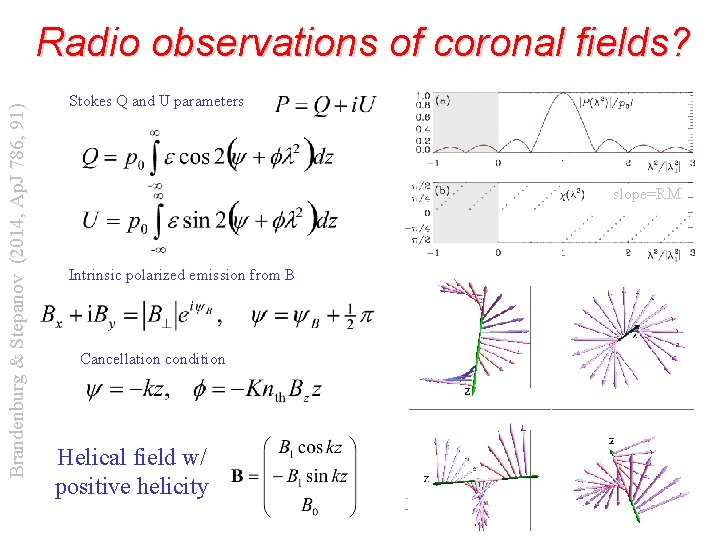
Brandenburg & Stepanov (2014, Ap. J 786, 91) Radio observations of coronal fields? Stokes Q and U parameters slope=RM Intrinsic polarized emission from B Cancellation condition Helical field w/ positive helicity
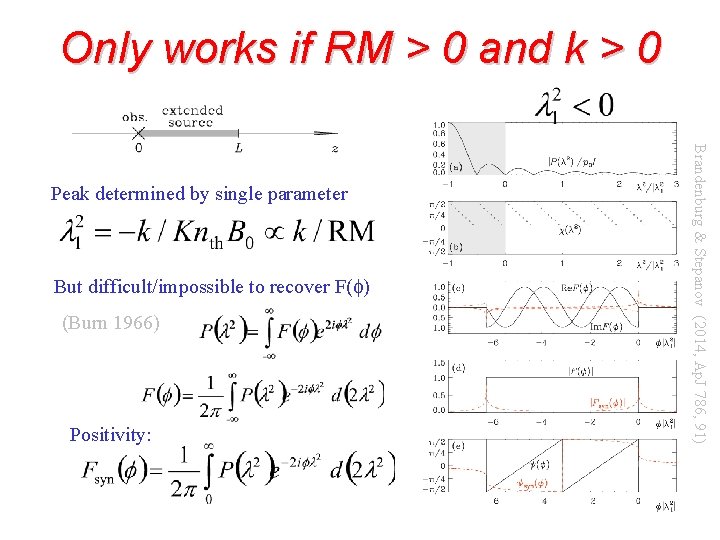
Only works if RM > 0 and k > 0 But difficult/impossible to recover F(f) (Burn 1966) Positivity: Brandenburg & Stepanov (2014, Ap. J 786, 91) Peak determined by single parameter
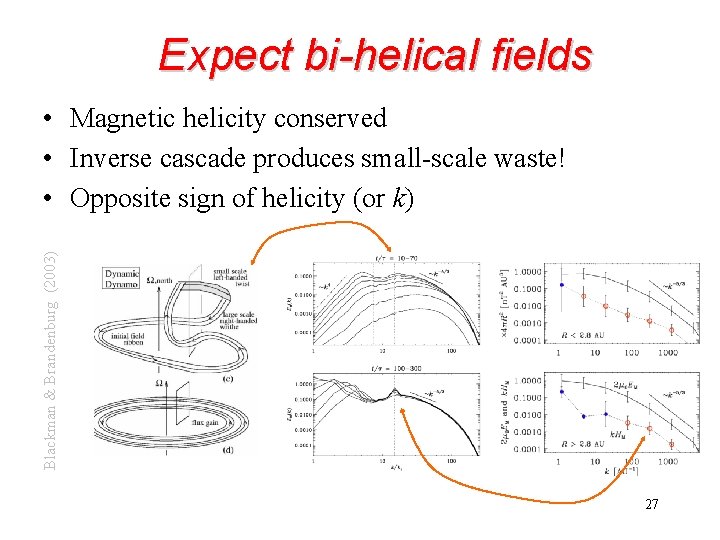
Expect bi-helical fields Blackman & Brandenburg (2003) • Magnetic helicity conserved • Inverse cascade produces small-scale waste! • Opposite sign of helicity (or k) 27
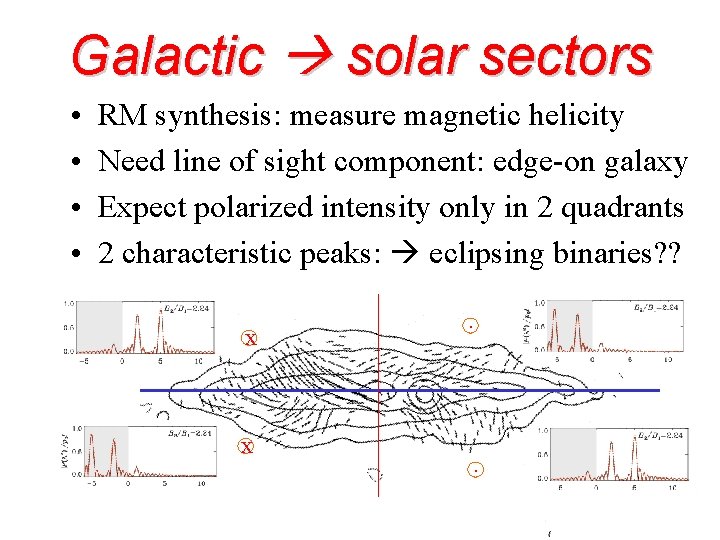
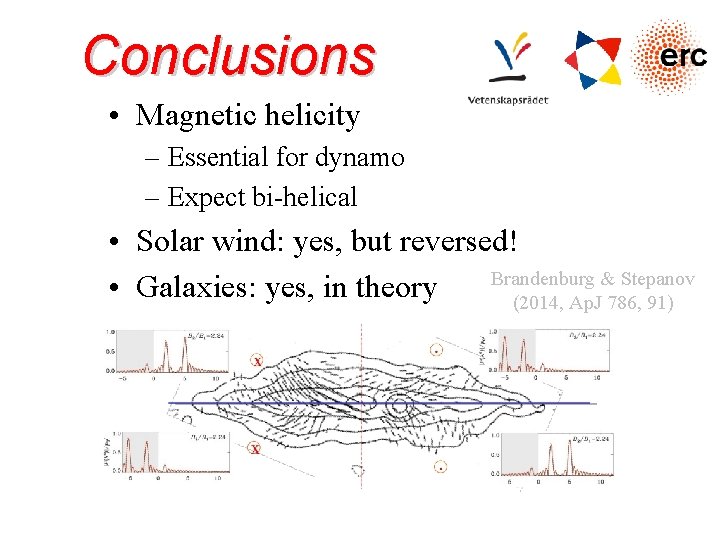
Galactic solar sectors • • RM synthesis: measure magnetic helicity Need line of sight component: edge-on galaxy Expect polarized intensity only in 2 quadrants 2 characteristic peaks: eclipsing binaries? ? x x . . 28
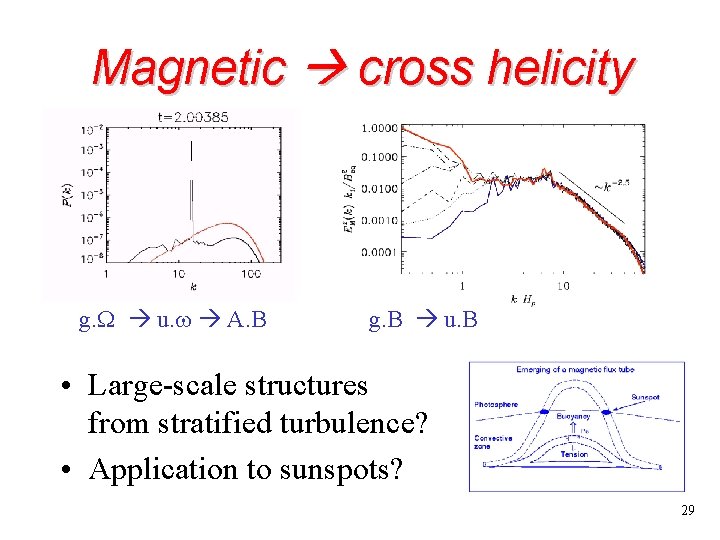
Magnetic cross helicity g. W u. w A. B g. B u. B • Large-scale structures from stratified turbulence? • Application to sunspots? 29
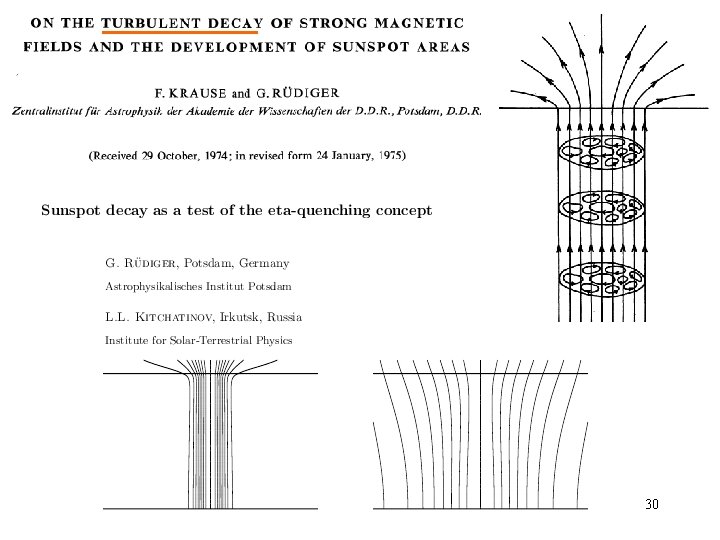
Sunspot decay 30
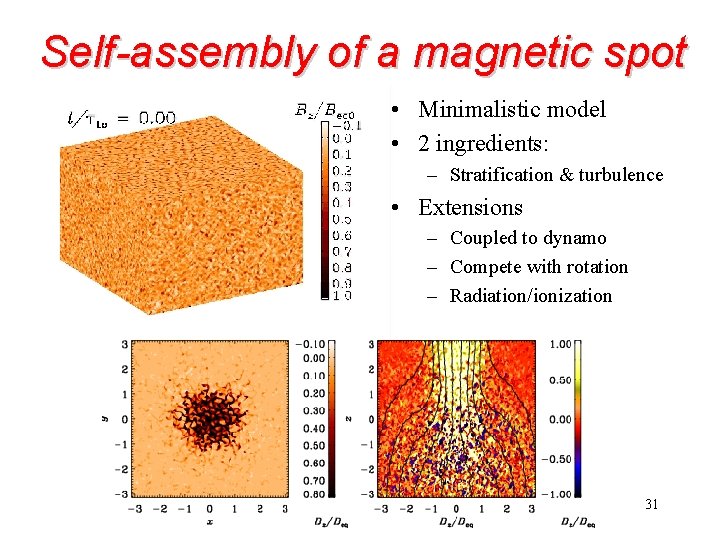
Self-assembly of a magnetic spot • Minimalistic model • 2 ingredients: – Stratification & turbulence • Extensions – Coupled to dynamo – Compete with rotation – Radiation/ionization 31
Conclusions • Magnetic helicity – Essential for dynamo – Expect bi-helical • Solar wind: yes, but reversed! Brandenburg & Stepanov • Galaxies: yes, in theory (2014, Ap. J 786, 91)