
Magnet Lattice Design for the Transmission of Power


- Slides: 21
Magnet Lattice Design for the Transmission of Power Using Particle Beams Daniel Marley & Jim Welch SULI SLAC Presentations 11 August 2011
Outline • Overview of the Grid • Particle Beams for Power Transmission • Particle Storage Rings • Magnet Lattice Design • Future Work
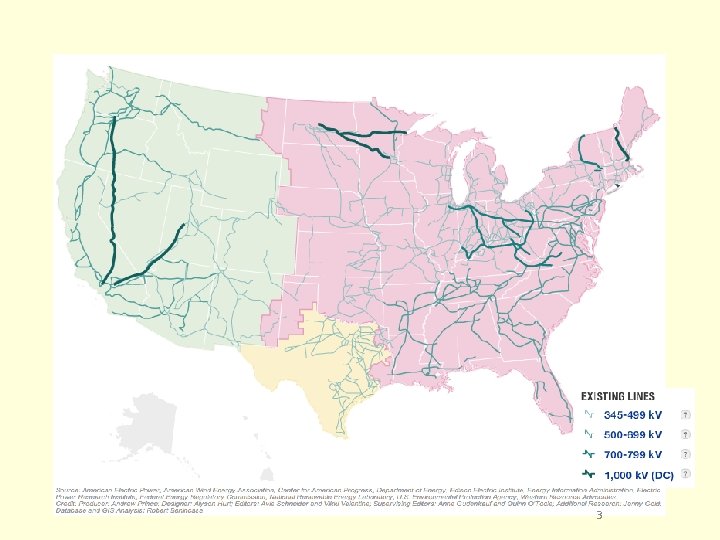
3
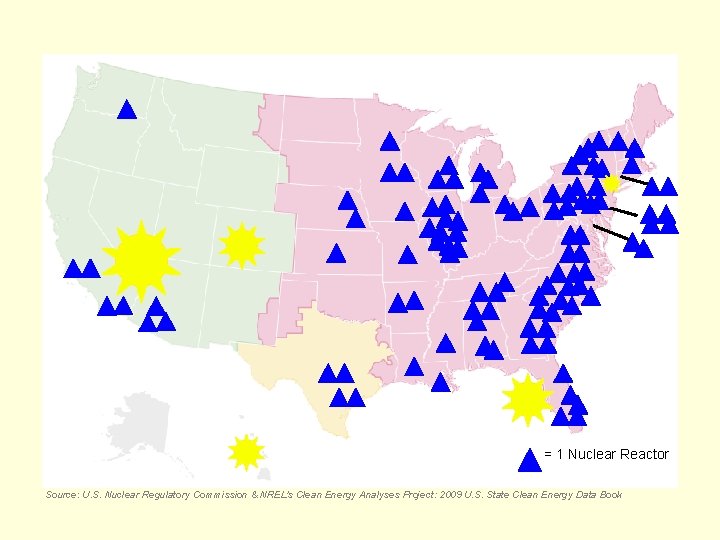
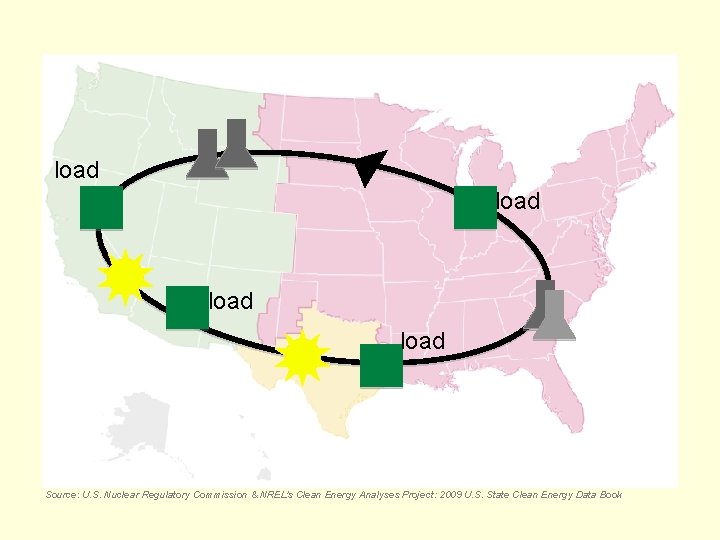
= 1 Nuclear Reactor Source: U. S. Nuclear Regulatory Commission & NREL's Clean Energy Analyses Project: 2009 U. S. State Clean Energy Data Book
load Source: U. S. Nuclear Regulatory Commission & NREL's Clean Energy Analyses Project: 2009 U. S. State Clean Energy Data Book
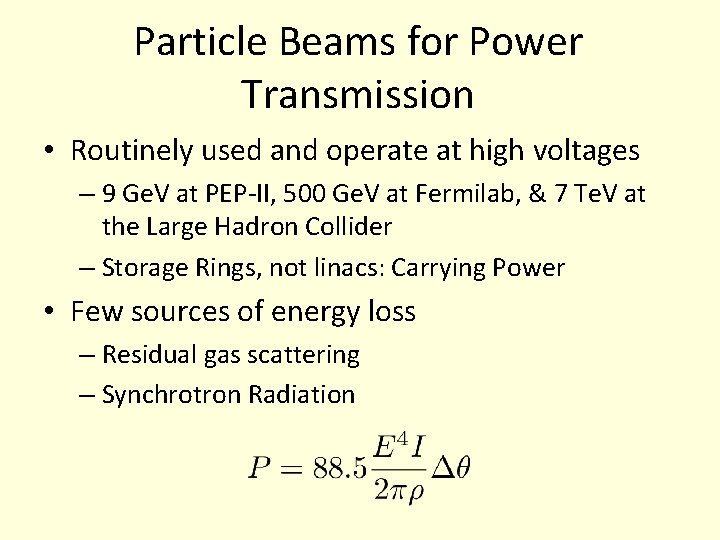
Particle Beams for Power Transmission • Routinely used and operate at high voltages – 9 Ge. V at PEP-II, 500 Ge. V at Fermilab, & 7 Te. V at the Large Hadron Collider – Storage Rings, not linacs: Carrying Power • Few sources of energy loss – Residual gas scattering – Synchrotron Radiation
Issues with Using Particle Beams • Economic Feasibility – Tunneling, Vacuum, Material for the magnets • Power out of the beam – Superconducting RF Cavity at Generators & Loads • Magnet lattice design – The arrangement of quadrupoles and dipoles that comprise an accelerator.
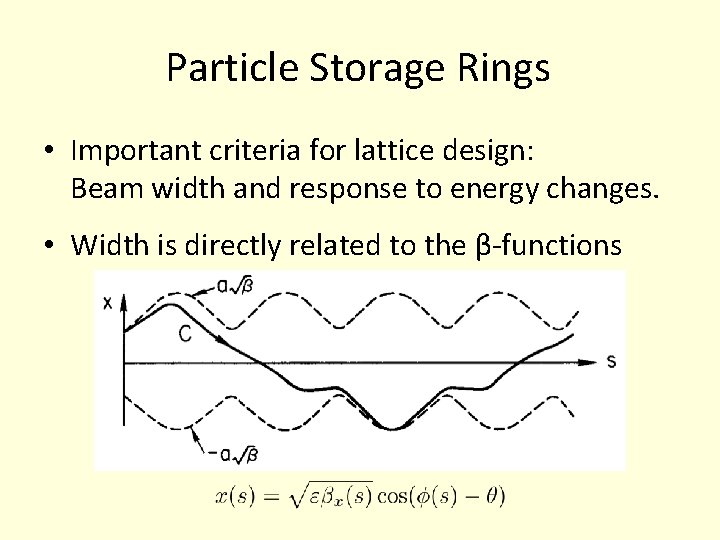
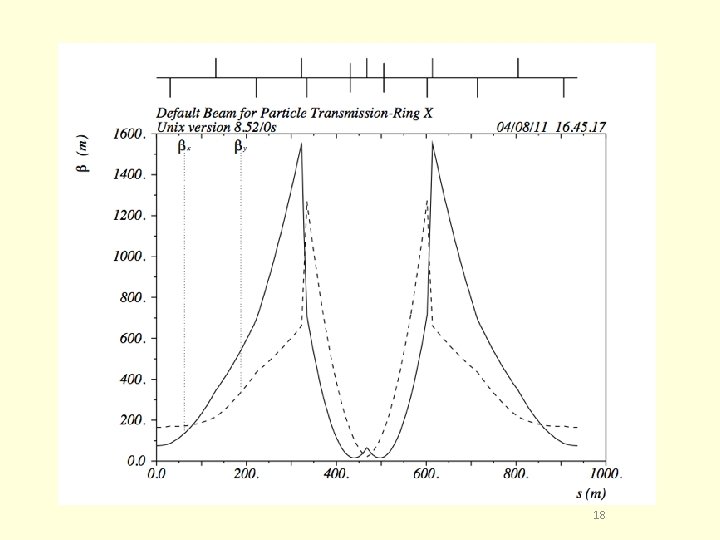
Particle Storage Rings • Important criteria for lattice design: Beam width and response to energy changes. • Width is directly related to the β-functions
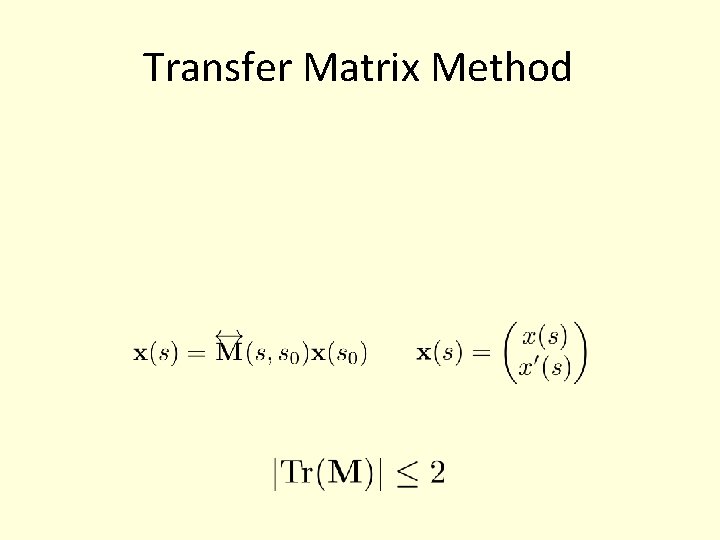
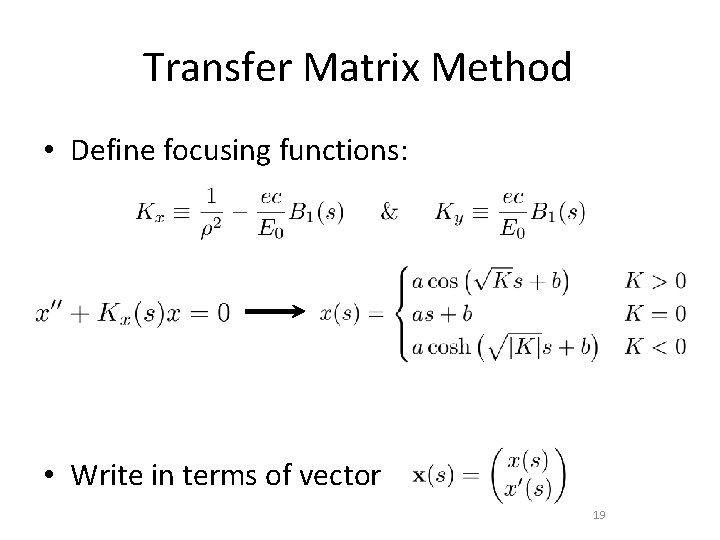
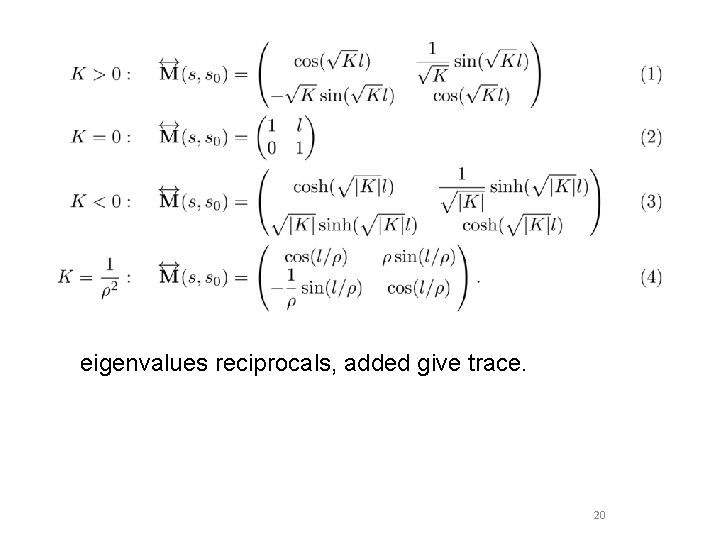
Transfer Matrix Method
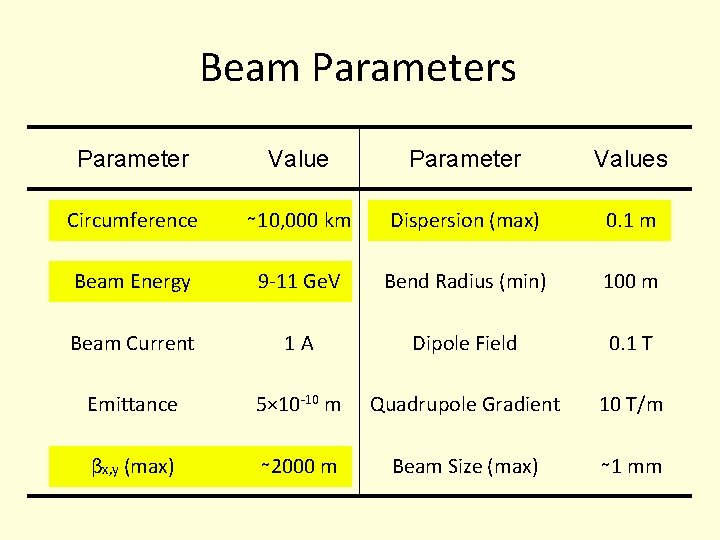
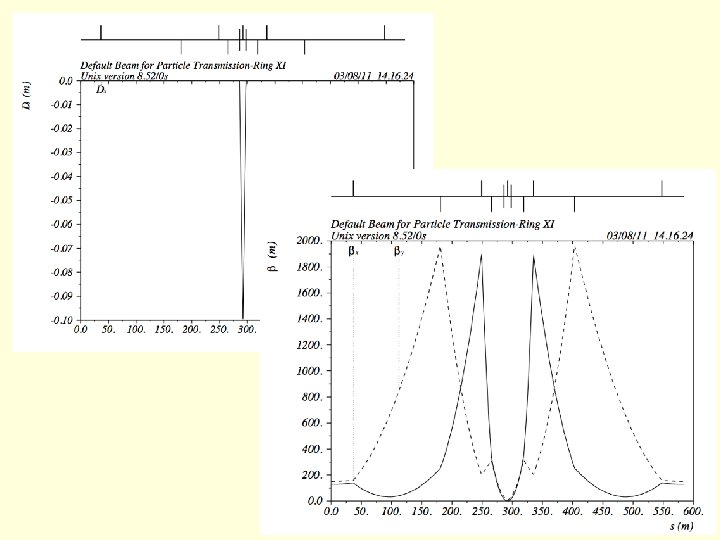
Beam Parameters Parameter Values Circumference ∼ 10, 000 km Dispersion (max) 0. 1 m Beam Energy 9 -11 Ge. V Bend Radius (min) 100 m Beam Current 1 A Dipole Field 0. 1 T Emittance 5× 10 -10 m Quadrupole Gradient 10 T/m βx, y (max) ∼ 2000 m Beam Size (max) ∼ 1 mm
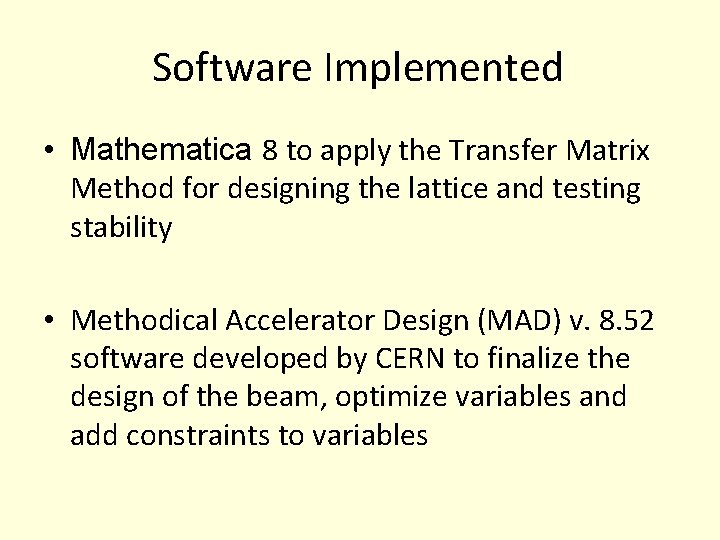
Software Implemented • Mathematica 8 to apply the Transfer Matrix Method for designing the lattice and testing stability • Methodical Accelerator Design (MAD) v. 8. 52 software developed by CERN to finalize the design of the beam, optimize variables and add constraints to variables
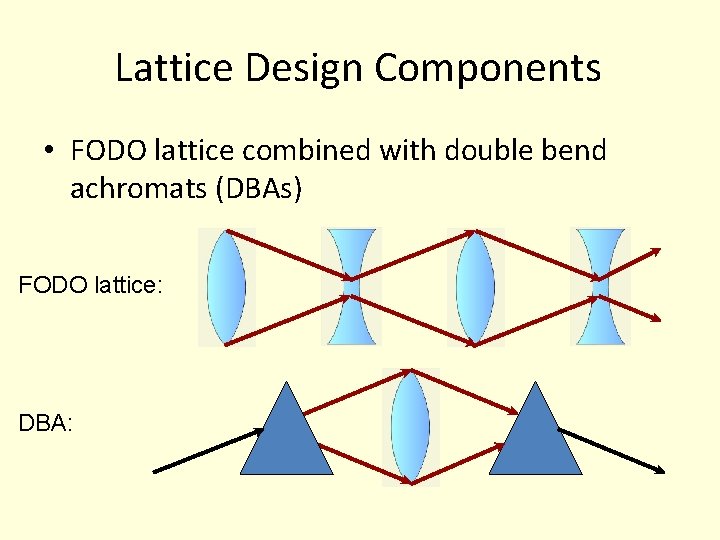
Lattice Design Components • FODO lattice combined with double bend achromats (DBAs) FODO lattice: DBA:
Future Work • Incorporate the terrain into the lattice design • Add RF cavities to MAD code • Compute precise emittance of the beam • Add nonlinear terms to MAD code – Resonances in the beam dynamics • Design magnets with Radia Package in Mathematica.
Conclusion • Magnet lattice can be designed for 10, 000 km circumference ring. • Increased the credibility of this project. • Encouragement to move forward with research and investigation into this method.
Acknowledgements • Department of Energy SULI Program at SLAC. • Advisor Jim Welch – Juhao Wu, Glen White, Mark Woodley, Min-Huey Wang, & Jim Turner for their help • Director Steve Rock, Maria Mastrokyriakos & Anita Piercey
• Questions? • E-mail me: demarley@ncsu. edu
18
Transfer Matrix Method • Define focusing functions: • Write in terms of vector 19
eigenvalues reciprocals, added give trace. 20
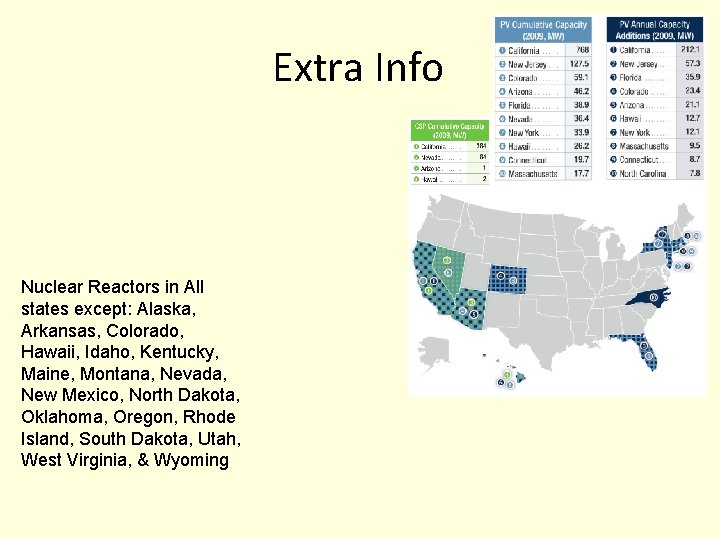
Extra Info Nuclear Reactors in All states except: Alaska, Arkansas, Colorado, Hawaii, Idaho, Kentucky, Maine, Montana, Nevada, New Mexico, North Dakota, Oklahoma, Oregon, Rhode Island, South Dakota, Utah, West Virginia, & Wyoming