
Macromolecules Mr Sason Biology 1 Definition Macromolecule A
Macromolecules Mr. Sason Biology 1
Definition • Macromolecule – A very large molecule consisting of many smaller structural units linked together • There are four major types used in the human body
What are the four major types of macromolecules?
Major Macromolecules in the Human Body • Carbohydrates • Lipids • Proteins • Nucleic Acids
What is a carbohydrate?
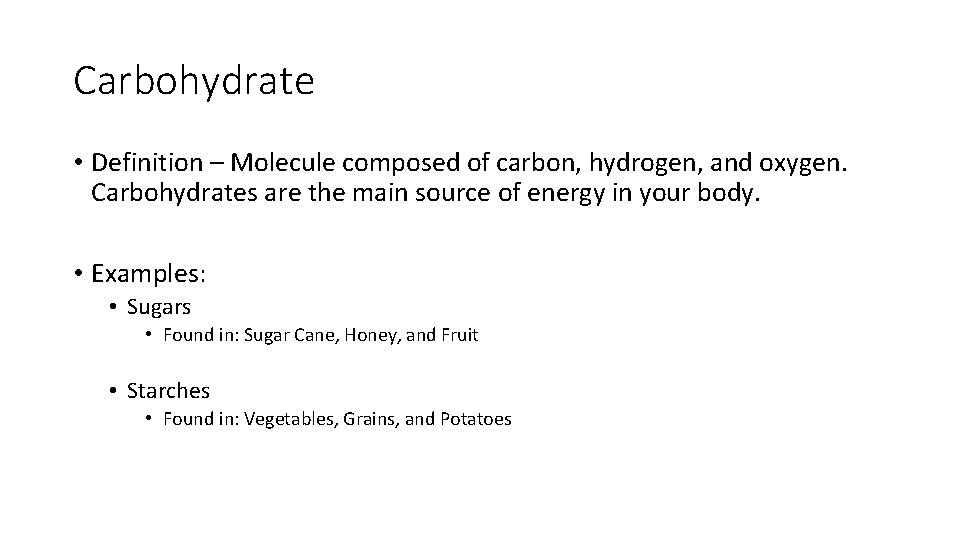
Carbohydrate • Definition – Molecule composed of carbon, hydrogen, and oxygen. Carbohydrates are the main source of energy in your body. • Examples: • Sugars • Found in: Sugar Cane, Honey, and Fruit • Starches • Found in: Vegetables, Grains, and Potatoes
Additional Examples of Carbohydrates?
With your group, using your textbook or computer as reference, construct a model carbohydrate molecule.
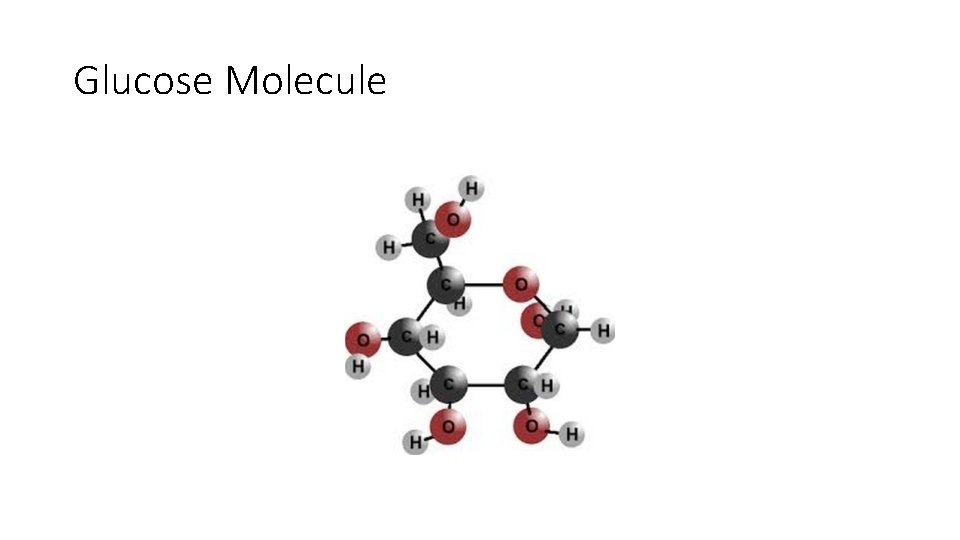
Glucose Molecule
On a sheet of notebook paper, draw your molecule and give it a name according to its structure.
Answer the following questions on the same sheet of paper.
What are the constituent atoms of your molecule? What is the name of your molecule? Why is it called that?

Compare your model to another groups model. Note any differences or similarities on your sheet of paper
What are lipids?
Lipids • Definition – Nonpolar molecule composed of carbon, hydrogen, and oxygen. Lipids provide energy and key components in cell membranes, myelin sheaths for neurons, and certain hormones. • Examples: • Saturated Fats • Found in: Animal Products and Butter • Unsaturated Fats • Found in: Plant Oils and Some Fish
Additional Examples of Lipids?
With your group, using your textbook or computer as reference, construct a model lipid molecule.

Saturated Fat Molecule
On a sheet of notebook paper, draw your molecule and give it a name according to its structure.
Answer the following questions on the same sheet of paper.
What are the constituent atoms of your molecule? What is the name of your molecule? Why is it called that?

Compare your model to another groups model. Note any differences or similarities on your sheet of paper

Clean up and put away all materials. Take out a piece of paper for an exit slip.
Write a brief definition of each macromolecule discussed today and give an example of each.
Macromolecules Mr. Sason Biology 1
Review from yesterday • What two molecules did we discuss yesterday? • Describe the two molecules discussed during yesterday’s lesson.
What are proteins?
Proteins • Definition – Polymer composed of amino acids linked by peptide bonds. Proteins are the raw materials used for the growth and repair of the body’s cells and tissues. In addition, proteins make up all enzymes and many hormones used for cell metabolism. • Examples • Found in: Meat, Cheese, and Eggs
Additional Examples of Proteins?
With your group, using your textbook or computer as reference, construct a model protein molecule. Hint: You must link two or more amino acids
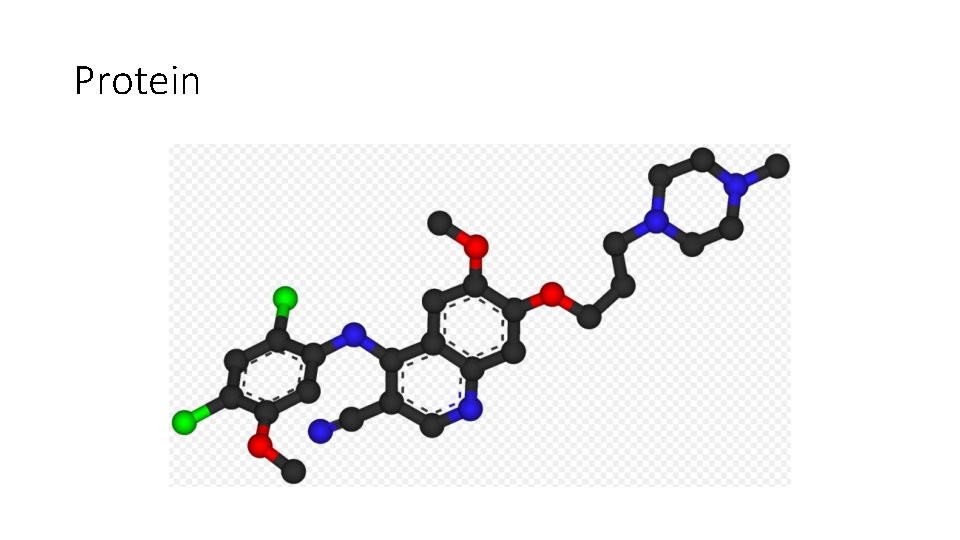
Protein
On a sheet of notebook paper, draw your molecule and give it a name according to its structure.
Answer the following questions on the same sheet of paper.
What are the constituent atoms of your molecule? What is the name of your molecule? Why is it called that?

Compare your model to another groups model. Note any differences or similarities on your sheet of paper
What are nucleic acids?
Nucleic Acids • Definition – Polymer of nucleotides; the genetic material of organisms • Examples: • Found in DNA and RNA
Additional Examples of Nucleic Acids
With your group, using your textbook or computer as reference, construct a model protein molecule.
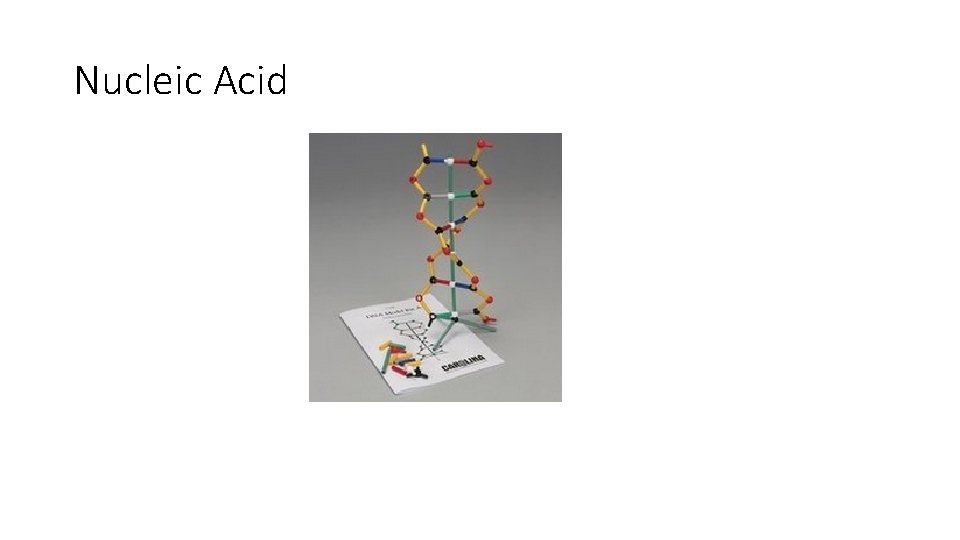
Nucleic Acid
On a sheet of notebook paper, draw your molecule and give it a name according to its structure.
Answer the following questions on the same sheet of paper.
What are the constituent atoms of your molecule? What is the name of your molecule? Why is it called that?

Compare your model to another groups model. Note any differences or similarities on your sheet of paper

Clean up and put away all materials. Take out a piece of paper for an exit slip.
Write a brief definition of each macromolecule discussed today and give an example of each.
- Slides: 46